Bee's Knees Recipe: Gin & Honey Cocktail

Master the Bee's Knees recipe—a Prohibition-era gin cocktail with honey and lemon. Learn history, variations & techniques for this classic sour.
Advertisement
Bee's Knees Recipe: The Prohibition Era Classic That's Still "The Best"
The Bee's Knees cocktail is the perfect embodiment of 1920s speakeasy culture—a drink that's both a historical artifact and a timeless classic. Named after the popular Prohibition-era slang meaning "the best thing ever," this gin-based cocktail lives up to its name with a harmonious blend of botanical spirits, bright citrus, and floral honey sweetness. The Bee's Knees recipe is deceptively simple, combining just three ingredients into something far greater than the sum of its parts.
Key Takeaways
- The Bee's Knees is a Prohibition-era cocktail named after 1920s slang meaning "the best thing ever"
- The classic recipe combines gin, fresh lemon juice, and honey syrup in a perfectly balanced sour-style cocktail
- Honey syrup was originally used to mask the harsh flavors of illegal bathtub gin during Prohibition
- The cocktail likely originated at the Ritz Hotel in Paris, credited to bartender Frank Meier in the 1920s
What makes this cocktail particularly fascinating is its historical context. During Prohibition, when quality spirits were scarce and illegal "bathtub gin" dominated the underground drinking scene, honey became a bartender's best friend. Its strong, sweet flavor helped mask the harsh, sometimes dangerous flavors of poorly made spirits. Today, with access to exceptional gins, the Bee's Knees shines as a sophisticated cocktail that balances juniper-forward botanicals with the natural sweetness of honey and the tartness of fresh lemon. Whether you're a gin enthusiast or a cocktail history buff, mastering the Bee's Knees recipe is essential for any home bartender.
The Classic Bee's Knees Recipe
Making the perfect Bee's Knees cocktail starts with quality ingredients and proper proportions. This gin honey lemon cocktail has remained virtually unchanged since the 1920s, a testament to its perfectly balanced formula:
Ingredients:
- 2 oz gin (London Dry or botanical)
- 3/4 oz fresh lemon juice
- 3/4 oz honey syrup (equal parts honey and water)
- Ice
- Lemon twist (for garnish)
Instructions:
- Make your honey syrup by combining equal parts honey and warm water, stirring until completely dissolved
- Add gin, fresh lemon juice, and honey syrup to a cocktail shaker filled with ice
- Shake vigorously for 15-20 seconds until the shaker is frosty and well-chilled
- Double strain through a Hawthorne strainer and fine mesh strainer into a chilled coupe glass
- Express a lemon twist over the cocktail to release the citrus oils, then drop it in or rest it on the rim
The beauty of the Bee's Knees lies in its simplicity. Unlike complicated multi-ingredient cocktails, this three-component recipe relies entirely on quality and technique. Fresh lemon juice is non-negotiable—bottled lemon juice simply won't deliver the bright, vibrant acidity that makes this cocktail sing. Similarly, your choice of gin matters tremendously, which we'll explore in detail below.
Making Perfect Honey Syrup
The secret to a great Bee's Knees recipe is properly prepared honey syrup. Raw honey is too thick to mix properly in a cocktail, creating an uneven drink with pockets of concentrated sweetness. Converting it to syrup ensures perfect integration.
How to make honey syrup:
- Use a 1:1 ratio of honey to warm water (not boiling)
- Combine in a small bowl or jar
- Stir or shake until the honey completely dissolves into the water
- Let cool to room temperature before using
- Store refrigerated in an airtight container for up to two weeks
Honey selection matters: While any honey will work, the type you choose affects the final flavor profile. Wildflower honey offers complex, floral notes that complement botanical gins beautifully. Orange blossom honey adds subtle citrus undertones that enhance the lemon juice. Clover honey provides a milder, sweeter base that won't compete with your gin's botanicals. For a more adventurous variation, try lavender honey or buckwheat honey for deeper, earthier notes.
Some bartenders prefer a 2:1 honey-to-water ratio for a thicker, more viscous syrup that provides richer mouthfeel. Experiment to find your preferred consistency, but remember that thicker syrup means adjusting your cocktail ratios accordingly.
Choosing the Right Gin for Your Bee's Knees
The gin you select fundamentally shapes your Bee's Knees cocktail experience. With hundreds of gins available today, understanding the flavor profiles helps you create the perfect drink:
London Dry Gin is the traditional choice for a Bee's Knees recipe. Classic London Dry gins like Beefeater, Tanqueray, or Plymouth offer pronounced juniper character with supporting botanicals like coriander, angelica root, and citrus peels. These gins create a more traditional, spirit-forward cocktail where the gin's personality shines through the honey and lemon. The strong juniper backbone stands up beautifully to honey's sweetness without being overwhelmed.
Contemporary botanical gins offer exciting alternatives with their diverse botanical blends. Hendrick's, with its cucumber and rose petal infusion, creates a delicate, garden-fresh Bee's Knees. The Botanist, featuring 22 hand-foraged Islay botanicals, adds complexity and herbal depth. These modern gins work particularly well when you want the honey's floral notes to harmonize with complementary botanicals rather than contrast with juniper.
Old Tom Gin, a slightly sweetened style popular in the 19th century, creates an even richer, more dessert-like version. Since Old Tom is already sweetened, you might reduce the honey syrup slightly to maintain balance. Hayman's Old Tom or Ransom Old Tom both work beautifully.
Navy Strength Gin (57% ABV or higher) delivers a more intense, spirit-forward Bee's Knees that some cocktail enthusiasts prefer. The higher alcohol content carries flavors more assertively and provides a warming finish. If using Navy Strength, consider reducing the gin to 1.75 oz to maintain balance.
For more gin-based cocktails that showcase this versatile spirit, explore our complete gin cocktails guide.
The Prohibition History Behind the Bee's Knees
Understanding the historical context of the Bee's Knees recipe adds depth to every sip. The 1920s were a unique period in American drinking culture, when Prohibition forced cocktail creativity underground and into the speakeasies that defined the era.
The Bathtub Gin Problem: During Prohibition (1920-1933), legal alcohol production ceased in the United States, but demand certainly didn't. Amateur distillers produced "bathtub gin" in unsanitary conditions using industrial alcohol, glycerin, juniper oil, and water—often in actual bathtubs. The result was harsh, sometimes dangerous spirits with unpleasant flavors that needed masking.
Honey to the Rescue: Enter honey syrup and fresh citrus. Bartenders discovered that honey's strong, distinctive sweetness combined with tart lemon juice could transform even mediocre gin into something drinkable. The Bee's Knees recipe became a speakeasy staple because it made the available spirits palatable while delivering a delicious cocktail that justified its high price.
Frank Meier and the Ritz Paris: While the Bee's Knees likely emerged from American speakeasies, credit often goes to Frank Meier, legendary bartender at the Ritz Hotel in Paris. Meier's 1936 book "The Artistry of Mixing Drinks" includes the recipe, though the cocktail predates the book by several years. Paris in the 1920s was a haven for American expatriates escaping Prohibition, and cocktail culture flourished in establishments like Harry's New York Bar and the Ritz.
The Name: "Bee's Knees" was quintessential 1920s slang, part of a linguistic trend that included phrases like "cat's pajamas," "cat's meow," and "the berries"—all meaning something excellent or outstanding. The term perfectly captures the cocktail's status as one of the era's finest creations.
Today's Bee's Knees cocktails bear little resemblance to their Prohibition-era ancestors in one crucial way: we're using exceptional gins that would have seemed impossibly refined to 1920s drinkers. The recipe endures because even with quality spirits, the combination of gin, lemon, and honey creates something genuinely special.
Mastering the Technique: Shake and Strain
While the Bee's Knees recipe is simple, technique elevates it from good to exceptional. Pay attention to these crucial steps:
Shake Hard and Shake Long: This cocktail demands vigorous shaking for 15-20 seconds minimum. You're not just chilling the drink—you're creating proper dilution and aeration. Honey syrup is denser than simple syrup and needs aggressive agitation to integrate fully. Shake until the shaker feels painfully cold in your hands and frost forms on the exterior.
The Double Strain is Essential: Unlike cocktails where small ice chips add character, the Bee's Knees should be silky smooth. Double straining means pouring through both your shaker's Hawthorne strainer and a fine mesh strainer held over your glass. This removes ice chips, lemon pulp, and any undissolved honey particles, resulting in a crystal-clear cocktail with perfect texture.
Proper Dilution Matters: The Bee's Knees needs adequate dilution to balance its components. Use plenty of ice when shaking—a full shaker allows for maximum chilling and dilution. Under-diluted Bee's Knees cocktails taste overly sweet and harsh; properly diluted versions are smooth, balanced, and refreshing.
Chill Your Glass: Pre-chill your coupe or Nick and Nora glass by filling it with ice water while you prepare the cocktail. A warm glass immediately begins warming your perfectly chilled drink, diminishing the experience. Dump the ice water just before straining.
The Lemon Twist Technique: Expressing a lemon twist adds aromatic citrus oils that dramatically enhance the drinking experience. Hold a fresh lemon peel about 6 inches above the cocktail, colored side down. Sharply bend the peel to release a fine mist of citrus oils onto the drink's surface. You should see the oils spray and smell the bright lemon aroma.
For fundamental cocktail techniques and skills, check out our simple syrup recipes and preparation guide.
Delicious Bee's Knees Variations
Once you've mastered the classic Bee's Knees recipe, these variations offer exciting new dimensions:
The Honey Bee
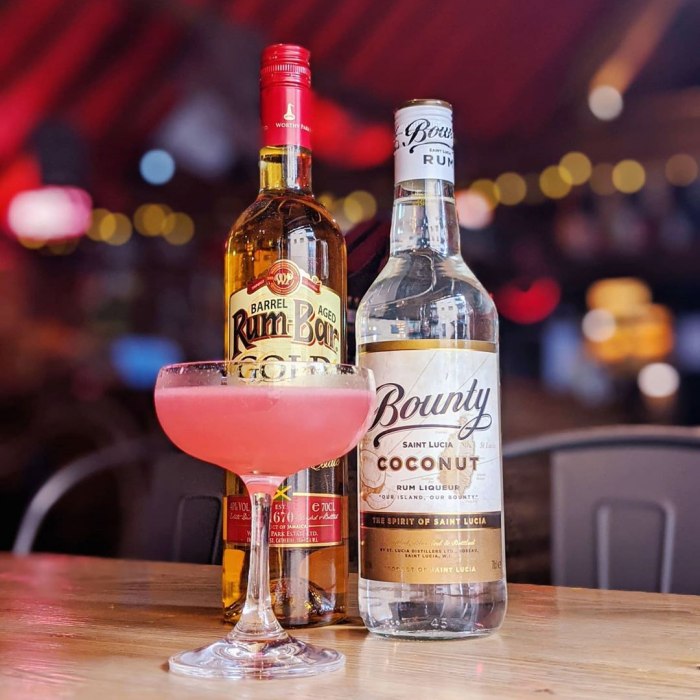
The Honey Bee substitutes white rum for gin, creating a lighter, more tropical variation. Use 2 oz light or gold rum, 3/4 oz fresh lemon juice, and 3/4 oz honey syrup. The rum's sugarcane sweetness pairs beautifully with honey, creating a drink that's less botanical and more sunshine-in-a-glass. This variation particularly shines with funky Jamaican rums or grassy agricole rhums.
Lavender Bee's Knees
Infuse your honey syrup with dried lavender for a floral, aromatic twist. Add 2 tablespoons of dried culinary lavender to your honey syrup while warm, steep for 30 minutes, then strain. The lavender adds sophisticated herbal notes that complement gin's botanicals without overwhelming the cocktail. Garnish with a small lavender sprig for visual appeal.
Gold Rush
While technically a different cocktail, the Gold Rush is the Bee's Knees' bourbon cousin and deserves mention. Created by T.J. Siegel at New York's Milk & Honey in the mid-1990s, it uses 2 oz bourbon, 3/4 oz lemon juice, and 3/4 oz honey syrup. The whiskey's vanilla and oak notes create a richer, warmer alternative to the gin version. For more bourbon cocktail ideas, see our bourbon cocktails guide.
Bee's Knees Royale
Add a festive twist by topping your Bee's Knees with 1-2 oz of sparkling wine or champagne. Prepare the cocktail as usual but reduce the gin slightly to 1.5 oz to accommodate the wine. The bubbles add celebratory elegance and lightness, making this perfect for brunch or celebrations. This variation bridges the gap between a Bee's Knees and a French 75.
Smoky Bee's Knees
Use a mezcal-gin split (1 oz mezcal, 1 oz gin) for a smoky, complex variation that's become popular in modern cocktail bars. The mezcal's agave smoke plays beautifully against honey's sweetness and lemon's brightness. Use a milder mezcal to avoid overwhelming the delicate balance.
Green Bee's Knees
Muddle 4-5 fresh basil leaves in the shaker before adding the other ingredients. The basil adds herbaceous complexity that complements both gin and honey. Strain carefully to remove all basil particles, and garnish with a fresh basil leaf slapped between your palms to release its aroma.
Serving and Presentation
Presentation matters with classic cocktails, and the Bee's Knees deserves proper treatment:
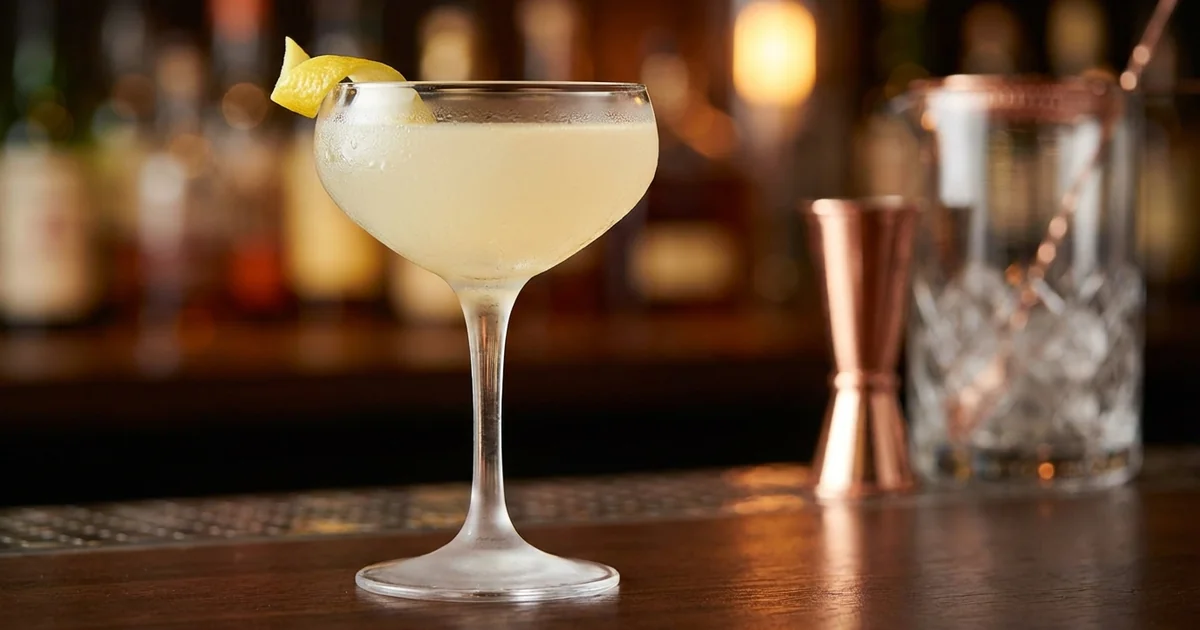
Glassware: The traditional choice is a chilled coupe glass, which showcases the cocktail's golden color and allows the citrus aromatics to concentrate near your nose as you sip. A Nick and Nora glass (a smaller, more delicate coupe) works beautifully for a more refined presentation. Some bartenders serve it in a rocks glass over a large ice sphere for a more casual approach, though this isn't traditional.
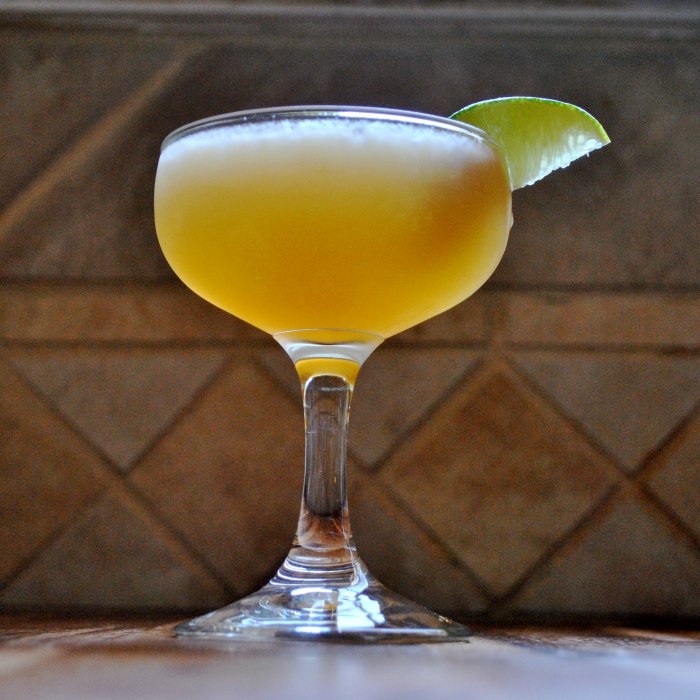
Color: A properly made Bee's Knees has a beautiful pale golden color, somewhere between champagne and light honey. The hue comes from the honey syrup and varies slightly depending on honey type—darker honeys create richer, amber-toned cocktails.
Garnish Options: The classic lemon twist is traditional and perfect, but consider these alternatives:
- Dehydrated lemon wheel for an elegant, modern look
- Fresh thyme sprig, which adds aromatic complexity without competing with the drink
- Edible flower like a pansy or viola for Instagram-worthy presentation
- Candied lemon peel for a sweeter, more decorative touch
Temperature: The Bee's Knees should be served ice-cold. The combination of pre-chilled glass, hard shaking with abundant ice, and immediate service creates a cocktail that's refreshing and crisp from first sip to last.
Frequently Asked Questions
Q: Can I use bottled lemon juice for a Bee's Knees? A: While technically possible, fresh lemon juice is essential for the best Bee's Knees cocktail. Bottled lemon juice lacks the bright, vibrant acidity and fresh citrus oils that make this cocktail special. Fresh lemon juice takes minutes to squeeze and transforms the final result—it's worth the small effort.
Q: How long does honey syrup last? A: Properly made honey syrup stores refrigerated for up to two weeks in an airtight container. The honey's natural antimicrobial properties help preserve it, but diluting it with water reduces shelf life compared to raw honey. If you notice any cloudiness, off odors, or mold, discard and make fresh syrup.
Q: What if I don't have a fine mesh strainer for double straining? A: While double straining produces the smoothest result, you can make a delicious Bee's Knees with just a Hawthorne strainer. Pour carefully and leave any ice chips or pulp in the shaker. The texture won't be quite as refined, but the flavor remains excellent.
Q: Can I make Bee's Knees cocktails in advance for a party? A: You can pre-batch the gin, lemon juice, and honey syrup in a pitcher and refrigerate for up to 4 hours. However, shake each individual serving with ice rather than batch-diluting, as controlled dilution is crucial to proper balance. Lemon juice oxidizes over time, so don't prepare more than a few hours ahead.
Q: Why is my Bee's Knees too sweet or too tart? A: Lemons vary in acidity depending on season and variety. Start with the standard 3/4 oz measurements and adjust to taste. If too tart, add an extra 1/4 oz of honey syrup. If too sweet, add more lemon juice in 1/4 oz increments. Also ensure your honey syrup is truly 1:1—if you've made it too thick, it will throw off the balance.
Q: What makes the Bee's Knees different from a Tom Collins? A: Both are gin-lemon cocktails, but the Tom Collins uses simple syrup (not honey) and is topped with soda water, making it longer, lighter, and more refreshing. The Bee's Knees is a shorter, spirit-forward cocktail served up without soda. For more on the Tom Collins, see our Tom Collins recipe guide.
Q: Can I use a different citrus instead of lemon? A: While lemon is traditional, lime creates an interesting tropical variation. Meyer lemon offers a sweeter, less tart alternative that some prefer. Grapefruit juice (increase to 1 oz to account for lower acidity) creates a Prohibition-era variation called the Brown Derby when made with whiskey, but works with gin too.
Q: Is there a non-alcoholic version of the Bee's Knees? A: Yes! Use a non-alcoholic gin alternative like Seedlip Grove 42 or Ritual Gin Alternative, which capture botanical flavors without alcohol. Follow the same recipe and technique. The result won't be identical, but modern non-alcoholic spirits have improved dramatically and create surprisingly satisfying mocktails.
Conclusion
The Bee's Knees recipe represents the best of Prohibition-era cocktail innovation—a simple combination of ingredients that creates something far more sophisticated than you'd expect. Born from necessity when bartenders needed to mask inferior spirits, the cocktail has survived nearly a century to become a modern classic that showcases quality gin, bright citrus, and the natural complexity of honey.
What makes the Bee's Knees particularly appealing today is its accessibility. Unlike cocktails requiring obscure ingredients or complex techniques, this gin honey lemon cocktail demands just three components and basic shaking skills. Yet it delivers a drinking experience that rivals far more complicated creations, proving that great cocktails don't need to be complex—they just need to be balanced.
Whether you're drawn to its speakeasy history, its beautifully balanced flavor profile, or simply its memorable name, the Bee's Knees deserves a place in your cocktail repertoire. Master the classic version first, then explore the variations that suit your taste. From the rum-based Honey Bee to the lavender-infused variation, this template offers endless possibilities for experimentation.
As you shake your next Bee's Knees, remember you're not just making a cocktail—you're participating in nearly a century of cocktail history, connecting with the 1920s bartenders who first discovered that gin, lemon, and honey truly is "the bee's knees." For the official recipe and more classic cocktails, visit our cocktail library. Cheers to this Prohibition-era classic that remains, true to its name, absolutely the best!
Advertisement
About Elena
Classic Cocktails & Gin Expert at Hero Cocktails, passionate about crafting exceptional cocktails and sharing mixology expertise.
Advertisement