Caipirinha Recipe: Brazil's Perfect Cocktail
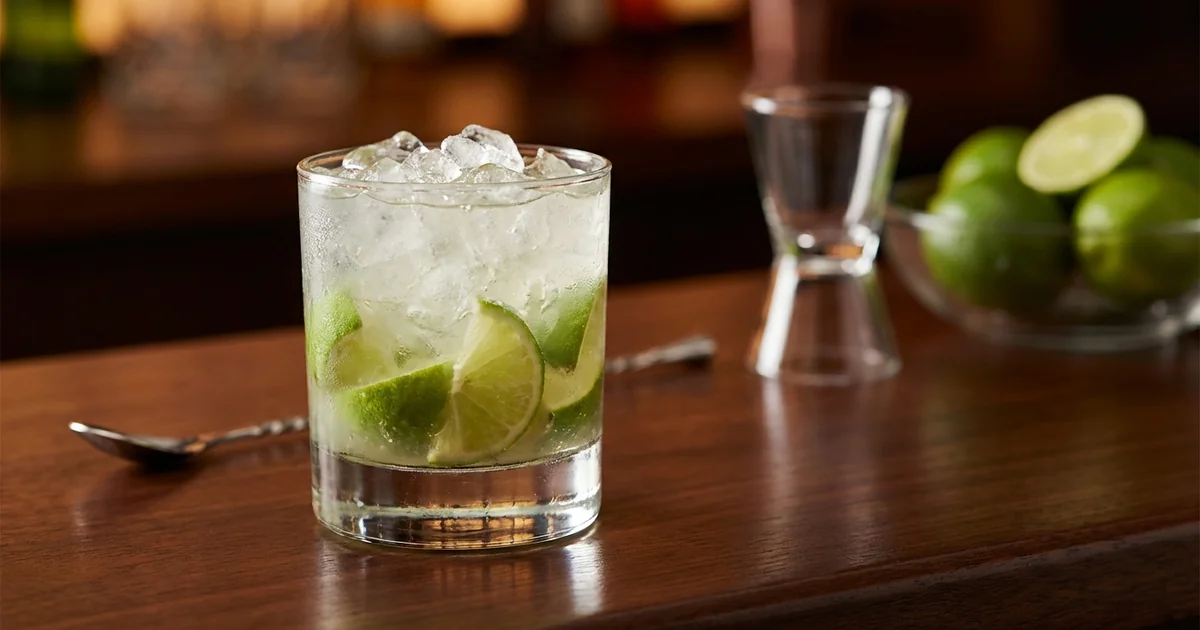
Learn the authentic caipirinha recipe with cachaça, fresh lime, and sugar. Master muddling, cachaça selection, and Brazilian cocktail variations.
Advertisement
The caipirinha is Brazil's soul in a glass—vibrant, bold, and unapologetically rustic. As the country's national cocktail, this deceptively simple drink captures the spirit of Rio's beaches, carnival celebrations, and centuries of sugarcane heritage. When you master an authentic caipirinha recipe, you're not just making a cocktail; you're experiencing Brazil's most cherished liquid tradition.
Key Takeaways
- Authentic caipirinhas require cachaça, not rum—the sugarcane spirit is essential
- Muddle lime wedges with sugar directly in the glass for proper oil extraction
- Use granulated sugar for traditional texture and enhanced muddling action
- Fresh limes and quality cachaça make the difference between good and exceptional
But here's what most people get wrong: substituting vodka for cachaça, over-sweetening the mix, or failing to muddle properly. The caipirinha's three-ingredient simplicity means every detail matters. The aggressive muddling technique, the choice of cachaça, even the type of sugar—each element plays a critical role.
This comprehensive guide will teach you the authentic Brazilian method, from selecting quality cachaça to mastering the vigorous muddling technique that sets caipirinhas apart from gentler cocktails. Whether you're sipping on Copacabana Beach or in your backyard, you'll learn how to craft a caipirinha that would earn approval from the bartenders of São Paulo.
The Classic Caipirinha Recipe
Here's the authentic Brazilian formula that's remained unchanged for generations:
Ingredients:
- 2 oz cachaça (Brazilian sugarcane spirit)
- 1 fresh lime (cut into wedges)
- 2 teaspoons white granulated sugar (or 1 tablespoon demerara sugar)
- Crushed or cracked ice
Glassware: Double Old Fashioned glass (rocks glass, 8-10 oz)
Garnish: Optional lime wheel (traditionally served without garnish)
Instructions:
- Prepare the lime: Cut lime into 8 wedges, removing the bitter white core
- Build in glass: Add lime wedges and sugar to the bottom of the glass
- Muddle vigorously: Press and twist aggressively for 30-45 seconds to extract juice and oils
- Add cachaça: Pour 2 oz cachaça directly over the muddled lime mixture
- Add ice: Fill glass completely with crushed or cracked ice
- Stir thoroughly: Mix for 15-20 seconds, ensuring sugar dissolves completely
- Serve immediately: Present with a stirring stick or short straw
Time: 3 minutes | ABV: Approximately 18-20%
The Golden Rule: A caipirinha should be aggressively fresh, slightly tart, and perfectly balanced between sweet and sour. The muddling is not gentle—you want maximum lime oil extraction.
What is Cachaça? Understanding Brazil's Spirit
The most common mistake Americans make? Calling cachaça "Brazilian rum." It's not rum—it's its own distinct category of spirit with unique production methods and flavor profiles.
Cachaça vs. Rum: The Critical Difference
Cachaça:
- Made from fresh sugarcane juice
- Fermented immediately after pressing
- Grassy, vegetal, funky flavor profile
- Produced almost exclusively in Brazil
- Over 5,000 brands available
Rum:
- Made from molasses (a sugarcane byproduct)
- Fermented after sugar extraction
- Smoother, sweeter flavor profile
- Produced throughout the Caribbean and beyond
This distinction isn't just technical—it's the entire reason caipirinhas taste the way they do. Cachaça's raw, agricultural character provides the backbone that balances lime's acidity and sugar's sweetness.
Types of Cachaça
Cachaça Branca (White/Silver):
- Unaged or rested briefly in stainless steel
- Clear appearance
- Bright, grassy flavor
- Best for caipirinhas
- Examples: Leblon, Avuá Prata, Novo Fogo Silver
Cachaça Ouro (Gold):
- Aged in wooden barrels
- Yellow to amber color
- Smoother, more complex flavor
- Better for sipping neat
- Can work in premium caipirinhas
- Examples: Leblon Reserva Especial, Avuá Amburana
Artisanal vs. Industrial:
- Industrial: Consistent, clean, widely available, affordable
- Artisanal: Small-batch, more character, terroir-driven, premium pricing
For the classic caipirinha recipe, white cachaça delivers the authentic flavor Brazilians expect.
Cachaça Selection Guide: Finding Quality Bottles
Not all cachaça is created equal. Here's how to choose bottles that will elevate your caipirinhas.
Recommended Cachaças by Budget
Budget-Friendly ($15-25):
- Sagatiba Pura: Clean, smooth, widely available at liquor stores
- Ypioca Prata: Brazil's best-selling brand, authentic flavor at great value
- Pitú: Traditional choice, straightforward and reliable
Mid-Range ($25-35):
- Leblon: Premium quality, smooth finish, excellent for cocktails
- Novo Fogo Silver: Organic, sustainable, bright citrus notes
- Avuá Prata: Artisanal production, balanced and complex
Premium ($35-50+):
- Leblon Reserva Especial: Aged in cognac barrels, sophisticated
- Germana Cachaça: Small-batch artisanal, incredible depth
- Avuá Amburana: Aged in Brazilian amburana wood, unique vanilla notes
What to Look for on the Label
Quality Indicators:
- "100% Blue Agave"—wait, wrong spirit! Look for "Cachaça Artesanal"
- "Produto do Brasil" confirms authenticity
- ABV between 38-48% (40% is standard)
- Batch numbers indicate small-batch production
- Regional identifiers (Minas Gerais, São Paulo regions are renowned)
Red Flags:
- Artificial coloring
- Added sugar (check ingredients)
- Suspiciously low price (under $12)
- Unclear origin or producer information
Can You Substitute Rum?
Technically yes, but you're no longer making a caipirinha—you're making a Ti' Punch or a Rum Caipirinha. The flavor profile changes dramatically. Rum's molasses sweetness lacks cachaça's grassy bite, creating a fundamentally different drink.
If cachaça is genuinely unavailable, use a white agricole rum (rhum agricole) made from sugarcane juice, like Rhum Clément or Rhum J.M. It's closer to cachaça than molasses-based rum.
The Muddling Technique: Aggressive Extraction
Unlike mojitos where gentle muddling is key, caipirinhas demand aggressive muddling to extract maximum lime juice, oils, and zest.
Why Aggressive Muddling Works Here
The Science:
- Lime peels contain essential oils in the zest
- Aggressive muddling breaks down peel and releases these aromatic compounds
- The sugar crystals act as an abrasive, enhancing extraction
- You want bits of peel in the final drink for texture and flavor
The Result:
- Intensely aromatic lime essence
- Slightly cloudy appearance from extracted oils
- Balanced bitterness from peel complementing sweetness
- Rustic, textured drink (not refined or smooth)
Proper Muddling Technique Step-by-Step
Step 1: Lime Preparation
- Cut lime into 8 wedges (quarters, then halve each quarter)
- Remove the white core/pith running down the center
- This core is intensely bitter—removing it prevents harshness
- Keep the peel on all wedges
Step 2: The Muddle
- Add all lime wedges and sugar to your glass
- Use a wooden muddler or a sturdy pestle
- Press down firmly and twist simultaneously
- Continue for 30-45 seconds with force
- You should hear the sugar grinding against lime and glass
- The limes should be partially broken down, releasing juice
Step 3: The Visual Check
- Bottom of glass should have visible lime juice pooling
- Sugar should be partially dissolved and no longer dry
- Lime wedges should look crushed and broken
- Some peel bits should be separated from flesh
Common Muddling Mistakes
Mistake #1: Being Too Gentle This isn't a mojito. You need to really work the limes to extract enough juice and oils. Don't be timid.
Mistake #2: Removing the Peel The peel contains the aromatic oils that make caipirinhas special. Peeled limes create a flat, one-dimensional drink.
Mistake #3: Not Removing the Core The white pith core is extremely bitter. Leaving it in creates unpleasant harshness.
Mistake #4: Pre-Juicing the Limes Muddling whole wedges extracts oils from the peel simultaneously with juice. Pre-juiced limes miss this essential component.
Sugar Selection: Traditional vs. Modern
The type of sugar you use affects both flavor and muddling efficiency.
White Granulated Sugar (Traditional Brazilian Method)
Why It Works:
- Crystals provide abrasive action during muddling
- Helps extract lime oils mechanically
- Creates subtle texture in the finished drink
- Authentic to how Brazilians make caipirinhas
Amount: 2 teaspoons (adjust to taste)
Technique: Add directly to glass with lime wedges, muddle together vigorously until sugar is mostly dissolved and lime juice is extracted.
Demerara or Raw Sugar (Premium Alternative)
Why It Works:
- Richer, more complex sweetness
- Subtle molasses notes complement cachaça
- Larger crystals provide even better muddling action
- Premium flavor enhancement
Amount: 1 tablespoon (slightly more volume due to larger crystals)
Best For: Artisanal cachaças where you want extra depth
Simple Syrup (Modern Convenience)
Pros:
- Dissolves instantly
- Easier to control sweetness
- No grittiness
Cons:
- Loses the abrasive muddling benefit
- Less traditional
- Changes the textural experience
If Using: Add 0.5-0.75 oz simple syrup after muddling limes (muddle limes alone first)
Sweetness Adjustment
Brazilian taste preferences lean less sweet than American cocktails. Start with the recommended amount and adjust:
- Less sweet: Reduce to 1.5 teaspoons sugar
- Sweeter: Increase to 1 tablespoon sugar
- Perfect balance: The sweetness should complement, not overpower, the lime's tartness
The History of the Caipirinha
Understanding the caipirinha's origins adds depth to every sip.
19th Century Origins
The caipirinha's exact origin is debated, but the most credible story traces it to São Paulo state in the 1800s:
- Original Purpose: A folk remedy for Spanish flu
- Early Recipe: Lime, garlic, honey, and cachaça
- Evolution: Garlic and honey eventually dropped, sugar added
- Name Origin: "Caipirinha" means "little countryside girl" or "little peasant," reflecting its rural, rustic origins
Rise to National Icon
1960s-70s: Caipirinhas gained popularity in Rio de Janeiro's beach bars and restaurants
1980s-90s: International recognition as cachaça exports increased
2003: Official recognition as Brazil's national cocktail
Today: Served everywhere from beach shacks to Michelin-starred restaurants
The Carnival Connection
Caipirinhas are inseparable from Brazilian carnival culture:
- Street Vendors: Serve thousands during carnival celebrations
- Energy Boost: The sugar and alcohol combination keeps revelers dancing
- Social Ritual: Sharing caipirinhas is part of carnival's communal experience
- Regional Variations: Different regions add local fruits during carnival season
The caipirinha embodies Brazilian values: unpretentious, vibrant, communal, and celebratory.
Classic Caipirinha Variations
Once you've mastered the traditional caipirinha recipe, these variations showcase Brazil's diverse fruit culture. Similar to how the Daiquiri has numerous variations, the caipirinha adapts beautifully to seasonal fruits.
Caipiroska (Vodka Version)
The Swap: Replace cachaça with vodka
Flavor Profile: Smoother, less funky, more neutral
Origin: Created in Brazil despite the Russian-sounding name
Best For: Those who find cachaça too intense
Note: Purists will argue this isn't a true caipirinha, but it's enormously popular in Brazil itself. For more vodka-forward drinks, check our Moscow Mule recipe.
Caipifruta (Fruit Variations)
The template: Add fresh fruit to the classic recipe
Caipirinha de Morango (Strawberry):
- Add 4-5 hulled strawberries to the muddle
- Reduce lime to half a lime (4 wedges)
- Increase sugar slightly to 1 tablespoon
- Season: Best in strawberry season (late spring/summer)
Caipirinha de Maracujá (Passion Fruit):
- Add pulp of 1-2 passion fruits after muddling lime
- Keep lime and sugar amounts the same
- Stir thoroughly to incorporate passion fruit
- Flavor: Tropical, tart, intensely aromatic
Caipirinha de Abacaxi (Pineapple):
- Add 3-4 fresh pineapple chunks to the muddle
- Reduce lime to half a lime
- Tip: Use very ripe pineapple for best sweetness
Caipirinha de Kiwi:
- Add 1 whole kiwi, peeled and quartered
- Reduce lime to half a lime
- Increase sugar to 1 tablespoon
- Visual: Beautiful green color, Instagram-worthy
Caipirinha de Cacau (Chocolate Caipirinha)
Ingredients:
- 2 oz aged cachaça (ouro)
- Half a lime (4 wedges)
- 1 tablespoon demerara sugar
- 0.5 oz crème de cacao
Method: Muddle lime and sugar, add both spirits, ice, stir
Flavor: Rich, complex, dessert-like
Best For: After-dinner cocktail or special occasions
Batida (Blended Version)
The Difference: Blended with condensed milk and ice instead of muddled
Popular Flavors:
- Batida de Coco (coconut)
- Batida de Morango (strawberry)
- Batida de Maracujá (passion fruit)
Texture: Smooth, creamy, milkshake-like
Best For: Beach bars and hot summer days
Caipirinha Pitcher (Party-Sized)
Serves 6-8:
- 12 oz cachaça
- 6 limes, cut into wedges
- 4-5 tablespoons sugar
- Crushed ice
Method:
- Muddle limes and sugar in a large pitcher
- Add cachaça and stir thoroughly
- Let sit for 15-30 minutes for flavors to integrate
- When serving, add crushed ice to individual glasses
- Pour mixture over ice, ensuring each glass gets lime wedges
- Stir each glass before serving
Pro Tip: Make the pitcher base up to 2 hours ahead, but add ice only when serving to prevent dilution.
Common Caipirinha Mistakes and Solutions
Mistake #1: Using Vodka and Calling It a Caipirinha
Problem: Vodka creates a Caipiroska, not a caipirinha Solution: Use authentic cachaça for the real experience
Mistake #2: Too Sweet or Too Tart
Problem: Imbalanced sugar-to-lime ratio Solution: Start with 2 teaspoons sugar, taste, adjust gradually
Mistake #3: Weak, Diluted Flavor
Problem: Too much ice or not enough cachaça Solution: Use proper 2 oz cachaça measure, add ice after stirring
Mistake #4: Bitter, Harsh Taste
Problem: Didn't remove lime core/pith Solution: Always remove the white core from lime wedges
Mistake #5: No Lime Aroma
Problem: Insufficient muddling, peel not broken down Solution: Muddle vigorously for 30-45 seconds, breaking down peel
Mistake #6: Gritty Texture with Undissolved Sugar
Problem: Not stirring long enough after adding ice Solution: Stir thoroughly for 15-20 seconds until sugar dissolves completely
Frequently Asked Questions
Serving and Presentation Tips
Best Time to Serve:
- Beach parties and pool gatherings
- Summer barbecues
- Carnival celebrations (February/March)
- Any time you need a vacation in a glass
Glassware:
- Double Old Fashioned glass (rocks glass) is traditional
- 8-10 oz capacity minimum
- Clear glass to showcase the rustic, cloudy appearance
- Avoid fancy glassware—caipirinhas are purposefully unpretentious
Presentation:
- Serve with a short straw or stirring stick
- Encourage guests to stir before each sip (ingredients settle)
- Traditionally served without garnish, but a lime wheel is acceptable
- Present immediately after building—don't let ice melt before serving
Temperature:
- Serve very cold with plenty of ice
- The dilution from melting ice is part of the experience
- Refrigerate cachaça for extra-cold drinks
Food Pairings:
- Grilled meats: Picanha (Brazilian steak), chicken hearts, sausages
- Seafood: Grilled shrimp, fish tacos, ceviche
- Cheese: Pão de queijo, grilled halloumi
- Snacks: Plantain chips, cassava fries, empanadas
- Desserts: Brigadeiros (chocolate truffles), coconut flan
For authentic Brazilian recipes and cocktail pairings, explore our classic cocktails collection. Discover more rum-based cocktails in our guides to the Paloma and Mai Tai.
Final Thoughts: Embrace the Rustic
The caipirinha's beauty lies in its honesty. There's no elaborate technique to hide behind, no fancy garnishes to distract from flaws. Three ingredients—cachaça, lime, sugar—either balanced perfectly or obviously off.
This rustic simplicity is exactly what makes caipirinhas special. They're unpretentious, democratic, accessible. You don't need a $200 shaker set or a Japanese jigger. You need fresh limes, decent cachaça, a sturdy glass, and the willingness to muddle with purpose.
Master the fundamentals: aggressive muddling to extract lime oils, proper cachaça selection, balanced sweetness. Don't be gentle—this isn't a delicate cocktail. Embrace the cloudiness, the bits of peel, the intense lime aroma. That's authenticity.
Once you've perfected the classic, explore the fruit variations. Brazil's tropical abundance offers endless possibilities. But always return to the original—the simple, perfect expression of sugarcane spirit, lime, and sugar that's captured Brazilian hearts for over a century.
The caipirinha doesn't ask for refinement or sophistication. It asks for bold flavors, fresh ingredients, and the spirit of celebration. Now you have the knowledge to bring a taste of Brazil to any gathering.
Saúde! (Cheers in Portuguese)
Tags:
Advertisement
About Sofia
Agave Spirits & Tequila Expert at Hero Cocktails, passionate about crafting exceptional cocktails and sharing mixology expertise.
Advertisement