Classic Daiquiri Recipe - Perfect Cuban Cocktail
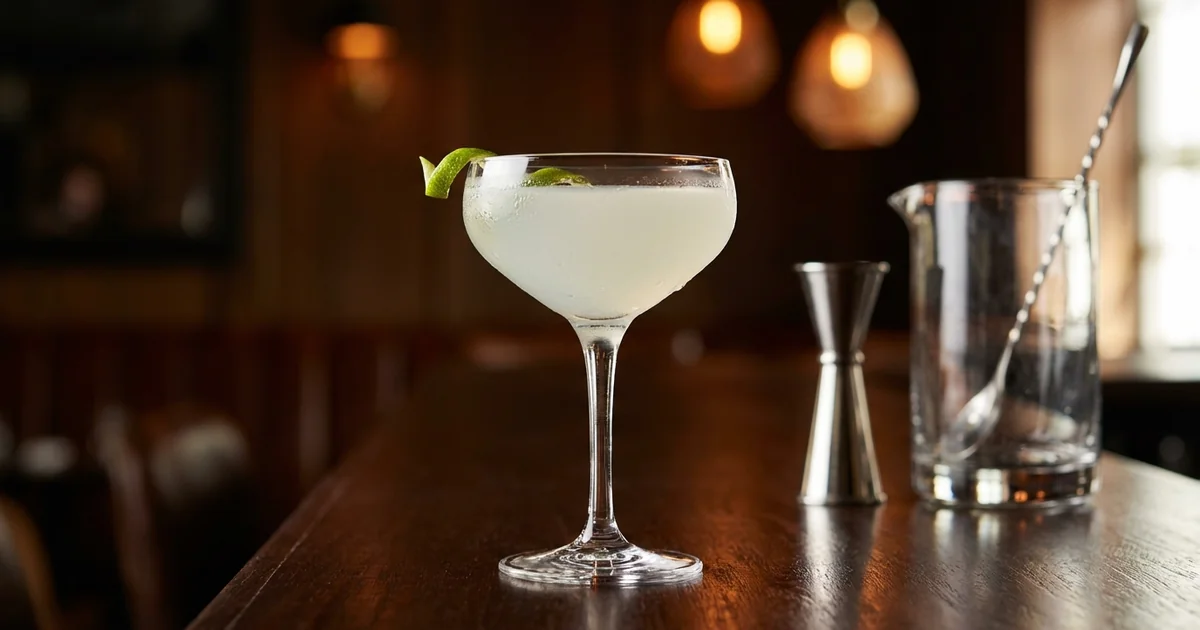
Master the classic daiquiri recipe with expert guidance on authentic ingredients, Cuban techniques, and proper shaking methods for the perfect drink.
Advertisement
Few cocktails embody the elegance of simplicity quite like the classic daiquiri recipe. Born in the copper mines of Cuba at the turn of the 20th century and perfected in the legendary bars of Havana, this three-ingredient masterpiece captured the hearts of icons like Ernest Hemingway and John F. Kennedy. Far from the sugary frozen concoctions that share its name, the authentic daiquiri is a sophisticated balance of tart, sweet, and spirit - a testament to the golden rule that the best cocktails don't need complexity, just quality ingredients and proper technique.
Key Takeaways
- [object Object]
- Proper technique requires vigorous shaking with ice for 15-20 seconds to achieve the perfect dilution and chill
- Quality white rum is essential - look for Cuban-style or light Puerto Rican rums for the most authentic flavor
- The original daiquiri bears little resemblance to frozen, fruity versions - it's a sophisticated, perfectly balanced cocktail
If you've never experienced a properly made daiquiri, prepare to discover why this Cuban classic has remained a staple in craft cocktail bars for over a century. This is the drink that made white rum respectable, that proved minimalism could be magnificent, and that continues to challenge bartenders to perfect their fundamental skills.
The Classic Daiquiri Recipe
The beauty of the classic daiquiri lies in its simplicity. With just three ingredients, there's nowhere to hide imperfections - which is precisely what makes it such a revered drink among professional bartenders.
Ingredients
- 2 oz white rum
- 1 oz fresh lime juice
- 0.75 oz simple syrup (1:1 ratio)
Equipment Needed
- Cocktail shaker
- Jigger for measuring
- Hawthorne strainer
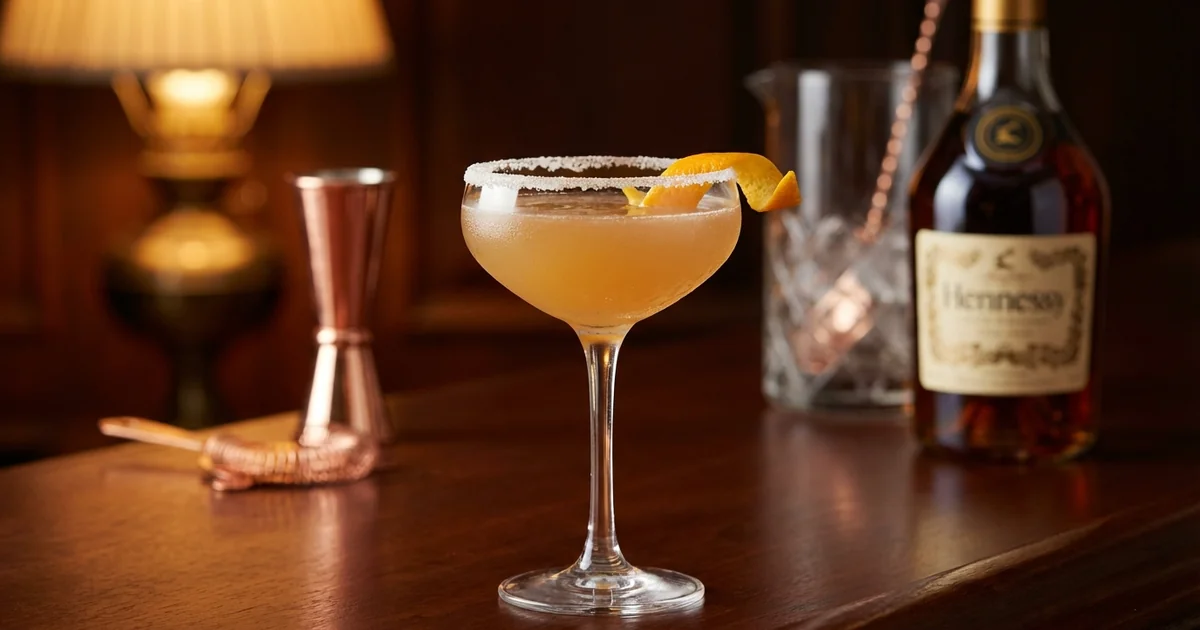
- Coupe or cocktail glass
- Citrus juicer
Instructions
-
Chill your glass: Place your coupe or cocktail glass in the freezer for at least 5 minutes before making the drink.
-
Prepare fresh lime juice: Juice fresh limes to yield 1 oz of juice. Never use bottled lime juice - the difference is dramatic.
-
Combine ingredients: Add the white rum, fresh lime juice, and simple syrup to your cocktail shaker.
-
Add ice: Fill the shaker with ice cubes, preferably larger cubes that won't dilute too quickly.
-
Shake vigorously: Shake hard for 15-20 seconds. You want to hear the ice breaking up and see frost forming on the outside of the shaker.
-
Double strain: Using a Hawthorne strainer (and optionally a fine mesh strainer for a silkier texture), strain into your chilled coupe glass.
-
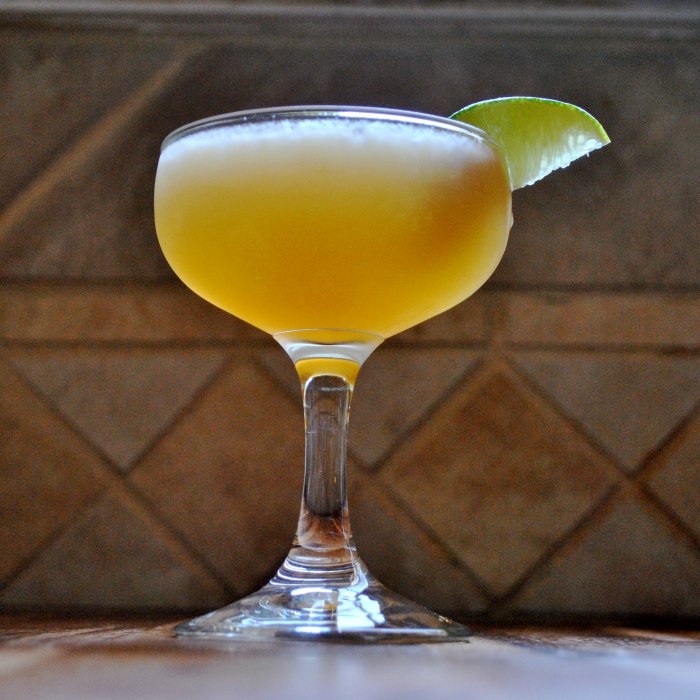
Garnish: A lime wheel or twist is traditional, though many bartenders serve it naked to let the drink speak for itself.
Pro Tip: The ratio 2:1:0.75 (rum:lime:syrup) is considered the gold standard, but don't be afraid to adjust based on your lime's acidity. Taste your lime juice first - if it's particularly tart, you might want to increase the syrup to 1 oz.
Selecting the Right Rum for Your Classic Daiquiri Recipe
The rum you choose will make or break your daiquiri. This isn't the place for dark, funky, or heavily aged spirits - the classic daiquiri calls for clean, crisp white rum that allows the lime to shine while providing structure and subtle cane sweetness.
Best Rum Types
Cuban-Style Rums: These are the most traditional choice, though Cuban rums are difficult to find in the United States. They're typically light-bodied with delicate sweetness and clean finish.
Puerto Rican Light Rums: Bacardi (ironically, originally Cuban) is the historical choice and still works beautifully. Don Bacardi is the original rum used in daiquiris. Modern craft options include Caña Brava and Ron del Barrilito.
Spanish-Style White Rums: Look for column-distilled rums that are clean and slightly sweet. Flor de Caña 4 Year Extra Seco and Diplomático Planas are excellent choices.
Recommended Bottles
- Budget-Friendly ($15-25): Bacardi Superior, Flor de Caña 4 Year
- Mid-Range ($25-40): Caña Brava, Banks 5 Island Rum, Plantation 3 Stars
- Premium ($40+): Ron del Barrilito 3 Stars, Diplomático Planas
Avoid: Dark rums, spiced rums, or heavily funky Jamaican-style rums - save those for different cocktails where their bold flavors can shine.
The Technique: Why Shaking Matters
A common misconception is that stirring and shaking are interchangeable. They're not. The classic daiquiri recipe absolutely requires shaking, and here's why:
Dilution: Shaking with ice rapidly chills the drink while adding essential water content. A properly shaken daiquiri should be about 25% water by the time it hits the glass - this dilution is what makes the drink balanced rather than harsh.
Aeration: The vigorous action incorporates tiny air bubbles, creating a silkier texture and slightly cloudy appearance that's characteristic of a well-made daiquiri.
Temperature: Shaking gets the cocktail colder faster than stirring, crucial for a refreshing citrus drink.
The Proper Shaking Technique
- Hold the shaker with both hands, one on the tin and one on the glass (if using a Boston shaker).
- Position the shaker horizontally over your shoulder.
- Shake in a forward-and-back motion with authority - this isn't a gentle rocking motion.
- Shake for 15-20 seconds, or until frost forms on the exterior.
- Listen for the ice - it should sound "wet" and broken up, not like solid cubes rattling.
Common Mistake: Under-shaking is the number one error home bartenders make. Don't be timid - shake like you mean it!
A Brief History of the Daiquiri
The classic daiquiri recipe has a fascinating origin story that's part engineering, part serendipity, and entirely Cuban.
Birth in the Mines (1898-1900)
The daiquiri was likely invented around 1898-1900 by Jennings Cox, an American mining engineer working in the iron mines near Santiago de Cuba, in a village called Daiquirí. The story goes that Cox ran out of gin while entertaining American guests and substituted the local rum, adding lime and sugar to make it more palatable. Whether this story is entirely accurate or has been embellished over time, what's certain is that the drink was born in eastern Cuba during this period.
The Floridita Era
The daiquiri remained a regional specialty until it made its way to Havana, where it was refined and popularized at El Floridita bar, often called "the cradle of the daiquiri." The bar's legendary bartender, Constantino Ribalaigua Vert, is credited with perfecting the recipe and creating numerous variations.
Hemingway's Influence
Ernest Hemingway famously made El Floridita his second home during his years in Cuba (1939-1960). His preferred variation - the Hemingway Daiquiri or "Papa Doble" - doubled the rum, eliminated the sugar, and added grapefruit juice and maraschino liqueur. A plaque at his favorite corner of the bar reads: "My mojito in La Bodeguita, my daiquiri in El Floridita" - Ernest Hemingway.
American Golden Age
The daiquiri became enormously popular in the United States during the 1940s-1950s, served at sophisticated cocktail lounges and enjoyed by presidents (JFK was known to love them). Unfortunately, the rise of frozen drink machines and artificial mixers in the 1970s-80s nearly destroyed the drink's reputation, transforming it into the sugary slushie many people mistakenly think of today.
Modern Revival
The craft cocktail renaissance of the early 2000s brought the classic daiquiri recipe back to prominence. Modern bartenders recognized it as the perfect test of fundamental skills - proper measurement, shaking technique, and balance. Today, any respectable cocktail bar will proudly serve an authentic daiquiri.
Classic Daiquiri Variations Worth Trying
Once you've mastered the classic daiquiri recipe, these variations offer delicious alternatives while maintaining the drink's essential character.
Hemingway Daiquiri (Papa Doble)
- 2 oz white rum
- 0.75 oz fresh lime juice
- 0.5 oz grapefruit juice
- 0.5 oz maraschino liqueur
- 0.25 oz simple syrup (optional)
Hemingway claimed to drink his without sugar, but most modern versions add a touch of syrup to balance the tart citrus. The maraschino liqueur adds wonderful complexity.
Strawberry Daiquiri (Proper Version)
- 2 oz white rum
- 0.75 oz lime juice
- 0.5 oz simple syrup
- 3-4 fresh strawberries
Muddle fresh strawberries in the shaker before adding other ingredients. Shake and double-strain. This is worlds apart from the frozen version - it's fresh, vibrant, and actually tastes like strawberries.
Avocado Daiquiri
A surprising modern creation that sounds bizarre but works beautifully:
- 2 oz white rum
- 0.75 oz lime juice
- 0.5 oz simple syrup
- 1/4 small ripe avocado
Blend briefly with ice and strain. The avocado adds incredible silky texture without overwhelming the flavor.
Frozen Daiquiri (Done Right)
If you must make a frozen version, do it properly:
- 2 oz white rum
- 1 oz lime juice
- 0.75 oz simple syrup
- 1.5 cups crushed ice
Blend until smooth. The key difference from the artificial versions is using real lime juice and proper proportions.
Common Mistakes to Avoid
Even with such a simple recipe, there are plenty of ways to go wrong. Avoid these pitfalls:
Using Bottled Lime Juice
This is the cardinal sin of daiquiri making. Bottled lime juice is cooked, preservative-laden, and tastes nothing like fresh lime. Always, always, always juice fresh limes. No exceptions.
Wrong Ice
Using too-small ice chips or crushed ice will over-dilute your drink. Use regular ice cubes, and if possible, slightly larger cubes that won't break down as quickly.
Inadequate Shaking
Under-shaking leaves the drink under-chilled and under-diluted, making it harsh and unbalanced. Your arm might get tired - that's good. Keep shaking.
Poor Rum Selection
Using cheap, harsh rum will result in a cheap, harsh cocktail. You don't need the most expensive bottle, but you do need something smooth and clean. See the rum selection guide above.
Wrong Glassware Temperature
Serving a daiquiri in a warm glass is like serving hot coffee in a frozen mug - it immediately ruins the carefully achieved temperature. Always chill your glass first.
Skipping the Double Strain
Small ice chips and lime pulp can make your drink watery and gritty. Use a Hawthorne strainer at minimum, or add a fine mesh strainer for the smoothest texture.
Wrong Proportions
The 2:1:0.75 ratio exists for a reason - it's been perfected over more than a century. While small adjustments based on your lime's acidity are fine, major departures will result in an unbalanced drink.
Frequently Asked Questions
Raise Your Glass to a Classic
The classic daiquiri recipe represents everything beautiful about cocktail culture: respect for history, dedication to quality ingredients, and the understanding that simplicity, when executed perfectly, needs no embellishment. Whether you're sipping one on a humid summer evening or serving them at a sophisticated cocktail party, a well-made daiquiri never fails to impress.
Master this recipe, and you'll have more than just a delicious drink in your repertoire - you'll have a foundational cocktail skill that will improve everything else you make. The lessons learned from balancing citrus and sweetener, achieving proper dilution through shaking, and selecting quality spirits apply to countless other cocktails.
Ready to deepen your cocktail knowledge? Explore our comprehensive rum cocktails guide to discover more spirit-forward creations, or master the fundamentals with our cocktail techniques guide for beginners.
Now grab your shaker, some fresh limes, and a quality white rum. Your journey to daiquiri mastery starts with that first satisfying shake.
Ready to explore more classic cocktail recipes? Browse our collection of authentic cocktail recipes and discover the stories behind the world's most beloved drinks. Subscribe to our newsletter for weekly cocktail history, techniques, and recipes delivered straight to your inbox.
Tags:
Advertisement
About Kai
Tiki & Tropical Specialist at Hero Cocktails, passionate about crafting exceptional cocktails and sharing mixology expertise.
Advertisement