Martini Recipe: Perfect Classic Cocktail Guide

Master the perfect martini recipe with gin, dry vermouth & proper stirring technique. Learn ratios, garnishes, and expert tips for this iconic cocktail.
Advertisement
The Martini stands alone at the apex of cocktail culture—a drink so refined, so perfectly balanced, that it has become synonymous with sophistication itself. This classic martini recipe represents everything a cocktail should be: simple in composition, complex in execution, and endlessly debatable in its details.
Key Takeaways
- The classic martini ratio is 2:1 or 3:1 gin to dry vermouth, though preferences vary widely
- Stirring is the traditional method, creating a silky texture; shaking makes it colder but cloudier
- [object Object]
- The garnish choice—lemon twist or olive—fundamentally changes the cocktail's aromatics
- [object Object]
No cocktail inspires more passionate discussion than the Martini. From the gin versus vodka debate to the proper vermouth ratio, from stirred versus shaken to olive versus twist, every element of this deceptively simple cocktail has been analyzed, argued, and perfected over more than a century of mixing.
Learning how to make a martini properly is a rite of passage for any serious cocktail enthusiast. With just two primary ingredients—gin and dry vermouth—plus a garnish, the Martini offers nowhere to hide. Every component must be perfect, every technique must be precise, and every detail must be considered. This is mixology at its purest.
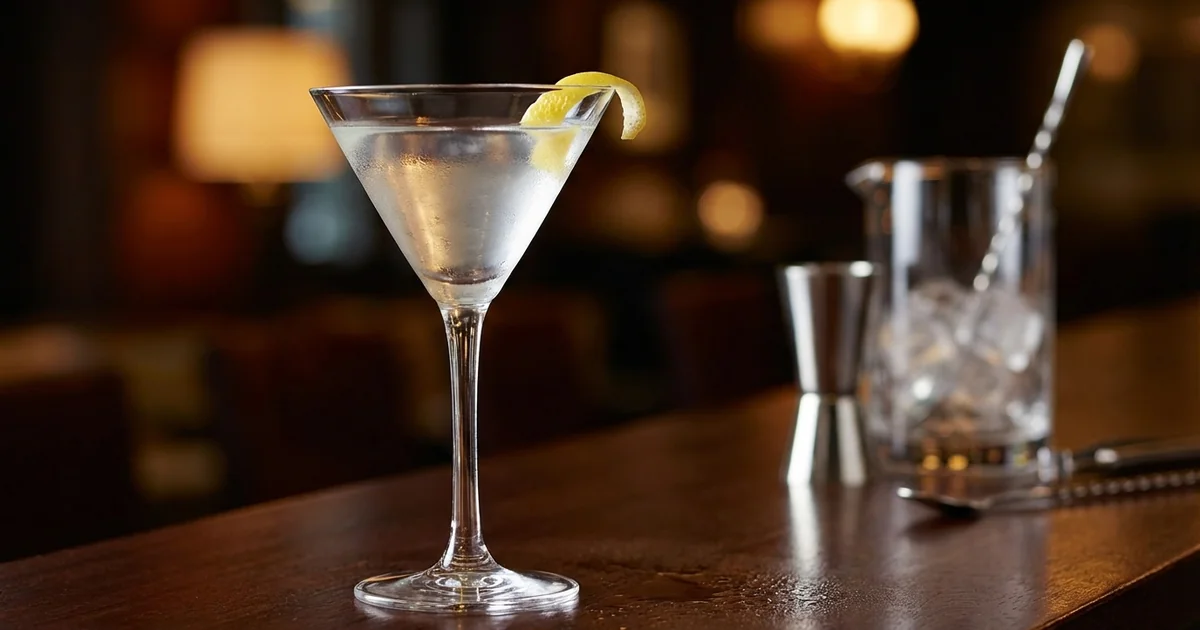
The Classic Martini Recipe
The traditional martini recipe is elegance defined. Here's the classic formulation that has stood the test of time:
Ingredients:
- 2.5 oz London Dry Gin
- 0.5 oz Dry Vermouth
- Ice
- Lemon twist or olives for garnish
Instructions:
- Place a coupe or martini glass in the freezer to chill
- Add gin and vermouth to a mixing glass
- Fill the mixing glass with ice
- Stir gently for 30 seconds until well-chilled
- Strain into the chilled glass
- Express the oils from a lemon twist over the drink, then either drop it in or discard
- Alternatively, garnish with 1-3 olives on a pick
The result should be crystal clear, ice-cold, and perfectly balanced between the botanical complexity of gin and the subtle herbal notes of vermouth. The drink should feel silky on the palate, with a clean, crisp finish that invites another sip.
The Great Gin vs Vodka Debate
Few cocktail controversies run deeper than the gin versus vodka martini divide. Understanding both perspectives is essential to mastering the classic martini recipe.
The Case for Gin
Traditionalists insist that a true Martini must be made with gin. The cocktail was created with gin in the late 19th century, and gin's complex botanical profile provides the aromatic foundation that makes a martini interesting. Without gin, purists argue, you're simply drinking cold, diluted vodka with a hint of vermouth—which is technically a different cocktail altogether.
London Dry gin brings juniper, coriander, citrus peel, and various botanicals that interact beautifully with vermouth's herbal notes. This interplay creates layers of flavor that evolve on your palate, making each sip a discovery.
Best Gins for Martinis:
- Tanqueray: Classic London Dry with bold juniper and perfect balance
- Beefeater: Traditional profile at an accessible price point
- Bombay Sapphire: Softer, more floral character with ten botanicals
- Plymouth: Slightly sweeter, earthier alternative to London Dry
- The Botanist: For those who want maximum botanical complexity
The Vodka Martini Argument
The vodka martini gained prominence in the 1950s and 60s when vodka entered the American market, famously championed by Ian Fleming's James Bond. Vodka creates a cleaner, more neutral martini that some drinkers prefer, especially those who find gin's botanicals too assertive.
A vodka martini showcases the vermouth more prominently and offers a smoother, less complex drinking experience. It's not "better" or "worse" than a gin martini—it's fundamentally different, and your preference is entirely valid.
For those exploring vodka variations, our guide to vodka cocktails offers additional context.
If ordering at a bar, specify which spirit you prefer. "Martini" traditionally means gin, but many bartenders will ask to confirm your preference.
Understanding Vermouth Ratios: From Dry to Wet
The vermouth ratio defines your Martini's character more than any other variable. This spectrum ranges from the bone-dry to the wet Martini, each with passionate advocates.
The Classic Ratio (2:1 to 3:1)
The classic martini recipe calls for 2 to 3 parts gin to 1 part dry vermouth. This creates a balanced cocktail where both ingredients shine. The gin provides the aromatic backbone while the vermouth adds herbal complexity, body, and a subtle wine-like character.
Example Classic Martini:
- 2.5 oz gin
- 0.5 oz dry vermouth (approximately 5:1, slightly dry of classic)
This ratio allows you to taste both the gin and the vermouth as distinct but harmonious elements.
The Dry Martini (5:1 to 15:1)
As the ratio tips toward gin, you enter dry martini territory. These drinks feature just a whisper of vermouth—enough to add complexity without asserting itself. Many modern drinkers prefer this style, finding it more spirit-forward and sophisticated.
Extra Dry Variations:
- Winston Churchill allegedly looked at a bottle of vermouth while pouring gin
- Some bartenders "rinse" the glass with vermouth, then discard it
- The "In and Out" Martini uses vermouth to coat the glass, then dumps it out
The Wet Martini (1:1 to 2:1)
On the opposite end, wet Martinis contain more vermouth, creating a softer, more wine-like cocktail. This style harkens back to the Martini's early days and showcases quality vermouth beautifully.
A wet martini offers more complexity and approachability, making it an excellent introduction for those new to Martinis. The additional vermouth also lowers the ABV slightly, creating a more sessionable cocktail.
Fresh vermouth makes all the difference. Once opened, store vermouth in the refrigerator and use within 3-4 weeks. Oxidized vermouth tastes flat and bitter, ruining even the best gin.
The Stirred vs Shaken Controversy
James Bond made "shaken, not stirred" iconic, but he also started one of cocktail culture's most enduring debates. Understanding both techniques helps you craft your perfect martini.
Why Stirring is Traditional
Stirring produces a silky, crystal-clear martini with gentle dilution. The technique chills the drink while maintaining the gin's delicate botanical flavors and creating a velvety mouthfeel.
Proper Stirring Technique:
- Fill your mixing glass with ice—use quality ice cubes, not crushed ice
- Add gin and vermouth
- Stir smoothly for 30 seconds using a bar spoon
- The motion should be fluid and controlled, moving from your wrist
- Strain immediately into your chilled glass
Stirring dilutes the cocktail by approximately 20-25%, which is essential for balance. This dilution opens up the gin's aromatics and softens the alcohol's edge.
The Case for Shaking
Shaking creates a colder, more diluted martini with tiny ice crystals that give it a cloudy appearance and slightly different texture. Bond preferred this method, and some modern drinkers agree that the extra dilution and colder temperature improve the drink.
Shaking does "bruise" the gin—meaning it introduces air bubbles and chips ice, creating more dilution and a slightly sharper flavor. However, this isn't necessarily bad if you prefer a more aggressive, ice-cold cocktail.
Whether you stir or shake, the Martini must be served ice-cold. A warm martini is an abomination that ruins the drink's carefully balanced character.
Garnish: Olive vs Lemon Twist
The garnish you choose fundamentally alters your Martini experience, making this decision far more important than it might seem.
The Lemon Twist
A lemon twist provides bright citrus aromatics that complement gin's botanicals beautifully. Expressing the twist's oils over the drink releases limonene and other compounds that enhance the Martini's complexity.
How to Properly Express a Twist:
- Cut a wide strip of lemon peel, avoiding the bitter white pith
- Hold the twist over the drink, skin-side down
- Pinch the twist sharply to spray the oils across the surface
- Run the twist around the rim of the glass
- Either drop it into the drink or discard (preferences vary)
The lemon twist creates a brighter, more aromatic martini that highlights the gin's citrus notes.
The Olive Garnish
Olives add savory, briny notes that create an entirely different drinking experience. The olive's saltiness enhances the gin's botanicals while adding umami complexity.
Choosing Quality Olives:
- Use Castelvetrano, Manzanilla, or Cerignola olives
- Avoid pimiento-stuffed olives from a jar—they taste artificial
- Blue cheese-stuffed olives create a bold, funky variation
- Always use odd numbers: 1 or 3 olives, never 2 (superstition and aesthetics)
For those who love savory cocktails, our article on bloody mary recipe explores similar flavor profiles.
Classic Martini Variations
While the classic recipe is perfect as written, several variations have earned their place in cocktail canon.
The Dirty Martini
Add 0.5 oz of olive brine to your standard martini recipe for a savory, briny variation that has become a modern classic.
Dirty Martini Recipe:
- 2.5 oz gin
- 0.5 oz dry vermouth
- 0.5 oz olive brine
- Olive garnish
The brine adds saltiness and umami, creating a cocktail that tastes almost savory. Go easy on the brine—too much creates an unbalanced, overly salty drink.
The Perfect Martini
The "Perfect" in this variation is a technical term meaning equal parts sweet and dry vermouth, not a claim of superiority.
Perfect Martini Recipe:
- 2.5 oz gin
- 0.25 oz dry vermouth
- 0.25 oz sweet vermouth
- Lemon twist
This creates a rounder, slightly sweeter martini with more complexity. The sweet vermouth adds vanilla and spice notes that complement gin beautifully.
The Gibson
Identical to a classic Martini but garnished with cocktail onions instead of olives or lemon. The pickled onions add a different savory dimension, creating subtle sweetness alongside the brine.
The Vesper
James Bond's signature cocktail from Casino Royale combines gin, vodka, and Lillet Blanc:
Vesper Recipe:
- 3 oz gin
- 1 oz vodka
- 0.5 oz Lillet Blanc
- Lemon twist
The Vesper is stronger and more complex than a standard Martini, with the Lillet adding citrus and honey notes.
For more gin-based classics, see our comprehensive guide to gin cocktails.
Choosing the Right Glassware
The vessel matters more than you might think. A proper Martini deserves proper glassware.
The Classic Martini Glass (V-Shaped)
The iconic V-shaped glass with a long stem is designed to keep warm hands away from the ice-cold cocktail. However, the wide mouth means the drink warms quickly, and the shape makes spilling easy.
The Coupe Glass
Many modern bartenders prefer the coupe—a shallow, wide-bowled glass that's more stable and elegant than the traditional martini glass. The coupe holds the cold better and is less prone to spilling.
The Nick & Nora Glass
A smaller, more delicate variation on the coupe, the Nick & Nora glass holds 4-6 oz and creates a more intimate drinking experience. It's perfect for those who prefer slightly smaller cocktails.
Regardless of which glass you choose, always chill it thoroughly. Place it in the freezer for at least 15 minutes before making your Martini, or fill it with ice water while you prepare the cocktail.
Common Martini Mistakes to Avoid
Even experienced bartenders can stumble when making this deceptively simple cocktail. Avoid these common pitfalls:
Using Old or Improperly Stored Vermouth
Vermouth is a fortified wine and oxidizes quickly once opened. Store it in the refrigerator and replace it every 3-4 weeks. Using oxidized vermouth creates a bitter, flat-tasting martini.
Over-Diluting the Cocktail
Stirring or shaking too long creates excessive dilution that waters down the gin's character. Stick to 30 seconds of stirring or 10-15 seconds of shaking.
Poor Quality Ice
Small, cloudy ice cubes melt quickly and dilute your mixing glass before you've properly chilled the drink. Use large, clear ice cubes or spheres for slower melting and better temperature control.
Serving at Room Temperature
A warm martini is a failed martini. Pre-chill your glass, use plenty of ice when stirring, and serve immediately.
Wrong Proportions
A Martini is not "gin with a splash of vermouth." Even a dry martini needs enough vermouth to add complexity. Find your preferred ratio and measure accurately.
Invest in a jigger and measure your ingredients. Eyeballing creates inconsistent results and wastes expensive spirits.
Frequently Asked Questions
Mastering the Perfect Martini
The classic martini recipe proves that simplicity and sophistication are not mutually exclusive. With just two primary ingredients, this iconic cocktail demands precision, quality, and respect for technique.
Start with the classic 2.5:0.5 ratio and adjust from there. Choose quality gin, use fresh vermouth, pre-chill your glass, and stir with intention. Whether you prefer it dry or wet, with gin or vodka, olive or twist, the Martini rewards attention to detail with unparalleled elegance.
The Martini is not just a cocktail—it's a statement, a philosophy, a benchmark of quality. Master it, and you'll understand why this drink has reigned supreme for over a century.
Elevate Your Cocktail Game
Join our premium mixology course and master 50+ classic cocktails
Start LearningFor related classic cocktails, explore our guides to the Manhattan cocktail recipe and Negroni variations, both of which share the Martini's spirit-forward sophistication.
Advertisement
About Elena
Classic Cocktails & Gin Expert at Hero Cocktails, passionate about crafting exceptional cocktails and sharing mixology expertise.
Advertisement