Cocktail Shaker Types: Complete Guide

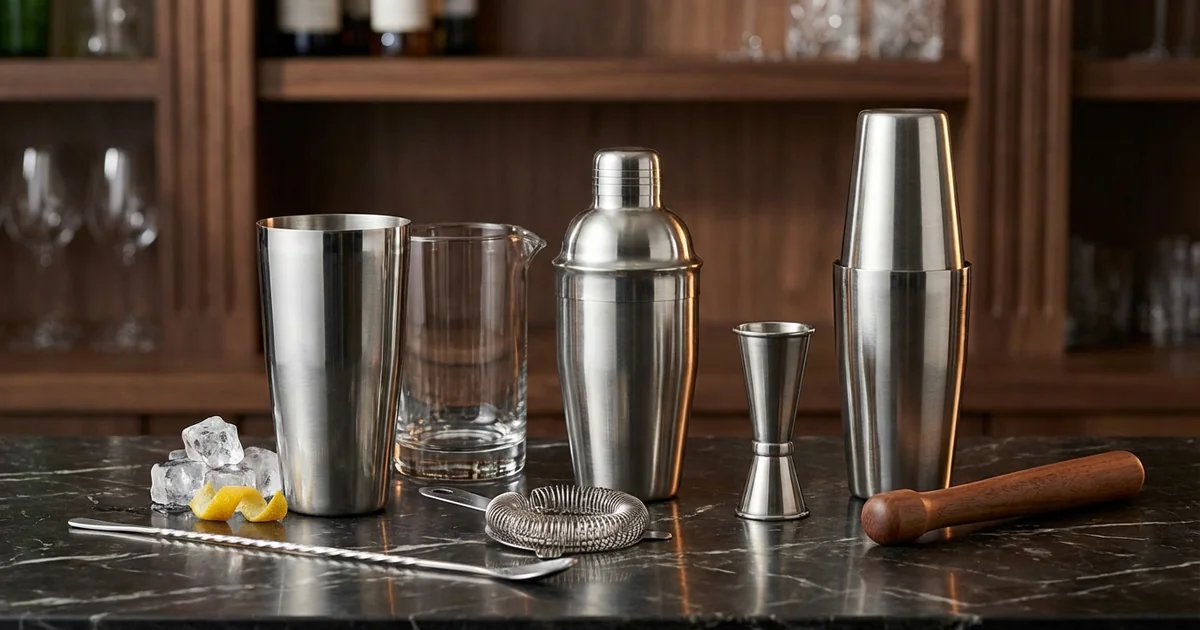
Compare Boston, Cobbler, and French cocktail shakers. Expert guide to choosing the best shaker for your home bar with recommendations and buying tips.
Advertisement
Walk into any cocktail bar, and you'll see bartenders wielding shakers with practiced precision. But step into a home goods store, and you're confronted with dozens of options. Boston, Cobbler, French, Parisian, weighted, unweighted, stainless steel, glass—the choices are overwhelming.
Key Takeaways
- Boston shakers are the professional choice with the largest capacity and versatility
- Cobbler shakers are perfect for beginners with their built-in strainer and three-piece design
- French shakers offer elegant aesthetics but require more skill to use properly
- Your first shaker should be a weighted Boston shaker for maximum flexibility
Here's the truth: there are really only three types of cocktail shakers that matter, and choosing the right one depends on your skill level, what you're making, and how seriously you take your home bartending.
Why Your Shaker Choice Matters
Before we dive into specific types, let's establish why this decision is important. A cocktail shaker isn't just about mixing ingredients—it's about:
- Temperature control: Proper dilution and chilling
- Aeration: Creating texture and mouthfeel
- Capacity: Making multiple drinks efficiently
- Ease of use: Avoiding frustration and spills
- Durability: Tools that last years, not months
The wrong shaker can turn a relaxing cocktail session into a wrestling match with stuck caps and leaky seals. The right shaker becomes an extension of your hands.
The Three Main Types of Cocktail Shakers
Boston Shaker: The Professional's Choice
The Boston shaker is the bartending industry standard, and once you understand why, you'll never look back.
Design:
- Two-piece construction
- Large metal tin (28oz) paired with either:
- Smaller metal tin (18oz), or
- Pint glass (16oz)
- No built-in strainer
- Creates seal through temperature differential
Why Bartenders Love It:
Capacity Can handle 2-3 drinks at once without compromising dilution. Perfect for entertaining.
Versatility The large tin doubles as a mixing glass for stirred cocktails. The small tin works for single servings.
Durability All-metal construction (tin-on-tin) is virtually indestructible. No glass to break, no threads to strip.
Easy Cleaning Two pieces, no crevices. Dishwasher safe. Takes 10 seconds to rinse.
Temperature Efficiency Metal conducts cold better than glass, chilling drinks faster with less dilution.
Professional Feel Weighted tins (18oz bottom, 28oz top) have perfect balance for smooth shaking technique.
The Learning Curve:
The Boston shaker requires learning how to:
- Create a proper seal (tap the bottom tin at an angle)
- Break the seal (tap the side where tins meet)
- Use a separate Hawthorne strainer
This takes about 5-10 practice shakes. That's it. Don't let "learning curve" scare you—it's minimal.
Price Range: $15-45 Best For: Anyone serious about home bartending Recommended Brands: Koriko, Cocktail Kingdom, Barfly
Pro Tip: Buy weighted tins (18/28oz). The extra weight provides better balance and creates tighter seals. Avoid cheap, thin-walled shakers that dent easily.
Cobbler Shaker: The Beginner-Friendly Option
The Cobbler shaker is what most people picture when they think "cocktail shaker." It's the three-piece design with a built-in strainer.
Design:
- Three-piece construction:
- Main tin (base)
- Lid with built-in strainer
- Cap that covers strainer
- Typically 16-18oz capacity
- Complete all-in-one solution
Advantages:
No Additional Tools Needed Built-in strainer means one less tool to buy and store. Pour directly from shaker.
Beginner-Friendly Screw-on cap is intuitive. No technique required to seal.
Compact Smaller footprint. Great for limited bar space.
Aesthetic Appeal Classic vintage look. Often comes in art deco designs.
Good Gift Option Complete package for someone just getting started.
The Drawbacks:
Cap Sticks When Cold The physics are simple: metal contracts when cold, cap gets stuck. You'll struggle to open it, especially after vigorous shaking.
Limited Capacity 16-18oz means single drinks only. Want to make two Margaritas? You'll shake twice.
Harder to Clean Three pieces with threads. Sticky ingredients get trapped. Not truly dishwasher safe.
Strainer Clogs Built-in strainer holes are often too small, creating slow pours and clogging with herbs or fruit.
Less Durable Threads strip over time. Caps get dented. Strainer screens can separate.
Price Range: $12-35 Best For: Absolute beginners, gift recipients, occasional use Recommended Brands: OXO, Viski, Barillio
If you buy a Cobbler shaker, run hot water over the lid if it sticks. Never force it—you'll bend the strainer.
French (Parisian) Shaker: The Elegant Middle Ground
The French shaker, also called a Parisian shaker, is the sophisticated cousin of the Boston shaker.
Design:
- Two-piece construction
- Metal base tin (16-20oz)
- Metal lid that fits over the base
- No built-in strainer
- Sleek, tapered design
Characteristics:
Visual Appeal Smooth, elegant lines. No exposed seal. Beautiful for tableside service.
Moderate Capacity Larger than Cobbler, smaller than Boston. Good for 1-2 drinks.
All-Metal Construction Durable like Boston shaker. Won't break like glass.
Unique Aesthetic Less common in the US, giving your home bar a distinctive European flair.
The Challenges:
Harder to Break Seal No clear breaking point like Boston shaker. Requires more technique.
Less Versatile Can't mix and match with other tins. One size fits one purpose.
Tighter Seal, Harder Release The tapered design creates an excellent seal but can be difficult to separate, especially when cold.
Limited Availability Fewer options on the market. Higher prices for quality versions.
Requires Separate Strainer Like Boston shaker, you'll need a Hawthorne strainer.
Price Range: $25-60 Best For: Experienced bartenders who value aesthetics, collectors Recommended Brands: Cocktail Kingdom, Yukiwa, Alessi
The French shaker is beautiful but impractical for beginners. Master a Boston shaker first, then add a French shaker if you love the aesthetic.
Comparison Chart: At a Glance
| Feature | Boston Shaker | Cobbler Shaker | French Shaker |
|---|---|---|---|
| Pieces | 2 | 3 | 2 |
| Capacity | 28oz (large tin) | 16-18oz | 16-20oz |
| Built-in Strainer | No | Yes | No |
| Learning Curve | Minimal | None | Moderate |
| Durability | Excellent | Good | Excellent |
| Ease of Cleaning | Very Easy | Moderate | Easy |
| Professional Use | Yes | Rarely | Sometimes |
| Best For | All skill levels | Beginners | Enthusiasts |
| Price | $15-45 | $12-35 | $25-60 |
| Capacity for Multiple Drinks | Yes | No | Limited |
Which Shaker Should You Buy First?
If you're buying your first shaker: Get a Boston shaker with weighted tins.
Here's why this recommendation is nearly universal among professional bartenders:
The Boston Shaker Wins Because:
- You won't outgrow it: Beginners and professionals use the same tool
- Best value: One shaker handles all your needs for years
- Multiple drinks: Essential for entertaining
- Easier to fix mistakes: Large opening makes adding forgotten ingredients simple
- Better technique: Forces you to learn proper form
Specific Recommendation
Koriko Weighted Shaking Tins (18oz/28oz)
- Price: ~$30-35
- Weight distribution: Perfect balance
- Seal quality: Consistent and reliable
- Durability: Will last 10+ years
- Professional grade: Used in bars worldwide
Add a Hawthorne strainer ($8-12) and you're set.
Total investment: $40-45 for professional-quality equipment.
Alternative Path (Budget-Conscious Beginner)
Start with a Cobbler shaker ($15-20) to build confidence, then upgrade to a Boston shaker within 3-6 months when you understand the limitations.
This costs more long-term but reduces initial intimidation.
Proper Shaking Technique (Works for All Types)
Regardless of which shaker you choose, proper technique ensures perfect cocktails. Check out our comprehensive guide on cocktail techniques for beginners to master the fundamentals.
The Setup
- Fill shaker with ice first (never ingredients first)
- Add ingredients over ice
- Seal properly:
- Boston: Tap bottom tin at angle
- Cobbler: Screw cap firmly (but don't overtighten)
- French: Press lid straight down
The Shake
- Hold with both hands: One on each end
- Position: Over your shoulder, angled slightly
- Shake hard: 10-15 seconds for citrus drinks, 8-10 for others
- Listen: Ice should sound crisp, then softening
The Pour
- Break seal:
- Boston: Tap where tins meet with heel of hand
- Cobbler: Twist cap gently (hot water if stuck)
- French: Tap side while pulling
- Strain immediately: Don't let ice continue diluting
Common Mistake: Weak, half-hearted shaking. Your goal is to chill, dilute, and aerate. That requires vigorous movement. Don't be shy.
Care and Maintenance
Quality shakers last decades with minimal care:
Daily Maintenance
- Rinse immediately after use
- Hand wash with warm, soapy water
- Dry thoroughly to prevent water spots
- Store separated (don't nest wet tins)
Weekly Maintenance
- Deep clean with baking soda paste for stubborn residue
- Polish stainless steel with bar keeper's friend
- Check seals on Cobbler shakers for wear
What to Avoid
- Dishwasher for Cobbler shakers (threads degrade)
- Harsh abrasives that scratch finish
- Storing wet (causes oxidation spots)
- Dropping (dents affect seal quality)
Material Matters: Stainless Steel vs. Glass
Stainless Steel (Recommended)
- Conducts cold efficiently
- Virtually indestructible
- Professional appearance
- Easy to maintain
- No breakage risk
Glass (Boston Shaker Only)
- Allows visibility during shake
- Traditional aesthetic
- Breaks if dropped
- Slower temperature transfer
- Higher cost for quality versions
Verdict: Go stainless steel unless you specifically want the visual element of glass. The practical advantages outweigh aesthetics.
Brand Recommendations by Budget
Budget ($15-25)
- OXO Steel Cocktail Shaker: Great Cobbler option
- Barfly Boston Tins: Solid entry-level choice
- Winco Bar Shakers: Professional quality at low prices
Mid-Range ($25-45)
- Koriko Weighted Tins: Industry standard Boston shaker
- Cocktail Kingdom Shakers: Professional equipment company
- A Bar Above Boston Shaker: Excellent balance and weight
Premium ($45-100+)
- Yukiwa Baron Series: Japanese craftsmanship
- Alessi Cocktail Shaker: Designer aesthetics
- Umami Mart Shakers: Beautiful finishes and weights
Frequently Asked Questions
The Bottom Line
After reviewing hundreds of shakers and testing techniques, here's the honest recommendation:
Buy a Boston shaker with weighted tins as your first and primary shaker. It's what professionals use because it simply works better for virtually every application.
Add a Cobbler shaker later if you want an easier option for guests or casual mixing. Consider a French shaker as a collector's piece once you've mastered the basics.
Your ideal bar setup:
- Primary: Weighted Boston shaker (18oz/28oz)
- Secondary: Cobbler shaker for simplicity
- Optional: French shaker for aesthetics
Remember:
- Technique matters more than equipment type
- All three styles make excellent cocktails when used properly
- Start with quality basics before expanding
- Practice makes perfect—your first few shakes will be awkward regardless of shaker type
Ready to Start Shaking?
Explore our collection of 500+ classic cocktail recipes perfect for testing your new shaker
Browse CocktailsThe right shaker transforms home bartending from a chore into a pleasure. Choose wisely, practice consistently, and you'll be mixing bar-quality cocktails in no time.
Tags:
Advertisement
About Marcus
Advanced Mixology Expert at Hero Cocktails, passionate about crafting exceptional cocktails and sharing mixology expertise.
Advertisement