Gin and Tonic Guide: Master the Perfect G&T
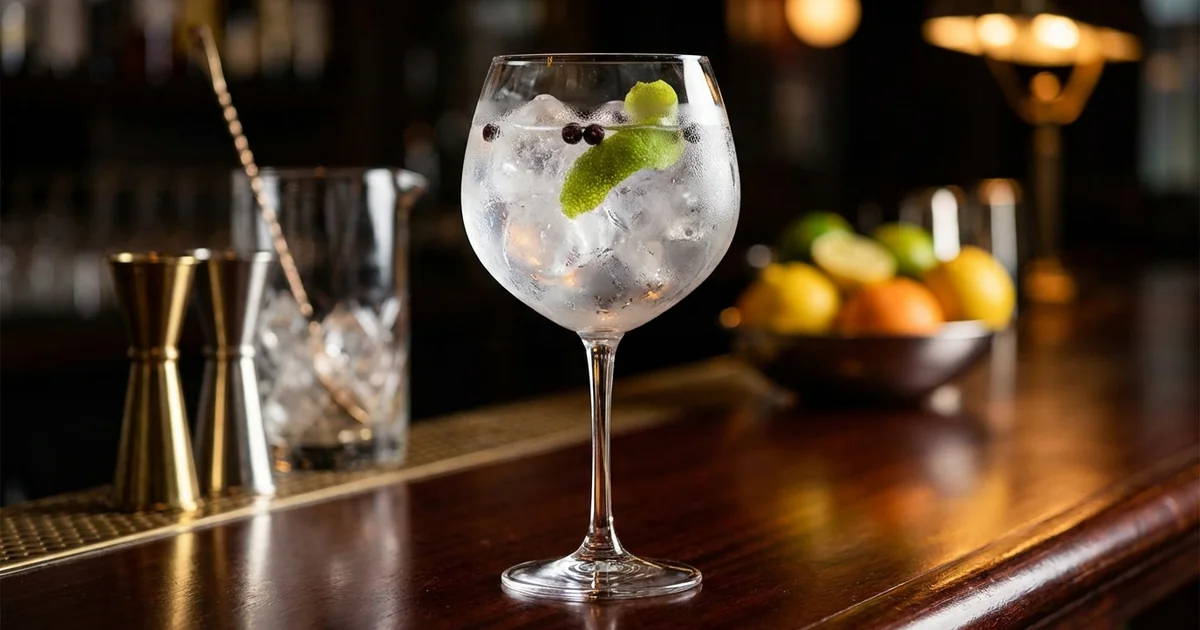
Learn how to make the perfect gin and tonic with expert tips on ratios, premium tonics, botanicals, and Spanish techniques for herococktails.com
Advertisement
The gin and tonic is the chameleon of the cocktail world. Simple enough for weeknight unwinding, sophisticated enough for craft cocktail bars, and endlessly customizable. With just two ingredients and a garnish, you can create everything from a crisp, botanical refresher to an aromatic, complex experience rivaling any multi-ingredient cocktail.
Key Takeaways
- The ideal gin-to-tonic ratio is 1:3, but adjust based on gin strength and personal preference
- Premium tonic water makes a massive difference - invest in Fever-Tree or Q Tonic
- Match garnishes to your gin's botanical profile for enhanced flavor complexity
- Spanish-style G&Ts in copa glasses with elaborate garnishes elevate the experience
This isn't just about dumping gin into tonic. It's about understanding botanicals, choosing quality ingredients, and mastering techniques that transform this humble highball into something extraordinary.
The Perfect G&T Formula
Let's start with fundamentals. The classic gin and tonic follows a simple but crucial ratio.
The Golden Ratio
Standard Recipe:
- 2 oz gin (60ml)
- 4-6 oz premium tonic water (120-180ml)
- Large ice cubes or ice sphere
- Fresh garnish (citrus, herbs, or botanicals)
The Ratio: 1:2 to 1:3 (gin to tonic)
Why This Works:
- Enough tonic to showcase the gin without drowning it
- Proper dilution from quality ice
- Room for botanical aromatics to shine
The Ice Technique
Ice isn't just for cooling - it's a crucial ingredient.
Best Practices:
- Use large format ice (cubes, spheres, or spears)
- Chill your glass first with ice water
- Fill glass completely with ice before building
- Never use crushed ice (melts too fast, over-dilutes)
The Science: Large ice has less surface area relative to volume, meaning slower melting and optimal dilution over the drinking experience.
The Build Method
- Chill your glass: Fill with ice and water, let stand 1 minute, discard
- Add fresh ice: Large cubes or one large sphere
- Pour gin first: This allows aromatics to open
- Add tonic gently: Pour down the side to preserve carbonation
- Stir once: A single, gentle stir integrates without killing bubbles
- Express garnish: Twist citrus peel or slap herbs to release oils
- Serve immediately: Carbonation is fleeting
Pro Tip: Never shake a gin and tonic. You want carbonation, not aeration. Build directly in the glass.
Gin Styles Guide: Choose Your Character
Not all gins are created equal. Understanding gin styles is crucial to G&T mastery.
London Dry Gin
Characteristics:
- Juniper-forward, crisp, clean
- Dry finish with citrus notes
- Classic, traditional profile
Examples: Tanqueray, Beefeater, Bombay Sapphire
Best Tonic: Classic tonic (Fever-Tree Premium)
Ideal Garnish: Lemon twist or lime wheel
Flavor Profile: This is the gin that defined the category. Juniper leads, supported by coriander, angelica, and citrus peels. Perfect for purists.
Plymouth Gin
Characteristics:
- Softer, earthier than London Dry
- Slightly sweeter, fuller body
- Less juniper-dominant
Example: Plymouth Gin (only one true Plymouth)
Best Tonic: Slightly sweeter tonic (Fever-Tree Mediterranean)
Ideal Garnish: Strawberry and basil
Flavor Profile: Protected designation of origin. Only produced in Plymouth, England. Historically the gin of the British Royal Navy.
New Western (Contemporary) Gin
Characteristics:
- Juniper takes a back seat
- Innovative botanicals dominate
- Wide flavor diversity
Examples: Hendrick's (cucumber & rose), The Botanist (22 botanicals), Monkey 47 (47 botanicals)
Best Tonic: Lighter tonic that won't compete (Fever-Tree Elderflower or Q Tonic)
Ideal Garnish: Match the gin's signature botanical (cucumber for Hendrick's, rosemary for herbaceous gins)
Flavor Profile: These gins push boundaries. Some feature lavender, some highlight cucumber, others showcase regional botanicals. Each demands a thoughtful approach.
Old Tom Gin
Characteristics:
- Slightly sweetened
- Softer, rounder than London Dry
- Historic revival style
Examples: Hayman's Old Tom, Ransom Old Tom
Best Tonic: Classic tonic, less of it (1:2 ratio)
Ideal Garnish: Orange twist
Flavor Profile: The gin of the 19th century, sweeter to mask lower-quality spirits. Modern versions are deliberately crafted for character, not necessity.
Tonic Water Matters: The 50% Solution
Tonic water comprises half your drink. Choose wisely.
Premium vs. Standard: The Difference
Standard Supermarket Tonic:
- High fructose corn syrup
- Artificial quinine
- Harsh, one-dimensional sweetness
- Aggressive carbonation that fades quickly
Premium Craft Tonic:
- Natural cane sugar
- Real quinine from cinchona bark
- Balanced bitterness and sweetness
- Finer, more persistent bubbles
Top Tonic Brands Compared
Fever-Tree (The Gold Standard):
- Premium Indian Tonic: Balanced, versatile, works with everything
- Elderflower Tonic: Floral, delicate, perfect for New Western gins
- Mediterranean Tonic: Citrus-forward with rosemary and lemon thyme
- Aromatic Tonic: Angostura-style bitters notes, pairs with Old Tom
Why It's Best: Sourced botanicals, natural quinine, perfect carbonation
Q Tonic:
- Less sweet than Fever-Tree
- Agave sweetener instead of cane sugar
- Clean, crisp, lets gin shine
- American craft alternative
Fentimans:
- Traditional brewing process
- Herbal complexity
- Slightly medicinal (in a good way)
- Best with classic London Dry
Schweppes Premium Mixer Range:
- Step up from standard Schweppes
- More accessible pricing
- Decent quality for everyday drinking
The DIY Option
Making tonic at home is possible but labor-intensive:
- Cinchona bark (for quinine)
- Citrus peels (lemon, lime, orange)
- Spices (cardamom, coriander, lemongrass)
- Simple syrup base
- Carbonation via SodaStream
Reality Check: Fever-Tree is excellent and costs less than homemade. Save your energy for other cocktail projects.
The Spanish G&T Revolution
Spain transformed the gin and tonic from simple highball to serious cocktail. Explore more classic cocktails in our gin cocktails guide for additional inspiration.
What Makes It Spanish?
The Gin Tonica Approach:
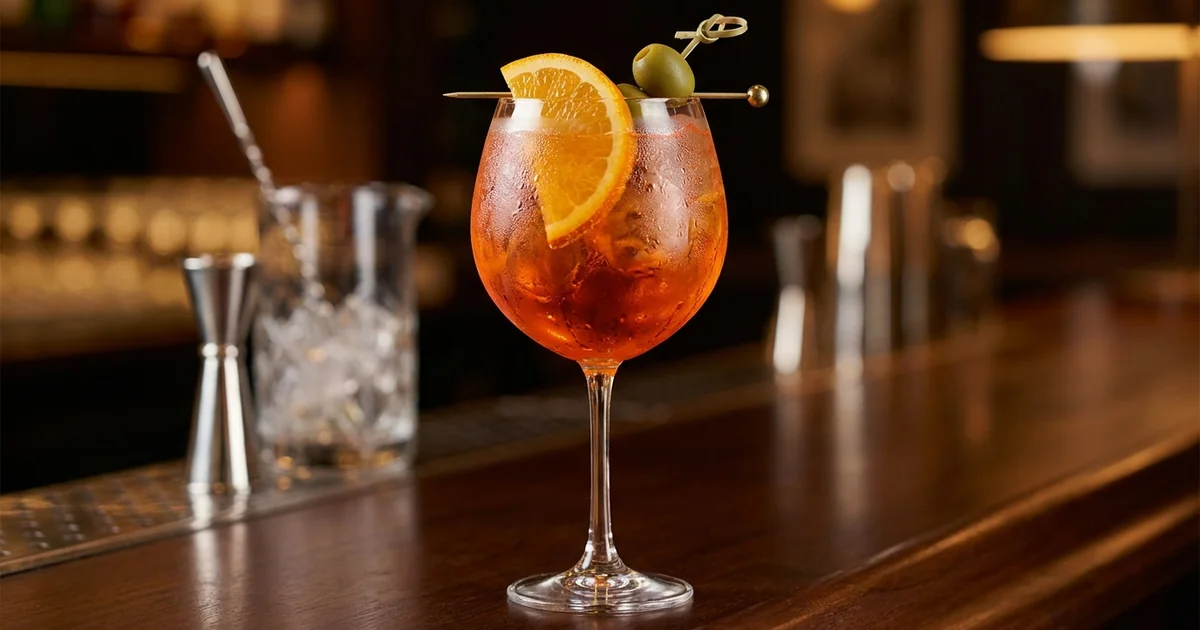
- Copa de Balon Glass: Oversized balloon wine glass
- Elaborate Garnishes: Multiple botanicals, not just citrus
- Perfect Ice: Large format, crystal clear
- Minimal Dilution: Precise stirring technique
- Botanical Theater: Visual presentation matters
The Copa Glass Advantage
Why This Shape Works:
- Large bowl concentrates aromatics
- Wide mouth delivers scent with every sip
- Allows room for elaborate garnishes
- Keeps ice from melting quickly
- Looks impressive
Alternatives: Burgundy wine glass, large white wine glass, or oversized rocks glass
Spanish Garnish Philosophy
Don't just garnish - create a botanical garden.
Classic Combinations:
- London Dry: Juniper berries, pink peppercorns, grapefruit twist
- Hendrick's: Cucumber ribbons, rose petals, black pepper
- Citrus-Forward Gin: Lemon verbena, lemongrass, lime wheel
- Herbaceous Gin: Fresh rosemary, thyme, basil, bay leaf
- Spiced Gin: Star anise, cardamom pods, cinnamon stick
The Technique:
- Add botanicals to glass first
- Gently press with muddler to release oils (don't pulverize)
- Add ice, build drink
- Top with additional garnish
Spanish Wisdom: "We don't drink gin and tonic. We drink gin and tonic with all our senses."
The Science of Botanicals and Tonic Pairing
Understanding flavor chemistry elevates your G&T game.
Primary Botanical Families
Juniper (Piney, Resinous):
- Pairs with: Citrus, rosemary, black pepper
- Tonic: Classic, neutral
- Why: Lets juniper's complexity shine
Citrus (Bright, Zesty):
- Pairs with: Fresh herbs, floral elements, ginger
- Tonic: Elderflower or light tonic
- Why: Complements without competing
Floral (Rose, Lavender, Elderflower):
- Pairs with: Cucumber, strawberry, delicate herbs
- Tonic: Elderflower or Mediterranean
- Why: Enhances aromatic experience
Spice (Cardamom, Coriander, Pepper):
- Pairs with: Star anise, pink peppercorns, citrus
- Tonic: Aromatic or classic
- Why: Builds layered complexity
Herbal (Rosemary, Thyme, Basil):
- Pairs with: Citrus, cucumber, olive
- Tonic: Mediterranean or classic
- Why: Creates savory dimension
Compound Pairing Strategy
Match Intensity:
- Bold gin → bold tonic and garnish
- Delicate gin → lighter tonic and subtle garnish
Complement, Don't Compete:
- If gin is floral, add citrus (not more florals)
- If gin is juniper-heavy, add herbs (not more pine)
The Triangle Rule:
- Gin brings primary flavor
- Tonic brings bitterness and carbonation
- Garnish brings aromatic complexity
History: From Medicine to Masterpiece
The gin and tonic has a fascinating, unexpected origin story.
The Malaria Connection
British Colonial India (1800s):
- Malaria was killing British soldiers and colonists
- Quinine (from cinchona bark) was the only treatment
- Quinine water tasted horrifically bitter
- Solution: Mix with gin, sugar, and lime
The Original Recipe (1850s):
- Gin (for morale and calories)
- Quinine water (for malaria prevention)
- Sugar (to make it palatable)
- Lime (to prevent scurvy)
Medical Dose: Early tonic water contained significantly more quinine than modern versions - enough for actual antimalarial effects.
Evolution to Modern G&T
1870s: Schweppes commercializes tonic water
1920s: Prohibition in America creates demand for simple mixed drinks
1950s-60s: Becomes the quintessential British cocktail
2000s: Craft gin revolution transforms the category
2010s: Spanish gin and tonic movement elevates it to cocktail status
Cultural Impact
- Britain: The default drink, sold everywhere from pubs to garden parties
- Spain: Elevated to art form with Gin Tonica culture
- Philippines: San Miguel Gin dominates the market
- America: Experiencing craft gin renaissance
Garnish Guide by Gin Style
Match your garnish to your gin's character.
For Classic London Dry Gins
Primary Garnish: Lemon twist or lime wheel
Elevated Version:
- Grapefruit twist
- Fresh bay leaf
- Pink peppercorns
- Juniper berries (lightly crushed)
Why: Complements traditional juniper without competing
For Floral/Delicate Gins (Hendrick's Style)
Primary Garnish: Cucumber ribbons
Elevated Version:
- Rose petals
- Edible flowers
- Strawberry slices
- Thai basil
Why: Enhances floral notes with aromatic complexity
For Citrus-Forward Gins
Primary Garnish: Multiple citrus varieties
Elevated Version:
- Lemon verbena
- Lemongrass
- Candied ginger
- Fresh mint
Why: Builds on existing citrus profile with herbal dimension
For Herbaceous/Savory Gins
Primary Garnish: Fresh rosemary or thyme
Elevated Version:
- Fresh sage
- Green olives
- Black pepper
- Olive oil mist (yes, really)
Why: Creates savory, almost martini-like complexity
For Spiced Gins
Primary Garnish: Star anise
Elevated Version:
- Cardamom pods
- Cinnamon stick
- Clove
- Orange twist
Why: Amplifies warm spice notes
Frequently Asked Questions
Final Mastery Tips
Temperature Control:
- Freeze your glass for 30 minutes before building
- Use ice straight from freezer (not sitting in an ice bucket)
- Serve immediately - ice, carbonation, and aromatics all degrade quickly
The Tasting Approach:
- Smell before sipping (gin and tonic is as much aroma as flavor)
- Let it rest 30 seconds after building (allows integration)
- First sip assesses balance, second sip enjoys
Batch G&Ts Don't Work:
- Carbonation dies quickly
- Ice melts and over-dilutes
- Aromatics fade
- Always build individually
Seasonality:
- Summer: Cucumber, citrus, elderflower tonic
- Fall: Apple, rosemary, classic tonic
- Winter: Cinnamon, star anise, aromatic tonic
- Spring: Strawberry, basil, Mediterranean tonic
Expert Insight: "The gin and tonic is the great equalizer. It's sophisticated enough for cocktail nerds but approachable enough for anyone. Master this, and you master the fundamentals of balance, dilution, and flavor pairing." - Dale DeGroff
The gin and tonic rewards attention to detail. Choose quality ingredients, respect the technique, and experiment with botanicals. What seems simple reveals infinite depth. For more classic cocktail guides, check out our gin cocktails guide.
Now make yourself the perfect G&T. You've earned it.
Cheers!
Tags:
Advertisement
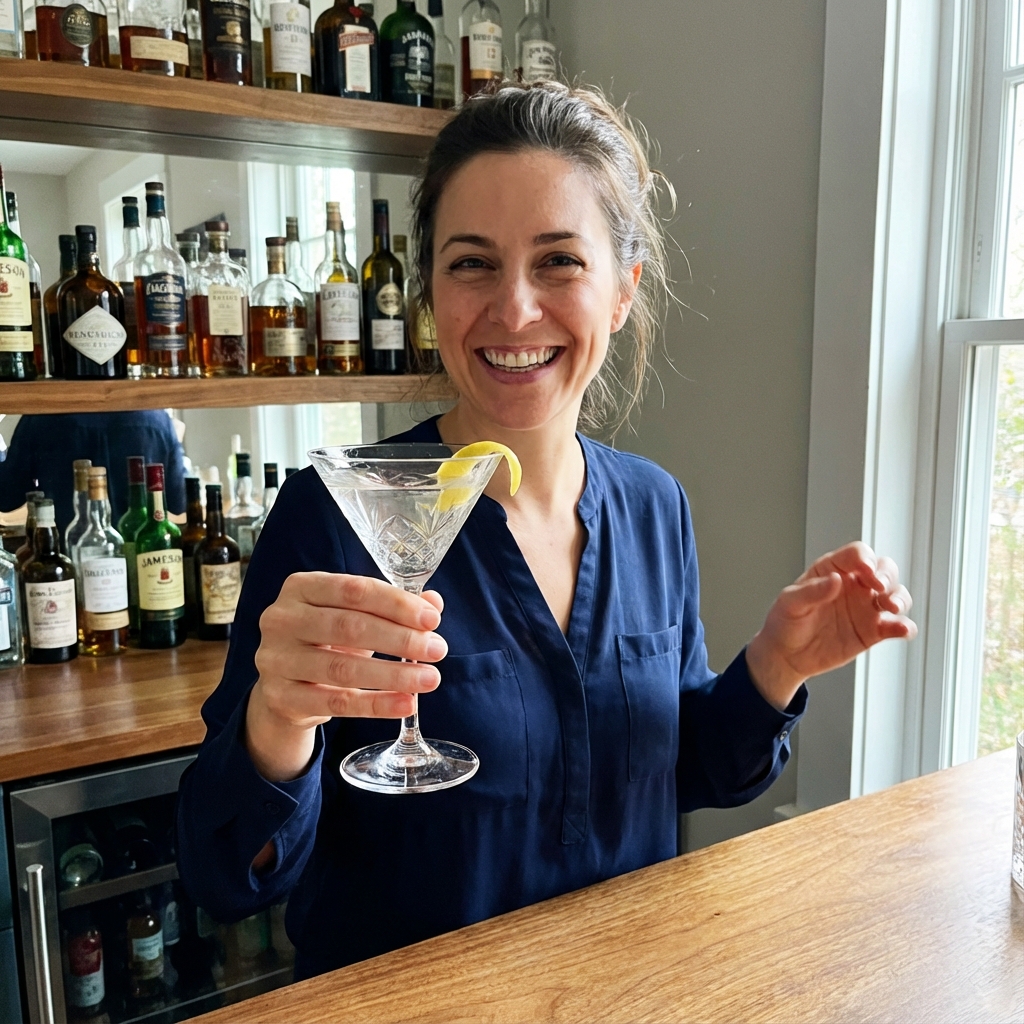
About Elena
Classic Cocktails & Gin Expert at Hero Cocktails, passionate about crafting exceptional cocktails and sharing mixology expertise.
Advertisement