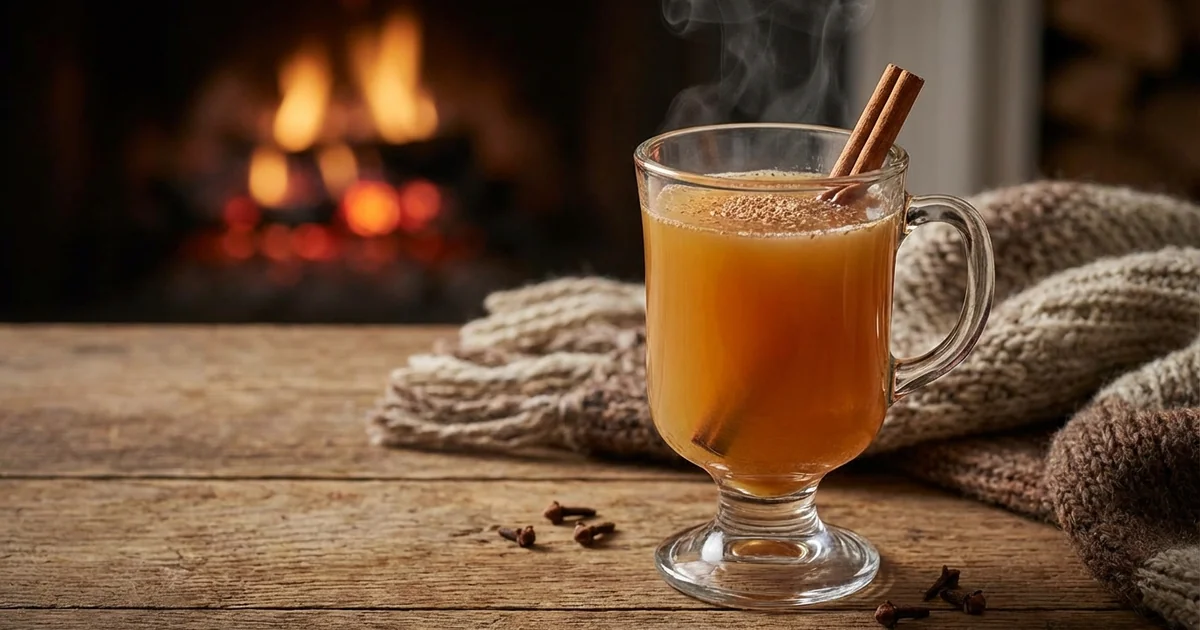
Hot Toddy Recipe: Warming Winter Cocktail

Master the perfect hot toddy recipe with whiskey, honey, lemon, and spices. Learn technique, whiskey selection, and delicious variations.
Advertisement
Hot Toddy Recipe: Warming Winter Cocktail
The hot toddy recipe stands as one of the world's most beloved warming cocktails, a drink that transcends mere refreshment to become genuine comfort in a mug. Combining the soothing power of hot water with the gentle warmth of whiskey, the sweetness of honey, and the brightness of fresh lemon, the hot toddy has warmed cold hands and lifted spirits for centuries. Whether you're fighting off a cold, warming up after winter activities, or simply seeking a cozy evening drink, learning how to make a hot toddy is an essential skill for any home bartender.
Key Takeaways
- The hot toddy is a Pre-Prohibition classic combining whiskey, hot water, honey, and lemon
- The classic ratio is 2 oz whiskey to 6 oz hot water with 1 tablespoon honey and 0.5 oz lemon juice
- Bourbon creates sweetness, scotch adds smokiness, and rye provides spicy complexity
- Traditional spices include cinnamon, cloves, and fresh ginger for added warmth
- The drink should be consumed warm, around 140-150°F, to preserve whiskey character
This isn't just a cocktail—it's a remedy, a ritual, and a tradition passed down through generations. The beauty of the hot toddy lies in its simplicity and adaptability. With just a few ingredients and minimal technique, you can create a drink that's simultaneously medicinal and indulgent, rustic and refined.
The Origins and History of the Hot Toddy
The history of the hot toddy is as murky and warming as the drink itself, with several competing origin stories that add to its mystique. The most widely accepted theory traces the name "toddy" to India, where British colonists encountered "taddy," a drink made from fermented palm sap. As the British Empire expanded, the concept of mixing spirits with hot water, sugar, and spices traveled with it.
By the 18th century, the hot toddy had become a staple in Scotland and Ireland, where it served as both a social drink and a folk remedy for everything from colds to rheumatism. Scottish physician Dr. Robert Bentley Todd prescribed hot toddies to his patients in the 1800s, specifically recommending them for treating colds and fever—a practice that, while lacking modern scientific validation, cemented the drink's reputation as medicinal.
The name may also derive from Tod's Well in Edinburgh, Scotland, a source of water famous for its purity and used by locals to make their whiskey drinks. Regardless of its exact origins, the hot toddy emigrated to America with Scottish and Irish immigrants, where it became a winter staple, particularly in colder regions where heating one's spirits made perfect sense.
During Prohibition, hot toddies gained renewed popularity as the added ingredients helped mask the harsh taste of illegal or poorly made spirits. The drink's reputation as a cold remedy provided convenient cover—after all, who could fault someone for seeking relief from illness?
The Classic Hot Toddy Recipe
The traditional hot toddy recipe is beautifully simple, requiring just four essential ingredients and about five minutes of your time. This is the foundational recipe that has warmed countless souls through cold nights and sniffles.
Ingredients
- 2 oz (60ml) whiskey (bourbon, scotch, or rye)
- 6 oz (180ml) hot water
- 1 tablespoon (15ml) honey
- 0.5 oz (15ml) fresh lemon juice
- 1 lemon wheel for garnish
- 1 cinnamon stick
- 2-3 whole cloves (optional)
- Fresh ginger slice (optional)
Instructions
-
Heat the water: Boil water in a kettle and let it cool slightly. You want it hot but not boiling—around 180-190°F (82-88°C) is ideal. Water that's too hot will cook off the alcohol and create harsh flavors.
-
Warm the mug: Pour hot water into your serving mug or glass to preheat it, swirl it around for 10-15 seconds, then discard. This crucial step keeps your toddy hot for much longer and prevents thermal shock to delicate glassware.
-
Add honey and lemon: Place 1 tablespoon of honey in the warmed mug, followed by the fresh lemon juice. The warmth of the mug helps the honey begin dissolving immediately.
-
Add whiskey: Pour in 2 oz of your chosen whiskey. The standard choice is bourbon, but scotch or rye each create distinctly different experiences (more on this later).
-
Add hot water: Fill the mug with about 6 oz of your hot (not boiling) water. The exact amount can vary based on your mug size and how strong you prefer your toddy.
-
Stir thoroughly: Stir gently but thoroughly with a bar spoon or regular spoon until the honey is completely dissolved. This usually takes 10-15 seconds of consistent stirring. Undissolved honey will sink to the bottom and make your drink inconsistently sweet.
-
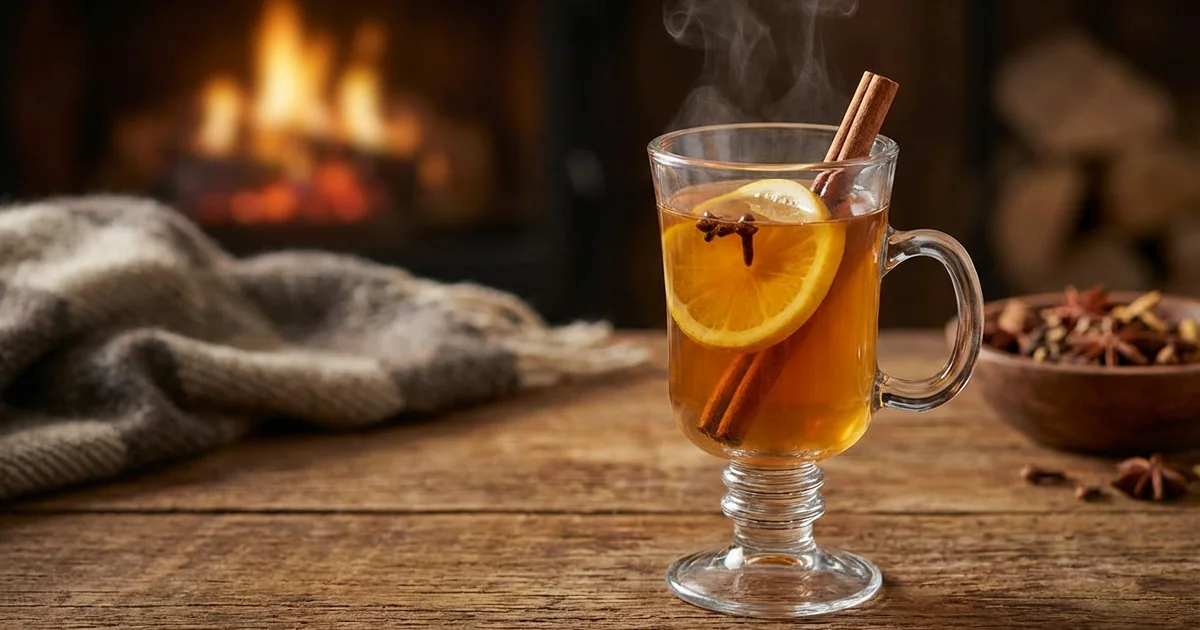
Add spices and garnish: Drop in a cinnamon stick, add 2-3 whole cloves, and garnish with a lemon wheel. Some people stud the lemon wheel with cloves for both presentation and flavor infusion. You can also add a thin slice of fresh ginger for extra warmth and zing.
-
Let it steep: Allow the drink to sit for 2-3 minutes, letting the spices infuse and the temperature settle to a comfortable sipping level.
-
Serve immediately: Hot toddies should be consumed while warm. The drink will continue to develop flavor as it cools slightly, so there's no rush, but don't let it sit so long that it becomes lukewarm.
The result should be a harmonious balance of warmth, sweetness, citrus brightness, and gentle spice, with the whiskey providing depth and that characteristic warming sensation.
Whiskey Selection: Bourbon vs Scotch vs Rye
The whiskey you choose fundamentally shapes your hot toddy recipe experience. Unlike many cocktails where the spirit's nuances get lost in mixers, the hot toddy's simplicity allows the whiskey's character to shine through. Let's explore how each type transforms this warming drink.
Bourbon: The Sweet Classic
Bourbon is the most popular choice for hot toddies in America, and for good reason. Its natural sweetness from the corn-heavy mash bill (at least 51% corn is required by law) pairs beautifully with honey, creating a dessert-like warmth that's particularly comforting when you're under the weather.
Best bourbon choices for hot toddies:
-
Maker's Mark: Its soft, sweet profile with notes of caramel and vanilla creates an exceptionally smooth toddy. The lower proof (90) makes it gentle enough for bedtime sipping.
-
Buffalo Trace: A bartender favorite that brings vanilla, toffee, and oak notes without overwhelming the other ingredients. Excellent value for the quality.
-
Bulleit Bourbon: With its higher rye content, Bulleit bridges bourbon and rye whiskey, offering sweetness with a spicy kick that pairs especially well with ginger.
-
Four Roses Yellow Label: Light and approachable with pear and spice notes, this creates a toddy that's warming without being heavy.
Flavor profile: Bourbon hot toddies tend toward caramel, vanilla, and baking spice notes. They're sweeter, rounder, and more approachable—perfect for those new to whiskey or for maximum comfort when sick.
Scotch: The Sophisticated Alternative
A scotch hot toddy transforms this simple drink into something more complex and intriguing. Scotch brings peaty, smoky, or honeyed characteristics that create an entirely different experience from bourbon.
Best scotch choices for hot toddies:
-
Famous Grouse: An affordable, well-balanced blended scotch that works beautifully in hot toddies without breaking the bank. Smooth with light peat and malt sweetness.
-
Monkey Shoulder: A blended malt with rich, smooth character featuring vanilla, orange, and spice notes. Creates an elegant toddy.
-
Laphroaig 10: For the adventurous. This heavily peated Islay scotch brings intense smoke and medicinal notes that some swear by for cold relief. Not for everyone, but devotees are passionate.
-
Glenlivet 12: Smooth and honeyed with minimal peat, this Speyside scotch creates a refined, subtly sweet toddy with apple and pear notes.
Flavor profile: Scotch toddies range from light and honeyed to intensely smoky and medicinal. The smokiness can evoke a campfire's warmth, while the malt brings grain sweetness that differs from bourbon's corn-based sugar. Particularly popular in the UK and Scotland, where a "whisky toddy" traditionally means scotch.
Rye: The Spicy Contender
Rye whiskey in a hot toddy creates the spiciest, driest version of this drink. If you find bourbon toddies too sweet or cloying, rye might be your perfect match.
Best rye choices for hot toddies:
-
Rittenhouse Rye: Bold, spicy, and affordable. The higher proof (100) provides extra warmth and flavor that stands up to dilution.
-
Bulleit Rye: Smooth with pronounced spice notes of pepper and cinnamon. Creates a toddy that emphasizes the warming spices you've added.
-
Old Overholt: A classic, budget-friendly rye that has been making hot toddies for over 200 years. Straightforward spice and grain character.
Flavor profile: Rye toddies showcase black pepper, cinnamon, and grain spice. They're drier and more complex than bourbon versions, with the rye's spice complementing cinnamon and cloves beautifully. Excellent for those who want a more sophisticated, less sweet toddy.
Proof Considerations
Whether you choose bourbon, scotch, or rye, consider the proof (alcohol by volume). Higher proof whiskeys (100+) provide more warming sensation and flavor intensity but can be harsh if the water is too hot. Lower proof whiskeys (80-90) create gentler, more approachable toddies ideal for sipping before bed. When sick, lower proof might be wise since you're likely already dehydrated.
Perfecting Your Honey and Lemon Ratios
The balance between honey's sweetness and lemon's acidity is crucial to a well-made hot toddy recipe. Too much honey makes a cloying drink that coats your throat unpleasantly. Too much lemon creates a harsh, overly tart drink that fights the whiskey. Here's how to find the perfect balance.
The Classic 1:0.5 Ratio
The traditional ratio is 1 tablespoon (15ml) honey to 0.5 oz (15ml) fresh lemon juice. This creates a balanced drink where sweetness and acidity complement rather than compete. The honey should be noticeable but not dominating, while the lemon provides brightness and cuts through the richness.
When to use it: This ratio works for most whiskeys and most palates. It's the safe starting point that you can adjust from based on preference.
Adjusting for Whiskey Type
Different whiskeys call for different ratios:
For bourbon: Bourbon's natural sweetness means you can reduce honey slightly to 2 teaspoons without losing sweetness. Some prefer increasing lemon to 0.75 oz to balance bourbon's inherent sugar.
For scotch: Particularly with peated scotches, increase honey to 1.5 tablespoons to soften the smoke and medicinal notes. The extra sweetness creates a more approachable drink.
For rye: Rye's spice and dryness can handle more honey. Use the full tablespoon, or even slightly more (1.25 tablespoons) to balance the whiskey's bite.
Honey Varieties Matter
Not all honey is created equal, and your choice significantly impacts flavor:
Wildflower honey: The most common and versatile. Mild, sweet, with gentle floral notes that complement any whiskey without competing.
Clover honey: Very mild and sweet, almost neutral. Good for letting the whiskey shine through without adding distinct honey character.
Orange blossom honey: Adds subtle citrus notes that enhance the lemon. Particularly good with bourbon toddies.
Buckwheat honey: Dark, robust, and almost molasses-like. Pairs beautifully with scotch, especially peated varieties, but can overwhelm lighter whiskeys.
Manuka honey: Expensive but prized for medicinal properties. Its distinctive flavor works well in scotch toddies but may be wasted in heavily spiced versions.
Raw vs. processed: Raw honey contains more beneficial compounds and has more complex flavor, but it's harder to dissolve in hot liquid. Processed honey dissolves more easily but has less character. For toddies, either works fine—choose based on availability and preference.
Lemon Considerations
Fresh vs. bottled: Always use fresh lemon juice. Bottled lemon juice tastes flat and artificial, completely changing the drink's character. Fresh lemon provides bright, clean acidity and aromatic oils from the peel.
How much to squeeze: Half a lemon (about 0.5-0.75 oz juice) is standard. Meyer lemons, which are sweeter and less acidic than regular lemons, can be used in slightly larger quantities (0.75-1 oz).
The peel matters: When you garnish with a lemon wheel, the essential oils in the peel contribute aromatics. For extra intensity, express a lemon peel over the drink before adding the wheel—squeeze it over the surface to release a fine mist of citrus oils.
Spice Additions: Cinnamon, Cloves, and Ginger
While a hot toddy is delicious with just whiskey, honey, lemon, and hot water, adding warming spices transforms it from simple to spectacular. These aromatics complement the drink's warming nature and add layers of complexity.
Cinnamon: The Essential Spice
Cinnamon is the most traditional hot toddy spice, and for good reason. Its sweet-spicy warmth perfectly complements whiskey and honey while adding aromatic complexity.
Cinnamon stick vs. ground: Always use a whole cinnamon stick, never ground cinnamon. Ground cinnamon doesn't dissolve in liquid—it creates an unpleasant, gritty texture. A cinnamon stick infuses gentle flavor while serving as a stirring implement and aromatic garnish.
Ceylon vs. Cassia: Most grocery store "cinnamon" is actually cassia, which has a stronger, slightly harsher flavor. True Ceylon cinnamon is more delicate and complex. Either works for toddies, though Ceylon creates a more refined drink.
Technique: Add the cinnamon stick after pouring hot water and let it steep for the full drinking duration. For more intense cinnamon flavor, gently muddle or break the stick before adding it to release more oils.
Cloves: Warming and Medicinal
Whole cloves add a warming, slightly numbing sensation along with complex aromatics reminiscent of the holidays. They've also been used medicinally for centuries, particularly for soothing sore throats.
How many: 2-3 whole cloves are sufficient. More than this can overpower the drink with a medicinal, almost antiseptic flavor. You want subtle warmth, not mouthwash.
Studding the lemon: The traditional presentation studs the lemon wheel garnish with whole cloves, both for visual appeal and controlled flavor infusion. Push 2-3 cloves into the lemon wheel before adding it to the drink.
Timing: Cloves release flavor quickly. If you find them too intense, add them for just the first 2-3 minutes of steeping, then remove them before drinking.
Fresh Ginger: Zingy Heat
Fresh ginger adds a different kind of warmth—a zingy, almost spicy heat that complements whiskey beautifully and offers genuine medicinal benefits for nausea and inflammation.
Preparation: Use a thin coin-sized slice (about 1/8 inch thick) of fresh ginger. You can leave the skin on for a more rustic, earthier flavor, or peel it for cleaner ginger taste. Gently muddle the ginger in the bottom of the mug before adding other ingredients to release its oils.
Candied ginger alternative: For a sweeter option, add a small piece of candied (crystallized) ginger. This provides ginger flavor plus additional sweetness, so reduce honey accordingly.
Ginger and whiskey pairing: Ginger works particularly well with rye whiskey and higher-rye bourbons, as their spice notes complement ginger's heat. It's less traditional with scotch but can work with lighter, non-peated varieties.
Star Anise: The Sophisticated Option
For a more exotic take, add one star anise pod. Its licorice-like flavor adds intrigue and complexity, particularly nice with bourbon or scotch. Star anise pairs especially well with orange or orange blossom honey.
Nutmeg and Allspice
A light grating of fresh nutmeg over the top adds aromatic warmth and a holiday feel. Allspice berries (2-3 lightly crushed) provide a flavor reminiscent of cinnamon, cloves, and nutmeg combined—warming and complex.
Creating Your Spice Blend
The beauty of the hot toddy is customization. Create your signature blend by combining spices:
Classic warming blend: Cinnamon stick, 2-3 cloves, thin ginger slice Holiday blend: Cinnamon stick, 2 cloves, 1 star anise, grated nutmeg Minimalist: Cinnamon stick only Ginger-forward: Large ginger slice, cinnamon stick, no cloves
Remember that spices intensify the longer they steep. Start conservative and add more next time if desired.
Hot Toddy Variations Worth Trying
The classic hot toddy recipe provides an excellent foundation, but creative variations offer new flavor experiences while maintaining the drink's essential warming character. Here are time-tested variations that honor the original while offering delicious alternatives.
Irish Hot Toddy
Swap whiskey for Irish whiskey (Jameson, Tullamore Dew, or Bushmills) for a smoother, slightly sweeter version. Irish whiskey's triple-distillation creates exceptional smoothness that some prefer when feeling under the weather. For extra indulgence, add 0.5 oz of Baileys Irish Cream along with the whiskey for a creamy, dessert-like toddy. Similar to our Irish Coffee recipe, this variation combines warm hospitality with rich flavor.
Ingredients:
- 2 oz Irish whiskey
- 6 oz hot water
- 1 tablespoon honey
- 0.5 oz lemon juice
- Cinnamon stick
- Optional: 0.5 oz Baileys Irish Cream
Rum Hot Toddy (Hot Buttered Rum-Style)
Dark rum creates a completely different toddy experience, with molasses and tropical spice notes replacing whiskey's oakiness. This variation is particularly good with a small pat of butter added for richness.
Ingredients:
- 2 oz dark rum (Myers's, Gosling's, or aged rum)
- 6 oz hot water
- 1 tablespoon honey or brown sugar
- 0.5 oz lemon juice
- 1 small pat of butter (optional but traditional)
- Cinnamon stick and nutmeg
Technique: Add the butter with the honey and let it melt completely before adding hot water. The butter creates a rich, creamy texture that's incredibly comforting.
Tea-Based Hot Toddy
Replace hot water with hot tea for added complexity and health benefits. Different teas create remarkably different toddies.
Earl Grey Toddy: The bergamot in Earl Grey tea complements lemon beautifully, creating a sophisticated, aromatic toddy. Particularly good with scotch.
Chamomile Toddy: Gentle and calming, perfect for bedtime. The floral notes pair well with honey and lighter whiskeys.
Green Tea Toddy: For a lighter option with antioxidants, use green tea. Reduce honey slightly as green tea's natural bitterness provides balance.
Ginger Tea Toddy: Use ginger tea as the base for intense ginger flavor without needing fresh ginger. Great for nausea relief.
Black Tea Toddy: Use a strong black tea (English Breakfast or Irish Breakfast) for a robust base that stands up to whiskey. This creates a drink similar to Irish coffee but with tea.
Technique: Brew tea slightly stronger than you'd normally drink it (steep 1-2 minutes longer) since it will be diluted by whiskey and honey. Let it cool to about 180°F before adding to your toddy ingredients.
Apple Cider Hot Toddy
This fall favorite substitutes apple cider for water, creating a dessert-like drink perfect for autumn and winter gatherings.
Ingredients:
- 2 oz bourbon or spiced rum
- 6 oz hot apple cider (heated but not boiling)
- 1 teaspoon honey (reduce from tablespoon since cider is already sweet)
- 0.25 oz lemon juice (less than classic since cider has acidity)
- Cinnamon stick
- Star anise
- Apple slice for garnish
Technique: Heat the cider gently—don't boil it or you'll lose delicate flavors. This variation is sweeter than classic toddies, so adjust honey to taste.
Maple Hot Toddy
Replace honey with pure maple syrup for a Canadian-inspired version with deep, caramel-like sweetness.
Ingredients:
- 2 oz bourbon or rye whiskey
- 6 oz hot water
- 1 tablespoon pure maple syrup (grade A dark)
- 0.5 oz lemon juice
- Cinnamon stick
- Optional: orange peel instead of lemon
Technique: Maple syrup dissolves easily in hot water. The darker grade A maple syrup has more robust flavor than lighter grades. This variation works particularly well with rye whiskey's spice.
Honey-Ginger Hot Toddy
For maximum ginger intensity and health benefits, this variation loads up on fresh ginger.
Ingredients:
- 2 oz whiskey
- 6 oz hot water
- 1 tablespoon honey
- 0.5 oz lemon juice
- 3-4 slices fresh ginger (muddle before adding other ingredients)
- Pinch of cayenne pepper (optional for extra heat)
- Cinnamon stick
Technique: Muddle ginger slices in the mug first to release maximum flavor. The cayenne adds pleasant heat that complements ginger's zing.
Hot Toddy Punch (For a Crowd)
Scale up the recipe for parties, keeping ingredients in proportion.
Ingredients (serves 8):
- 16 oz (2 cups) whiskey
- 48 oz (6 cups) hot water
- 8 tablespoons honey
- 4 oz (1/2 cup) fresh lemon juice
- 8 cinnamon sticks
- 16-24 whole cloves
- 8 lemon wheels
Technique: Mix honey and lemon juice with a bit of hot water in a large pot until honey dissolves. Add remaining water and whiskey, heat gently to serving temperature (don't boil), then ladle into mugs with spices and lemon wheels.
The Hot Toddy as a Cold Remedy: Fact vs Fiction
Perhaps no cocktail is as strongly associated with illness as the hot toddy for cold symptoms. For generations, people have sworn by hot toddies as relief for colds, coughs, sore throats, and general malaise. But what does science say about these traditional claims?
What Science Actually Says
The truth: The scientific evidence for hot toddies curing colds is minimal to nonexistent. No peer-reviewed studies demonstrate that whiskey, honey, and lemon in hot water speeds recovery from viral infections. However, that doesn't mean hot toddies provide no benefits at all.
What might actually help:
Steam and warmth: The hot liquid provides steam, which can temporarily relieve nasal congestion and soothe irritated throat tissues. Any hot liquid (tea, soup, water) provides this benefit—the alcohol isn't necessary for this effect.
Honey: Multiple studies have shown that honey can suppress coughs as effectively as over-the-counter cough suppressants, particularly for children over one year old. Honey coats the throat, reducing irritation, and has mild antimicrobial properties.
Lemon: Provides vitamin C, though not in therapeutic amounts (you'd need much more than half a lemon for genuine immune support). However, the acidity can help cut through mucus and the bright flavor can make congested taste buds more responsive.
Hydration: Hot water contributes to overall hydration, which is essential when sick. Fever, mucus production, and reduced fluid intake during illness can lead to dehydration.
Sleep aid: The alcohol can promote drowsiness, potentially helping you sleep when a stuffy nose or cough might otherwise keep you awake. Better sleep supports immune function.
The Downsides When Sick
Dehydration: Alcohol is a diuretic, promoting fluid loss through urination. When you're already at risk of dehydration from fever or congestion, adding alcohol can worsen the problem.
Immune suppression: Alcohol can temporarily suppress immune function, potentially slowing recovery. While one hot toddy is unlikely to significantly impact your immune system, multiple drinks or heavy consumption could.
Medication interactions: Alcohol interacts with many cold and flu medications, including acetaminophen, ibuprofen, and most decongestants. Combining alcohol with these medications can be dangerous.
Sleep quality: While alcohol may help you fall asleep initially, it disrupts sleep quality later in the night, reducing restorative REM sleep that's crucial for immune function.
The Verdict
A hot toddy may provide symptomatic relief and comfort when you're sick, primarily through its hot liquid, honey, and placebo effect, but it won't cure your cold or speed recovery. The alcohol component specifically offers minimal benefit and potential drawbacks.
Smart sick-day approach: If you want a hot toddy while ill, limit it to one drink in the evening (the sleep aid can be helpful), ensure you're drinking plenty of water otherwise, avoid mixing with medications, and don't count on it as medicine. Or better yet, make a "virgin" toddy with all the same ingredients except whiskey—you'll get most of the symptomatic benefits without the downsides.
When to skip it entirely: Avoid hot toddies if you're taking any medications, running a significant fever, severely dehydrated, or have been sick for more than a few days without improvement (time to see a doctor, not a bartender).
Serving Tips and Presentation
The hot toddy recipe may be simple, but proper serving and presentation elevate it from a casual warm drink to a genuine cocktail experience. Here's how to serve hot toddies like a pro.
Proper Glassware
Traditional choices:
Irish coffee glass: The classic handled glass holds 8-10 oz and provides a handle to protect hands from heat while showcasing the beautiful amber liquid and garnishes.
Heat-tempered mug: Clear, handled coffee mugs work beautifully, allowing you to see the drink's color and floating garnishes.
Toddy glass: Specifically designed for hot toddies, these feature a thick base, wide rim, and handle.
Considerations: Whatever vessel you choose must be heat-resistant. Regular thin glass tumblers can crack from thermal shock. The container should hold at least 10 oz comfortably to accommodate all ingredients without being too full to drink safely.
The handle matters: Hot toddies are served very hot. A handle protects your hands and prevents you from warming the drink with body heat, which would be counterproductive.
Preheating is Essential
Never skip this step. Fill your serving glass or mug with hot water from the kettle and let sit for 30-60 seconds while you prepare other ingredients. This serves multiple purposes: it prevents thermal shock that could crack the glass, it keeps your toddy hot much longer, and it ensures the first sip is at the perfect temperature rather than being cooled by a cold mug.
Garnishing for Impact
Lemon wheel: The essential garnish. Cut a wheel (round slice) about 1/4 inch thick from the center of the lemon where it's largest. This provides maximum visual impact and surface area for releasing oils.
Studding with cloves: For presentation and controlled spice infusion, insert 2-3 whole cloves into the lemon wheel before adding it to the drink. The cloves create a beautiful visual while infusing their warmth.
Cinnamon stick: Not just for flavor—the cinnamon stick serves as an aromatic stirrer that guests can use throughout drinking. Position it prominently so it stands upright or leans decoratively.
Fresh herb accent: For an unexpected twist, add a small sprig of fresh thyme or rosemary. These herbs can handle heat and add sophisticated herbal aromatics.
Star anise: If using star anise, float it on top for stunning visual impact—its geometric shape creates an impressive presentation.
Temperature Considerations
The hot water sweet spot: Your water should be hot but not boiling when mixed. Aim for 180-190°F (82-88°C). Water that's too hot will cook off alcohol and create harsh flavors. Water that's too cool won't properly dissolve honey and will result in a lukewarm drink.
Drinking temperature: Let the finished toddy sit for 2-3 minutes to allow spices to infuse and temperature to settle to a comfortable drinking level (around 140-150°F). It should be hot enough to produce gentle steam but not so hot that you can't take a comfortable sip.
Evolution as it cools: Part of the hot toddy experience is its evolution as it cools. The first sips emphasize heat and alcohol warmth, the middle sips showcase balanced honey and lemon, and the final sips (if you drink slowly) reveal more subtle spice notes as flavors concentrate.
Timing and Freshness
Hot toddies must be made fresh and served immediately. Unlike cocktails served over ice, you can't batch these or make them ahead. The drink begins losing temperature immediately, and the careful balance you've created starts shifting.
For parties: Have all ingredients prepped and ready (honey measured, lemons sliced, spices arranged, glasses preheated) so you can assemble drinks quickly when guests arrive. Keep water at the proper temperature in a kettle or carafe.
Pairing Suggestions
Hot toddies pair beautifully with:
Light evening snacks: Cheese and crackers, nuts, or shortbread cookies Desserts: Particularly apple pie, gingerbread, or dark chocolate After-dinner drink: Serve after a hearty winter meal as a warming digestif Fireside sipping: The classic context—enjoyed while warming up by a fire
Frequently Asked Questions
Conclusion: Mastering the Art of Comfort
The hot toddy recipe represents more than just a warming winter cocktail—it's liquid comfort, a ritual of self-care, and a connection to centuries of folk tradition. From its murky origins in colonial India to its establishment as a Scottish staple and American cold remedy, the hot toddy has earned its place in cocktail culture through simple, honest excellence.
The beauty of this drink lies in its accessibility and adaptability. With just four basic ingredients—whiskey, hot water, honey, and lemon—you can create something genuinely warming and restorative. The technique requires no special equipment or skills, just attention to temperature, proper dissolution of honey, and a gentle hand with spices.
Whether you choose the caramel warmth of bourbon, the sophisticated smoke of scotch, or the spicy complexity of rye; whether you garnish simply with lemon and cinnamon or elaborate with cloves, ginger, and star anise; whether you seek genuine cold relief or just a cozy evening by the fire—the hot toddy delivers comfort in a mug.
Master the classic recipe first, understanding how each element contributes to the whole. Then experiment with the variations that speak to your palate and occasion. Try it with tea instead of water, swap honey for maple syrup, or explore rum's molasses warmth. Each variation teaches you more about balance, flavor pairing, and the remarkable versatility of this simple formula.
Remember that while hot toddies have a reputation as cold remedies, their greatest value is the comfort they provide—the warming sensation, the aromatic spices, the ritual of preparation, and the permission to slow down and care for yourself. That kind of comfort, whether you're sick or simply seeking warmth on a cold night, is medicine enough.
Now that you understand the history, technique, and infinite variations of the perfect hot toddy, warm your mug, choose your whiskey, and create your own warming ritual. The cold nights await, and you're ready to meet them with something warm, sweet, and genuinely comforting.
Cheers to warmth, wellness, and the simple pleasure of a well-made hot toddy.
Advertisement
About Willow
Seasonal & Winter Cocktails Expert at Hero Cocktails, passionate about crafting exceptional cocktails and sharing mixology expertise.
Advertisement