Michelada Recipe: Mexico's Ultimate Beer Cocktail
Master the authentic michelada recipe with this comprehensive guide. Learn about Mexican origins, regional variations, beer selection, and the perfect spiced rim.
Advertisement
Michelada Recipe: Mexico's Ultimate Beer Cocktail
When temperatures soar and you need serious refreshment, nothing quite compares to a perfectly crafted michelada. This iconic Mexican beer cocktail has been quenching thirsts across Mexico for generations, transforming a simple cerveza into a complex, savory, spicy masterpiece. Whether you're seeking the ultimate brunch drink, a legendary hangover cure, or simply the most refreshing beverage imaginable, mastering the authentic michelada recipe opens the door to one of Mexico's greatest liquid treasures.
Key Takeaways
- The michelada is Mexico's beloved beer cocktail combining Mexican lager with lime, spices, and tomato juice or Clamato
- Regional variations exist throughout Mexico, from simple cheladas to complex micheladas cubanas
- Light Mexican lagers like Corona, Modelo, or Pacifico work best for authentic flavor
- The tomato juice vs Clamato debate continues, with each offering distinct characteristics
- A proper spiced rim with Tajín or chamoy is essential for the authentic michelada experience
The michelada represents everything wonderful about Mexican drinking culture: it's social, flavorful, endlessly customizable, and utterly unpretentious. Walk into any cantina, beach bar, or neighborhood taquería throughout Mexico, and you'll find locals enjoying their own preferred version of this beloved drink. From the simplest chelada (just beer, lime, and salt) to elaborate micheladas cubanas loaded with seafood and vegetables, this cocktail family offers something for every palate.
What makes the michelada particularly special is its remarkable versatility. It's equally at home at a casual backyard barbecue, an upscale Sunday brunch, or a late-night taco stand. The combination of cold beer, bright citrus, savory spices, and that addictive spiced rim creates a drinking experience that's both sophisticated and refreshingly straightforward. Let's explore how to create the perfect michelada recipe and discover the regional variations that make this cocktail endlessly fascinating.
The Origins of the Michelada
The michelada's exact origins remain delightfully murky, with several Mexican cities claiming to be the birthplace of this iconic drink. The most widely accepted story traces the michelada to San Luis Potosí in the 1940s or 1950s, where a regular patron named Michel Ésper would request his beer prepared with lime, salt, ice, and a straw. Bartenders began calling this preparation "Michel's lemonade" or "michelada" for short.
Another popular theory suggests the name derives from "mi chela helada" (my cold beer), a phrase that perfectly captures the drink's essence. Given Mexico's warm climate and the universal desire for ice-cold beverages, this etymology makes perfect sense.
What's undisputed is that the michelada evolved from Mexico's long tradition of beer cocktails. The simplest version, the chelada (beer with lime juice and salt), dates back even further and represents the foundation upon which more complex micheladas are built. As the drink spread throughout Mexico, different regions added their own signatures—hot sauce in some areas, Worcestershire sauce in others, Clamato juice in coastal regions, and Maggi seasoning in central Mexico.
By the 1980s and 1990s, the michelada had become a national institution in Mexico, with each bartender, family, and region developing preferred recipes. Today, the michelada continues to evolve while remaining true to its essential character: a refreshing beer cocktail that's greater than the sum of its parts.
Classic Michelada Recipe
Ready to make an authentic michelada? This recipe represents the most popular version served throughout Mexico, balancing all the essential elements that make this cocktail legendary.
Ingredients:
- 12 oz Mexican lager beer (Corona, Modelo Especial, Pacifico, or Tecate), well-chilled
- 2 oz fresh lime juice (about 2 limes)
- 4 oz tomato juice or Clamato
- 4-6 dashes hot sauce (Valentina, Tapatío, or Cholula preferred)
- 3-4 dashes Worcestershire sauce
- 2-3 dashes Maggi seasoning (or soy sauce as substitute)
- Tajín or chamoy for rimming
- Ice cubes
- Salt and freshly ground black pepper to taste
- Lime wedges for garnish
Instructions:
-
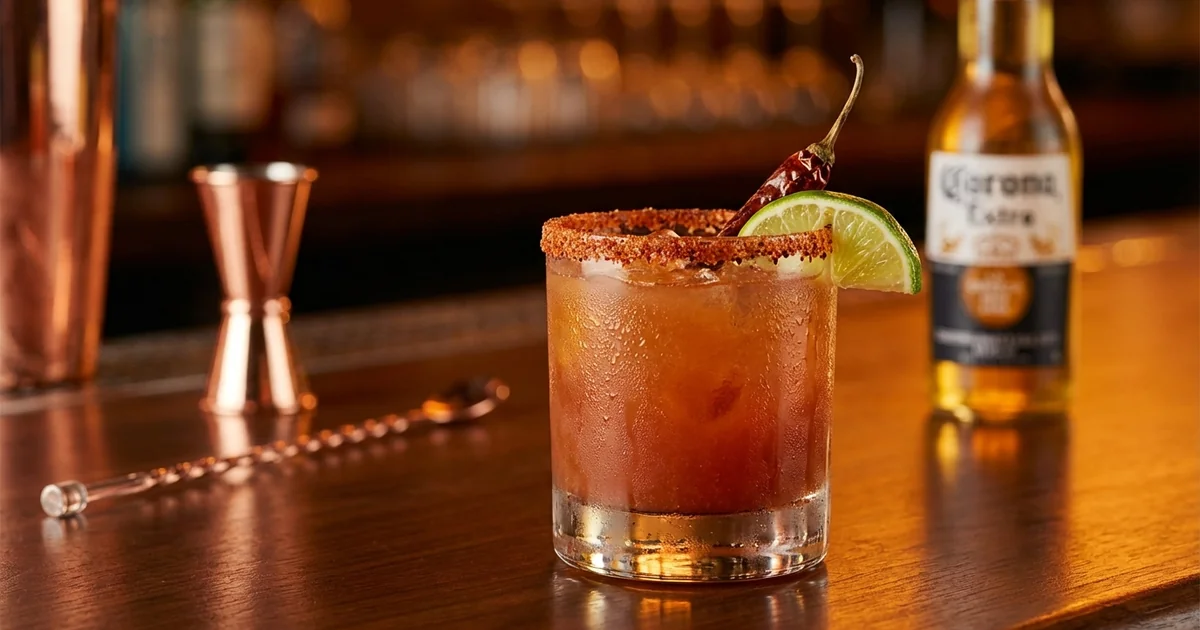
Prepare the rim: Run a lime wedge around the rim of a large beer glass, pint glass, or traditional goblet-style glass. Pour Tajín seasoning onto a small plate and dip the moistened rim into the seasoning, coating it generously. For extra indulgence, use chamoy (a sweet-spicy-tangy Mexican condiment) to rim the glass before applying Tajín.
-
Fill with ice: Add ice cubes to fill the glass about three-quarters full. The michelada should be intensely cold.
-
Build the base: Add the fresh lime juice to the glass. This goes in first to ensure proper distribution.
-
Add the savory elements: Pour in the tomato juice or Clamato, then add your hot sauce, Worcestershire sauce, and Maggi seasoning. The layering helps ensure even distribution of flavors.
-
Season: Add a pinch of salt and several grinds of black pepper. Some recipes include a pinch of cayenne or chili powder for extra heat.
-
Stir to combine: Using a bar spoon or regular spoon, stir the mixture gently but thoroughly. This is crucial for integrating all the seasonings before adding the beer.
-
Add the beer: Slowly pour the chilled Mexican lager into the glass. Pour down the side of the glass at an angle to minimize foam. The beer should integrate with the spiced mixture, creating a beautiful amber-red color.
-
Final touch: Give one gentle final stir to incorporate the beer without creating excessive foam.
-
Garnish: Add lime wedges to the rim or drop them into the drink. Some versions include a celery stalk, cucumber spear, or even a shrimp for extra flair.
-
Serve immediately: The michelada is best enjoyed ice-cold and fresh. Provide a straw for easy sipping.
The result should be a perfectly balanced cocktail that's simultaneously refreshing, savory, spicy, and utterly addictive. The cold beer provides carbonation and body, the lime juice offers brightness, the tomato juice adds savory depth, and the spices create complexity. The Tajín rim ties everything together with its signature chili-lime-salt punch.
Regional Variations Across Mexico
One of the michelada's greatest charms is how each region of Mexico has developed its own distinctive take on this versatile cocktail. Understanding these variations helps you appreciate the drink's diversity and find your perfect version.
Michelada Clásica (Central Mexico)
The version described above represents the classic style popular in Mexico City and central states. It balances beer with a moderate amount of tomato juice or Clamato, creating a drink that's half beer cocktail, half savory refresher.
Chelada (Simplest Version)
The chelada strips the michelada down to its essential elements: cold beer, fresh lime juice, salt, and ice. This minimalist approach, popular throughout Mexico, lets the beer shine while adding just enough citrus and salt to enhance refreshment. To make a chelada, simply rim a glass with salt, add ice and lime juice, then top with beer.
Michelada Cubana (Veracruz and Coastal Regions)
The michelada cubana, popular in coastal areas like Veracruz, transforms the drink into a meal-in-a-glass. It includes everything in the classic recipe plus Clamato (always, never plain tomato juice), and extravagant garnishes like boiled shrimp, octopus, cucumber slices, jicama, chamoy sauce, and even oysters or clams. This version often comes in enormous glasses and serves as both cocktail and appetizer.
Michelada Preparada (Northern Mexico)
In northern states like Sonora and Baja California, the michelada preparada often includes additional ingredients like pickled vegetable juice, soy sauce instead of Maggi, and sometimes even a splash of Clamato chelada (a pre-mixed product). The northern versions tend to be spicier and less sweet than central Mexican versions.
Clamato Preparado (Nationwide Variation)
This popular shortcut version uses Clamato chelada (pre-seasoned Clamato), making preparation even simpler. While purists may scoff, this convenience version has earned its own devoted following and works perfectly for parties or beach outings.
Ojo Rojo (Red Eye)
Popular in some regions, the ojo rojo swaps tomato juice for orange juice, creating a completely different flavor profile. This citrus-forward version is less common but offers a refreshing alternative for those who don't enjoy tomato-based drinks.
Beer Selection: Choosing the Right Mexican Lager
Beer selection significantly impacts your michelada's character. While you can technically use any beer, authentic Mexican lagers provide the ideal foundation for this cocktail.
Best Mexican Lagers for Micheladas:
Corona Extra: Perhaps the most internationally recognized Mexican beer, Corona's light, crisp profile makes it the default choice for many michelada enthusiasts. Its subtle corn sweetness and easy drinkability work beautifully with bold seasonings.
Modelo Especial: A pilsner-style lager with slightly more body and flavor than Corona, Modelo Especial offers a bit more complexity while remaining refreshing and balanced. Many bartenders prefer it for micheladas because its fuller flavor stands up well to strong seasonings.
Pacifico: This Mazatlán-born lager brings a slightly maltier, more robust character than Corona. It's particularly popular for micheladas in beach towns and coastal regions.
Tecate: A straightforward, no-nonsense lager that's popular for everyday drinking throughout Mexico. Tecate's clean, simple profile makes it an excellent michelada base, and it's often more affordable than other options.
Dos Equis Lager: Similar to Modelo with a slightly crisper finish, Dos Equis works beautifully in micheladas and offers good availability outside Mexico.
Victoria: A Vienna-style lager with more color and maltiness than typical Mexican lagers, Victoria creates a richer, more substantial michelada.
Why Mexican Lagers Work Best:
Mexican lagers share characteristics that make them ideal for micheladas: they're light-bodied, crisp, refreshing, relatively low in alcohol (4-5% ABV), and have subtle flavors that complement rather than compete with the added ingredients. Their high carbonation also helps maintain the drink's refreshing character even when mixed with other liquids.
Can You Use Other Beers?
While Mexican lagers are traditional, experimentation is encouraged. Some adventurous drinkers use:
- Light American lagers (Bud Light, Coors Light) for an even lighter version
- Wheat beers for a softer, more bread-like character
- Pilsners for extra hop bitterness and crispness
- IPAs for a bold, hoppy michelada with serious character (though this strays far from tradition)
However, avoid heavy beers like stouts, porters, or strong Belgian ales—their dominant flavors overwhelm the delicate balance that makes micheladas special.
The Great Debate: Tomato Juice vs Clamato
Perhaps no aspect of michelada preparation generates more passionate debate than the choice between tomato juice and Clamato. Both camps have devoted followers, and understanding the differences helps you make an informed choice.
Tomato Juice (Traditional Approach)
Using plain tomato juice creates a michelada that's more vegetable-forward and allows other seasonings to shine. This approach offers complete control over flavors since you're building the seasoning profile from scratch.
Advantages:
- Clean tomato flavor without artificial additives
- Complete control over sweetness and seasoning
- More vegetable-forward, less briny
- Preferred by those avoiding shellfish (Clamato contains clam broth)
- Generally considered more "authentic" by purists
Best tomato juice brands: Look for quality tomato juice without too many additives. Sacramento, Campbell's 100% Tomato Juice, or freshly juiced tomatoes (if you're ambitious) work beautifully.
Clamato (Popular Modern Choice)
Clamato, a blend of tomato juice and clam broth with spices, has become incredibly popular for micheladas, especially in coastal regions and among younger generations. Made famous by the Motts company, Clamato adds a subtle briny, oceanic quality that many find addictive.
Advantages:
- Adds savory umami depth from clam broth
- Pre-seasoned with spices (though you'll still add more)
- Creates a more complex, slightly sweeter drink
- Extremely popular and widely available
- Particularly good with seafood garnishes
Disadvantages:
- Contains clam extract (not suitable for vegetarians or those with shellfish allergies)
- Less control over the seasoning profile
- Some find it too sweet or artificial-tasting
- Masks the pure tomato flavor
The Verdict:
There's no "wrong" choice here—it's entirely about personal preference. Many Mexican bartenders and home cooks use tomato juice, while others swear by Clamato. Some restaurants even offer both options, letting customers choose their preferred base.
Our recommendation: Try both versions to discover your preference. If you're new to micheladas, start with Clamato since its pre-seasoned nature is more forgiving. Once you understand the flavor profile, experiment with fresh tomato juice to experience the more traditional approach.
For an authentic coastal michelada cubana, Clamato is almost always the choice. For a cleaner, more vegetable-centric michelada, tomato juice wins.
Hot Sauce Varieties: Building the Perfect Heat
The hot sauce selection dramatically influences your michelada's character and heat level. Mexican hot sauces each bring unique flavors beyond simple spiciness, making your choice important.
Valentina
Arguably the most popular hot sauce for micheladas in Mexico, Valentina offers moderate heat with tangy, slightly garlicky flavor. It's thin consistency mixes easily, and its balanced profile complements rather than overwhelms other ingredients. Valentina comes in two versions: regular (less spicy) and extra hot (black label).
Flavor profile: Tangy, slightly garlicky, moderately spicy Heat level: 2-3/5 (regular), 3-4/5 (extra hot) Best for: Classic micheladas, everyday drinking
Tapatío
This Guadalajara-born hot sauce brings slightly more heat than Valentina with a pronounced garlic and cumin character. Its thicker consistency and robust flavor make it excellent for micheladas with substantial spice requirements.
Flavor profile: Garlicky, cumin-forward, bright red pepper flavor Heat level: 3/5 Best for: Those who want more garlic character and moderate heat
Cholula
Made with piquin and arbol peppers, Cholula offers a distinctive smoky-sweet flavor with moderate heat. Its wooden cap has made it an icon, and its complex flavor profile works beautifully in micheladas.
Flavor profile: Smoky, slightly sweet, complex pepper flavor Heat level: 2-3/5 Best for: Micheladas where you want smoky depth
Salsa Huichol
Less known internationally but popular in Mexico, Salsa Huichol brings serious heat with bright, fresh pepper flavor. Use this when you want your michelada to have significant kick.
Flavor profile: Bright, fresh pepper, intense heat Heat level: 4/5 Best for: Spicy micheladas, heat lovers
Salsa Búfalo
Similar to Louisiana-style hot sauce but with Mexican character, Salsa Búfalo is thin, vinegary, and quite spicy. It adds sharp heat and acidity.
Flavor profile: Vinegary, sharp, cayenne-forward Heat level: 3-4/5 Best for: Extra-tangy micheladas
Chamoy Sauce
While not technically a hot sauce, chamoy (a sweet, spicy, tangy sauce made from pickled fruit) has become popular for both rimming glasses and adding to the michelada itself. Its complex sweet-sour-spicy profile adds depth unlike any hot sauce.
Mixing Hot Sauces
Many experienced michelada makers use combinations of hot sauces to achieve perfect flavor and heat balance. A common approach: use Valentina as the base for its balanced flavor, add a few dashes of Tapatío for garlic depth, and finish with Cholula for smokiness.
Pro tip: Start conservatively with hot sauce. You can always add more, but you can't remove it once it's in the glass. Begin with 4-5 dashes total and adjust based on your heat tolerance.
Worcestershire Sauce and Maggi Seasoning: The Umami Boosters
Two ingredients that separate mediocre micheladas from exceptional ones are Worcestershire sauce and Maggi seasoning. These umami-rich additions provide savory depth that makes the cocktail irresistible.
Worcestershire Sauce
This fermented condiment adds complex savory notes with hints of tamarind, vinegar, molasses, and anchovies. In micheladas, Worcestershire contributes umami depth and subtle sweetness that balances the acidity of lime and tomato juice.
Use 3-4 dashes (about 1/2 teaspoon) per michelada. The Lea & Perrins brand is most common, though any quality Worcestershire sauce works well.
Maggi Seasoning
Maggi seasoning sauce (Jugo Maggi in Mexico) is arguably even more important than Worcestershire in authentic Mexican micheladas. This Swiss-invented, Mexican-adopted condiment delivers concentrated savory, slightly vegetable-forward umami that's become essential to the traditional recipe.
Maggi's flavor is difficult to describe—imagine concentrated soy sauce with vegetable bouillon and a hint of sweetness. In Mexico, Maggi is as common as salt and pepper, used in everything from soups to cocktails.
Use 2-3 dashes (about 1/4 teaspoon) per michelada. The liquid sauce version is preferred over Maggi bouillon cubes for micheladas.
Substitution: If you can't find Maggi seasoning, use soy sauce as a substitute. It won't be identical (soy sauce is saltier and less complex), but it provides similar umami depth. Use slightly less soy sauce than you would Maggi since it's saltier.
Why Both?
Using both Worcestershire and Maggi creates layered umami complexity that makes the michelada more than just spicy beer. Worcestershire brings tamarind sweetness and fermented depth, while Maggi adds savory, almost meaty richness. Together, they create the distinctive savory character that defines a proper michelada.
The Spiced Rim: Tajín and Chamoy
The rimming is where micheladas truly distinguish themselves from other beer cocktails. The spiced rim isn't just decorative—it's an essential component that delivers bursts of chili-lime-salt flavor with each sip.
Tajín Clásico
Tajín has become synonymous with Mexican fruit stands, street snacks, and cocktail rims. This bright red seasoning blend combines ground chili peppers (primarily chili de árbol), dehydrated lime, and sea salt into an addictive powder that perfectly complements micheladas.
Tajín's magic lies in its balance: the chili provides gentle heat, the lime adds brightness, and the salt ties everything together. When applied to a michelada rim, Tajín delivers flavor that enhances each sip without overwhelming the drink.
How to apply: Run a lime wedge around the glass rim, then dip into Tajín poured onto a small plate. Coat generously—you want a visible crust of seasoning.
Variations: Tajín also comes in "Habanero" (spicier) and "Low Sodium" versions for those watching salt intake.
Chamoy
Chamoy sauce, made from pickled fruit (usually apricot or plum), chilies, lime, and salt, represents the next level of michelada rimming. This thick, tangy-sweet-spicy sauce can be used alone or combined with Tajín for ultimate flavor impact.
Chamoy rim technique:
- Paint a thick layer of chamoy around the glass rim using a lime wedge or brush
- Immediately dip the chamoy-coated rim into Tajín
- The result: a thick, flavorful crust with incredible sweet-sour-spicy-salty complexity
Chamoy's viscosity means it adheres better than lime juice, creating a more substantial rim that holds more Tajín.
Alternative Rim Options
While Tajín and chamoy reign supreme, creative bartenders have experimented with other rimming options:
- Chile-lime salt: Mix coarse salt with chili powder and dried lime zest
- Sal de gusano: Oaxacan worm salt adds smoky, earthy complexity
- Miguelito: A popular Mexican candy powder similar to Tajín
- Tamarindo powder: Sweet-sour tamarind for fruit-forward character
- Cayenne-salt mix: For extra heat without the lime
- Lucas Muecas: Another Mexican candy seasoning with tamarind notes
Pro tip: Only rim half the glass, leaving the other half clean. This allows drinkers to alternate between sips with and without the rim, preventing flavor fatigue.
Glassware and Presentation
While the michelada's flavors are paramount, presentation matters. The right glass enhances both the drinking experience and visual appeal.
Traditional Mexican Glassware
Clamato-style glasses: In Mexico, you'll often find micheladas served in tall, slightly tapered glasses specifically designed for these beer cocktails. They typically hold 16-20 oz and have plenty of room for ice, mix, and beer.
Goblet-style glasses (Copa): Some cantinas use wide-mouthed goblet-style glasses that showcase the drink's beautiful color and generous rim.
Schooner glasses: Large, chalice-like beer glasses work beautifully for micheladas, offering substantial capacity and dramatic presentation.
Practical Options
Pint glasses: Standard American pint glasses (16 oz) work perfectly well for home micheladas. They're readily available and provide adequate capacity.
Beer mugs: Glass beer mugs, especially chilled ones, keep the drink cold longer and add to the beer-hall aesthetic.
Large goblets or water glasses: Any large glass (12-20 oz) works as long as it has enough capacity for ice, mix, and beer.
Size Matters
Micheladas need generous glasses—typically 16-24 oz capacity. You're combining 12 oz of beer with 6+ oz of mix and ice, so anything smaller will overflow or require skimping on ingredients.
Presentation Tips
-
Chill the glass: Store glasses in the freezer for 15-30 minutes before making micheladas. The frosty glass keeps everything colder longer.
-
Generous rim: Don't be shy with the Tajín or chamoy. A thick, visible rim adds visual impact and flavor.
-
Colorful garnishes: Lime wedges are essential, but consider adding cucumber spears, celery sticks, or even radish slices for color and crunch.
-
Straw or no straw: Tradition includes a straw, allowing you to sip from below the rim. However, environmental concerns have made straws less common. Paper or bamboo straws offer eco-friendly alternatives.
-
Serve with the beer bottle: Some establishments serve the michelada partially built, allowing guests to pour their own beer and control the strength.
Michelada in Brunch Culture
While micheladas have been Mexican brunch staples for generations, they've recently exploded in popularity at American and international brunch spots. Their appeal in this context is obvious: they're refreshing, not too strong, pair beautifully with breakfast foods, and offer a lighter alternative to heavy cocktails.
Why Micheladas Excel at Brunch
Lower alcohol content: With beer as the base spirit (typically 4-5% ABV) and significant dilution from ice and mixers, micheladas contain less alcohol than most brunch cocktails, making them perfect for day drinking.
Food pairing versatility: The savory, spicy character complements everything from eggs Benedict to chilaquiles, from breakfast burritos to huevos rancheros.
Refreshing quality: The combination of cold beer, ice, and citrus provides unmatched refreshment that cuts through rich breakfast foods.
Perceived health benefits: With tomato juice, lime juice, and vegetables, micheladas feel slightly virtuous compared to sugar-laden brunch cocktails.
Brunch-Specific Variations
Michelada Flight: Offer several small micheladas with different hot sauces, allowing guests to compare and choose favorites.
Michelada Bar: Set up a DIY station with chilled Mexican lagers, pre-made mix, multiple hot sauces, and garnishes, letting guests build their own.
Breakfast Michelada: Add a splash of orange juice for morning brightness, similar to a breakfast beer cocktail.
Michelada Bloody Mary Hybrid: Some creative bartenders combine elements of both drinks, adding horseradish and celery to a michelada base.
Pairing with Brunch Foods
Micheladas particularly shine with:
- Chilaquiles: The beer cuts through the richness of fried tortillas and sauce
- Breakfast tacos and burritos: Spicy michelada complements spicy breakfast
- Huevos rancheros: Mirror the Mexican flavors
- Ceviche or seafood appetizers: Especially with Clamato-based micheladas
- Bacon and eggs: The savory drink enhances savory breakfast
- Avocado toast: The acidity balances creamy avocado
The Hangover Cure Reputation
The michelada's reputation as a hangover cure is legendary throughout Mexico and among devotees worldwide. While scientific evidence for any alcoholic "hair of the dog" remedy remains dubious, the michelada does contain several elements that may help with hangover symptoms.
Why People Believe in the Michelada Cure
Rehydration: The drink contains significant liquid volume (often 16-20 oz total), helping combat dehydration—a primary hangover symptom. The ice provides additional water as it melts.
Electrolyte replacement: Salt in the rim and mix helps replace electrolytes lost through alcohol consumption and dehydration.
Vitamins and nutrients: Tomato juice or Clamato provides vitamins C, A, and various B vitamins, plus lycopene and other nutrients.
Blood sugar stabilization: The small amount of sugar in tomato juice or Clamato may help stabilize blood sugar levels that drop after drinking.
Spice stimulation: Hot sauce and spices stimulate the senses and digestion, potentially reducing nausea and sluggishness.
Alcohol continuation: The "hair of the dog" theory suggests small amounts of alcohol ease withdrawal symptoms, though this simply delays rather than cures hangover effects.
Psychological comfort: The ritual of a michelada, combined with its refreshing qualities, provides psychological relief even if the physical benefits are minimal.
The Reality
Medical professionals generally don't recommend consuming more alcohol to combat hangovers. The perceived benefit comes primarily from temporary symptom relief while delaying the inevitable recovery process. The real hangover cure remains hydration, rest, and time.
That said, if you're going to indulge in a hair-of-the-dog remedy, the michelada's relatively low alcohol content, high water volume, and nutrient content make it a better choice than harder spirits or sugary cocktails.
Virgin Michelada option: For genuine hangover relief without more alcohol, make a "virgin" or "sin" michelada using non-alcoholic beer or omitting beer entirely, creating essentially a spiced tomato-lime refresher.
Frequently Asked Questions
Tags:
Advertisement
About Sofia
Agave Spirits & Tequila Expert at Hero Cocktails, passionate about crafting exceptional cocktails and sharing mixology expertise.
Advertisement