Tom Collins Recipe: Ultimate Gin Refresher

Master the classic Tom Collins recipe with gin, lemon juice, and soda. Learn history, technique, and variations for the perfect refreshing cocktail.
Advertisement
Tom Collins Recipe: Ultimate Gin Refresher
When the summer heat arrives, few cocktails deliver refreshment quite like a properly made Tom Collins. This iconic gin-based highball has been quenching thirsts since the 1870s, combining the botanical complexity of gin with bright citrus and effervescent soda water. Simple to make yet endlessly satisfying, the Tom Collins recipe deserves a place in every home bartender's repertoire.
Key Takeaways
- The Tom Collins is a refreshing gin-based highball dating back to the 1870s
- Build directly in a Collins glass with ice for optimal carbonation and presentation
- London Dry gin creates the most authentic flavor profile for this classic cocktail
- The drink originated from the Great Tom Collins Hoax of 1874
The beauty of the Tom Collins lies in its elegant simplicity. Unlike complicated craft cocktails requiring obscure ingredients and specialized techniques, this classic drink showcases how four basic components can create something greater than the sum of their parts. Whether you're hosting a backyard barbecue or simply seeking relief from a hot afternoon, mastering this recipe opens the door to countless refreshing variations.
The Classic Tom Collins Recipe
The traditional Tom Collins recipe follows a straightforward formula that's remained virtually unchanged for over a century. Here's what you'll need:
Ingredients:
- 2 oz London Dry gin
- 1 oz fresh lemon juice
- 0.5 oz simple syrup
- 3-4 oz club soda (chilled)
- Ice cubes
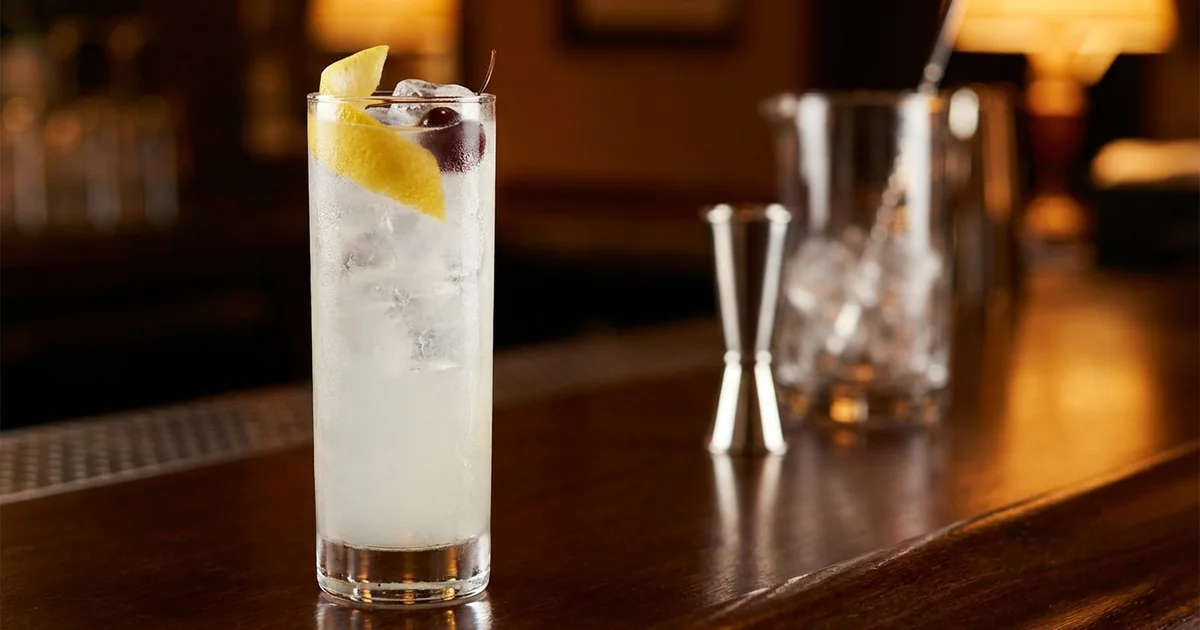
- Lemon wheel and maraschino cherry for garnish
Instructions:
- Fill a Collins glass with ice cubes to the rim
- Pour the gin, fresh lemon juice, and simple syrup directly into the glass
- Stir gently for 10-15 seconds to combine and chill the ingredients
- Top with cold club soda (3-4 oz depending on glass size)
- Give one final gentle stir to incorporate the soda
- Garnish with a lemon wheel and maraschino cherry
- Serve immediately with a straw
The key to a perfect Tom Collins is balance. The gin provides the botanical backbone, the lemon juice delivers tartness, the simple syrup adds sweetness, and the soda water creates refreshing effervescence. Adjust the simple syrup to your taste preferences, but avoid making the drink too sweet—the Tom Collins should be crisp and citrus-forward.
The Collins Glass: Why It Matters
The Collins glass isn't just a serving suggestion—it's an integral part of the Tom Collins experience. This tall, narrow glass typically holds 10-14 oz and was specifically designed for this family of cocktails.
The elongated shape serves multiple purposes. First, it maximizes the drink's surface area with ice, keeping it colder longer. Second, the narrow diameter helps preserve carbonation by minimizing the drink's exposure to air. Finally, the tall presentation creates an elegant visual appeal that makes the cocktail feel special despite its simple ingredients.
If you don't have a proper Collins glass, a highball glass makes an acceptable substitute. What matters most is having enough room for plenty of ice and soda water while maintaining the proper proportions.
Selecting the Right Gin
While you can technically make a Tom Collins with any gin, your choice of spirit dramatically impacts the final result. London Dry gin is the traditional and recommended choice for this cocktail.
London Dry gins like Beefeater, Tanqueray, or Bombay Sapphire offer the crisp, juniper-forward profile that complements the lemon juice without competing with it. These gins provide a clean canvas that allows the citrus to shine while contributing subtle botanical complexity.
More contemporary or floral gins can work, but they may create a different flavor profile than the classic Tom Collins. Save your expensive craft gins for spirit-forward cocktails where they can take center stage—a quality mid-range London Dry is perfect for this refreshing highball.
Avoid Old Tom gin despite the name similarity. While Old Tom gin does have historical connections to the drink, its sweeter profile can make the cocktail cloying when combined with simple syrup.
The Great Tom Collins Hoax of 1874
The Tom Collins has one of the most entertaining origin stories in cocktail history. In 1874, a practical joke swept through New York, Philadelphia, and other American cities in what became known as the Great Tom Collins Hoax.
The prank was simple but effective: you'd approach a friend and claim that someone named Tom Collins was in a nearby establishment talking badly about them. The victim would rush off to confront this mysterious Tom Collins, only to find no such person existed. The joke spread like wildfire, becoming a national phenomenon reported in newspapers across the country.
Some cocktail historians believe the drink was created to capitalize on this cultural moment. When someone came into a bar looking for Tom Collins, the bartender would serve them this refreshing gin drink instead. Others suggest the cocktail existed before the hoax and the prank simply gave it widespread recognition.
The most credible historical account credits the drink to bartender Jerry Thomas, who included a "John Collins" recipe in his 1876 "Bartender's Guide." Thomas's version used Old Tom gin, which may explain the eventual name change from John to Tom Collins.
The Collins Family of Cocktails
The Tom Collins is actually part of a larger family of similar drinks, all sharing the same basic template with different base spirits.
John Collins: The original version made with genever or Old Tom gin. Some bars still distinguish between Tom Collins (made with Old Tom gin) and John Collins (made with genever), though this distinction has largely been lost to time.
Vodka Collins: Substitute vodka for gin to create a lighter, more neutral flavor profile. This version gained popularity in the mid-20th century when vodka consumption exploded in America.
Whiskey Collins: Use bourbon or rye whiskey instead of gin for a richer, more robust cocktail. The whiskey version pairs particularly well with slightly less lemon juice and a touch more simple syrup.
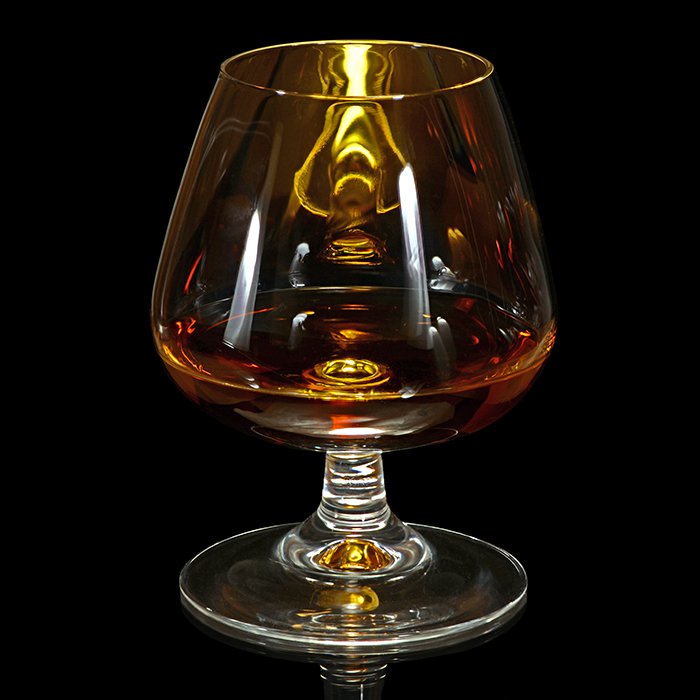
Brandy Collins: Replace gin with brandy for a sophisticated variation that works beautifully as an aperitif.
The template is endlessly adaptable. The core concept—spirit, citrus, sweetener, and soda—can accommodate nearly any base spirit you prefer.
Proper Building Technique
The Tom Collins is a "built" cocktail, meaning you construct it directly in the serving glass rather than shaking or stirring in a separate mixing vessel. This technique preserves carbonation and creates a more casual, approachable presentation.
Start by adding ice to your Collins glass first. This chills the glass and gives you an accurate sense of how much liquid it can hold. Pour the gin, lemon juice, and simple syrup over the ice, then stir gently to combine and chill these ingredients.
The timing of the soda water addition is crucial. Always add it last, after you've combined and chilled the other ingredients. This prevents the loss of carbonation that occurs when you stir. When you do top with soda, pour it slowly down the side of the glass to minimize agitation.
Give the drink one final gentle stir—just enough to incorporate the soda without destroying the bubbles. Some bartenders prefer to use a bar spoon to lift the heavier ingredients from the bottom rather than stirring in circles.
Always use fresh lemon juice. The difference between fresh-squeezed and bottled lemon juice is dramatic in citrus-forward cocktails like the Tom Collins. Fresh juice provides bright, vibrant acidity that bottled versions simply cannot match.
Summer Refreshment Tips
The Tom Collins shines brightest on hot summer days, but a few techniques can maximize its refreshing qualities.
Pre-chill everything: Store your gin in the freezer and keep your club soda in the refrigerator. Cold ingredients mean less ice melt and a colder final drink. Even chilling your Collins glass in the freezer for 15 minutes before building makes a noticeable difference.
Use quality ice: Large, clear ice cubes melt slower than small cloudy cubes, preventing dilution and maintaining the drink's flavor profile longer. If you're making multiple Tom Collins for guests, investing in large ice cube molds is worthwhile.
Make simple syrup in batches: Simple syrup keeps for weeks in the refrigerator, so make a large batch (equal parts sugar and water, heated until dissolved, then cooled). This saves time when making multiple cocktails.
Consider a pitcher version: For parties, you can pre-batch the gin, lemon juice, and simple syrup in a pitcher, then pour over ice and top with soda when serving. Just avoid adding the soda to the pitcher itself—always add it to individual glasses to preserve carbonation.
Experiment with flavored syrups: While purists stick to plain simple syrup, flavored versions can create interesting variations. Lavender simple syrup, honey syrup, or rosemary syrup all pair beautifully with gin and lemon.
For more on gin-based cocktails, explore our comprehensive gin cocktails guide to discover other classic and contemporary gin drinks that showcase the spirit's versatility.
Frequently Asked Questions
Can I make a Tom Collins without simple syrup?
Yes, though you'll need to adjust your technique. Some bartenders use superfine sugar, adding it to the glass before the lemon juice and muddling to dissolve it. However, simple syrup dissolves more easily and ensures consistent sweetness throughout the drink. If you don't have simple syrup, you can quickly make it by combining equal parts sugar and hot water, stirring until dissolved.
What's the difference between club soda and tonic water?
Club soda is carbonated water with added minerals for flavor, while tonic water contains quinine, giving it a distinctive bitter taste and sweeter profile. For a Tom Collins, always use club soda. Using tonic water creates a different cocktail entirely (closer to a Gin and Tonic with lemon).
How do I keep my Tom Collins from going flat?
Add the club soda last, pour it gently down the side of the glass, and stir minimally. Use freshly opened, well-chilled soda water, as warm or old soda has already lost significant carbonation. Avoid using soda from a gun at home bars, as it typically has less carbonation than bottled club soda.
Is a Tom Collins the same as a Gin Fizz?
No, though they're similar. Both contain gin, lemon juice, and simple syrup, but a Gin Fizz is shaken with ice and strained into a glass before adding soda water, creating a frothy texture. A Tom Collins is built directly in the glass over ice. The Gin Fizz is also typically served in a smaller rocks glass rather than a tall Collins glass.
Can I make a Tom Collins in advance?
You can pre-mix the gin, lemon juice, and simple syrup and store it in the refrigerator for several hours. However, only add ice and soda water immediately before serving. The carbonation and cold temperature are essential to the drink's appeal and cannot be preserved in advance.
Looking for more seasonal cocktail ideas? Check out our guide to summer cocktails for refreshing drinks perfect for warm weather entertaining.
The Tom Collins recipe proves that classic cocktails earn their status through timeless appeal rather than complexity. With four simple ingredients and a straightforward technique, you can create a drink that's been refreshing people for over 150 years. Whether you're honoring the cocktail's storied history or simply seeking relief from summer heat, mastering the Tom Collins gives you a reliable recipe that never goes out of style.
Pour yourself one this afternoon and raise a glass to Tom Collins—whoever he was.
Tags:
Advertisement
About Elena
Classic Cocktails & Gin Expert at Hero Cocktails, passionate about crafting exceptional cocktails and sharing mixology expertise.
Advertisement