Whiskey Sour Recipe: Master the Classic

Learn how to make a perfect whiskey sour recipe with our guide. Includes classic bourbon version, egg white technique, and variations.
Advertisement
Whiskey Sour Recipe: Master the Classic
The Whiskey Sour stands as one of the most iconic cocktails in American drinking history. Dating back to the 1860s, this Pre-Prohibition classic has survived countless cocktail trends and remains a bar staple today. Its enduring appeal lies in its perfect balance of citrus-forward brightness, whiskey warmth, and just enough sweetness to tie it all together. Whether you're enjoying a bourbon-based version on a warm evening or experimenting with rye whiskey for a spicier kick, the Whiskey Sour delivers sophistication in a simple package—and with this whiskey sour recipe guide, you'll master it perfectly.
Key Takeaways
- The Whiskey Sour is a Pre-Prohibition classic that balances bourbon, fresh lemon juice, and simple syrup
- Adding egg white creates a silky foam topping through the dry shake technique
- Popular variations include the New York Sour with red wine float and the Gold Rush with honey syrup
- Choose bourbon for sweeter notes or rye whiskey for a spicier, drier profile
- Fresh ingredients and proper technique are essential for the perfect Whiskey Sour
What makes this cocktail truly special is its versatility. The basic template of spirit, citrus, and sweetener has inspired countless variations, yet the original remains beloved for its straightforward elegance. Learning how to make a whiskey sour properly means understanding not just the ingredients, but the techniques that elevate it from good to exceptional. In this comprehensive guide, we'll explore everything from the classic whiskey sour recipe to advanced variations that will impress even the most discerning cocktail enthusiasts.
The Classic Whiskey Sour Recipe
Making a perfect whiskey sour recipe starts with quality ingredients and proper proportions. Here's the classic version that has stood the test of time:
Ingredients:
- 2 oz bourbon whiskey
- 3/4 oz fresh lemon juice
- 1/2 oz simple syrup
- 1 egg white (optional, but highly recommended)
- Ice
- Angostura bitters (for garnish)
- Cherry and orange slice (for garnish)
Instructions:
- Add bourbon, fresh lemon juice, simple syrup, and egg white (if using) to a cocktail shaker
- Perform a dry shake (shake without ice) for 15-20 seconds to emulsify the egg white
- Add ice to the shaker and shake vigorously for another 10-15 seconds
- Strain into a rocks glass over fresh ice or serve up in a coupe glass
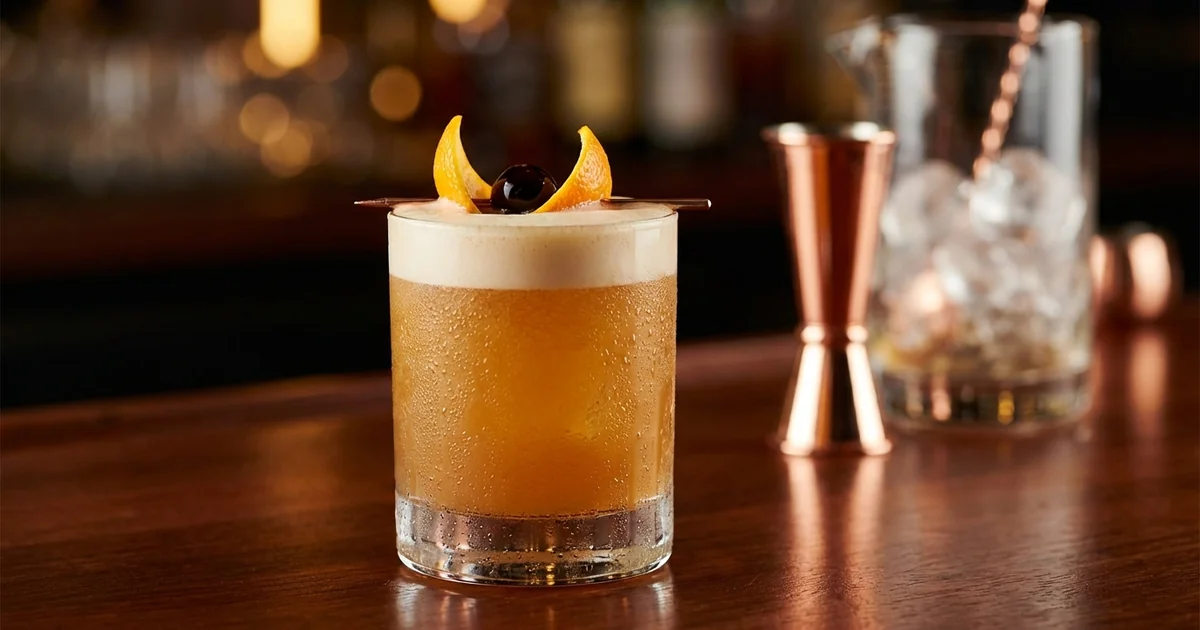
- Garnish with 3-4 dashes of Angostura bitters on the foam, a cherry, and an orange slice
The key to a great whiskey sour recipe is using fresh lemon juice never bottled. The bright, tart flavor of freshly squeezed lemon makes all the difference. Similarly, quality bourbon matters. You don't need to use your most expensive bottle, but choose a bourbon you'd enjoy drinking neat. For more details on selecting the right spirit, see our guide on bourbon cocktails for beginners.
The Egg White Debate: To Add or Not to Add?
The question of whether to include egg white in a whiskey sour recipe sparks passionate debate among cocktail enthusiasts. Traditionalists argue the original recipe didn't include it, while modern bartenders swear by its transformative effects.
Why add egg white? The egg white creates a luxurious, silky foam that sits atop the cocktail, adding textural complexity and visual appeal. It also mellows the drink's acidity, creating a smoother sipping experience. The foam acts as a canvas for aromatic bitters, enhancing the overall sensory experience.
The aquafaba alternative: For those avoiding eggs due to dietary restrictions or preferences, aquafaba (chickpea liquid from canned chickpeas) works remarkably well as a substitute. Use approximately 1 oz of aquafaba in place of one egg white. It produces a similar foam with slightly less stability, but the results are impressive and completely vegan-friendly.
Many bartenders consider the whiskey sour with egg white the superior version, though both styles have their merits. Try both and decide for yourself which version you prefer.
Mastering the Dry Shake Technique
The dry shake technique is essential for creating that signature silky foam when making a whiskey sour with egg white. Here's a step-by-step breakdown:
Step 1: Combine ingredients without ice Add all your ingredients, including the egg white, to a completely dry cocktail shaker. The absence of ice is crucial this is what makes it a "dry" shake.
Step 2: Shake vigorously for 15-20 seconds Shake hard and fast. You're working to denature the proteins in the egg white, creating those tiny bubbles that form the foam. You should hear the ingredients sloshing freely without the rattle of ice.
Step 3: Add ice and shake again After the dry shake, add a generous amount of ice and shake for another 10-15 seconds. This chills and dilutes the cocktail while maintaining the foam you've created.
Step 4: Strain carefully Use a Hawthorne strainer to pour the cocktail into your glass. The foam should settle on top, creating a beautiful white cap perfect for garnishing with bitters.
Pro tip: Some bartenders perform a "reverse dry shake," adding ice first, shaking, straining out the ice, then shaking again without ice. This method produces even more foam, though it requires an extra step. To master fundamental techniques, explore our cocktail techniques guide for beginners.
Delicious Whiskey Sour Variations
Once you've mastered the classic whiskey sour recipe, these variations offer exciting new dimensions to explore:
New York Sour Recipe
The New York Sour transforms the classic with a stunning red wine float that cascades over the foam like a sunset. After preparing a traditional whiskey sour with egg white, gently pour 1/2 to 3/4 oz of full-bodied red wine (Cabernet Sauvignon or Malbec work beautifully) over the back of a bar spoon so it floats on top. The wine adds tannins and complexity, creating a cocktail that's both visually striking and deliciously layered.
Gold Rush
Created by New York bartender T.J. Siegel in the mid-1990s, the Gold Rush replaces simple syrup with honey syrup (2 parts honey to 1 part water). Use 2 oz bourbon, 3/4 oz fresh lemon juice, and 3/4 oz honey syrup. The honey adds floral sweetness and a richer mouthfeel. Typically served without egg white, this variation showcases the bourbon more prominently.
Amaretto Sour
A sweeter cousin that gained popularity in the 1970s, the Amaretto Sour combines 1.5 oz amaretto liqueur with 0.5 oz bourbon, 1 oz fresh lemon juice, and 0.5 oz simple syrup. The egg white is essential here, as it balances the almond liqueur's sweetness. This variation appeals to those who find straight whiskey too intense.
Boston Sour
Add a full egg (both white and yolk) instead of just the white for a richer, creamier texture. The yolk adds a golden color and silky mouthfeel that's distinctly different from the standard version.
Bourbon vs Rye: Understanding the Flavor Differences
The choice between bourbon and rye whiskey dramatically affects your final cocktail:
Bourbon whiskey is the traditional choice and remains most popular. With its higher corn content (at least 51%), bourbon brings sweeter notes of vanilla, caramel, and oak. These flavors complement the lemon's brightness while creating a smoother, more approachable cocktail. Recommended bourbons include Buffalo Trace, Maker's Mark, or Wild Turkey 101. Want to explore more bourbon-based drinks? Check our Old Fashioned recipe for another classic bourbon cocktail.
Rye whiskey contains at least 51% rye grain, producing a spicier, drier spirit with notes of pepper, mint, and baking spices. A rye whiskey sour has more bite and complexity, appealing to those who prefer less sweetness. The assertive character stands up beautifully to the lemon's acidity. Try Rittenhouse Rye, Bulleit Rye, or Old Overholt.
Some bartenders split the base, using 1 oz of bourbon and 1 oz of rye for a balanced profile that captures the best of both styles.
Garnish Options: The Finishing Touch
While garnishes might seem purely decorative, they contribute aroma and visual appeal that enhance the drinking experience:
Classic garnish: A maraschino cherry and orange half-wheel on a cocktail pick, resting on the rim or floating in the drink. Add 3-4 dashes of Angostura bitters artfully placed on the foam.
Expressed lemon peel: After straining, express a lemon peel's oils over the cocktail's surface, then either discard or place it on the rim. The citrus oils add aromatic complexity.
Dehydrated citrus wheel: A dehydrated lemon or orange wheel adds an elegant, modern touch without adding excess moisture to the foam.
Fresh herbs: A small sprig of thyme or rosemary can add an unexpected aromatic element, particularly nice with honey-based variations.
Bitters art: For those with a steady hand, creating patterns or designs with Angostura bitters on the egg white foam adds a professional touch.
Frequently Asked Questions
Q: Can I make a Whiskey Sour without egg white? A: Absolutely! The traditional Whiskey Sour was made without egg white for decades. Simply skip the egg white and the dry shake step, and you'll have a perfectly delicious cocktail. It won't have the foam topping, but the flavor will be bright and clean.
Q: How do I make simple syrup for a Whiskey Sour? A: Combine equal parts sugar and water in a saucepan. Heat gently, stirring until sugar completely dissolves. Let it cool before using. Store refrigerated for up to one month. For richer syrup (used in some variations), use a 2:1 ratio of sugar to water.
Q: Is it safe to use raw egg white in cocktails? A: While the risk is low, raw eggs can carry salmonella. Use fresh, properly refrigerated eggs from reputable sources. Pasteurized egg whites (available in cartons) eliminate this risk entirely while still producing good foam. Those with compromised immune systems should use pasteurized eggs or aquafaba.
Q: What's the difference between serving up versus on the rocks? A: "Up" means served in a coupe or martini glass without ice, resulting in a colder, more concentrated cocktail that warms as you drink. "On the rocks" means served over ice in a rocks glass, staying cold longer but becoming more diluted. Both are traditional choose based on preference.
Q: Can I batch Whiskey Sours for a party? A: You can pre-mix the bourbon, lemon juice, and simple syrup in a pitcher and refrigerate. However, add the egg white and shake individually for each serving to achieve proper foam. For larger parties without egg white, you can batch the entire recipe and serve over ice.
Q: What if my egg white foam isn't forming properly? A: Ensure you're using fresh egg white and shaking vigorously during the dry shake for at least 15-20 seconds. A cocktail shaker with a spring (Hawthorne strainer spring) inside during the dry shake can help create more foam. Also, make sure your shaker is completely dry before starting.
Q: How can I adjust the sweetness of my Whiskey Sour? A: Start with 1/2 oz of simple syrup and adjust to taste. Some prefer as little as 1/4 oz for a tarter cocktail, while others go up to 3/4 oz for a sweeter version. The key is balancing the lemon's acidity with just enough sweetness to make it enjoyable without overpowering the whiskey.
Conclusion
The whiskey sour recipe represents cocktail craftsmanship at its finest—a simple formula elevated by quality ingredients and proper technique. Whether you prefer the classic bourbon version, want to explore the New York Sour recipe with its dramatic wine float, or experiment with the honey-sweetened Gold Rush, this template offers endless possibilities.
Mastering how to make a whiskey sour means understanding the balance between spirit, citrus, and sweetener, while techniques like the dry shake transform a good cocktail into an exceptional one. The whiskey sour with egg white delivers that Instagram-worthy presentation and silky texture, but the egg-free version holds its own with bright, unadorned flavors.
As with all classic cocktails, the best whiskey sour recipe is the one you enjoy most. Experiment with bourbon versus rye, play with garnishes, and don't be afraid to adjust ratios to suit your palate. Once you've mastered this Pre-Prohibition classic, you'll have a versatile cocktail that impresses guests, satisfies your own cravings, and serves as a foundation for countless creative variations. For the official recipe, visit our Whiskey Sour cocktail page. Cheers to the timeless Whiskey Sour!
Advertisement
About James
Spirits & Whiskey Expert at Hero Cocktails, passionate about crafting exceptional cocktails and sharing mixology expertise.
Advertisement