Ordinary Drink
Mai Tai
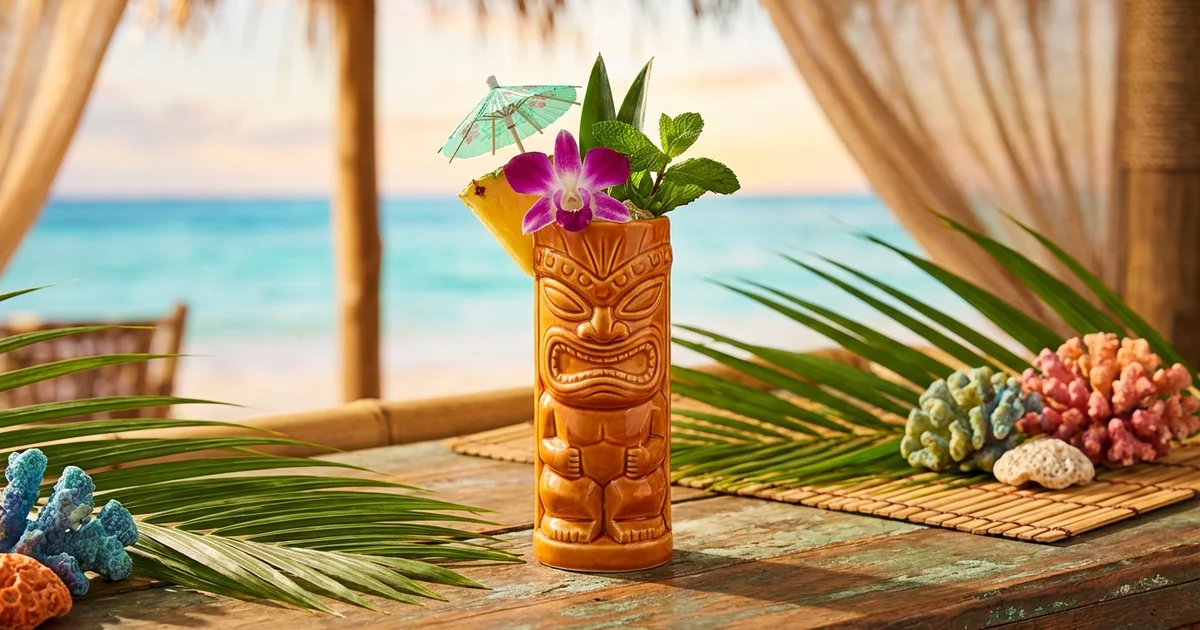
The Mai Tai is a classic tiki cocktail that combines the rich flavors of rum, orange liqueur, and fresh lime juice, creating a refreshing and tropical experience. Often garnished with mint leaves and a slice of fruit, this vibrant drink is a perfect blend of sweet and tangy notes, transporting you to a sun-soaked paradise with each sip.
- sweet
- fruity
- nutty
- tropical
- Prep Time
- 5 min
- Glass
- Collins glass
- Difficulty
- Intermediate
- ABV
- 18%
- Yields
- 1 serving
At its core, the Mai Tai is a rum-forward ordinary drink that takes about 5 minutes to make. The result is sweet and fruity — worth every second. Consistently one of the most popular tropical vacation searches, and for good reason.
Key Takeaways
What you’ll learn
- The authentic Mai Tai uses aged Jamaican rum, fresh lime juice, orange curaçao, and orgeat syrup — not fruit juices or pre-mixes.
- Trader Vic (Victor Bergeron) created the original recipe in 1944 in Oakland, not Don the Beachcomber.
- Quality aged Jamaican rum with its distinctive funky "hogo" ester character is essential for the authentic Mai Tai flavour profile.
- Orgeat (almond syrup) is the secret ingredient that distinguishes a true Mai Tai and cannot be substituted with amaretto.
Advertisement
Ingredients
- Serves
- 1 serving
- Glass
- Collins glass
- Prep
- 5 min
- 1 ozLight rum
- 1/2 ozOrgeat syrup
- 1/2 ozTriple sec
- 1 1/2 ozSweet and sour
- 1Cherry
Method
Preparation
- 01
Shake all ingredients with ice. Strain into glass. Garnish and serve with straw.
Origin
History & Origins
The Mai Tai stands as the crown jewel of tiki cocktails, and its origin involves one of the cocktail world's most entertaining rivalries. Victor "Trader Vic" Bergeron claimed he created the Mai Tai in 1944 at his Oakland restaurant, serving it to Tahitian friends who exclaimed "Maita'i roa ae!" — Tahitian for "Out of this world — the best!" The drink was an immediate sensation.
Ernest Raymond Beaumont Gantt, better known as Don the Beachcomber, insisted he had created a similar drink years earlier. As the godfather of tiki culture who opened the first tiki bar in 1933, Don had credibility for such a claim. Most cocktail historians credit Trader Vic with the Mai Tai as we know it today: Don's recipes were notoriously complex and secretive, while Vic's formula was elegantly simple, allowing quality rum to shine. Trader Vic's original 1944 recipe called specifically for 17-year-old J. Wray & Nephew Jamaican rum — vintage bottles now fetch thousands of dollars.
Most cocktail historians credit Trader Vic with the Mai Tai as we know it today: Don's recipes were notoriously complex and secretive, while Vic's formula was elegantly simple, allowing quality rum to shine.
The Mai Tai's widespread adoption through the postwar tiki boom of the 1950s and 1960s led to countless bastardisations loaded with pineapple juice, grenadine, and cheap rum that bore almost no resemblance to the sophisticated original. The craft cocktail revival has restored the authentic version to prominence, and today any serious tiki bar or cocktail programme serves the original: aged Jamaican rum, fresh lime, orange curaçao, orgeat, and a touch of simple syrup. The IBA lists it as an official cocktail in the Contemporary Classics category.
Advertisement
Bartender’s Insight
Pro Tips
Use aged Jamaican rum with genuine "hogo" character — Appleton Estate 8 Year, Hamilton Jamaican Pot Still Gold, or a split base of Jamaican and Martinique rhum agricole.
From Kai
Never use pineapple juice or other fruit juices in a classic Mai Tai — the authentic recipe contains only lime, orgeat, curaçao, and a touch of simple syrup.
Orgeat is non-negotiable and cannot be replaced by amaretto, which is an almond liqueur with different flavour and alcohol content.
Serve over crushed ice, not cubes — the higher surface area chills the drink rapidly and creates the correct dilution as you sip.
Garnish with a generous bouquet of fresh mint and a spent lime shell. Slap the mint between your palms before garnishing to release aromatic oils.
At the Table
Perfect Pairings
Beyond the Classic
Variations
Royal Mai Tai
Replace simple syrup with 0.5 oz velvet falernum for added spice notes and tropical complexity. The falernum's clove and ginger contribute warmth that bridges the rum and orgeat beautifully.
Split-Base Mai Tai
1 oz aged Jamaican rum plus 1 oz aged Martinique rhum agricole. The grassy, vegetal agricole adds a new dimension while maintaining the essential Jamaican funk. Try Appleton 8 with Clément VSOP.
Coconut Mai Tai
Add 0.5 oz coconut cream alongside the other ingredients for a richer, more dessert-like interpretation. Reduces the simple syrup to compensate for the coconut cream's sweetness.
Navy Strength Mai Tai
Use 2 oz overproof Jamaican rum (Smith & Cross at 57% ABV) for an intense, boozy variation. Reduce simple syrup by half; the extra spirit body carries the orgeat and curaçao beautifully.
Questions
Frequently Asked
- The Mai Tai has a flavor profile that is sweet, fruity, nutty, tropical. It is crafted to balance these characteristics into a harmonious, satisfying drink that appeals to a wide range of palates.
- The Mai Tai is ideal for beach gatherings, tropical-themed parties, happy hour events. Its flavor profile and presentation make it a versatile choice that works equally well as a social cocktail or a relaxed evening drink.
- Yes, there are several ways to adapt a Mai Tai. If you cannot source Light rum, look for a similar alternative that matches its flavor profile. Keep in mind that substitutions may alter the balance of the cocktail, so start with a smaller quantity and adjust to taste. The variations section above lists popular alternatives bartenders use.
- Some of the most popular Mai Tai variations include Royal Mai Tai, Split-Base Mai Tai, Coconut Mai Tai. Each variation puts a unique twist on the original recipe while retaining the essential character of the classic cocktail.
- The Mai Tai is traditionally served in a Collins glass. Using the right glassware is important because it affects the aroma, temperature retention, and overall drinking experience. If you do not have a Collins glass on hand, a similar shaped glass will work.
- Yes, a mocktail version of the Mai Tai is possible. Replace the base spirit with a non-alcoholic spirit alternative (there are many quality options available) and keep all other components the same. The result will capture much of the original's flavor profile while being suitable for guests who prefer alcohol-free options.
Other Rum Cocktails
Bounty Hunter
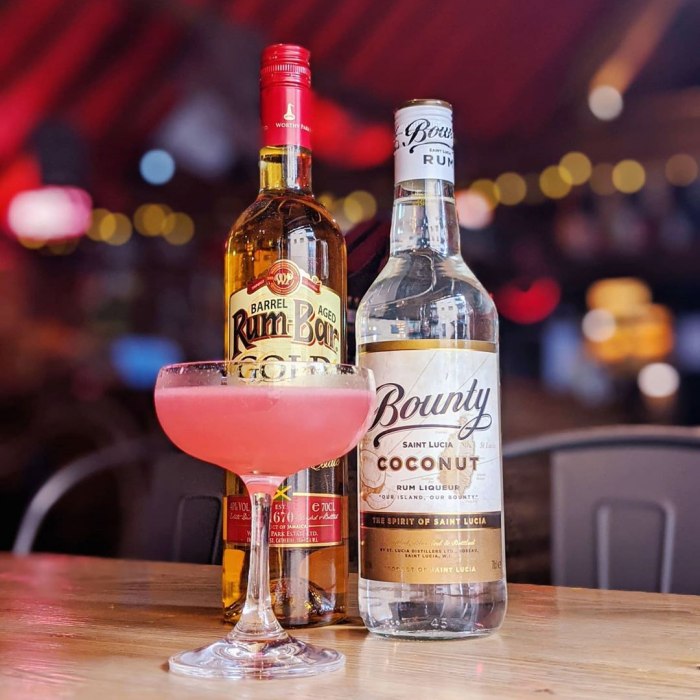
The Bounty Hunter is a tropical cocktail that captures the essence of adventure with its vibrant blend of rum, coconut cream, and pineapple juice, complemented by a hint of lime. Served over crushed ice and garnished with a slice of fresh pineapple or a cherry, this refreshing drink transports you to a sun-soaked beach, making it the perfect escape for any occasion.
Frozen Daiquiri
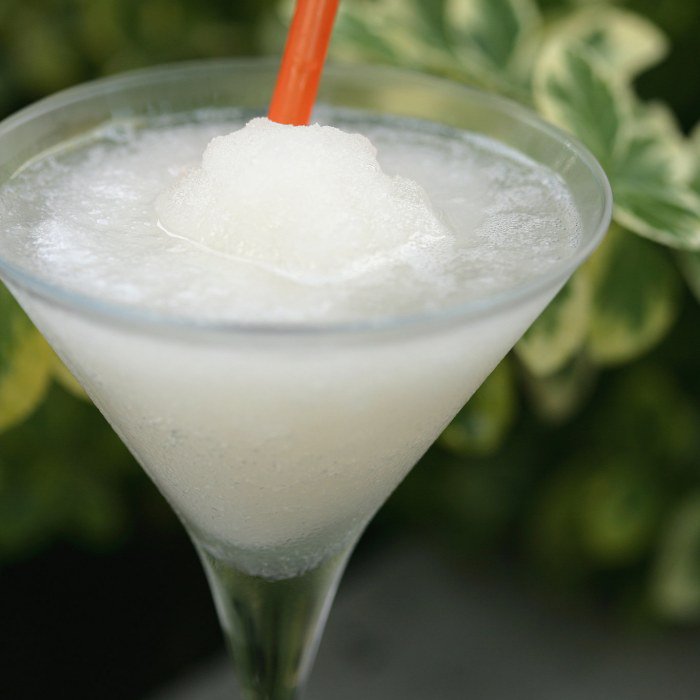
The Frozen Daiquiri is a refreshing and vibrant cocktail that blends rum, fresh lime juice, and simple syrup with crushed ice, creating a slushy texture perfect for warm weather. Often garnished with a lime wheel or cherry, this tropical drink offers a delightful balance of sweetness and tartness, making it a popular choice for beachside sipping or summer gatherings. Enjoy its icy allure as you unwind and savor the flavors of the tropics!
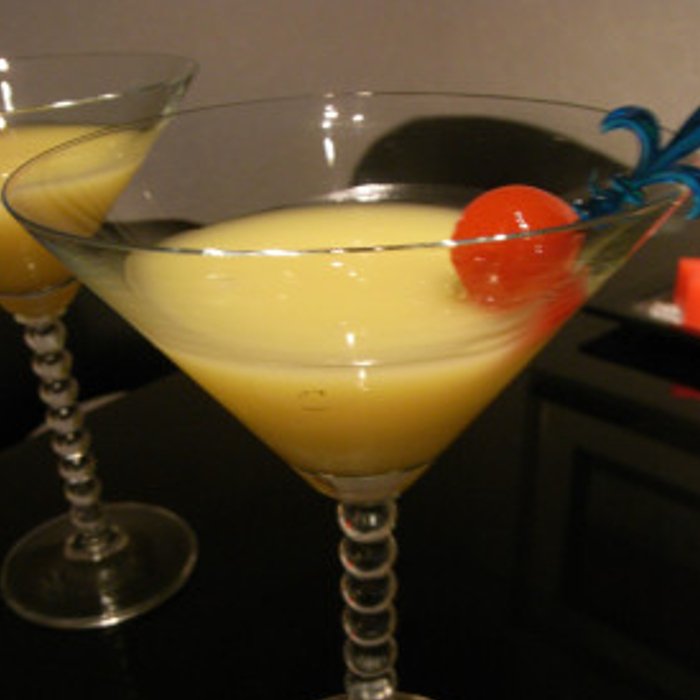
Casa Blanca
The Casa Blanca is a refreshing cocktail that combines the smoothness of white rum with the zesty brightness of fresh lime juice and the subtle sweetness of orange liqueur. Often garnished with a twist of citrus, this drink offers a delightful balance of flavors, making it a perfect choice for warm evenings or beachside lounging. Its elegant presentation and vibrant taste evoke the charm of its namesake, transporting you to a sun-soaked paradise with every sip.
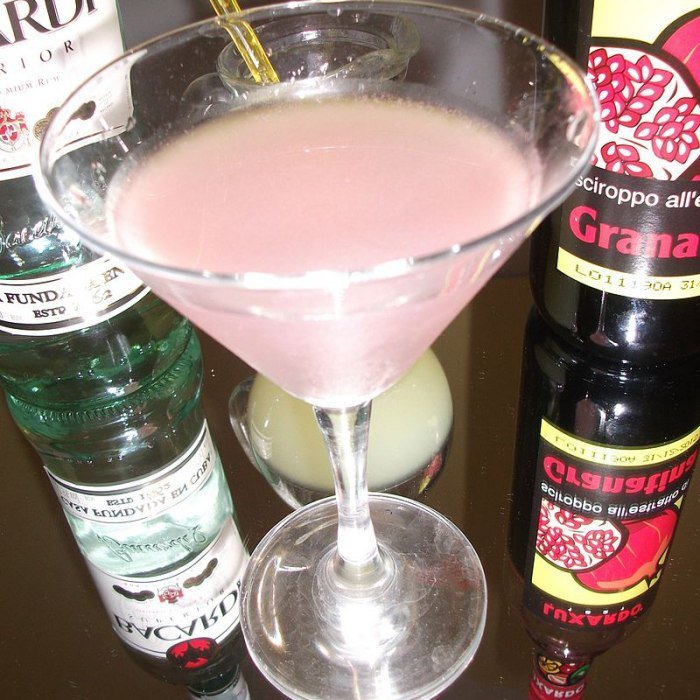
Bacardi Cocktail
The Bacardi Cocktail is a refreshing and vibrant mix that showcases the smoothness of Bacardi rum, complemented by fresh lime juice and a touch of grenadine for a hint of sweetness. Served chilled in a classic cocktail glass, this drink is perfect for those seeking a tropical escape with a balanced flavor profile. Its bright red hue and zesty notes make it a delightful choice for any occasion.
Other beach gatherings Cocktails
Bounty Hunter
The Bounty Hunter is a tropical cocktail that captures the essence of adventure with its vibrant blend of rum, coconut cream, and pineapple juice, complemented by a hint of lime. Served over crushed ice and garnished with a slice of fresh pineapple or a cherry, this refreshing drink transports you to a sun-soaked beach, making it the perfect escape for any occasion.
Bacardi Cocktail
The Bacardi Cocktail is a refreshing and vibrant mix that showcases the smoothness of Bacardi rum, complemented by fresh lime juice and a touch of grenadine for a hint of sweetness. Served chilled in a classic cocktail glass, this drink is perfect for those seeking a tropical escape with a balanced flavor profile. Its bright red hue and zesty notes make it a delightful choice for any occasion.
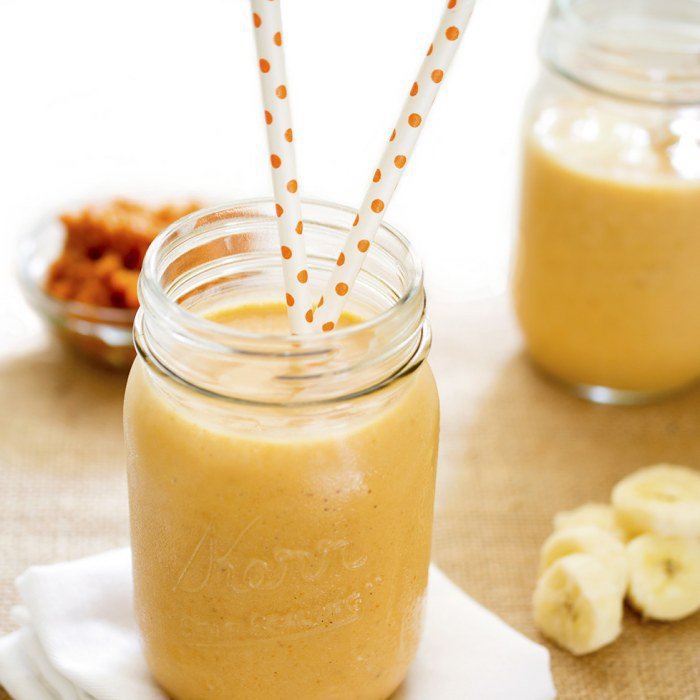
Sweet Bananas
The Sweet Bananas cocktail is a delightful blend of ripe banana puree, creamy coconut milk, and a splash of rum, creating a tropical escape in every sip. Topped with a hint of vanilla and garnished with a slice of fresh banana, this refreshing drink is perfect for warm evenings and sunny gatherings. Indulge in its smooth, sweet flavor that transports you straight to a beach paradise.
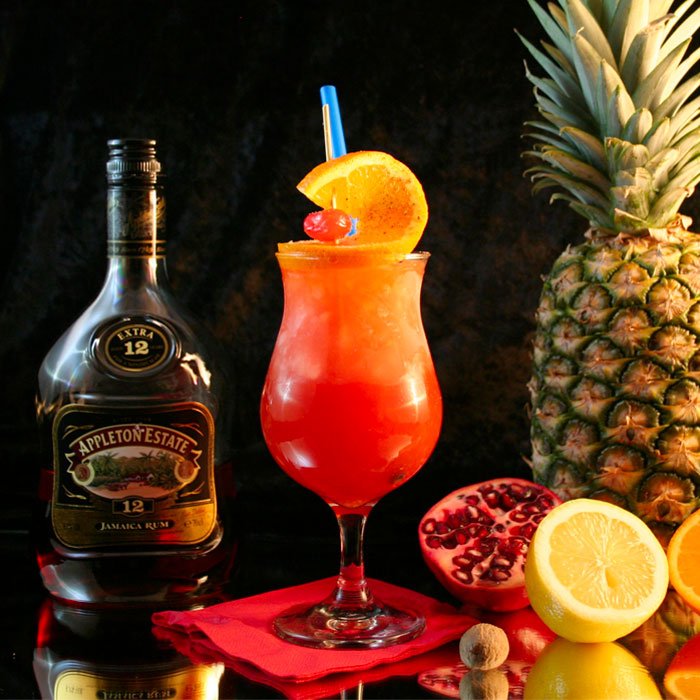
Planter’s Punch
Planter's Punch is a refreshing tropical cocktail that combines dark rum, fresh citrus juices, and a hint of sweetness, often enhanced with spices or fruit garnishes. Originating in the Caribbean, this vibrant drink is perfect for sipping on a warm day, evoking the laid-back island vibes with every delightful sip. Its colorful presentation and balanced flavors make it a favorite among rum enthusiasts and cocktail lovers alike.
Similar Flavor Profiles
Sweet Bananas
The Sweet Bananas cocktail is a delightful blend of ripe banana puree, creamy coconut milk, and a splash of rum, creating a tropical escape in every sip. Topped with a hint of vanilla and garnished with a slice of fresh banana, this refreshing drink is perfect for warm evenings and sunny gatherings. Indulge in its smooth, sweet flavor that transports you straight to a beach paradise.
Planter’s Punch
Planter's Punch is a refreshing tropical cocktail that combines dark rum, fresh citrus juices, and a hint of sweetness, often enhanced with spices or fruit garnishes. Originating in the Caribbean, this vibrant drink is perfect for sipping on a warm day, evoking the laid-back island vibes with every delightful sip. Its colorful presentation and balanced flavors make it a favorite among rum enthusiasts and cocktail lovers alike.
Bahama Mama
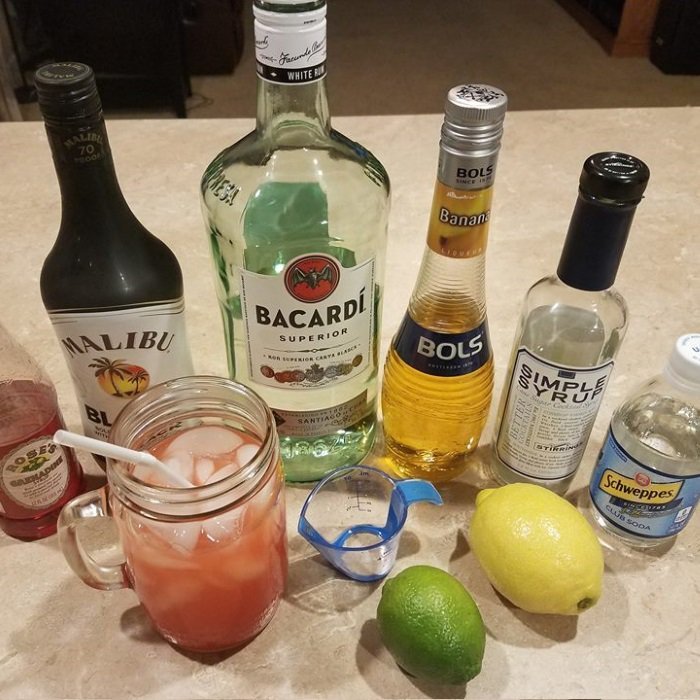
The Bahama Mama is a tropical cocktail that combines the vibrant flavors of rum, coconut cream, pineapple juice, and grenadine, creating a refreshing and fruity drink perfect for warm weather. Often garnished with fresh fruit or a cherry, this colorful concoction transports you to sandy beaches with every sip. Its sweet and tangy profile makes it a favorite among those seeking a taste of paradise.
Pink Panty Pulldowns
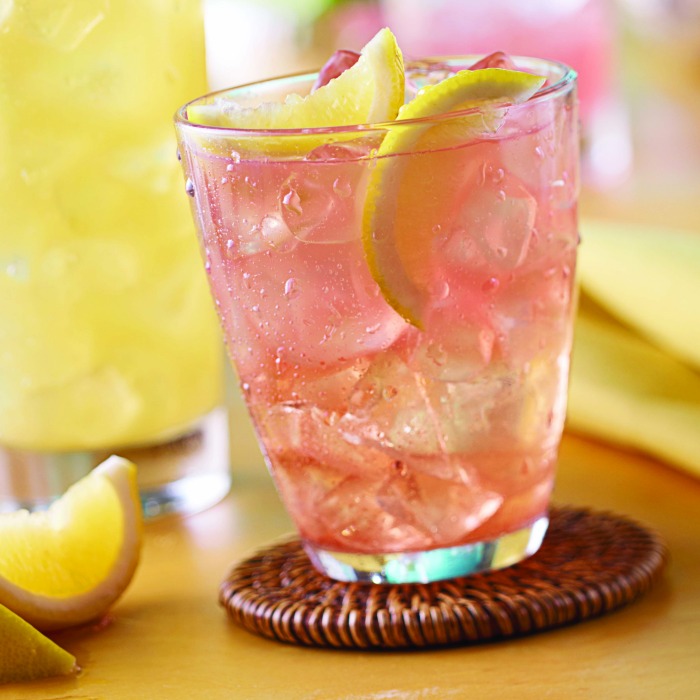
The Pink Panty Pulldown is a refreshing and vibrant cocktail that combines sweet flavors with a hint of tartness, making it a perfect choice for warm weather. Typically featuring a blend of pink lemonade, vodka, and a splash of fruit liqueur, this drink is garnished with fresh fruit for an added burst of color and flavor. Its playful name and delightful taste make it a fun addition to any gathering or summer party.
Advertisement