Techniques & Skills
Smoked Cocktails: Master Smoking Techniques
Master smoked cocktails with complete guide to smoking techniques, wood types, equipment, and best cocktails. Learn professional bartender tips.
Advertisement
Smoked Cocktails: Master Smoking Techniques
Walk into any upscale cocktail bar in fall 2025, and you'll notice something theatrical happening at nearly every table: bartenders wielding smoking guns, lifting glass cloches to reveal billowing clouds of aromatic smoke, and torching wood planks to add dramatic flair to classic cocktails. Smoked cocktails have evolved from a novelty technique to an essential skill in the modern bartender's repertoire.
But here's what most people don't realize: creating stunning smoked cocktails at home is far more accessible than it appears. You don't need expensive equipment or professional training to add this impressive dimension to your drinks. This comprehensive smoked cocktails guide will walk you through everything you need to know—from choosing the right wood types to selecting cocktails that truly benefit from smoke.
Why Smoke Cocktails? The Appeal Beyond Theatrics
Yes, smoking cocktails looks impressive. There's undeniable visual appeal when you lift a cloche to reveal swirling smoke or present a drink still gently smoking from a wood chip. But the real magic happens on your palate.
Smoke adds aromatic complexity that transforms familiar cocktails into multilayered experiences. When done correctly, smoking introduces subtle notes of campfire, toasted wood, and earthiness that complement—rather than overpower—the base spirits and ingredients. It's particularly effective with whiskey, bourbon, and aged spirits that already carry some woody, caramelized characteristics.
The technique also taps into our primal connection with smoke and fire. That distinctive aroma triggers memories and sensory responses that make the drinking experience more immersive and memorable. It's not just about taste; it's about creating a complete sensory moment.
Understanding Smoking Methods: From High-Tech to DIY
There are several ways to introduce smoke into cocktails, each with distinct advantages and flavor impacts. Let's explore the main techniques for smoking cocktails effectively.
The Smoking Gun: Professional Precision
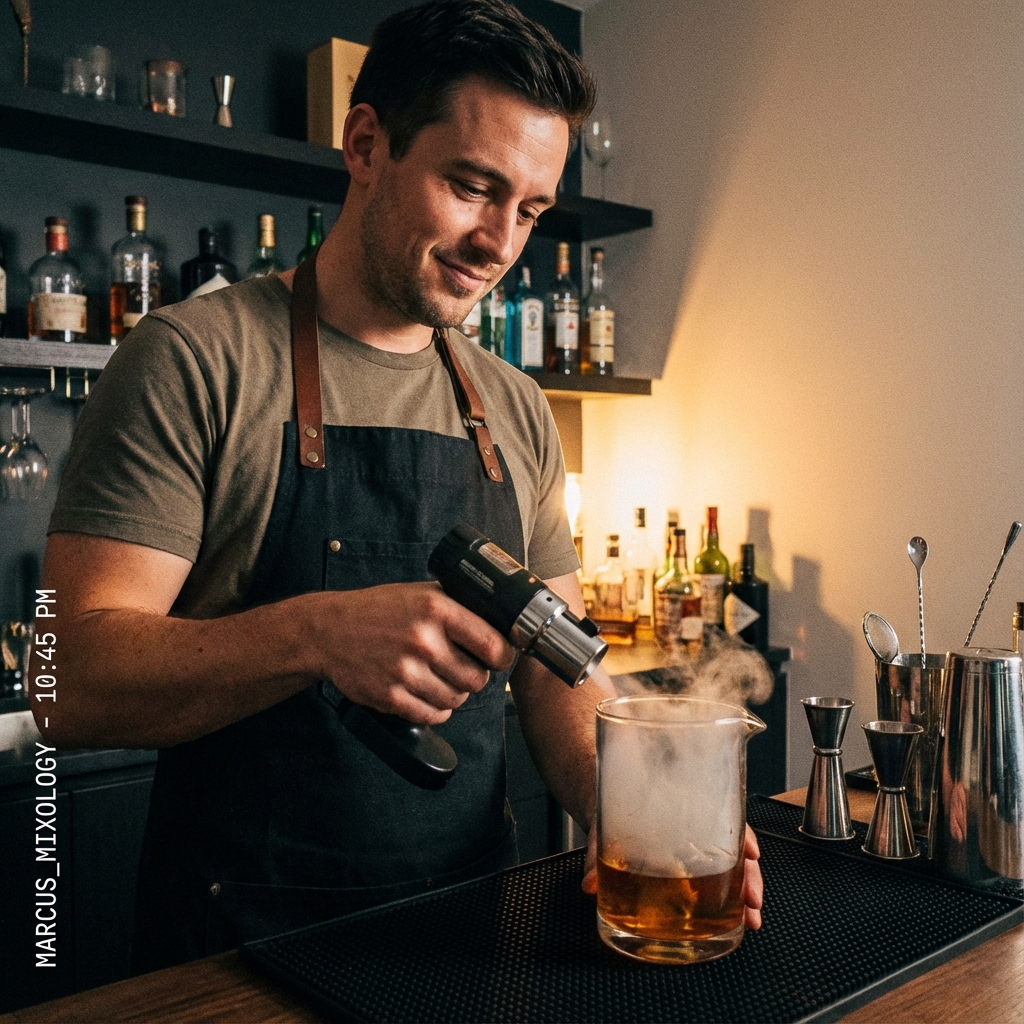
The handheld smoking gun (also called a smoke infuser) has become the gold standard for smoking cocktails. This device burns wood chips in a small chamber and pumps concentrated smoke through a tube, allowing precise control over smoke intensity and application.
How to use a smoking gun: Mix your cocktail in a mixing glass or directly in the serving glass. Cover the glass with plastic wrap or a cocktail shaker tin, insert the smoke tube through a small gap, and pump smoke into the vessel for 5-10 seconds. Let it sit for 30-60 seconds to infuse, then serve.
The Breville Smoking Gun (around $100) is the most popular option among home bartenders. It's reliable, easy to clean, and works with various wood chip types. The key advantage is control—you can adjust smoke intensity by varying the amount and duration of smoke application.
Wood Chips Under a Cloche: Elegant and Visual
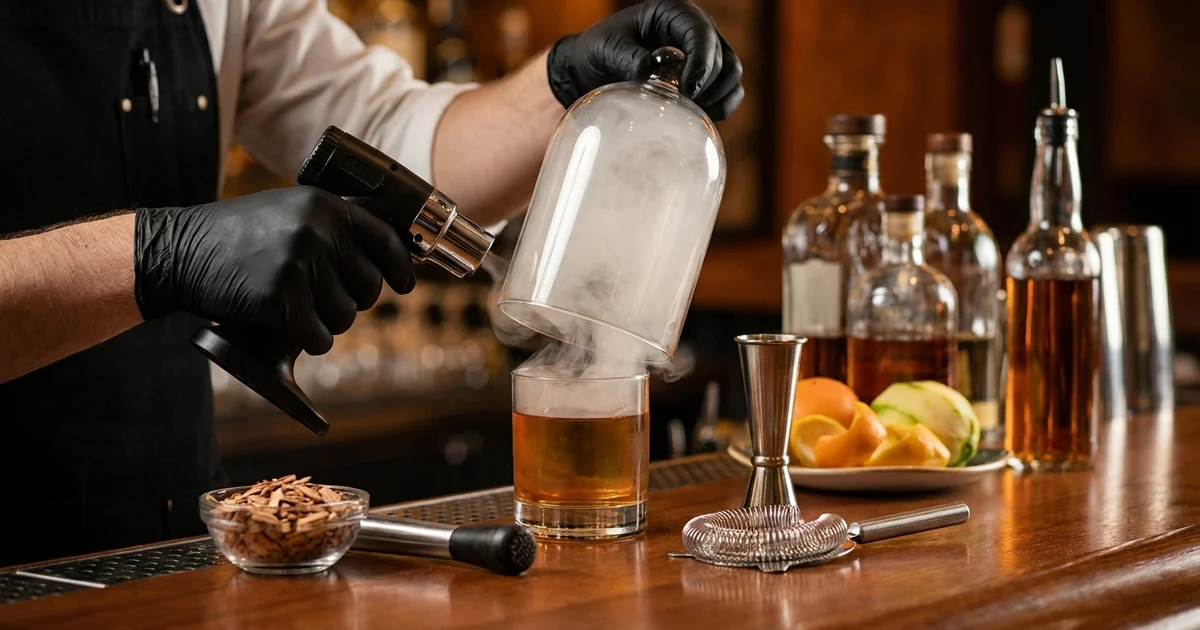
This method creates the most dramatic presentation for smoked cocktails. Light wood chips or a small wood plank in a fireproof dish, place it next to your cocktail glass, then cover both with a glass cloche or large dome. The smoke fills the enclosed space, infusing the drink while creating visual theater.
How to execute the cloche method: You'll need a glass cloche (Fortessa makes an excellent 10-inch version for about $40), a small fireproof dish, and wood chips or a small wood plank. Light the wood with a kitchen torch until it smokes steadily, cover immediately with the cloche, and let it infuse for 1-2 minutes before lifting the dome tableside.
This technique is perfect for entertaining—the reveal when you lift the cloche creates an unforgettable moment. However, it requires more setup and equipment than the smoking gun method.
Torched Wood Plank: Rustic and Intense
For a more intense, rustic smoke flavor, torch a small wood plank or board until it's actively smoking, then invert your cocktail glass over the smoking surface. Let it sit for 30-45 seconds to capture the smoke inside the glass, then flip the glass right-side up and pour your cocktail into it.
Best practices for wood plank smoking: Use untreated hardwood planks about 4x4 inches. Cedar, oak, and hickory planks work particularly well. Torch the wood until you see consistent smoke (not flames), then immediately trap the smoke. This method produces the most intense smoke flavor, so use it sparingly and only with bold, spirit-forward cocktails.
DIY Smoking Without Special Equipment
Don't have a smoking gun or cloche? You can still smoke cocktails with items you likely have in your kitchen. Light a cinnamon stick, dried herbs like rosemary, or a small piece of wood chip, let it smoke, and capture the smoke in an inverted cocktail glass for 20-30 seconds.
Another approach: if you have a kitchen torch, char a lemon or orange peel until it's smoking, express the oils over your cocktail, and drop the smoking peel into the drink. This adds both smoke and citrus oils in one elegant motion.
Choosing the Right Wood: Flavor Profiles That Matter
Not all wood smoke tastes the same. Different varieties create distinct flavor profiles that complement specific spirits and cocktail styles. Understanding wood selection is crucial for mastering smoked cocktails.
Hickory: Bold and Bacon-Forward
Hickory produces strong, assertive smoke with notes reminiscent of bacon, barbecue, and campfire. It's the most intense option and works best with robust whiskeys and bourbon-based cocktails.
Best for: Old Fashioneds with rye whiskey, bourbon-forward Manhattans, and Boulevardiers. Hickory's boldness stands up to strong spirits without being overpowered.
Use sparingly: A little hickory goes a long way. Start with just 3-5 seconds of smoke and taste before adding more.
Applewood: Subtle and Slightly Sweet
Applewood creates mild, fruity smoke with gentle sweetness. It's the most beginner-friendly option because it's nearly impossible to over-smoke with applewood. When smoking cocktails with applewood, you get consistent, approachable results.
Best for: Whiskey Sours, apple brandy cocktails, and lighter bourbon drinks. Applewood adds complexity without overwhelming delicate flavors.
Perfect for beginners: If you're new to smoking cocktails, start with applewood. It's forgiving and universally appealing.
Cherry Wood: Fruity and Balanced
Cherry wood produces medium-intensity smoke with subtle fruity notes and a hint of sweetness. It's versatile and works across a wide range of smoked cocktails.
Best for: Manhattans, Sazeracs, and cocktails with sweet vermouth or amaretto. The fruity notes complement cherry liqueurs and fruit-forward ingredients beautifully.
Oak: Classic and Wine-Like
Oak creates sophisticated smoke reminiscent of wine barrels and aged spirits. It's mellow, complex, and adds perceived depth without obvious smoke flavor.
Best for: Spirit-forward cocktails like Martinis (yes, even gin drinks can benefit from oak smoke), Negronis, and aged rum cocktails. Oak enhances without dominating.
Maple: Sweet and Earthy
Maple wood produces sweet, earthy smoke with subtle vanilla notes. It's less common but incredibly effective with the right cocktails.
Best for: Maple syrup-based cocktails, bourbon drinks, and anything with fall flavors. Maple smoke amplifies autumnal characteristics naturally.
Best Cocktails to Smoke: Where Smoke Enhances
Not every cocktail benefits from smoking. The technique works best with certain styles of drinks where smoke complements rather than competes with existing flavors.
Old Fashioned: The Perfect Canvas
The Old Fashioned is arguably the ideal cocktail for smoking. Its simple composition—spirit, sugar, bitters—provides a perfect canvas for smoke's complexity. The technique enhances the whiskey's natural woody notes while the sugar and bitters balance any potential harshness.
Try smoking the glass before building the cocktail, or smoke the finished drink under a cloche for maximum impact. Use oak or cherry wood for a sophisticated result, or hickory for bold, intense flavor.
Learn how to make the perfect base cocktail in our Old Fashioned recipe guide. You can also explore smoked variations in our cocktail techniques guide.
Manhattan: Smoke Meets Vermouth
The Manhattan's sweet vermouth and whiskey combination creates beautiful harmony with smoke. The vermouth's herbal, sweet characteristics play perfectly with wood smoke aromatics. When smoking cocktails like the Manhattan, cherry wood pairs particularly well with the drink's flavor profile.
Smoke Manhattans with cherry wood to complement the vermouth's wine-like qualities, or use applewood for a subtler approach. Avoid over-smoking—30-45 seconds is usually sufficient for this more delicate cocktail.
Check out our complete Manhattan cocktail guide for the foundation recipe and variations.
Mezcal Cocktails: Smoke on Smoke
This might seem counterintuitive—why smoke an already smoky spirit? But layering wood smoke onto mezcal's inherent smokiness creates fascinating depth and complexity.
Try smoking a Mezcal Negroni or Oaxacan Old Fashioned (made with mezcal instead of whiskey) using applewood or oak. The different smoke sources create a multi-dimensional experience rather than overpowering smokiness. Learn more about mezcal cocktails in our tequila vs mezcal guide.
Boulevardier: Campari Meets Campfire
The Boulevardier—essentially a bourbon Negroni—responds beautifully to smoking. The Campari's bitterness and the sweet vermouth's complexity provide enough flavor strength to stand up to assertive smoke.
Use hickory or oak for this cocktail. The bold smoke enhances the drink's already robust character. Explore the base recipe in our Boulevardier guide.
Sazerac: New Orleans with a Smoky Twist
The Sazerac's absinthe rinse and Peychaud's bitters create a complex base that pairs surprisingly well with subtle smoke. Use applewood or cherry for this refined classic—you want to enhance, not overpower, the delicate balance.
Essential Equipment: What You Really Need
You can spend a little or a lot on equipment for smoking cocktails. Here's what actually matters for creating excellent smoked cocktails at home.
The Minimalist Setup ($20-40)
What you need:
- Wood chips (variety pack: $10-15)
- Kitchen torch ($15-25)
- Fireproof dish or small cast iron pan (probably already in your kitchen)
- Mixing glasses or rocks glasses to invert
This basic setup allows you to torch wood chips and capture smoke in inverted glasses. It's perfectly adequate for home use and experimentation.
The Enthusiast Setup ($100-150)
What you need:
- Breville Smoking Gun ($100)
- Variety of wood chips ($15-20)
- Glass cloche or large dome ($40-60, optional but impressive)
The smoking gun provides consistency and control that makes it worth the investment if you plan to smoke cocktails regularly. The cloche is optional but adds visual drama for entertaining.
The Professional Setup ($200-300)
What you need:
- PolyScience Smoking Gun Pro ($200)
- Premium wood chip collection ($30-40)
- Multiple cloches in different sizes ($80-120)
- Dedicated mixing glasses and bar tools
This setup is for serious enthusiasts or those who entertain frequently. The PolyScience model offers superior durability and power, while multiple cloches allow simultaneous preparation of several smoked cocktails.
Wood Chip Sources
Buy food-grade wood chips specifically designed for smoking. Avoid hardware store wood chips treated with chemicals. Good sources include:
- Camerons Products: Excellent variety packs with multiple wood types
- Jack Daniel's Smoking Chips: Bourbon barrel wood that adds unique character
- Cocktail smoking chip sets: Pre-packaged varieties from cocktail supply companies
Most wood chip packs cost $10-20 and last for dozens of cocktails. Store them in an airtight container to prevent moisture absorption.
DIY Smoking Without Equipment: Creative Solutions
Don't want to invest in specialized tools? These creative approaches produce impressive results with items you likely already own.
The Rosemary Torch Method
Fresh rosemary creates beautiful aromatic smoke. Bundle 3-4 sprigs together, light the tips with a lighter or match until smoking, blow out any flames, and capture the smoke in an inverted cocktail glass for 15-20 seconds.
This works particularly well for gin cocktails and herb-forward drinks. The rosemary smoke adds complexity that complements botanical spirits beautifully. See our gin cocktails guide for more botanical spirit options.
The Cinnamon Stick Approach
Light the end of a cinnamon stick until it glows and smokes (similar to incense). Capture the sweet, spicy smoke in your glass or use it to smoke the cocktail after mixing.
Cinnamon smoke pairs exceptionally well with bourbon, rum, and apple brandy cocktails. It's subtle enough that you can't really over-smoke, making it beginner-friendly.
The Charred Citrus Method
Using a kitchen torch, char a grapefruit, orange, or lemon peel until it's actively smoking. Express the oils over your cocktail, then drop the smoking peel into the drink.
This technique works for cocktails that already use citrus, adding a smoky dimension without needing wood chips. It's particularly effective with Old Fashioneds and Whiskey Sours. Discover more whiskey cocktail variations in our bourbon cocktails guide.
The Tea Smoking Technique
Lapsang Souchong tea is naturally smoked and can be used to infuse cocktails. Brew a strong batch, chill it, and use it as a mixer or rinse glasses with it before building cocktails.
This provides subtle smoke flavor without the need for burning anything. It's the safest, most foolproof method, though it produces less visual drama.
When NOT to Smoke: Avoiding Common Mistakes
Smoking isn't appropriate for every cocktail. Understanding when to skip this technique is just as important as knowing how to execute it.
Citrus-Forward Cocktails Don't Need Smoke
Drinks built around fresh citrus juice—Margaritas, Daiquiris, Palomas, Mai Tais—lose their bright, refreshing character when smoked. The smoke overwhelms the delicate citrus oils and masks the drink's intended flavor profile.
Exception: You can lightly smoke the glass for a Whiskey Sour or other citrus-containing spirit-forward drinks, but keep it minimal.
Delicate, Floral Cocktails Suffer
Gin cocktails featuring elderflower, violet, or other delicate floral ingredients don't benefit from smoke. The aromatic intensity of smoke overpowers subtle botanical notes.
Stick to smoking robust, spirit-forward drinks rather than delicate, nuanced creations.
Over-Smoking Ruins Everything
The most common mistake in smoking cocktails is using too much smoke for too long. What starts as intriguing complexity quickly becomes acrid and unpleasant.
General rule: Start with 30 seconds of smoke exposure and taste. You can always add more, but you can't remove it once it's there. Most cocktails need only 30-60 seconds of smoke contact to achieve ideal flavor.
Fresh, Seasonal Drinks Should Stay Fresh
Summer cocktails built around fresh fruit, herbs, and brightness rarely benefit from smoke. Save smoking for fall and winter when you want warmth, depth, and cozy complexity.
The exception: tropical rum drinks can sometimes work with very light applewood smoke, but proceed cautiously.
Mastering Technique: Tips from Professional Bartenders
These insider tips from professional bartenders will help you avoid common pitfalls and create consistently excellent smoked cocktails.
Pre-Smoke the Glass, Not Always the Drink
Many professionals prefer smoking the empty glass, then pouring the finished cocktail into it. This provides aromatic smoke on the nose without overwhelming the liquid's actual flavor.
This technique is particularly effective for stirred cocktails like Manhattans and Negronis where you want the smoke suggestion without heavy infusion. Master stirring techniques in our cocktail techniques guide.
Control Temperature
Smoke is most effective when the cocktail is properly chilled. The cold liquid helps the smoke flavors integrate smoothly rather than tasting harsh or acrid.
Always fully chill your cocktail through proper stirring or shaking before introducing smoke. Room temperature drinks don't carry smoke flavors as elegantly.
Match Smoke Intensity to Spirit Proof
Higher-proof spirits can handle more intense smoke. A cask-strength bourbon Old Fashioned can support bold hickory smoke, while a lower-proof blended whiskey Manhattan needs gentler applewood treatment.
Consider the alcohol percentage when deciding how much smoke to apply.
Clean Your Equipment
Smoking guns and fireproof dishes accumulate residue that can create stale, bitter flavors if not cleaned regularly. Wipe down your smoking gun chamber after every 5-10 uses and wash smoke-catching vessels between sessions.
Fresh equipment produces cleaner, more appealing smoke flavors.
Frequently Asked Questions
What's the best wood for smoking cocktails? For beginners, applewood is the most forgiving and universally appealing. It provides subtle, slightly sweet smoke that works with most spirit-forward cocktails. Hickory is boldest, cherry is balanced, and oak adds sophisticated depth.
Do I need a smoking gun to make smoked cocktails? No. While smoking guns provide the most control and consistency, you can create excellent smoked cocktails using a kitchen torch with wood chips, smoking rosemary, or charred citrus peels. DIY methods work surprisingly well.
How long should I smoke a cocktail? Start with 30-45 seconds of smoke exposure and taste before adding more. Most cocktails achieve ideal smoke flavor after 30-60 seconds. Over-smoking creates harsh, acrid flavors that overpower the drink.
Can you smoke gin cocktails? Yes, but be selective. Bold, savory gin cocktails like Negronis can handle light smoke (use oak or applewood). Avoid smoking delicate, floral gin drinks as the smoke overwhelms subtle botanicals.
What cocktails should not be smoked? Avoid smoking citrus-forward drinks like Margaritas, Daiquiris, and Palomas. Also skip delicate, floral cocktails and fresh, seasonal summer drinks. Smoke works best with spirit-forward, robust cocktails.
Is smoked cocktail flavor safe? Yes, when using food-grade wood chips and proper technique. Avoid treated lumber, painted wood, or chemical-laden materials. Use chips specifically sold for food smoking. The small amount of smoke in a cocktail poses no health concerns.
How do you smoke multiple cocktails at once? Use a large cloche to cover multiple glasses simultaneously, or prepare a smoking gun-infused pitcher. For parties, smoke a batch of cocktails in a large vessel, then portion into individual glasses for service.
Mastering smoked cocktails opens up a world of aromatic complexity and visual drama that transforms simple drinks into memorable experiences. The technique is more accessible than it appears—you don't need expensive equipment to get started, just an understanding of which cocktails benefit from smoke and how different wood types contribute unique flavors.
Start simple: try smoking an Old Fashioned with applewood using the inverted glass method. Pay attention to how smoke changes the aromatic experience and enhances the whiskey's natural characteristics. Experiment with different woods, adjust smoke intensity, and develop your palate for this technique.
Remember that smoke should enhance, not overpower. When executed with restraint and intention, smoked cocktails create multisensory experiences that engage sight, smell, and taste. This fall and winter, elevate your home bartending with the theatrical, delicious world of smoked cocktails. Your guests will be impressed, and you'll discover new dimensions in classic drinks you thought you knew completely.
Advertisement