Ordinary Drink
Sidecar
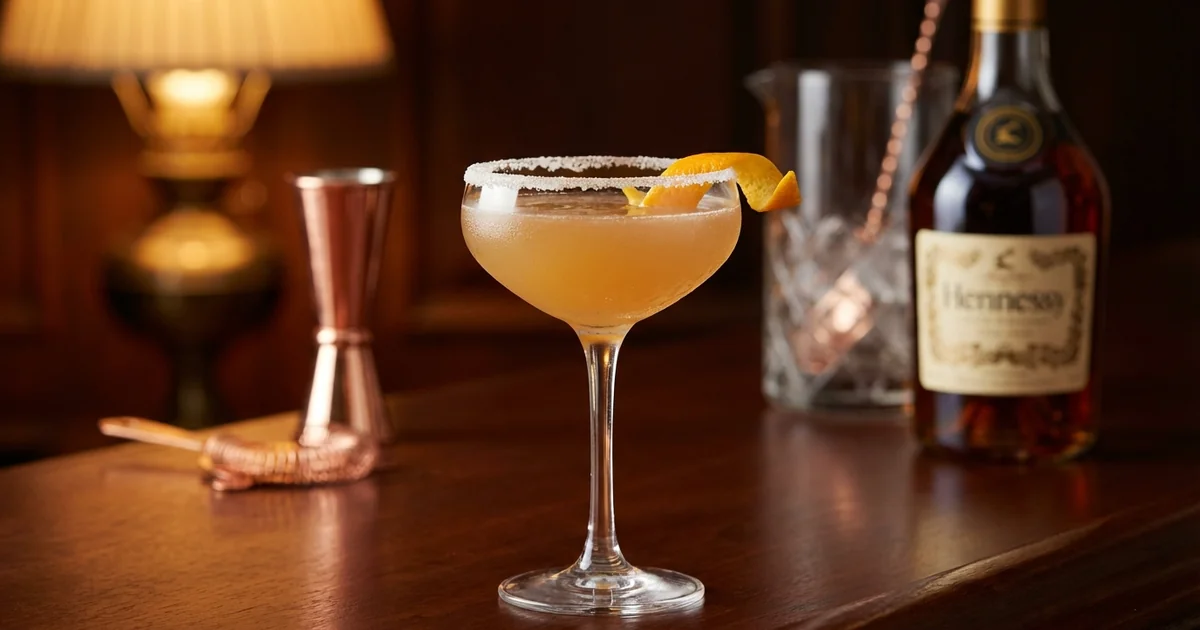
The Sidecar is a classic cocktail that combines equal parts of cognac, orange liqueur (such as Cointreau), and fresh lemon juice, creating a perfectly balanced drink with a tangy and refreshing flavor. Typically served in a chilled coupe glass with a sugared rim, the Sidecar is both elegant and timeless, making it a favorite among cocktail enthusiasts. Its origins date back to the early 20th century, adding a touch of historical charm to this delightful libation.
- citrusy
- tangy
- smooth
- slightly sweet

- Prep Time
- 3 min
- Glass
- Cocktail glass
- Difficulty
- Intermediate
- ABV
- 22%
- Yields
- 1 serving
Few ordinary drink recipes deliver citrusy and tangy quite like the Sidecar. It leads with cognac and comes together in about 3 minutes. If you've searched for "celebration", this is the recipe to bookmark.
Key Takeaways
What you’ll learn
- The Sidecar emerged during WWI in Paris or London, becoming one of the most elegant cognac cocktails and a foundational template for the sour family.
- The modern classic recipe balances 2 oz cognac, 1 oz Cointreau, and 0.75 oz fresh lemon juice — a 2:1:0.75 ratio that showcases the base spirit.
- The sugar rim debate divides traditionalists and modernists: try both and decide. The sugar creates textural contrast; omitting it lets proportions speak for themselves.
- Quality VS or VSOP cognac and premium Cointreau (rather than budget triple sec) transform this three-ingredient cocktail dramatically.
Advertisement
Ingredients
- Serves
- 1 serving
- Glass
- Cocktail glass
- Prep
- 3 min
- 2 ozCognac
- 1/2 ozCointreau
- 1 ozLemon juice
Method
Preparation
- 01
Pour all ingredients into cocktail shaker filled with ice. Shake well and strain into cocktail glass.
Origin
History & Origins
The Sidecar stands as one of the most refined cocktails to emerge from the 1920s, and its exact origin remains one of cocktail history's most pleasantly debated mysteries. Two cities claim parentage: Harry MacElhone of Harry's New York Bar in Paris credits himself with creating it around 1922, while London's Buck's Club credits head bartender Pat MacGarry with the same invention at approximately the same time. Both stories involve a customer who arrived by motorcycle sidecar — though whether this is historical fact or convenient legend is impossible to determine.
What is certain is that the drink appears in cocktail books from the mid-1920s including Harry MacElhone's own "Harry's ABC of Mixing Cocktails" (1922) and Robert Vermeire's "Cocktails: How to Mix Them" (1922). The early recipes show variation in proportions — many called for equal parts of all three ingredients — but establish the fundamental trinity of cognac, orange liqueur, and lemon juice that defines the Sidecar to this day.
The early recipes show variation in proportions — many called for equal parts of all three ingredients — but establish the fundamental trinity of cognac, orange liqueur, and lemon juice that defines the Sidecar to this day.
The Sidecar belongs to a family of brandy sours that includes the earlier Brandy Crusta (1850s) and later variations like Between the Sheets, suggesting the cocktail may have evolved from established templates rather than being invented wholesale. Regardless, the Sidecar refined its predecessors into something distinctly elegant: the 2:1:0.75 ratio that modern bartenders favour showcases the cognac's complexity while providing refreshing citrus balance that makes the drink simultaneously rich and lively. The IBA lists it as an official cocktail.
Advertisement
Bartender’s Insight
Pro Tips
Shake hard for 15–20 seconds until the shaker is painfully cold — citrus cocktails require vigorous shaking to integrate and achieve the silky texture that makes a Sidecar exceptional.
From Arthur
Double-strain through both a Hawthorne and a fine-mesh strainer for crystal-clear, chip-free texture.
If using a sugar rim, apply superfine (caster) sugar to only half the rim so drinkers can choose their sweetness experience sip by sip.
Pre-chill the coupe or Nick and Nora glass in the freezer — this is an "up" cocktail that warms quickly without proper glass temperature.
Choose VS or VSOP cognac (not XO) — cognac aged 10+ years is too subtle and too expensive for cocktail use. Pierre Ferrand 1840 is the bartender benchmark.
At the Table
Perfect Pairings
Beyond the Classic
Variations
Between the Sheets
0.75 oz cognac, 0.75 oz white rum, 0.75 oz Cointreau, 0.75 oz fresh lemon juice. The rum adds a lighter, more tropical dimension while maintaining the Sidecar's essential structure.
Chelsea Sidecar
2 oz London Dry gin instead of cognac. The botanical complexity of gin creates a completely different character while the Cointreau-lemon structure remains intact. Tanqueray or Beefeater work well.
Bourbon Sidecar
2 oz bourbon instead of cognac with an orange twist garnish. Bourbon's vanilla and caramel notes create a richer, sweeter variation — a good introduction to the template for American whiskey lovers.
Brandy Crusta
The Sidecar's ancestor from the 1850s: 2 oz cognac, 0.5 oz Cointreau, 0.5 oz lemon juice, 1 bar spoon maraschino liqueur, 2 dashes Angostura bitters. More elaborate, with a sugared rim and long lemon peel lining the glass.
Questions
Frequently Asked
- The Sidecar has a flavor profile that is citrusy, tangy, smooth, slightly sweet. It is crafted to balance these characteristics into a harmonious, satisfying drink that appeals to a wide range of palates.
- The Sidecar is ideal for happy hour, cocktail parties, celebrations. Its flavor profile and presentation make it a versatile choice that works equally well as a social cocktail or a relaxed evening drink.
- Yes, there are several ways to adapt a Sidecar. If you cannot source Cognac, look for a similar alternative that matches its flavor profile. Keep in mind that substitutions may alter the balance of the cocktail, so start with a smaller quantity and adjust to taste. The variations section above lists popular alternatives bartenders use.
- Some of the most popular Sidecar variations include Between the Sheets, Chelsea Sidecar, Bourbon Sidecar. Each variation puts a unique twist on the original recipe while retaining the essential character of the classic cocktail.
- The Sidecar is traditionally served in a Cocktail glass. Using the right glassware is important because it affects the aroma, temperature retention, and overall drinking experience. If you do not have a Cocktail glass on hand, a similar shaped glass will work.
- Yes, a mocktail version of the Sidecar is possible. Replace the base spirit with a non-alcoholic spirit alternative (there are many quality options available) and keep all other components the same. The result will capture much of the original's flavor profile while being suitable for guests who prefer alcohol-free options.
Other Cognac Cocktails
ABC
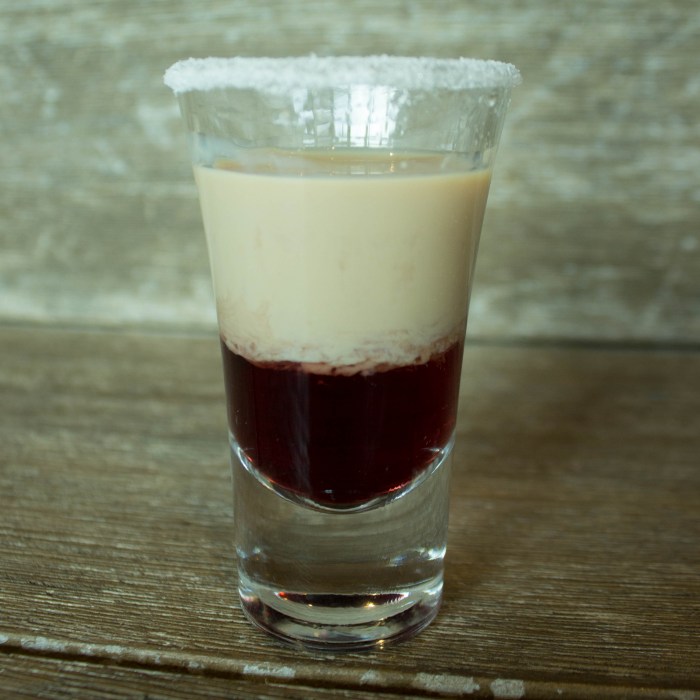
The ABC cocktail is a vibrant and refreshing blend of apple brandy, fresh lemon juice, and a hint of cinnamon syrup, creating a perfect balance of tartness and sweetness. Served over ice and garnished with a slice of apple, this drink is ideal for both casual gatherings and festive celebrations. Its unique flavor profile makes it a delightful choice for those seeking a twist on classic cocktails.
French Connection
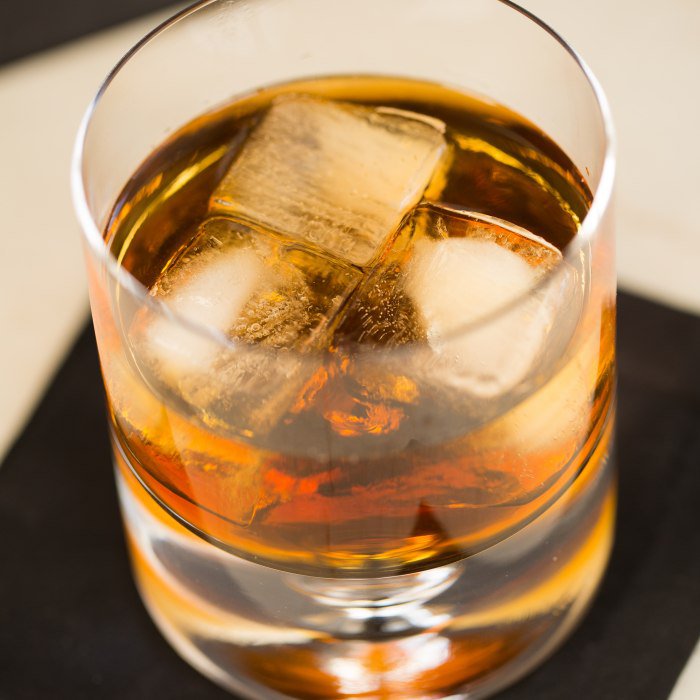
The French Connection is a sophisticated cocktail that elegantly combines the rich flavors of cognac and amaretto, creating a smooth and indulgent drink. Served over ice in a rocks glass, this delightful concoction offers a perfect balance of warmth and sweetness, making it an ideal choice for those seeking a refined sipping experience. Its name pays homage to the classic French spirit, embodying a blend of tradition and modern mixology.
Apple Highball
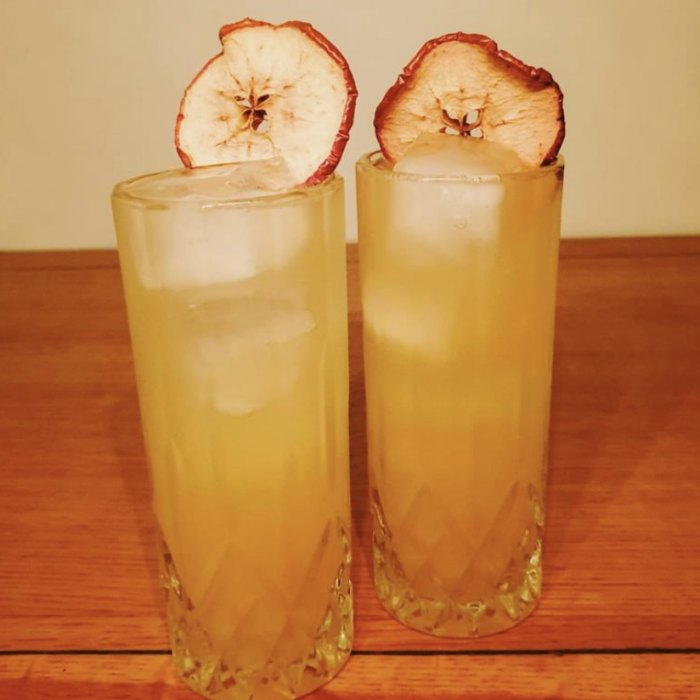
The Apple Highball is a refreshing cocktail that combines crisp apple juice with a smooth spirit, typically whiskey or vodka, and is topped off with sparkling water for a bubbly finish. Garnished with a slice of fresh apple or a twist of lemon, this drink offers a delightful balance of sweetness and effervescence, making it perfect for any occasion. Enjoy it chilled over ice for a revitalizing sip that captures the essence of autumn.
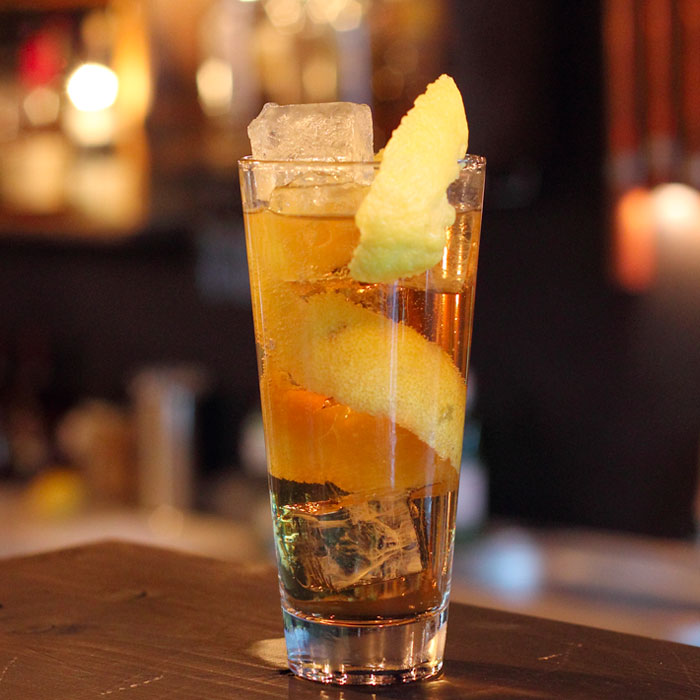
Cocktail Horse’s Neck
The Cocktail Horse's Neck is a classic mixed drink known for its refreshing blend of brandy, ginger ale, and fresh lemon juice, garnished with a long spiral of lemon peel that resembles a horse's neck. This visually striking cocktail offers a delightful balance of sweetness and citrusy brightness, making it a perfect choice for warm evenings or festive gatherings. Its unique presentation and vibrant flavors make it a timeless favorite among cocktail enthusiasts.
Other happy hour Cocktails
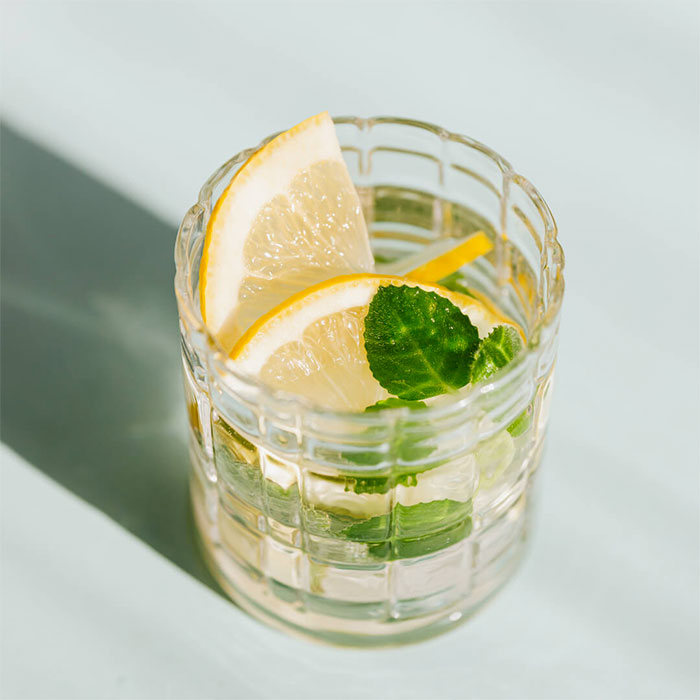
Vodka Tonic
The Vodka Tonic is a refreshing and simple cocktail that combines smooth vodka with crisp tonic water, creating a perfect balance of flavors. Often garnished with a wedge of lime or lemon, this drink is a popular choice for those seeking a light and invigorating beverage. Its clean taste and versatility make it a staple at bars and gatherings alike.
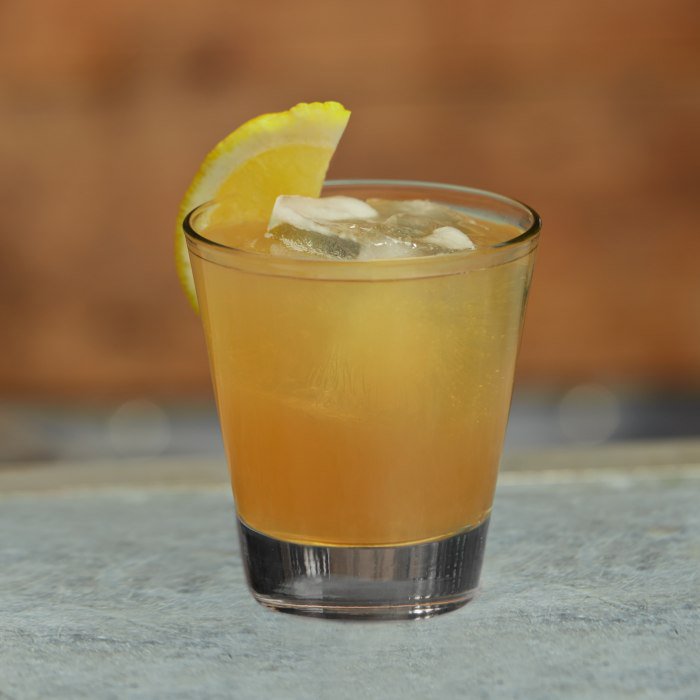
Tequila Sour
The Tequila Sour is a refreshing cocktail that combines the vibrant flavors of tequila with the tartness of fresh lemon juice and a touch of simple syrup for sweetness. Often garnished with a slice of lemon or a cherry, this drink offers a delightful balance of citrus and spirit, making it a perfect choice for warm evenings or festive gatherings. Its smooth texture and zesty profile make it a beloved twist on the classic sour cocktail family.
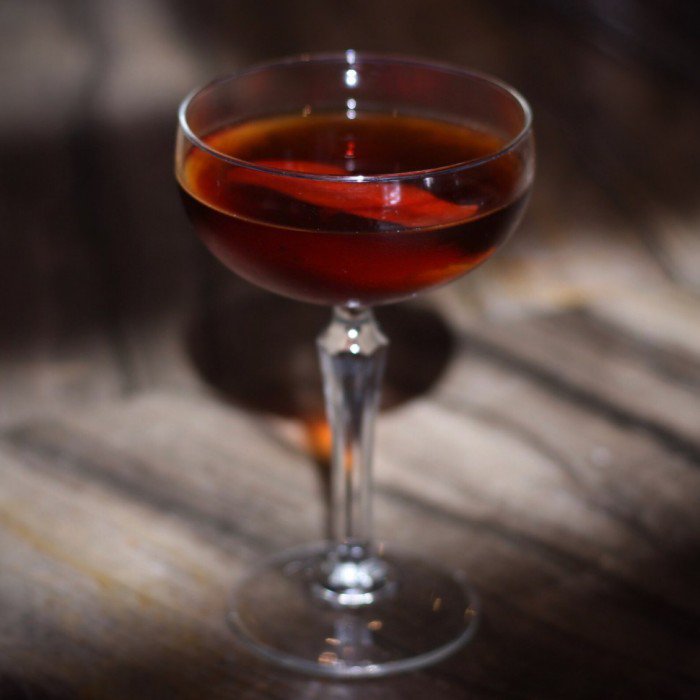
The Jimmy Conway
The Jimmy Conway is a sophisticated cocktail that combines smooth Irish whiskey with a hint of sweet vermouth and a splash of aromatic bitters, creating a rich and balanced flavor profile. Garnished with a twist of lemon peel, this drink pays homage to classic cocktail traditions while offering a modern twist that’s perfect for any occasion. Enjoy it neat or on the rocks for a refreshing sip that evokes a sense of elegance and warmth.
ABC
The ABC cocktail is a vibrant and refreshing blend of apple brandy, fresh lemon juice, and a hint of cinnamon syrup, creating a perfect balance of tartness and sweetness. Served over ice and garnished with a slice of apple, this drink is ideal for both casual gatherings and festive celebrations. Its unique flavor profile makes it a delightful choice for those seeking a twist on classic cocktails.
Similar Flavor Profiles
Tequila Sour
The Tequila Sour is a refreshing cocktail that combines the vibrant flavors of tequila with the tartness of fresh lemon juice and a touch of simple syrup for sweetness. Often garnished with a slice of lemon or a cherry, this drink offers a delightful balance of citrus and spirit, making it a perfect choice for warm evenings or festive gatherings. Its smooth texture and zesty profile make it a beloved twist on the classic sour cocktail family.
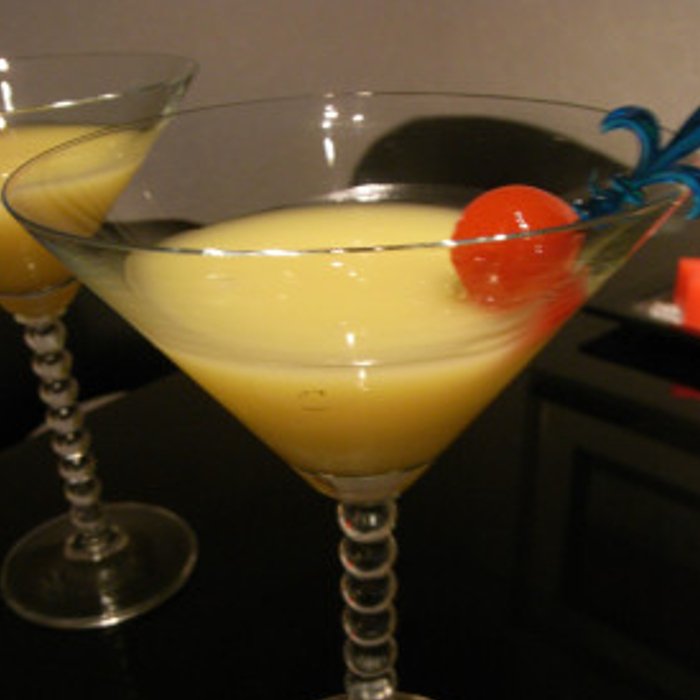
Casa Blanca
The Casa Blanca is a refreshing cocktail that combines the smoothness of white rum with the zesty brightness of fresh lime juice and the subtle sweetness of orange liqueur. Often garnished with a twist of citrus, this drink offers a delightful balance of flavors, making it a perfect choice for warm evenings or beachside lounging. Its elegant presentation and vibrant taste evoke the charm of its namesake, transporting you to a sun-soaked paradise with every sip.
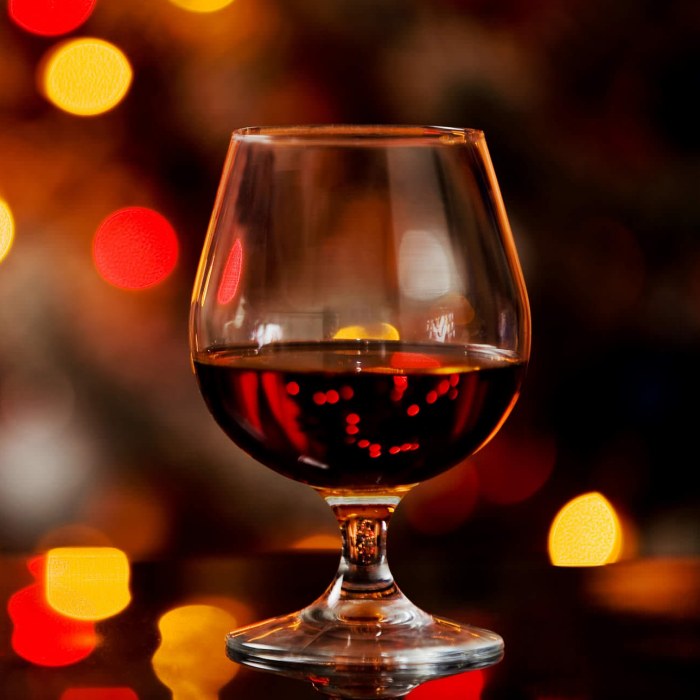
Kentucky B And B
The Kentucky B and B is a delightful cocktail that blends the rich flavors of bourbon with the herbal notes of Benedictine liqueur. Served over ice with a twist of lemon, this drink offers a smooth and warming experience, perfect for sipping on a cozy evening. Its harmonious balance of sweetness and depth makes it a sophisticated choice for bourbon lovers.
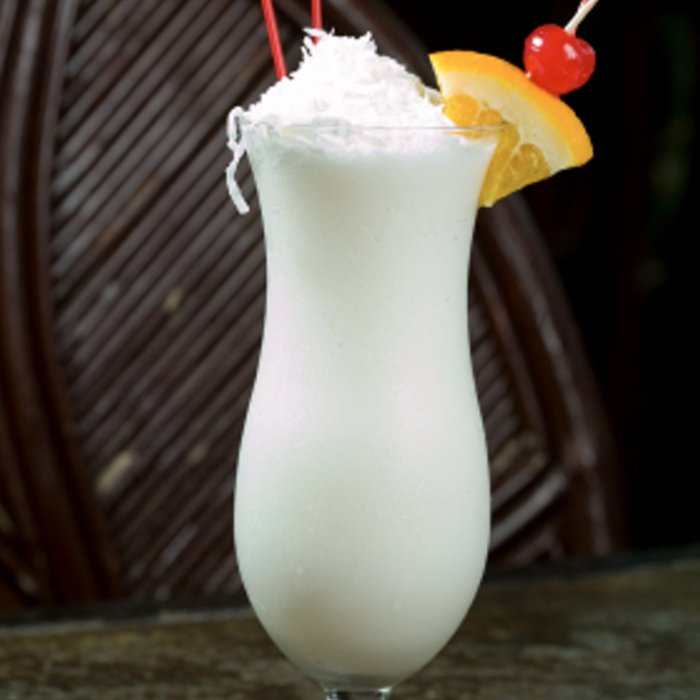
Whitecap Margarita
The Whitecap Margarita is a refreshing twist on the classic cocktail, blending smooth tequila with zesty lime juice and a splash of orange liqueur. Topped with a frothy layer of whipped egg whites, it delivers a creamy texture and a delightful presentation, making it perfect for any occasion. Garnished with a salt rim and a lime wedge, this drink captures the essence of sun-soaked beaches and vibrant summer nights.
Advertisement