Spirit Guide
Whiskey Cocktails: Recipes & Japanese Highball Guide

About Whiskey
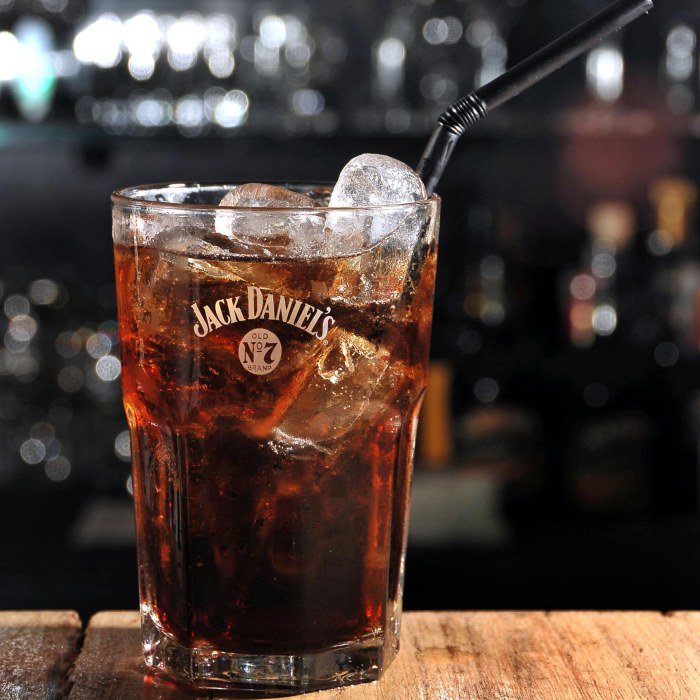
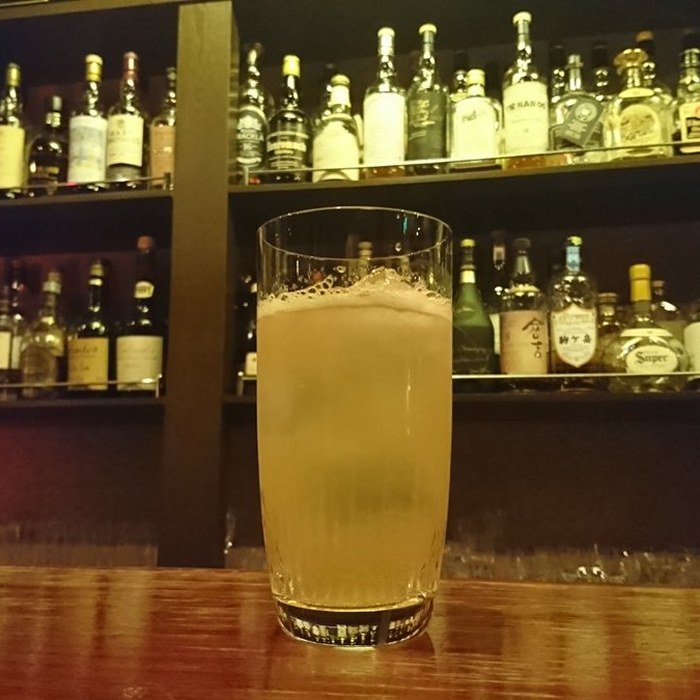
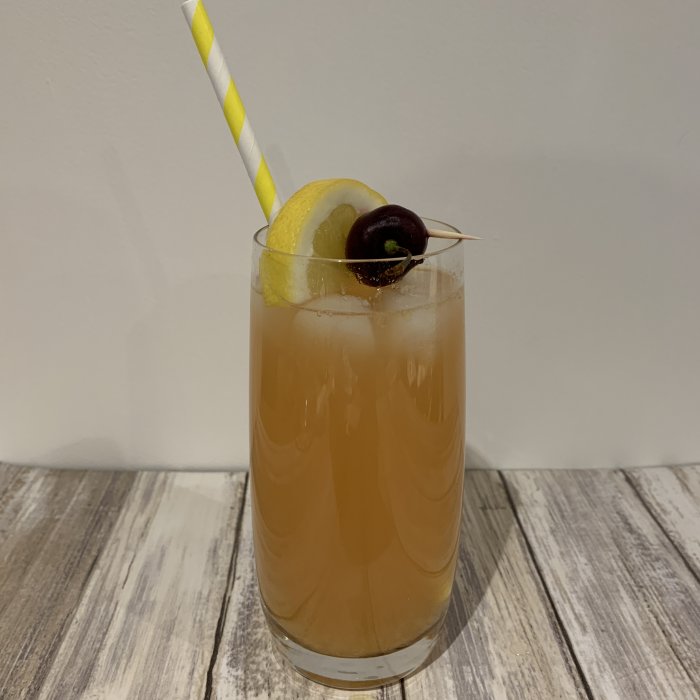
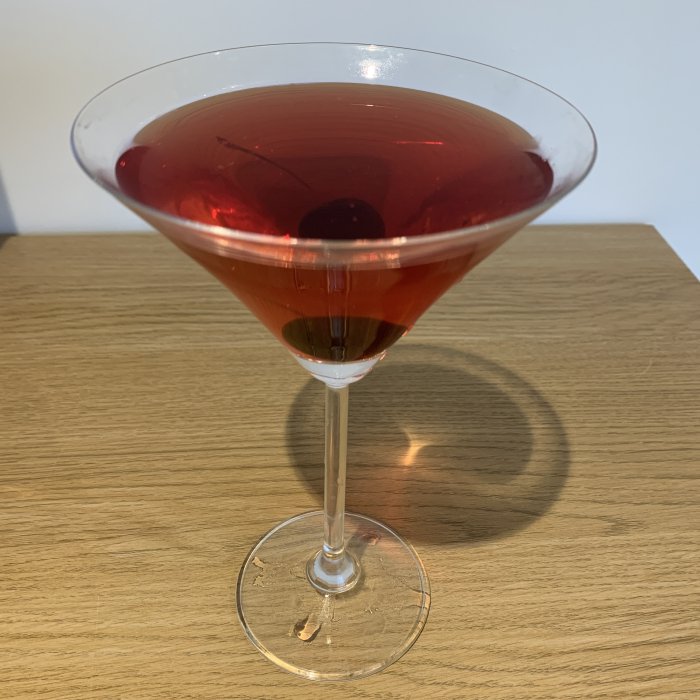
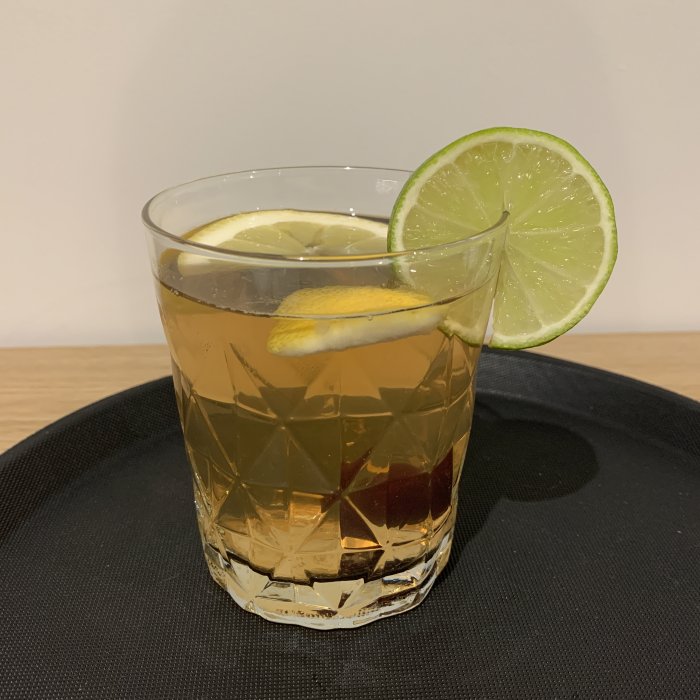
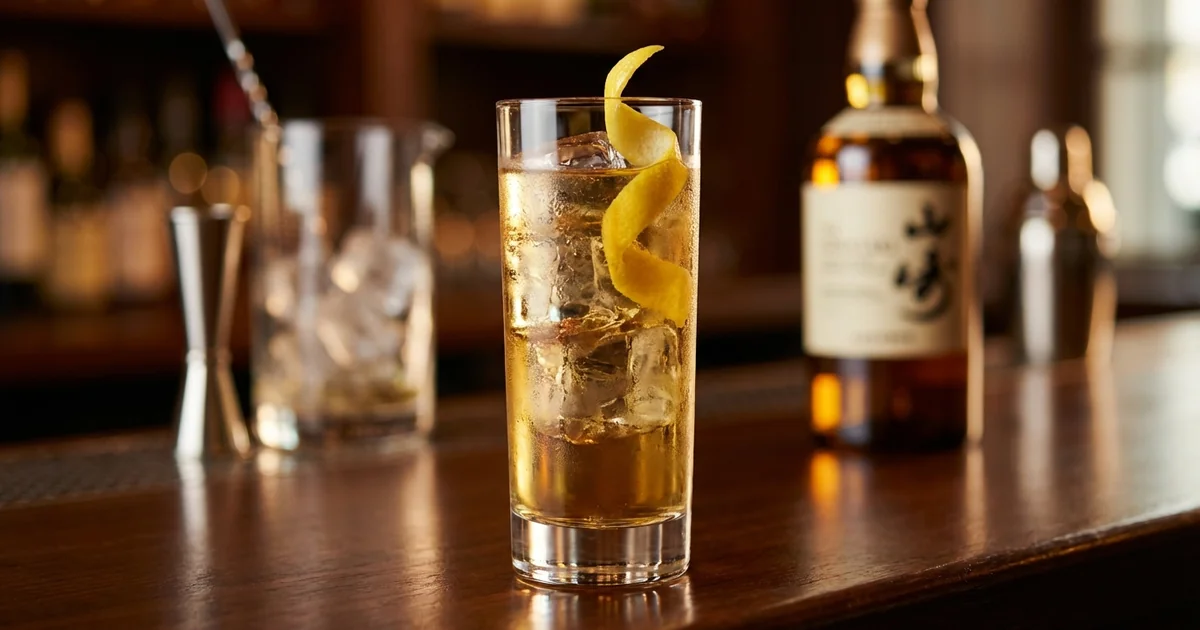
Whiskey is deceptively simple and endlessly complex — a spirit that rewards both casual mixing and obsessive study. The cocktails in this collection are built around a central revelation: that the whiskey highball, often dismissed as a mere long drink, is actually one of the most technically demanding and satisfying preparations in the bartender's arsenal. The Japanese elevated this humble combination of whiskey, soda, and ice into an art form as precise as the tea ceremony. The ritual of carefully packing crystal-clear ice, measuring to the millilitre, stirring exactly 13.5 times, and pouring soda gently down the glass wall isn't pretension — it's the recognition that restraint and precision create something greater than their parts. But whiskey's range extends far beyond the highball, from spirit-forward Manhattans to citrus-driven Whiskey Sours.
Flavor Notes
What Whiskey tastes like
- Grain sweetness (bourbon/American) — corn and wheat create caramel, vanilla, and toffee that make whiskey naturally mixable
- Malt and cereal (Scotch/Irish) — biscuity, slightly savoury complexity from malted barley fermentation
- Oak integration — all aged whiskeys carry some vanilla, wood spice, and dried fruit from barrel contact
- Peat and smoke (some Scotch) — the distinctive earthy, medicinal smokiness of peat-dried barley, ranging from subtle to assertive
- Delicate floral and citrus (Japanese) — the signature lightness of Japanese whisky that makes the spirit uniquely suited to the highball format
Buying Guide
What to look for
- Japanese whisky for highballs (e.g. Suntory Toki, Nikka From The Barrel) — purpose-built for the highball format; light, elegant, and designed to shine with dilution
- Bourbon for American-style builds (e.g. Buffalo Trace, Maker's Mark) — sweeter, fuller-bodied highballs and whiskey sours with classic American character
- Blended Scotch for versatility (e.g. Monkey Shoulder, Johnnie Walker Black) — works across cocktail styles from Rob Roy to the Scotch highball
- Irish whiskey for approachability (e.g. Jameson, Redbreast 12) — triple-distilled lightness makes it ideal for drinkers new to whiskey cocktails
- Rye whiskey for spice (e.g. Rittenhouse, Sazerac Rye) — the peppery backbone that defines a proper Manhattan or Sazerac
History
The Story of Whiskey
Whiskey's etymology traces to the Irish and Scottish Gaelic "uisce beatha" (water of life), the same root as aquavit and aqua vitae — a name that speaks to the near-sacred regard early distillers held for their craft. The technique of grain distillation arrived in the British Isles from continental Europe via monastic networks in the late medieval period, and by the 15th century both Ireland and Scotland were producing grain spirits distinctive enough to be taxed separately from other beverages.
The modern whiskey industry was shaped by the industrial revolution and colonial trade. Scotland's blended whisky, perfected by Andrew Usher in the 1860s by combining single malt expressiveness with the consistent lightness of column-still grain whisky, became a globally traded commodity. Simultaneously, Irish whiskey's triple-distilled, lighter style found massive export markets in the British Empire and the United States, until Prohibition and Irish independence dealt simultaneous blows to Irish distilleries that the industry took decades to recover from. Bourbon's American story followed its own trajectory, tied to the frontier experience and the corn-dominated agriculture of Kentucky.
Japan's whisky industry, though younger, has produced some of the world's most celebrated expressions. Masataka Taketsuru studied distillation in Scotland, brought the knowledge home, and founded Nikka after his partnership with Suntory's Shinjiro Torii ended. Suntory's Yamazaki (1923) became Japan's first malt distillery, and Japanese whisky developed its distinctive approach: delicacy, precision, and a focus on balance rather than bold regional character. The global appreciation of Japanese whisky that exploded in the 2000s sparked the highball renaissance that spread worldwide.
Key Takeaways
What you’ll learn
- The Japanese highball elevates a simple whiskey and soda into an art form through meticulous technique — ice quality, ratio, and gentle pouring matter enormously
- Ice quality and tight packing are paramount: crystal-clear, large-format ice melts slowly and prevents premature dilution
- The ideal highball ratio is 1:3 to 1:4 whiskey to soda — adjust based on whiskey strength and personal preference for intensity
- Stir exactly 13.5 times before adding soda to integrate the whiskey and chill the glass; after adding soda, one gentle stir only
- Different whiskey styles — Japanese, bourbon, and Scotch — create dramatically different highball experiences worth exploring side by side