Boulevardier Recipe: Whiskey Negroni Guide

Learn the perfect boulevardier recipe with bourbon or rye whiskey. Master the 1920s Paris classic with techniques, ingredient selection, and expert variations.
Advertisement
Boulevardier Recipe: Whiskey Negroni Guide
For decades, the boulevardier recipe languished in obscurity, overshadowed by its more famous gin-based cousin, the Negroni. But in recent years, this forgotten classic from 1920s Paris has experienced a remarkable renaissance. The Boulevardier is essentially a whiskey Negroni—a simple swap that transforms the crisp, botanical character of gin into something richer, warmer, and decidedly more spirit-forward.
Key Takeaways
- The Boulevardier is essentially a whiskey Negroni, swapping gin for bourbon or rye for a richer, more spirit-forward cocktail
- Created in 1920s Paris by American expat Erskine Gwynne, publisher of The Boulevardier magazine
- Bourbon creates a sweeter, smoother drink while rye delivers spicy complexity that stands up to Campari's bitterness
- Stirring technique and fresh vermouth are crucial for achieving the proper dilution and silky texture
If you love the Negroni's bitter-sweet balance but prefer whiskey to gin, the boulevardier recipe is about to become your new favorite cocktail. Born in the glamorous bars of post-war Paris and revived by the craft cocktail movement, this elegant drink bridges Italian aperitif culture and American whiskey tradition in a way that feels both timeless and thoroughly modern.
What makes the Boulevardier so compelling is its versatility. Made with bourbon, it's smooth and approachable with notes of vanilla and caramel. Made with rye, it's spicier and more complex, standing toe-to-toe with Campari's assertive bitterness. Either way, you get a sophisticated cocktail that's perfect for pre-dinner sipping or contemplative evening enjoyment.
The Classic Boulevardier Recipe
Before exploring the nuances and variations, let's start with the classic boulevardier recipe that has charmed whiskey lovers for nearly a century.
Ingredients:
- 1.25 oz bourbon or rye whiskey
- 1 oz Campari
- 1 oz sweet vermouth
- Orange or lemon peel for garnish
- Ice for stirring
Instructions:
- Fill a mixing glass with ice cubes
- Add the whiskey, Campari, and sweet vermouth
- Stir gently for 30-40 seconds until well-chilled
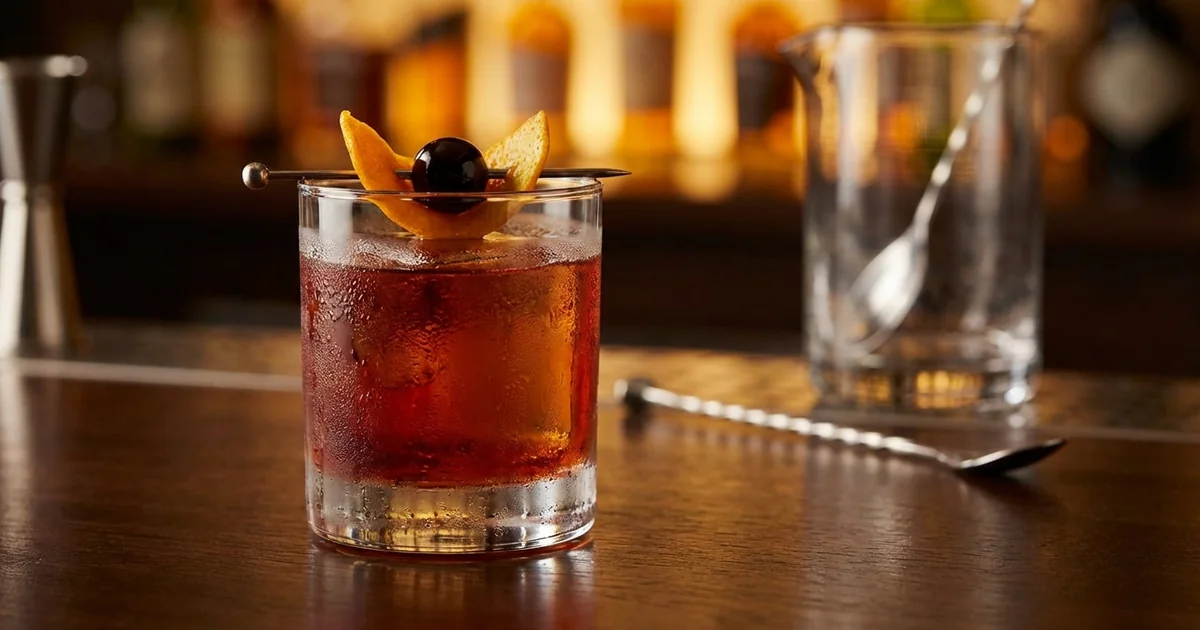
- Strain into a chilled coupe glass or into a rocks glass over a large ice cube
- Express the orange peel over the drink by squeezing it skin-side down to release oils
- Rub the peel around the rim of the glass
- Garnish with the peel, either dropped in or perched on the rim
Notice that while the Negroni uses equal parts (1:1:1) of all three ingredients, the classic boulevardier recipe is slightly spirit-forward with a 1.25:1:1 ratio. This extra quarter-ounce of whiskey ensures the bourbon or rye shines through rather than being buried by the Campari and vermouth. Some bartenders still use equal parts, and you should experiment to find your preferred balance.
Boulevardier vs Negroni: The Great Swap
Understanding the relationship between the boulevardier and the Negroni is key to appreciating both cocktails. The structural DNA is identical—spirit, Campari, sweet vermouth—but the character couldn't be more different.
The Negroni is crisp, bright, and botanical thanks to the gin. The juniper and citrus notes in gin complement Campari's bitterness while the sweet vermouth provides a honeyed, herbaceous backbone. It's quintessentially Italian, perfect for warm weather, and refreshing in a way that invites another sip.
The Boulevardier is richer, fuller-bodied, and more robust. Whiskey brings vanilla, caramel, oak, and spice—flavors that make the drink feel warmer and more substantial. The bourbon or rye provides a completely different foundation, transforming the cocktail from refreshing aperitif to contemplative sipper.
If the Negroni is a summer evening in Florence, the Boulevardier is a winter afternoon in a Parisian bistro. If you're trying to decide which to make, consider the season, the occasion, and your mood. Better yet, master both and choose based on what your palate craves. For more on the Negroni and its variations, check out our comprehensive guide to Negroni variations.
The beauty of this simple swap is that it opens an entire world of possibilities. Once you understand that swapping the base spirit fundamentally changes a cocktail's character, you can apply this principle to other classics and create your own riffs.
The Bourbon vs Rye Debate
When learning how to make a boulevardier recipe, your first major decision is choosing between bourbon and rye whiskey. This choice dramatically impacts the final cocktail, and unlike the Manhattan where rye is traditional, the Boulevardier works beautifully with either.
Bourbon Boulevardier
Bourbon's corn-forward mash bill creates a sweeter, smoother spirit with pronounced notes of vanilla, caramel, honey, and oak. In a Boulevardier, bourbon provides a rich foundation that softens Campari's aggressive bitterness.
The result is a more approachable, rounded cocktail with a lush mouthfeel. The sweetness of bourbon harmonizes with sweet vermouth's sugary, herbal character, creating layers of complexity without overwhelming bitterness. This makes the bourbon boulevardier recipe ideal for those new to bitter cocktails or for occasions when you want something smooth and comforting.
Recommended Bourbons:
- Buffalo Trace: Excellent balance of sweetness and complexity at a reasonable price point
- Woodford Reserve: Fuller body with dried fruit and baking spice notes
- Four Roses Small Batch: Floral, spicy character with balanced sweetness
- Maker's Mark: Softer, wheat-forward profile for an exceptionally smooth drink
Rye Boulevardier
Rye whiskey, with its higher rye grain content, brings a completely different personality. Rye is spicier, drier, and more assertive, with notes of black pepper, baking spices, citrus peel, and a cleaner, crisper finish.
In a Boulevardier, rye provides bold complexity that stands up to Campari's bitterness rather than softening it. The spice notes in rye create fascinating interplay with the herbal complexity of vermouth and the bitter orange flavors in Campari. The result is a drier, more sophisticated cocktail with sharper edges and greater complexity.
Many cocktail purists argue that rye makes the superior Boulevardier because it doesn't let any single ingredient dominate. The spiciness prevents the drink from becoming too sweet while adding layers that reveal themselves sip after sip.
Recommended Ryes:
- Rittenhouse Rye: Spicy, bold, and affordable—the bartender's choice
- Bulleit Rye: High rye content for pronounced spice character
- Sazerac Rye: Classic Louisiana rye with balanced complexity
- WhistlePig: Premium option with rich, complex spice notes
So which should you choose? If you prefer smoother, sweeter cocktails, bourbon is your friend. If you enjoy complexity, dryness, and pronounced spice, rye is the way to go. Ultimately, try both and let your palate decide. For those exploring whiskey cocktails, our guide to bourbon cocktails for beginners offers additional insights.
A Toast to Erskine Gwynne: The Boulevardier's Parisian Origin
The boulevardier recipe has a colorful origin story that perfectly captures the glamour and excess of 1920s Paris. The cocktail first appeared in print in Harry McElhone's 1927 book "Barflies and Cocktails," where it was named after Erskine Gwynne, an American expat and socialite who was a regular at Harry's New York Bar in Paris.
Gwynne, a wealthy Boston-born writer who had moved to Paris after World War I, founded a monthly magazine called "The Boulevardier" in 1927. The publication chronicled the lives and escapades of American expats living in Paris during the Jazz Age—the same creative community that included Ernest Hemingway, F. Scott Fitzgerald, and Gertrude Stein.
A boulevardier, in French parlance, is a man-about-town—someone who frequents fashionable establishments, knows everyone worth knowing, and appreciates the finer things in life. Gwynne embodied this archetype perfectly, and Harry McElhone created or adapted this cocktail in his honor.
The drink itself represents a marriage of cultures: American whiskey meeting Italian Campari and vermouth in a Parisian bar frequented by expatriates. It's a cocktail born from the cross-pollination of ideas, tastes, and traditions that made 1920s Paris such a creative cauldron.
After its moment in the sun during the 1920s and 30s, the Boulevardier largely disappeared. The Negroni remained popular, especially in Italy, while the Boulevardier faded into obscurity. It wasn't until the craft cocktail revival of the early 2000s that bartenders rediscovered this forgotten classic in old cocktail books and began serving it again. Today, the boulevardier recipe is a staple in quality cocktail bars worldwide, finally receiving the recognition it deserves.
Why Vermouth Selection Makes or Breaks Your Boulevardier
Sweet vermouth is the often-overlooked third ingredient in the boulevardier recipe, but it plays a crucial role in the cocktail's balance and complexity. This fortified wine, infused with botanicals, herbs, and spices, adds sweetness, body, and layers of flavor that bind the whiskey and Campari together.
Unfortunately, vermouth is frequently mistreated. Here's how to get the most from this essential ingredient:
Choose Quality Vermouth
Not all vermouths are created equal. The difference between premium and bottom-shelf vermouth is dramatic and will make or break your Boulevardier.
Top Vermouth Recommendations:
Carpano Antica Formula: The gold standard for classic cocktails. This rich, full-bodied vermouth brings intense vanilla, dried fruit, and caramel notes that beautifully complement bourbon. It's slightly more expensive but transforms the drink.
Cocchi Vermouth di Torino: A bartender favorite with balanced sweetness, herbal complexity, and a wine-forward character. Works exceptionally well with rye whiskey.
Dolin Rouge: A lighter, more delicate vermouth from France's Savoie region. Creates a more balanced, less sweet Boulevardier that lets the whiskey shine.
Punt e Mes: Bolder and more bitter than traditional sweet vermouth, with pronounced orange and quinine notes. Creates a more assertive, complex Boulevardier.
Store Vermouth Properly
This cannot be emphasized enough: vermouth is wine-based and will oxidize once opened. Many home bartenders wonder why their Boulevardiers don't taste like the ones they get at bars—the culprit is usually oxidized vermouth.
Vermouth Storage Tips:
- Always refrigerate after opening
- Use within 3-4 weeks for optimal freshness
- Consider transferring to smaller bottles to minimize air exposure
- Use wine preservation systems like Private Preserve for longer storage
- Taste your vermouth before using—if it's flat or vinegary, replace it
Fresh vermouth has vibrant, complex flavors with bright acidity and pronounced herbal notes. Oxidized vermouth tastes dull, flat, and slightly vinegary. Using fresh vermouth is just as important as choosing quality whiskey.
Mastering Boulevardier Technique: Stirred, Never Shaken
One of the cardinal rules for making a boulevardier recipe is the same as for all spirit-forward cocktails: stir, never shake. This isn't cocktail snobbery—it's essential technique for achieving the proper texture, clarity, and dilution.
Why Stirring Matters
Shaking introduces air bubbles that create a cloudy appearance and frothy texture, both of which are undesirable in elegant, spirit-forward cocktails. Stirring gently chills and dilutes the drink while maintaining perfect clarity and a silky, smooth mouthfeel.
The Boulevardier is made entirely of spirits and fortified wine—no citrus juice, no egg white, nothing that requires emulsification. Stirring is the appropriate technique.
Proper Stirring Technique
- Use plenty of ice: Fill your mixing glass nearly to the top with fresh, hard ice
- Add ingredients in order: Some bartenders prefer adding vermouth first to coat the ice, followed by Campari and whiskey
- Stir smoothly and continuously: Hold your bar spoon lightly between your fingers and stir in smooth, circular motions around the inside of the glass
- Duration is critical: Stir for 30-40 seconds—long enough to properly chill and dilute but not so long that you water down the drink
- The cold test: The outside of the mixing glass should feel very cold to the touch when ready
- Strain carefully: Use a Hawthorne strainer or julep strainer to ensure no ice shards end up in the final drink
Proper dilution is the secret to a great Boulevardier. Under-stirred cocktails taste harsh, hot, and unbalanced. Over-stirred drinks become watery and lose character. The sweet spot is around 15-20% dilution, resulting in a perfectly chilled, silky smooth cocktail.
The Orange Peel Express
The final touch is expressing the orange peel, a technique that adds aromatic complexity without altering the drink's flavor profile.
Hold the orange peel over the drink, colored side facing down, and give it a sharp twist or squeeze. You should see a fine mist of citrus oils spray onto the drink's surface. These oils add a bright, fragrant layer that beautifully complements the bitter-sweet character of the Boulevardier.
After expressing, rub the peel around the rim of the glass to add aroma with every sip, then either drop the peel into the drink or perch it on the rim as a garnish. Some bartenders prefer lemon peel for a slightly different aromatic profile—experiment to find your preference.
Always use fresh citrus. Pre-cut peels that have been sitting around have lost their volatile oils and won't provide the same aromatic impact.
Boulevardier Variations and Riffs
Once you've mastered the classic boulevardier recipe, exploring variations opens new dimensions of this versatile template.
Black Manhattan Boulevardier
Replace the sweet vermouth with Averna amaro or Cynar for a darker, more intensely bitter cocktail with herbal complexity. This variation, sometimes called a Black Boulevardier, emphasizes bitter notes and creates a more challenging, sophisticated drink.
Recipe:
- 1.5 oz bourbon or rye
- 1 oz Campari
- 0.75 oz Averna amaro
The amaro brings artichoke, caramel, and espresso notes that add depth while amplifying the bitterness. This variation is perfect for amaro lovers who want an even more complex drinking experience.
The Left Hand
Swap Campari for Aperol to create a lighter, sweeter, more approachable Boulevardier variation. Aperol's gentler bitterness and orange sweetness make this perfect for those who find Campari too intense.
Recipe:
- 1.25 oz bourbon
- 1 oz Aperol
- 1 oz sweet vermouth
This variation works beautifully as a warm-weather sipper or for introducing friends to the Boulevardier template without overwhelming them with bitterness.
Maple Boulevardier
Replace the sweet vermouth with real maple syrup for an autumnal twist that's become a modern favorite. The maple's rich sweetness and woody notes complement bourbon beautifully.
Recipe:
- 1.5 oz bourbon
- 1 oz Campari
- 0.5 oz pure maple syrup (grade A dark)
Stir with ice, strain into a rocks glass, and garnish with an orange peel. The maple syrup creates a richer, more dessert-like cocktail that's perfect for cold weather sipping.
Whiskey Selection Variations
Beyond bourbon and rye, experimenting with different whiskey styles creates fascinating Boulevardier variations:
Scotch Boulevardier: Use a blended Scotch or lightly peated single malt for smoky complexity Irish Whiskey Boulevardier: Smooth, approachable, slightly sweeter character Japanese Whisky Boulevardier: Delicate, refined, with subtle complexity
Each whiskey style brings unique characteristics that transform the drink while maintaining the fundamental bitter-sweet balance.
Serving Suggestions: Coupe vs Rocks Glass
The boulevardier recipe works beautifully served two ways, each offering a different drinking experience.
Coupe Glass (Up)
Serving the Boulevardier "up" in a chilled coupe or Nick and Nora glass is the classic presentation. This method showcases the drink's clarity and elegance while providing a more concentrated flavor experience.
The coupe's wide mouth allows the aromatic orange oils to reach your nose with every sip, enhancing the overall sensory experience. The stemmed glass also keeps your hand from warming the cocktail, maintaining its perfect temperature throughout.
This presentation is ideal for pre-dinner sipping or when you want to savor the drink slowly without dilution from melting ice.
Rocks Glass (On the Rocks)
Serving the Boulevardier over a large ice cube in a rocks glass creates a more relaxed, slowly evolving drinking experience. As the ice gradually melts, the drink opens up and changes character, becoming slightly more mellow and approachable.
Use the largest ice cube or sphere you can fit in the glass. Large-format ice melts much more slowly than standard cubes, providing controlled dilution that enhances rather than waters down the drink.
This presentation is perfect for leisurely sipping, especially when enjoying the Boulevardier over an extended conversation or alongside appetizers.
Either serving method is authentic—choose based on mood, occasion, and personal preference. In winter, many prefer the rocks glass presentation, while summer evenings might call for the elegance of a coupe.
Frequently Asked Questions
What's the difference between a Boulevardier and a Negroni?
The Boulevardier swaps the Negroni's gin for whiskey (bourbon or rye), creating a richer, warmer, more spirit-forward cocktail. While the Negroni is crisp and botanical, the Boulevardier is fuller-bodied with vanilla, caramel, and spice notes from the whiskey.
What's the difference between a Boulevardier and a Manhattan?
While both use whiskey and sweet vermouth, the Manhattan includes Angostura bitters as its third ingredient, while the Boulevardier uses Campari. The Manhattan is smoother and more whiskey-forward, while the Boulevardier is more bitter and aperitif-like.
Can I batch Boulevardiers for a party?
Absolutely! Multiply the recipe by the number of servings you need, then add about 20% water to account for dilution from stirring. Refrigerate the batch and serve by pouring into chilled coupes or over ice in rocks glasses. Each serving should be about 3.5-4 oz total.
Why is my Boulevardier too bitter?
If your Boulevardier tastes overwhelmingly bitter, try increasing the whiskey proportion to 1.5 oz while keeping Campari and vermouth at 1 oz each. Also ensure you're using fresh sweet vermouth—oxidized vermouth loses its sweetness and makes the drink taste unbalanced.
Can I make a Boulevardier with other spirits?
While it won't technically be a Boulevardier, you can apply the template (spirit + Campari + sweet vermouth) with other base spirits. Aged rum creates a tropical variation, while mezcal adds smoky complexity. Each creates a distinct drink worth exploring.
Should I use orange or lemon peel?
Orange peel is traditional and provides sweet, aromatic citrus oils that complement the drink's flavors. However, lemon peel offers a brighter, more tart aromatic profile that some prefer, especially when using rye whiskey. Try both and decide for yourself.
How strong is a Boulevardier?
A properly made Boulevardier is approximately 28-30% ABV after dilution, making it one of the stronger classic cocktails. It's a sipper meant to be enjoyed slowly before a meal or as an evening contemplative drink.
Conclusion: Rediscovering a Forgotten Classic
The boulevardier recipe represents everything wonderful about classic cocktails—simple ingredients, precise technique, and endless depth. What was once a forgotten relic from 1920s Paris has been reborn as a modern classic, gracing cocktail menus at the world's finest bars and home bars alike.
Whether you prefer the smooth sweetness of bourbon or the spicy complexity of rye, whether you serve it up in a coupe or over ice in a rocks glass, the Boulevardier offers a sophisticated alternative to the Negroni that whiskey lovers will find irresistible. It's proof that sometimes the simplest swap—gin for whiskey—can create something entirely new while honoring cocktail tradition.
The beauty of the Boulevardier lies in its balance. Campari's assertive bitterness, vermouth's herbal sweetness, and whiskey's rich complexity come together in perfect harmony when properly prepared. Master the fundamentals—quality ingredients, proper stirring, fresh vermouth—and you'll be able to craft a Boulevardier that rivals anything you'd get at a top cocktail bar.
For the complete boulevardier cocktail experience with ingredient ratios and preparation steps, visit our Boulevardier cocktail page. To explore more classic whiskey cocktails, check out our guide to the Old Fashioned recipe, another timeless American classic.
So gather your bourbon or rye, Campari, and fresh sweet vermouth. Chill your coupe, prepare your orange peel, and raise a glass to Erskine Gwynne and the golden age of Paris that gave us this remarkable drink. The Boulevardier has waited nearly a century for its moment—it's time to give this forgotten classic the recognition it deserves.
Cheers to the Boulevardier—sophisticated, timeless, and utterly delicious.
Advertisement
About James
Spirits & Whiskey Expert at Hero Cocktails, passionate about crafting exceptional cocktails and sharing mixology expertise.
Advertisement