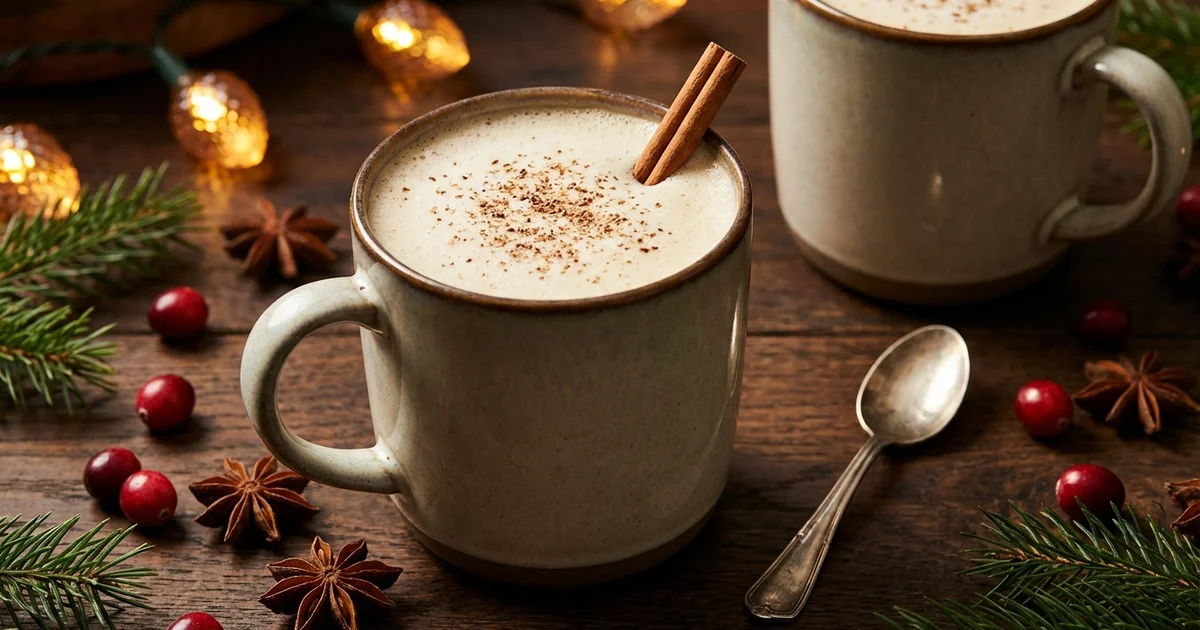
Classic Eggnog Recipe - Holiday Tradition Perfected

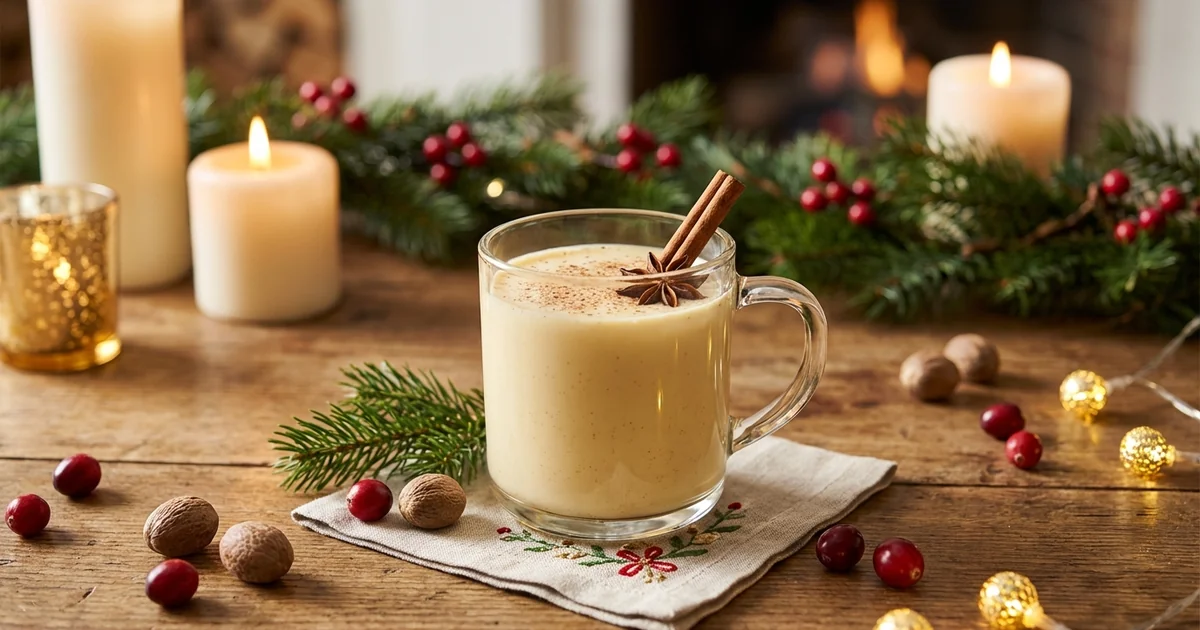
Master the classic eggnog recipe with our comprehensive guide. Learn proper egg preparation, spirit options, aging techniques, food safety, and delicious variations for the perfect holiday drink.
Advertisement
Classic Eggnog Recipe: The Ultimate Holiday Tradition
Few drinks embody the warmth and indulgence of the holiday season quite like a classic eggnog recipe. This rich, creamy concoction of eggs, dairy, spirits, and warming spices has been a centerpiece of Christmas celebrations for centuries. Whether you're hosting a festive gathering or simply want to master a timeless tradition, learning how to make eggnog from scratch transforms this holiday staple from cloying supermarket carton to sophisticated seasonal cocktail.
Key Takeaways
- Classic eggnog originated in colonial America as an adaptation of English posset drinks
- The traditional recipe requires separating eggs and whipping whites for a light, creamy texture
- Bourbon, rum, brandy, or a blend of spirits all create authentic eggnog variations
- Aged eggnog (stored 3 weeks to 1 year) develops smoother, more complex flavors
- Using pasteurized eggs eliminates raw egg safety concerns while maintaining traditional taste
The beauty of homemade eggnog lies in its customization and quality. You control the sweetness, choose your preferred spirits, adjust the richness, and create a drink that reflects your personal taste. Once you've experienced the silky texture, balanced sweetness, and complex flavor of properly made eggnog, you'll never go back to the pre-made versions.
Colonial Roots: The American Evolution of English Posset
The story of eggnog is distinctly American, though its roots trace back to medieval England. The drink evolved from "posset," a hot mixture of milk, eggs, and ale or wine consumed by wealthy English households. The name "eggnog" likely derives from "noggin," a small wooden cup used to serve the drink, though linguistic historians debate whether "grog" (a sailor's rum drink) also influenced the name.
When English colonists arrived in America, they found abundant supplies of eggs, milk, and rum—the latter being cheap and plentiful thanks to Caribbean trade routes. Eggnog became democratized in the New World, transforming from an aristocratic beverage to a popular drink enjoyed across social classes during the holiday season.
The Christmas Connection: By the 18th century, eggnog had become firmly associated with Christmas and New Year's celebrations in colonial America. The drink's richness made it a luxury reserved for special occasions, while the warming alcohol provided comfort during harsh winter months. George Washington himself was known for serving a particularly potent version at Mount Vernon, featuring a combination of rye whiskey, rum, and sherry that would challenge even the most seasoned drinkers today. This blended approach remains popular—explore our rum cocktails guide and bourbon cocktails for beginners to understand these spirits better.
The tradition of holiday eggnog has evolved over the centuries, but the fundamental recipe remains remarkably similar to what colonial Americans enjoyed: eggs, dairy, sugar, spirits, and nutmeg. The drink has survived temperance movements, changing tastes, and modern health concerns to remain a beloved seasonal tradition.
The Classic Eggnog Recipe: Traditional Preparation
This is the gold-standard classic eggnog recipe, the one that bartenders and home cooks have refined over generations. The technique separates egg yolks and whites, creating a lighter, more elegant texture than simply mixing whole eggs. This recipe serves 8-10 people and can be easily doubled for larger gatherings.
Ingredients
Base:
- 6 large eggs, separated
- 3/4 cup granulated sugar, divided (1/2 cup for yolks, 1/4 cup for whites)
- 2 cups whole milk (don't use low-fat—you need the richness)
- 1 cup heavy cream (or heavy whipping cream)
- 1 teaspoon vanilla extract
- 1/2 teaspoon freshly grated nutmeg (plus more for garnish)
- Pinch of salt
Spirits (choose your preference):
- 1 cup bourbon, dark rum, or brandy (primary spirit)
- 1/2 cup cognac or same spirit as primary (optional, for complexity)
Instructions
Step 1: Prepare the egg yolks
Separate your eggs carefully, ensuring no yolk gets into the whites (even a small amount of fat prevents proper whipping). In a large bowl, beat the egg yolks with 1/2 cup sugar using an electric mixer or whisk. Beat for 3-4 minutes until the mixture becomes thick, pale yellow, and forms ribbons when you lift the whisk. This process, called "ribboning," incorporates air and creates the eggnog's silky base.
Step 2: Add dairy and spirits
Reduce your mixer speed to low. Slowly add the milk, cream, bourbon, cognac (if using), vanilla extract, nutmeg, and salt. Whisk until everything is fully incorporated and smooth. The mixture will be fairly thin at this stage—that's normal. The alcohol will "cook" the egg yolks slightly, adding safety and flavor.
Step 3: Beat the egg whites
In a separate, completely clean bowl (any residual fat will prevent proper whipping), beat the egg whites until soft peaks form. Gradually add the remaining 1/4 cup sugar and continue beating until stiff, glossy peaks form. This takes about 3-5 minutes with an electric mixer. The whites should stand up when you lift the beater but still look smooth and creamy, not dry or grainy.
Step 4: Fold everything together
Gently fold the beaten egg whites into the yolk-dairy mixture using a rubber spatula. Use a gentle folding motion, cutting down through the center and sweeping up the sides. Fold just until no large streaks of white remain—overmixing will deflate the whites and create a dense, heavy eggnog rather than a light, airy one.
Step 5: Chill and rest
Cover your eggnog and refrigerate for at least 4 hours, though overnight is ideal. This resting period allows flavors to marry and meld. The eggnog will thicken slightly as it chills. Before serving, give it a gentle stir (it may separate slightly during storage).
Step 6: Serve and garnish
Ladle the eggnog into punch cups or small glasses. Grate fresh nutmeg over each serving just before serving—the aromatic oils are most potent when freshly grated. Some people add a small dollop of whipped cream on top for extra decadence.
Egg Preparation Techniques: The Foundation of Great Eggnog
The way you handle eggs makes or breaks your homemade eggnog. Understanding proper egg technique is essential for achieving the ideal texture and ensuring food safety.
Separating Eggs Like a Pro
Cold eggs separate more easily than room temperature ones, so separate them straight from the refrigerator. Use three bowls: one for yolks, one for whites, and one "working" bowl. Crack each egg over the working bowl, separating the white from the yolk. Transfer the yolk to the yolk bowl and the white to the white bowl. If you break a yolk, you can still use that egg (just put the whole thing with the yolks), but start fresh with a new egg for the whites.
Why this matters: Even a tiny amount of yolk in your whites will prevent them from whipping properly. Fat inhibits egg white foam formation, so absolute separation is crucial.
Achieving Perfect Ribbons
When you beat egg yolks with sugar, you're creating an emulsion and incorporating air. The mixture should become pale yellow (almost ivory) and triple in volume. The "ribbon test" is your guide: lift your whisk or beaters, and the mixture should fall in a thick ribbon that holds its shape on the surface for a few seconds before sinking back in.
Temperature tip: Room temperature egg yolks whip more easily and create more volume than cold ones. After separating cold eggs, let the yolks sit for 15-20 minutes before beating.
Whipping Egg Whites to Perfection
Clean equipment is non-negotiable for egg whites. Any trace of fat, oil, or yolk will prevent proper whipping. Some cooks wipe their bowl and beaters with a little lemon juice or vinegar to ensure they're completely fat-free.
Soft peaks vs. stiff peaks: Soft peaks curl over when you lift the beater. Stiff peaks stand straight up and hold their shape. For eggnog, you want stiff but glossy peaks—not dry, grainy peaks that indicate over-whipping.
The sugar timing: Adding sugar too early prevents whites from reaching full volume. Start whipping the whites plain, and add sugar gradually once soft peaks form. This creates a more stable meringue that won't deflate when folded into the eggnog.
Folding Without Deflating
Folding is a gentle technique designed to combine mixtures of different densities without losing the air you've carefully incorporated. Use a rubber spatula and a sweeping, cutting motion. Think of it as lifting the denser mixture from the bottom and gently laying it over the lighter mixture, rotating the bowl as you work.
Stop folding as soon as no large streaks of white remain. A few small white wisps are fine—they'll distribute during chilling. Over-folding deflates the whites and creates dense, heavy eggnog instead of the light, fluffy texture you're after.
Spirit Selection: Bourbon, Rum, Brandy, or Blend?
The spirits you choose define your eggnog's character. Unlike cocktails where the mixer plays a large role, eggnog showcases the spirit's flavor prominently. Quality matters, but you don't need ultra-premium bottles—mid-range spirits work beautifully.
Bourbon Eggnog: The American Classic
Bourbon eggnog is arguably the most popular American version, pairing beautifully with eggnog's rich, sweet profile. Bourbon's vanilla, caramel, and oak notes complement the dairy and nutmeg perfectly. For more bourbon cocktail ideas, explore our bourbon cocktails for beginners guide.
Best bourbon choices:
- Buffalo Trace: Balanced sweetness with vanilla and caramel notes that enhance eggnog's richness
- Maker's Mark: Softer, wheat-forward bourbon creates an exceptionally smooth eggnog
- Woodford Reserve: Fuller-bodied with baking spice notes that add complexity
- Four Roses: Floral and fruity notes create a lighter, more nuanced eggnog
What to avoid: Skip heavily charred or very high-proof bourbons, as they can overpower the delicate egg and dairy flavors. Barrel-proof whiskeys above 100 proof should be diluted or mixed with lower-proof spirits.
Rum Eggnog: Caribbean Warmth
Rum eggnog harkens back to colonial traditions when Caribbean rum was abundant and cheap. Dark rum adds molasses, spice, and tropical fruit notes that create a more complex, warming eggnog. For additional rum-based drink ideas, see our rum cocktails guide.
Best rum choices:
- Appleton Estate Signature or 8 Year: Jamaican rum with funky, fruity notes adds character
- Mount Gay Eclipse: Barbadian rum offers smooth vanilla and brown sugar notes
- Diplomatico Reserva: Venezuelan rum brings honey and dried fruit complexity
- Gosling's Black Seal: Rich, bold Bermuda rum creates intense, molasses-forward eggnog
Light vs. dark rum: Light rum creates a cleaner, less assertive eggnog that lets the dairy shine. Dark rum provides depth and spice. Many recipes use a combination—2/3 dark rum and 1/3 light rum—for balanced complexity.
Brandy and Cognac: European Elegance
Brandy-based eggnog feels more refined and less overtly boozy than bourbon or rum versions. The fruit-forward, oak-aged character creates an elegant, sophisticated drink.
Best brandy choices:
- Cognac VS or VSOP: French cognac adds dried fruit, oak, and subtle floral notes
- Spanish brandy (Cardenal Mendoza, Torres): Sweet, vanilla-rich brandies create dessert-like eggnog
- American brandy (Korbel, E&J): More affordable options that still provide fruit and oak character
- Calvados: Apple brandy creates unique, autumnal eggnog with apple pie spice notes
The classic combination: Traditional recipes often combine cognac with dark rum (2:1 ratio), marrying French elegance with Caribbean warmth for remarkable complexity.
The Blended Approach: Best of All Worlds
Many traditional classic eggnog recipes use multiple spirits, creating layered complexity that single-spirit versions can't match. George Washington's famous recipe included rye whiskey, rum, and sherry—a combination that sounds chaotic but creates incredible depth.
Recommended blends:
- Bourbon + Cognac: 2/3 bourbon, 1/3 cognac creates smooth, rich eggnog with fruit undertones
- Dark Rum + Brandy: Equal parts create Caribbean warmth with European sophistication
- Bourbon + Dark Rum + Cognac: The "trinity" blend (equal parts) offers maximum complexity
Proportions matter: In a standard batch using 1.5 cups total spirits, try 1 cup primary spirit and 1/2 cup secondary spirit. This gives you complexity without muddling flavors.
Dairy Choices: Creating the Perfect Texture
The dairy component provides eggnog's luxurious body and creamy mouthfeel. While the recipe calls for whole milk and heavy cream, you have options for adjusting richness and texture. Quality dairy is essential for any well-stocked home bar—learn more in our how to build your home bar guide.
The Standard: Whole Milk + Heavy Cream
This combination (2:1 ratio of milk to cream) creates balanced eggnog—rich but drinkable, indulgent but not cloying. Whole milk (3.25% fat) provides body without excessive richness, while heavy cream (36-40% fat) adds luxurious texture and mouthfeel.
Why fat matters: Fat carries flavor and creates smooth texture. Low-fat milk produces thin, watery eggnog that tastes more like sweet egg soup than the creamy cocktail you're after.
Adjusting Richness
For lighter eggnog: Use 2.5 cups whole milk and 0.5 cup heavy cream. This reduces overall fat content while maintaining enough richness for proper texture. Add an extra egg yolk to compensate for body loss.
For ultra-rich eggnog: Use equal parts whole milk and heavy cream (1.5 cups each). This creates decadent, dessert-like eggnog that's incredibly indulgent. Consider serving smaller portions—it's very rich.
Half-and-half substitution: You can use 3 cups half-and-half (12% fat) instead of milk and cream. This creates middle-ground richness, though some find the texture less interesting than the two-component version.
Cream Quality and Temperature
Always use fresh, high-quality dairy—it's the foundation of your eggnog's flavor. Ultra-pasteurized dairy has a slightly "cooked" flavor that some people notice in eggnog, so seek out regular pasteurized products when possible.
Temperature considerations: Cold dairy incorporates more easily and safely than room temperature, helping to slightly "cook" the raw egg yolks when combined with alcohol. However, some recipes warm the milk with nutmeg before adding to yolks, creating a custard-like base (this is the "cooked eggnog" method discussed later).
Spice Essentials: Why Nutmeg is Non-Negotiable
Nutmeg is not just a garnish—it's an essential ingredient that defines eggnog's flavor profile. This warm, slightly sweet, woody spice complements the rich dairy and spirits perfectly, adding aromatic complexity that transforms the drink from simple egg-and-milk mixture to holiday classic.
Fresh vs. Pre-Ground Nutmeg
This is non-negotiable: always use freshly grated nutmeg in your eggnog. Pre-ground nutmeg sitting in your spice cabinet for months (or years) has lost its volatile aromatic oils. The flavor is flat, dusty, and one-dimensional compared to the warm, complex, almost citrus-like aromatics of freshly grated nutmeg.
How to grate nutmeg: Use a microplane grater or dedicated nutmeg grater. Hold the whole nutmeg seed and grate gently—a little goes a long way. For the recipe above, 1/2 teaspoon grated is about 10-12 passes across a microplane.
Where to buy whole nutmeg: Any grocery store's spice section sells whole nutmeg, often in small jars containing 3-5 seeds. They last indefinitely when stored in a cool, dry place.
Additional Spice Options
While nutmeg is essential, other spices can add complexity to your homemade eggnog:
Cinnamon: A cinnamon stick steeped in warmed milk (then removed before mixing) adds subtle warmth without overpowering. Don't use ground cinnamon—it creates an unpleasant texture.
Vanilla: Real vanilla extract (not imitation) adds sweet, floral depth. Some recipes use vanilla bean paste or steep a split vanilla bean in the dairy for intense vanilla flavor.
Allspice: A tiny pinch (1/8 teaspoon) adds peppery, clove-like warmth. Use sparingly—allspice is potent.
Cardamom: Ground cardamom (1/8 teaspoon) creates Nordic-influenced eggnog with citrus and floral notes. This is less traditional but delicious.
What to avoid: Skip pumpkin pie spice, pre-mixed "holiday spice blends," or anything with cloves as a primary ingredient. Cloves quickly overpower eggnog's delicate balance.
Food Safety with Raw Eggs: Understanding the Risks
The traditional classic eggnog recipe uses raw eggs, which raises understandable food safety concerns. However, understanding the actual risks and mitigation strategies allows you to make informed decisions rather than fearful ones.
The Real Risks of Raw Eggs
Salmonella enteritidis is the primary concern with raw eggs. According to the USDA and CDC, approximately 1 in 20,000 eggs may be contaminated with salmonella. For a standard eggnog recipe using 6 eggs, the statistical risk is very low—but not zero.
Who should avoid raw eggs entirely:
- Pregnant women
- Young children (under 5)
- Elderly adults (over 65)
- Anyone with compromised immune systems
If you or your guests fall into these categories, use one of the safety methods below rather than traditional raw-egg eggnog.
The Alcohol Safety Factor
Here's what many people don't realize: the alcohol in eggnog provides some antibacterial protection. Studies have shown that spirits (particularly those above 20% ABV) inhibit bacterial growth, though they don't completely eliminate risk.
The standard eggnog recipe contains enough alcohol (roughly 10-15% ABV in the finished drink) to create an inhospitable environment for bacteria, especially when refrigerated. This is why aged eggnog (discussed later) is actually safer than fresh eggnog—the prolonged alcohol exposure further reduces any potential bacterial presence.
Important caveat: This protection only applies to properly spiked eggnog. Non-alcoholic or lightly spiked versions don't benefit from this antimicrobial effect.
Pasteurized Eggs: The Best of Both Worlds
Pasteurized shell eggs are the ideal solution for raw-egg concerns. These eggs have been gently heated to kill bacteria while remaining in the shell and maintaining a raw consistency. They work identically to regular eggs in eggnog recipes with zero texture or taste difference.
Brands to look for:
- Davidson's Safest Choice (widely available)
- Vital Farms Pasture-Raised Pasteurized (higher quality, higher price)
- Store brands at many major grocers
Egg substitute products: Liquid pasteurized egg products (like Egg Beaters) don't work well in traditional eggnog—they lack the fat and richness of whole eggs and won't whip properly. Stick with pasteurized shell eggs.
The Cooked Eggnog Method
If pasteurized eggs aren't available, you can make "cooked eggnog" that's technically a drinkable custard. Here's the adapted technique:
- Heat milk with sugar and nutmeg in a saucepan until steaming (about 160°F)
- Whisk egg yolks in a bowl
- Slowly temper the yolks by adding the hot milk in a thin stream while whisking constantly
- Return mixture to saucepan and cook over low heat, stirring constantly, until it reaches 160°F (thick enough to coat a spoon)
- Remove from heat, strain, and let cool completely
- Add cream, spirits, and vanilla
- Fold in whipped egg whites
This method creates perfectly safe eggnog with a slightly different texture—more custard-like and less airy, but still delicious. The cooking process changes the mouthfeel somewhat, creating eggnog that's thicker and more dessert-like.
Aging Eggnog: The Secret to Spectacular Depth
Here's the mind-blowing secret that eggnog enthusiasts discovered years ago: aged eggnog tastes dramatically better than fresh eggnog. Aging for 3 weeks to 1 year creates smoother, more integrated flavors with remarkable complexity. Even skeptics are converted after tasting properly aged eggnog.
The Science Behind Aging
When eggnog sits in the refrigerator for weeks or months, several transformations occur:
Alcohol integration: The harsh, boozy edge of fresh spirits mellows as they incorporate with dairy fats and proteins. The alcohol "rounds out" and tastes smoother.
Flavor marriage: Individual ingredients stop tasting like distinct components and merge into a unified whole. The vanilla, nutmeg, and spirit notes integrate rather than competing.
Texture evolution: The eggnog becomes silkier and more homogeneous as emulsification continues over time.
Safety improvement: Paradoxically, aged eggnog is safer than fresh eggnog. The extended alcohol exposure creates an inhospitable environment for bacteria. Studies have shown that salmonella cannot survive in properly made (sufficiently alcoholic) eggnog stored for 3+ weeks.
How to Age Eggnog Properly
Basic method:
- Make your eggnog using the traditional recipe (you can skip the whipped egg whites for aging—add them fresh when serving)
- Pour into glass bottles or jars with tight-fitting lids
- Store in the refrigerator (never at room temperature)
- Age for minimum 3 weeks, ideally 2-3 months, up to 1 year
Minimum alcohol requirements: For safe aging, your eggnog should contain at least 1 cup spirits per 6 eggs (about 14% ABV in the finished product). Less alcohol won't provide adequate preservation.
Container matters: Use glass bottles or jars, not plastic. Plastic can leach flavors over time and doesn't seal as reliably. Leave a bit of headspace for expansion.
The tasting schedule: Taste your aged eggnog at 3 weeks, 2 months, and 3 months to observe the evolution. Most people find the sweet spot between 6 weeks and 3 months, though some prefer even longer aging.
What About Whipped Egg Whites?
For aged eggnog, skip the whipped egg whites during initial preparation. The whites deflate during storage, creating an unappealing texture. Instead, make your aging batch with just the yolks, dairy, and spirits. When ready to serve (weeks or months later), whip fresh egg whites and fold them in just before serving. This gives you aging benefits with fresh texture.
Alternatively, many people skip the whites entirely in aged eggnog, finding the texture perfectly acceptable without them. The aging process creates enough smoothness that the airiness from whipped whites becomes less critical.
Batch Preparation for Holiday Parties
Eggnog is the ultimate make-ahead holiday cocktail. You can prepare large batches days (or weeks) in advance, freeing you to enjoy your party instead of mixing drinks. For more batch cocktail strategies, see our complete batch cocktails for parties guide.
Scaling the Recipe
The basic recipe (6 eggs) serves 8-10 people with 4-6 oz portions. Scale proportionally for larger gatherings:
For 20 servings: 12 eggs, 1.5 cups sugar, 4 cups milk, 2 cups cream, 2 cups spirits For 30 servings: 18 eggs, 2.25 cups sugar, 6 cups milk, 3 cups cream, 3 cups spirits For 50 servings: 30 eggs, 3.75 cups sugar, 10 cups milk, 5 cups cream, 5 cups spirits
Pro tip: When scaling up, make multiple medium batches rather than one enormous batch. It's easier to manage, and you can make slight variations (bourbon version and rum version, for example) to give guests options.
Serving Logistics
Punch bowl service: Pour chilled eggnog into a punch bowl over a large ice ring (freeze water in a bundt pan 24 hours ahead). The ice ring chills without diluting quickly. Provide a ladle and punch cups.
Pitcher service: For smaller gatherings, serve from chilled pitchers. Keep backup pitchers in the refrigerator to rotate as needed.
Self-service station: Set up a station with eggnog, small glasses, a bowl of freshly grated nutmeg, and a small grater. Guests can serve themselves and customize their garnish.
Portioning: Standard serving size is 4-6 oz—eggnog is rich, so smaller portions are appropriate. A 6-egg batch yields about 6 cups (48 oz), serving 8-12 people depending on portion size.
Keeping It Fresh During Service
Eggnog should be served cold. If your party lasts several hours, use these strategies:
Rotation method: Keep most of your eggnog refrigerated, bringing out only what fits in your serving vessel. Rotate every 1-2 hours.
Ice ring in punch bowl: Much better than ice cubes, which dilute quickly. The ring melts slowly, keeping eggnog cold without watering it down.
Insulated dispensers: Some beverage dispensers are double-walled and keep drinks cold for hours without ice.
Delicious Eggnog Variations
While classic eggnog is timeless, creative variations offer exciting new ways to enjoy this holiday tradition. These recipes maintain eggnog's essential character while adding unique twists.
Vegan Eggnog: Plant-Based Holiday Cheer
Yes, you can make excellent vegan eggnog without eggs or dairy. The result won't be identical to traditional eggnog, but it's delicious in its own right.
Vegan Eggnog Recipe (serves 6-8):
- 2 cans (28 oz total) full-fat coconut milk
- 1 cup cashew cream (1 cup raw cashews soaked 4 hours, blended with 1/2 cup water until smooth)
- 1/2 cup maple syrup or coconut sugar
- 3/4 cup bourbon or dark rum
- 2 teaspoons vanilla extract
- 1 teaspoon freshly grated nutmeg
- 1/2 teaspoon cinnamon
- Pinch of turmeric (for color)
Method: Blend coconut milk, cashew cream, maple syrup, vanilla, nutmeg, cinnamon, and turmeric until completely smooth. Stir in spirits. Chill for at least 4 hours. The coconut cream provides richness, cashews create body, and turmeric gives that characteristic yellow color.
Lighter Eggnog: Reducing Richness Without Sacrificing Flavor
Traditional eggnog is wonderfully indulgent but very rich. This lighter version reduces calories and fat while maintaining satisfying flavor.
Lighter Eggnog Recipe (serves 8):
- 6 eggs, separated
- 2/3 cup sugar, divided
- 2.5 cups 2% milk
- 0.5 cup half-and-half (instead of heavy cream)
- 1 cup bourbon or rum
- 2 teaspoons vanilla extract
- 1/2 teaspoon nutmeg
- Pinch of salt
Method: Follow traditional preparation. The reduced-fat dairy creates lighter texture, but it's still creamy and satisfying. This version has about 40% less fat than traditional eggnog.
Additional lightening tricks:
- Use 4 whole eggs plus 2 additional yolks (instead of 6 whole eggs) for less cholesterol
- Reduce spirits to 3/4 cup for lower alcohol content
- Sweeten with half sugar, half Stevia or monk fruit sweetener
- Top with a small dollop of whipped coconut cream instead of whipped heavy cream
Spiked Hot Eggnog: Winter Warmer
While eggnog is traditionally served cold, hot eggnog is a wonderful cold-weather variation that's perfect for après-ski gatherings or winter brunches.
Hot Eggnog Method: Make traditional eggnog (without whipped egg whites). Gently warm individual servings in a saucepan over low heat, stirring constantly. Heat to about 140°F—hot but not simmering (boiling will curdle the eggs). Serve in heat-proof mugs with freshly grated nutmeg.
Boozy Hot Chocolate Eggnog: Warm your eggnog and whisk in 1-2 tablespoons of quality cocoa powder per serving. Add a splash of coffee liqueur (Kahlúa) for a mocha version.
Coffee Eggnog: Breakfast of Champions
Coffee and eggnog are natural partners, combining into a holiday latte that's both indulgent and energizing.
Coffee Eggnog Recipe: Make traditional eggnog and chill. When ready to serve, combine equal parts cold brew coffee and eggnog. Alternatively, add 1-2 oz of strong espresso to individual servings of eggnog. Top with whipped cream and cinnamon.
Eggnog Latte: Warm your eggnog gently, add a shot of espresso, and serve in a large coffee mug. This is spectacular for Christmas morning brunch.
Chocolate Eggnog: Dessert in a Glass
Rich, decadent, and completely over-the-top in the best way.
Chocolate Eggnog Recipe: Make traditional eggnog and add 4 oz melted dark chocolate (60-70% cacao) to the yolk mixture before folding in the whites. The chocolate should be melted but not hot when added. Alternatively, whisk in 1/2 cup quality cocoa powder with the sugar. Use rum or bourbon as your spirit. Garnish with chocolate shavings.
Serving, Storage, and Making the Most of Your Eggnog
Proper serving and storage ensure your homemade eggnog tastes as good on day five as it did on day one—or better, if you're aging it.
Ideal Serving Temperature
Eggnog should be served cold (40-45°F), straight from the refrigerator. Unlike mulled wine or hot toddies, eggnog's richness demands cold service. Some people prefer it very cold (35-38°F), almost slushy—this is refreshing and cuts through the richness nicely.
Serving glasses: Traditional punch cups (4-6 oz capacity) are ideal. Alternatively, use small rocks glasses, wine glasses, or even espresso cups for smaller servings. The glasses should be chilled in the freezer for 15-30 minutes before serving.
Storage Guidelines
Fresh eggnog (no aging intention):
- Store in airtight containers in the refrigerator
- Consume within 3-5 days for best flavor and texture
- The egg whites may deflate slightly—stir gently before serving
- If it smells sour or off, discard it
Aged eggnog:
- Store in glass bottles or jars with tight-fitting lids
- Keep refrigerated at all times (32-40°F)
- With sufficient alcohol (14%+ ABV), eggnog can age safely for months or even a year
- Shake gently before serving—some separation is normal
Can you freeze eggnog? Technically yes, but it's not recommended. The dairy separates when frozen and thawed, creating an unpleasant grainy texture. The whipped egg whites definitely don't survive freezing well.
Leftover Eggnog Ideas
If you find yourself with extra eggnog after the holidays, these creative uses prevent waste:
French toast: Use eggnog instead of the egg-milk mixture for incredibly rich, custardy French toast.
Pancake or waffle batter: Replace milk in your recipe with eggnog for holiday-spiced breakfast treats.
Ice cream: Churn eggnog in an ice cream maker for decadent frozen dessert.
Coffee creamer: Add a splash to your morning coffee throughout the holidays.
Baking: Use eggnog in place of milk in muffins, quick breads, or cake recipes.
Eggnog bread pudding: Soak stale bread in eggnog with extra sugar and bake for an ultra-indulgent dessert.
Frequently Asked Questions
Can I make eggnog without alcohol?
Yes, non-alcoholic eggnog is absolutely possible. Simply omit the spirits and increase the vanilla extract to 2 teaspoons for additional flavor. Add 1/4 teaspoon of rum extract if you want to mimic the flavor without the alcohol. Note that non-alcoholic eggnog should be consumed within 2-3 days and cannot be aged safely like spiked versions.
Why does my eggnog taste too "eggy"?
This usually indicates insufficient sugar or spirits. The sweetness and alcohol should balance the egg flavor. Additionally, make sure you're beating the yolks sufficiently—underbeaten yolks create a stronger egg taste. Using very fresh eggs also helps, as older eggs can have more sulfuric notes.
How much alcohol is in a serving of eggnog?
A standard recipe using 1.5 cups spirits for 8 servings contains about 3 oz of alcohol per 6 oz serving—equivalent to roughly 1.5 standard drinks. The actual ABV of the finished eggnog is typically 10-15%, similar to wine. Adjust spirit quantities based on your preference and your guests' tolerances.
Can I use egg substitutes instead of real eggs?
Liquid egg substitutes don't work well in traditional eggnog—they lack the fat and protein structure needed for proper texture and won't whip into meringue. If you need an egg-free version, try the vegan cashew-coconut recipe above. However, pasteurized shell eggs work identically to regular eggs with added safety.
Is it safe to age eggnog at room temperature?
Absolutely not. Eggnog must be refrigerated during aging for food safety. The alcohol provides some antimicrobial protection, but only in combination with refrigeration. Room temperature storage invites bacterial growth and spoilage.
Why is my eggnog lumpy or curdled?
Curdling typically occurs when: (1) dairy is too warm when combined with alcohol, (2) high-proof spirits are added too quickly, or (3) the mixture is heated too quickly or to too high a temperature if making cooked eggnog. To prevent curdling, add spirits slowly while whisking, use cold dairy, and heat gently if cooking.
How can I make eggnog thicker?
For thicker eggnog, increase the egg yolk ratio (try 8 yolks with 4 whole eggs instead of 6 whole eggs), use more heavy cream relative to milk (try 1.5 cups cream and 1.5 cups milk), or make a cooked custard base. You can also add a tablespoon of cornstarch to the yolk-sugar mixture for a thicker, more pudding-like texture.
What's the difference between eggnog and advocaat?
Advocaat is a Dutch liqueur very similar to eggnog but much thicker—almost spreadable. It contains more egg yolks (sometimes 6-8 yolks per cup of spirits), less dairy, and is typically made with brandy. Advocaat is served in small portions with a spoon, while eggnog is a drinkable cocktail.
Mastering the classic eggnog recipe connects you to centuries of holiday tradition while creating a drink that's infinitely customizable to your taste. Whether you prefer bourbon, rum, or brandy, whether you age your batch for months or serve it fresh, whether you keep it traditional or experiment with creative variations, homemade eggnog elevates any holiday gathering.
The key to exceptional eggnog lies in technique: properly beating yolks and whites, using quality ingredients, balancing sweetness and spirits, and understanding food safety principles. Once you've mastered the fundamentals, you can confidently experiment with aging, flavor variations, and serving styles that make this holiday classic your own.
This season, skip the carton and create something special. Your guests will taste the difference, you'll enjoy the creative process, and you'll establish a holiday tradition worth repeating year after year. Whether you're toasting by the fireplace, serving brunch guests, or creating signature batches for gift-giving, homemade eggnog brings warmth, indulgence, and celebration to the coldest time of year.
Pour a glass, grate some fresh nutmeg on top, and toast to tradition, craftsmanship, and the simple pleasure of a perfectly made classic. Cheers to the holidays!
Advertisement
About Willow
Seasonal & Winter Cocktails Expert at Hero Cocktails, passionate about crafting exceptional cocktails and sharing mixology expertise.
Advertisement