Tom and Jerry Cocktail Recipe - Classic Holiday Eggnog Punch

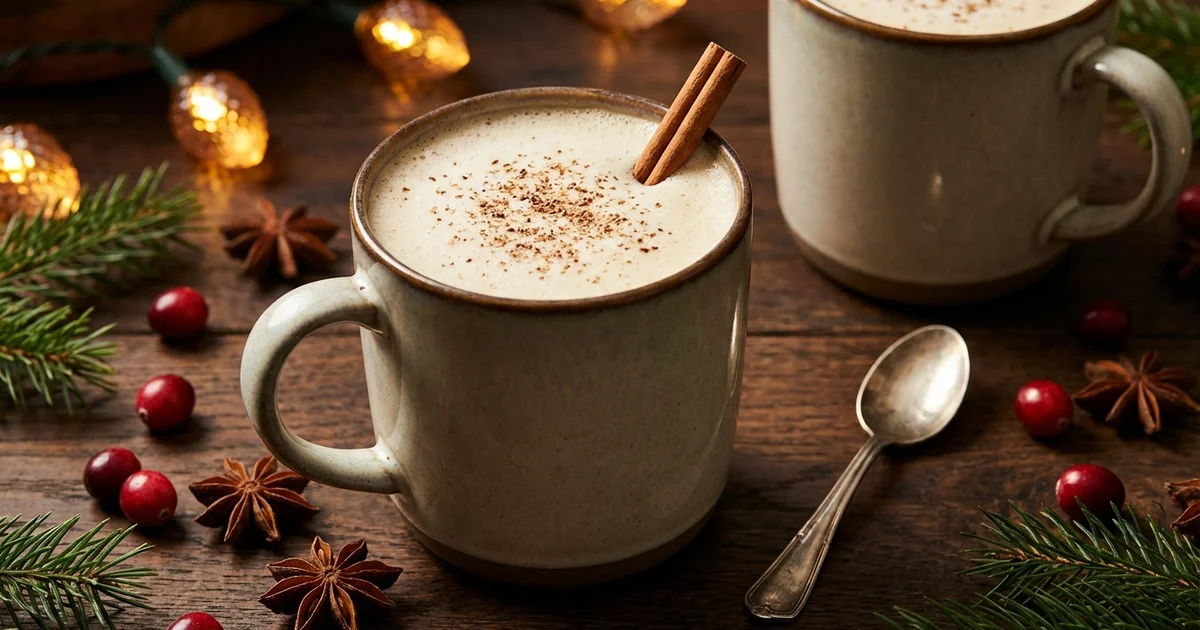
Master the authentic Tom and Jerry cocktail recipe with our complete guide. Learn Jerry Thomas's 19th-century batter technique, warm milk preparation, and why this Midwest holiday tradition is making a comeback.
Advertisement
Tom and Jerry Cocktail Recipe: America's Lost Holiday Tradition
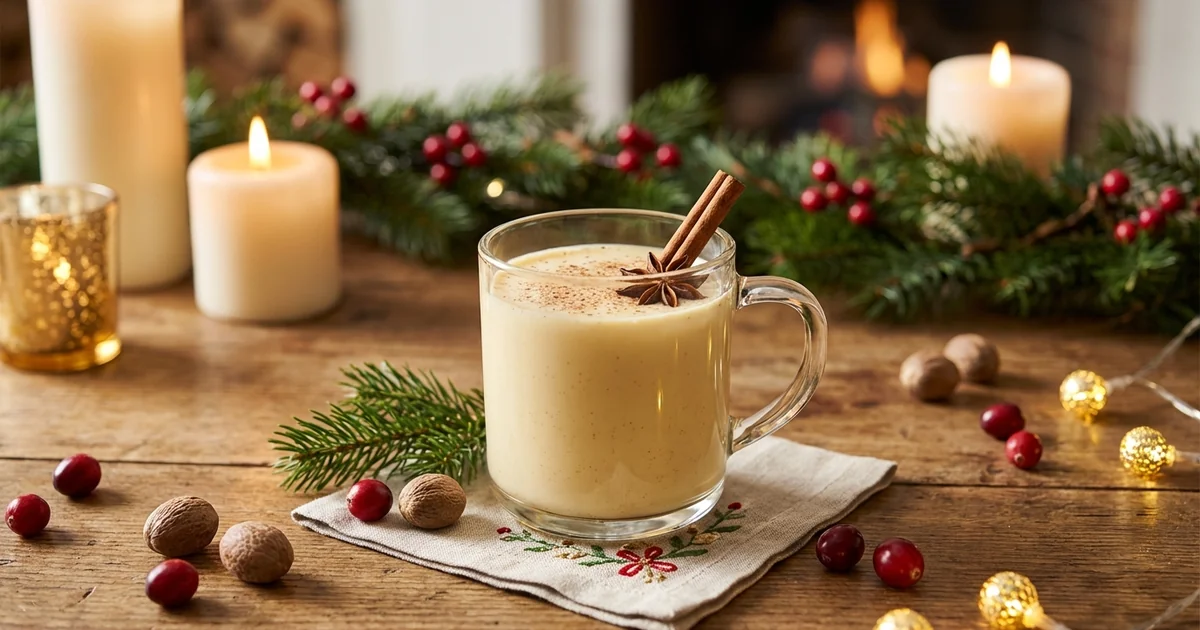
The Tom and Jerry cocktail stands as one of America's most enchanting yet nearly forgotten holiday traditions. This warm, spiced eggnog punch has graced Christmas gatherings for over 150 years, combining the richness of eggs, the warmth of rum and cognac, hot milk, and aromatic spices into a drink that embodies the spirit of winter celebration. If you're learning how to make a Tom and Jerry, you're not just mixing a cocktail—you're reviving a piece of American cocktail history that deserves its place at every holiday table.
Key Takeaways
- The Tom and Jerry cocktail was allegedly created by legendary bartender Jerry Thomas in the 1850s, though its true origins remain debated
- The signature batter requires separated eggs beaten to specific consistencies: stiff peaks for whites, thick ribbons for yolks
- Traditional recipes combine dark rum and cognac or brandy for complex warming flavor
- The drink became a cherished Midwest holiday tradition, particularly in Wisconsin and Minnesota
- Tom and Jerry sets with dedicated ceramic bowls and mugs became collectible holiday items in the mid-20th century
- The cocktail nearly disappeared in the 1980s-90s but is experiencing a revival in craft cocktail bars
Unlike its cold cousin eggnog, the Tom and Jerry is served hot, making it the perfect antidote to harsh winter weather. The preparation ritual—beating egg whites to stiff peaks, whipping yolks to ribbony perfection, folding them together with warm spices—transforms cocktail making into a ceremonial holiday activity. This isn't just a drink; it's a tradition that brings families and friends together in the spirit of the season.
The Jerry Thomas Claim: A 19th Century Mystery
The origin story of the Tom and Jerry recipe is as colorful and debated as American cocktail history itself. The most famous claim comes from Jerremiah "Jerry" Thomas, the legendary bartender who wrote the first bartender's guide in 1862, "The Bar-Tender's Guide" (also known as "How to Mix Drinks"). Thomas claimed to have invented the drink in the 1850s while working at the Planters' House hotel in St. Louis, naming it after two pet white mice he kept behind the bar—Tom and Jerry.
Like many origin stories in cocktail history, this tale is almost certainly embellished, if not entirely apocryphal. Historical evidence suggests that hot egg drinks with spirits existed in British pubs long before Thomas's supposed invention. The name "Tom and Jerry" likely references Pierce Egan's 1821 book "Life in London: The Adventures of Tom and Jerry," which was wildly popular in both England and America. The book's characters, Tom and Jerry, were known for their carousing and drinking exploits, making them fitting namesakes for a potent holiday punch.
What we can say with certainty is that Jerry Thomas popularized the drink in America and standardized its preparation in his influential bartender's guide. His recipe specified the separation and individual beating of eggs, the specific spice blend, and the rum-and-cognac combination that defines the drink to this day. Whether Thomas invented the Tom and Jerry or simply perfected it, his contribution ensured its place in American cocktail culture.
By the 1870s and 1880s, the Tom and Jerry cocktail had become synonymous with Christmas celebrations across America, particularly in colder regions where a warming drink was most appreciated. Saloons would advertise "Tom and Jerry season" beginning in late November, and ceramic Tom and Jerry bowls became as essential to holiday celebrations as Christmas trees.
The Classic Tom and Jerry Recipe
This is the authentic Tom and Jerry recipe based on Jerry Thomas's original formulation, refined over generations of holiday celebrations. The recipe makes batter for 10-12 servings, perfect for holiday gatherings.
Ingredients
For the Batter:
- 6 eggs, separated
- 1.5 cups (180g) powdered sugar (confectioner's sugar)
- 1 teaspoon ground nutmeg
- 1/2 teaspoon ground allspice
- 1/4 teaspoon ground cloves
- 1 teaspoon vanilla extract
- Pinch of salt
For Each Serving:
- 2 tablespoons Tom and Jerry batter
- 2 oz (60ml) dark rum (Jamaican or aged rum)
- 1 oz (30ml) cognac or brandy
- 4-5 oz (120-150ml) hot milk or hot water
- Fresh nutmeg for grating
Instructions
Preparing the Batter
-
Separate the eggs: Carefully separate 6 eggs, placing whites in one large, very clean bowl and yolks in another. Ensure no yolk contaminates the whites—even a trace of fat prevents proper whipping. Let both come to room temperature for 15-20 minutes; room temperature eggs whip to greater volume.
-
Beat the egg whites: Using an electric mixer or a strong whisk arm, beat the egg whites with a pinch of salt until stiff peaks form. This takes 3-4 minutes with an electric mixer. The whites should be glossy, bright white, and hold firm peaks when you lift the beater. Don't overbeat—overbeaten whites become dry and grainy.
-
Beat the egg yolks: In the separate bowl, beat the egg yolks with the powdered sugar until the mixture is thick, pale yellow, and forms ribbons when you lift the beater. This takes about 5 minutes with an electric mixer. The mixture should nearly triple in volume and look like thick cake batter.
-
Add spices and flavoring: Beat the ground nutmeg, allspice, cloves, and vanilla extract into the egg yolk mixture until thoroughly combined. The batter should be aromatic and beautifully spiced.
-
Fold the mixtures together: Using a rubber spatula, gently fold the beaten egg whites into the yolk mixture in three additions. Fold gently with a circular motion, cutting down through the center and bringing the spatula up along the side of the bowl. The goal is to maintain as much air as possible while fully combining the mixtures. The final batter should be light, fluffy, and uniform in color—like a spiced mousse.
Assembling Individual Servings
-
Warm your mugs: Preheat Tom and Jerry mugs or heat-resistant coffee mugs with hot water. This prevents thermal shock and keeps your drink hot longer.
-
Add batter: Discard the warming water and add 2 tablespoons of batter to each mug.
-
Add spirits: Pour 2 oz of dark rum and 1 oz of cognac or brandy into the mug over the batter.
-
Heat the milk: Heat whole milk (or half-and-half for extra richness) until steaming but not boiling—about 160-170°F (70-75°C).
-
Combine and stir: Pour 4-5 oz of hot milk into the mug and stir vigorously with a bar spoon or small whisk. The batter will combine with the spirits and milk, creating a frothy, custard-like consistency.
-
Garnish: Grate fresh nutmeg generously over the top. Serve immediately while hot.
The Art of Egg Preparation: Technique Matters
The success of your Tom and Jerry recipe hinges almost entirely on proper egg preparation. This isn't a cocktail where close enough is good enough—the texture and structure of the drink depend on beating the eggs correctly.
Separating Eggs Like a Pro
Cold eggs separate more easily because the yolk is firmer and less likely to break. However, room temperature eggs whip to greater volume. The solution? Separate your eggs while cold from the refrigerator, then let the separated whites and yolks warm to room temperature for 15-20 minutes before beating.
Use the three-bowl method: one for whites, one for yolks, and a third small bowl for separating each egg individually. Crack each egg over the small bowl, separate it, and transfer the white to the large bowl. This way, if a yolk breaks, you only contaminate one egg's worth of white rather than your entire batch.
Beating Egg Whites to Stiff Peaks
Egg whites are temperamental. They require:
Clean equipment: Any trace of fat (including egg yolk) prevents whites from reaching full volume. Wash and dry your bowl and beaters thoroughly. Some bartenders wipe the bowl with lemon juice or vinegar to remove any residual fat.
Room temperature: Cold egg whites don't whip as well. Let them warm for 15-20 minutes.
A pinch of salt or cream of tartar: These stabilizers help the whites hold their structure and prevent overbeating.
Patience: Start at medium speed and gradually increase to high. Beat until the whites are glossy and form stiff peaks—when you lift the beater, the peak should stand straight up without drooping. This typically takes 3-4 minutes with an electric mixer.
Don't overbeat: Overbeaten whites look dry and clumpy rather than smooth and glossy. If you overbeat, you'll need to start over—there's no fixing it.
Beating Egg Yolks to Ribbons
Egg yolks and sugar create a magical transformation when beaten properly. The mixture should:
Change color: Starting as deep yellow-orange, the yolks will pale to a light yellow as they incorporate air and emulsify with the sugar.
Increase in volume: Properly beaten yolks will nearly triple in volume, becoming thick and fluffy.
Form ribbons: When you lift the beater, the mixture should fall in thick ribbons that hold their shape on the surface for a few seconds before dissolving. This is called the "ribbon stage" and indicates proper emulsification.
Powdered sugar works better than granulated sugar because it dissolves more quickly and creates a smoother texture. Beat for at least 5 minutes—don't rush this step.
The Gentle Art of Folding
Folding is the technique that makes or breaks your Tom and Jerry batter. You've worked hard to incorporate air into both the whites and yolks—now you must combine them without deflating that precious volume.
Add the whites to the yolks in three additions. For each addition:
- Scrape about one-third of the whites onto the yolk mixture
- Using a rubber spatula, cut down through the center of the mixture
- Sweep the spatula along the bottom and up the side of the bowl
- Rotate the bowl a quarter turn and repeat
Continue this motion until no white streaks remain, but stop as soon as the mixture is uniform. Each fold deflates the batter slightly—your goal is to achieve uniformity with the minimum number of folds. The final batter should be light, fluffy, and hold soft peaks.
Rum and Cognac: The Perfect Spirit Combination
The traditional Tom and Jerry cocktail calls for a combination of dark rum and cognac or brandy. This isn't arbitrary—each spirit plays a specific role in creating the drink's complex flavor profile.
Why Dark Rum?
Dark rum provides the backbone of warmth and molasses-rich sweetness that defines the Tom and Jerry. Jamaican rums like Appleton Estate or Myers's Dark offer bold, funky flavors with notes of banana, allspice, and brown sugar that complement the spices in the batter.
Goslings Black Seal, the rum used in Dark 'n' Stormys, brings rich molasses character and warming spice notes. Mount Gay Eclipse offers a more refined, balanced profile with caramel and vanilla notes.
For an elevated version, aged rum like Diplomatico Reserva Exclusiva or Ron Zacapa 23 adds stunning complexity with notes of dried fruit, chocolate, and oak. However, these premium rums are gilding the lily—mid-shelf dark rum works beautifully in Tom and Jerrys.
Why Cognac or Brandy?
Cognac or brandy adds sophistication and grape-derived fruit flavors that lighten the drink and prevent it from becoming too heavy. The grape spirits' natural acidity cuts through the richness of eggs and milk, creating balance.
Hennessy VS or Rémy Martin VSOP are classic choices that won't break the bank. Their fruit-forward profiles with notes of apricot, pear, and vanilla complement both the rum and the spices beautifully.
E&J Brandy or Christian Brothers Brandy are budget-friendly American brandies that work well in Tom and Jerrys, though they lack the complexity of true cognac.
Apple brandy (applejack or calvados) creates an interesting variation with pronounced fruit character that's particularly festive for holiday gatherings.
The Rum-to-Cognac Ratio
The classic ratio is 2:1 rum to cognac (2 oz rum, 1 oz cognac per serving). This allows the rum's warmth and spice to dominate while the cognac adds brightness and complexity. However, you can adjust to taste:
Equal parts (1.5 oz each): Creates a more balanced, refined drink with the cognac's fruit notes more pronounced.
All rum (3 oz): Produces a bolder, more Caribbean-influenced drink. Use a high-quality aged rum if going this route.
All cognac (3 oz): Creates an elegant, lighter Tom and Jerry reminiscent of French café culture. This was popular in New Orleans.
Warm Milk Technique: Temperature and Texture
The liquid component of a Tom and Jerry drink is typically hot milk, though some recipes use hot water or a combination. The milk creates a rich, custard-like texture while adding creaminess that balances the spirits and spices.
Milk Selection
Whole milk: The standard choice, providing richness without being cloying. The fat content creates a silky texture that carries the spices beautifully.
Half-and-half: Creates an even richer, more decadent drink similar to liquid eggnog. Perfect for special occasions but can be overwhelming for more than one serving.
2% or skim milk: Works but creates a thinner, less satisfying drink. The reduced fat content means less flavor-carrying capacity.
Non-dairy alternatives: Oat milk works surprisingly well, offering creamy texture and slight sweetness. Coconut milk adds tropical notes that complement rum beautifully. Avoid almond milk—it's too thin and can curdle with the acidic spirits.
Heating to the Perfect Temperature
Milk for Tom and Jerrys should be hot but not boiling. The ideal temperature is 160-170°F (70-75°C)—hot enough to create a warming drink and help the batter dissolve, but not so hot that it cooks the eggs into scrambled bits or scalds the milk.
Stovetop method: Heat milk in a saucepan over medium heat, stirring occasionally. When steam rises steadily and tiny bubbles form around the edges (before it reaches a boil), it's ready. This takes 4-5 minutes.
Microwave method: Heat milk in a microwave-safe container in 30-second intervals, stirring between each interval. A large measuring cup with a pour spout makes this easy. Total time: 1.5-2 minutes for one cup.
Espresso machine steam wand: If you have an espresso machine, the steam wand heats milk perfectly and adds a bit of froth that enhances the drink's texture.
The Hot Water Alternative
Traditional recipes often call for hot water instead of milk, creating a lighter drink that showcases the spirits and spices more clearly. Hot water Tom and Jerrys were common in 19th-century saloons because milk was expensive and spoiled quickly.
The water version has its advocates—it's less rich, letting you enjoy multiple servings without feeling overwhelmed. The batter provides enough body and richness that milk isn't strictly necessary. Try both methods and discover your preference.
Spices: The Warm Heart of the Recipe
The spice blend in a Tom and Jerry recipe is what transforms beaten eggs and spirits into a holiday celebration. The traditional trio of nutmeg, allspice, and cloves creates warmth, complexity, and unmistakable holiday character.
The Essential Spice Trio
Nutmeg: The dominant spice in Tom and Jerrys, nutmeg provides warm, slightly sweet notes with hints of clove and pepper. Always use freshly grated nutmeg—pre-ground nutmeg has a fraction of the flavor and aroma. Grate whole nutmeg with a Microplane or dedicated nutmeg grater directly into the batter and over each finished drink.
Allspice: Despite its name, allspice is a single spice that tastes like a combination of cinnamon, nutmeg, and cloves. It adds warmth and complexity without overwhelming the other flavors. Use ground allspice in the batter.
Cloves: Powerful and pungent, cloves should be used sparingly. A quarter teaspoon in the batter is enough to add their distinctive warm, slightly bitter edge without dominating. Too much clove creates a medicinal taste.
Optional Additions
Cinnamon: Not traditional but many modern recipes include a half teaspoon of cinnamon in the batter. It adds familiar holiday warmth and pairs beautifully with rum.
Vanilla extract: A teaspoon of vanilla rounds out the spices and adds subtle sweetness and depth. Use real vanilla extract, not imitation.
Orange or lemon zest: Some recipes include finely grated citrus zest in the batter for brightness. This isn't traditional but creates an interesting variation.
The Fresh vs. Pre-Ground Debate
For the best possible Tom and Jerry, use freshly grated nutmeg and consider grinding whole allspice and cloves in a spice grinder or mortar and pestle. The difference in aroma and flavor is remarkable—freshly ground spices are exponentially more fragrant and flavorful than pre-ground versions that may have been sitting in your cabinet for months.
However, pre-ground allspice and cloves work fine if you use them within a few months of opening. Nutmeg is the one spice where fresh really matters—invest in whole nutmeg and a small grater.
Batter Storage: Making Ahead for Holiday Gatherings
One of the practical beauties of the Tom and Jerry recipe is that you can prepare the batter several hours ahead, making it perfect for holiday parties where you want to spend time with guests rather than in the kitchen.
Refrigerator Storage
Freshly made batter can be covered and refrigerated for up to 4 hours. The egg whites will deflate somewhat, but the batter will still work. Gently fold the batter a few times before using to redistribute the ingredients.
For longer storage (up to 24 hours), some recipes recommend preparing the yolk mixture and egg whites separately, refrigerating them, then folding them together shortly before serving. This maintains better texture.
Serving from Pre-Made Batter
When using refrigerated batter, let it sit at room temperature for 15-20 minutes before using. Cold batter is harder to incorporate into the spirits and hot milk. Give it a gentle fold to recombine before ladling into mugs.
The batter may appear slightly separated or looser after refrigeration—this is normal. A few gentle folds will bring it back together. Don't overmix, as this will deflate the remaining air.
The Frozen Option
Some enthusiasts freeze Tom and Jerry batter in ice cube trays, with each cube containing one serving. Pop frozen cubes directly into mugs, add spirits and hot milk, and stir vigorously. The frozen batter melts and incorporates, creating instant Tom and Jerrys.
This method is controversial—purists argue the texture suffers significantly. However, for convenience at large gatherings or for having Tom and Jerry ingredients on hand throughout the holiday season, frozen batter works in a pinch.
Traditional Tom and Jerry Bowls and Mugs
Part of the Tom and Jerry cocktail's charm is the specialized ceramic serving ware that became synonymous with the drink. In the mid-20th century, Tom and Jerry sets were as essential to American Christmas as stockings and ornaments.
The Classic Tom and Jerry Bowl
The traditional Tom and Jerry bowl is a large ceramic punch bowl, typically holding 3-4 quarts, decorated with holiday motifs and often emblazoned with "Tom and Jerry" in festive lettering. These bowls sat on holiday sideboards filled with freshly made batter, ready to be ladled into individual servings.
The bowl served both practical and social functions. Practically, the wide opening made it easy to fold the delicate batter and ladle servings. Socially, the bowl became a centerpiece of holiday hospitality—guests would gather around it, and the host would prepare drinks one by one, creating a ritual of warmth and welcome.
Vintage Tom and Jerry bowls from the 1940s-1960s are highly collectible today, produced by companies like McKee Glass, Hazel Atlas, and Fire-King. These milk glass bowls with red lettering and holiday designs evoke mid-century American Christmas nostalgia.
Tom and Jerry Mugs
The matching mugs are usually ceramic cups holding 8-10 oz, with handles to protect hands from the hot drink. They're decorated to match the bowl, creating a cohesive holiday set.
The size is important—large enough to hold a generous serving with room for the frothy top, but not so large that the drink cools before finishing. The ceramic material insulates well, keeping drinks hot longer than glass would.
Modern alternatives include Irish coffee glasses or any heat-resistant mugs, though using authentic Tom and Jerry sets adds to the experience and holiday atmosphere.
Where to Find Tom and Jerry Sets Today
Vintage sets appear regularly on eBay, Etsy, and in antique shops, often for $30-100 depending on condition and rarity. Many families pass down Tom and Jerry sets as holiday heirlooms.
New sets are harder to find but some manufacturers still produce them for the revival market. Alternatively, create your own tradition with any decorative punch bowl and matching mugs—the drink tastes just as good regardless of the vessel.
Midwest Holiday Tradition: Tom and Jerry's Regional Stronghold
While Jerry Thomas may have popularized the Tom and Jerry cocktail in the 1800s, it was the American Midwest—particularly Wisconsin and Minnesota—that made it a holiday institution in the 20th century.
Wisconsin's Tom and Jerry Culture
In Wisconsin, Tom and Jerrys became synonymous with Christmas, served at bars, VFW halls, and family gatherings throughout December. Many Wisconsin bars advertised "Tom and Jerry Season" beginning the day after Thanksgiving and continuing through New Year's.
The drink fit perfectly into Wisconsin's tavern culture and harsh winters. Bars would set out Tom and Jerry bowls, and patrons would order them throughout the evening. Some establishments became famous for their particular recipes, passing them down through generations of bartenders.
Wisconsin's strong Scandinavian and German heritage meant a culture that embraced rich, warming holiday drinks. The Tom and Jerry sat alongside glogg and spiked hot chocolate as essential cold-weather beverages.
Minnesota's Holiday Ritual
Minnesota embraced the Tom and Jerry with equal fervor. Family recipes were treasured secrets, with debates over proper technique as passionate as those over hotdish and wild rice soup.
The Twin Cities developed a particularly strong Tom and Jerry tradition, with historic bars like Nye's Polonaise Room and the Monte Carlo becoming famous for their versions. The drink was often the first thing served at Christmas gatherings, a way to warm up guests who'd braved Minnesota's brutal winter weather.
Why the Midwest?
Several factors explain the Tom and Jerry's Midwest dominance:
Weather: Long, harsh winters made warm cocktails particularly appealing. A Tom and Jerry after shoveling snow or coming in from ice fishing was pure comfort.
Dairy culture: The Midwest's dairy industry meant fresh, high-quality milk was readily available and affordable.
Tavern culture: Small-town and neighborhood bars were social centers where seasonal drinks became traditions.
Germanic/Scandinavian heritage: Cultural traditions of warm, spiced holiday drinks provided fertile ground for the Tom and Jerry to take root.
Catholic traditions: Many Midwestern communities were heavily Catholic, with prohibition against meat on Christmas Eve leading to fish fries and Tom and Jerrys at local taverns becoming the evening's entertainment.
Why It Disappeared: The Lost Decades
Despite its 19th-century origins and mid-20th-century popularity, the Tom and Jerry cocktail nearly vanished from American drinking culture by the 1980s and 1990s. Several factors contributed to its decline:
The Rise of Convenience Culture
Tom and Jerrys require effort. You must separate eggs, beat them individually to specific consistencies, fold them together, heat milk, and assemble each drink individually. In an era of instant gratification and pre-mixed cocktails, this labor-intensive preparation seemed quaint at best, burdensome at worst.
The 1970s-80s saw the rise of easy holiday alternatives: Bailey's Irish Cream (launched 1974) offered instant boozy creaminess without any preparation. Kahlua and cream, amaretto sour mixes, and bottled eggnog all provided satisfaction without the work.
Raw Egg Concerns
The 1980s brought increased awareness of salmonella risk from raw eggs. Health departments warned against consuming raw or lightly cooked eggs, particularly for children, elderly, and immunocompromised individuals.
While the Tom and Jerry batter isn't truly raw—it's cooked by the hot milk and spirits—the perception of risk scared many people away from egg-based drinks. Eggnog sales declined for similar reasons, though commercial versions were pasteurized.
Changing Drinking Patterns
The cocktail dark ages of the 1970s-90s favored sweet, simple drinks and shots. Sophisticated classics requiring technique fell out of fashion. Vodka replaced whiskey and rum as America's spirit of choice, and vodka doesn't work well in Tom and Jerrys.
The elaborate rituals of drinks like the Tom and Jerry seemed old-fashioned compared to the casual drinking culture that emerged. Holiday drinking shifted toward wine, beer, and simple mixed drinks.
The Loss of Tavern Culture
Small-town taverns and neighborhood bars—the primary keepers of Tom and Jerry tradition—declined as America suburbanized and drinking culture changed. The social institutions that had maintained the Tom and Jerry tradition disappeared or transformed.
The Revival: Craft Cocktail Renaissance
Beginning in the early 2000s, the craft cocktail movement brought renewed interest in historical drinks and classic techniques. The Tom and Jerry recipe was rediscovered by bartenders exploring pre-Prohibition cocktail books and regional drinking traditions.
Cocktail Bars Lead the Way
Pioneering craft cocktail bars like Death & Co in New York, The Violet Hour in Chicago, and Canon in Seattle began featuring Tom and Jerrys on their holiday menus. These bartenders approached the drink with the same reverence they gave to Sazeracs and Aviation cocktails.
The revival emphasized quality ingredients, proper technique, and historical accuracy. Bartenders studied Jerry Thomas's original recipes, experimented with spirit combinations, and refined the technique for modern palates.
Food Media Discovers a Forgotten Classic
Food writers and bloggers discovered the Tom and Jerry as part of the broader revival of vintage recipes and lost food traditions. Articles in Saveur, Serious Eats, and food blogs introduced the drink to new audiences as an alternative to predictable holiday beverages.
The visual appeal helped—a steaming mug topped with fresh nutmeg photographs beautifully, perfect for social media. The involved preparation became a feature rather than a bug, fitting into the slow food and artisanal movements.
Regional Tradition Meets National Interest
Midwesterners who'd grown up with Tom and Jerrys found renewed pride in their regional tradition as the rest of the country discovered it. Wisconsin and Minnesota bars that had never stopped serving them experienced increased interest.
The drink bridged generations—grandparents who remembered Tom and Jerrys from their youth could share the tradition with grandchildren discovering craft cocktails.
Modern Variations and Innovations
The revival has produced interesting innovations while respecting tradition:
Vegan Tom and Jerrys using aquafaba (chickpea liquid) instead of egg whites, creating impressive foam without eggs.
Coffee Tom and Jerrys adding espresso to the warm milk for a caffeinated twist.
Spiked hot chocolate Tom and Jerrys incorporating cocoa powder into the batter for chocolate lovers.
Bottled batter from craft producers, making preparation easier while maintaining quality.
Frequently Asked Questions
Conclusion: A Holiday Tradition Worth Reviving
The Tom and Jerry cocktail represents more than just a delicious warm drink—it embodies American holiday tradition, craft, and hospitality. From its contested 19th-century origins to its mid-century Midwest heyday, through its near-disappearance and current revival, the Tom and Jerry has survived because it delivers something special: warmth, richness, and the satisfaction of a carefully crafted drink.
Learning how to make Tom and Jerry cocktails connects you to generations of holiday celebrations. The ritual of separating eggs, beating them to perfection, folding them together, and assembling each drink individually transforms cocktail making into a ceremonial act of care for your guests. The warm, spiced, frothy result is comfort in a mug—exactly what winter celebrations call for.
Whether you're continuing a family tradition or discovering this classic for the first time, the Tom and Jerry deserves a place at your holiday table. Break out the punch bowl, crack those eggs, warm your mugs, and revive a piece of American cocktail history. Your holiday gatherings will be warmer, richer, and more memorable for it.
Here's to Jerry Thomas, to Midwest tavern keepers, to family recipes passed down through generations, and to the simple pleasure of a perfectly made Tom and Jerry on a cold winter night. Cheers, and happy holidays!
Advertisement
About Willow
Seasonal & Winter Cocktails Expert at Hero Cocktails, passionate about crafting exceptional cocktails and sharing mixology expertise.
Advertisement