Piña Colada Recipe: Official Puerto Rican Drink
Master the authentic piña colada recipe with white rum, pineapple juice, and coconut cream. Learn pro techniques, ingredient selection, and variations.
Advertisement
Close your eyes and imagine: you're on a sun-drenched beach in San Juan, warm Caribbean breeze in your hair, and a frosty glass of piña colada in your hand. Since 1978, this creamy tropical cocktail has been the official drink of Puerto Rico—and one sip explains why. The perfect piña colada recipe balances sweet pineapple, rich coconut cream, and smooth rum into liquid paradise.
Key Takeaways
- Use Coco Lopez coconut cream (not coconut milk) for authentic richness and texture
- Blend with crushed ice for frozen version or shake vigorously for traditional style
- White rum is essential—aged or spiced rum overpowers the tropical flavors
- Fresh pineapple juice makes a dramatic difference over canned or bottled
But here's the problem: most piña coladas are disappointingly thin, overly sweet, or taste nothing like the real thing. Coconut milk instead of coconut cream. Bottled pineapple juice. Wrong rum. The classic piña colada recipe seems simple, but the details make all the difference between a forgettable frozen drink and an authentic tropical masterpiece.
This comprehensive guide teaches you the authentic Puerto Rican technique for making piña coladas that rival the best beach bars in San Juan. From choosing between Coco Lopez and homemade coconut cream to mastering frozen versus shaken methods, you'll learn everything needed to create the perfect piña colada at home.
The Classic Piña Colada Recipe
Here's the authentic Puerto Rican formula that became an international sensation:
Ingredients:
- 2 oz white rum (preferably Puerto Rican style)
- 3 oz fresh pineapple juice
- 1.5 oz Coco Lopez cream of coconut
- 1.5 cups crushed ice (for frozen method)
Glassware: Hurricane glass or large goblet (16 oz)
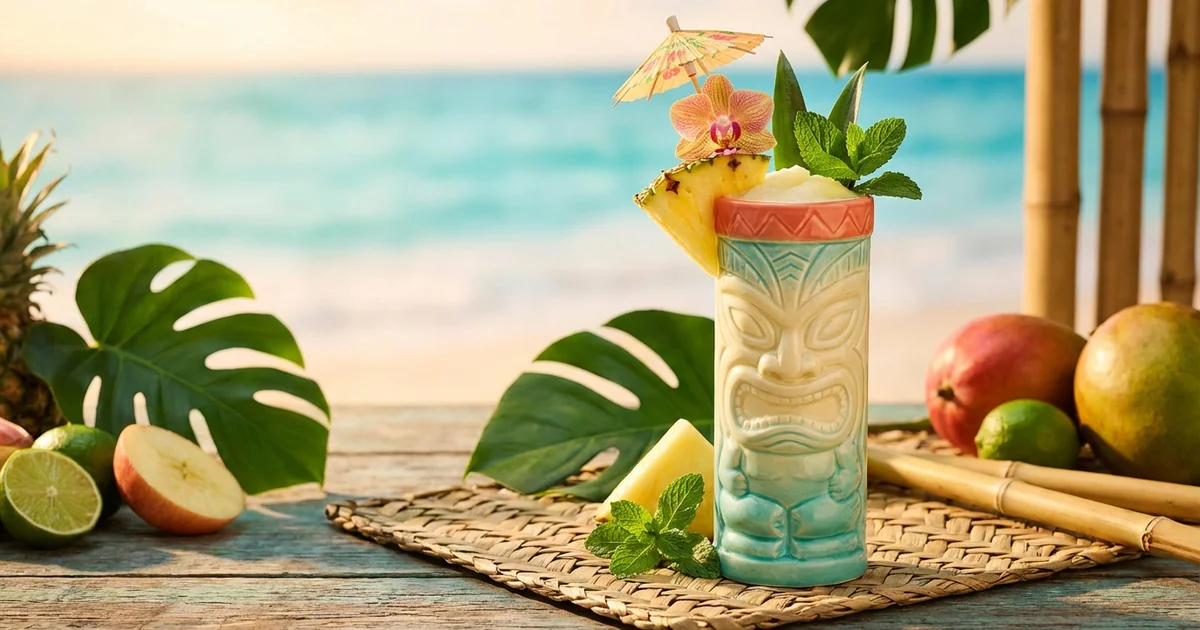
Garnish: Fresh pineapple wedge, maraschino cherry, paper umbrella (optional but iconic)
Instructions (Frozen Method):
- Gather ingredients: Measure all ingredients accurately for perfect balance
- Add to blender: Pour rum, pineapple juice, and Coco Lopez into blender
- Add ice: Use 1.5 cups crushed ice for proper frozen consistency
- Blend high speed: Process for 30-45 seconds until completely smooth
- Check texture: Should be thick like a milkshake but still pourable
- Pour immediately: Transfer to hurricane glass without delay
- Garnish generously: Add pineapple wedge on rim, cherry on top, umbrella for nostalgia
Time: 5 minutes | ABV: Approximately 8-10%
The Golden Rule: A piña colada should taste equally of pineapple and coconut, with rum providing warmth rather than dominating the flavor. Perfect balance is everything.
Frozen vs. Shaken: Which Method is Better?
The age-old debate: should you blend or shake your piña colada? Both methods have passionate advocates, and both produce excellent results when done correctly.
The Frozen Blended Method (Most Popular)
This is the version most people picture when they think piña colada recipe.
Technique:
- Combine 2 oz white rum, 3 oz pineapple juice, 1.5 oz Coco Lopez
- Add 1.5 cups crushed ice
- Blend on high for 30-45 seconds
- Pour into hurricane glass
- Garnish and serve immediately
Pros:
- Iconic frozen texture
- Stays cold longer
- Visual appeal—thick and frosty
- More refreshing in hot weather
- Easier to make multiple servings
Cons:
- Requires a blender
- Can dilute faster as ice melts
- Harder to control consistency
- Takes longer to prepare
Best For: Beach parties, poolside drinking, hot summer days, casual entertaining
The Shaken Method (Traditional)
This is actually how piña coladas were originally made in the 1950s before frozen drinks became popular.
Technique:
- Combine 2 oz white rum, 2.5 oz pineapple juice, 1.5 oz Coco Lopez in shaker
- Add large ice cubes (fill shaker 3/4 full)
- Shake vigorously for 15-20 seconds
- Strain over fresh ice in hurricane glass
- Garnish elegantly
Pros:
- Authentic to the original recipe
- Better integration of flavors
- Silkier, more elegant texture
- Easier to control dilution
- No special equipment needed
Cons:
- Not as cold as frozen version
- Less visual impact
- Coco Lopez can be harder to incorporate
- Requires vigorous shaking
Best For: Upscale bars, craft cocktail settings, when you want refined rather than casual
The Compromise: Blend and Shake
Some bartenders use a hybrid method:
- Shake rum, pineapple juice, and Coco Lopez with ice
- Strain into blender
- Add 1 cup crushed ice
- Pulse briefly (10-15 seconds) for semi-frozen texture
Result: Better flavor integration from shaking, plus the cold, refreshing texture from blending.
Pro Verdict: The frozen method is iconic and crowd-pleasing. The shaken method is more sophisticated. Choose based on your setting—poolside party versus cocktail hour.
Coconut Cream vs. Coconut Milk: The Critical Difference
This is where most homemade piña coladas go wrong. Coconut cream and coconut milk are NOT interchangeable.
Coco Lopez Cream of Coconut (The Gold Standard)
What It Is: Sweetened coconut cream with added sugar, specifically designed for cocktails.
Pros:
- Perfect consistency for piña coladas
- Pre-sweetened (no extra sugar needed)
- Smooth texture without separation
- Authentic to the original 1950s recipe
- Easy to find in most liquor stores
Cons:
- Very sweet (not to everyone's taste)
- Contains preservatives and stabilizers
- More expensive than alternatives
- Can separate in the can (requires stirring)
How to Use: Shake or stir the can before opening—the cream separates and solidifies at the top. Use 1.5 oz per cocktail.
Where to Buy: Liquor stores (cocktail mixer section), some grocery stores (Latin food aisle), Amazon
Coconut Milk (NOT Recommended)
What It Is: Unsweetened liquid extracted from grated coconut.
Why It Doesn't Work:
- Too thin for proper piña colada texture
- No sweetness (requires additional sugar)
- Flavor is less intense
- Results in watery, disappointing drinks
When to Use: Never for classic piña coladas. Save it for Thai curry.
Coconut Cream (Unsweetened) - The Craft Alternative
What It Is: Thick, concentrated coconut cream without added sugar (brands like Chaokoh, Aroy-D).
Pros:
- Control your own sweetness level
- More natural, fewer additives
- Richer coconut flavor
- Good for those who find Coco Lopez too sweet
Cons:
- Requires adding simple syrup separately
- Less convenient
- Can be harder to find
- Texture varies by brand
How to Use:
- Use 1.5 oz unsweetened coconut cream
- Add 0.5-0.75 oz simple syrup to compensate for lack of sweetness
- Shake or blend thoroughly to combine
Homemade Coconut Cream (For Purists)
Recipe:
- Refrigerate 2 cans full-fat coconut milk overnight
- Open carefully and scoop out the solid cream from the top
- Reserve liquid for other uses
- Whisk cream until smooth
- Add 2-3 tablespoons simple syrup per cup of cream
Result: Natural, fresh coconut flavor with control over sweetness.
Reality Check: It's a lot of work for marginal improvement over Coco Lopez. Most bartenders stick with the classic.
Bottom Line: For authentic piña colada recipe results, use Coco Lopez cream of coconut. It's what the original creators used, and there's a reason it became the standard.
Rum Selection: The Foundation of Your Piña Colada
The rum you choose sets the tone for your entire drink. For the perfect piña colada recipe, white rum is essential.
White/Light Rum (Essential for Piña Coladas)
Flavor Profile: Clean, subtle, slightly sweet, won't overpower tropical flavors
Puerto Rican Style (Most Authentic):
- Light body with gentle sweetness
- Smooth, approachable finish
- Traditional for piña coladas
- Examples: Bacardi Superior, Don Q Cristal, Ron del Barrilito 2 Stars
Best Brands by Budget:
Budget-Friendly ($15-25):
- Bacardi Superior: The most common choice, clean and reliable
- Don Q Cristal: Excellent Puerto Rican rum, slightly sweeter
- Cruzan Aged Light Rum: Virgin Islands rum with smooth finish
Mid-Range ($25-35):
- Flor de Caña 4 Year Extra Dry: Nicaraguan rum, crisp and balanced
- Plantation 3 Stars: Carefully blended for cocktails, complex yet approachable
- Banks 5 Island: Multi-island blend with more character
Premium ($35-50):
- Ron del Barrilito 2 Stars: Premium Puerto Rican rum, worth the splurge
- Diplomatico Planas: Venezuelan rum with subtle vanilla notes
- Probitas (Veritas): Expertly blended for classic tropical cocktails
What Rum to AVOID
Dark Rum: Too heavy and molasses-forward for piña coladas. Save it for Dark 'n' Stormys.
Spiced Rum: The added spices (cinnamon, vanilla, clove) compete with pineapple and coconut. Wrong flavor profile entirely.
Aged Rum: Beautiful for sipping, but the oak and caramel notes clash with the fresh tropical flavors.
Overproof Rum: Too strong. The high ABV overpowers the delicate balance and makes the drink harsh.
How Much Rum Should You Use?
Standard Recipe: 2 oz white rum per serving
"Virgin" Piña Colada: 0 oz (see variations below)
"Strong" Version: 2.5-3 oz rum (careful—this can overpower the coconut and pineapple)
Batch/Pitcher: 16 oz rum for 8 servings
Pro Tip: The rum should warm the drink and add subtle sweetness, not dominate. If you can taste alcohol before coconut or pineapple, you've used too much or chosen the wrong rum.
Pineapple Juice: Fresh vs. Canned
The pineapple juice you choose makes a dramatic difference in your piña colada recipe.
Fresh Pineapple Juice (Best Option)
Pros:
- Brightest, most vibrant flavor
- Natural sweetness without additives
- Impressive when entertaining
- Better nutritional value
Cons:
- Time-consuming to prepare
- Requires juicer or blender
- More expensive
- Inconsistent sweetness (depends on pineapple ripeness)
How to Make:
- Remove pineapple skin and core
- Cut into chunks
- Blend on high until liquefied
- Strain through fine-mesh sieve
- Use immediately or refrigerate up to 3 days
Yield: One medium pineapple = approximately 2-3 cups juice (8-10 cocktails)
Canned Pineapple Juice (Solid Alternative)
Pros:
- Convenient and consistent
- Available year-round
- Affordable
- Perfectly acceptable for authentic piña coladas
Cons:
- Less vibrant flavor than fresh
- Often contains added sugar
- Can have metallic aftertaste (brand-dependent)
Best Brands:
- Dole 100% Pineapple Juice: No added sugar, widely available
- Lakewood Organic: Pure pineapple, no additives
- Trader Joe's Pineapple Juice: Budget-friendly, good quality
What to Avoid: "Pineapple juice cocktail" or "pineapple drink" with high fructose corn syrup and artificial flavors.
Bottled/Refrigerated Juice (Middle Ground)
Brands Like: Naked, Tropicana, Simply Pineapple
Pros:
- Better than canned
- Convenient
- Tastes fresher
Cons:
- More expensive
- Shorter shelf life
- Still not as good as fresh
The Hybrid Method
Combine canned juice with fresh pineapple chunks:
- Use 2.5 oz canned pineapple juice
- Add 2-3 small fresh pineapple chunks to blender
- Blend together with other ingredients
Result: Convenience of canned with brightness of fresh.
Honest Assessment: Fresh pineapple juice is ideal, but high-quality canned juice (Dole 100%) is absolutely fine for excellent piña coladas. Don't let perfect be the enemy of good.
The History of the Piña Colada
The piña colada recipe has a contested origin, with multiple bartenders claiming to have invented Puerto Rico's national drink.
The 1950s Birth in San Juan
Official Story - Ramón "Monchito" Marrero (1954): According to the Caribe Hilton Hotel in San Juan, bartender Ramón "Monchito" Marrero created the piña colada in 1954 after three months of experimentation. The hotel claims this as the "official" invention.
Competing Claim - Restaurant Barrachina (1963): Barrachina restaurant in Old San Juan claims their bartender Ramón Portas Mingot invented the drink in 1963. They even have a plaque on the building proclaiming this.
Earlier Mention - Caribe Hilton Beachcomber Bar (1952): Some historians point to mentions of a similar drink called "piña colada" served at the Caribe Hilton as early as 1952, two years before Marrero's credited invention.
The Name: "Piña Colada" Translation
Spanish Translation: "Strained pineapple"
- Piña = Pineapple
- Colada = Strained
The name likely refers to the process of straining fresh pineapple juice, though modern recipes don't always strain.
The Coco Lopez Connection (1954)
What's undisputed: the invention of Coco Lopez cream of coconut in 1954 by Don Ramón López-Irizarry made the modern piña colada possible.
Before Coco Lopez: Bartenders had to crack fresh coconuts and extract cream—time-consuming and inconsistent.
After Coco Lopez: Standardized coconut cream in a can revolutionized tropical cocktails.
Impact: Coco Lopez became synonymous with piña coladas, and the drink's popularity exploded worldwide.
Cultural Icon Status
1978: Puerto Rico declares the piña colada its official national drink.
1979: The song "Escape (The Piña Colada Song)" by Rupert Holmes reaches #1 on Billboard Hot 100, cementing the drink in pop culture.
1980s-1990s: Piña coladas become the ultimate symbol of tropical vacation and carefree beach life.
Today: Despite changing cocktail trends, the piña colada remains one of the world's most popular tropical drinks.
Historical Truth: We may never know who truly invented the piña colada, but we can thank Puerto Rican bartenders and Coco Lopez for creating a timeless classic.
Variations: Beyond the Classic Piña Colada
Once you've mastered the classic piña colada recipe, these creative variations offer delicious alternatives.
Virgin Piña Colada (Non-Alcoholic)
Recipe:
- 0 oz rum (omit completely)
- 4 oz pineapple juice (increase from 3 oz)
- 1.5 oz Coco Lopez
- 1.5 cups crushed ice
- Optional: 0.5 oz coconut water for added complexity
Perfect For: Kids, designated drivers, daytime drinking, pregnant guests
Pro Tip: Add a splash of pineapple-coconut sparkling water for effervescence and interest.
Dirty Piña Colada (Coffee Twist)
Recipe:
- 1.5 oz white rum
- 0.5 oz dark rum (adds depth)
- 2.5 oz pineapple juice
- 1.5 oz Coco Lopez
- 0.5 oz Kahlúa or cold brew coffee
- 1.5 cups crushed ice
Flavor: Tropical with subtle coffee undertones, perfect for brunch
Garnish: Coffee beans and pineapple wedge
Miami Vice (Piña Colada + Strawberry Daiquiri)
Recipe:
- Make strawberry daiquiri layer: Blend 2 oz white rum, 4 oz strawberries, 1 oz lime juice, 0.5 oz simple syrup, 1 cup ice
- Make piña colada layer: Classic recipe above
- Layer in glass: Pour strawberry into one side, piña colada into other side simultaneously
- Create divide: The two should meet in the middle with minimal mixing
Visual Impact: Stunning red-and-white swirl, Instagram-worthy
Taste: Best of both worlds—fruity strawberry meets tropical coconut
Lava Flow (Piña Colada + Strawberry)
Recipe:
- Blend classic piña colada
- Blend 4 oz fresh strawberries separately until smooth
- Pour piña colada into glass
- Drizzle strawberry puree over the top
- Let it "flow" down like lava
Origin: Hawaiian variation, popular in Maui and Kauai
Presentation: Dramatic visual effect as red strawberry cascades through white coconut
Chi Chi (Vodka Piña Colada)
Recipe:
- Replace 2 oz white rum with 2 oz vodka
- Follow classic recipe otherwise
When to Use: For guests who prefer vodka over rum, or when you're out of rum
Taste Difference: Cleaner, less sweet, more neutral spirit flavor
Amaretto Colada (Italian-Tropical Fusion)
Recipe:
- 1.5 oz white rum
- 0.5 oz amaretto liqueur
- 3 oz pineapple juice
- 1.5 oz Coco Lopez
- 1.5 cups crushed ice
Flavor: Almond-coconut with tropical pineapple, surprisingly sophisticated
Garnish: Toasted sliced almonds on rim
Blue Hawaiian (Piña Colada's Cousin)
Recipe:
- 1.5 oz white rum
- 0.5 oz blue curaçao
- 2 oz pineapple juice
- 1 oz Coco Lopez
- 1.5 cups crushed ice
Difference: Blue curaçao adds orange flavor and electric blue color
Visual: Stunning tropical blue, perfect for themed parties
Piña Colada Float
Recipe:
- Make classic frozen piña colada
- Pour into hurricane glass
- Top with 1-2 scoops coconut or vanilla ice cream
- Garnish with pineapple and cherry
Dessert Drink: Indulgent, thick, sweet—perfect after-dinner treat
Variation Philosophy: The classic is perfect as-is, but these variations keep things interesting for repeat entertaining or when you want to impress guests with something different.
Pro Tips for Perfect Piña Colada Texture
Getting the texture right separates amateur piña coladas from professional-quality drinks.
The Ice Rule
For Frozen Method:
- Use 1.5 cups crushed ice (not cubed)
- Crushed ice blends smoother and faster
- Add ice last to prevent over-dilution during measuring
- Blend immediately after adding ice
For Shaken Method:
- Use large ice cubes (not crushed)
- Fill shaker 3/4 full
- Shake vigorously for 15-20 seconds minimum
- Strain over fresh ice (never reuse shaking ice)
Blender Technique
Power Matters: Use high-powered blender (Vitamix, Blendtec) for smoothest texture. Weaker blenders leave icy chunks.
Blending Time:
- 30 seconds: Standard blending time for most blenders
- 45 seconds: For weaker blenders or if you prefer extra smooth
- DO NOT over-blend: Past 60 seconds, you're just melting ice and making it watery
Pulse First: Pulse 3-4 times to break up ice, then blend continuously on high.
The Sound Test: When the sound changes from chunky grinding to smooth whirring, it's done.
Consistency Benchmarks
Too Thick:
- Won't pour from glass
- Sticks to sides of blender
- Fix: Add 1 oz pineapple juice or a few ice cubes, blend briefly
Too Thin:
- Pours like juice
- Separates quickly
- No frozen texture
- Fix: Add 1/4 cup crushed ice, blend again
Perfect:
- Pours smoothly but slowly
- Thick like a milkshake
- Holds garnish upright
- Creamy, no icy chunks
- Slightly mounded in glass
Temperature Control
Pre-chill Ingredients:
- Refrigerate pineapple juice overnight
- Keep Coco Lopez at room temperature (easier to blend)
- Freeze rum for 2 hours (won't fully freeze due to alcohol)
Pre-freeze Glass:
- Place hurricane glass in freezer 30 minutes before serving
- Keeps drink colder longer
- Creates attractive frost on outside
Serve Immediately:
- Frozen piña coladas begin melting within 5 minutes
- Don't make ahead—blend right before serving
- If you must wait, keep in freezer (stir before serving)
Common Texture Problems
Problem: Icy, Chunky Texture
- Cause: Not blended long enough or weak blender
- Fix: Blend 15 more seconds, or use smaller ice pieces
Problem: Separated Layers
- Cause: Coco Lopez not fully incorporated
- Fix: Shake Coco Lopez can before measuring, blend longer
Problem: Foamy Top
- Cause: Over-blending or too much air introduced
- Fix: Let foam settle 30 seconds before pouring, or skim off
Problem: Watery After 5 Minutes
- Cause: Too much ice or drink too warm to start
- Fix: Pre-chill ingredients, use frozen glass, serve immediately
Texture Truth: The perfect piña colada is thick enough to support a garnish but thin enough to sip through a straw without effort. Practice makes perfect.
Frequently Asked Questions
Piña Colada Serving and Pairing Ideas
Best Time of Day: Mid-afternoon to early evening (2-6 PM), or as a dessert cocktail
Food Pairings:
- Grilled fish tacos with mango salsa
- Coconut shrimp with sweet chili sauce
- Jerk chicken skewers
- Fresh fruit platter (pineapple, mango, papaya)
- Ceviche or poke bowls
- Key lime pie or coconut cake
Occasions:
- Beach parties and poolside gatherings
- Tropical-themed events (luau, Caribbean party)
- Summer BBQs and cookouts
- Cruise ship formal nights
- Bachelorette parties
- Cinco de Mayo or Puerto Rican cultural celebrations
Presentation Tips:
- Use hurricane glasses or large goblets for authentic look
- Freeze glasses 30 minutes before serving
- Make garnish generous—big pineapple wedge, bright cherry
- Serve with thick straws (paper straws can get soggy)
- Add paper umbrellas for nostalgic tropical vibes
- Present on cocktail napkins (condensation will drip)
Batch Serving for Parties: For 8 servings:
- 16 oz white rum
- 24 oz pineapple juice
- 12 oz Coco Lopez
- Blend in batches (most blenders can't handle full volume)
- Make 2-3 drinks at a time as guests arrive
- Keep liquid base refrigerated, add ice when blending
For a complete guide to pairing cocktails with food and creating a full tropical drink menu, explore our summer cocktails guide.
For more rum-based tropical cocktails, check out our rum cocktails guide.
Master Tropical Cocktails
Join our tiki cocktail workshop and learn professional techniques from expert bartenders
Reserve Your SpotFinal Thoughts: The Art of the Perfect Piña Colada
The piña colada's enduring appeal isn't just about its sweet, tropical flavor—it's about pure escapism. One sip transports you to a Caribbean beach, even if you're mixing it in your kitchen on a Tuesday night. Since becoming Puerto Rico's official drink in 1978, the piña colada recipe has remained remarkably unchanged, a testament to its perfect balance.
Master the fundamentals: quality white rum (preferably Puerto Rican), Coco Lopez cream of coconut, fresh or high-quality canned pineapple juice, and proper blending technique. Don't substitute coconut milk for coconut cream. Don't use spiced or dark rum. Don't over-blend. These simple rules separate authentic piña coladas from disappointing imitations.
The frozen method delivers iconic frosty texture and maximum refreshment. The shaken method offers elegance and sophistication. Both are "correct"—choose based on your mood and setting.
Once you've perfected the classic, explore the variations: virgin versions for family gatherings, Miami Vice for visual drama, or dirty piña coladas for coffee lovers. But always return to the original—the simple combination that made Puerto Rico proud and inspired a #1 hit song.
Now you have everything needed to create authentic, delicious piña coladas at home. All that's left is to gather your ingredients, fire up the blender, and let that first frozen sip transport you straight to the beaches of San Juan.
¡Salud y buen provecho! (Cheers and bon appétit!)
Tags:
Advertisement
About Kai
Tiki & Tropical Specialist at Hero Cocktails, passionate about crafting exceptional cocktails and sharing mixology expertise.
Advertisement