Cocktail
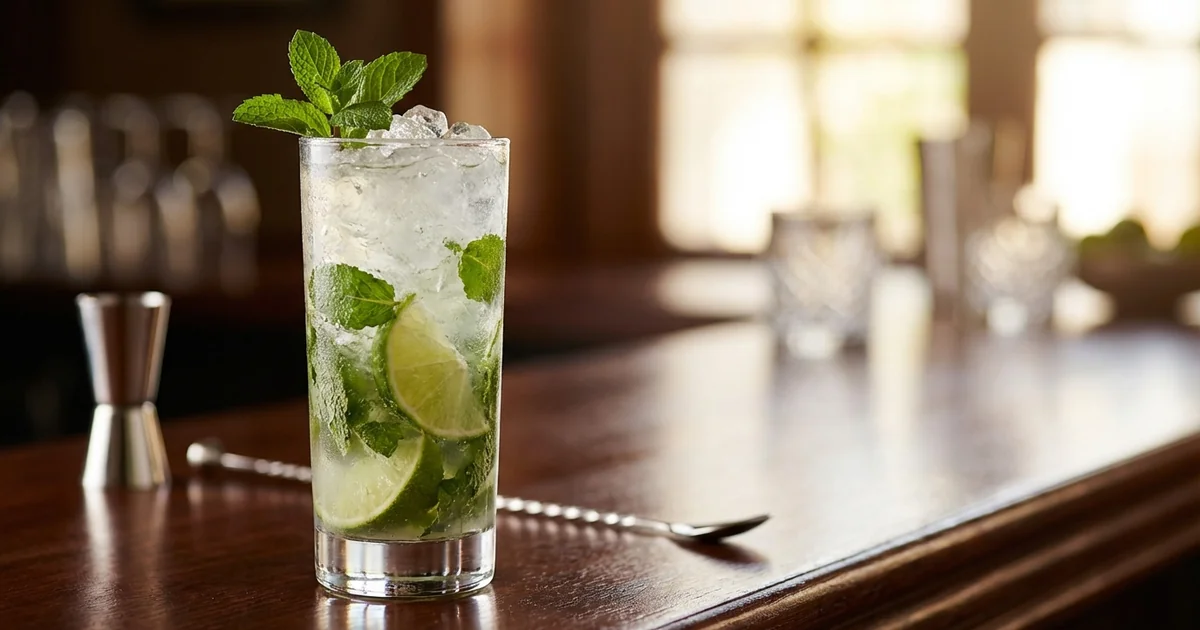
Mojito
Il Mojito è un cocktail rinfrescante originario di Cuba, preparato con rum bianco, zucchero di canna, lime fresco, menta e acqua frizzante. Questa bevanda è perfetta per le calde giornate estive, grazie al suo sapore vivace e aromatico. Con il suo equilibrio di dolcezza, acidità e freschezza, il Mojito è un classico intramontabile.
- mentolato
- agrumato
- rinfrescante
- dolce
- Prep Time
- 3 min
- Glass
- Highball glass
- Difficulty
- Easy
- ABV
- 11%
- Yields
- 1 serving
Il Mojito è un cocktail con rum protagonista, pronto in 3 minuti. Il risultato: sapori mentolato and agrumato che valgono ogni minuto di preparazione. Costantemente tra le ricerche più popolari per "festa".
Key Takeaways
What you’ll learn
- Gently muddle mint leaves — only 3–4 presses — to release aromatic oils without breaking cell walls and releasing bitter chlorophyll.
- Use white rum, fresh lime juice, and real cane sugar or simple syrup for authentic Cuban flavor.
- Build directly in the glass for proper dilution and layered presentation; add soda water last and stir only once.
- Quality ingredients make the difference — fresh lime juice and fresh mint are non-negotiable for a proper mojito.
- Master the classic before experimenting with fruity variations like strawberry, pineapple, or coconut.
Advertisement
Ingredients
- Serves
- 1 serving
- Glass
- Highball glass
- Prep
- 3 min
- 2-3 ozLight rum
- Juice of 1Lime
- 2 tspSugar
- 2-4Mint
- Soda water
Method
Preparation
- 01
Ecco la traduzione delle istruzioni in italiano:
- 02
"Schiaccia le foglie di menta con zucchero e succo di lime. Aggiungi un po' di acqua frizzante e riempi il bicchiere con ghiaccio tritato. Versa il rum e completa con acqua frizzante. Guarnisci e servi con una cannuccia."
Origin
History & Origins
The mojito is more than just a cocktail — it is a liquid postcard from 1950s Havana. This Cuban classic, beloved by Ernest Hemingway and beachgoers worldwide, perfectly balances fresh mint, tangy lime, and smooth white rum with just the right amount of fizz. Its roots stretch back centuries into Cuban drinking culture, with some historians tracing a proto-mojito to a medicinal drink called "El Draque," named after English privateer Sir Francis Drake, who reportedly mixed aguardiente with mint, lime, and sugar during his 16th-century Caribbean voyages.
The modern mojito as we know it crystallized in 1930s Havana, where it became the signature drink of La Bodeguita del Medio, a small bar on a narrow Havana street that opened in 1942. Ernest Hemingway, who lived in Cuba for much of the 1940s and 1950s, became the mojito's most famous ambassador. According to bar legend, he scrawled on the wall of La Bodeguita: "My mojito in La Bodeguita, my daiquiri in El Floridita" — though historians debate whether he wrote those exact words. What is certain is that Hemingway preferred his mojitos with minimal sugar and extra rum, a variation that some call the "Papa Doble" approach.
According to bar legend, he scrawled on the wall of La Bodeguita: "My mojito in La Bodeguita, my daiquiri in El Floridita" — though historians debate whether he wrote those exact words.
For much of the 20th century, the mojito remained largely a Cuban and Caribbean drink. Its global spread accelerated dramatically in the 1990s and 2000s, helped in part by tourism to Cuba and the growing craft cocktail movement that valued fresh ingredients and classic technique. Today it ranks among the world's most ordered cocktails, a testament to how a handful of simple ingredients — white rum, lime, mint, sugar, and soda — can create something universally refreshing and endlessly satisfying.
Advertisement
Bartender’s Insight
Pro Tips
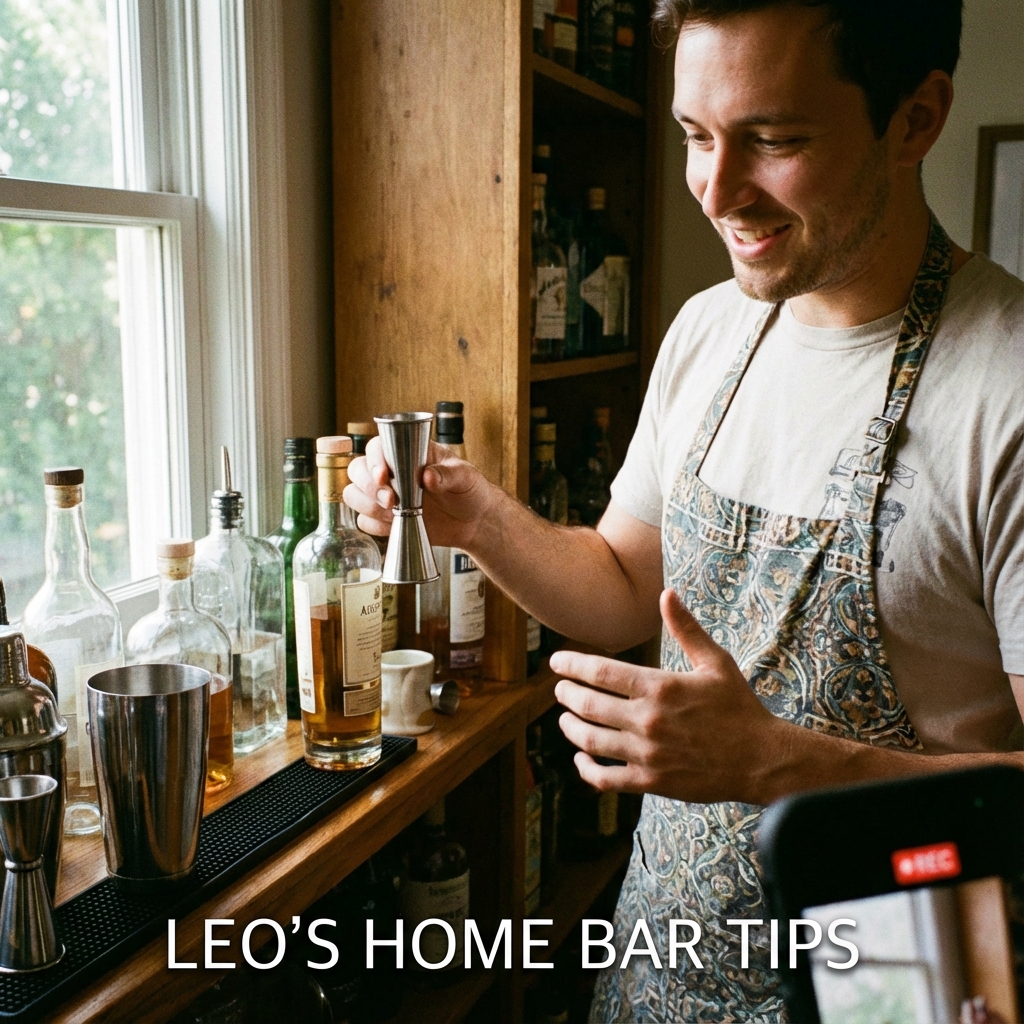
Pestare delicatamente la menta per rilasciare gli oli senza ammaccare le foglie
From Leo
Usa rum bianco per il miglior sapore
Succo di lime fresco essenziale
Completare con soda, non servire mai solo agitato
At the Table
Perfect Pairings
Beyond the Classic
Variations
Virgin Mojito
Versione analcolica perfetta per tutte le età
Strawberry Mojito
Aggiunge fragole fresche per le note fruttate
Pineapple Mojito
Incorpora succo d'ananas per la dolcezza tropicale
Watch
See it in action
Questions
Frequently Asked
- The Mojito has a flavor profile that is mentolato, agrumato, rinfrescante, dolce. It is crafted to balance these characteristics into a harmonious, satisfying drink that appeals to a wide range of palates.
- The Mojito is ideal for feste estive, cene con amici, eventi all'aperto. Its flavor profile and presentation make it a versatile choice that works equally well as a social cocktail or a relaxed evening drink.
- Yes, there are several ways to adapt a Mojito. If you cannot source Light rum, look for a similar alternative that matches its flavor profile. Keep in mind that substitutions may alter the balance of the cocktail, so start with a smaller quantity and adjust to taste. The variations section above lists popular alternatives bartenders use.
- Some of the most popular Mojito variations include Virgin Mojito, Strawberry Mojito, Pineapple Mojito. Each variation puts a unique twist on the original recipe while retaining the essential character of the classic cocktail.
- The Mojito is traditionally served in a Highball glass. Using the right glassware is important because it affects the aroma, temperature retention, and overall drinking experience. If you do not have a Highball glass on hand, a similar shaped glass will work.
- Yes, a mocktail version of the Mojito is possible. Replace the base spirit with a non-alcoholic spirit alternative (there are many quality options available) and keep all other components the same. The result will capture much of the original's flavor profile while being suitable for guests who prefer alcohol-free options.
Other Rum Cocktails
Bounty Hunter
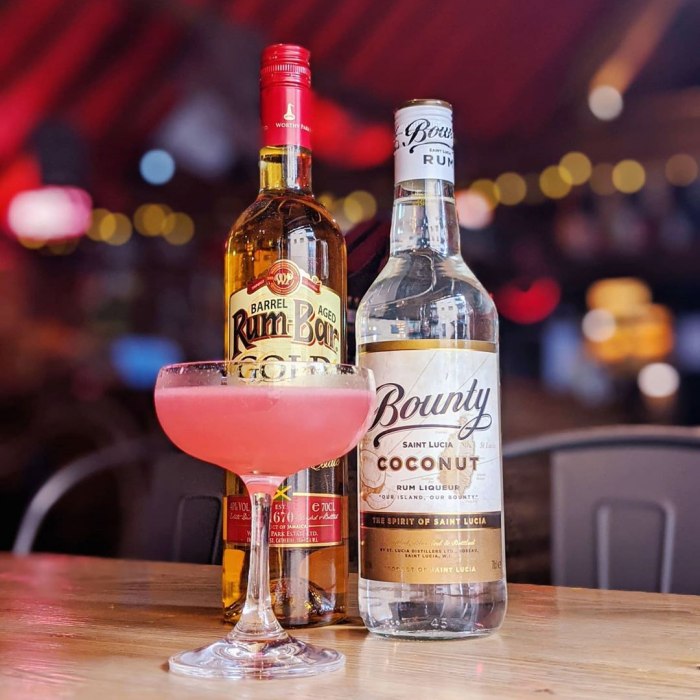
Il cocktail "Bounty Hunter" è un'esplosione di sapori tropicali che combina rum, succo di ananas e un tocco di lime fresco. Decorato con una fetta di ananas e una ciliegina, evoca l'atmosfera delle isole esotiche e delle avventure in mare. Perfetto per chi cerca un'esperienza rinfrescante e avventurosa in ogni sorso.
Frozen Daiquiri
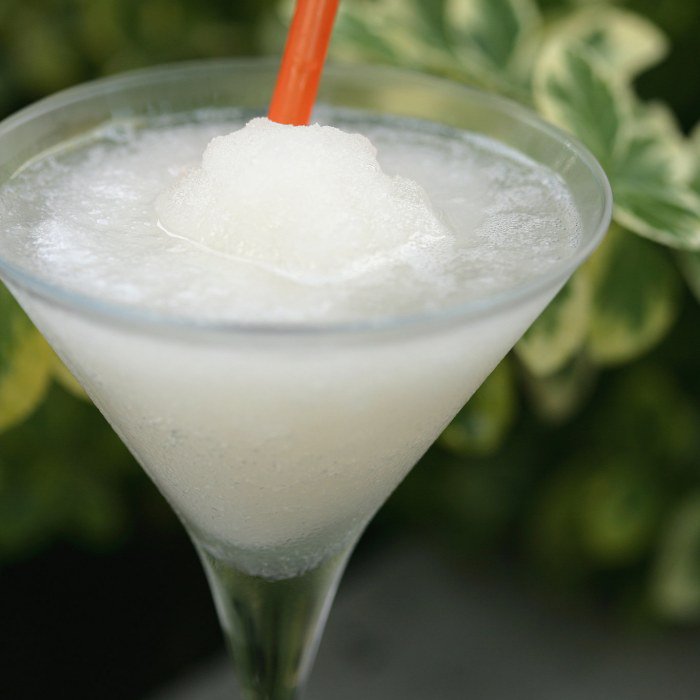
Il Frozen Daiquiri è un cocktail rinfrescante e fruttato, perfetto per le calde giornate estive. Preparato con rum bianco, succo di lime fresco e ghiaccio tritato, offre un'esperienza di gusto unica e ghiacciata, ideale per chi cerca un drink dal sapore tropicale. La sua consistenza cremosa e il profumo agrumato lo rendono un classico intramontabile.
Casa Blanca
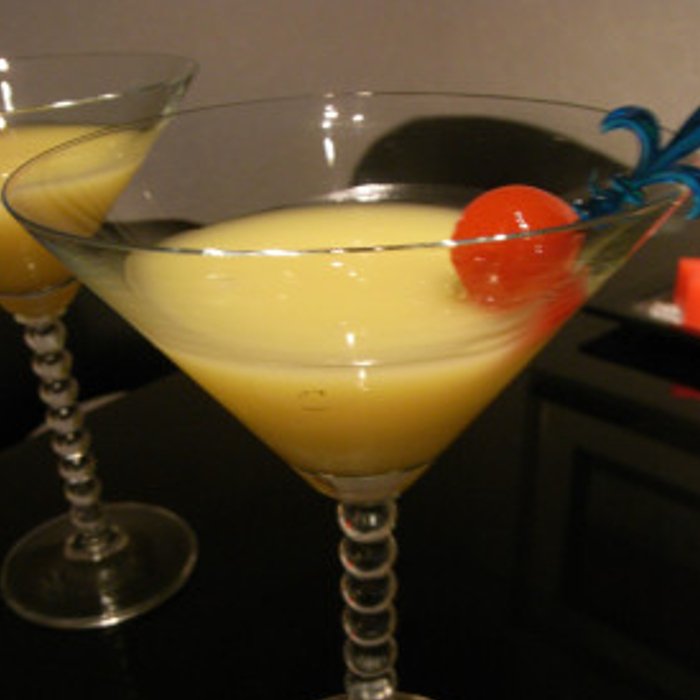
Il cocktail Casa Blanca è una deliziosa miscela di rum bianco, succo di lime fresco e sciroppo di agave, perfetto per rinfrescare il palato. La sua combinazione di sapori dolci e agrumati lo rende ideale per una serata estiva. Servito in un bicchiere elegante, è un vero e proprio invito a sognare le atmosfere esotiche.
Bacardi Cocktail
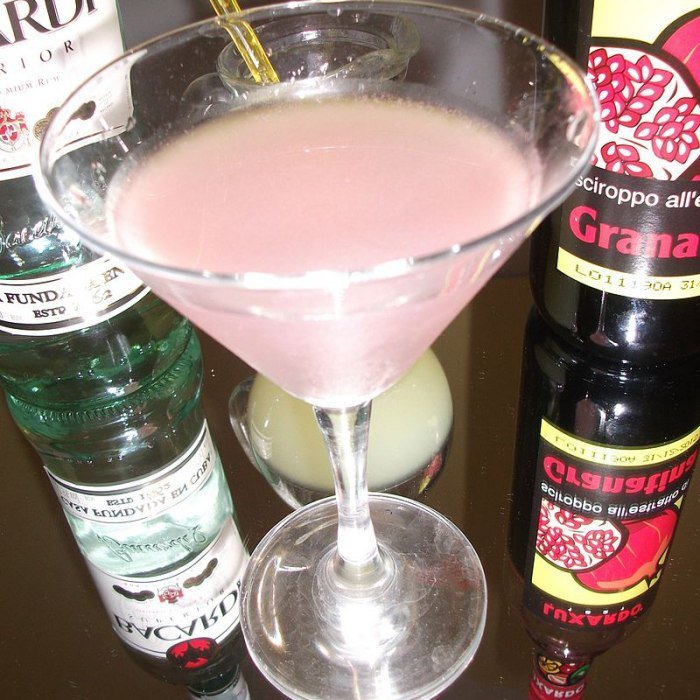
Il Bacardi Cocktail è un classico drink rinfrescante a base di rum Bacardi, succo di lime e sciroppo di granatina. Questa combinazione di sapori crea un equilibrio perfetto tra dolcezza e acidità, rendendolo ideale per un aperitivo estivo. Servito in un bicchiere da cocktail, è un simbolo di eleganza e convivialità.
Other feste estive Cocktails
Vodka Tonic
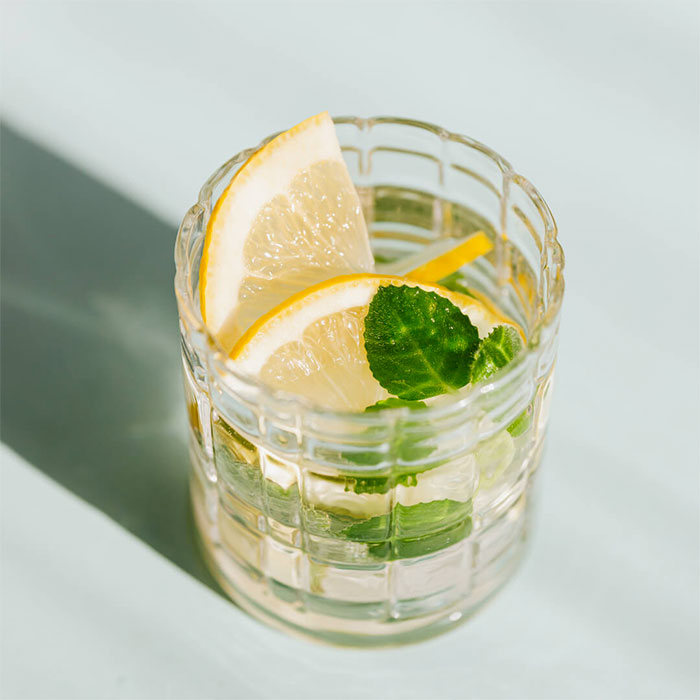
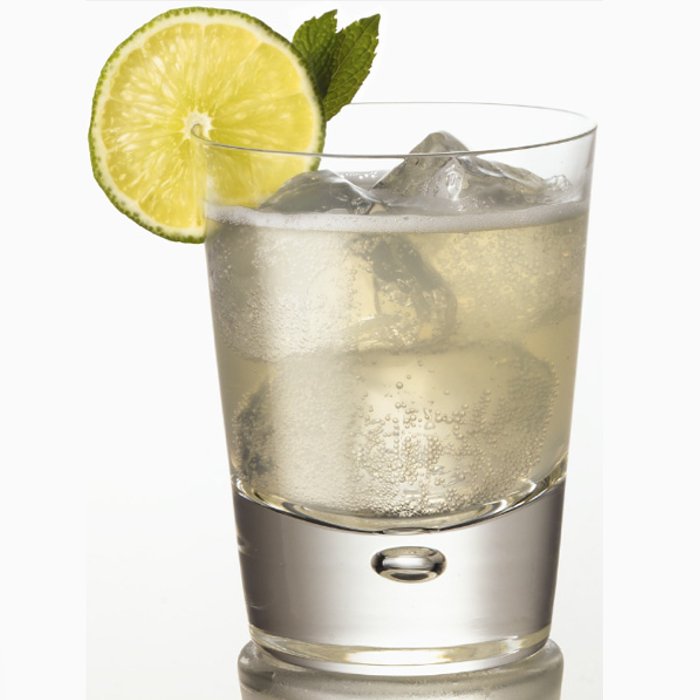
Il Vodka Tonic è un cocktail rinfrescante e semplice, perfetto per ogni occasione. Composto da vodka di alta qualità e acqua tonica, è servito con una fetta di limone o lime per un tocco di freschezza. Questo drink è ideale per chi cerca un sapore leggero e dissetante.
Kool-Aid Shot
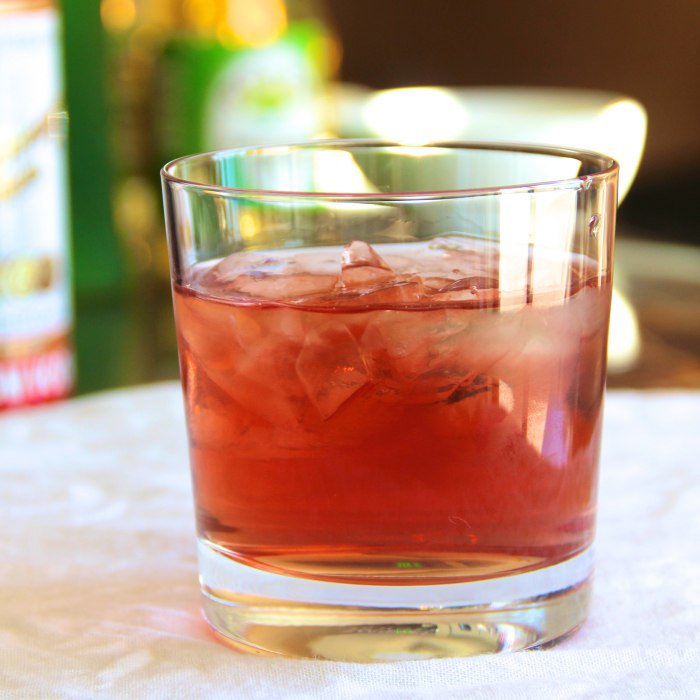
Il Kool-Aid Shot è un cocktail vivace e colorato che combina il gusto dolce e fruttato della famosa bevanda in polvere con un tocco alcolico. Perfetto per feste e celebrazioni, questo drink è servito in piccole porzioni, offrendo un'esperienza di gusto divertente e rinfrescante. La sua preparazione semplice e il suo aspetto accattivante lo rendono un favorito tra i giovani.
Bounty Hunter
Il cocktail "Bounty Hunter" è un'esplosione di sapori tropicali che combina rum, succo di ananas e un tocco di lime fresco. Decorato con una fetta di ananas e una ciliegina, evoca l'atmosfera delle isole esotiche e delle avventure in mare. Perfetto per chi cerca un'esperienza rinfrescante e avventurosa in ogni sorso.
Rail Splitter
Il Rail Splitter è un cocktail rinfrescante e audace, perfetto per gli amanti dei sapori intensi. Combinando bourbon, succo di limone fresco e sciroppo d'acero, offre un equilibrio unico tra dolcezza e acidità, evocando l'atmosfera rustica delle foreste americane. Servito con ghiaccio e una fetta di limone, è un vero piacere per il palato.
Similar Flavor Profiles
Bacardi Cocktail
Il Bacardi Cocktail è un classico drink rinfrescante a base di rum Bacardi, succo di lime e sciroppo di granatina. Questa combinazione di sapori crea un equilibrio perfetto tra dolcezza e acidità, rendendolo ideale per un aperitivo estivo. Servito in un bicchiere da cocktail, è un simbolo di eleganza e convivialità.
The Jimmy Conway
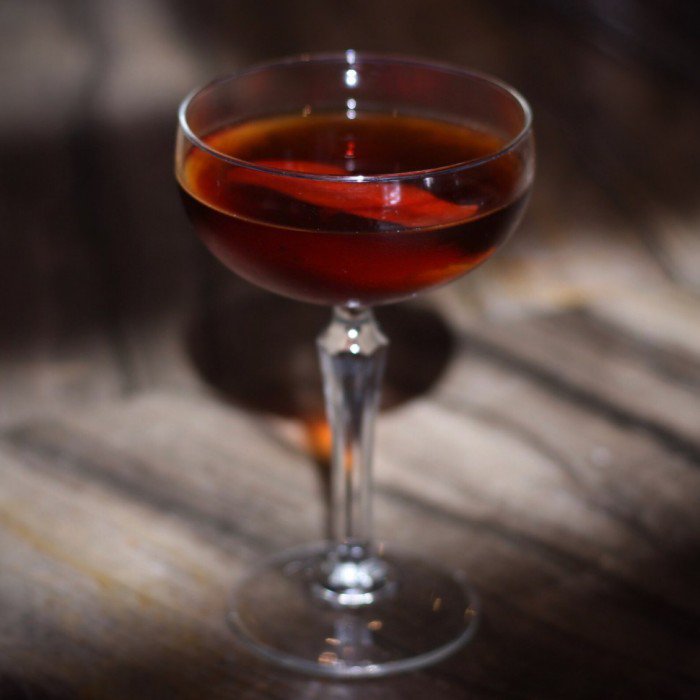
Il cocktail "The Jimmy Conway" è un mix raffinato di sapori che combina bourbon, vermouth dolce e un tocco di bitter all'arancia. Servito in un bicchiere da cocktail, è guarnito con una scorza d'arancia per esaltare il suo profilo aromatico. Perfetto per una serata elegante, questo drink è un omaggio al famoso personaggio del cinema.
Cherry Electric Lemonade
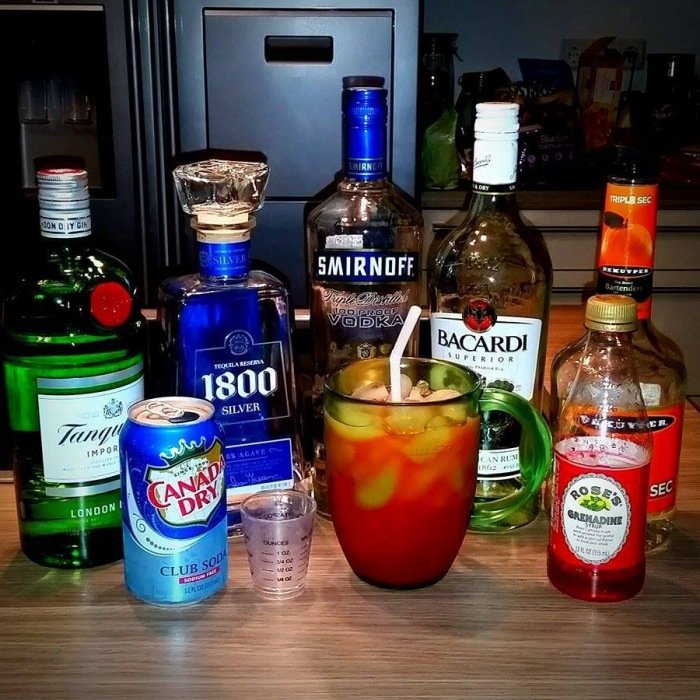
Il 'Cherry Electric Lemonade' è un cocktail vivace e rinfrescante che combina il dolce sapore delle ciliegie con il tang della limonata. Servito con ghiaccio e una spruzzata di soda, questo drink colorato è perfetto per le serate estive e porta un tocco di energia e freschezza a ogni sorso.
Orangeade
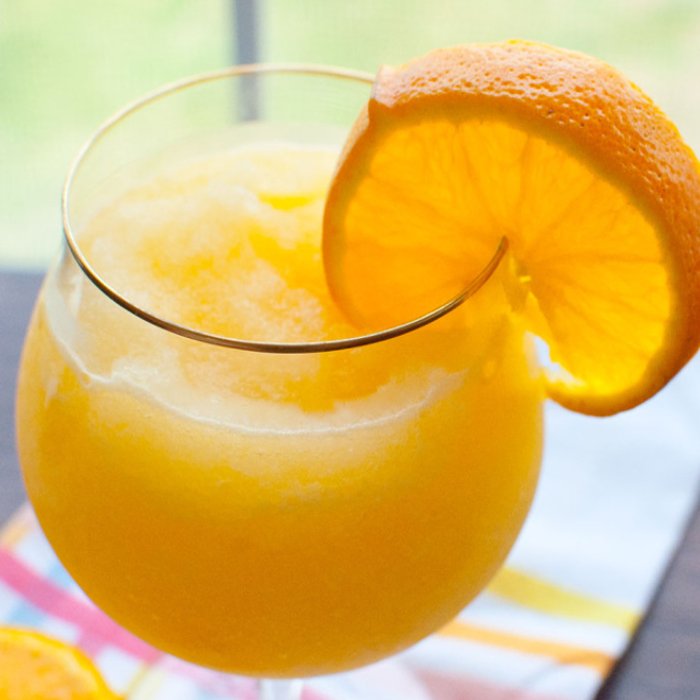
L'Orangeade è un cocktail rinfrescante e fruttato, perfetto per le calde giornate estive. Preparato con succo d'arancia fresco, soda e un tocco di gin o vodka, offre un equilibrio ideale tra dolcezza e acidità. Servito con ghiaccio e una fetta d'arancia, è una bevanda vivace che conquista al primo sorso.
Advertisement