Ordinary Drink
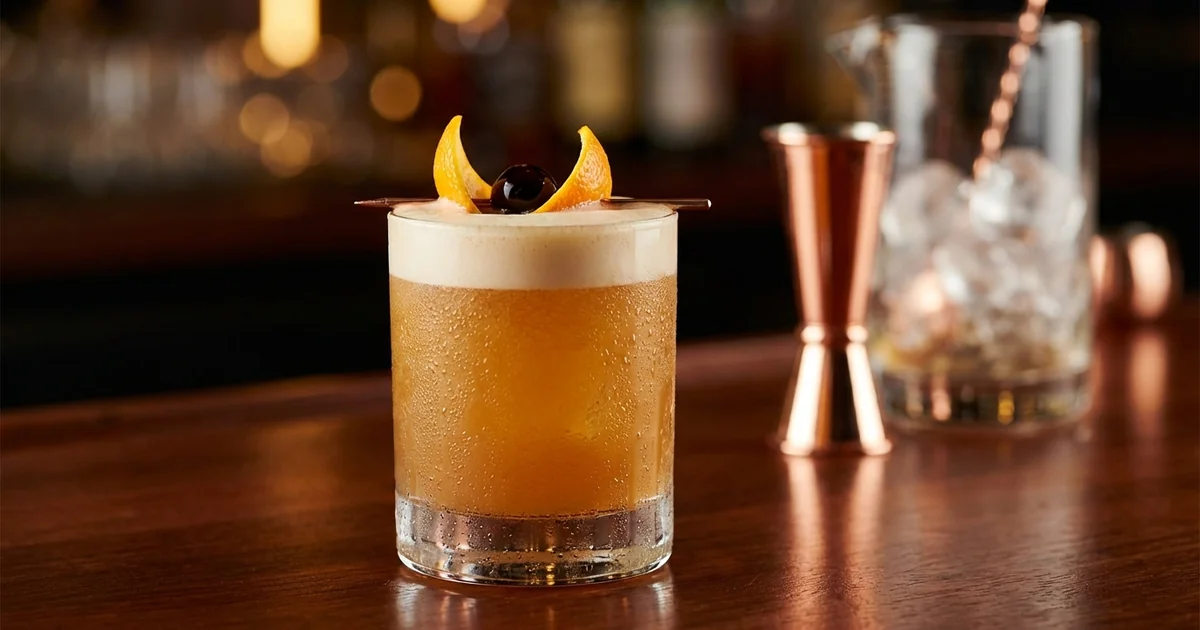
Whiskey Sour
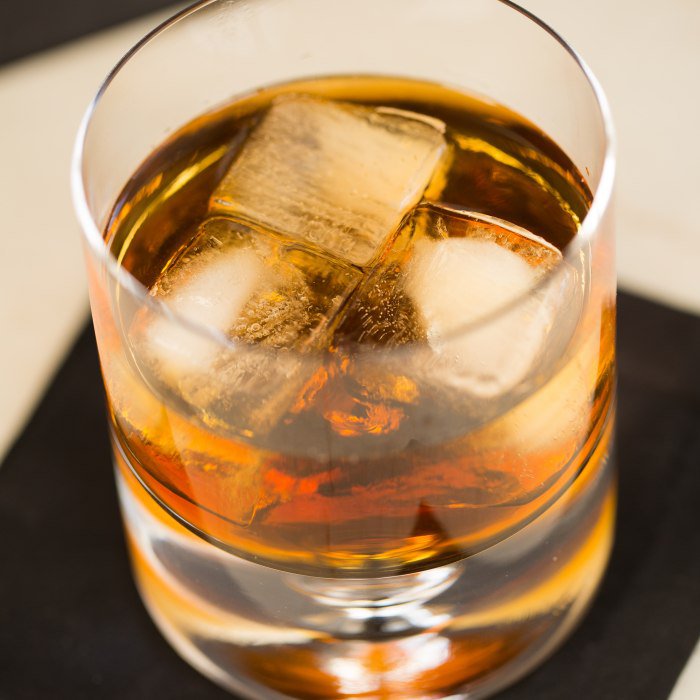
Il Whiskey Sour è un cocktail classico a base di whiskey, succo di limone fresco e sciroppo di zucchero, che crea un perfetto equilibrio tra dolcezza e acidità. Servito generalmente con ghiaccio e guarnito con una fetta di limone o una ciliegina, è una bevanda rinfrescante e dal sapore avvolgente. Questo drink è ideale per chi ama i cocktail robusti ma ben bilanciati.
- aspro
- dolce
- fruttato
- aromatico

- Prep Time
- 5 min
- Glass
- Old-fashioned glass
- Difficulty
- Easy
- ABV
- 15%
- Yields
- 1 serving
Il Whiskey Sour è un ordinary drink a base di whiskey, apprezzato per il suo carattere aspro and dolce — tra le ricette di "cena" più cercate. Pronto in soli 5 minuti, perfetto per cene eleganti e semplice da preparare a casa. Chi cerca "festa" troverà qui la risposta.
Key Takeaways
What you’ll learn
- The Whiskey Sour is a pre-Prohibition classic dating to the 1860s that balances bourbon, fresh lemon juice, and simple syrup.
- Adding egg white and performing a dry shake creates a silky foam topping that elevates both texture and presentation.
- Popular variations include the New York Sour with a red wine float and the Gold Rush with honey syrup.
- Choose bourbon for sweeter, vanilla-forward notes or rye whiskey for a spicier, drier profile — both are legitimate.
- Fresh lemon juice is non-negotiable; bottled juice has a flat, cooked flavor that undermines the drink's brightness.
Advertisement
Ingredients
- Serves
- 1 serving
- Glass
- Old-fashioned glass
- Prep
- 5 min
- 2 ozBlended whiskey
- Juice of 1/2Lemon
- 1/2 tspPowdered sugar
- 1Cherry
- 1/2 sliceLemon
Method
Preparation
- 01
Sure! Here’s the translation in Italian:
- 02
"Agitare con ghiaccio. Filtrare in un bicchiere freddo, guarnire e servire. Se servito 'On the rocks', filtrare gli ingredienti in un bicchiere old-fashioned riempito di ghiaccio."
Origin
History & Origins
The Whiskey Sour stands as one of the most iconic cocktails in American drinking history. Dating back to the 1860s, this pre-Prohibition classic has survived countless cocktail trends and remained a bar staple for over 160 years. Its enduring appeal lies in its perfect balance of citrus-forward brightness, whiskey warmth, and just enough sweetness to tie it all together. The basic template — spirit, citrus, sweetener — is the foundation upon which much of the classic cocktail canon is built.
The earliest documented reference to the Whiskey Sour appears in Jerry Thomas's 1862 bartender's guide "The Bar-Tender's Guide," which codified many of the era's cocktail recipes and established the sour as one of the great cocktail families alongside punches, cobblers, and fizzes. The formula was simple and democratic: it made rough frontier whiskey more palatable while providing a satisfying balance that appealed to sophisticated drinkers as well.
The egg white variation emerged as bartenders in the late 19th and early 20th centuries began exploring texture as a dimension of cocktail craft. The addition of raw egg white, when shaken vigorously in a dry shake before ice is added, denatures the proteins and creates the micro-bubble foam that gives the egg white Whiskey Sour its luxurious, silky character. This technique — borrowed from the older "fizz" family of drinks — transformed the Whiskey Sour from a simple refresher into something more complex and sensory.
The addition of raw egg white, when shaken vigorously in a dry shake before ice is added, denatures the proteins and creates the micro-bubble foam that gives the egg white Whiskey Sour its luxurious, silky character.
Prohibition interrupted the cocktail's evolution, as the availability of quality American whiskey plummeted. In the decades after Repeal, the Whiskey Sour often appeared in a bastardized form using sweet-and-sour mix from a bottle — a shortcut that stripped the drink of its fresh character. The craft cocktail movement of the 2000s restored the original's integrity, insisting on fresh citrus and quality spirits, and the egg white variation has enjoyed particular popularity as bartenders rediscovered the pleasures of the dry shake.
Advertisement
Bartender’s Insight
Pro Tips
Usa sempre succo di limone fresco
From James
lo sciroppo semplice dovrebbe avere un rapporto 1:1
aggiungi albume d'uovo per texture setosa (facoltativo ma consigliato)
agita vigorosamente per raffreddare correttamente
At the Table
Perfect Pairings
Beyond the Classic
Variations
Boston Sour
Aggiunge albume d'uovo per schiuma cremosa e sensazione setosa
New York Sour
Coronato da un float di granatina per dramma visivo
Whiskey Smash
Aggiunge menta fresca schiacciata per note erbacee
Watch
See it in action
Questions
Frequently Asked
- The Whiskey Sour has a flavor profile that is aspro, dolce, fruttato, aromatico. It is crafted to balance these characteristics into a harmonious, satisfying drink that appeals to a wide range of palates.
- The Whiskey Sour is ideal for cene eleganti, feste di compleanno, eventi aziendali. Its flavor profile and presentation make it a versatile choice that works equally well as a social cocktail or a relaxed evening drink.
- Yes, there are several ways to adapt a Whiskey Sour. If you cannot source Blended whiskey, look for a similar alternative that matches its flavor profile. Keep in mind that substitutions may alter the balance of the cocktail, so start with a smaller quantity and adjust to taste. The variations section above lists popular alternatives bartenders use.
- Some of the most popular Whiskey Sour variations include Boston Sour, New York Sour, Whiskey Smash. Each variation puts a unique twist on the original recipe while retaining the essential character of the classic cocktail.
- The Whiskey Sour is traditionally served in a Old-fashioned glass. Using the right glassware is important because it affects the aroma, temperature retention, and overall drinking experience. If you do not have a Old-fashioned glass on hand, a similar shaped glass will work.
- Yes, a mocktail version of the Whiskey Sour is possible. Replace the base spirit with a non-alcoholic spirit alternative (there are many quality options available) and keep all other components the same. The result will capture much of the original's flavor profile while being suitable for guests who prefer alcohol-free options.
Other Whiskey Cocktails
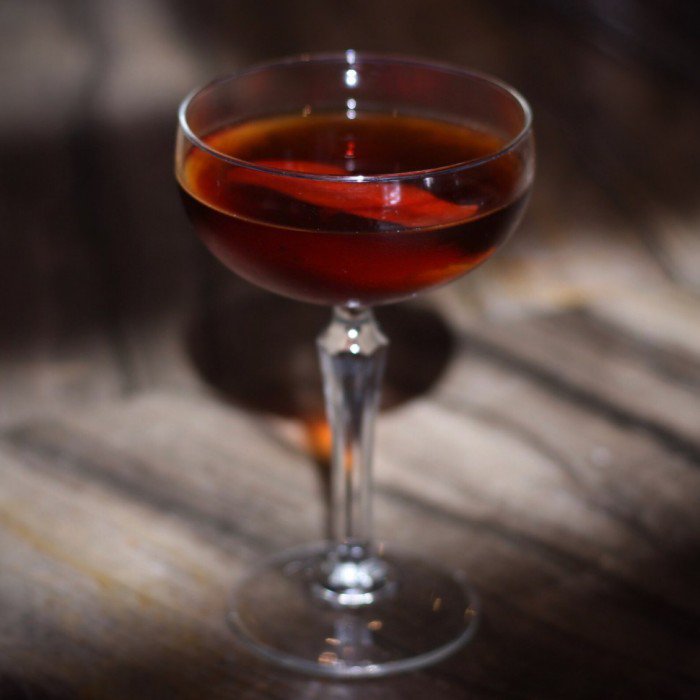
The Jimmy Conway
Il cocktail "The Jimmy Conway" è un mix raffinato di sapori che combina bourbon, vermouth dolce e un tocco di bitter all'arancia. Servito in un bicchiere da cocktail, è guarnito con una scorza d'arancia per esaltare il suo profilo aromatico. Perfetto per una serata elegante, questo drink è un omaggio al famoso personaggio del cinema.
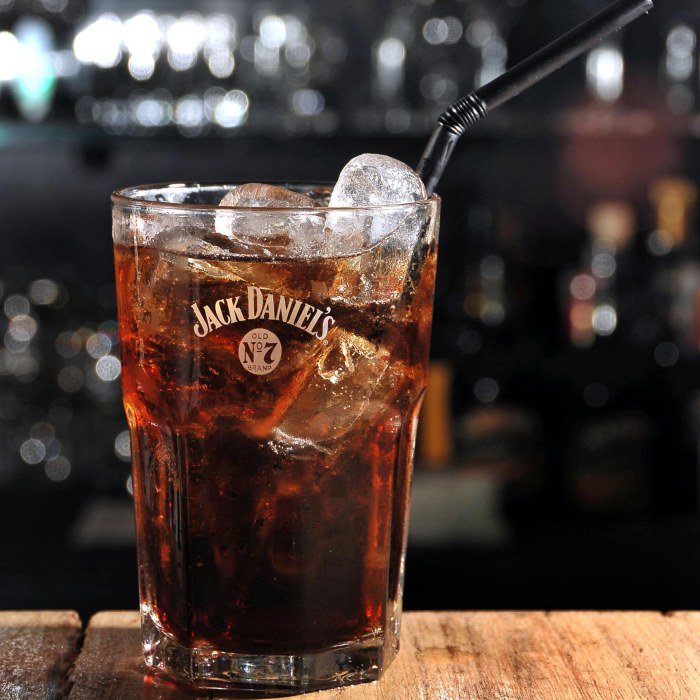
Jack's Vanilla Coke
"Jack's Vanilla Coke è un cocktail rinfrescante e aromatico che unisce il gusto classico della Coca-Cola con un tocco di vaniglia e un pizzico di whiskey. Questa bevanda è perfetta per chi cerca un'esperienza unica e deliziosa, ideale per le serate in compagnia."
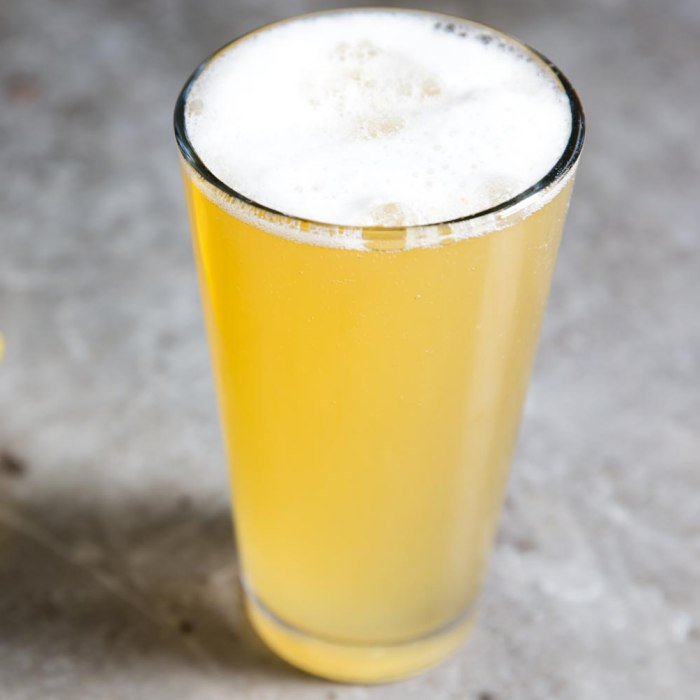
Owen's Grandmother's Revenge
"Owen's Grandmother's Revenge" è un cocktail audace e intrigante che combina sapori ricchi e complessi. Preparato con ingredienti segreti e un tocco di nostalgia, questo drink è perfetto per chi cerca un'esperienza gustativa unica e indimenticabile. Lasciati sorprendere dalla sua personalità vivace e dal suo finale sorprendente.
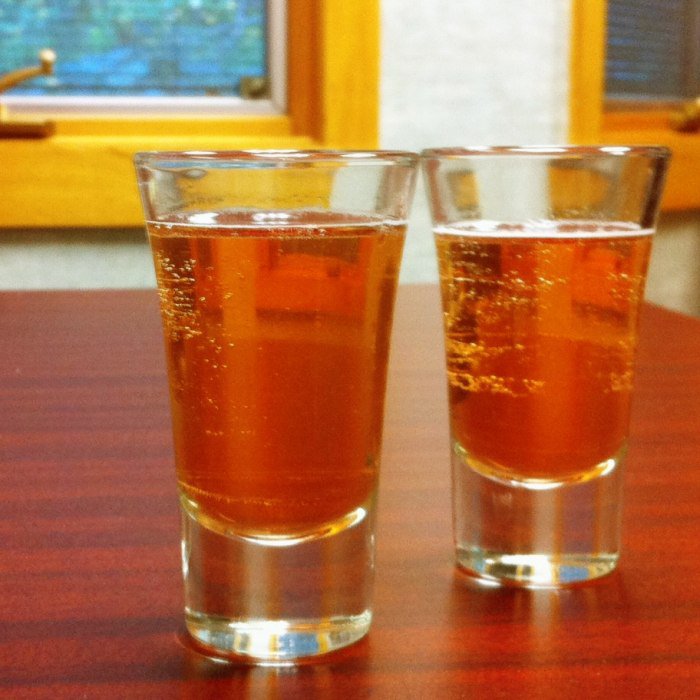
Damned if you do
Il cocktail "Damned if you do" è un'esperienza audace e provocante, unendo sapori intensi e ingredienti di alta qualità. Con una base di gin e note di agrumi, questa bevanda sorprende il palato con un equilibrio perfetto tra dolcezza e acidità, rendendola irresistibile per chi ama osare. Perfetto per una serata speciale, invita a lasciarsi andare e a godere di ogni sorso.
Other cene eleganti Cocktails
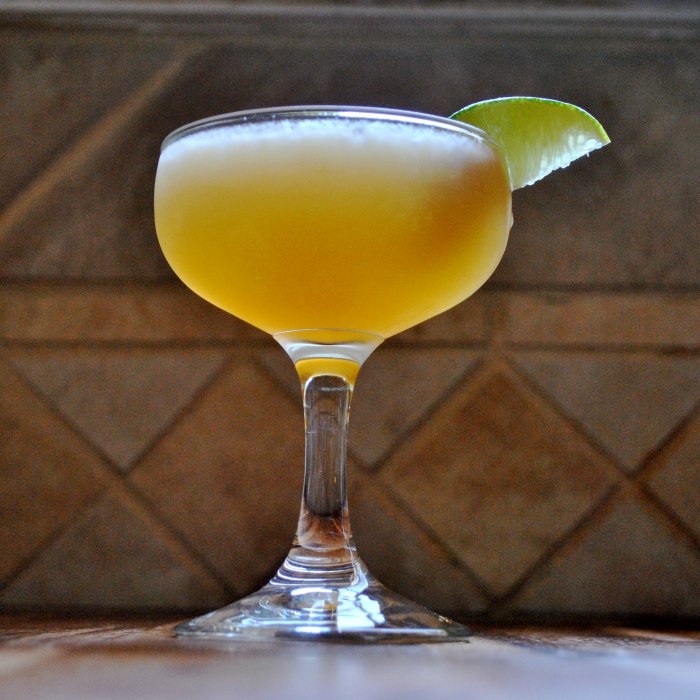
After Dinner Cocktail
L'After Dinner Cocktail è un delizioso drink ideale per concludere un pasto in modo raffinato. Combinando sapori ricchi e aromatici, questo cocktail è perfetto per stimolare la digestione e regalare un momento di piacere dopo cena. Servito in un elegante bicchiere, è un vero e proprio invito a rilassarsi e godere della serata.
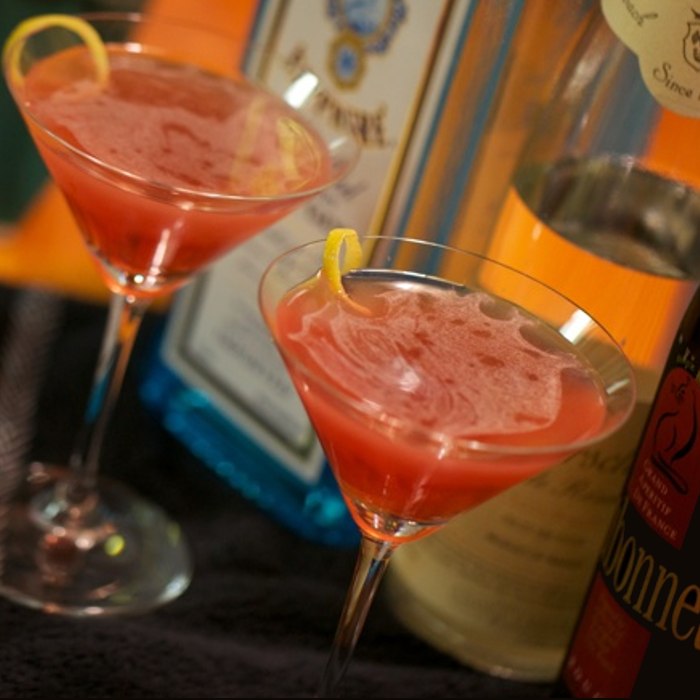
Blackthorn
Il Blackthorn è un cocktail classico che unisce il sapore intenso del gin con il dolce amaro del vermouth e un tocco di liquore all'amarena. Servito in un bicchiere da cocktail, è guarnito con una ciliegina, offrendo un equilibrio perfetto tra freschezza e complessità. Questo drink è ideale per chi cerca un'esperienza gustativa raffinata e avvolgente.
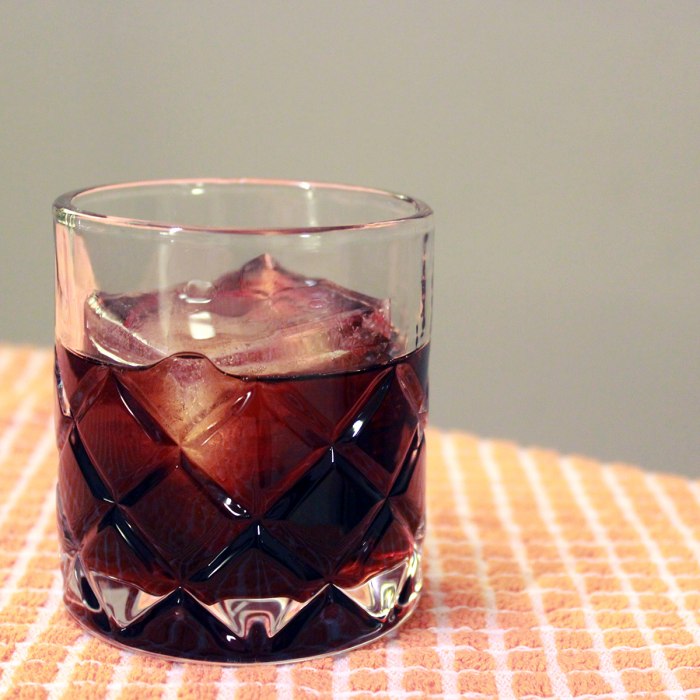
Black Russian
Il Black Russian è un cocktail classico a base di vodka e liquore al caffè, noto per il suo sapore ricco e intenso. Servito generalmente su ghiaccio in un bicchiere basso, è una scelta ideale per chi ama i cocktail dal carattere deciso e avvolgente. La combinazione di vodka e caffè crea un equilibrio perfetto tra dolcezza e forza.
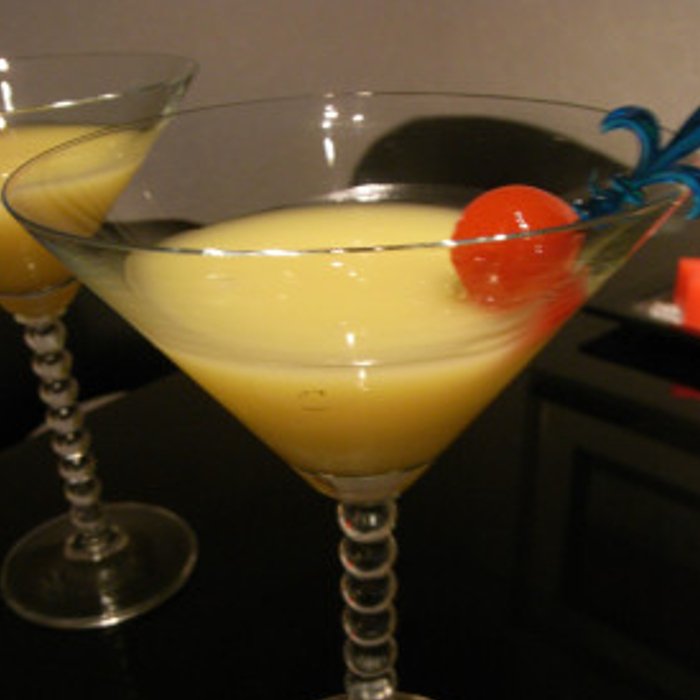
Casa Blanca
Il cocktail Casa Blanca è una deliziosa miscela di rum bianco, succo di lime fresco e sciroppo di agave, perfetto per rinfrescare il palato. La sua combinazione di sapori dolci e agrumati lo rende ideale per una serata estiva. Servito in un bicchiere elegante, è un vero e proprio invito a sognare le atmosfere esotiche.
Similar Flavor Profiles
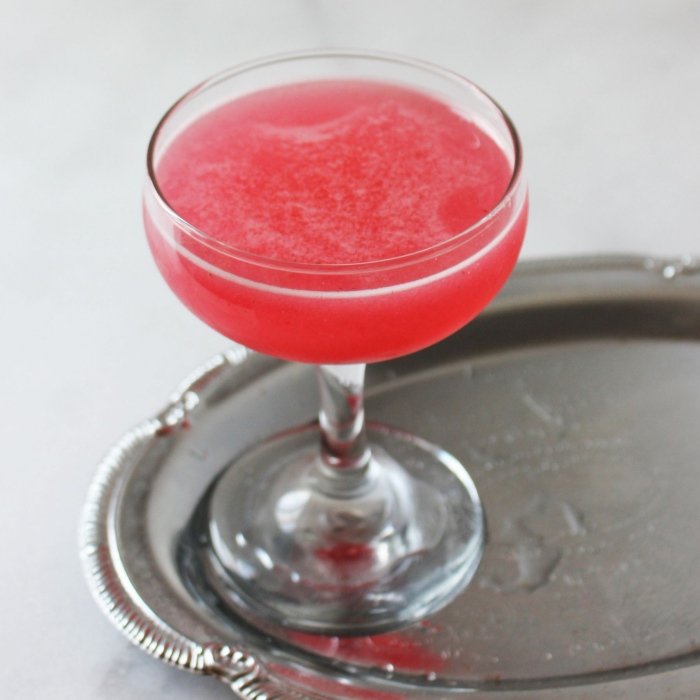
Moranguito
Il Moranguito è un cocktail fresco e fruttato che combina il dolce sapore delle fragole con un tocco di lime e un pizzico di menta. Servito ghiacciato, è perfetto per rinfrescarsi durante le calde giornate estive. La sua vivace colorazione rossa lo rende anche un'opzione visivamente accattivante per ogni occasione.
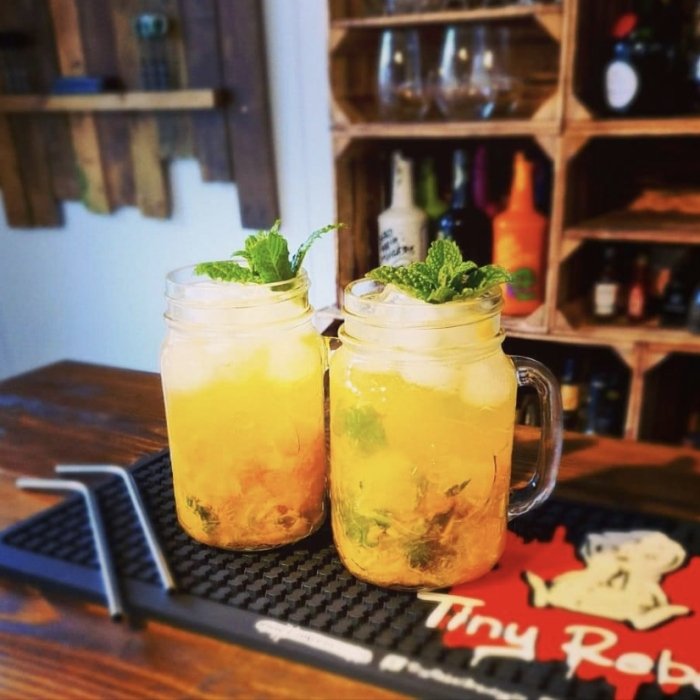
Mango Mojito
Il Mango Mojito è un cocktail rinfrescante e fruttato che unisce il dolce sapore del mango maturo con la freschezza della menta e il lime. Questa bevanda vivace è perfetta per le calde giornate estive, offrendo un'esplosione di sapori tropicali in ogni sorso. Ideale da gustare in compagnia, il Mango Mojito è un vero e proprio invito al relax.
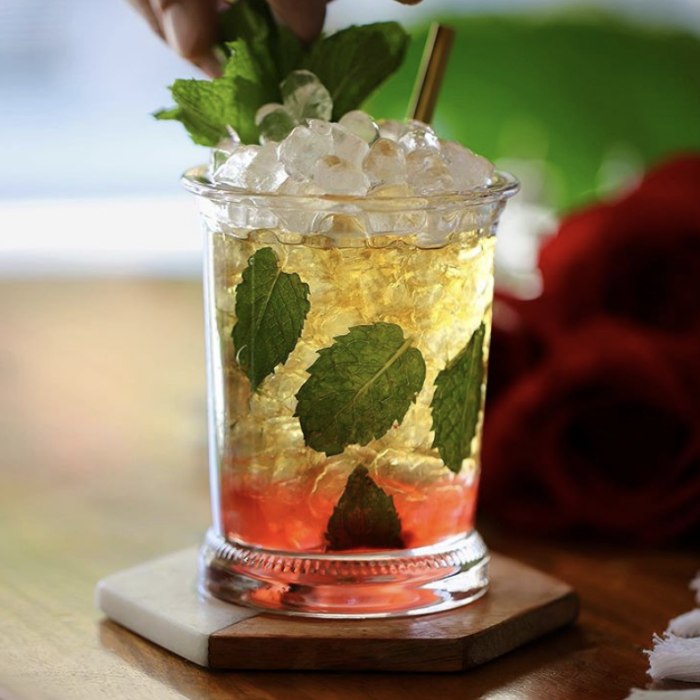
Raspberry Julep
Il Raspberry Julep è un cocktail rinfrescante e fruttato, perfetto per le calde giornate estive. Preparato con menta fresca, lamponi succosi e un tocco di bourbon, offre una deliziosa combinazione di sapori dolci e aromatici. Servito con ghiaccio tritato, è un vero piacere per il palato.
French Connection
Il "French Connection" è un cocktail raffinato che unisce il cognac e l'amaretto, creando un equilibrio perfetto tra la dolcezza e la complessità dei sapori. Servito in un bicchiere old-fashioned, è ideale per chi cerca un drink elegante e avvolgente. Perfetto da gustare in una serata tranquilla o come finale di un pasto speciale.
Advertisement