Ordinary Drink
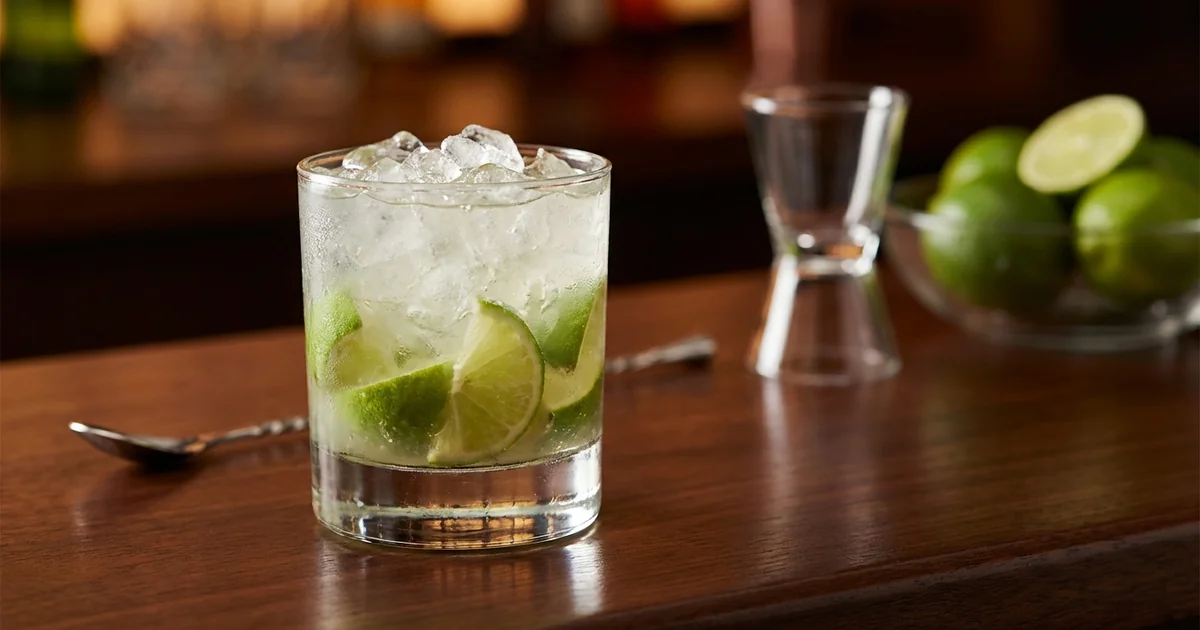
Caipirinha
Die Caipirinha ist ein erfrischender brasilianischer Cocktail, der aus Cachaça, frischem Limettensaft und Zucker besteht. Mit ihrem süß-sauren Geschmack und der spritzigen Note ist sie perfekt für warme Tage und vermittelt ein Gefühl von tropischer Entspannung. Genießen Sie diesen Klassiker in geselliger Runde!
- süß
- zitronig
- frisch
- fruchtig

- Prep Time
- 3 min
- Glass
- Old-fashioned glass
- Difficulty
- Easy
- ABV
- 18%
- Yields
- 1 serving
Der Caipirinha ist ein ordinary drink auf Basis von Cachaca, bekannt für sein süß and zitronig Profil — eines der meistgesuchten Rezepte für "Sommer". In nur 3 Minuten zubereitet und ideal für Sommerpartys — perfekt für die Heimbar. Wer nach "Feier" sucht, ist hier genau richtig.
Key Takeaways
What you’ll learn
- Authentic caipirinhas require cachaça — Brazil's sugarcane spirit — not rum. The grassy, agricultural character of cachaça is what makes the drink distinctly Brazilian.
- Muddle lime wedges aggressively with granulated sugar directly in the glass for 30–45 seconds; the sugar crystals act as an abrasive to extract essential oils from the peel.
- Remove the white core from lime wedges before muddling — it is intensely bitter and will make the drink harsh if left in.
- The caipirinha was officially recognized as Brazil's national cocktail in 2003, though its roots trace back to a 19th-century folk remedy in São Paulo state.
- Fresh limes are non-negotiable; bottled juice lacks the aromatic peel oils that define the authentic muddled caipirinha.
Advertisement
Ingredients
- Serves
- 1 serving
- Glass
- Old-fashioned glass
- Prep
- 3 min
- 2 tspSugar
- 1Lime
- 2 1/2 ozCachaca
Method
Preparation
- 01
Lime und Zucker in ein Old Fashioned-Glas geben und muddlen (die beiden Zutaten mit einem Muddler oder einem Holzlöffel zerdrücken). Das Glas mit Eis füllen und den Cachaça hinzufügen.
Origin
History & Origins
The caipirinha is Brazil's soul in a glass — vibrant, bold, and unapologetically rustic. As the country's national cocktail, this deceptively simple drink captures the spirit of Rio's beaches, carnival celebrations, and centuries of sugarcane heritage. The caipirinha's exact origin is debated, but the most credible story traces it to São Paulo state in the 1800s, where an early version served as a folk remedy: lime, garlic, honey, and cachaça were combined to treat the Spanish flu. Over time the garlic and honey fell away, granulated sugar took their place, and the modern caipirinha emerged.
"Caipirinha" means "little countryside girl" or "little peasant" in Portuguese, reflecting the drink's rural, working-class origins. By the 1960s–70s it had gained popularity in Rio de Janeiro's beach bars and restaurants; by the 1980s–90s international recognition grew as cachaça exports increased. In 2003 the Brazilian government officially recognized the caipirinha as the national cocktail, cementing its cultural status.
By the 1960s–70s it had gained popularity in Rio de Janeiro's beach bars and restaurants; by the 1980s–90s international recognition grew as cachaça exports increased.
The caipirinha embodies Brazilian values: unpretentious, vibrant, communal, and celebratory. It is inseparable from carnival culture — street vendors serve thousands during festival season — and from the Brazilian table, where its acidity cuts through the rich fats of churrasco and feijoada. The drink's three-ingredient simplicity means every element must be right: quality cachaça, fresh ripe limes, and the willingness to muddle with real force.
Advertisement
Bartender’s Insight
Pro Tips
Verwenden Sie Cachaca, keinen Rum
From Sofia
Limette sanft mörsern, um Bitterkeit zu vermeiden
Verwenden Sie frische, hochwertige Cachaca
Mit zerstoßenem Eis servieren für angemessene Verdünnung
At the Table
Perfect Pairings
Beyond the Classic
Variations
Caipirosca
Ersetzt Wodka durch Cachaca
Caipirinha Morango
Fügt frische Erdbeeren für fruchtigen Süßstoff hinzu
Tropical Caipirinha
Fügt Passionsfrucht oder Ananas für tropische Noten hinzu
Watch
See it in action
Questions
Frequently Asked
- The Caipirinha has a flavor profile that is süß, zitronig, frisch, fruchtig. It is crafted to balance these characteristics into a harmonious, satisfying drink that appeals to a wide range of palates.
- The Caipirinha is ideal for Sommerpartys, Grillabende, Strandurlaube. Its flavor profile and presentation make it a versatile choice that works equally well as a social cocktail or a relaxed evening drink.
- Yes, there are several ways to adapt a Caipirinha. If you cannot source Lime, look for a similar alternative that matches its flavor profile. Keep in mind that substitutions may alter the balance of the cocktail, so start with a smaller quantity and adjust to taste. The variations section above lists popular alternatives bartenders use.
- Some of the most popular Caipirinha variations include Caipirosca, Caipirinha Morango, Tropical Caipirinha. Each variation puts a unique twist on the original recipe while retaining the essential character of the classic cocktail.
- The Caipirinha is traditionally served in a Old-fashioned glass. Using the right glassware is important because it affects the aroma, temperature retention, and overall drinking experience. If you do not have a Old-fashioned glass on hand, a similar shaped glass will work.
- Yes, a mocktail version of the Caipirinha is possible. Replace the base spirit with a non-alcoholic spirit alternative (there are many quality options available) and keep all other components the same. The result will capture much of the original's flavor profile while being suitable for guests who prefer alcohol-free options.
Other Cachaca Cocktails
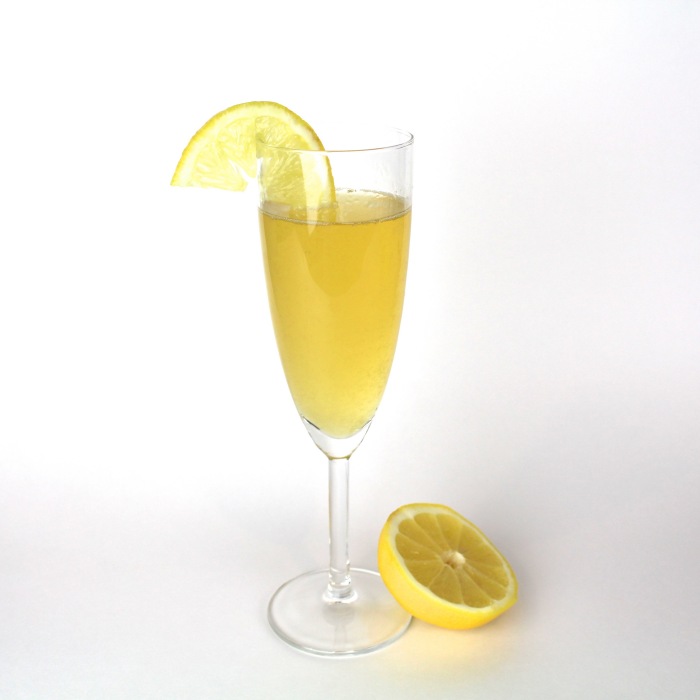
Girl From Ipanema
Der "Girl From Ipanema" ist ein erfrischender Cocktail, der die Aromen von Brasilien verkörpert. Mit einer harmonischen Mischung aus frischem Limettensaft, süßem Passionsfruchtsirup und einem Hauch von Rum, bietet er einen tropischen Genuss, der an sonnige Strände und sanfte Wellen erinnert. Ideal für einen entspannten Abend oder eine Sommerparty!
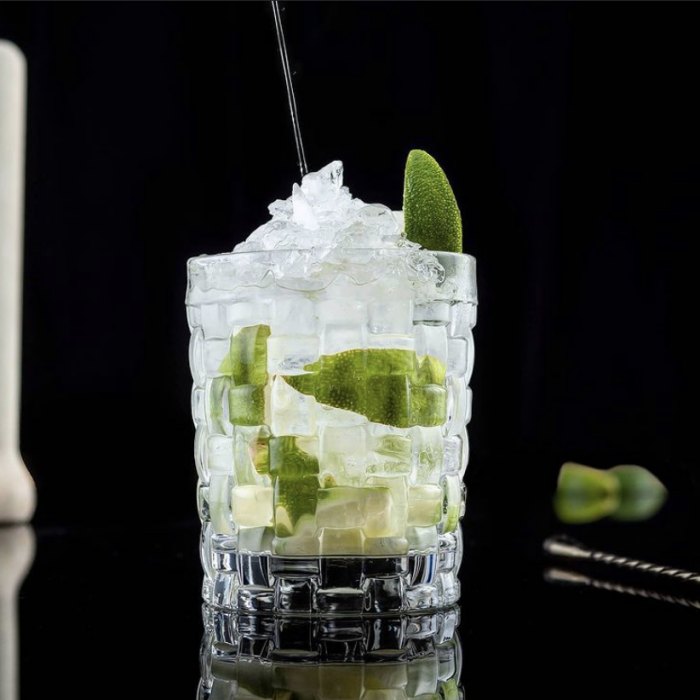
Elderflower Caipirinha
Der Elderflower Caipirinha ist eine erfrischende Variante des klassischen brasilianischen Cocktails, die die süßen und blumigen Aromen von Holunderblütensirup mit dem kräftigen Geschmack von Cachaça kombiniert. Serviert mit frischem Limettensaft und zerstoßenem Eis, bietet dieser Drink eine harmonische Balance zwischen Süße und Säure, ideal für warme Sommerabende.
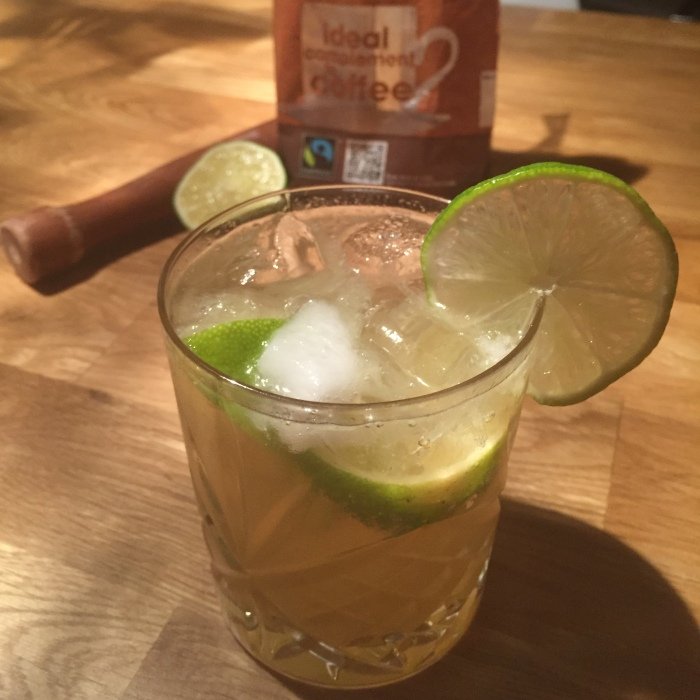
Dark Caipirinha
Die Dark Caipirinha ist eine aufregende Variation des klassischen brasilianischen Cocktails, die mit dunklem Rum anstelle von Cachaça zubereitet wird. Sie vereint die erfrischende Süße von Limetten und Zucker mit der tiefen, komplexen Note des Rums, was zu einem unverwechselbaren Geschmackserlebnis führt. Perfekt für alle, die eine neue Interpretation des traditionellen Getränks genießen möchten.
Other Sommerpartys Cocktails
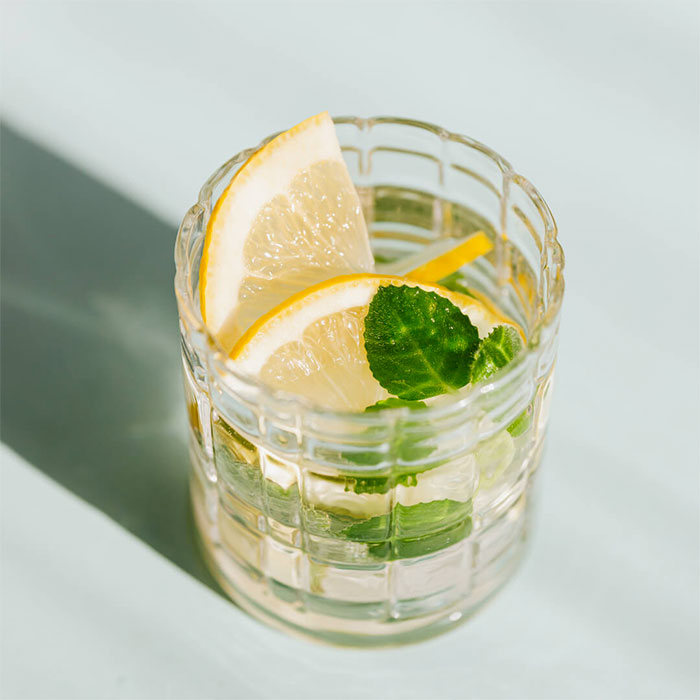
Vodka Tonic
Der Vodka Tonic ist ein erfrischender Cocktail, der aus hochwertigem Wodka und spritzigem Tonic Water besteht. Mit einem Spritzer Limette oder Zitrone verfeinert, bietet er eine perfekte Balance zwischen der sanften Schärfe des Wodkas und der prickelnden Frische des Tonic Waters. Ideal für warme Sommerabende oder gesellige Runden!
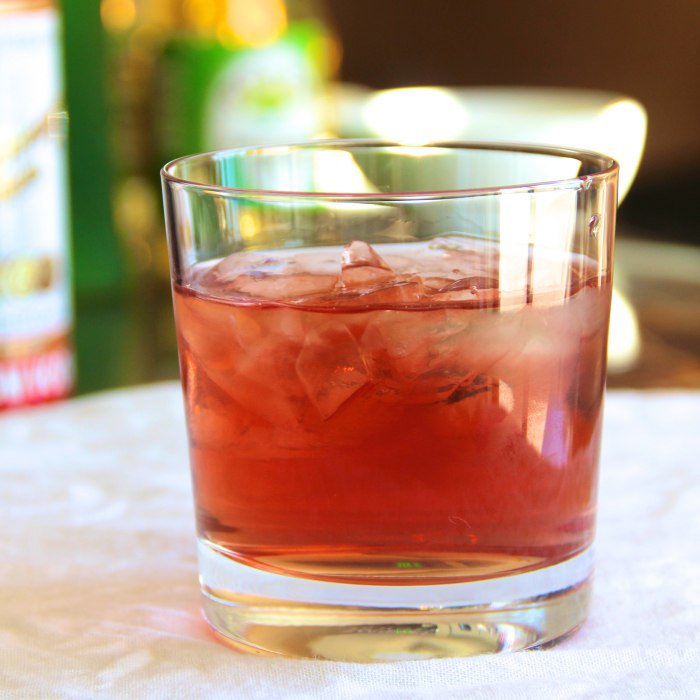
Kool-Aid Shot
Der Kool-Aid Shot ist ein fruchtiger und farbenfroher Cocktail, der mit verschiedenen Geschmacksrichtungen von Kool-Aid und Wodka zubereitet wird. Diese erfrischende Mischung sorgt für einen süßen und spritzigen Genuss, der perfekt für Partys und gesellige Runden ist. Seine lebendige Farbe und der süße Geschmack machen ihn zu einem beliebten Highlight an jeder Bar.
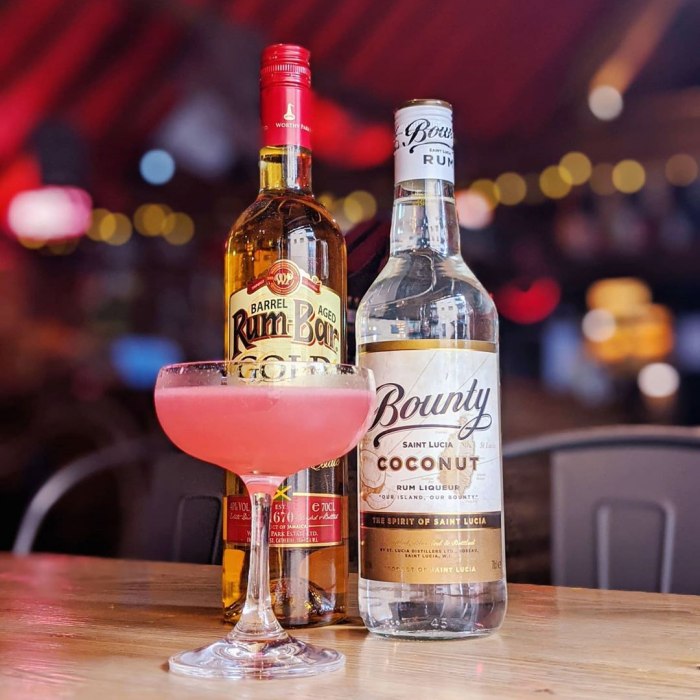
Bounty Hunter
Der "Bounty Hunter" ist ein exotischer Cocktail, der die Aromen tropischer Früchte mit einem Hauch von Rum vereint. Er begeistert mit einer erfrischenden Mischung aus Ananas, Kokosnuss und einem Spritzer Limette, perfekt für einen sonnigen Tag oder einen entspannten Abend. Ein echter Genuss für alle, die das Abenteuer lieben!
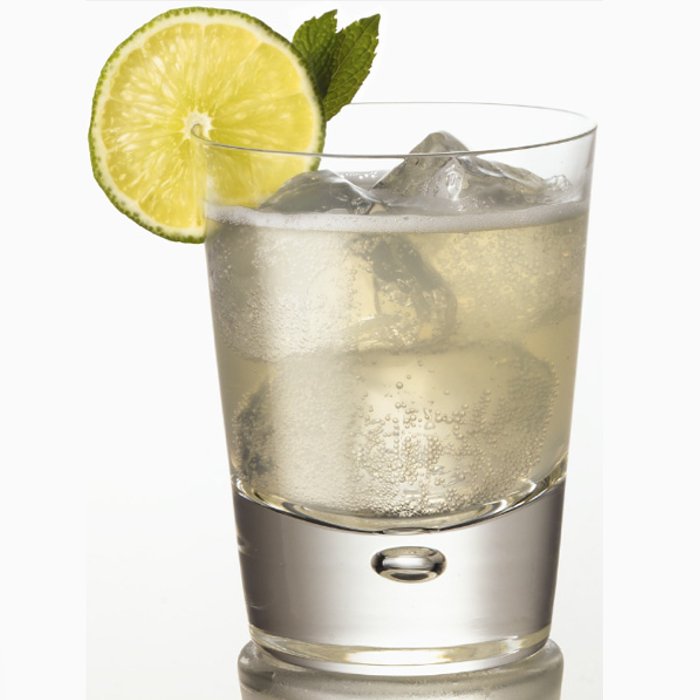
Rail Splitter
Der Rail Splitter ist ein erfrischender Cocktail, der mit einer harmonischen Mischung aus Bourbon, frischem Zitronensaft und einem Hauch von Honig zubereitet wird. Diese köstliche Kombination bietet eine perfekte Balance zwischen süßen und sauren Aromen, die den Gaumen verwöhnen. Ideal für gesellige Abende oder als Genuss nach einem langen Tag.
Similar Flavor Profiles
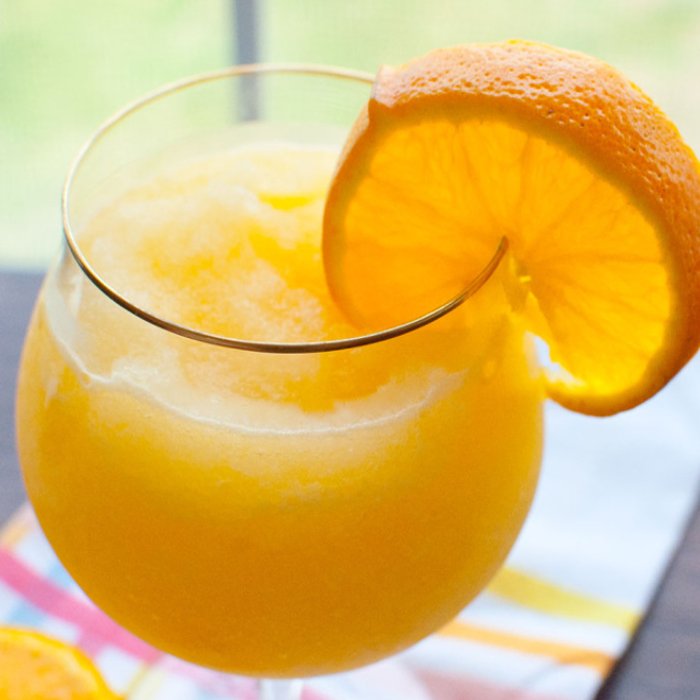
Orangeade
Orangeade ist ein erfrischender Cocktail, der aus frisch gepresstem Orangensaft, sprudelndem Mineralwasser und einem Hauch von Zuckersirup besteht. Diese spritzige Mischung wird oft mit Eis serviert und eignet sich perfekt für sonnige Tage oder gesellige Abende. Ein Spritzer Limette oder ein Minzblatt rundet das Geschmackserlebnis ab.
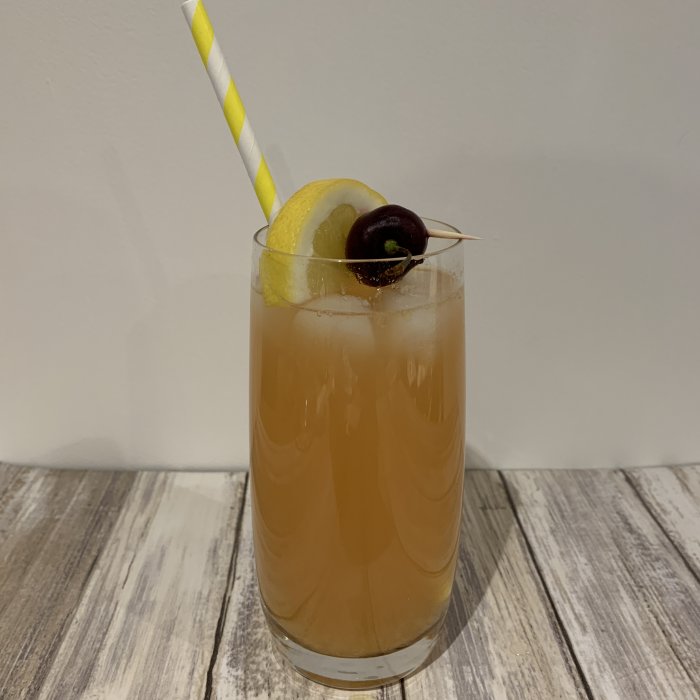
California Lemonade
California Lemonade ist ein erfrischender Cocktail, der die sonnigen Aromen Kaliforniens einfängt. Mit einer spritzigen Mischung aus Zitronensaft, Wodka und einem Hauch von fruchtigem Limonadensirup ist er der perfekte Drink für heiße Sommertage. Genießen Sie diesen lebhaften Cocktail mit frischen Zitrusfrüchten als Garnitur für einen zusätzlichen Farbtupfer!
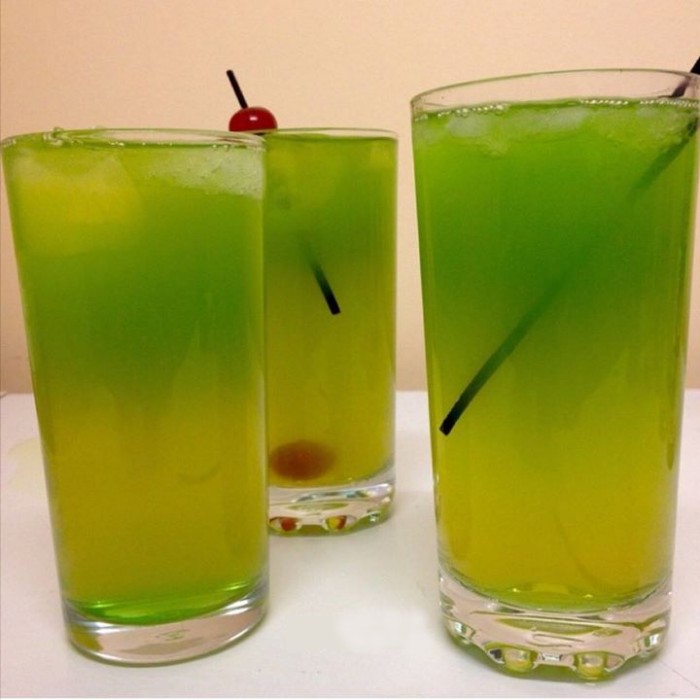
Kiwi Lemon
Der Kiwi Lemon ist ein erfrischender Cocktail, der die süße und saftige Note von frischer Kiwi mit dem spritzigen Geschmack von Zitrone kombiniert. Serviert mit einem Hauch von Minze und einem Schuss Sprudelwasser, ist er der perfekte Drink für warme Sommertage. Genießen Sie diesen fruchtigen Genuss, der sowohl optisch als auch geschmacklich begeistert!
Kool-Aid Shot
Der Kool-Aid Shot ist ein fruchtiger und farbenfroher Cocktail, der mit verschiedenen Geschmacksrichtungen von Kool-Aid und Wodka zubereitet wird. Diese erfrischende Mischung sorgt für einen süßen und spritzigen Genuss, der perfekt für Partys und gesellige Runden ist. Seine lebendige Farbe und der süße Geschmack machen ihn zu einem beliebten Highlight an jeder Bar.
Advertisement