
Vintage Cocktail
Whiskey Skin
Thomas's hot whiskey drink from 1862: a measure of Scotch or rye whiskey in a tumbler with a lemon peel, filled with boiling water. The "skin" refers to the lemon peel, not the rye. The original Hot Toddy stripped to its essentials — spirit, water, citrus — with no sugar and no spices.
- warming
- whiskey-forward
- citrus
- clean
- dry
- simple

- Prep Time
- 3 min
- Glass
- tumbler
- Difficulty
- Easy
- ABV
- 15%
- Yields
- 1 serving
Few vintage cocktail recipes deliver warming and whiskey-forward quite like the Whiskey Skin. It leads with whiskey and comes together in about 3 minutes. If you've searched for "whiskey skin", this is the recipe to bookmark.
Key Takeaways
What you’ll learn
- Thomas defined "Skins" as a distinct category from "Toddies" in 1862: no sugar, but lemon peel — a drier, more aromatic hot whiskey format.
- The name comes from the lemon "skin" (peel) that distinguishes the drink. Spirit + boiling water + citrus peel = Skin; add sugar and it becomes a Toddy.
- Three variants appeared in the 1862 guide: Gin Skin, Brandy Skin, and Whiskey Skin — establishing it as a category rather than a single recipe.
- The Skin straddled the apothecary and bar traditions of the 1860s — spirits were still sold as medicine, and the Skin's clean formula suited both restorative and recreational use.
- Boiling (not merely hot) water is required to fully extract lemon peel oils. Temperature is the only technique variable in this recipe.
Advertisement
Ingredients
- Serves
- 1 serving
- Glass
- tumbler
- Prep
- 3 min
- 1 pieceLemon peel
- 1 wineglass (1½ oz)Scotch whisky or rye whiskey
- to fillBoiling water
- 1 lump (optional)Sugar (optional)
Method
Preparation
- 01
Place a piece of lemon peel (the "skin") in the bottom of a warm tumbler. Add 1 wineglass (1½ oz) of Scotch whisky or rye whiskey. Fill with boiling water. Stir briefly. Optionally add 1 lump of sugar, though Thomas's base recipe omits it. Serve at once.
Origin
History & Origins
Jerry Thomas's "Skins" chapter is among the briefest in the 1862 guide — just three recipes, each a single sentence of instruction. The brevity is deliberate. By 1862, the Skin family (Gin Skin, Brandy Skin, Whiskey Skin) was basic bar literacy, as expected of a competent American bartender as knowing how to pour a Julep. Thomas included it because completeness demanded it, not because any reader needed instruction.
The "Skin" category defined itself against the Toddy by the presence of citrus peel and the absence of sugar. Where a Toddy softened the spirit with sweetness, a Skin left the spirit naked and wrapped it in aromatic citrus oil. The flavour effect is entirely different: a Toddy tastes sweet and warming; a Skin tastes austere and medicinal, with a bright citrus top note that sits above the alcohol warmth.
This medicinal character was intentional. In the 1860s the line between bar and pharmacy had not fully separated. Spirits were sold as medicine in American drug stores; hot whiskey with lemon peel was a documented treatment for colds and influenza in the domestic medicine guides of the period, which recommended it before the germ theory of disease made such treatments scientifically dubious. Thomas was operating in a culture where a well-made hot drink was understood to have curative properties.
Spirits were sold as medicine in American drug stores; hot whiskey with lemon peel was a documented treatment for colds and influenza in the domestic medicine guides of the period, which recommended it before the germ theory of disease made such treatments scientifically dubious.
The Whiskey Skin is the most stripped-back preparation in Thomas's guide — spirit, water, lemon. Its descendants include the Hot Toddy (add sugar), the Irish Coffee (add coffee, cream), and the Hot Whiskey Sour (add sugar and lemon juice, served cold). The core logic — whiskey plus something hot plus citrus — runs through a century and a half of cold-weather cocktail thinking.
Advertisement
Bartender’s Insight
Pro Tips
Use the lemon peel correctly: cut a wide strip avoiding the pith, place it in the glass before adding liquid so the boiling water steeps it and extracts the oils.
From Arthur
The choice of whisky matters more in a Skin than in a complex cocktail. There is nowhere to hide. A quality blended Scotch (Compass Box Great King Street) or straight rye (Rittenhouse 100) is the floor.
Boiling water, not hot tap water. The temperature is functional: below boiling the lemon peel oils do not fully extract, and the drink tastes flat.
The optional sugar transforms a Skin into something close to a Toddy. Make it without first to understand Thomas's original; add sugar after if you prefer sweetness.
Warm the tumbler first. Pouring boiling water into a cold glass rapidly drops the temperature and risks cracking glass tumblers.
At the Table
Perfect Pairings
Beyond the Classic
Variations
Gin Skin
Thomas listed this in the same chapter. A clean London Dry or Old Tom gin with lemon peel and boiling water produces an aromatic, botanical version of the Skin format.
Brandy Skin
Cognac with lemon peel and boiling water. The grape character and gentle oak of a VS Cognac make a rounder, sweeter Skin without added sugar.
Modern Irish Skin
Use a quality Irish single pot still whiskey (Redbreast 12, Green Spot) in place of Scotch or rye. The lighter, fruitier Irish style produces a gentler Skin, excellent for those who find Scotch peating too assertive in a simple drink.
Questions
Frequently Asked
- The Whiskey Skin has a flavor profile that is warming, whiskey-forward, citrus, clean. It is crafted to balance these characteristics into a harmonious, satisfying drink that appeals to a wide range of palates.
- The Whiskey Skin is ideal for winter, cold remedy, bedtime, historical, fireside. Its flavor profile and presentation make it a versatile choice that works equally well as a social cocktail or a relaxed evening drink.
- Yes, there are several ways to adapt a Whiskey Skin. If you cannot source Lemon peel, look for a similar alternative that matches its flavor profile. Keep in mind that substitutions may alter the balance of the cocktail, so start with a smaller quantity and adjust to taste. The variations section above lists popular alternatives bartenders use.
- Some of the most popular Whiskey Skin variations include Gin Skin, Brandy Skin, Modern Irish Skin. Each variation puts a unique twist on the original recipe while retaining the essential character of the classic cocktail.
- The Whiskey Skin is traditionally served in a tumbler. Using the right glassware is important because it affects the aroma, temperature retention, and overall drinking experience. If you do not have a tumbler on hand, a similar shaped glass will work.
- Yes, a mocktail version of the Whiskey Skin is possible. Replace the base spirit with a non-alcoholic spirit alternative (there are many quality options available) and keep all other components the same. The result will capture much of the original's flavor profile while being suitable for guests who prefer alcohol-free options.
Other Whiskey Cocktails
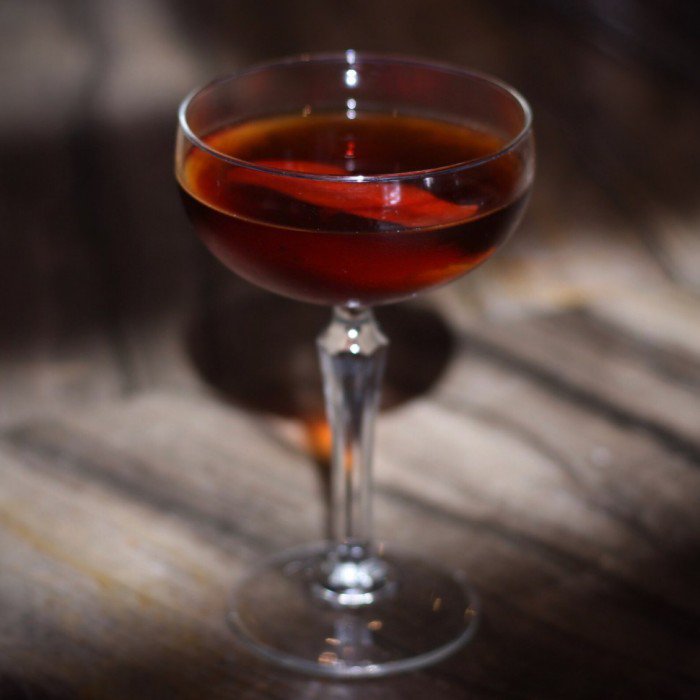
The Jimmy Conway
The Jimmy Conway is a sophisticated cocktail that combines smooth Irish whiskey with a hint of sweet vermouth and a splash of aromatic bitters, creating a rich and balanced flavor profile. Garnished with a twist of lemon peel, this drink pays homage to classic cocktail traditions while offering a modern twist that’s perfect for any occasion. Enjoy it neat or on the rocks for a refreshing sip that evokes a sense of elegance and warmth.
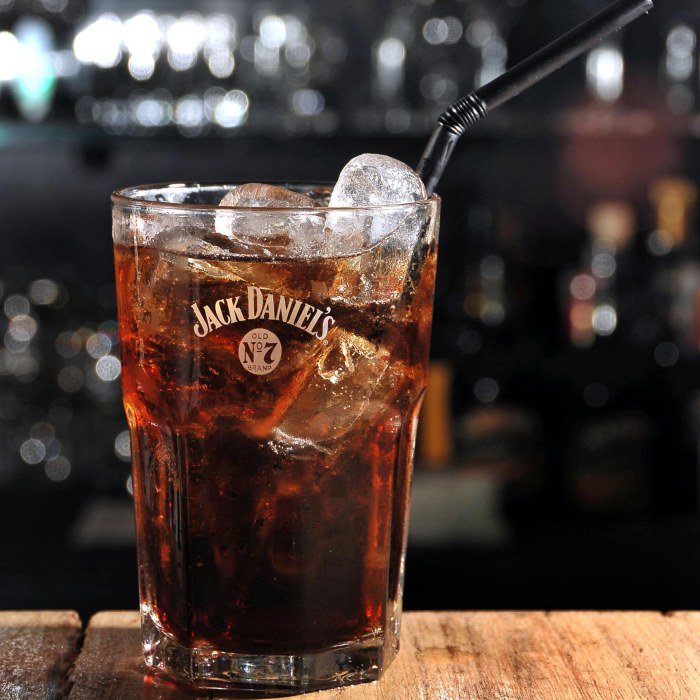
Jack's Vanilla Coke
Jack's Vanilla Coke is a delightful twist on a classic favorite, blending smooth bourbon with rich vanilla and a splash of cola for a refreshing finish. Garnished with a twist of lemon, this cocktail offers a perfect balance of sweetness and warmth, making it an ideal choice for any occasion. Enjoy it over ice for a satisfying sip that transports you to a laid-back summer evening.
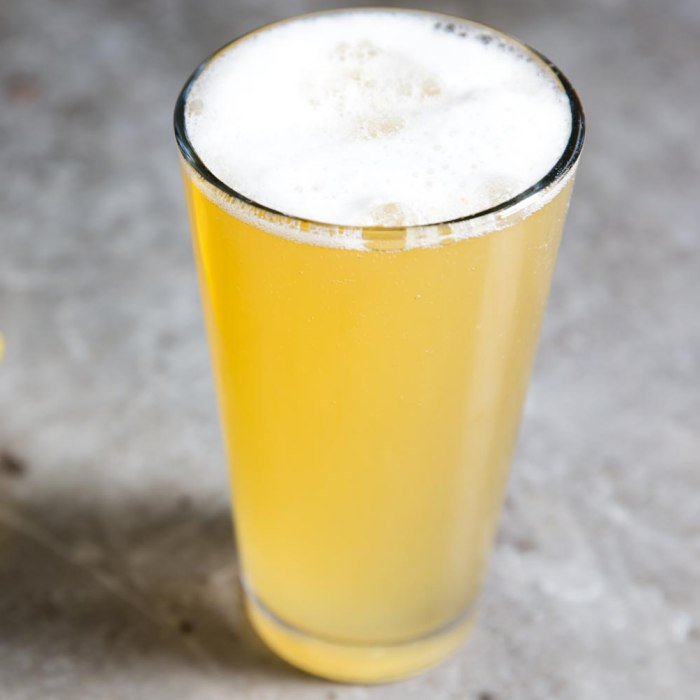
Owen's Grandmother's Revenge
Owen's Grandmother's Revenge is a bold and spirited cocktail that combines the warmth of spiced rum with the tang of fresh citrus and a hint of sweetness from homemade grenadine. This vibrant drink is garnished with a twist of orange and a cherry, making it a delightful tribute to the fiery yet loving nature of grandmothers everywhere. Perfect for those who appreciate a balance of flavors with a kick, it's sure to leave a lasting impression.
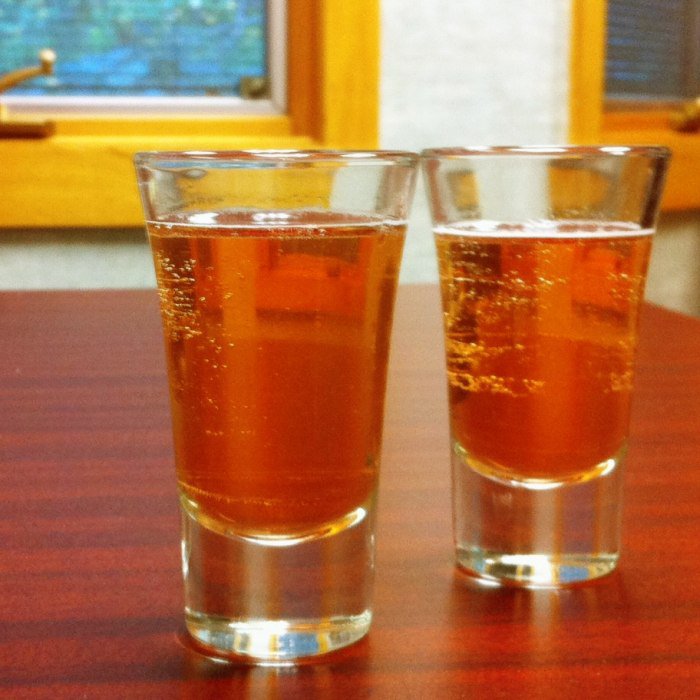
Damned if you do
The "Damned if You Do" cocktail is a tantalizing blend of gin, elderflower liqueur, and fresh lemon juice, creating a refreshing yet complex flavor profile. Garnished with a sprig of mint and a twist of lemon peel, this drink strikes a perfect balance between sweet and tart, making it an irresistible choice for any occasion. Its intriguing name hints at the delightful indulgence it offers, leaving you wanting more.
Other winter Cocktails
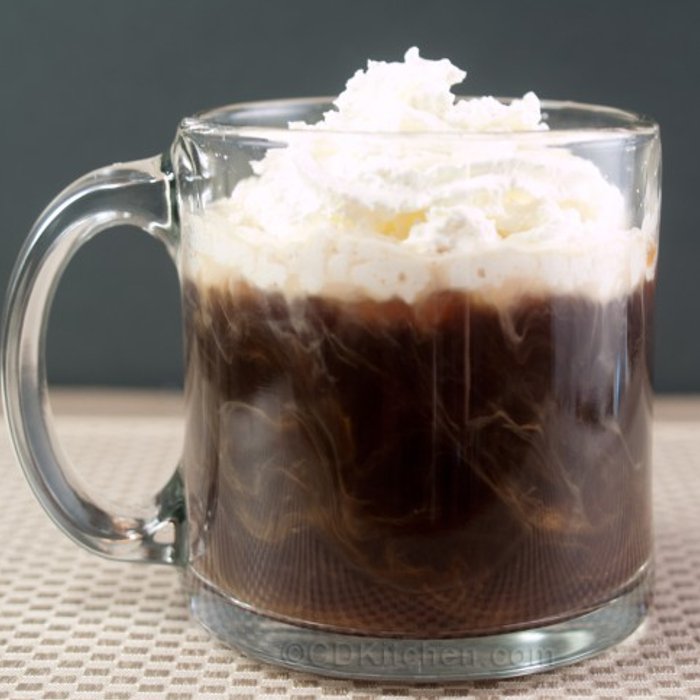
Tennesee Mud
Tennessee Mud is a rich and indulgent cocktail that combines the bold flavors of whiskey with the smoothness of coffee liqueur and a hint of chocolate. Typically served over ice, this delightful drink is often topped with whipped cream, creating a decadent treat that's perfect for cozy evenings or a night out. Its warm, comforting profile makes it a favorite among those who enjoy a sweet twist on classic whiskey cocktails.
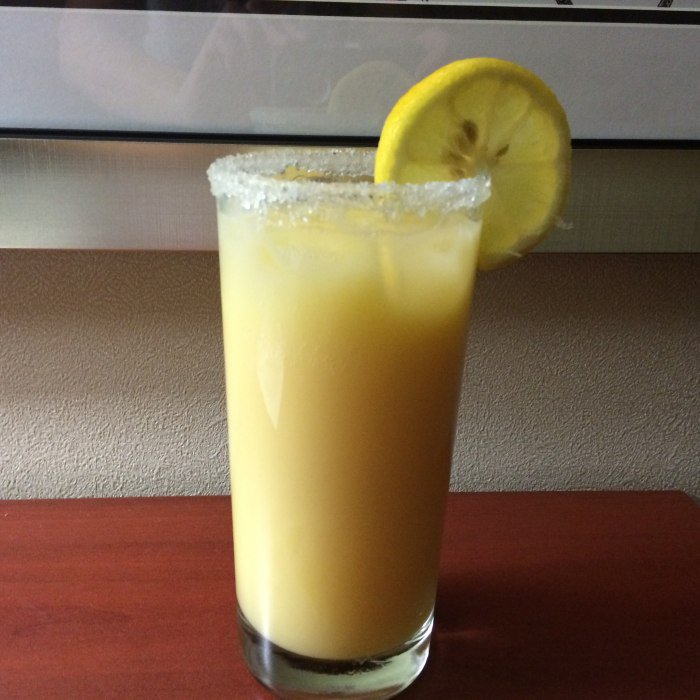
Snowball
The Snowball is a refreshing and frothy cocktail that combines the creamy flavors of advocaat, a Dutch egg liqueur, with lemonade and a splash of lime juice. Often garnished with a maraschino cherry or a slice of lemon, this drink is perfect for festive occasions, evoking a sense of winter cheer with its light, sweet taste. Its pale yellow color and bubbly texture make it a delightful addition to any holiday gathering.
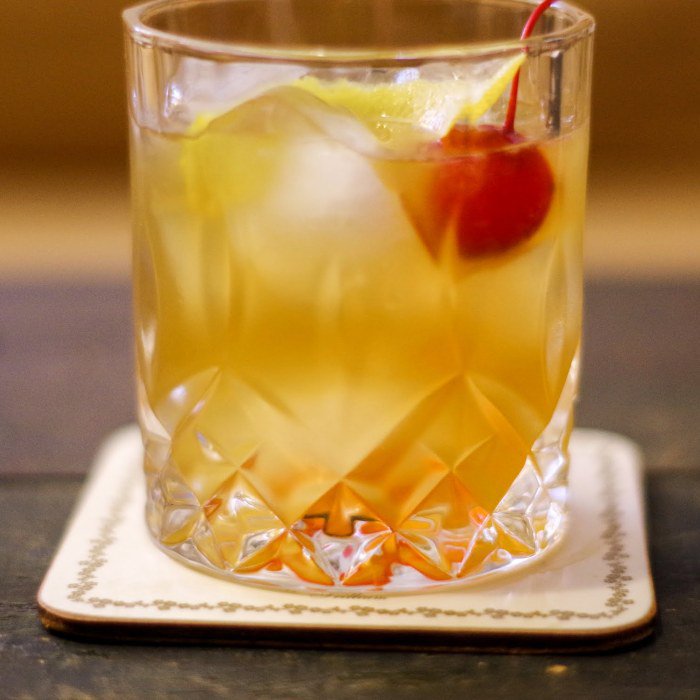
Scotch Sour
The Scotch Sour is a sophisticated twist on the classic whiskey sour, featuring a smooth blend of Scotch whisky, fresh lemon juice, and simple syrup. Served over ice and often garnished with a lemon wheel or cherry, this cocktail balances the smoky richness of Scotch with the tart brightness of citrus, creating a refreshing yet complex flavor profile. Perfect for those who appreciate the depth of Scotch while enjoying a vibrant drink.
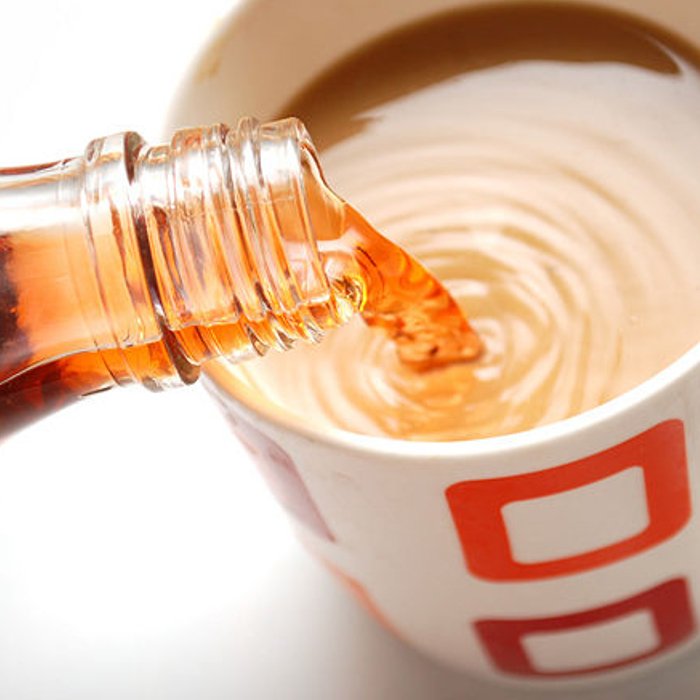
Swedish Coffee
Swedish Coffee is a delightful blend that combines rich, freshly brewed coffee with a splash of Swedish aquavit, adding a unique herbal twist. Often sweetened with sugar and topped with a dollop of whipped cream, this warming cocktail is perfect for cozy gatherings, offering a comforting balance of caffeine and warmth. Enjoy it as a delightful after-dinner drink or a festive treat during chilly evenings.
Similar Flavor Profiles
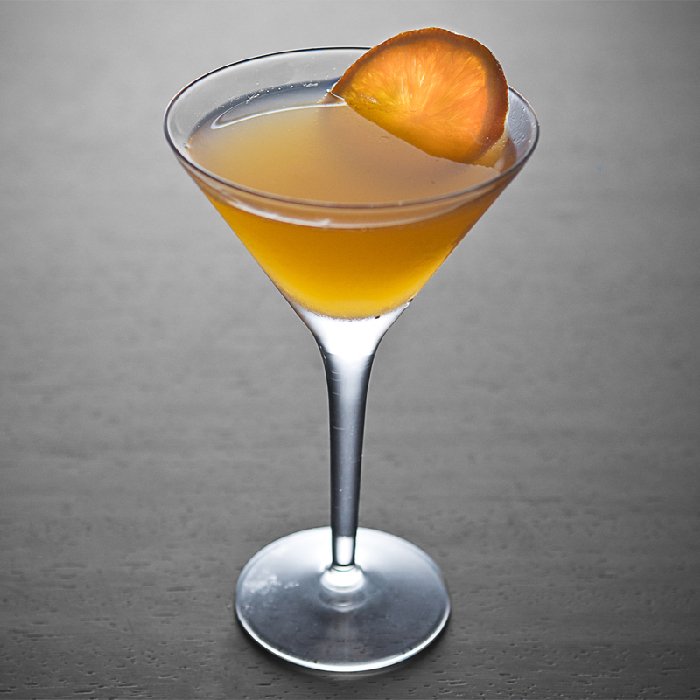
50/50
The 50/50 cocktail is a delightful blend of equal parts gin and dry vermouth, offering a crisp and refreshing taste with a hint of herbal complexity. Often garnished with a lemon twist or an olive, this drink is perfect for those who appreciate a well-balanced and sophisticated aperitif. Its name reflects the perfect harmony of its two main ingredients, making it a classic choice for cocktail enthusiasts.
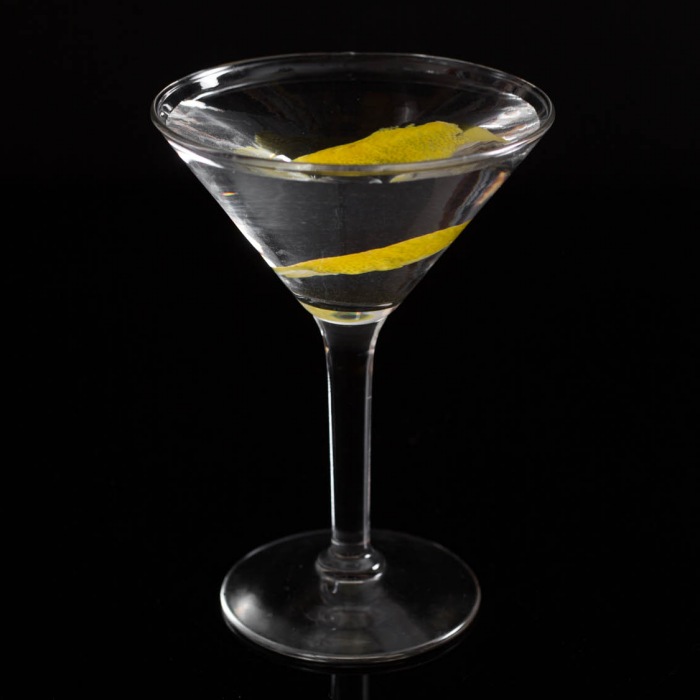
Vodka Martini
The Vodka Martini is a classic cocktail that combines the smoothness of premium vodka with a hint of dry vermouth, typically garnished with an olive or a twist of lemon. Served chilled in a sleek martini glass, this sophisticated drink is known for its crisp and refreshing flavor, making it a timeless choice for cocktail enthusiasts. Whether shaken or stirred, the Vodka Martini embodies elegance and simplicity in every sip.
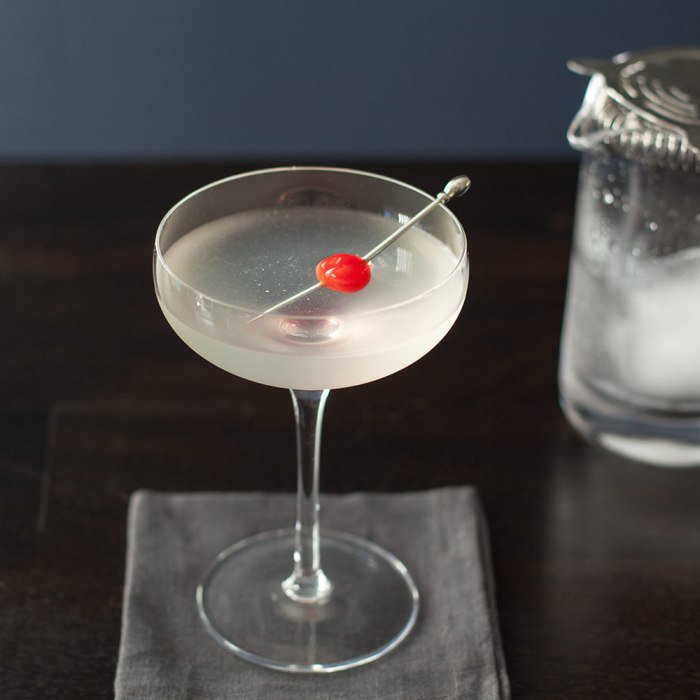
Casino
The Casino is a classic cocktail that combines gin, maraschino liqueur, orange bitters, and freshly squeezed lemon juice, creating a refreshing and zesty drink. Often garnished with a twist of lemon or a cherry, this vibrant cocktail offers a delightful balance of sweetness and tartness, making it a timeless choice for cocktail enthusiasts. Its origins can be traced back to the early 20th century, embodying the elegance of vintage cocktail culture.

Stone Fence
One of the oldest drinks in the American canon: whiskey poured directly into hard cider, with optional bitters. Its documented history runs from the Green Mountain Boys drinking it before the 1775 capture of Fort Ticonderoga to Jerry Thomas's 1862 recipe. Thomas kept it radically simple — whiskey, cider, ice.
Advertisement