Ordinary Drink
Whiskey Sour
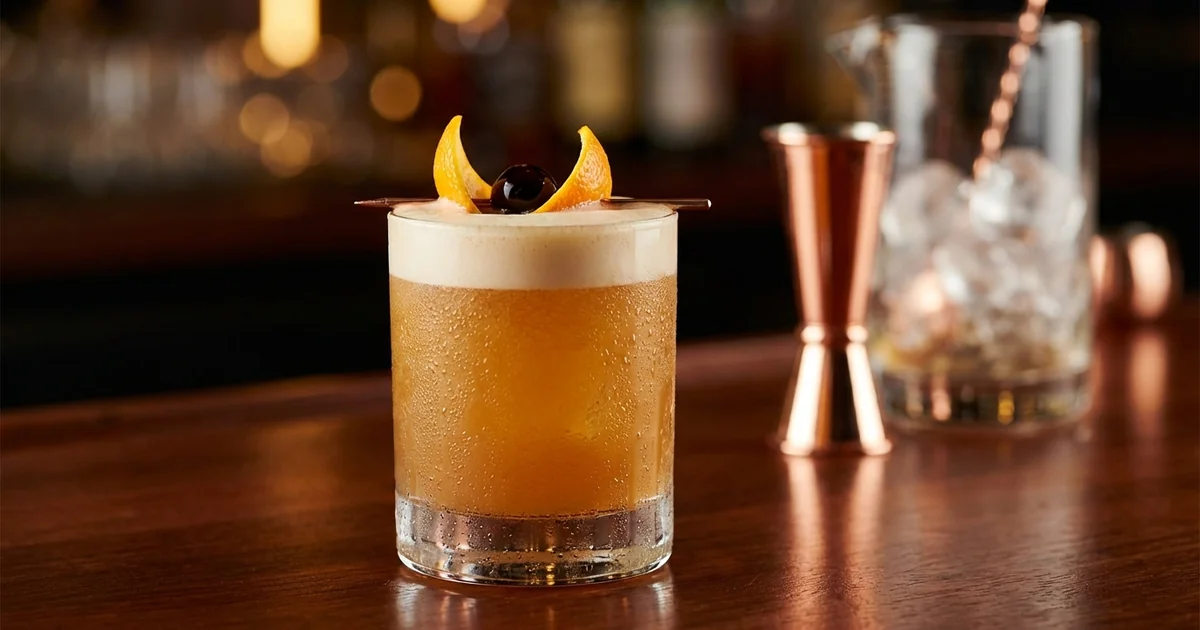
The Whiskey Sour is a classic cocktail that combines the rich, bold flavors of whiskey with the tartness of freshly squeezed lemon juice and a touch of simple syrup for sweetness. Typically garnished with a cherry or a slice of orange, this refreshing drink strikes a perfect balance between sweet and sour, making it a timeless favorite among cocktail enthusiasts.
- tart
- sweet
- smooth
- woody

- Prep Time
- 5 min
- Glass
- Old-fashioned glass
- Difficulty
- Easy
- ABV
- 15%
- Yields
- 1 serving
The Whiskey Sour is a ordinary drink built on whiskey, celebrated for its tart and sweet character — a consistently top-searched happy hour. Whether you're after a reliable happy hour option or simply want to master a classic, this 5-minute recipe is straightforward enough for home bars yet refined enough to impress. Perfect if you've been searching for the best dinner party.
Key Takeaways
What you’ll learn
- The Whiskey Sour is a pre-Prohibition classic dating to the 1860s that balances bourbon, fresh lemon juice, and simple syrup.
- Adding egg white and performing a dry shake creates a silky foam topping that elevates both texture and presentation.
- Popular variations include the New York Sour with a red wine float and the Gold Rush with honey syrup.
- Choose bourbon for sweeter, vanilla-forward notes or rye whiskey for a spicier, drier profile — both are legitimate.
- Fresh lemon juice is non-negotiable; bottled juice has a flat, cooked flavor that undermines the drink's brightness.
Advertisement
Ingredients
- Serves
- 1 serving
- Glass
- Old-fashioned glass
- Prep
- 5 min
- 2 ozBlended whiskey
- Juice of 1/2Lemon
- 1/2 tspPowdered sugar
- 1Cherry
- 1/2 sliceLemon
Method
Preparation
- 01
Shake with ice. Strain into chilled glass, garnish and serve. If served 'On the rocks', strain ingredients into old-fashioned glass filled with ice.
Origin
History & Origins
The Whiskey Sour stands as one of the most iconic cocktails in American drinking history. Dating back to the 1860s, this pre-Prohibition classic has survived countless cocktail trends and remained a bar staple for over 160 years. Its enduring appeal lies in its perfect balance of citrus-forward brightness, whiskey warmth, and just enough sweetness to tie it all together. The basic template — spirit, citrus, sweetener — is the foundation upon which much of the classic cocktail canon is built.
The earliest documented reference to the Whiskey Sour appears in Jerry Thomas's 1862 bartender's guide "The Bar-Tender's Guide," which codified many of the era's cocktail recipes and established the sour as one of the great cocktail families alongside punches, cobblers, and fizzes. The formula was simple and democratic: it made rough frontier whiskey more palatable while providing a satisfying balance that appealed to sophisticated drinkers as well.
The egg white variation emerged as bartenders in the late 19th and early 20th centuries began exploring texture as a dimension of cocktail craft. The addition of raw egg white, when shaken vigorously in a dry shake before ice is added, denatures the proteins and creates the micro-bubble foam that gives the egg white Whiskey Sour its luxurious, silky character. This technique — borrowed from the older "fizz" family of drinks — transformed the Whiskey Sour from a simple refresher into something more complex and sensory.
The addition of raw egg white, when shaken vigorously in a dry shake before ice is added, denatures the proteins and creates the micro-bubble foam that gives the egg white Whiskey Sour its luxurious, silky character.
Prohibition interrupted the cocktail's evolution, as the availability of quality American whiskey plummeted. In the decades after Repeal, the Whiskey Sour often appeared in a bastardized form using sweet-and-sour mix from a bottle — a shortcut that stripped the drink of its fresh character. The craft cocktail movement of the 2000s restored the original's integrity, insisting on fresh citrus and quality spirits, and the egg white variation has enjoyed particular popularity as bartenders rediscovered the pleasures of the dry shake.
Advertisement
Bartender’s Insight
Pro Tips
Always use fresh lemon juice. Bottled juice has a flat, cooked flavor that undermines everything the Whiskey Sour is trying to achieve. Squeeze to order.
From James
If using egg white, perform a genuine dry shake — shake vigorously for 15–20 full seconds without ice before adding ice. This is what builds the foam; a half-hearted dry shake produces thin, fleeting bubbles.
Try a reverse dry shake for maximum foam: add ice first, shake, strain out the ice, then shake again without ice. The second shake without ice produces even more stable foam.
Use aquafaba (1 oz of chickpea liquid from a can) as a vegan substitute for egg white. It produces similar foam with slightly less stability and is completely safe for all dietary needs.
Garnish with 3–4 dashes of Angostura bitters on the foam — do not stir them in. The bitters provide aromatic complexity with every sip and create a striking visual presentation.
At the Table
Perfect Pairings
Beyond the Classic
Variations
New York Sour
After preparing a classic whiskey sour with egg white, gently float 1/2–3/4 oz of full-bodied red wine (Cabernet Sauvignon or Malbec) over the back of a bar spoon so it rests on top. Visually stunning and adds tannin complexity.
Gold Rush
Created by New York bartender T.J. Siegel in the mid-1990s. Replace simple syrup with honey syrup (2 parts honey to 1 part warm water). Use 2 oz bourbon, 3/4 oz fresh lemon, 3/4 oz honey syrup. Typically served without egg white.
Amaretto Sour
A sweeter variation popular since the 1970s. Combine 1.5 oz amaretto, 0.5 oz bourbon, 1 oz fresh lemon juice, and 0.5 oz simple syrup. Egg white is essential here to balance the liqueur's sweetness with textural contrast.
Boston Sour
Add a full egg — both white and yolk — instead of just the white. The yolk adds golden color and a richer, creamier mouthfeel distinctly different from the standard egg white version.
Watch
See it in action
Questions
Frequently Asked
- The Whiskey Sour has a flavor profile that is tart, sweet, smooth, woody. It is crafted to balance these characteristics into a harmonious, satisfying drink that appeals to a wide range of palates.
- The Whiskey Sour is ideal for happy hour, dinner parties, casual gatherings. Its flavor profile and presentation make it a versatile choice that works equally well as a social cocktail or a relaxed evening drink.
- Yes, there are several ways to adapt a Whiskey Sour. If you cannot source Blended whiskey, look for a similar alternative that matches its flavor profile. Keep in mind that substitutions may alter the balance of the cocktail, so start with a smaller quantity and adjust to taste. The variations section above lists popular alternatives bartenders use.
- Some of the most popular Whiskey Sour variations include New York Sour, Gold Rush, Amaretto Sour. Each variation puts a unique twist on the original recipe while retaining the essential character of the classic cocktail.
- The Whiskey Sour is traditionally served in a Old-fashioned glass. Using the right glassware is important because it affects the aroma, temperature retention, and overall drinking experience. If you do not have a Old-fashioned glass on hand, a similar shaped glass will work.
- Yes, a mocktail version of the Whiskey Sour is possible. Replace the base spirit with a non-alcoholic spirit alternative (there are many quality options available) and keep all other components the same. The result will capture much of the original's flavor profile while being suitable for guests who prefer alcohol-free options.
Other Whiskey Cocktails
The Jimmy Conway
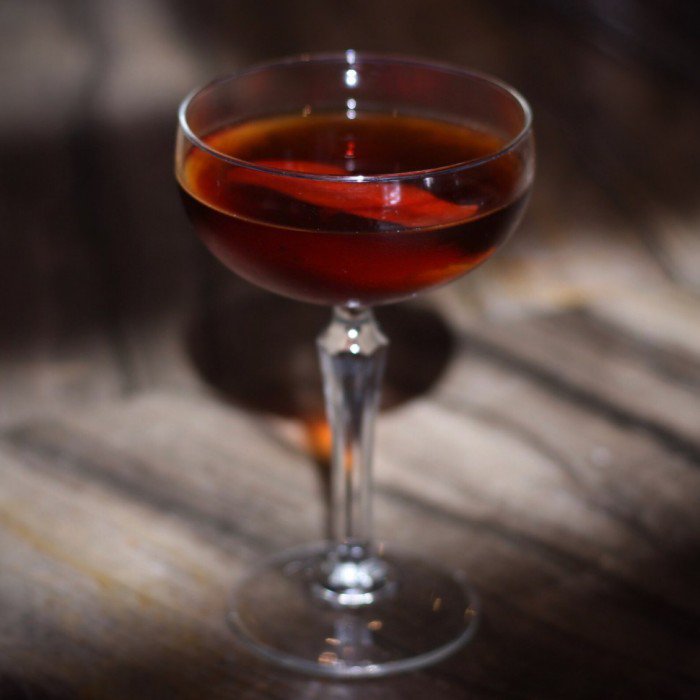
The Jimmy Conway is a sophisticated cocktail that combines smooth Irish whiskey with a hint of sweet vermouth and a splash of aromatic bitters, creating a rich and balanced flavor profile. Garnished with a twist of lemon peel, this drink pays homage to classic cocktail traditions while offering a modern twist that’s perfect for any occasion. Enjoy it neat or on the rocks for a refreshing sip that evokes a sense of elegance and warmth.
Jack's Vanilla Coke
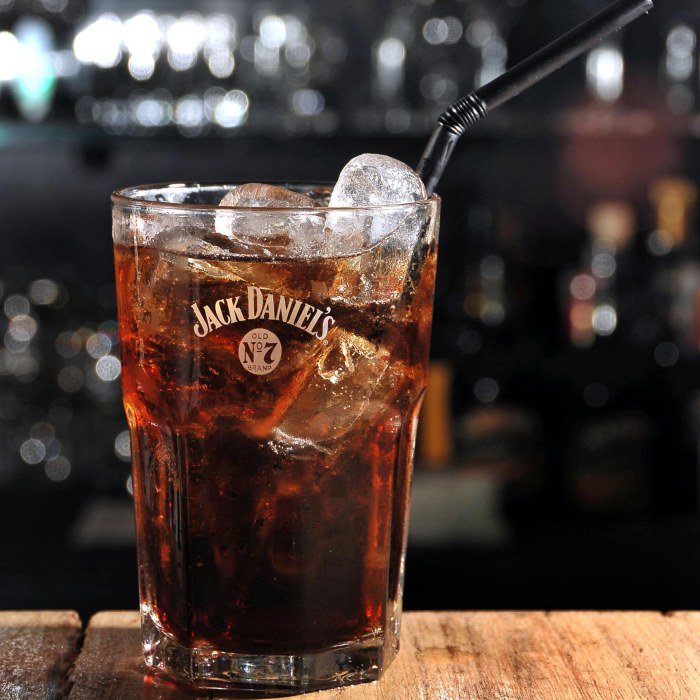
Jack's Vanilla Coke is a delightful twist on a classic favorite, blending smooth bourbon with rich vanilla and a splash of cola for a refreshing finish. Garnished with a twist of lemon, this cocktail offers a perfect balance of sweetness and warmth, making it an ideal choice for any occasion. Enjoy it over ice for a satisfying sip that transports you to a laid-back summer evening.
Owen's Grandmother's Revenge
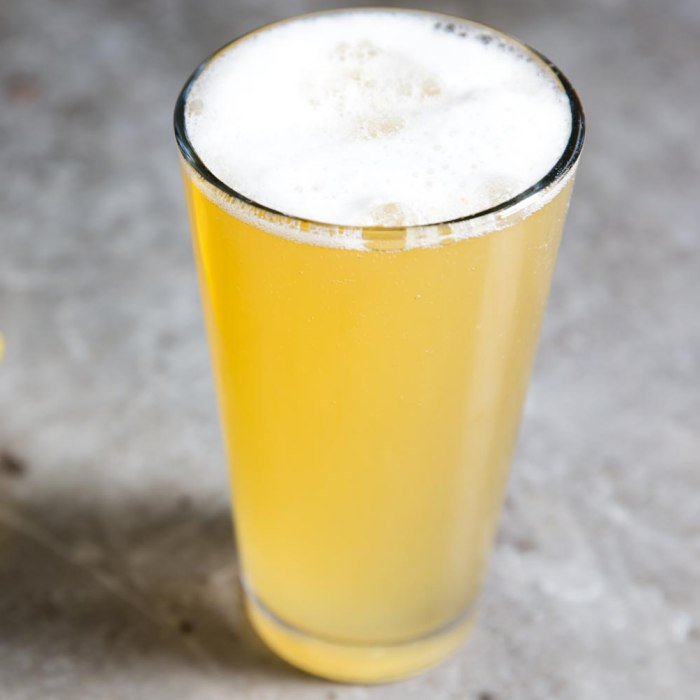
Owen's Grandmother's Revenge is a bold and spirited cocktail that combines the warmth of spiced rum with the tang of fresh citrus and a hint of sweetness from homemade grenadine. This vibrant drink is garnished with a twist of orange and a cherry, making it a delightful tribute to the fiery yet loving nature of grandmothers everywhere. Perfect for those who appreciate a balance of flavors with a kick, it's sure to leave a lasting impression.
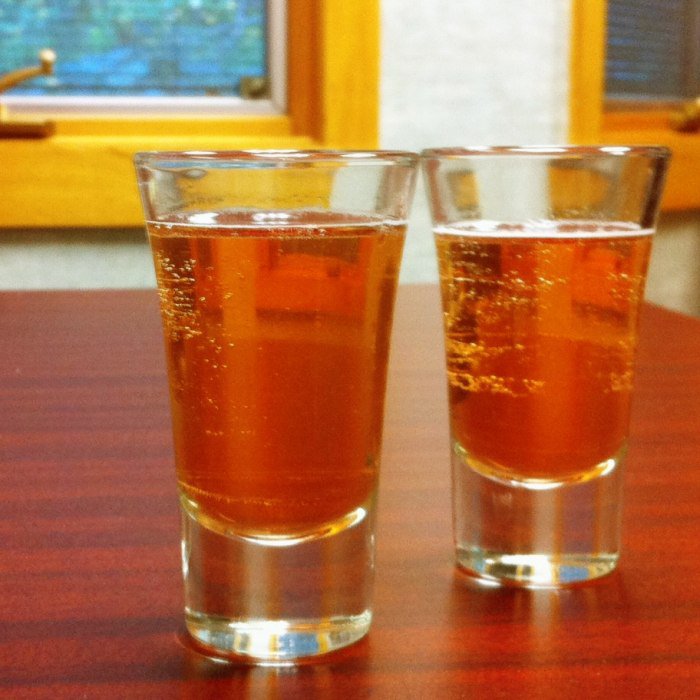
Damned if you do
The "Damned if You Do" cocktail is a tantalizing blend of gin, elderflower liqueur, and fresh lemon juice, creating a refreshing yet complex flavor profile. Garnished with a sprig of mint and a twist of lemon peel, this drink strikes a perfect balance between sweet and tart, making it an irresistible choice for any occasion. Its intriguing name hints at the delightful indulgence it offers, leaving you wanting more.
Other happy hour Cocktails
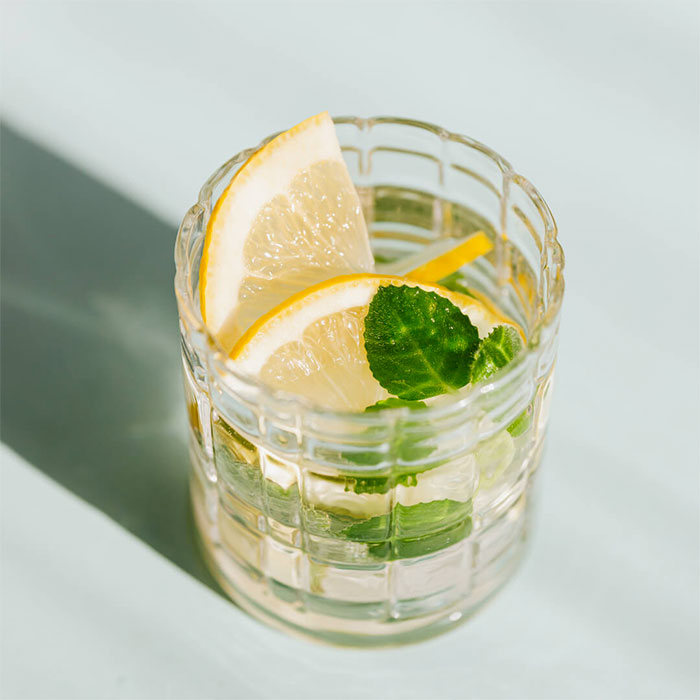
Vodka Tonic
The Vodka Tonic is a refreshing and simple cocktail that combines smooth vodka with crisp tonic water, creating a perfect balance of flavors. Often garnished with a wedge of lime or lemon, this drink is a popular choice for those seeking a light and invigorating beverage. Its clean taste and versatility make it a staple at bars and gatherings alike.
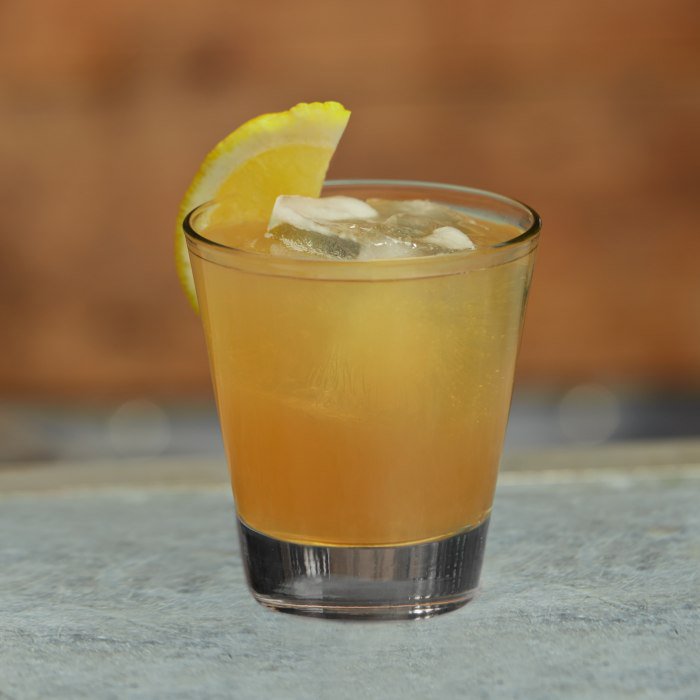
Tequila Sour
The Tequila Sour is a refreshing cocktail that combines the vibrant flavors of tequila with the tartness of fresh lemon juice and a touch of simple syrup for sweetness. Often garnished with a slice of lemon or a cherry, this drink offers a delightful balance of citrus and spirit, making it a perfect choice for warm evenings or festive gatherings. Its smooth texture and zesty profile make it a beloved twist on the classic sour cocktail family.
The Jimmy Conway
The Jimmy Conway is a sophisticated cocktail that combines smooth Irish whiskey with a hint of sweet vermouth and a splash of aromatic bitters, creating a rich and balanced flavor profile. Garnished with a twist of lemon peel, this drink pays homage to classic cocktail traditions while offering a modern twist that’s perfect for any occasion. Enjoy it neat or on the rocks for a refreshing sip that evokes a sense of elegance and warmth.
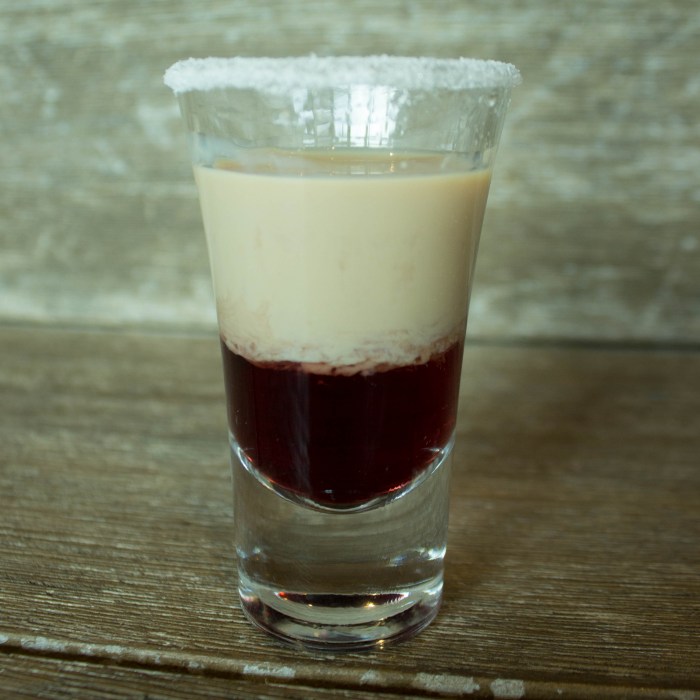
ABC
The ABC cocktail is a vibrant and refreshing blend of apple brandy, fresh lemon juice, and a hint of cinnamon syrup, creating a perfect balance of tartness and sweetness. Served over ice and garnished with a slice of apple, this drink is ideal for both casual gatherings and festive celebrations. Its unique flavor profile makes it a delightful choice for those seeking a twist on classic cocktails.
Similar Flavor Profiles
Amaretto Sour
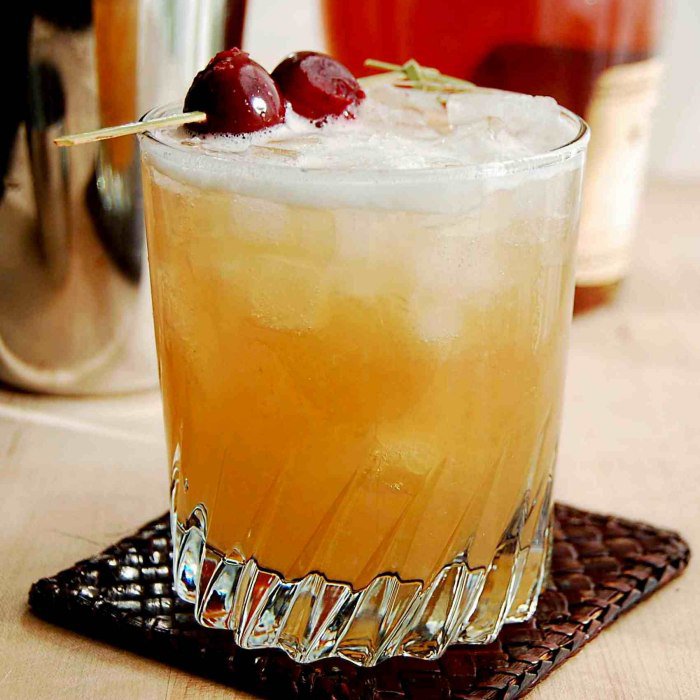
The Amaretto Sour is a delightful cocktail that combines the sweet, almond-flavored liqueur, amaretto, with fresh lemon juice for a refreshing tartness. Often garnished with a cherry or a slice of lemon, this drink strikes a perfect balance between sweet and sour, making it a popular choice for those who enjoy a smooth yet zesty flavor profile. Its vibrant yellow hue and inviting aroma make it a visually appealing addition to any cocktail menu.
Tequila Sour
The Tequila Sour is a refreshing cocktail that combines the vibrant flavors of tequila with the tartness of fresh lemon juice and a touch of simple syrup for sweetness. Often garnished with a slice of lemon or a cherry, this drink offers a delightful balance of citrus and spirit, making it a perfect choice for warm evenings or festive gatherings. Its smooth texture and zesty profile make it a beloved twist on the classic sour cocktail family.
Kentucky B And B
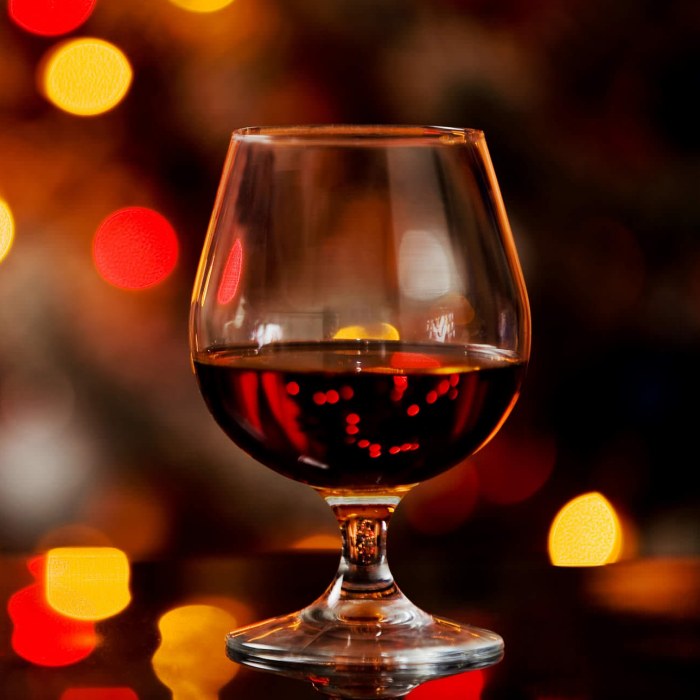
The Kentucky B and B is a delightful cocktail that blends the rich flavors of bourbon with the herbal notes of Benedictine liqueur. Served over ice with a twist of lemon, this drink offers a smooth and warming experience, perfect for sipping on a cozy evening. Its harmonious balance of sweetness and depth makes it a sophisticated choice for bourbon lovers.
Pisco Sour
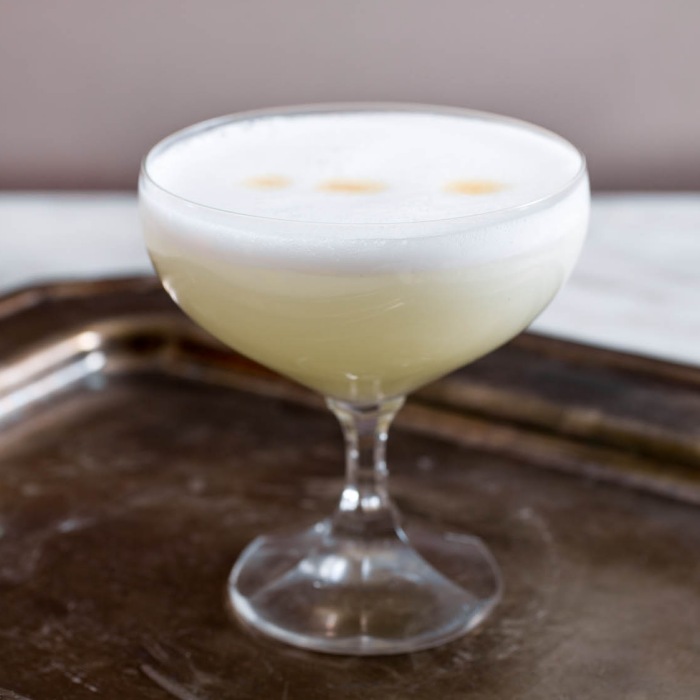
The Pisco Sour is a classic South American cocktail that combines pisco, a grape brandy from Peru or Chile, with fresh lime juice, simple syrup, and egg white, creating a frothy texture. This refreshing drink is typically garnished with a few dashes of bitters, offering a perfect balance of tartness and sweetness, making it a beloved choice for cocktail enthusiasts. Its vibrant flavor and smooth finish embody the spirit of the Andes, making it a true representation of Peruvian culture.
Advertisement