Spirit Guide
Coffee Liqueur Cocktails: Expert Guide to Coffee-Infused Drinks
About Coffee Liqueur
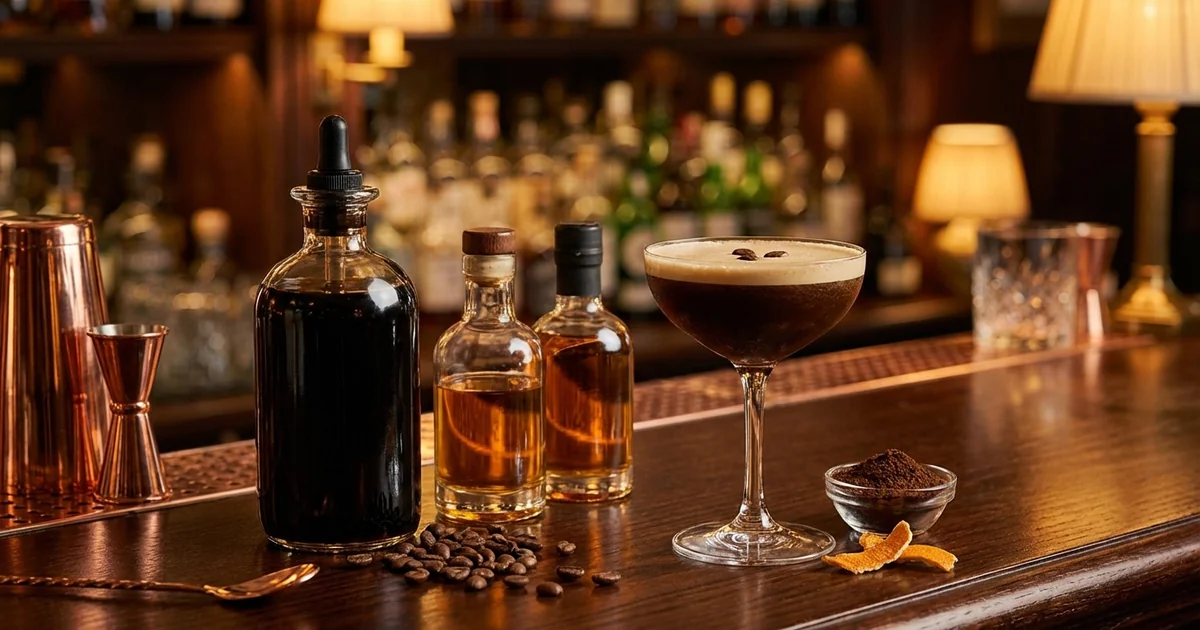
The coffee cocktail renaissance is here, and it's about far more than the ubiquitous Espresso Martini. While that modern classic deserves its place in the spotlight, the world of coffee liqueur cocktails offers a rich tapestry of flavours, techniques, and traditions that span continents and centuries. Coffee liqueurs have been enchanting drinkers since the 1930s, combining two of life's greatest pleasures in a single bottle. Today's bartenders are rediscovering vintage recipes — the Carajillo, the Revolver, the B-52 — while creating innovative new drinks that showcase coffee's remarkable ability to complement spirits from vodka to tequila. The fundamental tension in this category is between sweetness and bitterness: mass-market liqueurs like Kahlúa lean sweet and vanilla-forward, while craft options like Mr Black prioritise actual cold-brew coffee intensity. Knowing which to reach for transforms every drink in this collection.
Flavor Notes
What Coffee Liqueur tastes like
- Roasted coffee bitterness — the defining characteristic that quality coffee liqueurs prioritise; present in craft products, muted in sweet mass-market versions
- Vanilla sweetness — the supporting note in most coffee liqueurs; dominant in Kahlúa and Tia Maria, restrained in Mr Black and craft alternatives
- Caramel and brown sugar — from the spirit base (rum in Kahlúa, triple-distilled spirit in Mr Black) and production process
- Dark chocolate — the intersection of coffee's natural compounds and spirit aging; particularly apparent when coffee liqueur meets bourbon or rum
- Espresso crema oils — the aromatic coffee oils that, when present in fresh espresso alongside coffee liqueur, create the signature foam cap of a perfect Espresso Martini
Buying Guide
What to look for
- Mr Black Cold Brew Coffee Liqueur ($35) — the craft bartender's choice; genuine cold-brew intensity and lower sugar make it superior for Espresso Martinis and any coffee-forward drink
- Kahlúa ($20-25) — the accessible market standard; sweet, vanilla-forward, and reliable for dessert cocktails, White Russians, and crowd-pleasing mixed drinks
- Tia Maria ($25) — Jamaican rum base with Madagascar vanilla; a useful middle ground between Kahlúa's sweetness and Mr Black's bitterness
- St. George NOLA Coffee Liqueur ($35) — rye whiskey base with chicory and New Orleans cold-brew; uniquely complex for stirred cocktails like the Revolver
- Homemade coffee liqueur — steep cold-brew in vodka with simple syrup; total control over sweetness and coffee intensity at a fraction of commercial prices
History
The Story of Coffee Liqueur
Coffee's journey from Ethiopian highlands to cocktail shaker spans a thousand years of trade, culture, and social transformation. The coffee plant was first cultivated in Yemen in the 15th century, where Sufi mystics used the beverage to sustain nocturnal devotional practices. By the 16th century, coffeehouses had spread across the Ottoman Empire and into Europe, where they became centres of intellectual and commercial exchange — so much so that Charles II of England briefly banned them in 1675, fearing their role as hotbeds of political dissent.
The marriage of coffee and alcohol is nearly as old as coffee's European adoption. Kahlúa, the Mexican coffee liqueur that launched the modern category, was created in 1936 by Pedro Domecq and partners, drawing on Veracruz's coffee-growing heritage and using rum as the spirit base. It entered the American market in the 1950s and achieved cultural dominance through the White Russian, itself propelled to cult status by "The Big Lebowski" (1998). For decades, Kahlúa's sweet, vanilla-heavy profile defined what coffee liqueur meant to most consumers.
The specialty coffee revolution of the 2000s created the conditions for a new generation of coffee liqueurs. Mr Black, launched in Australia in 2013 by Tom Baker and Philip Moore, was the first major commercial liqueur to use genuine cold-brew coffee and dramatically less sugar, appealing directly to third-wave coffee enthusiasts. This shift — from flavoured sweetness to authentic coffee intensity — mirrors the broader craft spirits movement and has permanently expanded what consumers expect from the category. Today, coffee liqueurs range from sweet, approachable mixers to semi-bitter digestifs worthy of sipping neat.
Key Takeaways
What you’ll learn
- Coffee liqueurs range from sweet (Kahlúa) to bold and bitter (Mr Black) — choose based on whether coffee is the accent or the star of the drink
- Eight essential recipes showcase the category's versatility across vodka, rum, whiskey, and tequila bases
- Quality matters significantly for coffee-forward cocktails like the Espresso Martini; craft liqueurs deliver real coffee flavour that mass-market products cannot replicate
- Always use fresh espresso when recipes call for it — pre-made coffee lacks the oils and crema that create foam and contribute flavour
- Making your own coffee liqueur at home is surprisingly simple and allows complete control over sweetness and coffee intensity