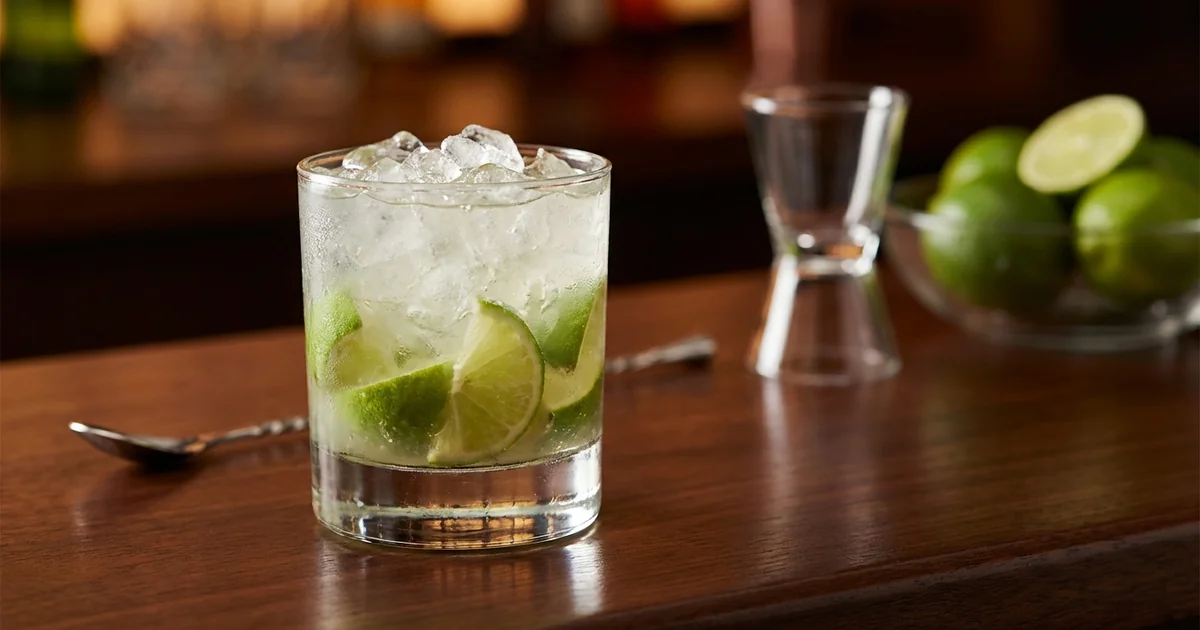
Ordinary Drink
Caipirinha
La Caipirinha es un cóctel brasileño refrescante y vibrante, elaborado con cachaça, azúcar y lima. Su combinación de sabores tropicales y su textura crujiente la convierten en la bebida perfecta para disfrutar en climas cálidos. Ideal para quienes buscan una experiencia auténtica y deliciosa.
- dulce
- cítrico
- refrescante
- ácido

- Prep Time
- 3 min
- Glass
- Old-fashioned glass
- Difficulty
- Easy
- ABV
- 18%
- Yields
- 1 serving
El Caipirinha es un ordinary drink a base de cachaca, reconocido por su carácter dulce and cítrico — uno de los "fiesta" más buscados. Con solo 3 minutos de preparación, es ideal para fiestas de verano y fácil de preparar en casa. Si buscas "verano", esta es tu receta.
Key Takeaways
What you’ll learn
- Authentic caipirinhas require cachaça — Brazil's sugarcane spirit — not rum. The grassy, agricultural character of cachaça is what makes the drink distinctly Brazilian.
- Muddle lime wedges aggressively with granulated sugar directly in the glass for 30–45 seconds; the sugar crystals act as an abrasive to extract essential oils from the peel.
- Remove the white core from lime wedges before muddling — it is intensely bitter and will make the drink harsh if left in.
- The caipirinha was officially recognized as Brazil's national cocktail in 2003, though its roots trace back to a 19th-century folk remedy in São Paulo state.
- Fresh limes are non-negotiable; bottled juice lacks the aromatic peel oils that define the authentic muddled caipirinha.
Advertisement
Ingredients
- Serves
- 1 serving
- Glass
- Old-fashioned glass
- Prep
- 3 min
- 2 tspSugar
- 1Lime
- 2 1/2 ozCachaca
Method
Preparation
- 01
Coloca la lima y el azúcar en un vaso old fashioned y machaca (aprieta los dos ingredientes juntos usando un muddler o una cuchara de madera). Llena el vaso con hielo y añade la Cachaça.
Origin
History & Origins
The caipirinha is Brazil's soul in a glass — vibrant, bold, and unapologetically rustic. As the country's national cocktail, this deceptively simple drink captures the spirit of Rio's beaches, carnival celebrations, and centuries of sugarcane heritage. The caipirinha's exact origin is debated, but the most credible story traces it to São Paulo state in the 1800s, where an early version served as a folk remedy: lime, garlic, honey, and cachaça were combined to treat the Spanish flu. Over time the garlic and honey fell away, granulated sugar took their place, and the modern caipirinha emerged.
"Caipirinha" means "little countryside girl" or "little peasant" in Portuguese, reflecting the drink's rural, working-class origins. By the 1960s–70s it had gained popularity in Rio de Janeiro's beach bars and restaurants; by the 1980s–90s international recognition grew as cachaça exports increased. In 2003 the Brazilian government officially recognized the caipirinha as the national cocktail, cementing its cultural status.
By the 1960s–70s it had gained popularity in Rio de Janeiro's beach bars and restaurants; by the 1980s–90s international recognition grew as cachaça exports increased.
The caipirinha embodies Brazilian values: unpretentious, vibrant, communal, and celebratory. It is inseparable from carnival culture — street vendors serve thousands during festival season — and from the Brazilian table, where its acidity cuts through the rich fats of churrasco and feijoada. The drink's three-ingredient simplicity means every element must be right: quality cachaça, fresh ripe limes, and the willingness to muddle with real force.
Advertisement
Bartender’s Insight
Pro Tips
Usar cachaca, no ron
From Sofia
Lightly muddle limón para evitar amargura
Usar cachaca fresca y de calidad
Servir sobre hielo picado para la dilución adecuada
At the Table
Perfect Pairings
Beyond the Classic
Variations
Caipirosca
Sustituye vodka por cachaca
Caipirinha Morango
Agrega fresas frescas para dulzura afrutada
Tropical Caipirinha
Agrega maracuyá o piña para notas tropicales
Watch
See it in action
Questions
Frequently Asked
- The Caipirinha has a flavor profile that is dulce, cítrico, refrescante, ácido. It is crafted to balance these characteristics into a harmonious, satisfying drink that appeals to a wide range of palates.
- The Caipirinha is ideal for fiestas de verano, celebraciones familiares, reuniones con amigos. Its flavor profile and presentation make it a versatile choice that works equally well as a social cocktail or a relaxed evening drink.
- Yes, there are several ways to adapt a Caipirinha. If you cannot source Lime, look for a similar alternative that matches its flavor profile. Keep in mind that substitutions may alter the balance of the cocktail, so start with a smaller quantity and adjust to taste. The variations section above lists popular alternatives bartenders use.
- Some of the most popular Caipirinha variations include Caipirosca, Caipirinha Morango, Tropical Caipirinha. Each variation puts a unique twist on the original recipe while retaining the essential character of the classic cocktail.
- The Caipirinha is traditionally served in a Old-fashioned glass. Using the right glassware is important because it affects the aroma, temperature retention, and overall drinking experience. If you do not have a Old-fashioned glass on hand, a similar shaped glass will work.
- Yes, a mocktail version of the Caipirinha is possible. Replace the base spirit with a non-alcoholic spirit alternative (there are many quality options available) and keep all other components the same. The result will capture much of the original's flavor profile while being suitable for guests who prefer alcohol-free options.
Other Cachaca Cocktails
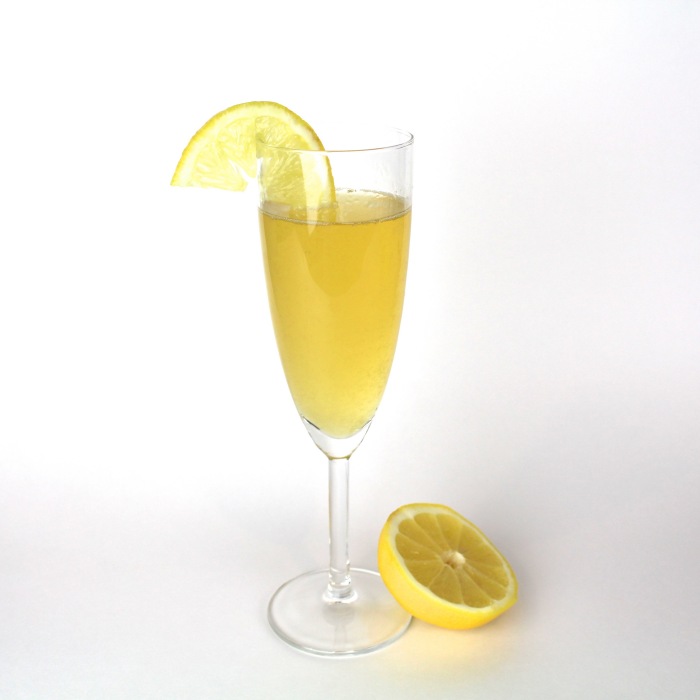
Girl From Ipanema
El "Girl From Ipanema" es un cóctel refrescante y tropical que captura la esencia del famoso bossa nova. Este trago combina sabores de ron, jugo de piña y un toque de limón, evocando la brisa del mar y la belleza de las playas de Ipanema. Ideal para disfrutar en un día soleado, es un verdadero homenaje a la cultura brasileña.
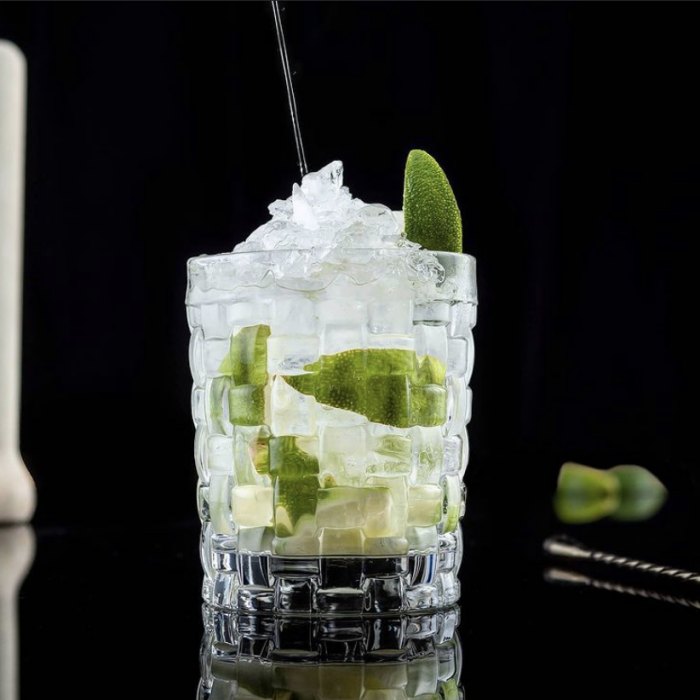
Elderflower Caipirinha
La Caipirinha de Flor de Saúco es una refrescante mezcla que combina la tradicional cachaça brasileña con el delicado sabor floral del licor de flor de saúco. Este cóctel se sirve típicamente con limón fresco y azúcar, creando una experiencia única y vibrante que resalta la frescura de sus ingredientes. Ideal para disfrutar en una tarde soleada, su dulzura y acidez lo convierten en una opción irresistible.
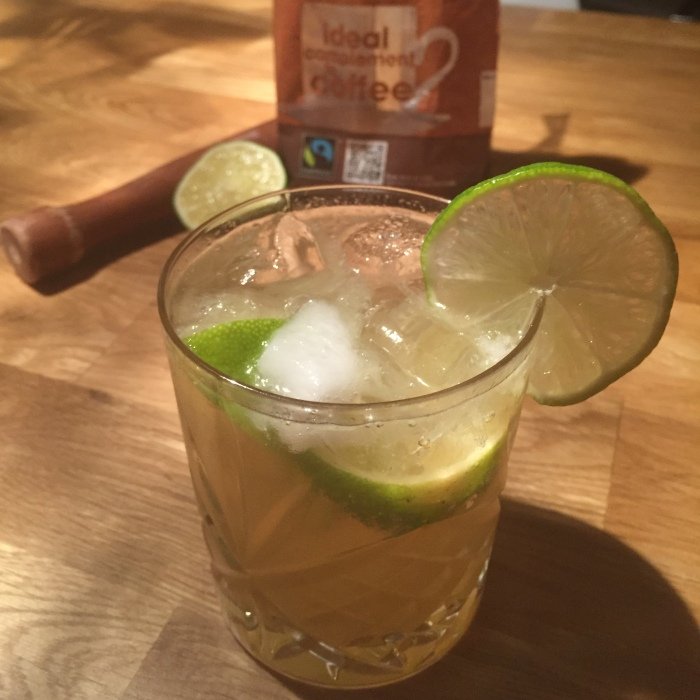
Dark Caipirinha
La Dark Caipirinha es una deliciosa variante del clásico cóctel brasileño, que combina la intensidad del cachaça oscuro con el frescor del limón y la dulzura del azúcar. Este trago, servido con hielo, ofrece un equilibrio perfecto entre sabores, ideal para quienes buscan una experiencia única y refrescante. Su color profundo y su sabor vibrante la convierten en una opción irresistible para cualquier ocasión.
Other fiestas de verano Cocktails
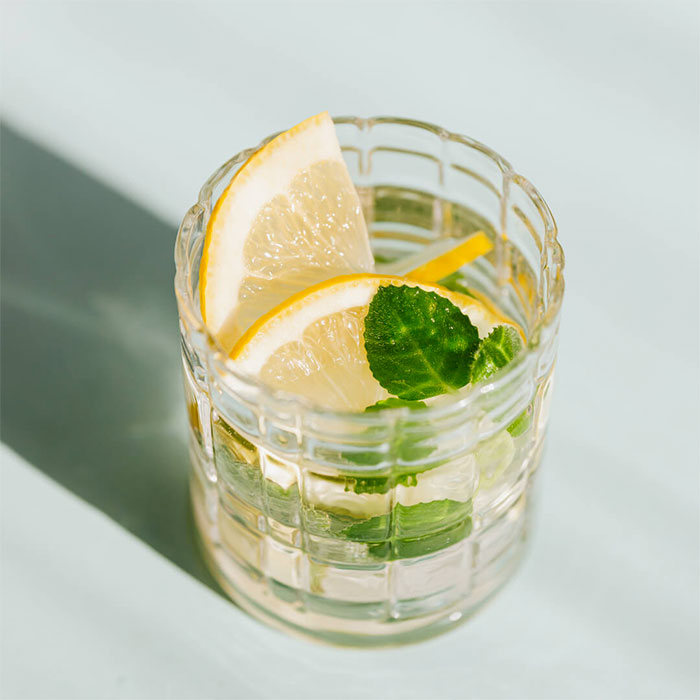
Vodka Tonic
El Vodka Tonic es un cóctel refrescante y sencillo que combina vodka de alta calidad con agua tónica, creando una bebida equilibrada y burbujeante. Se sirve generalmente en un vaso alto, adornado con una rodaja de limón o lima, lo que realza su sabor y aroma. Ideal para cualquier ocasión, es una opción popular entre los amantes de los cócteles.
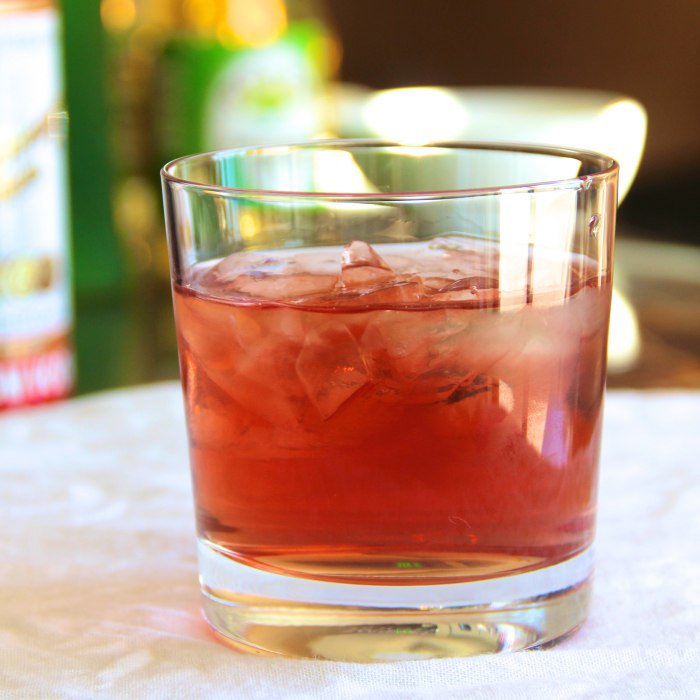
Kool-Aid Shot
El 'Kool-Aid Shot' es un cóctel vibrante y divertido que combina el sabor afrutado de Kool-Aid con un toque de licor, creando una explosión de color y sabor en cada sorbo. Perfecto para fiestas y reuniones, este trago es fácil de preparar y seguro que alegrará el ambiente. ¡Disfrútalo frío y comparte la diversión!
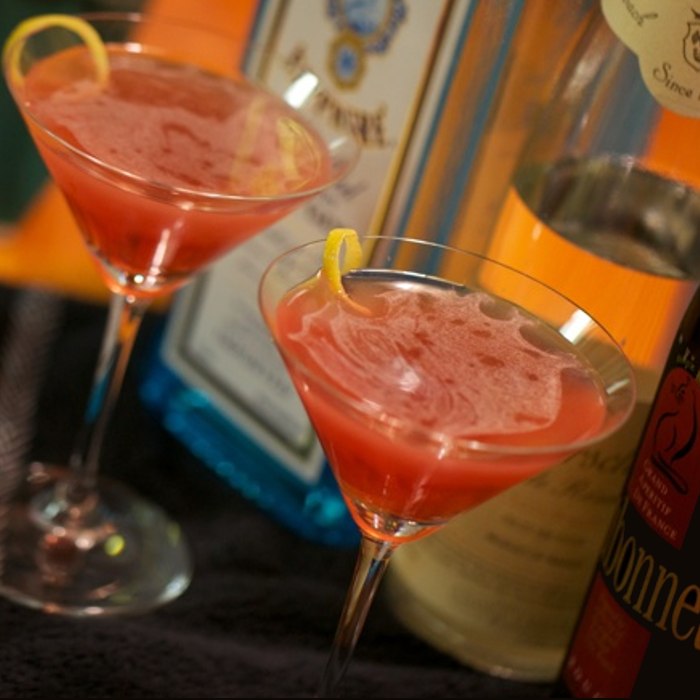
Blackthorn
El Blackthorn es un cóctel clásico que combina la suavidad del gin con el sabor profundo del vermut dulce y un toque de amargo de angostura. Su color oscuro y seductor, junto con su perfil de sabor equilibrado, lo convierten en una opción perfecta para quienes buscan una bebida elegante y sofisticada. Ideal para disfrutar en una noche especial o como aperitivo antes de una cena.
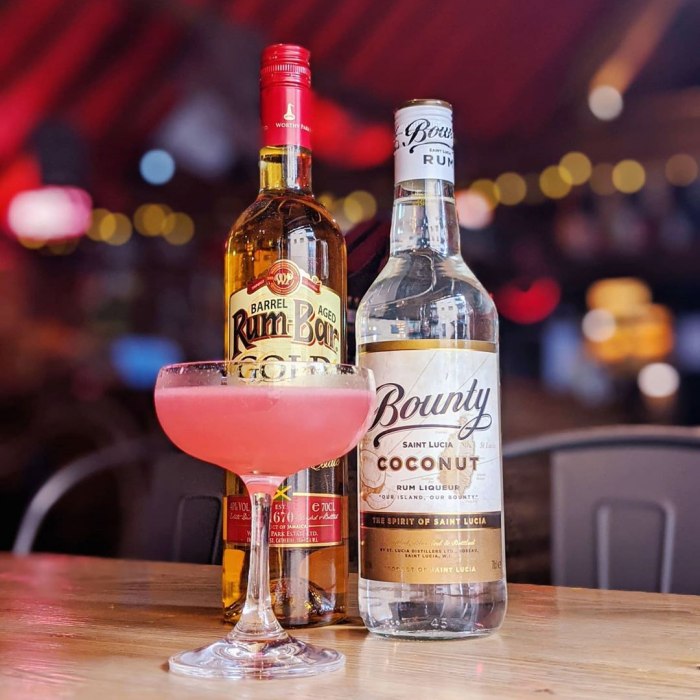
Bounty Hunter
El "Bounty Hunter" es un cóctel exótico que combina ron oscuro, jugo de piña y un toque de jarabe de coco, evocando sabores tropicales que transportan a una isla paradisíaca. Decorado con una rodaja de piña y una cereza, este trago es perfecto para aquellos que buscan una aventura refrescante en cada sorbo. Ideal para disfrutar en una tarde soleada o en una fiesta temática.
Similar Flavor Profiles
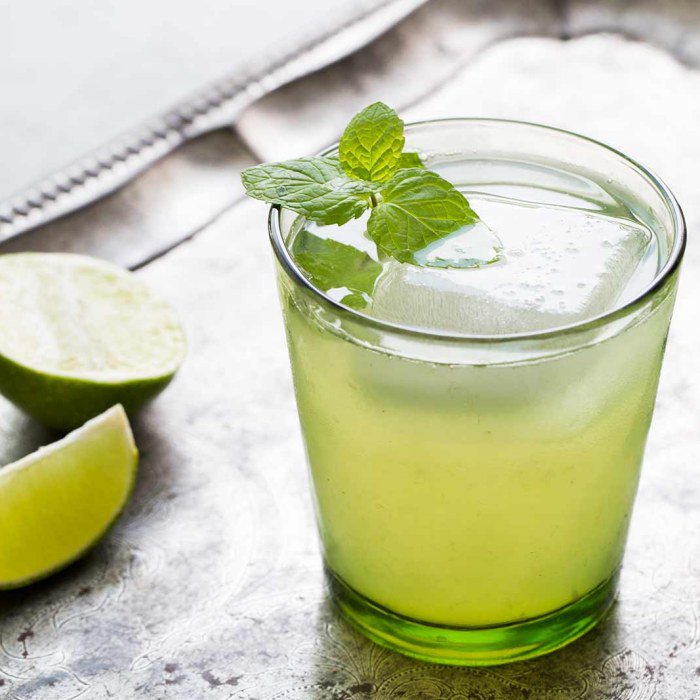
Limeade
El Limeade es un refrescante cóctel que combina la acidez del jugo de lima con la dulzura de un sirope, creando una bebida vibrante y deliciosa. Ideal para los días calurosos, se puede servir con hielo y adornar con rodajas de lima para un toque adicional de frescura. Perfecto para disfrutar en una reunión con amigos o como un alivio refrescante en cualquier momento.
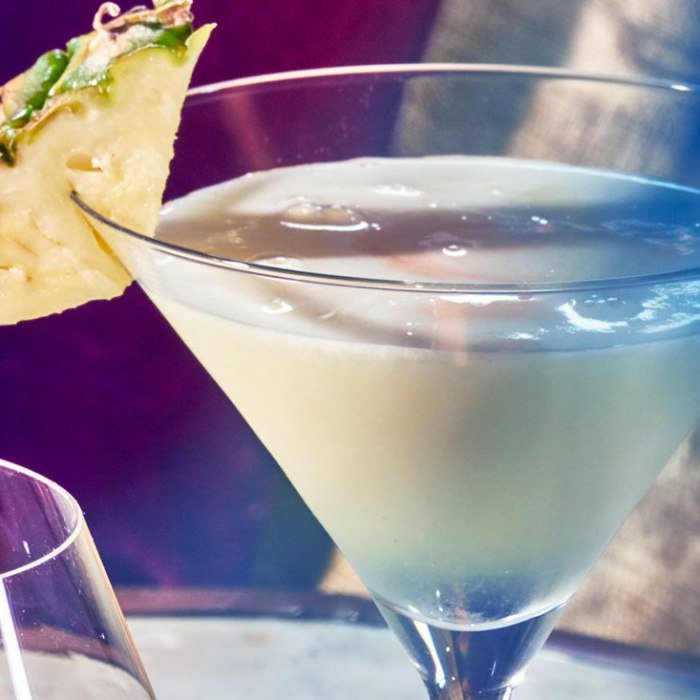
New York Lemonade
El "New York Lemonade" es un cóctel refrescante que combina la frescura del limón con un toque de vodka y un suave sabor afrutado. Su color vibrante y su sabor equilibrado lo convierten en la bebida perfecta para disfrutar en una cálida tarde de verano. Ideal para quienes buscan un trago ligero y delicioso.
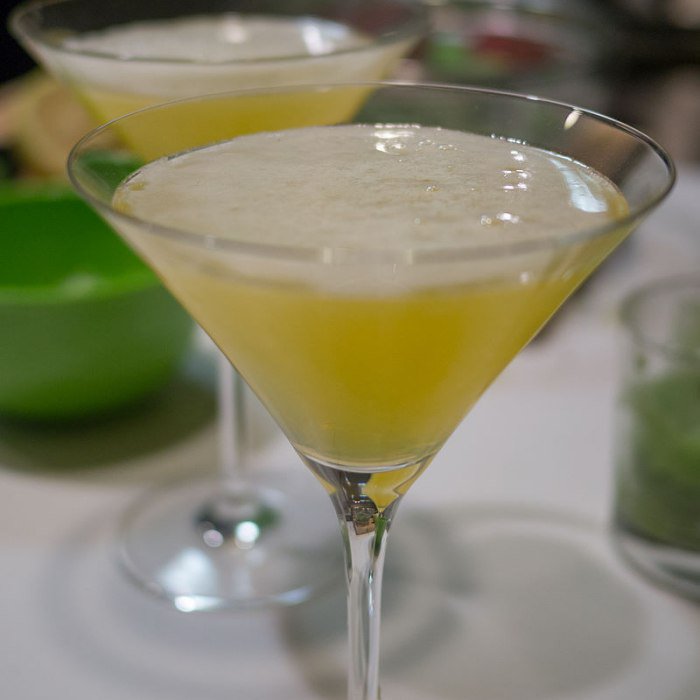
Lemon Drop
El Lemon Drop es un cóctel refrescante y cítrico que combina vodka, jugo de limón fresco y un toque de licor de naranja, todo servido en un vaso escarchado con azúcar. Su sabor dulce y ácido lo convierte en una opción popular para aquellos que buscan una bebida vibrante y alegre. Ideal para disfrutar en una noche de fiesta o como un aperitivo elegante.
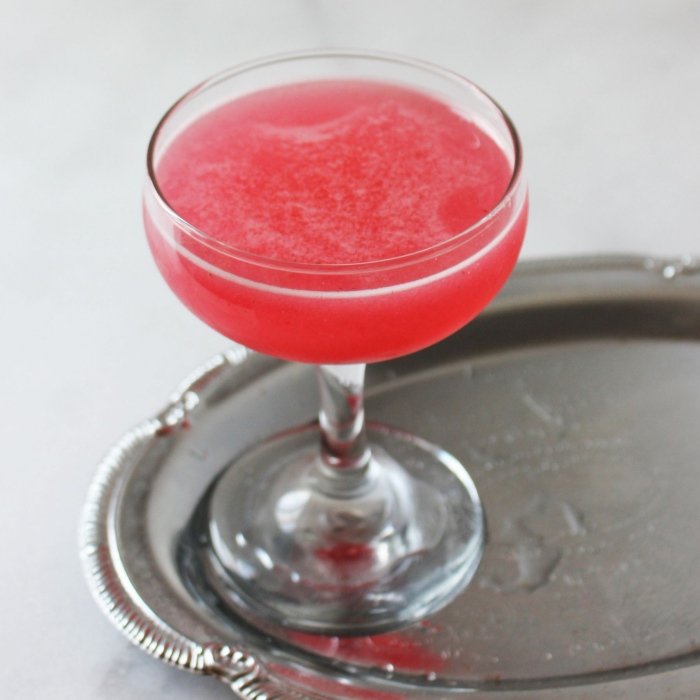
Moranguito
El Moranguito es un cóctel refrescante y afrutado que combina la dulzura de las fresas frescas con el toque cítrico del limón. Este delicioso trago se mezcla con ron blanco y un toque de menta, creando una experiencia vibrante y veraniega en cada sorbo. Ideal para disfrutar en una tarde soleada, el Moranguito es una celebración de sabores que despierta los sentidos.
Advertisement