Ordinary Drink
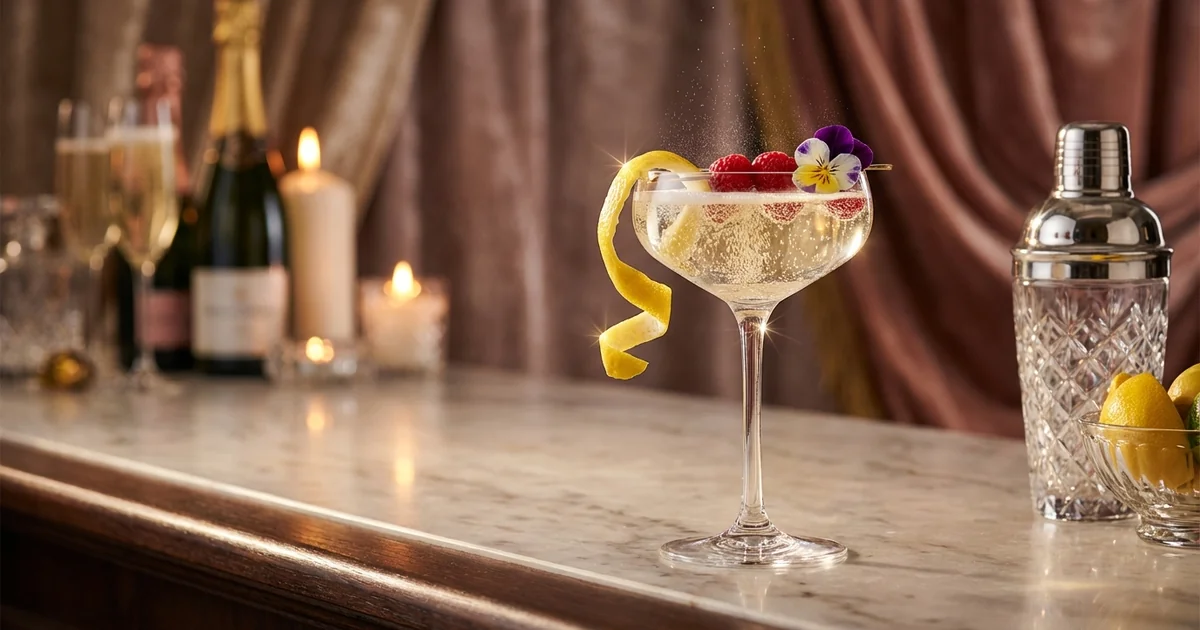
French 75
El French 75 es un cóctel clásico y elegante que combina ginebra, jugo de limón fresco, azúcar y champán. Su nombre proviene del cañón francés de 75 mm utilizado durante la Primera Guerra Mundial, simbolizando su potencia y sofisticación. Servido en una copa de flauta, es perfecto para celebraciones y ocasiones especiales.
- cítrico
- espumoso
- refrescante
- aromático
- Prep Time
- 5 min
- Glass
- Collins glass
- Difficulty
- Easy
- ABV
- 14%
- Yields
- 1 serving
El French 75 es un ordinary drink a base de gin, reconocido por su carácter cítrico and espumoso — uno de los "celebraciones" más buscados. Con solo 5 minutos de preparación, es ideal para fiestas de verano y fácil de preparar en casa. Si buscas "cenas elegantes", esta es tu receta.
Key Takeaways
What you’ll learn
- The French 75 was named after the powerful WWI-era 75mm field gun for its reputedly fierce kick.
- Both gin and cognac versions are historically valid; gin is the most popular modern interpretation while cognac is the French original.
- Proper technique requires shaking the base ingredients with ice before topping with champagne — never shake the sparkling wine itself.
- Always use brut champagne or quality sparkling wine to balance the simple syrup's sweetness.
Advertisement
Ingredients
- Serves
- 1 serving
- Glass
- Collins glass
- Prep
- 5 min
- 1 1/2 ozGin
- 2 tsp superfineSugar
- 1 1/2 ozLemon juice
- 4 oz ChilledChampagne
- 1Orange
- 1Maraschino cherry
Method
Preparation
- 01
Combina ginebra, azúcar y jugo de limón en una coctelera llena de hielo. Agita vigorosamente y cuela en una copa de champán fría. Completa con champán. Revuelve suavemente.
Origin
History & Origins
The French 75's origin story is as debated as the recipe itself. Most cocktail historians credit Harry MacElhone, the Scottish bartender who founded Harry's New York Bar in Paris, with creating the drink around 1925. Some accounts trace it back to the interwar period in London, while others suggest a WWI-era provenance — French and American soldiers in France were supposedly mixing gin with champagne as early as 1915.
What is certain is that the cocktail's name invokes the Canon de 75 modèle 1897, the rapid-fire French field gun that became the signature artillery piece of World War I. Early drinkers claimed the cocktail had such a kick that it felt like being hit by the cannon's shell — a claim that speaks more to its deceptive drinkability than any literal comparison. The drink appeared in "The Savoy Cocktail Book" in 1930 with a gin base, cementing its place in the classic canon.
Early drinkers claimed the cocktail had such a kick that it felt like being hit by the cannon's shell — a claim that speaks more to its deceptive drinkability than any literal comparison.
The gin-versus-cognac debate persists to this day. French sources from the same era often specified cognac, suggesting the cognac version may be the authentic Parisian recipe while the gin variant was popularised in English-speaking countries. Today the IBA lists the French 75 as an official cocktail with gin as the canonical spirit. Some bartenders serve the cognac version as "French 75 Moderne." Both versions are historically valid, and choosing between them is an exercise in personal preference and cocktail philosophy.
Advertisement
Bartender’s Insight
Pro Tips
Enfría todos los ingredientes y la cristalería completamente antes de la preparación para una temperatura de servicio óptima
From Elena
usa ginebra London Dry para mantener el equilibrio botánico sin abrumar el champagne
agrega champagne al final para preservar la efervescencia y crear atractivo visual
remueve en lugar de agitar para mantener la claridad
At the Table
Perfect Pairings
Beyond the Classic
Variations
French 75 75
Utiliza 75ml de cada componente (ginebra, champagne, zumo de limón, almíbar) para proporción perfecta y presentación potente
Champagne 75
Incorpora copas enjuagadas con absenta para un trasfondo herbáceo
French 75 Moderno
Añade un toque de amargos Peychaud's para especias sutiles y complejidad
Questions
Frequently Asked
- The French 75 has a flavor profile that is cítrico, espumoso, refrescante, aromático. It is crafted to balance these characteristics into a harmonious, satisfying drink that appeals to a wide range of palates.
- The French 75 is ideal for fiestas de verano, bodas, celebraciones de Año Nuevo. Its flavor profile and presentation make it a versatile choice that works equally well as a social cocktail or a relaxed evening drink.
- Yes, there are several ways to adapt a French 75. If you cannot source Gin, look for a similar alternative that matches its flavor profile. Keep in mind that substitutions may alter the balance of the cocktail, so start with a smaller quantity and adjust to taste. The variations section above lists popular alternatives bartenders use.
- Some of the most popular French 75 variations include French 75 75, Champagne 75, French 75 Moderno. Each variation puts a unique twist on the original recipe while retaining the essential character of the classic cocktail.
- The French 75 is traditionally served in a Collins glass. Using the right glassware is important because it affects the aroma, temperature retention, and overall drinking experience. If you do not have a Collins glass on hand, a similar shaped glass will work.
- Yes, a mocktail version of the French 75 is possible. Replace the base spirit with a non-alcoholic spirit alternative (there are many quality options available) and keep all other components the same. The result will capture much of the original's flavor profile while being suitable for guests who prefer alcohol-free options.
Other Gin Cocktails
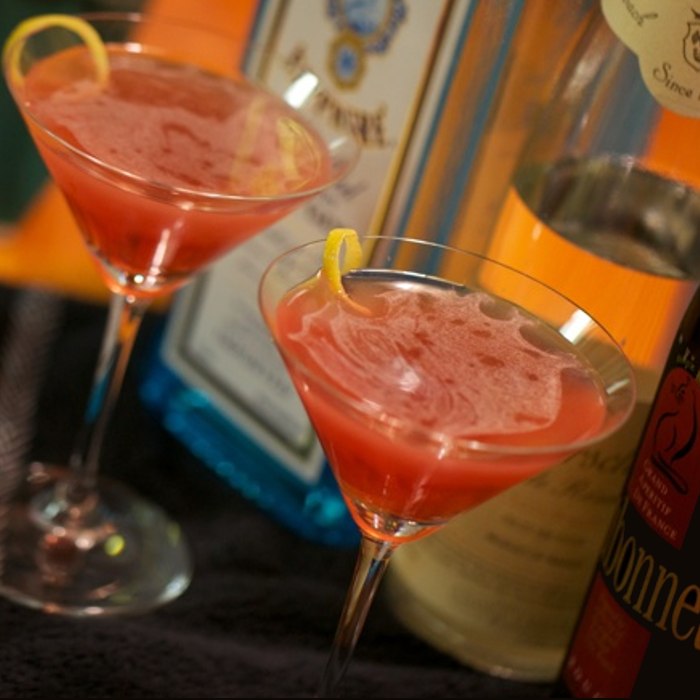
Blackthorn
El Blackthorn es un cóctel clásico que combina la suavidad del gin con el sabor profundo del vermut dulce y un toque de amargo de angostura. Su color oscuro y seductor, junto con su perfil de sabor equilibrado, lo convierten en una opción perfecta para quienes buscan una bebida elegante y sofisticada. Ideal para disfrutar en una noche especial o como aperitivo antes de una cena.
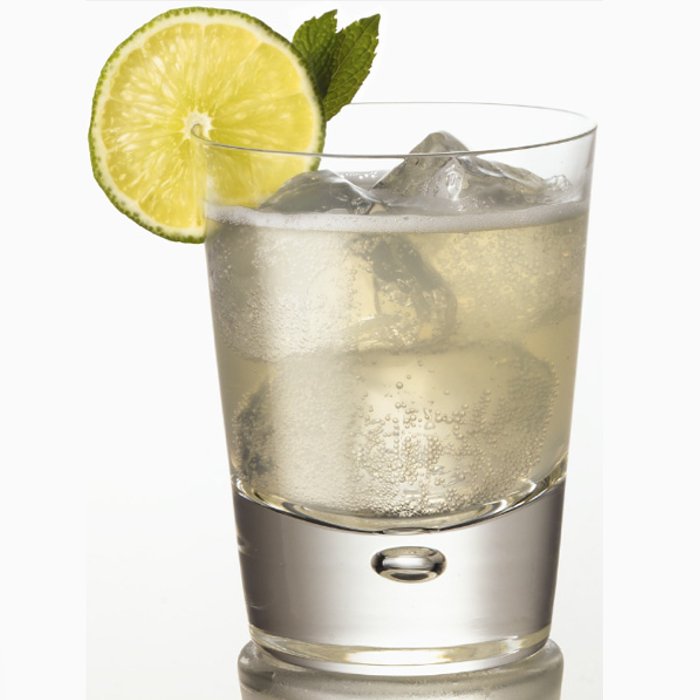
Rail Splitter
El Rail Splitter es un cóctel refrescante y vibrante que combina bourbon, jugo de limón fresco y jarabe de arce, creando un equilibrio perfecto entre lo dulce y lo ácido. Decorado con una rodaja de limón y una ramita de menta, este trago es ideal para disfrutar en una tarde soleada. Su nombre rinde homenaje al famoso presidente estadounidense Abraham Lincoln, conocido como el "Rail Splitter".
The Philosopher
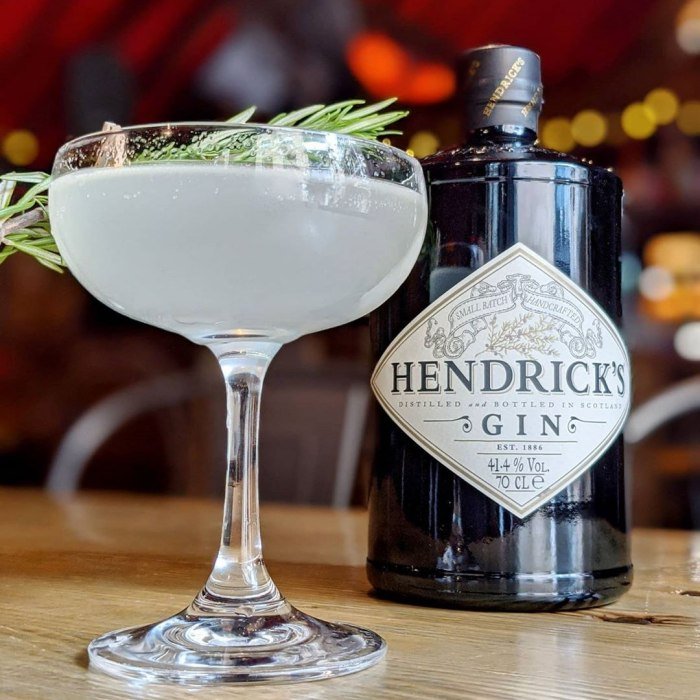
El cóctel "El Filósofo" es una mezcla intrigante que combina la profundidad del whisky con la frescura del jugo de limón y un toque de jarabe de miel. Su sabor equilibrado invita a la reflexión, haciendo de cada sorbo una experiencia contemplativa. Ideal para aquellos que buscan un momento de introspección y disfrute.
Ace
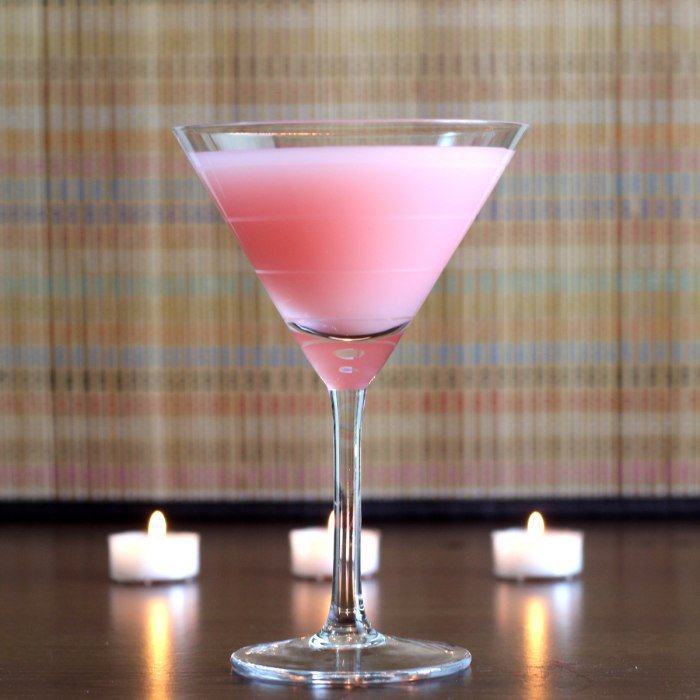
El cóctel "Ace" es una deliciosa mezcla de sabores que combina la frescura del jugo de limón con la suavidad de la ginebra y un toque de jarabe de agave. Decorado con una rodaja de limón y una ramita de menta, es la bebida perfecta para disfrutar en una tarde soleada. Su equilibrio entre lo ácido y lo dulce lo convierte en un verdadero as en cualquier reunión.
Other fiestas de verano Cocktails
Vodka Tonic
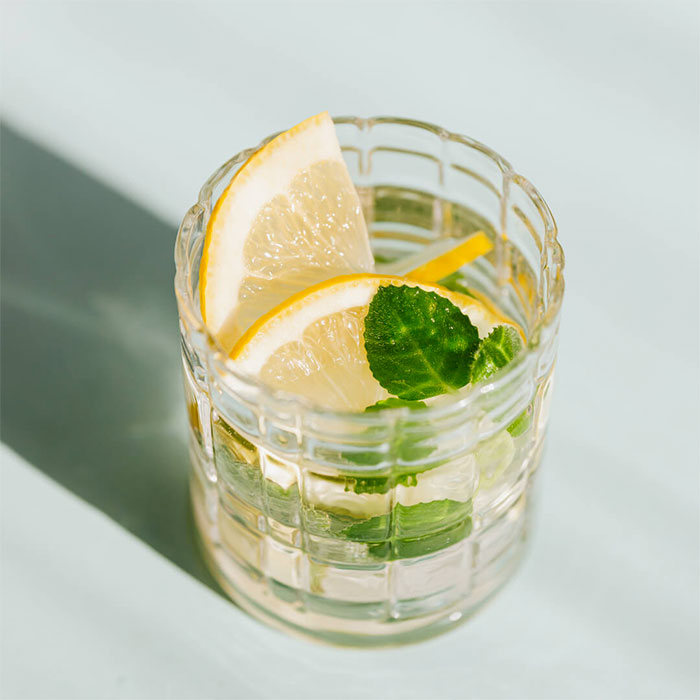
El Vodka Tonic es un cóctel refrescante y sencillo que combina vodka de alta calidad con agua tónica, creando una bebida equilibrada y burbujeante. Se sirve generalmente en un vaso alto, adornado con una rodaja de limón o lima, lo que realza su sabor y aroma. Ideal para cualquier ocasión, es una opción popular entre los amantes de los cócteles.
Kool-Aid Shot
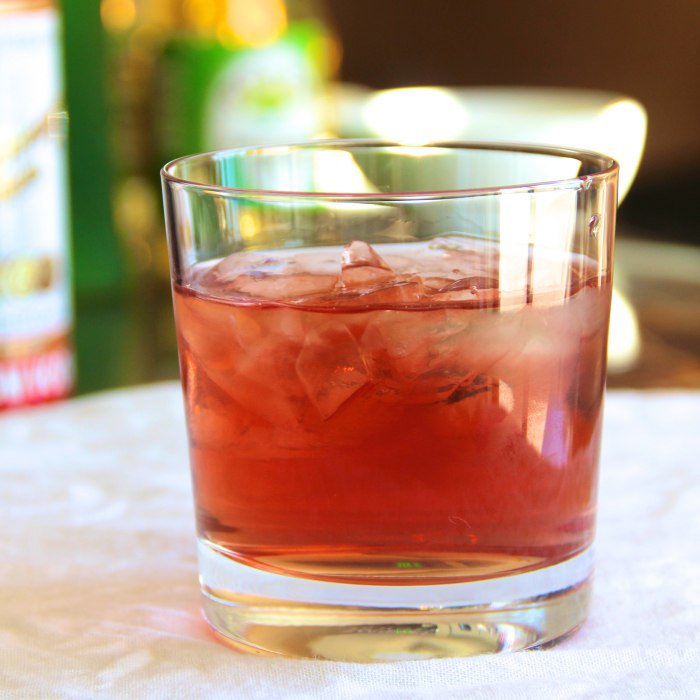
El 'Kool-Aid Shot' es un cóctel vibrante y divertido que combina el sabor afrutado de Kool-Aid con un toque de licor, creando una explosión de color y sabor en cada sorbo. Perfecto para fiestas y reuniones, este trago es fácil de preparar y seguro que alegrará el ambiente. ¡Disfrútalo frío y comparte la diversión!
Blackthorn
El Blackthorn es un cóctel clásico que combina la suavidad del gin con el sabor profundo del vermut dulce y un toque de amargo de angostura. Su color oscuro y seductor, junto con su perfil de sabor equilibrado, lo convierten en una opción perfecta para quienes buscan una bebida elegante y sofisticada. Ideal para disfrutar en una noche especial o como aperitivo antes de una cena.
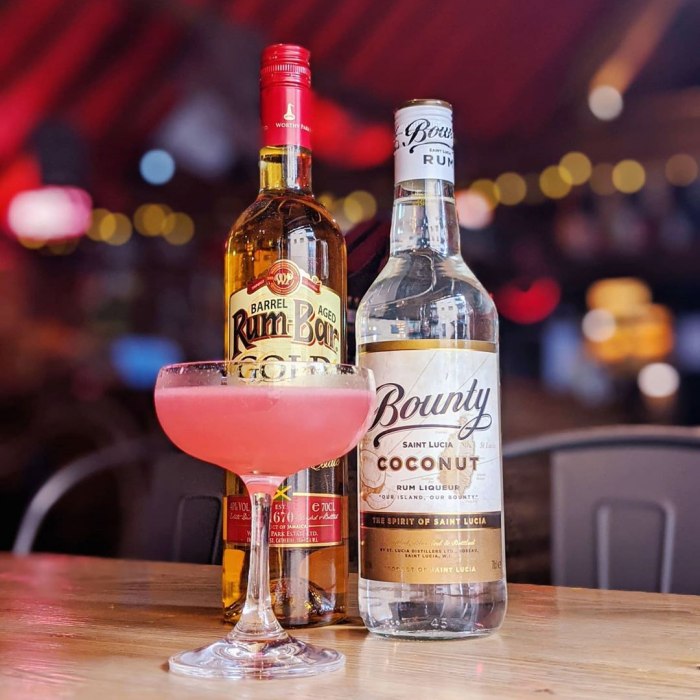
Bounty Hunter
El "Bounty Hunter" es un cóctel exótico que combina ron oscuro, jugo de piña y un toque de jarabe de coco, evocando sabores tropicales que transportan a una isla paradisíaca. Decorado con una rodaja de piña y una cereza, este trago es perfecto para aquellos que buscan una aventura refrescante en cada sorbo. Ideal para disfrutar en una tarde soleada o en una fiesta temática.
Similar Flavor Profiles
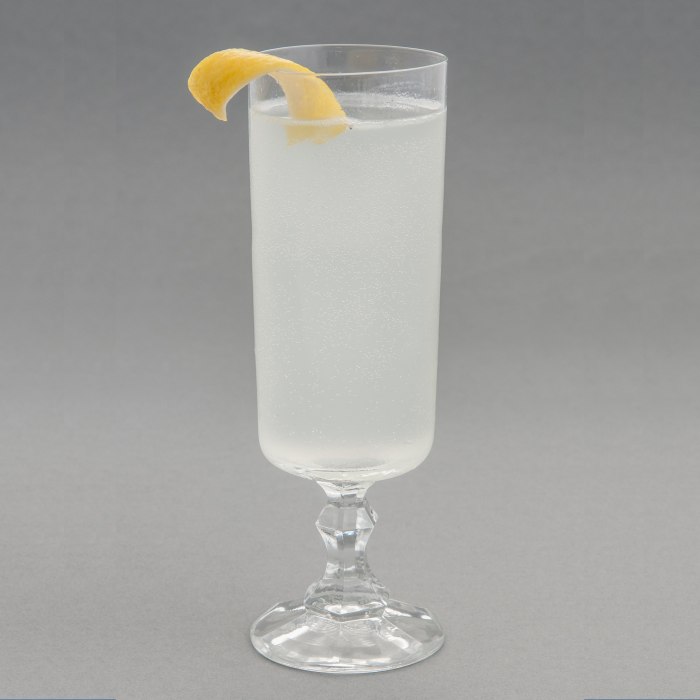
Gin Fizz
El Gin Fizz es un cóctel refrescante y burbujeante que combina ginebra, jugo de limón fresco, azúcar y agua con gas. Su textura ligera y su sabor cítrico lo convierten en una bebida ideal para cualquier ocasión. Servido en un vaso alto, es perfecto para disfrutar en un día soleado.
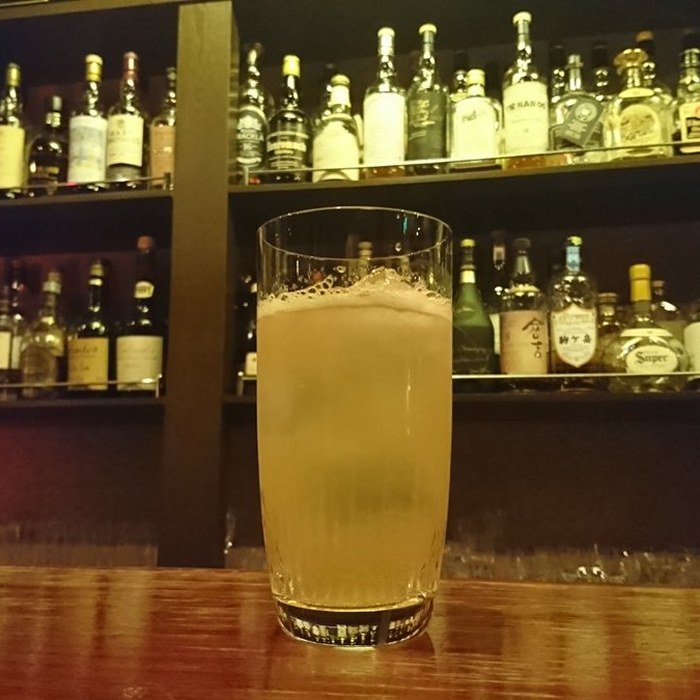
Imperial Fizz
El Imperial Fizz es un cóctel refrescante y burbujeante que combina la elegancia del gin con el sabor cítrico del limón y la dulzura del jarabe de azúcar. Servido con un toque de agua con gas, este trago es perfecto para brindar en ocasiones especiales o disfrutar en una tarde soleada. Su presentación, adornada con una rodaja de limón, lo convierte en una delicia visual y gustativa.
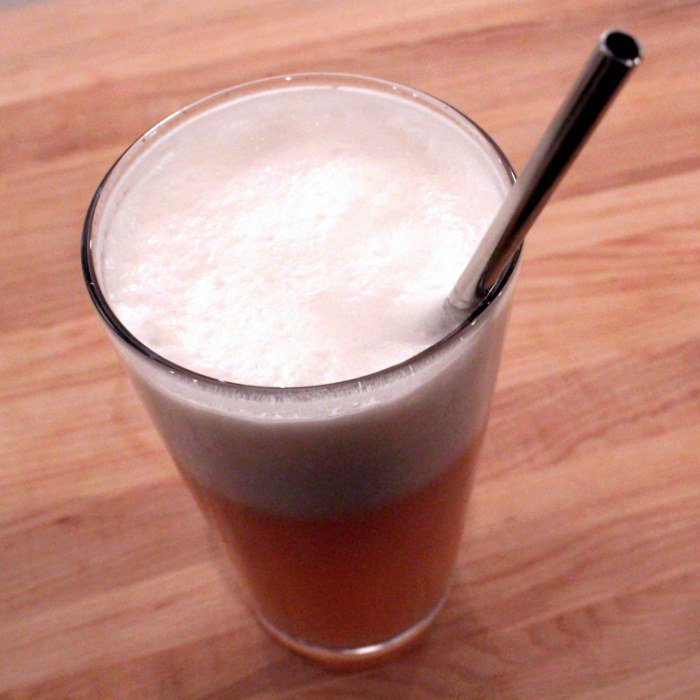
Japanese Fizz
El Japanese Fizz es un cóctel refrescante que combina la suavidad del sake con el vibrante sabor del limón y la efervescencia del agua con gas. Su delicada mezcla se completa con un toque de jarabe de azúcar y, a menudo, se adorna con una rodaja de limón o un toque de menta, ofreciendo una experiencia única y refrescante en cada sorbo. Ideal para aquellos que buscan una bebida ligera y sofisticada.
Vodka Tonic
El Vodka Tonic es un cóctel refrescante y sencillo que combina vodka de alta calidad con agua tónica, creando una bebida equilibrada y burbujeante. Se sirve generalmente en un vaso alto, adornado con una rodaja de limón o lima, lo que realza su sabor y aroma. Ideal para cualquier ocasión, es una opción popular entre los amantes de los cócteles.
Advertisement