Ordinary Drink
Pina Colada
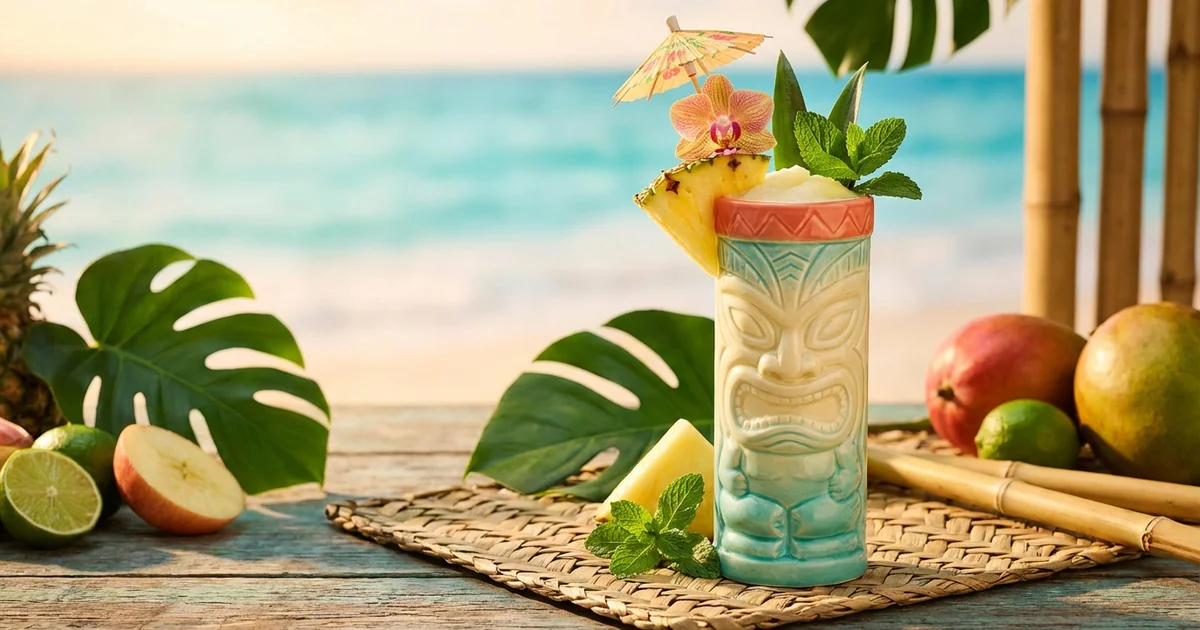
La Piña Colada es un cóctel tropical clásico que combina el sabor dulce de la piña y la cremosidad del coco, todo mezclado con ron. Servida fría y a menudo adornada con una rodaja de piña o una cereza, es la bebida perfecta para evocar la sensación de vacaciones en la playa. Su frescura y sabor exótico la convierten en una opción popular en los meses de calor.
- dulce
- tropical
- cremoso
- afrutado
- Prep Time
- 5 min
- Glass
- Collins glass
- Difficulty
- Easy
- ABV
- 9%
- Yields
- 1 serving
El Pina Colada es un ordinary drink con rum como protagonista, listo en 5 minutos. El resultado es un sabor dulce and tropical que merece cada minuto. Constantemente entre las búsquedas más populares de "playa".
Key Takeaways
What you’ll learn
- Use Coco Lopez cream of coconut — not coconut milk — for the authentic richness and texture the recipe demands.
- Blend with crushed ice for the classic frozen version, or shake vigorously for the traditional shaken style that predates the blender era.
- White rum is essential; aged or spiced rum overpowers the tropical pineapple and coconut flavours.
- Fresh pineapple juice makes a dramatic difference over canned or bottled versions — bright, vibrant, and worth the extra effort for special occasions.
Advertisement
Ingredients
- Serves
- 1 serving
- Glass
- Collins glass
- Prep
- 5 min
- 3 ozLight rum
- 3 tblspCoconut milk
- 3 tblspPineapple
Method
Preparation
- 01
Mezcla con hielo triturado en la licuadora hasta que esté suave. Vierte en un vaso frío, decora y sirve.
Origin
History & Origins
The piña colada's exact origin is disputed between two Puerto Rican bartenders. The Caribe Hilton Hotel credits bartender Ramón "Monchito" Marrero with creating the drink in 1954 after three months of experimentation. Restaurant Barrachina in Old San Juan counters that their bartender Ramón Portas Mingot invented it in 1963 — they even have a commemorative plaque. What is agreed upon is that the invention of Coco Lopez cream of coconut in 1954 by Don Ramón López-Irizarry was the catalyst: before this standardised, sweetened coconut cream, making consistent piña coladas required cracking fresh coconuts and extracting cream by hand.
The piña colada's name translates literally to "strained pineapple" in Spanish, likely referring to the process of straining fresh pineapple juice. Puerto Rico declared it the island's official national drink in 1978, the same year Rupert Holmes's "Escape (The Piña Colada Song)" was climbing the charts — a pop culture moment that cemented the drink's global recognition. The IBA lists it as a Contemporary Classic.
Puerto Rico declared it the island's official national drink in 1978, the same year Rupert Holmes's "Escape (The Piña Colada Song)" was climbing the charts — a pop culture moment that cemented the drink's global recognition.
The 1980s and 1990s saw the piña colada become synonymous with beach vacations and tropical escapism, often badly executed with cheap rum and artificial mixes that bore little resemblance to the fresh original. The craft cocktail movement has restored respect for the recipe: the three-ingredient formula — white rum, pineapple juice, and cream of coconut in proper proportions — requires no augmentation when each component is of quality.
Advertisement
Bartender’s Insight
Pro Tips
Usa jugo de piña fresco si es posible
From Kai
Crema de coco es esencial, no leche de coco
Sirve en un vaso enfriado
Adorna con piña fresca y cereza
At the Table
Perfect Pairings
Beyond the Classic
Variations
Piña Colada Congelada
Batido con hielo para consistencia cremosa y granizada
Piña Colada Virgen
Versión sin alcohol para todos los huéspedes
Piña Colada de Fresa
Agrega fresas frescas para notas de bayas
Questions
Frequently Asked
- The Pina Colada has a flavor profile that is dulce, tropical, cremoso, afrutado. It is crafted to balance these characteristics into a harmonious, satisfying drink that appeals to a wide range of palates.
- The Pina Colada is ideal for fiestas en la playa, reuniones familiares, celebraciones de verano. Its flavor profile and presentation make it a versatile choice that works equally well as a social cocktail or a relaxed evening drink.
- Yes, there are several ways to adapt a Pina Colada. If you cannot source Light rum, look for a similar alternative that matches its flavor profile. Keep in mind that substitutions may alter the balance of the cocktail, so start with a smaller quantity and adjust to taste. The variations section above lists popular alternatives bartenders use.
- Some of the most popular Pina Colada variations include Piña Colada Congelada, Piña Colada Virgen, Piña Colada de Fresa. Each variation puts a unique twist on the original recipe while retaining the essential character of the classic cocktail.
- The Pina Colada is traditionally served in a Collins glass. Using the right glassware is important because it affects the aroma, temperature retention, and overall drinking experience. If you do not have a Collins glass on hand, a similar shaped glass will work.
- Yes, a mocktail version of the Pina Colada is possible. Replace the base spirit with a non-alcoholic spirit alternative (there are many quality options available) and keep all other components the same. The result will capture much of the original's flavor profile while being suitable for guests who prefer alcohol-free options.
Other Rum Cocktails
Bounty Hunter
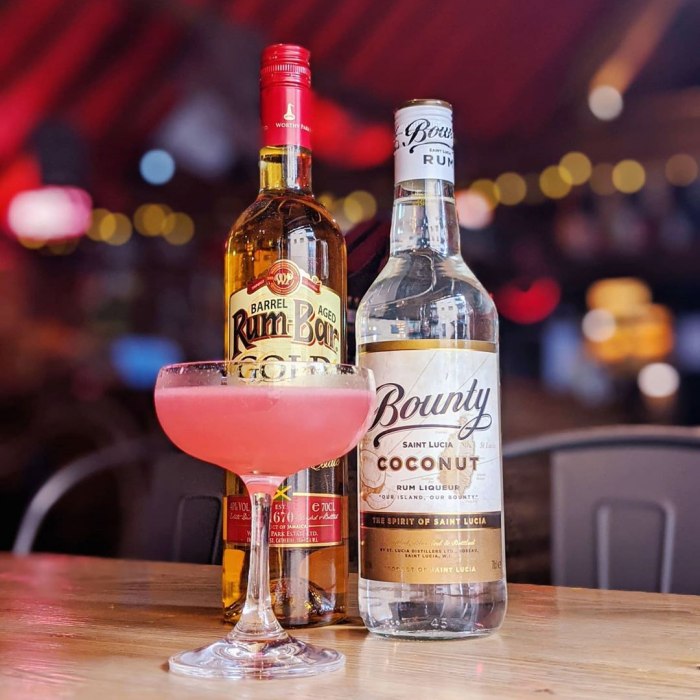
El "Bounty Hunter" es un cóctel exótico que combina ron oscuro, jugo de piña y un toque de jarabe de coco, evocando sabores tropicales que transportan a una isla paradisíaca. Decorado con una rodaja de piña y una cereza, este trago es perfecto para aquellos que buscan una aventura refrescante en cada sorbo. Ideal para disfrutar en una tarde soleada o en una fiesta temática.
Frozen Daiquiri
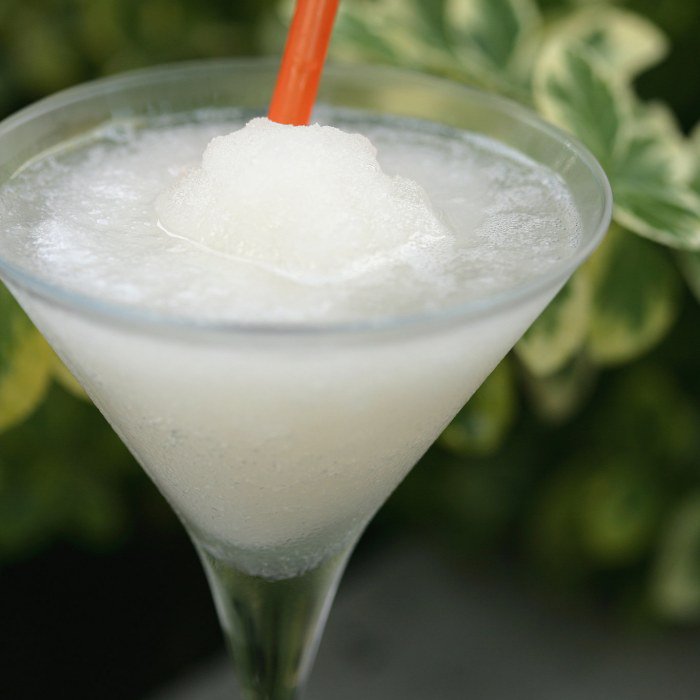
El Daiquiri Helado es un cóctel refrescante y delicioso que combina ron, jugo de limón fresco y azúcar, todo mezclado con hielo triturado hasta obtener una textura suave y congelada. Perfecto para disfrutar en un día caluroso, este trago tropical ofrece un equilibrio perfecto entre acidez y dulzura. Su presentación vibrante y su sabor irresistible lo convierten en una opción ideal para cualquier ocasión festiva.
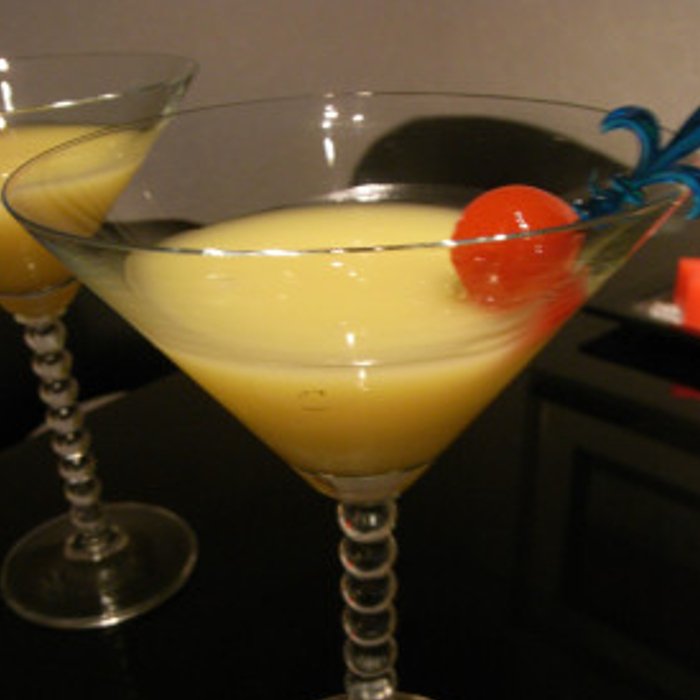
Casa Blanca
El Casa Blanca es un cóctel refrescante y elegante que combina la suavidad del ron blanco con el sabor cítrico del jugo de limón y un toque de licor de naranja. Servido en una copa de cóctel, este trago es perfecto para disfrutar en una tarde soleada. Su equilibrio de sabores lo convierte en una opción ideal para los amantes de las bebidas sofisticadas.
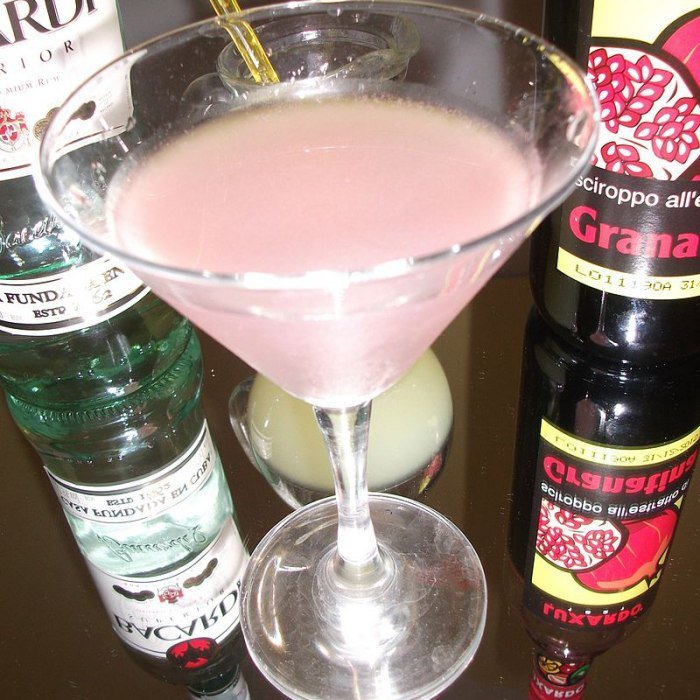
Bacardi Cocktail
El Bacardi Cocktail es una bebida refrescante y vibrante que combina ron Bacardi, jugo de limón y jarabe de granadina. Su color rojo brillante y su sabor equilibrado lo convierten en una opción perfecta para disfrutar en cualquier ocasión. Este cóctel clásico evoca el espíritu caribeño y es ideal para los amantes de los sabores tropicales.
Other fiestas en la playa Cocktails
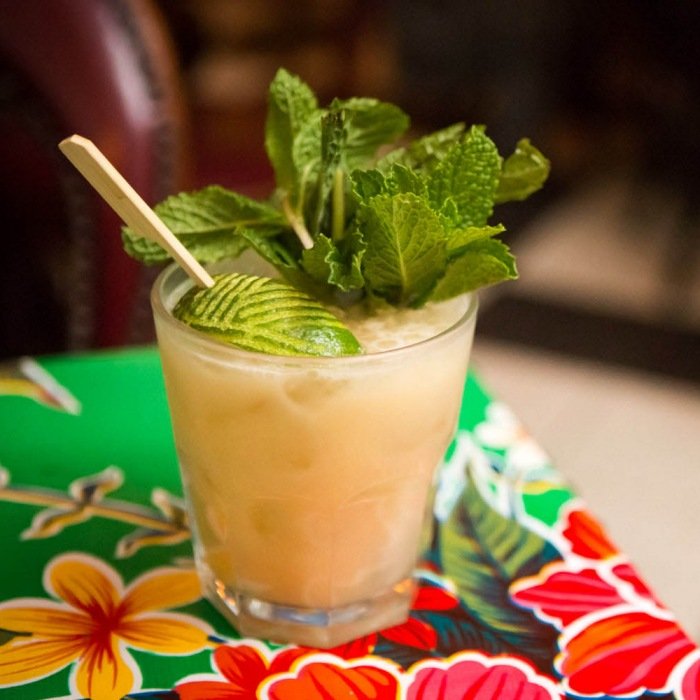
Mai Tai
El Mai Tai es un cóctel clásico de origen tahitiano, que combina ron, jugo de lima, almendra y jarabe de azúcar, creando una mezcla refrescante y tropical. Su sabor equilibrado y exótico lo convierte en una bebida ideal para disfrutar en una tarde soleada. Decorado con una rodaja de piña o una cereza, el Mai Tai es un verdadero símbolo del paraíso en un vaso.
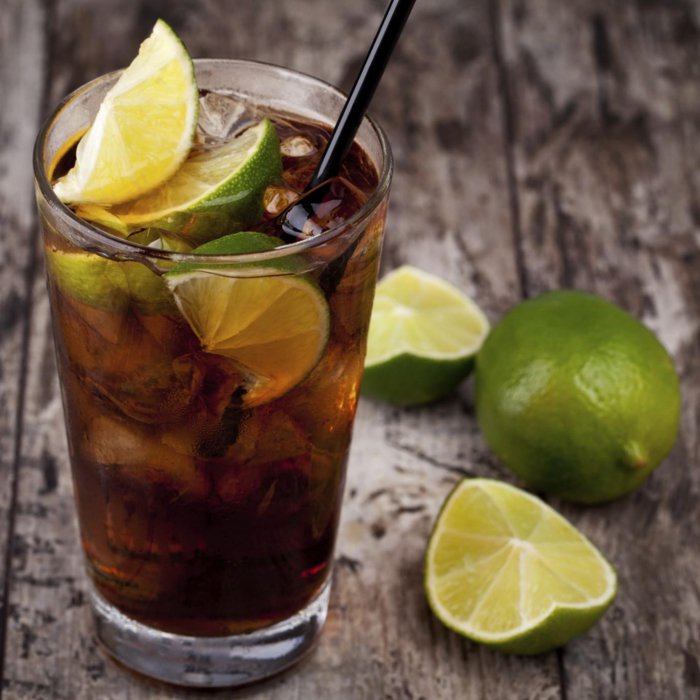
Cuba Libra
El Cuba Libre es un cóctel clásico que combina ron, cola y un toque de jugo de lima, creando una mezcla refrescante y equilibrada. Su origen se remonta a Cuba, donde se popularizó entre los soldados estadounidenses durante la guerra de independencia. Este trago es ideal para disfrutar en una tarde soleada o en una celebración con amigos.
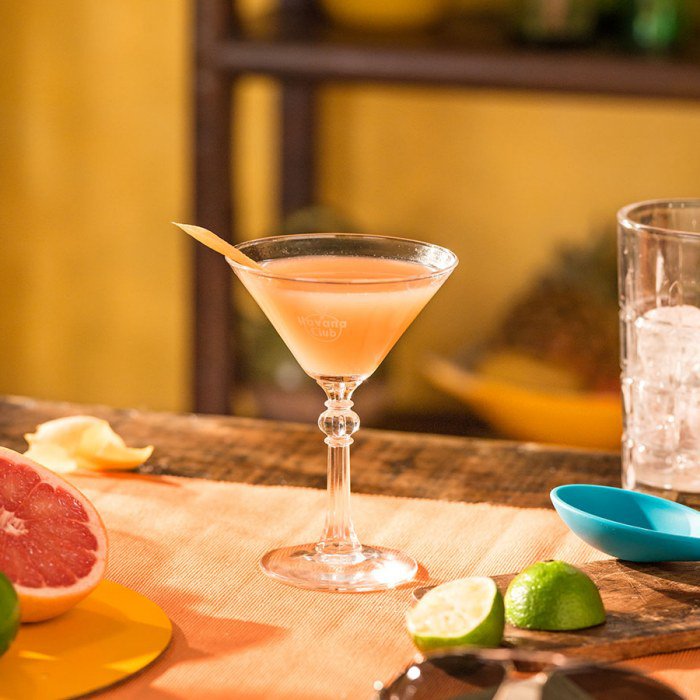
Havana Cocktail
El Havana Cocktail es una refrescante mezcla que evoca los vibrantes sabores de Cuba. Combina ron blanco, jugo de limón fresco, jarabe de azúcar y un toque de soda, creando una bebida perfecta para disfrutar en una cálida tarde. Su aroma cítrico y su sabor equilibrado lo convierten en un clásico atemporal.
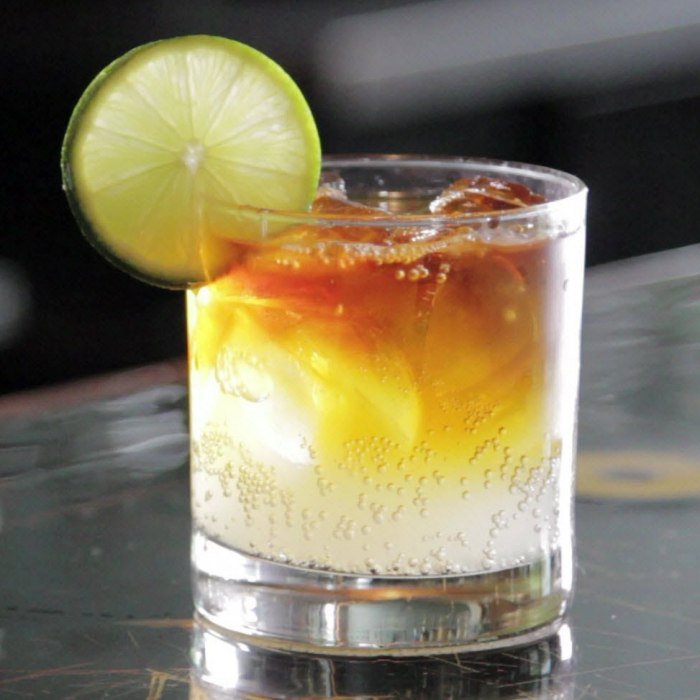
Dark and Stormy
El "Dark and Stormy" es un cóctel refrescante que combina ron oscuro y cerveza de jengibre, creando una mezcla perfecta de sabores picantes y dulces. Se sirve tradicionalmente con una rodaja de lima, lo que añade un toque cítrico que realza su carácter vibrante. Ideal para disfrutar en una tarde soleada o como una bebida reconfortante en cualquier ocasión.
Similar Flavor Profiles
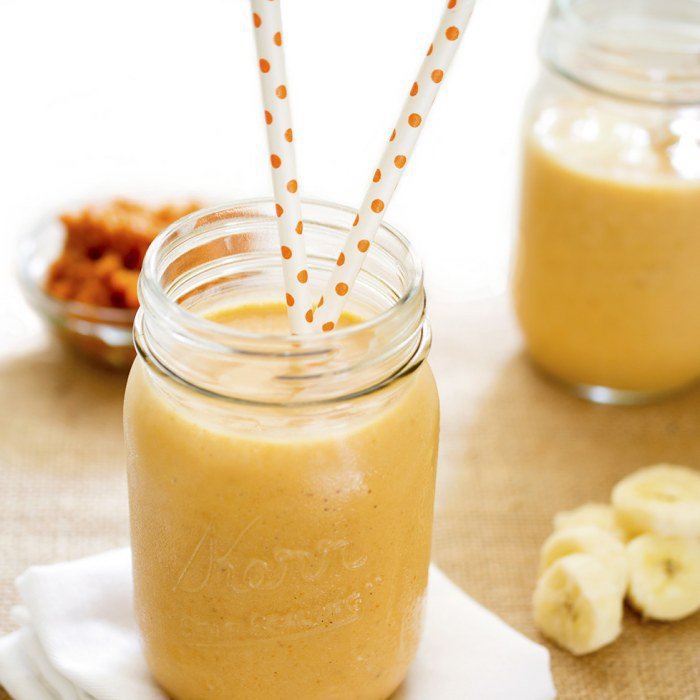
Sweet Bananas
"Sweet Bananas" es un cóctel tropical y refrescante que combina el sabor dulce de los plátanos maduros con un toque de ron y jugo de piña. Decorado con una rodaja de plátano y una cereza, es la bebida perfecta para disfrutar en una tarde soleada. Su mezcla suave y afrutada te transportará a una playa paradisíaca.
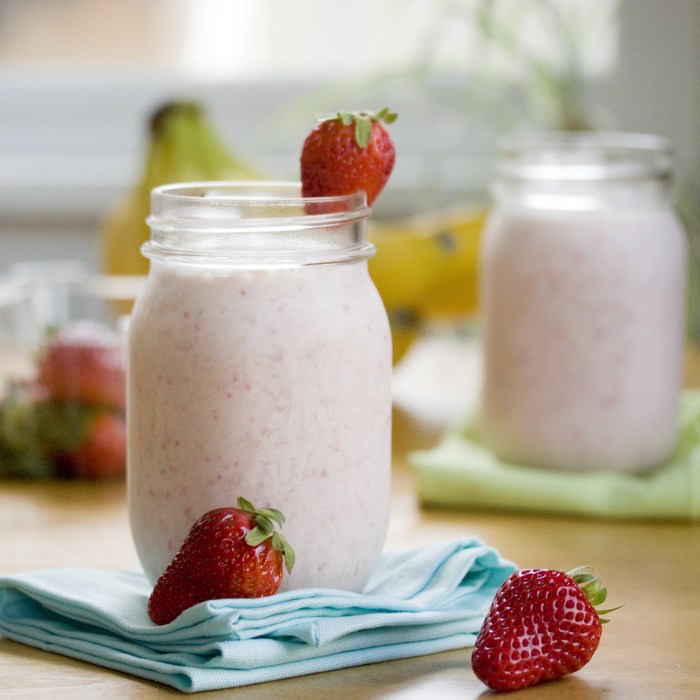
Banana Strawberry Shake Daiquiri
El Daiquiri de Batido de Plátano y Fresa es una deliciosa combinación tropical que mezcla el sabor dulce del plátano maduro con la frescura de las fresas jugosas. Este cóctel, suave y cremoso, se sirve frío, ideal para disfrutar en un día soleado o en una fiesta veraniega. ¡Una explosión de sabor que te transportará a una playa paradisíaca!
Banana Daiquiri
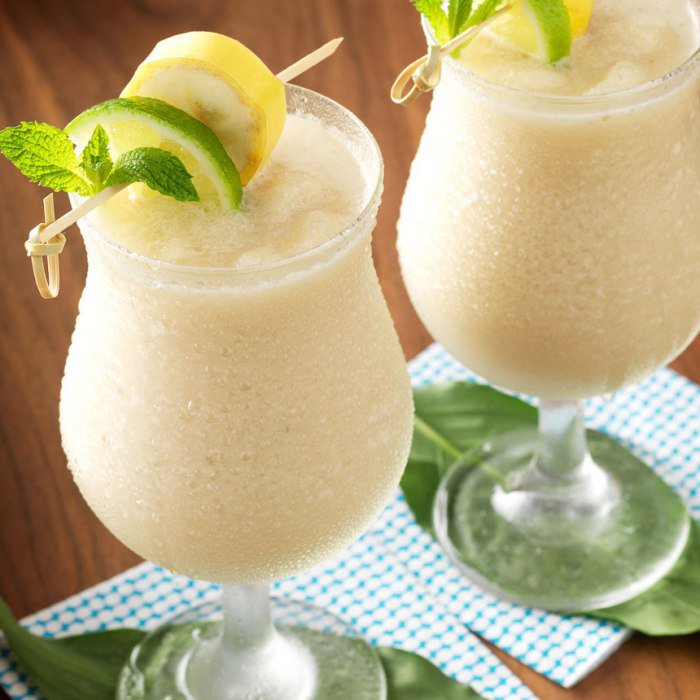
El Banana Daiquiri es un refrescante cóctel tropical que combina la suavidad del plátano maduro con el sabor vibrante del ron y el toque ácido del jugo de limón. Mezclado con hielo, este trago es perfecto para disfrutar en días soleados, transportando a quien lo prueba a una playa paradisíaca. Su textura cremosa y dulce lo convierten en una opción irresistible para los amantes de los cócteles frutales.
A Gilligan's Island
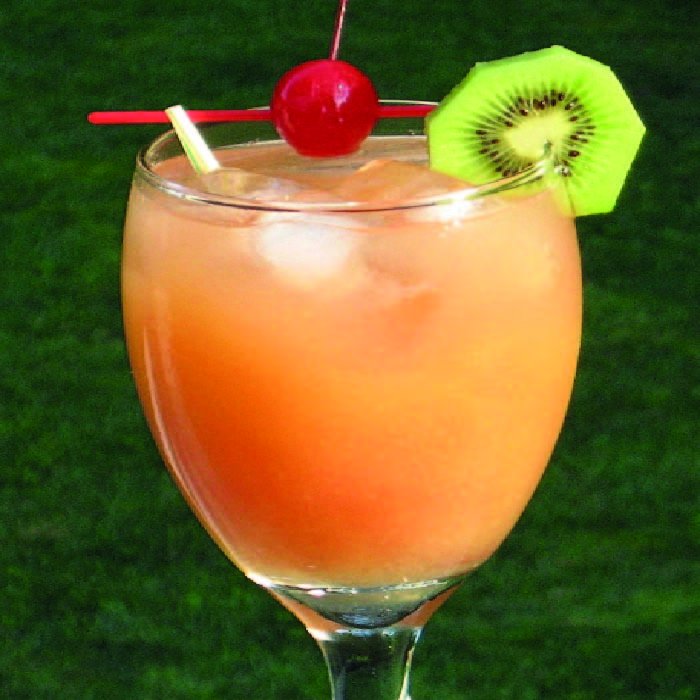
El cóctel "A Gilligan's Island" es una refrescante mezcla tropical que evoca la esencia de una isla paradisíaca. Combina ron, jugo de piña y crema de coco, creando una bebida suave y dulce que transporta a los bebedores a un ambiente vacacional. Ideal para disfrutar bajo el sol o en una reunión con amigos.
Advertisement