Ordinary Drink
Sidecar
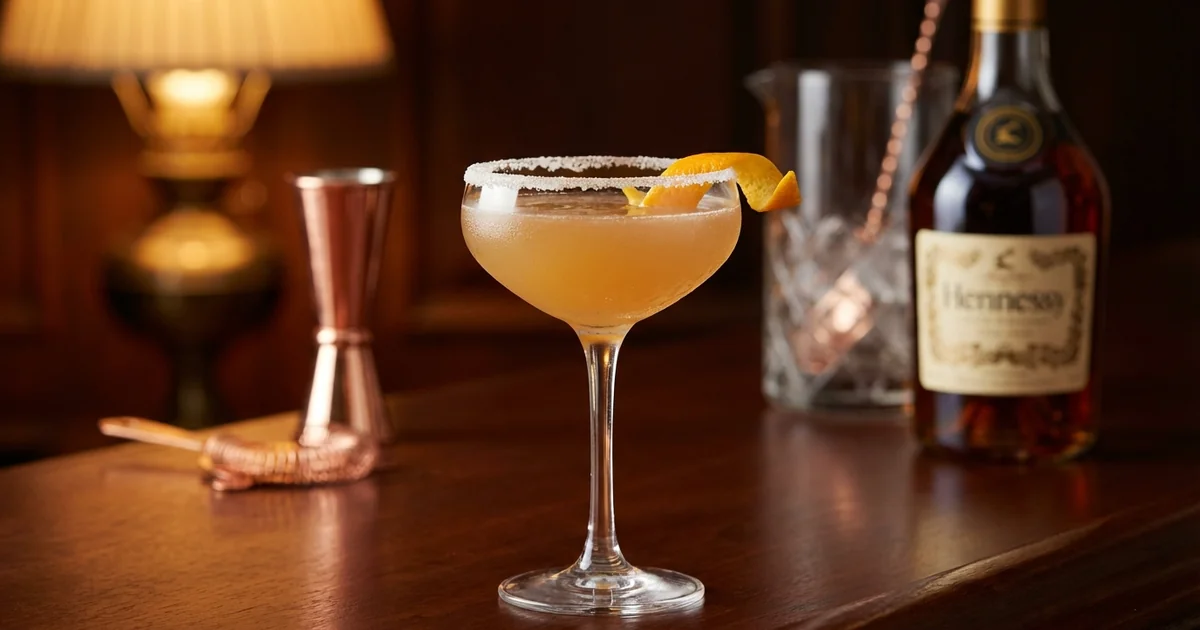
El Sidecar es un cóctel clásico que combina brandy, licor de naranja y jugo de limón, ofreciendo un equilibrio perfecto entre lo dulce y lo ácido. Servido en una copa de cóctel con el borde escarchado de azúcar, este trago elegante es ideal para quienes buscan una experiencia sofisticada y refrescante. Su origen se remonta a la década de 1920, y sigue siendo un favorito en bares de todo el mundo.
- ácido
- afrutado
- dulce
- cítrico

- Prep Time
- 3 min
- Glass
- Cocktail glass
- Difficulty
- Intermediate
- ABV
- 22%
- Yields
- 1 serving
Pocos cócteles ofrecen ese sabor ácido and afrutado como el Sidecar. Con cognac como base, está listo en unos 3 minutos. Una de las recetas más buscadas: "celebraciones".
Key Takeaways
What you’ll learn
- The Sidecar emerged during WWI in Paris or London, becoming one of the most elegant cognac cocktails and a foundational template for the sour family.
- The modern classic recipe balances 2 oz cognac, 1 oz Cointreau, and 0.75 oz fresh lemon juice — a 2:1:0.75 ratio that showcases the base spirit.
- The sugar rim debate divides traditionalists and modernists: try both and decide. The sugar creates textural contrast; omitting it lets proportions speak for themselves.
- Quality VS or VSOP cognac and premium Cointreau (rather than budget triple sec) transform this three-ingredient cocktail dramatically.
Advertisement
Ingredients
- Serves
- 1 serving
- Glass
- Cocktail glass
- Prep
- 3 min
- 2 ozCognac
- 1/2 ozCointreau
- 1 ozLemon juice
Method
Preparation
- 01
Vierte todos los ingredientes en una coctelera llena de hielo. Agita bien y cuela en una copa de cóctel.
Origin
History & Origins
The Sidecar stands as one of the most refined cocktails to emerge from the 1920s, and its exact origin remains one of cocktail history's most pleasantly debated mysteries. Two cities claim parentage: Harry MacElhone of Harry's New York Bar in Paris credits himself with creating it around 1922, while London's Buck's Club credits head bartender Pat MacGarry with the same invention at approximately the same time. Both stories involve a customer who arrived by motorcycle sidecar — though whether this is historical fact or convenient legend is impossible to determine.
What is certain is that the drink appears in cocktail books from the mid-1920s including Harry MacElhone's own "Harry's ABC of Mixing Cocktails" (1922) and Robert Vermeire's "Cocktails: How to Mix Them" (1922). The early recipes show variation in proportions — many called for equal parts of all three ingredients — but establish the fundamental trinity of cognac, orange liqueur, and lemon juice that defines the Sidecar to this day.
The early recipes show variation in proportions — many called for equal parts of all three ingredients — but establish the fundamental trinity of cognac, orange liqueur, and lemon juice that defines the Sidecar to this day.
The Sidecar belongs to a family of brandy sours that includes the earlier Brandy Crusta (1850s) and later variations like Between the Sheets, suggesting the cocktail may have evolved from established templates rather than being invented wholesale. Regardless, the Sidecar refined its predecessors into something distinctly elegant: the 2:1:0.75 ratio that modern bartenders favour showcases the cognac's complexity while providing refreshing citrus balance that makes the drink simultaneously rich and lively. The IBA lists it as an official cocktail.
Advertisement
Bartender’s Insight
Pro Tips
Utiliza coñac premium como base para obtener profundidad y complejidad
From Arthur
el Cointreau de calidad es esencial para el equilibrio y el sabor a naranja
el jugo de limón fresco debe usarse siempre, nunca embotellado
sirve en una copa fría adornada con azúcar
la proporción debe enfatizar el coñac sobre otros ingredientes.
At the Table
Perfect Pairings
Beyond the Classic
Variations
Sidecar de Brandy
Sustituye el coñac francés por brandy para una base de espíritu más ligera y neutral
Sidecar Perfecto
agrega vermut seco para complejidad y profundidad adicionales
Sidecar Moderno
incorpora licores contemporáneos y técnicas actualizadas.
Questions
Frequently Asked
- The Sidecar has a flavor profile that is ácido, afrutado, dulce, cítrico. It is crafted to balance these characteristics into a harmonious, satisfying drink that appeals to a wide range of palates.
- The Sidecar is ideal for celebraciones, cenas elegantes, reuniones con amigos. Its flavor profile and presentation make it a versatile choice that works equally well as a social cocktail or a relaxed evening drink.
- Yes, there are several ways to adapt a Sidecar. If you cannot source Cognac, look for a similar alternative that matches its flavor profile. Keep in mind that substitutions may alter the balance of the cocktail, so start with a smaller quantity and adjust to taste. The variations section above lists popular alternatives bartenders use.
- Some of the most popular Sidecar variations include Sidecar de Brandy, Sidecar Perfecto, Sidecar Moderno. Each variation puts a unique twist on the original recipe while retaining the essential character of the classic cocktail.
- The Sidecar is traditionally served in a Cocktail glass. Using the right glassware is important because it affects the aroma, temperature retention, and overall drinking experience. If you do not have a Cocktail glass on hand, a similar shaped glass will work.
- Yes, a mocktail version of the Sidecar is possible. Replace the base spirit with a non-alcoholic spirit alternative (there are many quality options available) and keep all other components the same. The result will capture much of the original's flavor profile while being suitable for guests who prefer alcohol-free options.
Other Cognac Cocktails
ABC
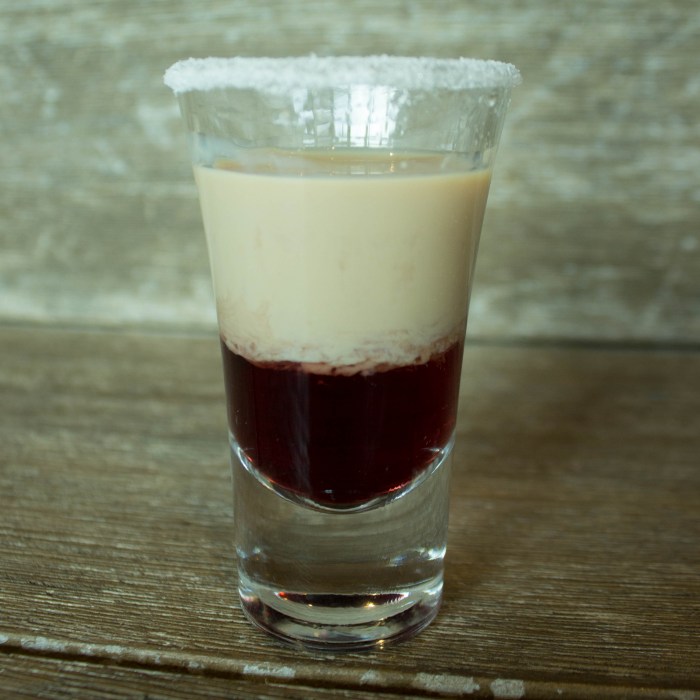
El cóctel ABC es una refrescante mezcla de sabores que combina el jugo de naranja, el licor de granadina y un toque de vodka. Su color vibrante y su sabor afrutado lo convierten en la opción perfecta para cualquier ocasión festiva. Disfrútalo en un vaso alto con hielo y una rodaja de naranja como decoración.
French Connection
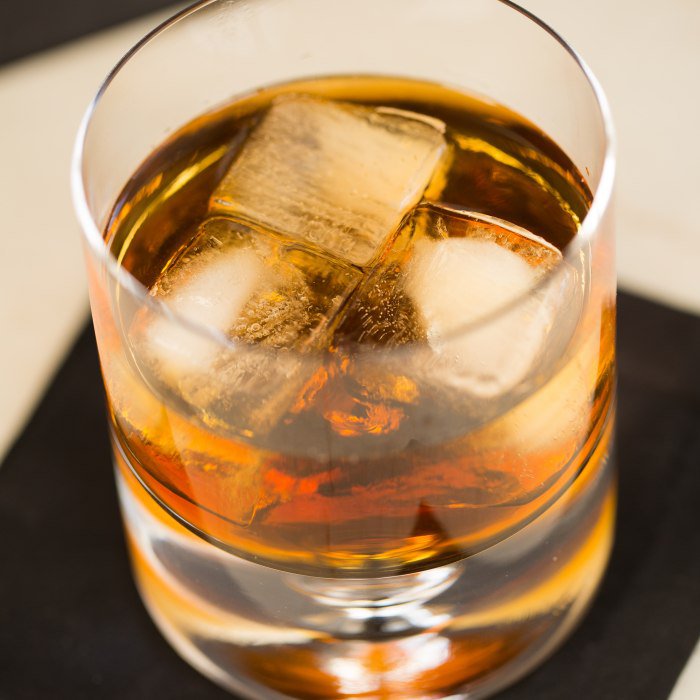
El French Connection es un cóctel elegante y sofisticado que combina la suavidad del brandy con el dulzor del licor de almendra Amaretto. Servido en un vaso bajo con hielo, este trago ofrece un sabor rico y aromático, perfecto para disfrutar en una velada especial. Su nombre evoca la conexión entre la cultura francesa y la italiana a través de sus ingredientes distintivos.
Apple Highball
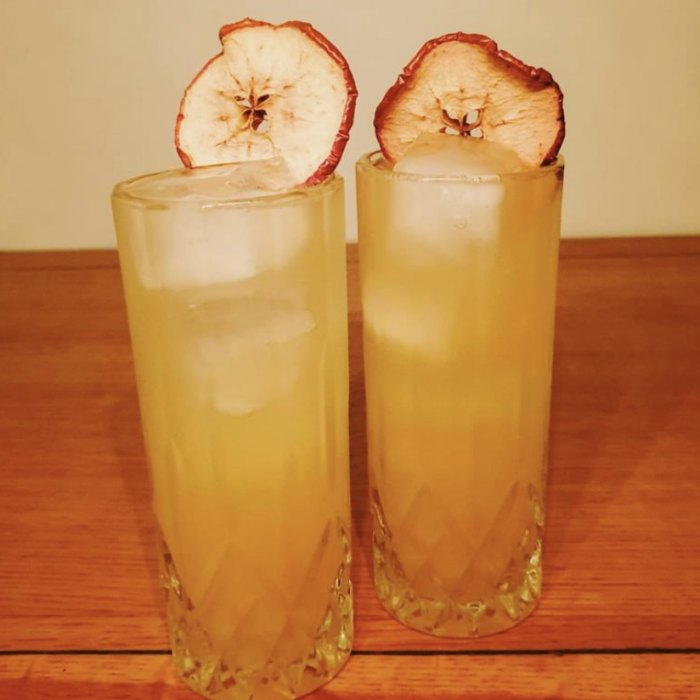
El Apple Highball es un cóctel refrescante que combina la suavidad del whisky con el sabor dulce y afrutado de la sidra de manzana. Servido en un vaso alto con hielo y un toque de limón, es la bebida perfecta para disfrutar en cualquier ocasión. Su equilibrada mezcla de sabores lo convierte en una opción ideal para los amantes de las bebidas frutales y espumosas.
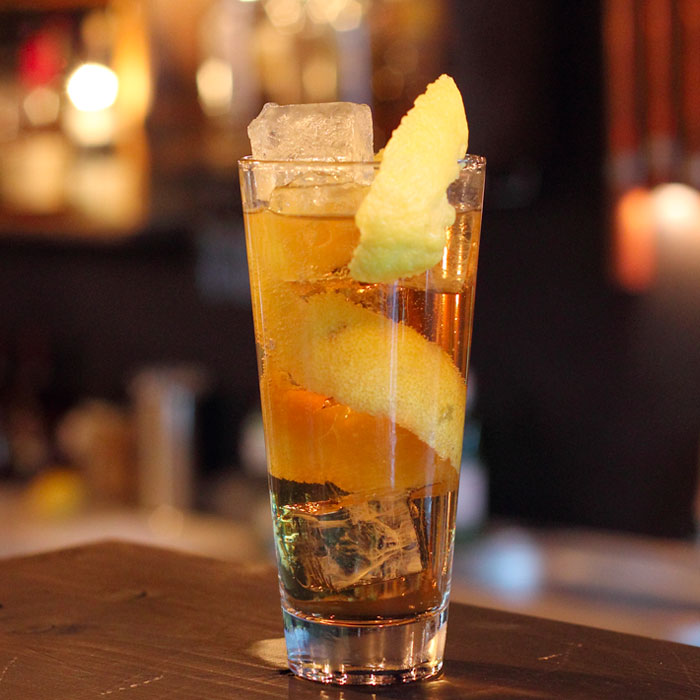
Cocktail Horse’s Neck
El Cocktail Horse’s Neck es una bebida clásica que combina bourbon o brandy con ginger ale, creando un equilibrio perfecto entre dulzura y especias. Se caracteriza por su distintiva decoración de una cáscara de limón en forma de espiral que se asemeja a un cuello de caballo. Ideal para disfrutar en una ocasión especial, este cóctel ofrece una experiencia refrescante y elegante.
Other celebraciones Cocktails
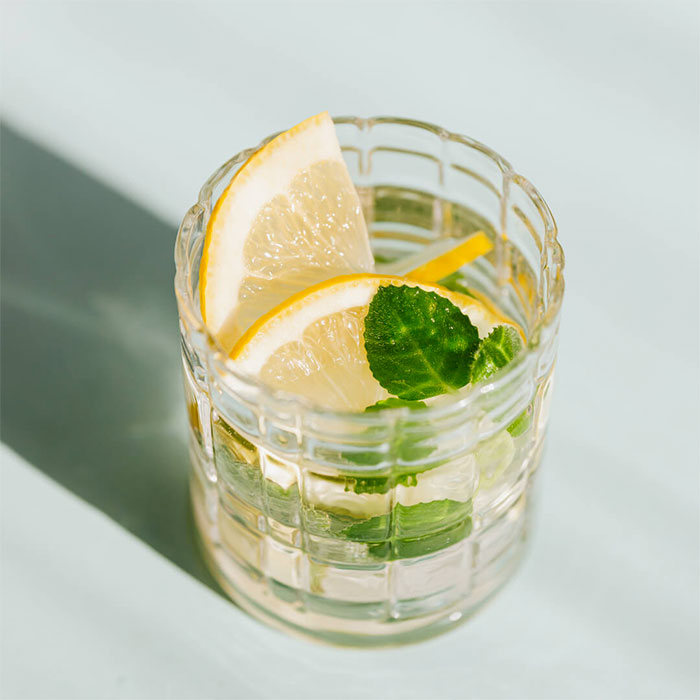
Vodka Tonic
El Vodka Tonic es un cóctel refrescante y sencillo que combina vodka de alta calidad con agua tónica, creando una bebida equilibrada y burbujeante. Se sirve generalmente en un vaso alto, adornado con una rodaja de limón o lima, lo que realza su sabor y aroma. Ideal para cualquier ocasión, es una opción popular entre los amantes de los cócteles.
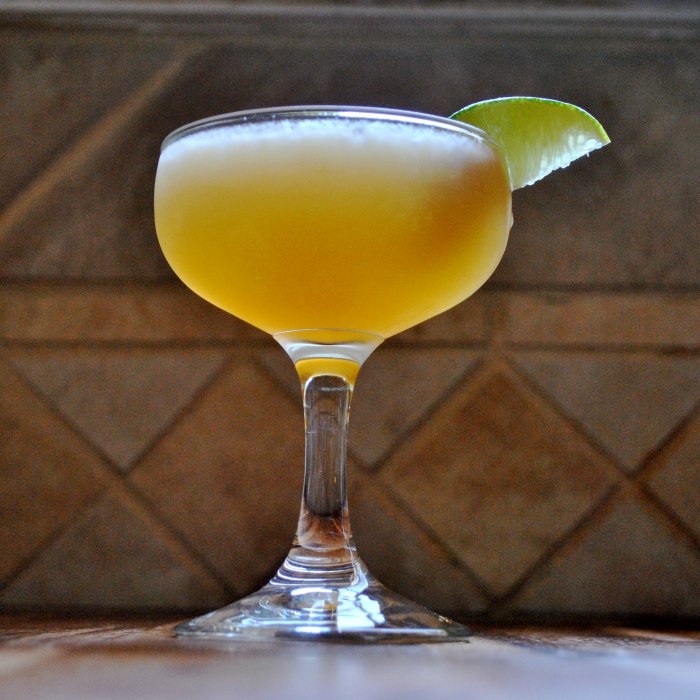
After Dinner Cocktail
El "After Dinner Cocktail" es una bebida sofisticada y reconfortante, ideal para disfrutar al finalizar una comida. Combinando sabores como el café, el licor y un toque de crema, este cóctel ofrece una experiencia placentera que invita a la conversación y el relax. Perfecto para los amantes de los sabores intensos y dulces.
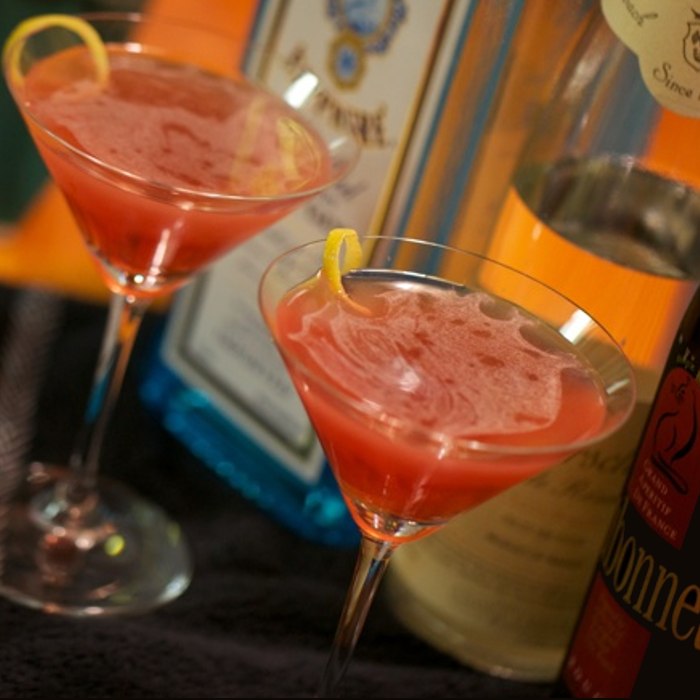
Blackthorn
El Blackthorn es un cóctel clásico que combina la suavidad del gin con el sabor profundo del vermut dulce y un toque de amargo de angostura. Su color oscuro y seductor, junto con su perfil de sabor equilibrado, lo convierten en una opción perfecta para quienes buscan una bebida elegante y sofisticada. Ideal para disfrutar en una noche especial o como aperitivo antes de una cena.
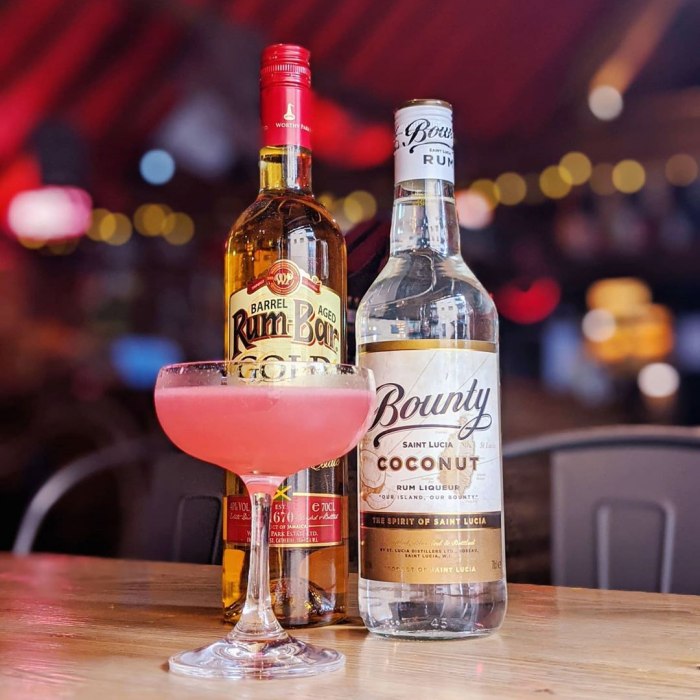
Bounty Hunter
El "Bounty Hunter" es un cóctel exótico que combina ron oscuro, jugo de piña y un toque de jarabe de coco, evocando sabores tropicales que transportan a una isla paradisíaca. Decorado con una rodaja de piña y una cereza, este trago es perfecto para aquellos que buscan una aventura refrescante en cada sorbo. Ideal para disfrutar en una tarde soleada o en una fiesta temática.
Similar Flavor Profiles
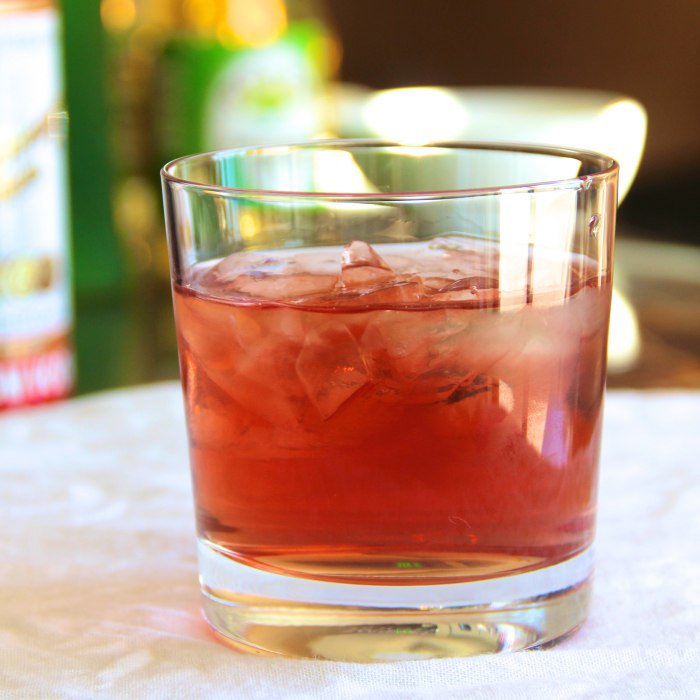
Kool-Aid Shot
El 'Kool-Aid Shot' es un cóctel vibrante y divertido que combina el sabor afrutado de Kool-Aid con un toque de licor, creando una explosión de color y sabor en cada sorbo. Perfecto para fiestas y reuniones, este trago es fácil de preparar y seguro que alegrará el ambiente. ¡Disfrútalo frío y comparte la diversión!
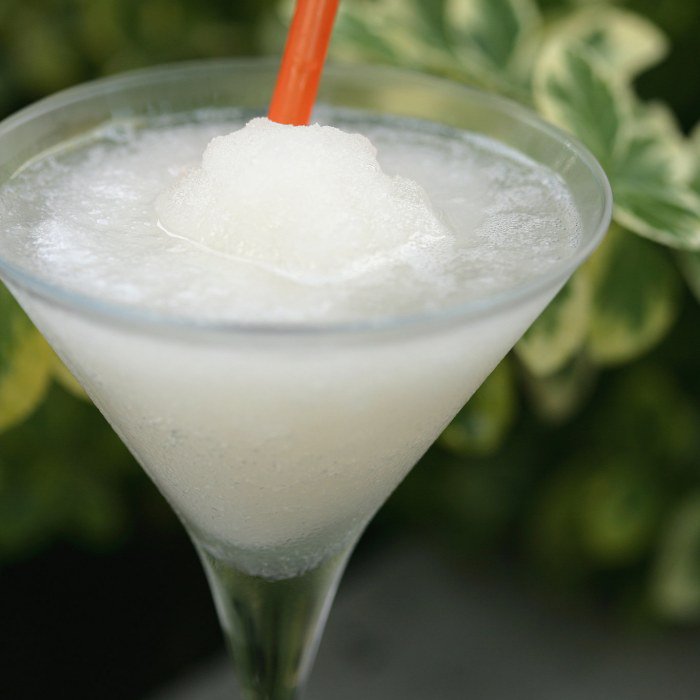
Frozen Daiquiri
El Daiquiri Helado es un cóctel refrescante y delicioso que combina ron, jugo de limón fresco y azúcar, todo mezclado con hielo triturado hasta obtener una textura suave y congelada. Perfecto para disfrutar en un día caluroso, este trago tropical ofrece un equilibrio perfecto entre acidez y dulzura. Su presentación vibrante y su sabor irresistible lo convierten en una opción ideal para cualquier ocasión festiva.
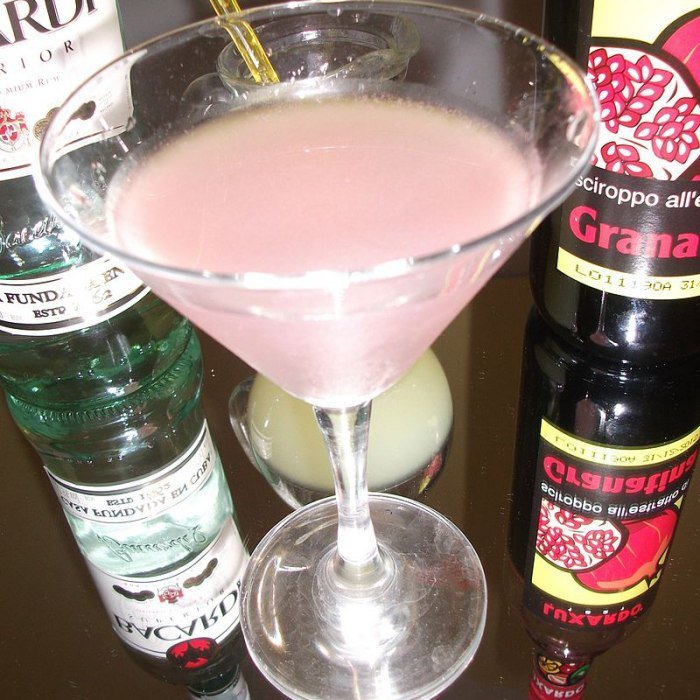
Bacardi Cocktail
El Bacardi Cocktail es una bebida refrescante y vibrante que combina ron Bacardi, jugo de limón y jarabe de granadina. Su color rojo brillante y su sabor equilibrado lo convierten en una opción perfecta para disfrutar en cualquier ocasión. Este cóctel clásico evoca el espíritu caribeño y es ideal para los amantes de los sabores tropicales.
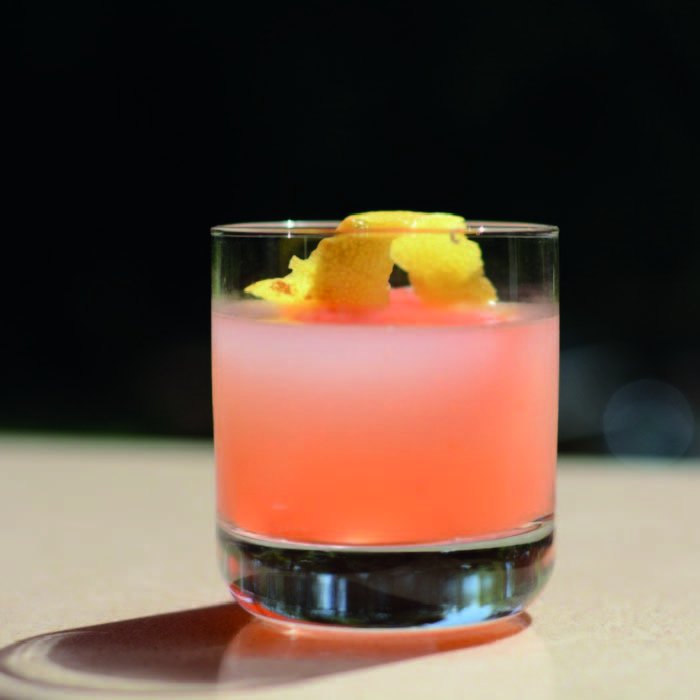
Bumble Bee
El cóctel Bumble Bee es una refrescante mezcla que combina la dulzura de la miel con el sabor cítrico del limón y la suavidad del vodka. Decorado con una rodaja de limón y un toque de jengibre, este trago es perfecto para disfrutar en una tarde soleada. Su nombre evoca la alegría y la energía de las abejas, haciendo de cada sorbo una experiencia vibrante y deliciosa.
Advertisement