Brandy Alexander Recipe: Perfect Creamy Cocktail

Learn how to make the Brandy Alexander with our expert recipe guide. Master cognac selection, cream techniques, and delicious variations for perfect results.
Advertisement
Brandy Alexander Recipe: Perfect Creamy Cocktail Guide
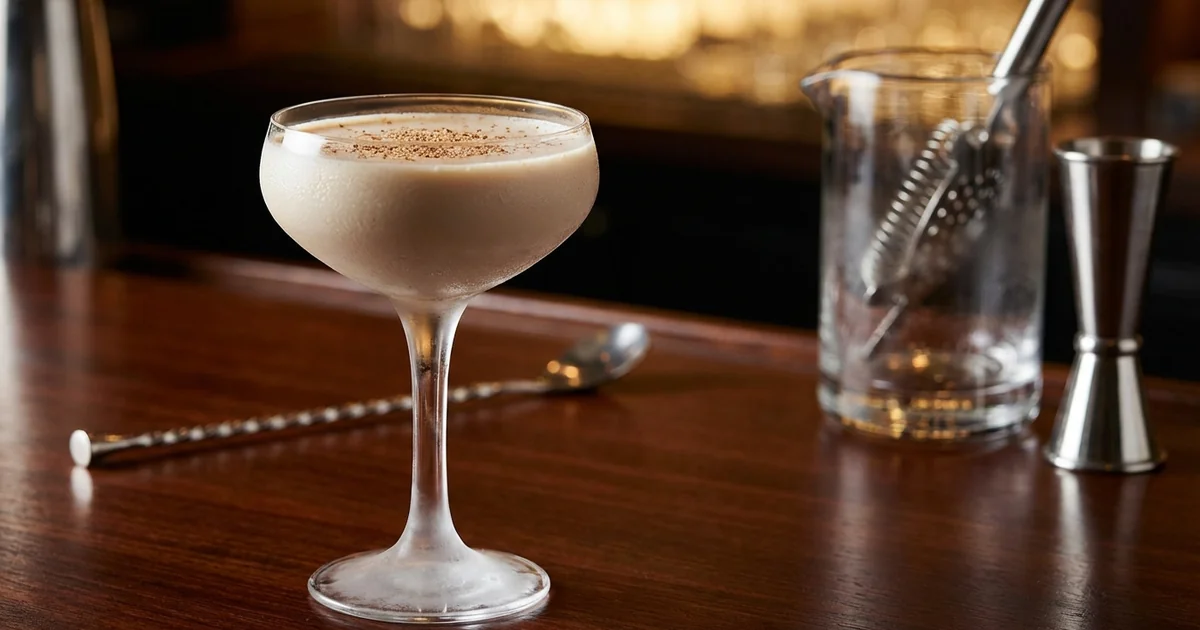
The Brandy Alexander recipe represents the pinnacle of elegant dessert cocktails. This luxurious drink combines rich cognac or brandy with chocolate-flavored creme de cacao and velvety cream, creating a sophisticated indulgence that has delighted cocktail enthusiasts for over a century. If you're learning how to make a Brandy Alexander, prepare to discover one of the most refined after-dinner drinks in the cocktail canon.
Key Takeaways
- The Brandy Alexander evolved from the original gin-based Alexander cocktail created in the early 1900s
- The classic recipe uses 1.5 oz cognac or brandy, 1 oz dark creme de cacao, and 1 oz heavy cream
- Vigorous shaking for 15-20 seconds is essential for cream-based cocktails to achieve proper emulsification
- Freshly grated nutmeg is the signature garnish that adds aromatic complexity to this dessert cocktail
- Popular variations include Coffee Alexander, Frozen version, and Bourbon Alexander for different occasions
The Evolution from Alexander to Brandy Alexander
The story of the Brandy Alexander begins with its predecessor, the Alexander cocktail. Understanding this evolution reveals fascinating insights into cocktail history and changing tastes.
The Original Alexander
The Alexander cocktail was originally made with gin, not brandy. Created in the early 1900s, there are two competing origin stories for this classic drink. The first attributes the cocktail to bartender Troy Alexander at Rector's restaurant in New York City around 1915, created for a fundraising event. The second story credits Alexander II of Russia's wedding celebration, though this claim is less documented.
The original Alexander combined gin, creme de cacao, and cream - a simple but sophisticated formula. During the Prohibition era, the sweet cream and chocolate liqueur helped mask the harsh flavors of bootleg gin, contributing to the drink's popularity.
The Brandy Revolution
Sometime in the 1920s or 1930s, brandy began replacing gin in the Alexander recipe. This substitution proved so successful that the brandy version eventually eclipsed the original. The brandy's rich, fruity complexity complemented the chocolate notes of creme de cacao more harmoniously than gin's botanical profile.
By the mid-20th century, the Brandy Alexander cocktail had become the standard, relegating the gin version to historical footnotes. The drink reached peak popularity in the 1960s and 1970s when creamy, dessert-style cocktails dominated sophisticated dining culture.
The Classic Brandy Alexander Recipe
Let's master the traditional recipe that has stood the test of time. This classic Brandy Alexander recipe delivers perfect balance and texture.
Ingredients
- 1.5 oz (45ml) cognac or quality brandy
- 1 oz (30ml) dark creme de cacao
- 1 oz (30ml) heavy cream (fresh, never ultra-pasteurized if possible)
- Ice cubes
- Fresh whole nutmeg for garnish
Instructions
-
Chill your glass: Place a coupe or cocktail glass in the freezer for at least 15 minutes before preparing the drink.
-
Combine ingredients: Add cognac or brandy, dark creme de cacao, and heavy cream to a cocktail shaker filled with ice cubes.
-
Shake vigorously: This is crucial for cream cocktails. Shake hard for 15-20 seconds until the outside of the shaker becomes frosty and you can feel the ingredients becoming properly emulsified.
-
Fine strain: Strain through a fine mesh strainer into your chilled coupe glass. Double straining removes ice chips and creates a silky-smooth texture.
-
Garnish: Grate fresh nutmeg over the surface using a microplane grater. The aromatic oils released from fresh nutmeg are essential to the Brandy Alexander experience.
Pro Tips for the Perfect Brandy Alexander
- Temperature control: Well-chilled ingredients create better texture and mouthfeel
- Fresh cream only: Never use cream that's been open for more than a week
- Ice matters: Use fresh, hard ice cubes for optimal dilution and temperature
- The shake: Your arms should feel the burn - inadequate shaking creates a thin, separated drink
- Serve immediately: The Brandy Alexander is best consumed right after preparation
Cognac vs Brandy: Choosing Your Spirit
The choice between cognac and brandy significantly impacts your Brandy Alexander's character. Understanding the differences helps you make informed selections.
What's the Difference?
Cognac is a specific type of brandy produced in the Cognac region of France, made from specific grape varieties and aged in French oak barrels according to strict regulations. It typically offers more refined, complex flavors with notes of dried fruit, vanilla, and oak.
Brandy is a broader category that includes any spirit distilled from fermented fruit juice, though grape brandy is most common. Brandy can be produced anywhere in the world with varying production methods and aging requirements.
Best Cognac for Brandy Alexander
VS (Very Special): Aged at least 2 years, VS cognacs like Courvoisier VS or Remy Martin VS offer excellent value for cocktails. The Brandy Alexander's other ingredients complement rather than mask the cognac's character.
VSOP (Very Superior Old Pale): Aged at least 4 years, VSOP cognacs like Hennessy VSOP or Martell VSOP provide more complexity and depth. This is the sweet spot for an elevated Brandy Alexander.
XO and Beyond: While you can use premium XO cognacs, their nuanced flavors may be lost in the cream and creme de cacao. Save these for sipping neat.
Recommended Brandy Options
Spanish Brandy: Brands like Cardenal Mendoza or Torres 10 offer rich, sweet profiles with sherry cask influence that work beautifully in a Brandy Alexander.
American Brandy: Copper & Kings or Korbel Brandy provide fruitier, less oak-forward profiles at accessible price points.
Armagnac: This French brandy from a different region than Cognac offers earthier, more rustic flavors that create an interesting variation on the classic recipe.
Budget-Friendly: E&J Brandy or Christian Brothers work perfectly well - the cream and creme de cacao create enough richness to elevate even modest spirits.
Creme de Cacao: Dark vs White
Creme de cacao is the chocolate soul of the Brandy Alexander, and choosing between dark and white varieties affects both flavor and presentation.
Dark Creme de Cacao
Characteristics: Made with cocoa beans and vanilla, dark creme de cacao offers richer chocolate flavor with subtle caramel notes. It creates a beautiful tan or light brown color in the finished cocktail.
Best Brands:
- Tempus Fugit Creme de Cacao (premium, intense chocolate)
- Giffard Creme de Cacao Brun (balanced, classic)
- Bols Creme de Cacao Dark (accessible, reliable)
When to Use: Dark creme de cacao is traditional and provides more pronounced chocolate character. Use it for the classic Brandy Alexander experience.
White Creme de Cacao
Characteristics: Clear in color, white creme de cacao offers lighter, more delicate chocolate flavor with pronounced vanilla notes. It creates a pristine white appearance in the cocktail.
Best Brands:
- Giffard Creme de Cacao Blanc (refined, smooth)
- Marie Brizard White Creme de Cacao (sweet, approachable)
- Tempus Fugit Creme de Cacao a la Vanille (complex, vanilla-forward)
When to Use: White creme de cacao creates a more elegant presentation and allows the cognac's flavors to shine through more prominently. Some bartenders prefer it for formal occasions.
The Verdict
For the authentic Brandy Alexander recipe, dark creme de cacao is traditional and provides superior chocolate flavor. However, white creme de cacao creates a stunning visual presentation and more refined taste profile - both are excellent choices depending on your preference.
The Importance of Cream Quality
In a cream-forward cocktail like the Brandy Alexander, the quality and type of cream dramatically impact the final result.
Best Cream Choices
Heavy Cream (Heavy Whipping Cream): With 36-40% fat content, this is the gold standard for Brandy Alexanders. It creates rich, luxurious texture and shakes into a beautifully silky consistency.
Whipping Cream: At 30-36% fat, regular whipping cream works well and creates a slightly lighter texture while still providing adequate richness.
Half-and-Half: This compromise (10-18% fat) produces a thinner, less indulgent cocktail but reduces calorie content. The drink will be less creamy and more drinkable if you find the traditional version too rich.
Cream Quality Tips
- Freshness matters: Use cream within a few days of opening for the best flavor
- Avoid ultra-pasteurized: While it has longer shelf life, ultra-pasteurized cream has a cooked flavor that affects cocktail quality
- Organic options: Often taste cleaner and sweeter than conventional cream
- Temperature: Use cold cream straight from the refrigerator for optimal texture
Alternative Cream Options
Non-Dairy: Coconut cream works surprisingly well, adding subtle tropical notes. Oat cream or cashew cream provide neutral alternatives for vegan versions.
Flavored: Vanilla-flavored heavy cream can add an extra dimension to your Brandy Alexander, though purists may object.
Nutmeg: The Essential Garnish
Fresh nutmeg isn't just a garnish - it's an integral component that completes the Brandy Alexander experience.
Why Fresh Nutmeg Matters
Pre-ground nutmeg loses its volatile aromatic oils within weeks of grinding, leaving behind mostly woody, bitter notes. Freshly grated nutmeg releases essential oils that provide:
- Warm, sweet, slightly peppery aroma
- Complex flavor notes of clove, cinnamon, and mace
- Gentle spice that balances the drink's sweetness
- Visual appeal and professional presentation
How to Grate Nutmeg Properly
- Get whole nutmeg: Available in the spice aisle of most grocery stores
- Use a microplane or fine grater: This creates delicate, aromatic powder
- Grate directly over the drink: Maximum freshness and aroma
- Light touch: 3-5 passes across the grater provides adequate coverage
- Grate on an angle: This creates a more even distribution across the surface
Nutmeg Alternatives
While fresh nutmeg is traditional and highly recommended:
- Cinnamon: Provides warmth but lacks nutmeg's complexity
- Cocoa powder: Emphasizes chocolate notes but misses the spice element
- Chocolate shavings: Visual appeal without aromatic contribution
- None: The drink still works without garnish, though it loses aromatic dimension
Mastering the Shake: Cream Cocktail Technique
Shaking cream-based cocktails requires different technique than spirit-forward drinks. Proper execution creates silky texture rather than watery disappointment.
The Science of Shaking Cream
When you shake cream with spirits and ice, several processes occur simultaneously:
- Emulsification: Fat molecules from cream combine with alcohol and water, creating smooth integration
- Aeration: Small air bubbles incorporate into the liquid, creating lighter texture
- Dilution: Ice melts at a controlled rate, opening up flavors and adjusting consistency
- Temperature: Rapid cooling brings the drink to optimal serving temperature
Proper Shaking Technique
Fill with ice: Use more ice than you think necessary - fill the shaker 2/3 full with fresh, hard ice cubes.
Seal tightly: Ensure your shaker is properly sealed to prevent leaks during vigorous shaking.
Position: Hold the shaker horizontally with both hands, one on each end.
Shake hard: Use your entire arm motion, not just your wrists. Maintain rapid, aggressive shaking for the full 15-20 seconds.
Listen: You'll hear the sound change from sloshing to a thicker, more muted sound as emulsification occurs.
Feel: The shaker should become uncomfortably cold to hold and frost on the outside.
Don't over-shake: Beyond 20-25 seconds, you risk over-dilution without improving texture.
Common Shaking Mistakes
- Weak shaking: Creates separated, watery drinks
- Insufficient time: Fails to properly emulsify the cream
- Too much time: Over-dilutes the cocktail
- Not enough ice: Results in warm, poorly diluted drinks
- Old or wet ice: Melts too quickly and over-dilutes
For more detailed guidance on cocktail techniques, check our cocktail techniques for beginners guide.
The Brandy Alexander as a Dessert Cocktail
The Brandy Alexander belongs to the distinguished category of dessert cocktails - drinks designed to be enjoyed after dinner as an alternative to or accompaniment to sweet courses.
Dessert Cocktail Characteristics
Dessert cocktails typically feature:
- Higher sugar content from liqueurs and syrups
- Creamy or rich textures
- Lower alcohol perception despite moderate ABV
- Complex flavors that satisfy sweet cravings
- Smaller serving sizes (3-4 oz finished volume)
When to Serve a Brandy Alexander
After-dinner digestif: The traditional serving occasion, replacing or complementing dessert. The cream and chocolate notes satisfy sweet cravings while the brandy aids digestion.
Winter nightcap: Rich, warming, and indulgent - perfect for cold weather evenings.
Holiday gatherings: The Brandy Alexander's elegance suits festive occasions from Thanksgiving through New Year's.
Cocktail party dessert station: Offer alongside coffee and sweets for sophisticated entertaining.
Brunch cocktail: Less common but effective for special brunch occasions, especially during winter holidays.
Food Pairings
The Brandy Alexander pairs beautifully with:
- Dark chocolate desserts (chocolate mousse, flourless chocolate cake)
- Vanilla-based sweets (creme brulee, panna cotta)
- Nut-based desserts (pecan pie, almond biscotti)
- Coffee desserts (tiramisu, coffee ice cream)
- Cheese course (aged gouda, manchego, or blue cheese)
Avoid Pairing With
- Citrus-based desserts (the cream will clash)
- Very light, delicate desserts (the drink overpowers them)
- Extremely sweet desserts (creates cloying combination)
Exciting Brandy Alexander Variations
Once you've mastered the classic Brandy Alexander recipe, these variations offer new dimensions while honoring the original's spirit.
Coffee Alexander
Add coffee liqueur for a mocha-inspired version that combines chocolate and coffee beautifully. This variation works similarly to the Espresso Martini recipe by adding depth.
- 1 oz cognac
- 0.5 oz dark creme de cacao
- 0.5 oz coffee liqueur (Kahlua or Mr Black)
- 1 oz heavy cream
- Garnish with coffee beans and cocoa powder
This variation appeals to espresso martini fans and adds caffeinated complexity to the classic formula.
Frozen Brandy Alexander
Transform the drink into a dessert milkshake for summer entertaining, similar to frozen variations of other creamy cocktails.
- 1.5 oz cognac
- 1 oz dark creme de cacao
- 1 oz heavy cream
- 1 cup vanilla ice cream
- Blend until smooth
- Garnish with whipped cream and chocolate shavings
Serve in a hurricane or large coupe glass with a straw for maximum indulgence.
Chocolate-Rimmed Alexander
Elevate presentation with a chocolate-rimmed glass.
- Melt 2 oz dark chocolate
- Dip the rim of a chilled coupe glass in melted chocolate
- Let set in freezer for 10 minutes
- Prepare standard Brandy Alexander and pour carefully
- Garnish with nutmeg and chocolate shavings
Alexander the Great
An intensified version for serious chocolate lovers.
- 1.5 oz cognac
- 1 oz dark creme de cacao
- 0.5 oz chocolate liqueur (Godiva or Mozart)
- 1 oz heavy cream
- Garnish with grated dark chocolate and nutmeg
Bourbon Alexander
Replace cognac with bourbon for an American twist with vanilla and caramel notes.
- 1.5 oz premium bourbon
- 1 oz dark creme de cacao
- 1 oz heavy cream
- Garnish with freshly grated nutmeg
Mint Alexander (Grasshopper Hybrid)
Add a small amount of white creme de menthe for subtle mint chocolate character, inspired by the classic Grasshopper cocktail.
- 1.25 oz cognac
- 1 oz dark creme de cacao
- 0.25 oz white creme de menthe
- 1 oz heavy cream
- Garnish with a mint leaf and nutmeg
For more creamy cocktail inspiration, check out our White Russian recipe guide.
Essential Equipment for Making Brandy Alexanders
While the Brandy Alexander doesn't require extensive equipment, having the right tools ensures consistent, professional results.
Core Equipment
Cocktail Shaker: A Boston shaker or cobbler shaker works equally well. For cream cocktails, ensure your shaker seals tightly to prevent leaks during vigorous shaking. Learn more in our essential bar tools guide.
Jigger: Precision measuring is crucial for balanced cocktails. A dual-sided jigger with 1 oz and 2 oz measurements handles all standard Brandy Alexander proportions.
Fine Mesh Strainer: Essential for removing ice chips and creating silky texture. A small, handheld fine mesh strainer works perfectly for double-straining.
Microplane Grater: Specifically for nutmeg garnish. Regular graters work but produce coarser results.
Coupe Glass: The traditional serving vessel for Brandy Alexanders. A 5-6 oz coupe showcases the drink beautifully.
Optional but Helpful
- Hawthorne strainer: Built into cobbler shakers or used with Boston shakers
- Bar spoon: For stirred variations or adjusting proportions
- Cocktail picks: For alternative garnishes
- Glass chilling system: Dedicated freezer space or ice bath for pre-chilling glassware
Brandy Alexander Pro Tips and Secrets
After making countless Brandy Alexanders, these insights separate good from exceptional.
The Ratio Debate
The classic 1.5:1:1 ratio (brandy:creme de cacao:cream) is standard, but variations exist:
- 2:1:1 - More spirit-forward for those who find the classic too sweet
- 1:1:1 - Equal parts for simplified measurements and slightly sweeter result
- 1.5:1:1.5 - Extra cream for maximum richness and dessert-like character
Experiment to find your ideal balance, but start with the classic 1.5:1:1 ratio.
Batch Preparation for Parties
You can pre-mix the spirits (cognac and creme de cacao) and refrigerate for up to 2 days. When ready to serve:
- Pour 2.5 oz of the pre-mixed spirits into a shaker
- Add 1 oz fresh cream
- Shake with ice as normal
- Serve immediately
Never add cream to batched cocktails more than a few minutes before serving, as separation and texture degradation occur quickly.
Temperature and Dilution
The ideal serving temperature for a Brandy Alexander is 32-38°F (0-3°C). Proper shaking with adequate ice achieves this while adding approximately 0.5-0.75 oz of water dilution, which is essential for optimal flavor and mouthfeel.
Cream Alternatives for Dietary Restrictions
Lactose-free: Use lactose-free heavy cream or coconut cream Vegan: Coconut cream, oat cream, or cashew cream all work well Lower calorie: Use half-and-half or even whole milk (though texture suffers)
Scaling for Different Servings
- Single: 1.5 oz cognac, 1 oz creme de cacao, 1 oz cream
- Double: 3 oz cognac, 2 oz creme de cacao, 2 oz cream (shake in batches)
- Party of 6: 9 oz cognac, 6 oz creme de cacao (pre-mixed), add 1 oz cream per drink when shaking
Frequently Asked Questions
Related Cocktail Guides
For more cocktail techniques and recipes, explore these related guides:
- Cognac Cocktails Guide - Explore more sophisticated cognac-based drinks
- White Russian Recipe - Another classic creamy cocktail
- Grasshopper Cocktail Recipe - Mint chocolate dessert cocktail
- Essential Bar Tools - Build your home bar with the right equipment
- Cocktail Techniques for Beginners - Master fundamental bartending skills
Conclusion
The Brandy Alexander recipe represents timeless elegance in cocktail form. From its evolution from the gin-based Alexander to its modern status as a beloved dessert cocktail, this creamy classic has earned its place in cocktail history. Whether you're using premium cognac or approachable brandy, dark or white creme de cacao, the essential elements remain consistent: quality spirits, fresh cream, vigorous shaking, and that essential crown of freshly grated nutmeg.
This sophisticated drink serves as the perfect ending to a fine dinner, a luxurious nightcap, or an elegant addition to holiday celebrations. Master the classic recipe first, then explore the variations to find your perfect expression of this creamy, chocolate-kissed cocktail.
Now grab your shaker, some quality cognac, and fresh cream. It's time to experience one of the most refined dessert cocktails ever created. The Brandy Alexander awaits.
Cheers!
Advertisement
About Willow
Seasonal & Winter Cocktails Expert at Hero Cocktails, passionate about crafting exceptional cocktails and sharing mixology expertise.
Advertisement