Cocktail
Martini
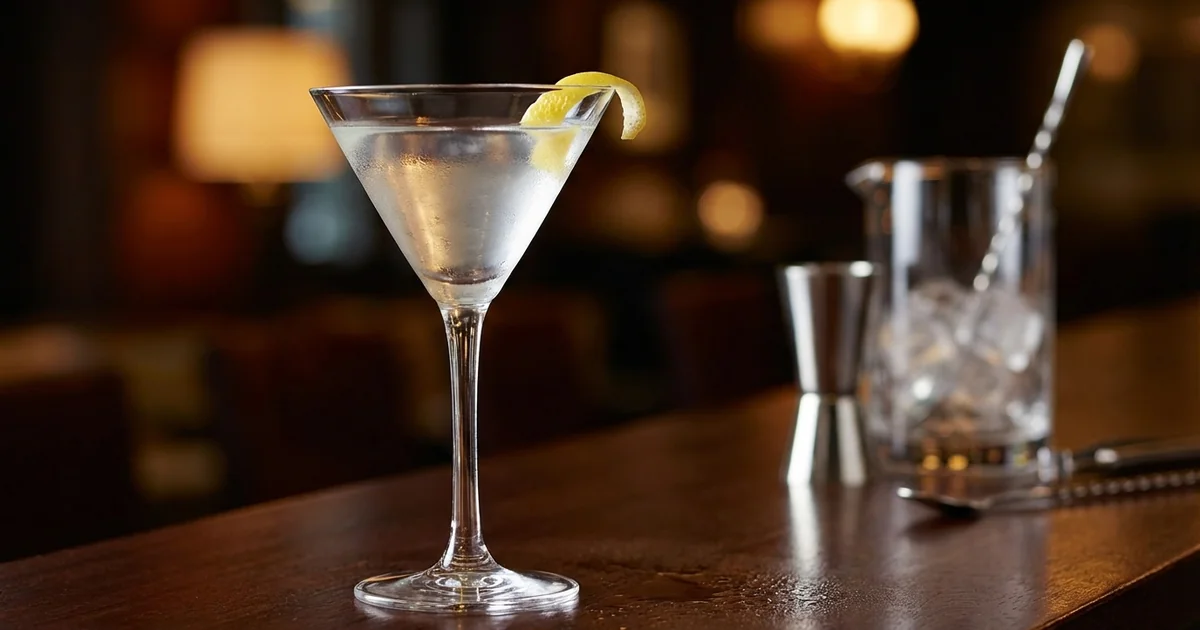
Il Martini è un cocktail classico e sofisticato, composto principalmente da gin e vermut secco, servito in un elegante bicchiere da cocktail. Spesso guarnito con un'oliva o un twist di limone, è simbolo di raffinatezza e stile, ideale per ogni occasione. La sua preparazione semplice ma precisa ne fa una scelta popolare tra gli intenditori di drink.
- secco
- aromatico
- fresco
- pulito

- Prep Time
- 3 min
- Glass
- Cocktail glass
- Difficulty
- Intermediate
- ABV
- 31%
- Yields
- 1 serving
Il Martini è un cocktail a base di gin, apprezzato per il suo carattere secco and aromatico — tra le ricette di "aperitivo" più cercate. Pronto in soli 3 minuti, perfetto per cene eleganti e semplice da preparare a casa. Chi cerca "cena elegante" troverà qui la risposta.
Key Takeaways
What you’ll learn
- The classic martini ratio is 2.5:0.5 gin to dry vermouth (5:1), though the spectrum ranges from wet (2:1) to bone-dry — personal preference is the only rule.
- Stirring is the traditional method, producing a silky, crystal-clear cocktail; shaking makes it colder and cloudier but "bruises" the gin.
- Vermouth quality and freshness are as important as the gin — store it refrigerated and replace it every 3–4 weeks after opening.
- The garnish — lemon twist or olive — fundamentally changes the cocktail's aromatics and should be chosen deliberately, not randomly.
- Always pre-chill the glass for at least 15 minutes; a warm glass is the fastest way to ruin an otherwise perfect martini.
Advertisement
Ingredients
- Serves
- 1 serving
- Glass
- Cocktail glass
- Prep
- 3 min
- 1 2/3 ozGin
- 1/3 ozDry Vermouth
- 1Olive
Method
Preparation
- 01
Ecco la traduzione in italiano:
- 02
Dritto: Versa tutti gli ingredienti in un bicchiere da miscelazione con cubetti di ghiaccio. Mescola bene. Filtra nel bicchiere da cocktail martini raffreddato. Spremi l'olio dalla scorza di limone sulla bevanda, oppure guarnisci con un'oliva.
Origin
History & Origins
The Martini stands alone at the apex of cocktail culture — a drink so refined, so perfectly balanced, that it has become synonymous with sophistication itself. No cocktail inspires more passionate discussion: from the gin versus vodka debate to the proper vermouth ratio, from stirred versus shaken to olive versus twist, every element of this deceptively simple cocktail has been analyzed, argued, and perfected over more than a century of mixing.
The Martini's origins are disputed. Multiple cities claim the invention — San Francisco's Occidental Hotel, the town of Martinez, California, and New York's Knickerbocker Hotel among them — but what is clear is that the drink emerged in the late 19th century from the Martinez cocktail, a sweeter precursor made with Old Tom gin, sweet vermouth, and maraschino liqueur. As London Dry gin became dominant and tastes moved toward drier expressions, the modern Martini evolved: dry vermouth replaced sweet, and the ratio tilted increasingly spirit-forward through the 20th century.
Multiple cities claim the invention — San Francisco's Occidental Hotel, the town of Martinez, California, and New York's Knickerbocker Hotel among them — but what is clear is that the drink emerged in the late 19th century from the Martinez cocktail, a sweeter precursor made with Old Tom gin, sweet vermouth, and maraschino liqueur.
The vodka martini gained prominence in the 1950s and 60s when vodka entered the American market, famously championed by Ian Fleming's James Bond. His "shaken, not stirred" prescription started one of cocktail culture's most enduring debates, though the gin-and-stir traditionalists have always maintained their ground. Today the Martini is a benchmark by which bartenders and bars are judged — a drink whose two-ingredient simplicity is deceptive, concealing depths that reveal themselves differently depending on the gin, vermouth, ratio, technique, and garnish chosen.
Advertisement
Bartender’s Insight
Pro Tips
Mescola, mai agitare, per ottenere un raffreddamento adeguato senza acqua in eccesso
From Elena
usa un gin London Dry di qualità
il vermouth deve essere fresco (entro 3 mesi dall'apertura)
servi estremamente freddo in un bicchiere pre-raffreddato
At the Table
Perfect Pairings
Beyond the Classic
Variations
Martini Secco
Meno vermouth per un profilo spirituoso e meno botanico
Martini Perfetto
Parti uguali di vermouth secco e dolce per l'equilibrio
Martini con Vodka
Sostituisce la ginepro con la vodka, creando un profilo più pulito
Watch
See it in action
Questions
Frequently Asked
- The Martini has a flavor profile that is secco, aromatico, fresco, pulito. It is crafted to balance these characteristics into a harmonious, satisfying drink that appeals to a wide range of palates.
- The Martini is ideal for cene eleganti, feste di compleanno, eventi aziendali. Its flavor profile and presentation make it a versatile choice that works equally well as a social cocktail or a relaxed evening drink.
- Yes, there are several ways to adapt a Martini. If you cannot source Gin, look for a similar alternative that matches its flavor profile. Keep in mind that substitutions may alter the balance of the cocktail, so start with a smaller quantity and adjust to taste. The variations section above lists popular alternatives bartenders use.
- Some of the most popular Martini variations include Martini Secco, Martini Perfetto, Martini con Vodka. Each variation puts a unique twist on the original recipe while retaining the essential character of the classic cocktail.
- The Martini is traditionally served in a Cocktail glass. Using the right glassware is important because it affects the aroma, temperature retention, and overall drinking experience. If you do not have a Cocktail glass on hand, a similar shaped glass will work.
- Yes, a mocktail version of the Martini is possible. Replace the base spirit with a non-alcoholic spirit alternative (there are many quality options available) and keep all other components the same. The result will capture much of the original's flavor profile while being suitable for guests who prefer alcohol-free options.
Other Gin Cocktails
Blackthorn
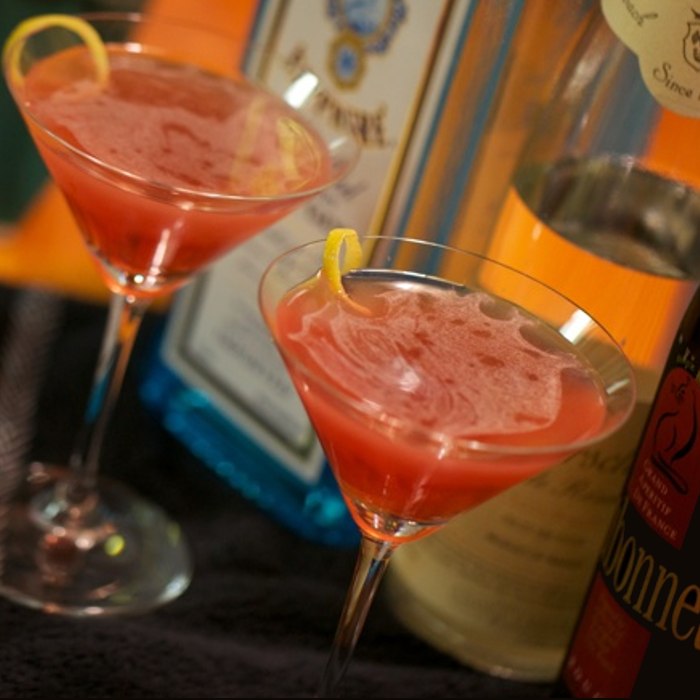
Il Blackthorn è un cocktail classico che unisce il sapore intenso del gin con il dolce amaro del vermouth e un tocco di liquore all'amarena. Servito in un bicchiere da cocktail, è guarnito con una ciliegina, offrendo un equilibrio perfetto tra freschezza e complessità. Questo drink è ideale per chi cerca un'esperienza gustativa raffinata e avvolgente.
Rail Splitter
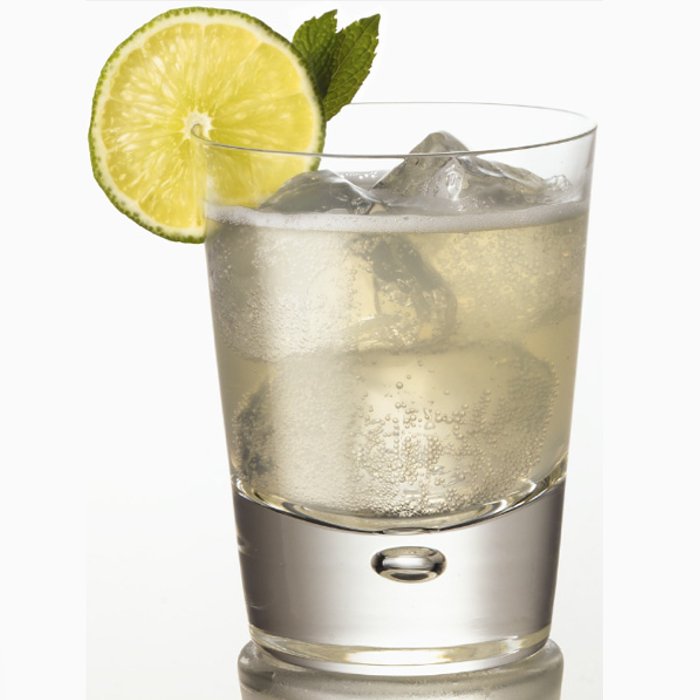
Il Rail Splitter è un cocktail rinfrescante e audace, perfetto per gli amanti dei sapori intensi. Combinando bourbon, succo di limone fresco e sciroppo d'acero, offre un equilibrio unico tra dolcezza e acidità, evocando l'atmosfera rustica delle foreste americane. Servito con ghiaccio e una fetta di limone, è un vero piacere per il palato.
The Philosopher
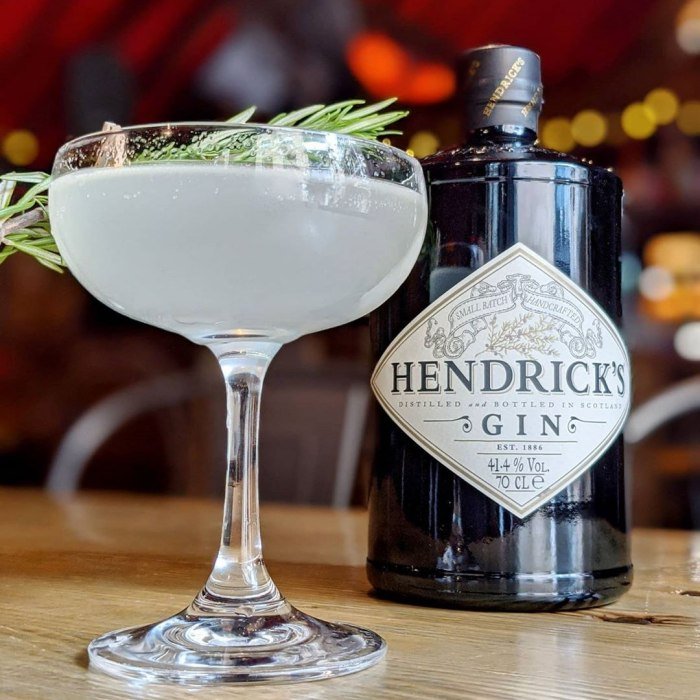
'Il Filosofo' è un cocktail raffinato che unisce sapori complessi e profondi, ispirato alla contemplazione e alla saggezza. Preparato con gin aromatico, vermouth secco e un tocco di bitter, offre un'esperienza gustativa che invita alla riflessione e alla discussione. Perfetto per chi ama sorseggiare e meditare su grandi idee.
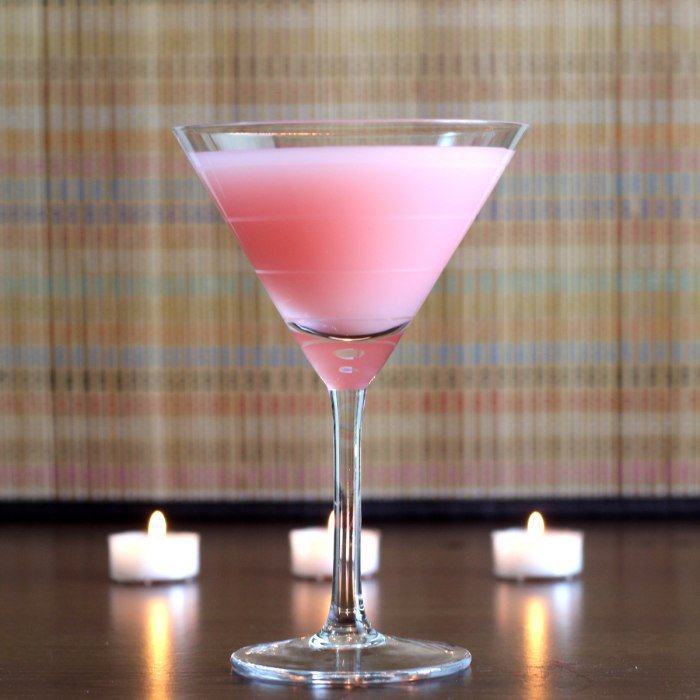
Ace
L'Ace è un cocktail rinfrescante e fruttato, perfetto per le serate estive. Preparato con una base di gin, succo di limone fresco e un tocco di soda, offre un equilibrio perfetto tra acidità e dolcezza. Decorato con una fetta di limone e una menta fresca, è un vero piacere per il palato.
Other cene eleganti Cocktails
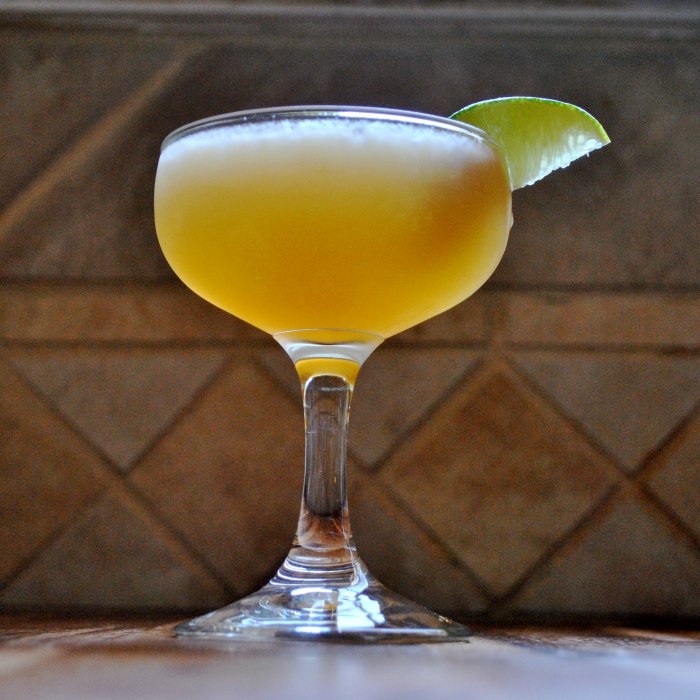
After Dinner Cocktail
L'After Dinner Cocktail è un delizioso drink ideale per concludere un pasto in modo raffinato. Combinando sapori ricchi e aromatici, questo cocktail è perfetto per stimolare la digestione e regalare un momento di piacere dopo cena. Servito in un elegante bicchiere, è un vero e proprio invito a rilassarsi e godere della serata.
Blackthorn
Il Blackthorn è un cocktail classico che unisce il sapore intenso del gin con il dolce amaro del vermouth e un tocco di liquore all'amarena. Servito in un bicchiere da cocktail, è guarnito con una ciliegina, offrendo un equilibrio perfetto tra freschezza e complessità. Questo drink è ideale per chi cerca un'esperienza gustativa raffinata e avvolgente.

Black Russian
Il Black Russian è un cocktail classico a base di vodka e liquore al caffè, noto per il suo sapore ricco e intenso. Servito generalmente su ghiaccio in un bicchiere basso, è una scelta ideale per chi ama i cocktail dal carattere deciso e avvolgente. La combinazione di vodka e caffè crea un equilibrio perfetto tra dolcezza e forza.
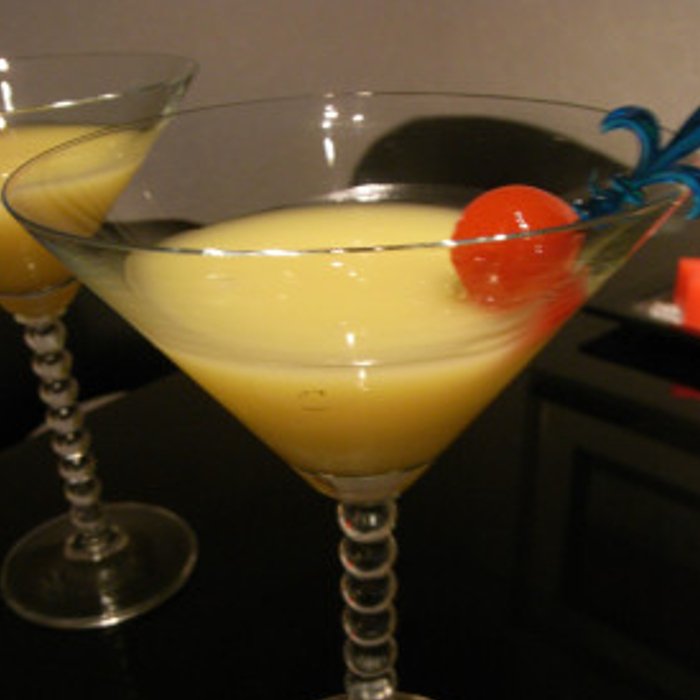
Casa Blanca
Il cocktail Casa Blanca è una deliziosa miscela di rum bianco, succo di lime fresco e sciroppo di agave, perfetto per rinfrescare il palato. La sua combinazione di sapori dolci e agrumati lo rende ideale per una serata estiva. Servito in un bicchiere elegante, è un vero e proprio invito a sognare le atmosfere esotiche.
Similar Flavor Profiles
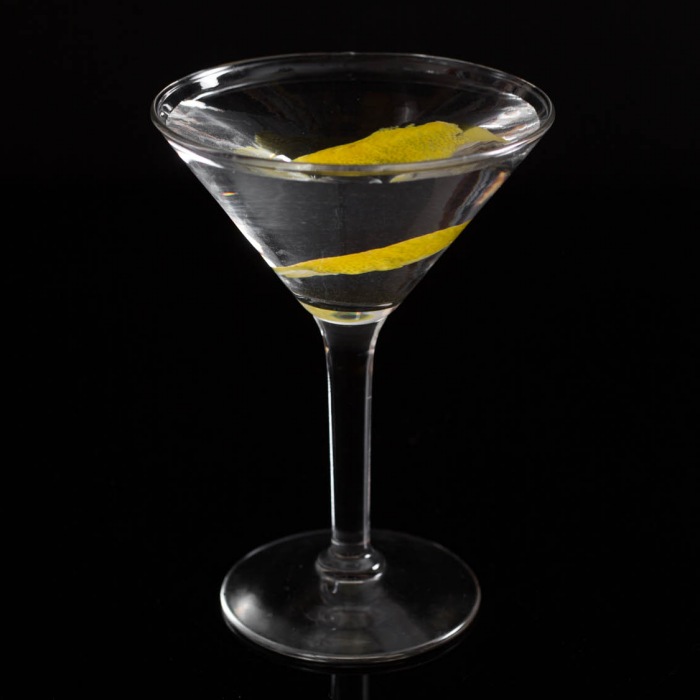
Vodka Martini
Il Vodka Martini è un cocktail elegante e raffinato, preparato con vodka di alta qualità e vermouth secco. Servito in un bicchiere da cocktail, può essere guarnito con un'oliva o una scorza di limone, offrendo un perfetto equilibrio di sapori. Questo drink iconico è spesso associato a uno stile di vita sofisticato e al famoso agente segreto James Bond.
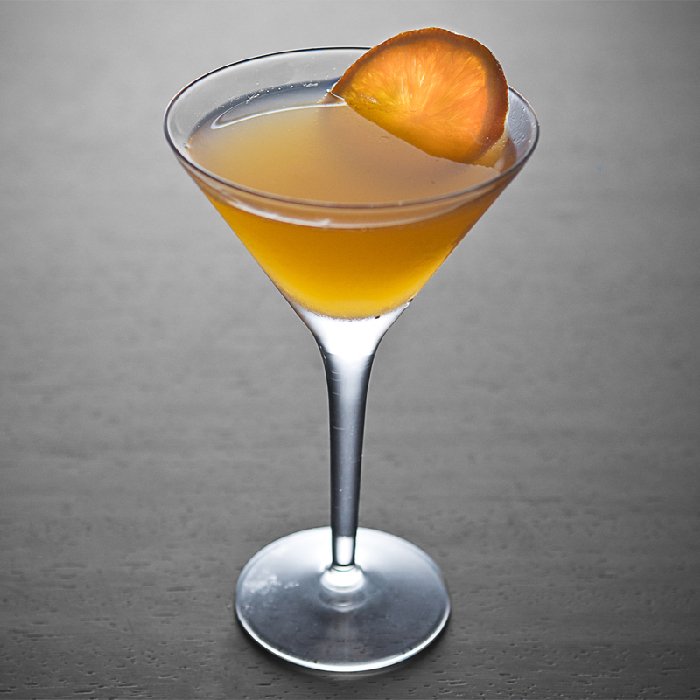
50/50
Il cocktail '50/50' è un'elegante miscela di gin e vermut dolce, perfettamente bilanciati in parti uguali. Servito ghiacciato e guarnito con una scorza di limone, offre un sapore fresco e aromatico, ideale per un aperitivo raffinato. Questo drink è una celebrazione della semplicità e della qualità degli ingredienti.
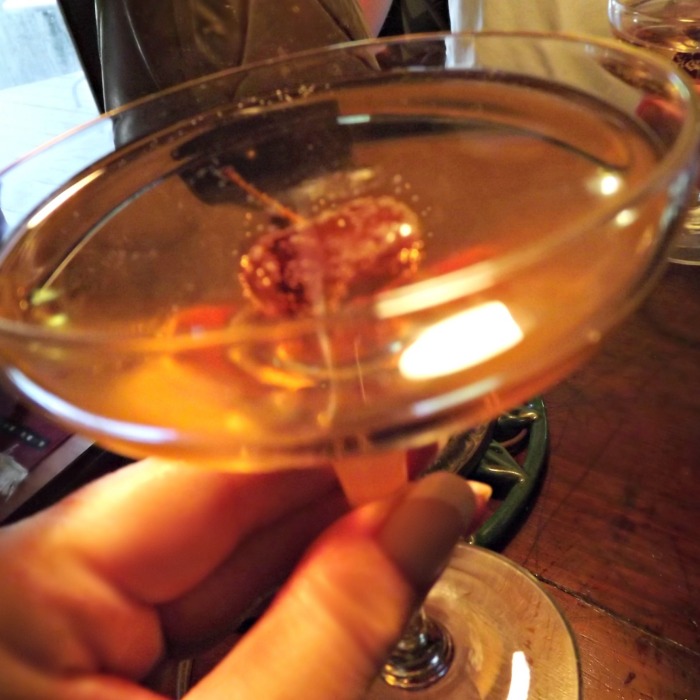
London Town
Il "London Town" è un cocktail elegante che unisce il gin aromatico con il vermouth dolce e un tocco di succo di limone fresco. Decorato con una fetta di limone e una ciliegina, questo drink rinfrescante evoca l'atmosfera vivace della capitale britannica. Perfetto per un aperitivo sofisticato o una serata speciale.
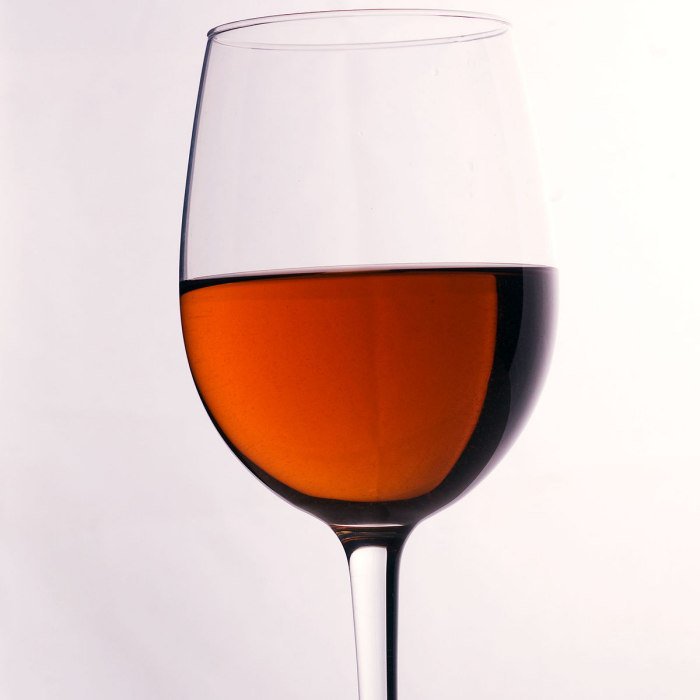
Kir
Il Kir è un cocktail classico francese, composto da un mix di vino bianco secco e crème de cassis, un liquore a base di ribes nero. Servito in un bicchiere da vino, è un aperitivo rinfrescante e fruttato, perfetto per iniziare una serata. La sua semplicità e il suo sapore delicato lo rendono molto apprezzato in tutto il mondo.
Advertisement