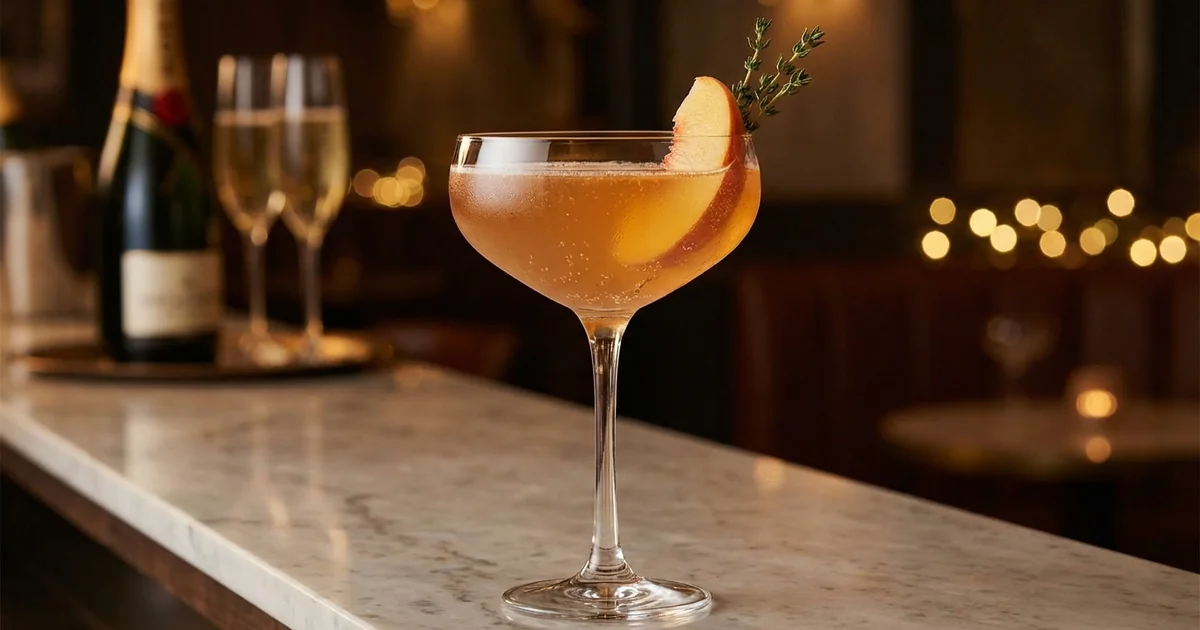
French 75 Recipe: Champagne Cocktail Guide
French 75 recipe: classic champagne cocktail with gin, lemon & champagne. Learn history, techniques, gin vs cognac, and stunning variations.
Advertisement
French 75 Recipe: Champagne Cocktail Guide
Few cocktails capture the elegance and celebratory spirit of the Roaring Twenties quite like the French 75. Named after the powerful 75mm field gun used by the French military during World War I, this champagne cocktail packs a sophisticated punch that has made it a favorite for over a century.
Key Takeaways
- The French 75 was named after the powerful WWI-era 75mm field gun for its strong kick
- Both gin and cognac versions are historically valid, with gin being the most popular modern interpretation
- Proper technique requires shaking the base ingredients with ice before topping with champagne
- The cocktail is perfect for celebrations, particularly New Year's Eve and special occasions
The comparison to artillery wasn't mere marketing hyperbole. Early drinkers claimed the cocktail had such a kick that it felt like being shelled with the French 75mm cannon. Today, this sparkling drink remains a staple at upscale bars and New Year's Eve celebrations worldwide, combining the botanical complexity of gin with the effervescent luxury of champagne.
The History Behind the French 75
The French 75's origin story is as debated as the recipe itself. Most cocktail historians credit Harry MacElhone, the Scottish bartender who founded Harry's New York Bar in Paris, with creating the drink around 1925. However, some accounts trace it back to the New York Bar in Paris during World War I, while others claim it originated at the Stork Club in London.
What's certain is that the cocktail emerged during the interwar period, a time when champagne cocktails epitomized glamour and sophistication. The drink quickly became synonymous with celebration, finding its way into the pages of "The Savoy Cocktail Book" (1930) and cementing its status as a classic.
Classic French 75 Recipe
Here's the timeless recipe that has graced champagne flutes for nearly a century:
Ingredients:
- 1 oz London Dry Gin
- 0.5 oz fresh lemon juice
- 0.5 oz simple syrup
- 3-4 oz Champagne (or quality sparkling wine)
- Lemon twist, for garnish
Instructions:
- Fill a cocktail shaker with ice
- Add gin, lemon juice, and simple syrup
- Shake vigorously for 10-15 seconds until well-chilled
- Strain into a champagne flute or coupe glass
- Top with chilled champagne
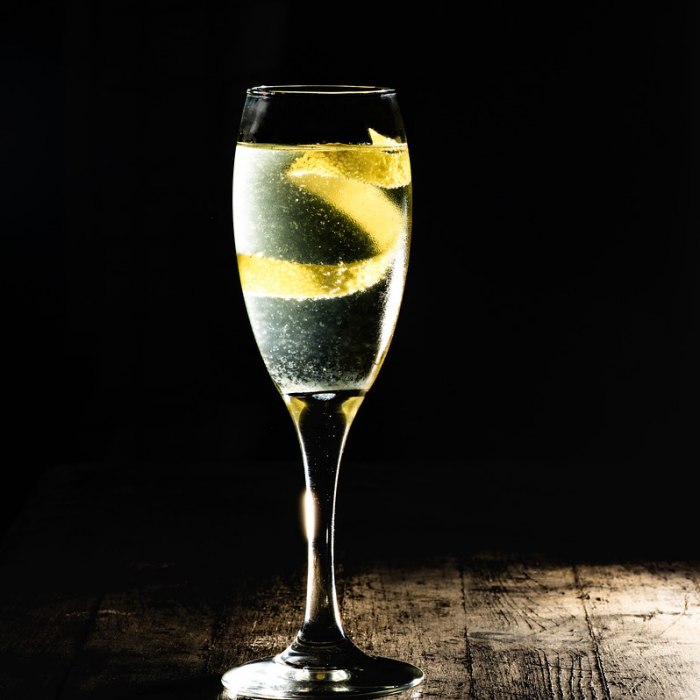
- Garnish with a lemon twist, expressing the oils over the drink
Pro Tip: Never shake the champagne. The base ingredients get the shake treatment, but the champagne should always be added gently after straining to preserve its delicate bubbles.
The Great Debate: Gin vs Cognac
One of the most enduring debates in cocktail circles revolves around the French 75's base spirit. While modern bartenders almost universally use gin, historical recipes reveal a more complex story.
The earliest printed recipes, including those in "The Savoy Cocktail Book," called for gin. However, French sources from the same era often specified cognac as the primary spirit. This has led some cocktail historians to suggest that the cognac version may be the original Parisian recipe, while the gin variant became popularized in English-speaking countries.
The Gin Argument:
- Botanical complexity pairs beautifully with lemon and champagne
- Lighter profile doesn't overpower the champagne's delicate notes
- Most historically documented in classic cocktail books
The Cognac Argument:
- More historically appropriate for a French cocktail
- Richer, more luxurious flavor profile
- Preferred in France, where the drink originated
Today, the gin version dominates, but don't hesitate to experiment with a quality VS cognac. You might discover you prefer the French original. When made with cognac, some bartenders call it a "French 75 Moderne" to distinguish it from the gin-based classic.
Choosing the Right Champagne
The French 75's elegance depends heavily on your champagne selection. Here's what you need to know:
Champagne Quality: While you don't need vintage Dom Pérignon, avoid cooking champagne. Look for a quality brut champagne in the $25-$40 range. The cocktail's other ingredients will complement but not mask poor-quality bubbles.
Brut is Best: The French 75 recipe includes simple syrup, so you want a dry champagne to balance the sweetness. Brut champagne, with its crisp, dry profile, is ideal. Extra brut works too if you prefer a drier drink.
Budget-Friendly Alternatives:
- Prosecco: Italian sparkling wine offers a fruitier, slightly sweeter profile
- Cava: Spanish sparkler provides excellent value with a dry, crisp character
- Crémant: French sparkling wines from regions outside Champagne offer authentic French character at lower prices
Temperature Matters: Always use well-chilled champagne (40-45°F). Warm champagne loses carbonation quickly and throws off the drink's balance.
Mastering the Technique
The French 75's simplicity can be deceptive. Proper technique elevates this drink from good to extraordinary:
Shaking the Base: Shake the gin, lemon, and simple syrup hard with plenty of ice. This not only chills the ingredients but also properly dilutes the mixture, softening the gin's alcoholic bite and creating a smooth foundation for the champagne.
Straining: Use a fine-mesh strainer in addition to your Hawthorne strainer to remove ice chips and pulp. These can disrupt the champagne's bubbles and create an unappealing texture.
Pouring the Champagne: Pour gently down the side of the glass, much like you would when pouring beer. This preserves carbonation and creates a more refined presentation.
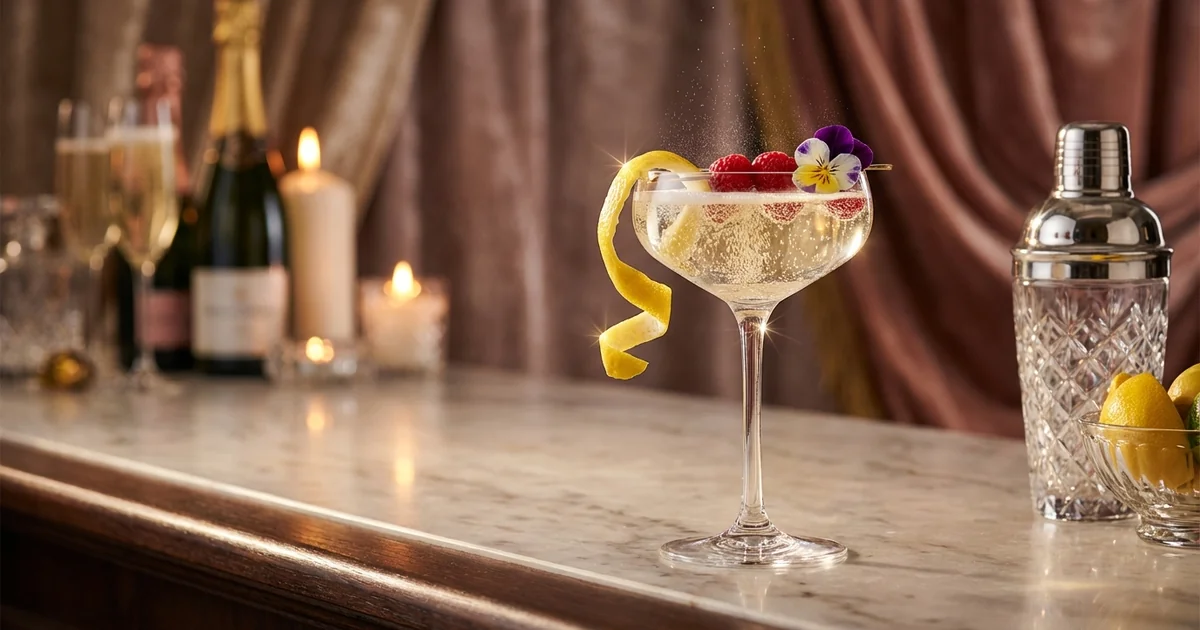
The Garnish: Express a lemon twist over the drink to release aromatic oils, then either drop it in or perch it on the rim. Some bartenders prefer a long spiral twist that extends from the bottom of the glass for dramatic presentation.
Perfect for New Year's Eve and Celebrations
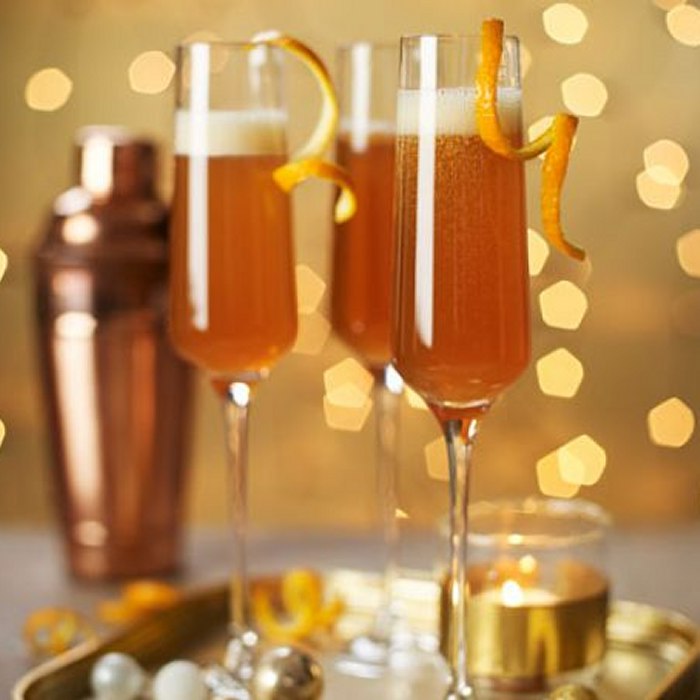
The French 75 has become synonymous with celebration, particularly New Year's Eve. Its champagne base and elegant presentation make it perfect for toasting special moments.
Why It's a Celebration Favorite:
- Champagne screams celebration
- The cocktail's history and sophistication add gravitas to special occasions
- It's visually stunning when served in crystal flutes
- The recipe easily scales for batch cocktails at parties
Batch Recipe for Parties (Serves 8):
- 8 oz gin
- 4 oz fresh lemon juice
- 4 oz simple syrup
- 1 bottle (750ml) champagne
Combine gin, lemon juice, and simple syrup in a pitcher with ice. When ready to serve, strain 1.5 oz of the mixture into each glass and top with champagne.
Popular French 75 Variations
Once you've mastered the classic, explore these creative variations:
French 76: Substitute vodka for gin for a cleaner, more neutral flavor profile. This version appeals to those who find gin's botanical notes too assertive.
French 77: Add 0.5 oz of elderflower liqueur (like St-Germain) to the original recipe. This creates a floral, slightly sweeter variation that's particularly popular in spring and summer.
French 95: Use bourbon instead of gin for an American twist on the French classic. The whiskey's vanilla and caramel notes create a richer, more robust cocktail.
Rosé French 75: Replace champagne with rosé sparkling wine for a beautiful pink hue and subtle berry notes.
Lavender French 75: Use lavender simple syrup instead of regular simple syrup for a fragrant, Provençal-inspired variation.
The Glassware Question: Flute vs Coupe
Traditionally, the French 75 is served in a champagne flute. The tall, narrow shape showcases the champagne's bubbles and concentrates the aromatic lemon oils.
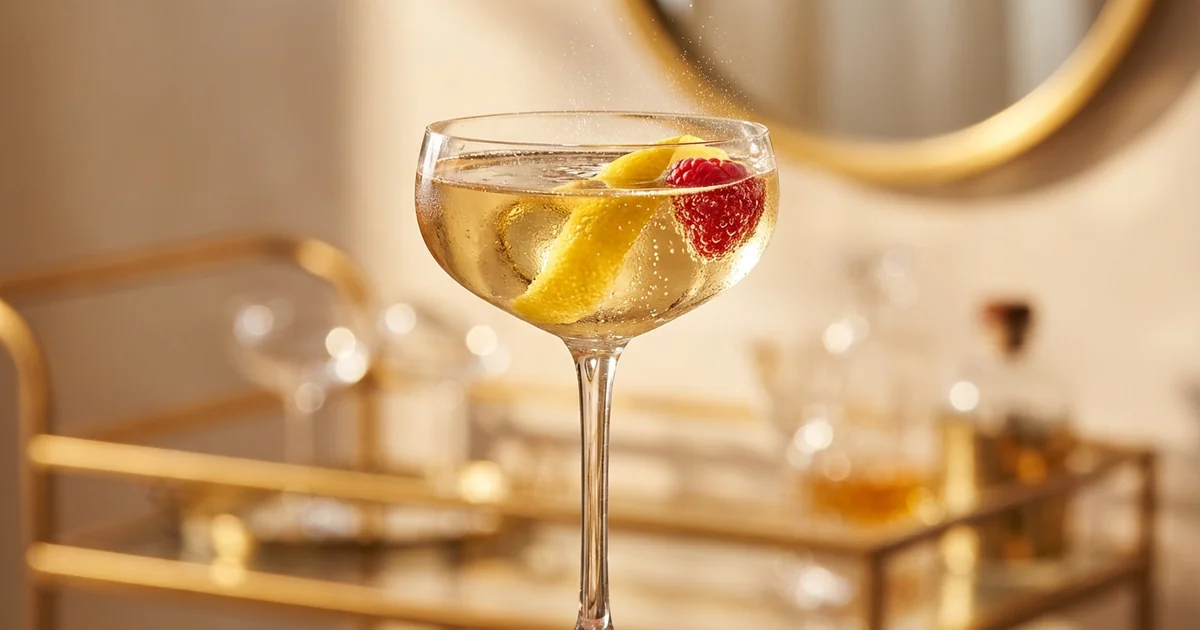
However, many modern bartenders prefer the coupe glass (also called a champagne saucer). Here's the breakdown:
Champagne Flute:
- Traditional presentation
- Better carbonation retention
- Elegant, celebratory appearance
- Harder to garnish
Coupe Glass:
- Vintage glamour (think Great Gatsby)
- Easier to drink from
- Better for expressing aromatics
- More surface area means faster carbonation loss
Choose based on your preference and occasion. For formal celebrations, flutes feel more appropriate. For vintage-themed parties or craft cocktail bars, coupes offer timeless elegance.
Tips for the Perfect French 75
1. Use Fresh Lemon Juice: Bottled lemon juice will ruin this delicate cocktail. Always squeeze fresh lemons, and strain out pulp and seeds.
2. Quality Simple Syrup: Make your own by combining equal parts sugar and hot water, stirring until dissolved. This takes 2 minutes and vastly improves any cocktail.
3. Choose the Right Gin: London Dry gin works best. Botanical-forward gins like Tanqueray, Beefeater, or Bombay Sapphire complement the lemon and champagne without overwhelming them.
4. Pre-Chill Your Glassware: A cold glass helps maintain the champagne's temperature and carbonation.
5. Don't Overfill: Leave room in the glass for the champagne's bubbles to develop. Overfilling leads to spillage and diluted flavors.
Complementary Cocktail Guides
Expand your champagne cocktail knowledge with these related guides:
- Learn more about champagne cocktails to discover other elegant sparkling wine drinks
- Explore our comprehensive gin cocktails guide to master other gin-based classics
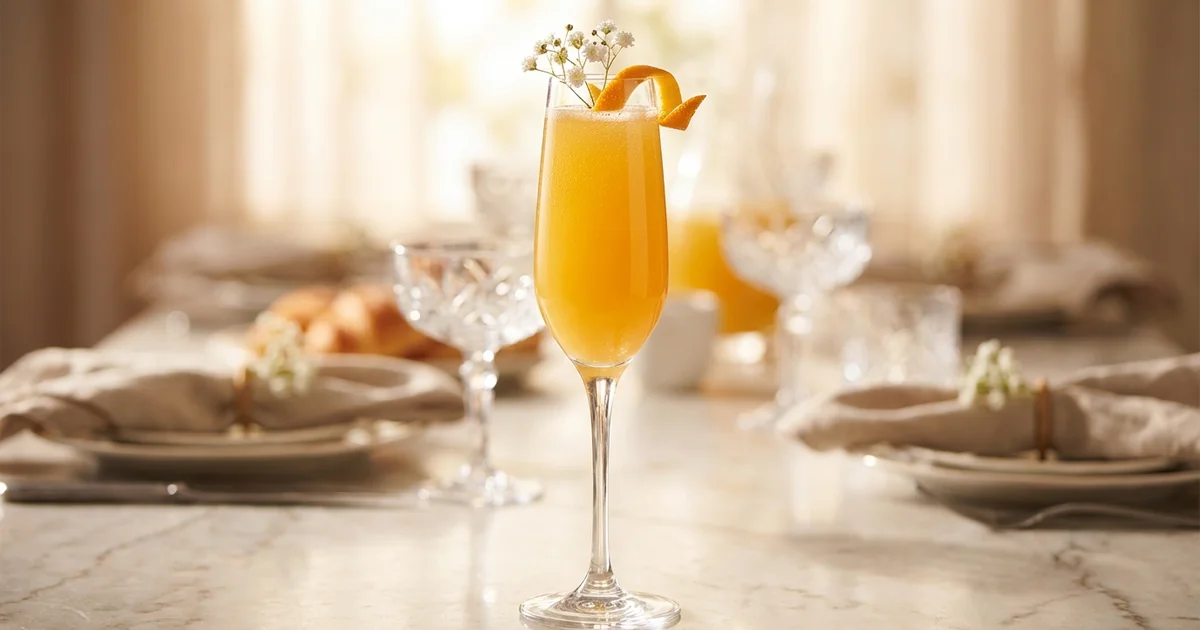
- Check out related cocktails like the Mimosa and Bellini for more bubbly inspiration
Frequently Asked Questions
Can I make a French 75 without champagne?
While champagne is traditional, you can substitute any quality sparkling wine. Prosecco, Cava, or domestic sparkling wines work well. The key is using something brut (dry) to balance the simple syrup's sweetness.
Is the French 75 a strong cocktail?
Yes, the French 75 is deceptively strong. Despite its elegant, easy-drinking nature, it contains a full ounce of gin plus the alcohol in champagne. The bubbles and citrus mask the potency, so drink responsibly.
What's the difference between a French 75 and a Tom Collins?
Both cocktails use gin, lemon juice, and simple syrup, but a Tom Collins is topped with soda water instead of champagne and served over ice in a Collins glass. The French 75 is served up in a flute or coupe with champagne, making it more elegant and celebratory.
Can I make French 75 ahead of time?
You can pre-batch the base (gin, lemon juice, and simple syrup) and refrigerate it for up to 4 hours. However, only add champagne immediately before serving to maintain carbonation and freshness. Fresh lemon juice degrades quickly, so don't batch more than a few hours ahead.
Why is my French 75 too sweet or too sour?
The classic recipe's 1:1 ratio of lemon juice to simple syrup creates perfect balance for most palates. If it's too sweet, reduce simple syrup to 0.25 oz. If too sour, increase to 0.75 oz. Also ensure you're using brut champagne, not sweet varieties.
What food pairs well with a French 75?
The French 75's bright citrus and effervescence pair beautifully with oysters, caviar, smoked salmon, soft cheeses, and light appetizers. It's an excellent aperitif cocktail to serve before dinner.
Conclusion
The French 75 stands as one of the most enduring champagne cocktails in history, combining timeless elegance with a fascinating backstory. Whether you're celebrating New Year's Eve, hosting a sophisticated soiree, or simply want to enjoy a piece of cocktail history, this classic French 75 recipe delivers every time.
Start with quality ingredients, master the technique of shaking the base before adding champagne, and don't be afraid to experiment with the gin-versus-cognac debate. Most importantly, raise your glass and toast to the French artillerymen who inspired this iconic drink.
Santé!
Tags:
Advertisement
About Elena
Classic Cocktails & Gin Expert at Hero Cocktails, passionate about crafting exceptional cocktails and sharing mixology expertise.
Advertisement