Negroni Variations: 7 Classic Cocktail Riffs

Explore negroni variations including white negroni, sbagliato, mezcal, and boulevardier. Master 7 essential riffs on the iconic Italian aperitif.
Advertisement
Negroni Variations: 7 Classic Cocktail Riffs
Every September, bartenders and cocktail enthusiasts worldwide celebrate Negroni Week, raising glasses to one of Italy's most beloved aperitifs. What makes the Negroni so special isn't just its perfect bitter-sweet balance—it's the endless creativity it inspires. The simple equal-parts template of spirit, bitter liqueur, and vermouth has become a playground for mixologists, spawning dozens of negroni variations that range from subtle tweaks to radical reinventions.
Key Takeaways
- The Negroni's equal-parts template makes it perfect for endless variations
- White Negroni swaps Campari for Suze and vermouth for Lillet Blanc
- Negroni Sbagliato replaces gin with Prosecco for a lighter, bubbly version
- Mezcal Negroni adds smoky complexity while maintaining the bitter-sweet balance
- Boulevardier uses whiskey instead of gin for a richer, Manhattan-style drink
Whether you're looking to explore the delicate botanicals of a white negroni, experience the viral sensation of the Negroni Sbagliato, or add smoky depth with mezcal, this guide covers the essential negroni variations every Negroni lover should know. Each riff respects the original's spirit while bringing something unique to the glass.
The Classic Negroni Variations Start Here
Before diving into negroni variations, let's revisit the template that started it all. The classic Negroni, invented in Florence around 1919, combines equal parts:
- 1 oz gin
- 1 oz Campari
- 1 oz sweet vermouth
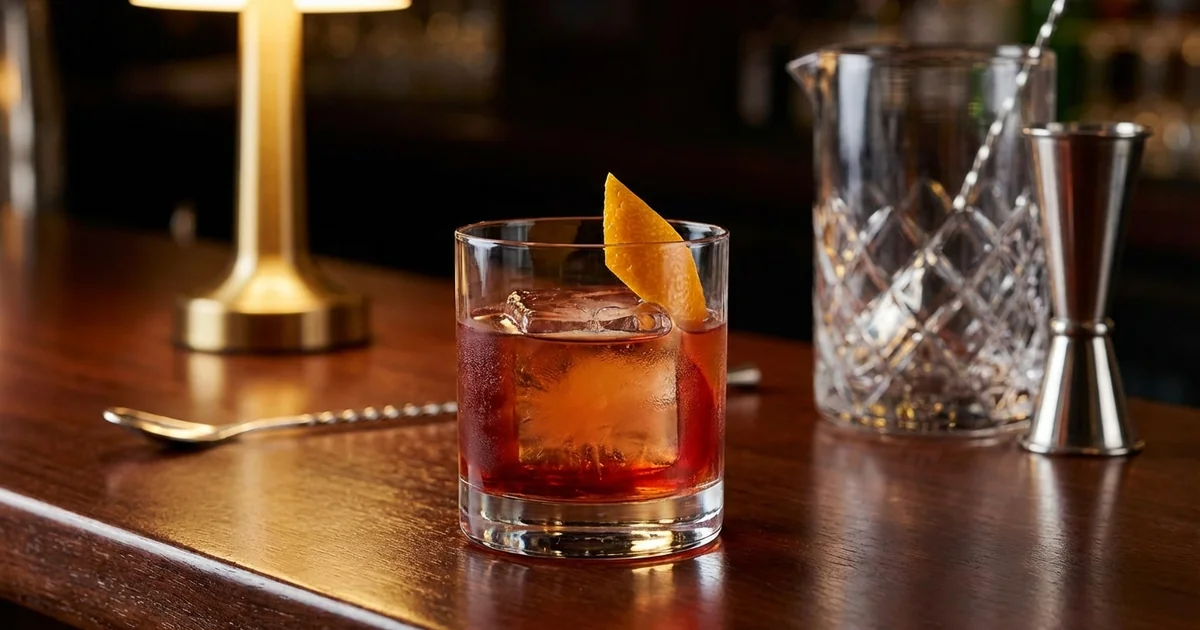
Stirred with ice and served over a large cube with an orange peel, the Negroni delivers a perfectly balanced aperitif that's both refreshing and complex. The gin provides botanical backbone, Campari brings bitter complexity, and sweet vermouth rounds everything out with herbal sweetness.
This equal-parts formula is what makes the Negroni such a versatile template for creating negroni variations. Swap one ingredient, and you create an entirely new drinking experience while maintaining the fundamental balance that makes the drink work.
White Negroni: The Sophisticated Alternative
The White Negroni transforms the original's ruby-red intensity into something more subtle and floral, while maintaining the essential bitter-sweet character. This refined negroni variation is perfect for warm weather sipping.
Recipe:
- 1 oz gin
- 1 oz Suze (or Salers)
- 1 oz Lillet Blanc
Method: Stir all ingredients with ice and strain into a rocks glass over fresh ice. Garnish with a grapefruit twist.
Created by Wayne Collins at London's Lonsdale in 2001, the white negroni recipe swaps Campari for Suze, a French gentian liqueur with bright, floral bitterness, and replaces sweet vermouth with Lillet Blanc, a wine-based aperitif. The result is lighter in color but not in complexity—expect grapefruit notes, alpine herbs, and a cleaner, more delicate bitterness than the original.
The White Negroni works beautifully as a pre-dinner drink on warm evenings when you want something refreshing but still sophisticated. It's also more approachable for those who find Campari too intensely bitter.
Negroni Sbagliato: The Viral Sensation
The negroni sbagliato (meaning "mistaken Negroni") became a global phenomenon in 2022 thanks to a viral moment, but this Milanese variation has been charming drinkers since the 1960s. It's one of the most accessible negroni variations for casual drinkers.
Recipe:
- 1 oz Campari
- 1 oz sweet vermouth
- 1-2 oz Prosecco
Method: Build Campari and vermouth in a wine glass over ice, top with Prosecco, and gently stir. Garnish with an orange slice.
Legend has it that a bartender at Bar Basso in Milan accidentally grabbed Prosecco instead of gin, creating this lighter, bubbly version. The effervescence makes it more refreshing and approachable, with a lower ABV that's perfect for day drinking or when you want the Negroni's flavor profile without the punch.
The key is using good Prosecco—its fruitiness complements the bitter-sweet balance while the bubbles add texture and lift. Some bartenders prefer a 1:1:2 ratio to make it even more wine-forward. For those exploring negroni variations, this is an excellent entry point.
Mezcal Negroni: Smoky Sophistication
For those who love agave spirits, the mezcal negroni brings earthy, smoky complexity to the classic template while maintaining its Italian soul. This negroni variation showcases how different base spirits can transform the drink.
Recipe:
- 1 oz mezcal
- 1 oz Campari
- 1 oz sweet vermouth
Method: Stir all ingredients with ice and strain into a rocks glass over a large ice cube. Garnish with an orange peel.
The smoky, mineral character of mezcal creates fascinating interplay with Campari's bitterness and vermouth's herbal notes. The result is deeper and more mysterious than the gin version, with roasted agave adding an earthy backbone that works surprisingly well with Italian ingredients.
Use a moderately smoky mezcal—something too intense will overpower the other ingredients. Del Maguey Vida or Banhez are excellent choices that bring smoke without dominating the drink.
Boulevardier: The American Cousin
Cross the Atlantic and swap gin for whiskey, and you get the Boulevardier—a richer, more robust negroni variation that bridges Italian and American cocktail traditions. This spirit-forward cousin represents one of the most successful negroni variations.
Recipe:
- 1.25 oz bourbon or rye whiskey
- 1 oz Campari
- 1 oz sweet vermouth
Method: Stir all ingredients with ice and strain into a coupe or serve over ice in a rocks glass. Garnish with an orange or lemon twist.
First appearing in Harry McElhone's 1927 cocktail book, the Boulevardier tastes like a Manhattan met a Negroni at a Parisian cafe. The whiskey brings vanilla, caramel, and spice that make the drink warmer and more winter-friendly than its gin-based cousin.
Bourbon creates a sweeter, rounder drink, while rye adds spicy complexity that plays beautifully with Campari's bitterness. Many bartenders use a slightly spirit-forward ratio (1.25 oz whiskey to 1 oz each of the others) to ensure the whiskey shines through. For more Italian aperitifs, explore our guide to Aperol Spritz.
Americano: The Low-ABV Original
Before the Negroni, there was the Americano—the lighter, bubblier ancestor that replaces gin with soda water for a refreshing, lower-alcohol negroni variation option.
Recipe:
- 1.5 oz Campari
- 1.5 oz sweet vermouth
- Club soda to top
Method: Build Campari and vermouth in a highball glass over ice, top with soda, and gently stir. Garnish with an orange slice and lemon wheel.
Dating back to the 1860s, the Americano earned its name from its popularity with American tourists in Italy. It's essentially what Count Camillo Negroni ordered before requesting the bartender make it stronger by adding gin instead of soda.
The Americano is perfect for day drinking, outdoor gatherings, or when you want multiple drinks without the effects of full-strength cocktails. The effervescence makes it incredibly refreshing, letting the bitter-sweet character of Campari and vermouth shine without dilution.
Other Notable Negroni Riffs
The Negroni's influence extends far beyond these classics. Here are a few more negroni variations worth exploring:
Cynar Negroni (Kingston Negroni): Replace Campari with Cynar, an artichoke-based amaro, for an earthier, less sweet variation with herbal complexity.
Rum Negroni (Rosita): Swap gin for aged rum to create a tropical-leaning version with molasses notes and warming spice.
Old Pal: Use rye whiskey and dry vermouth instead of sweet for a drier, more austere Boulevardier variation.
Negroni Bianco: Keep the gin but use white/bianco vermouth and Suze or Luxardo Bitter Bianco for a lighter middle ground.
The beauty of negroni variations lies in experimentation. Once you understand the equal-parts template and the role each ingredient plays—spirit for backbone, bitter element for complexity, fortified wine for balance—you can create your own riffs using different amaros, vermouths, and base spirits.
Tips for Making Better Negroni Variations
Quality Ingredients Matter: Since negroni variations are spirit-forward drinks with minimal ingredients, quality shines through. Use fresh vermouth (refrigerate after opening), and don't cheap out on the base spirit.
Dilution is Key: Proper stirring or building over ice is crucial. Under-diluted Negronis taste harsh; over-diluted ones lose character. Aim for 30-40 seconds of stirring or use large ice cubes to slow dilution.
Express the Oils: Whether using orange, grapefruit, or lemon peel, always express the citrus oils over the drink and rub the peel around the rim before dropping it in.
Experiment with Ratios: While equal parts is the classic template, don't be afraid to adjust. Spirit-forward (1.25:1:1) or vermouth-heavy (1:1:1.25) versions can highlight different aspects of negroni variations.
Ice Matters: Use the largest ice cube you can fit in the glass. Larger ice melts slower, maintaining the drink's strength and temperature longer.
FAQ About Negroni Variations
What is the difference between a Negroni and a Boulevardier?
A Boulevardier swaps the Negroni's gin for whiskey (usually bourbon or rye), creating a richer, warmer drink with caramel and spice notes. While the Negroni is crisp and botanical, the Boulevardier is more robust and winter-friendly, similar to a Manhattan with Campari.
How do you make a white negroni less bitter?
Use Lillet Blanc instead of Cocchi Americano, which is gentler, or try Salers instead of Suze for a softer gentian bitterness. You can also adjust the ratio to 1 oz gin, 0.75 oz Suze, and 1.25 oz Lillet Blanc for a sweeter, more approachable version.
Is Negroni Sbagliato actually a mistake?
The origin story claims it was created by accident at Bar Basso in Milan when Prosecco was grabbed instead of gin, hence "sbagliato" (mistaken). Whether true or not, the delicious mistake has become a classic in its own right, especially popular in Italy.
What mezcal is best for a Mezcal Negroni?
Use an espadin-based mezcal with moderate smoke like Del Maguey Vida, Banhez, or Montelobos. Avoid heavily smoked mezcals that will overpower the Campari and vermouth. The goal is balanced smoke that complements rather than dominates.
Can you batch Negroni variations for parties?
Absolutely! Mix your chosen negroni variation in a bottle at the correct ratios, then add about 20% water to account for dilution from stirring. Refrigerate the batch and pour over ice when serving. Perfect for entertaining without having to make individual drinks.
What's the best vermouth for Negroni variations?
For classic and most variations, Carpano Antica Formula or Cocchi Vermouth di Torino work beautifully. For lighter variations like the White Negroni, use Lillet Blanc or Cocchi Americano. Fresh vermouth makes a huge difference—replace bottles every 3-4 weeks after opening.
Conclusion: Your Negroni Journey
The world of negroni variations offers something for every palate and occasion. From the delicate white negroni recipe perfect for summer afternoons to the robust Boulevardier ideal for winter evenings, each negroni variation respects the original's genius while bringing unique character.
Start with the classics—the negroni sbagliato for its approachable effervescence, the mezcal negroni for smoky complexity, or the Boulevardier for whiskey lovers. As you become comfortable with the equal-parts template, experiment with different amaros, vermouths, and spirits to create your own signature riff on the negroni variations theme.
This Negroni Week, raise a glass to Count Camillo Negroni and all the creative bartenders who've kept his legacy alive through innovation. Whether you prefer yours classic, white, sparkling, or smoky, there's a negroni variation waiting to become your new favorite cocktail.
Salute!
Advertisement
About Elena
Classic Cocktails & Gin Expert at Hero Cocktails, passionate about crafting exceptional cocktails and sharing mixology expertise.
Advertisement