Ordinary Drink
Sidecar
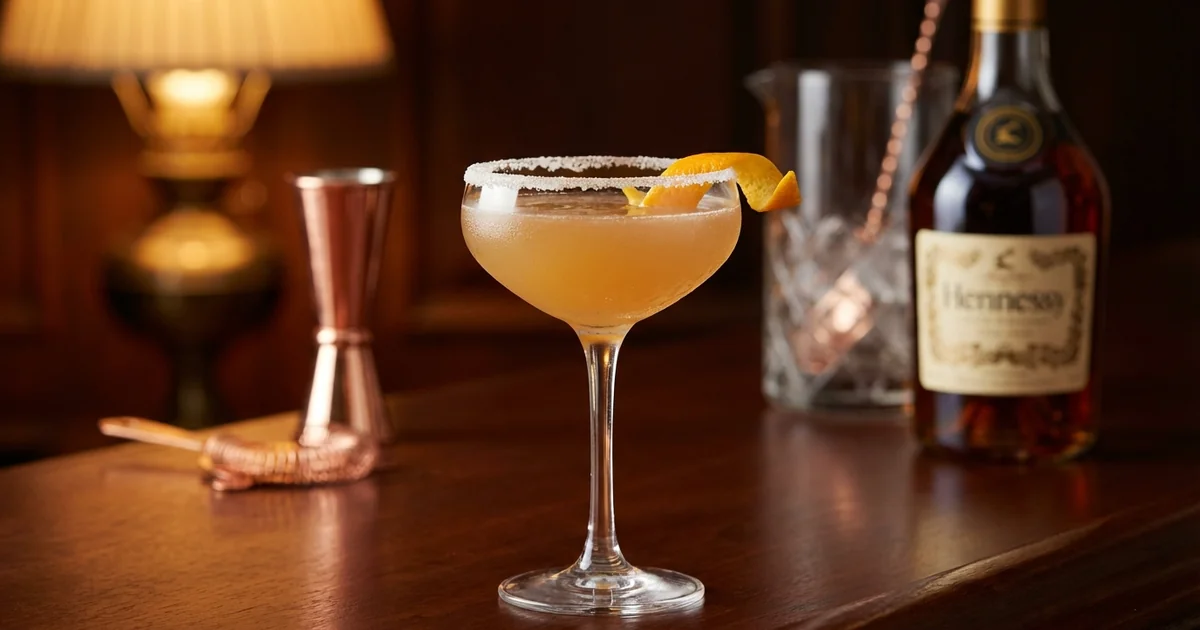
Il Sidecar è un cocktail classico a base di cognac, liquore all'arancia e succo di limone. Servito in un bicchiere da cocktail con il bordo zuccherato, offre un equilibrio perfetto tra dolcezza e acidità, rendendolo un drink raffinato e intramontabile. La sua origine risale agli anni '20, ed è ancora molto apprezzato nei bar di tutto il mondo.
- agrumato
- dolce
- acidulo
- aromatico

- Prep Time
- 3 min
- Glass
- Cocktail glass
- Difficulty
- Intermediate
- ABV
- 22%
- Yields
- 1 serving
Pochi cocktail offrono un profilo agrumato and dolce equilibrato come il Sidecar. Con cognac come base, si prepara in circa 3 minuti. Una delle ricette più cercate: "cena elegante".
Key Takeaways
What you’ll learn
- The Sidecar emerged during WWI in Paris or London, becoming one of the most elegant cognac cocktails and a foundational template for the sour family.
- The modern classic recipe balances 2 oz cognac, 1 oz Cointreau, and 0.75 oz fresh lemon juice — a 2:1:0.75 ratio that showcases the base spirit.
- The sugar rim debate divides traditionalists and modernists: try both and decide. The sugar creates textural contrast; omitting it lets proportions speak for themselves.
- Quality VS or VSOP cognac and premium Cointreau (rather than budget triple sec) transform this three-ingredient cocktail dramatically.
Advertisement
Ingredients
- Serves
- 1 serving
- Glass
- Cocktail glass
- Prep
- 3 min
- 2 ozCognac
- 1/2 ozCointreau
- 1 ozLemon juice
Method
Preparation
- 01
Versa tutti gli ingredienti in uno shaker per cocktail riempito di ghiaccio. Agita bene e filtra nel bicchiere da cocktail.
Origin
History & Origins
The Sidecar stands as one of the most refined cocktails to emerge from the 1920s, and its exact origin remains one of cocktail history's most pleasantly debated mysteries. Two cities claim parentage: Harry MacElhone of Harry's New York Bar in Paris credits himself with creating it around 1922, while London's Buck's Club credits head bartender Pat MacGarry with the same invention at approximately the same time. Both stories involve a customer who arrived by motorcycle sidecar — though whether this is historical fact or convenient legend is impossible to determine.
What is certain is that the drink appears in cocktail books from the mid-1920s including Harry MacElhone's own "Harry's ABC of Mixing Cocktails" (1922) and Robert Vermeire's "Cocktails: How to Mix Them" (1922). The early recipes show variation in proportions — many called for equal parts of all three ingredients — but establish the fundamental trinity of cognac, orange liqueur, and lemon juice that defines the Sidecar to this day.
The early recipes show variation in proportions — many called for equal parts of all three ingredients — but establish the fundamental trinity of cognac, orange liqueur, and lemon juice that defines the Sidecar to this day.
The Sidecar belongs to a family of brandy sours that includes the earlier Brandy Crusta (1850s) and later variations like Between the Sheets, suggesting the cocktail may have evolved from established templates rather than being invented wholesale. Regardless, the Sidecar refined its predecessors into something distinctly elegant: the 2:1:0.75 ratio that modern bartenders favour showcases the cognac's complexity while providing refreshing citrus balance that makes the drink simultaneously rich and lively. The IBA lists it as an official cocktail.
Advertisement
Bartender’s Insight
Pro Tips
Usa cognac premium come base per profondità e complessità
From Arthur
il Cointreau di qualità è essenziale per l'equilibrio e il sapore d'arancia
il succo di limone fresco deve essere usato, mai in bottiglia
servi in un bicchiere a coupé raffreddato e bordato di zucchero
il rapporto dovrebbe enfatizzare il cognac rispetto agli altri ingredienti.
At the Table
Perfect Pairings
Beyond the Classic
Variations
Sidecar al Brandy
Sostituisce il cognac francese con brandy per una base di spirito più leggera e neutra
Sidecar Perfetto
aggiunge vermut secco per complessità e profondità aggiuntive
Sidecar Moderno
incorpora liquori contemporanei e tecniche aggiornate.
Questions
Frequently Asked
- The Sidecar has a flavor profile that is agrumato, dolce, acidulo, aromatico. It is crafted to balance these characteristics into a harmonious, satisfying drink that appeals to a wide range of palates.
- The Sidecar is ideal for cene eleganti, feste di compleanno, eventi aziendali. Its flavor profile and presentation make it a versatile choice that works equally well as a social cocktail or a relaxed evening drink.
- Yes, there are several ways to adapt a Sidecar. If you cannot source Cognac, look for a similar alternative that matches its flavor profile. Keep in mind that substitutions may alter the balance of the cocktail, so start with a smaller quantity and adjust to taste. The variations section above lists popular alternatives bartenders use.
- Some of the most popular Sidecar variations include Sidecar al Brandy, Sidecar Perfetto, Sidecar Moderno. Each variation puts a unique twist on the original recipe while retaining the essential character of the classic cocktail.
- The Sidecar is traditionally served in a Cocktail glass. Using the right glassware is important because it affects the aroma, temperature retention, and overall drinking experience. If you do not have a Cocktail glass on hand, a similar shaped glass will work.
- Yes, a mocktail version of the Sidecar is possible. Replace the base spirit with a non-alcoholic spirit alternative (there are many quality options available) and keep all other components the same. The result will capture much of the original's flavor profile while being suitable for guests who prefer alcohol-free options.
Other Cognac Cocktails
ABC
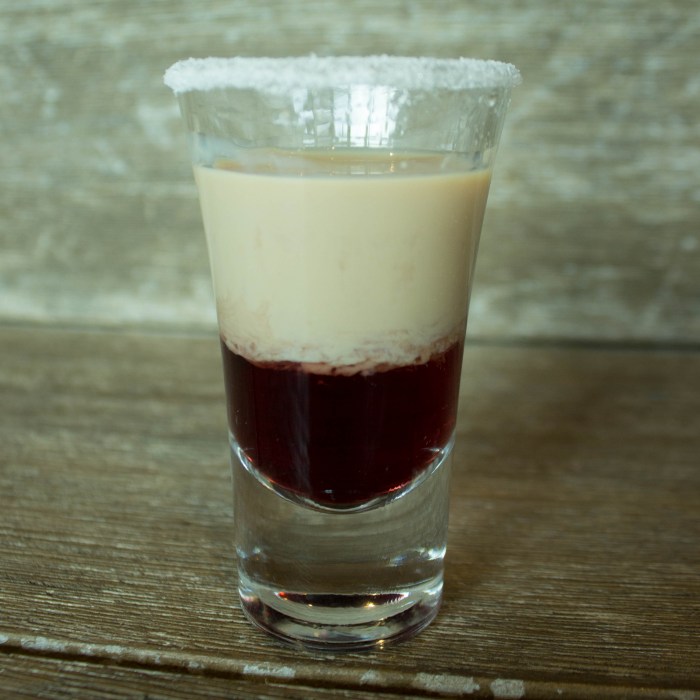
Il cocktail ABC è una deliziosa miscela di sapori freschi e fruttati, perfetto per rinfrescarsi durante le calde serate estive. Preparato con una base di gin, succo di limone e un tocco di sciroppo di agrumi, questo drink è un'esplosione di freschezza e vivacità. Servito in un elegante bicchiere con una fetta di limone, è un vero e proprio inv
French Connection
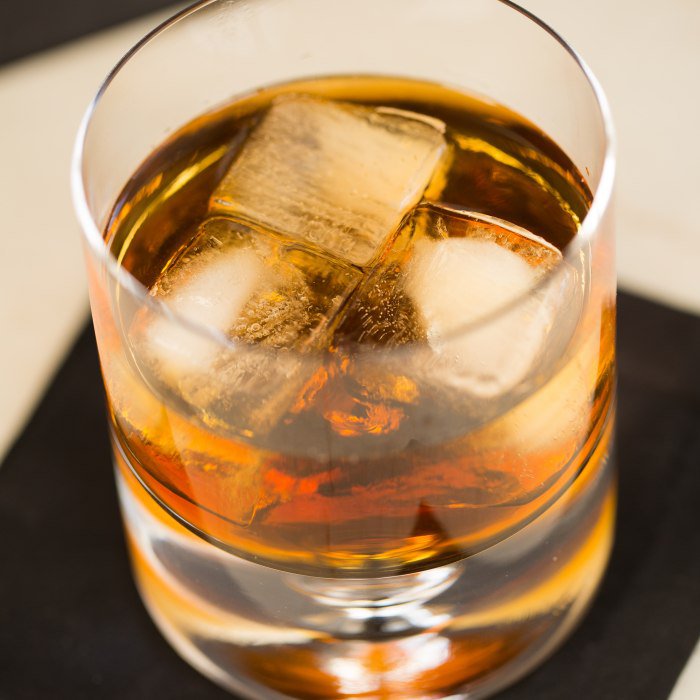
Il "French Connection" è un cocktail raffinato che unisce il cognac e l'amaretto, creando un equilibrio perfetto tra la dolcezza e la complessità dei sapori. Servito in un bicchiere old-fashioned, è ideale per chi cerca un drink elegante e avvolgente. Perfetto da gustare in una serata tranquilla o come finale di un pasto speciale.
Apple Highball
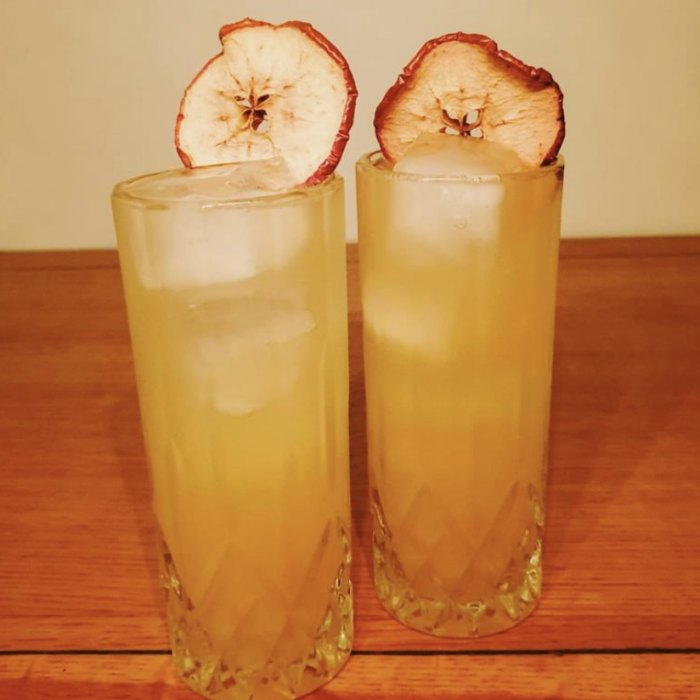
L'Apple Highball è un cocktail rinfrescante che combina la dolcezza succosa delle mele con la frizzantezza di un buon whisky. Servito in un bicchiere alto con ghiaccio e una spruzzata di soda, è perfetto per chi cerca un drink leggero e aromatico. Ideale per ogni occasione, questo cocktail porta un tocco di freschezza e convivialità.
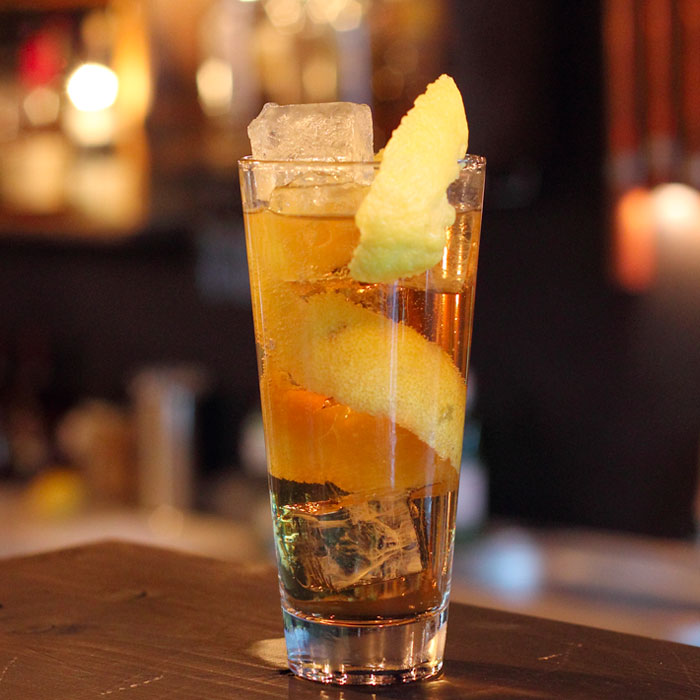
Cocktail Horse’s Neck
Il "Horse's Neck" è un cocktail classico caratterizzato da una combinazione di bourbon o rye whiskey, ginger ale e succo di limone, servito in un bicchiere alto con una lunga spirale di scorza di limone che ne decora il bordo. Questa bevanda rinfrescante e aromaticamente complessa è perfetta per chi cerca un drink dal sapore deciso e avvolgente. La sua presentazione elegante lo rende ideale per occasioni special
Other cene eleganti Cocktails
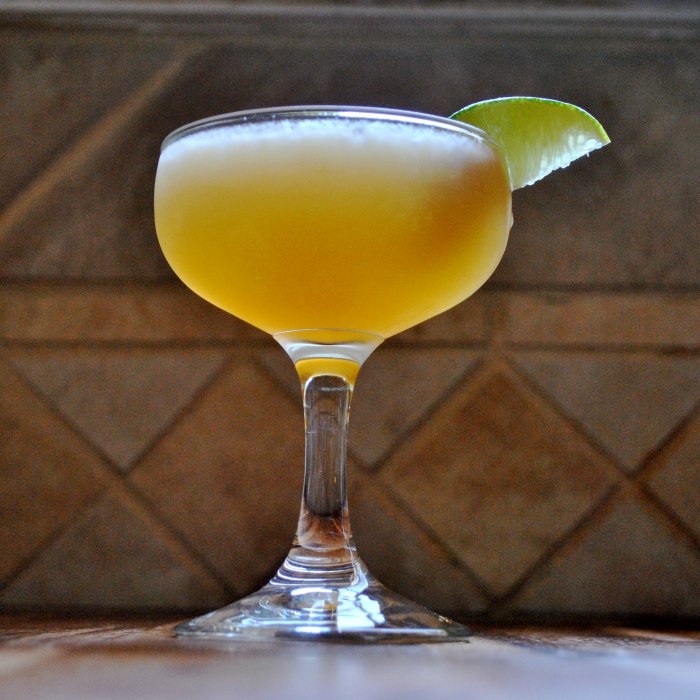
After Dinner Cocktail
L'After Dinner Cocktail è un delizioso drink ideale per concludere un pasto in modo raffinato. Combinando sapori ricchi e aromatici, questo cocktail è perfetto per stimolare la digestione e regalare un momento di piacere dopo cena. Servito in un elegante bicchiere, è un vero e proprio invito a rilassarsi e godere della serata.
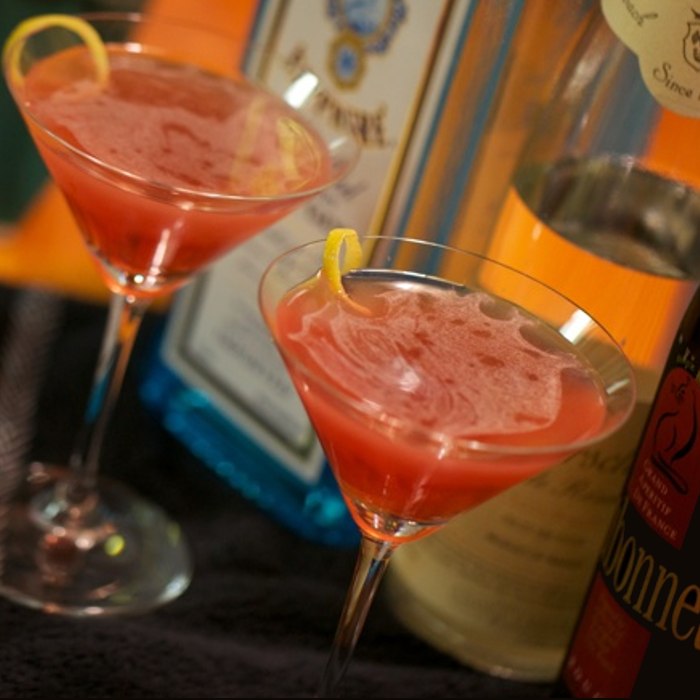
Blackthorn
Il Blackthorn è un cocktail classico che unisce il sapore intenso del gin con il dolce amaro del vermouth e un tocco di liquore all'amarena. Servito in un bicchiere da cocktail, è guarnito con una ciliegina, offrendo un equilibrio perfetto tra freschezza e complessità. Questo drink è ideale per chi cerca un'esperienza gustativa raffinata e avvolgente.
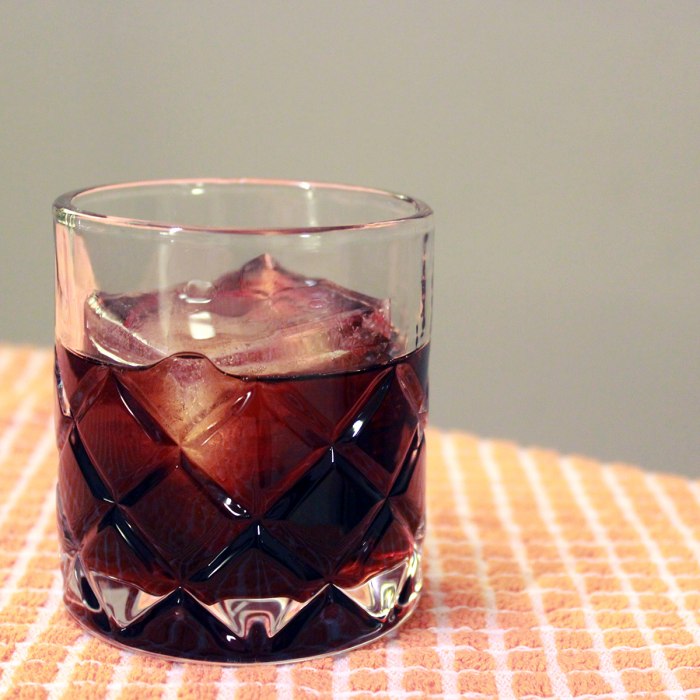
Black Russian
Il Black Russian è un cocktail classico a base di vodka e liquore al caffè, noto per il suo sapore ricco e intenso. Servito generalmente su ghiaccio in un bicchiere basso, è una scelta ideale per chi ama i cocktail dal carattere deciso e avvolgente. La combinazione di vodka e caffè crea un equilibrio perfetto tra dolcezza e forza.
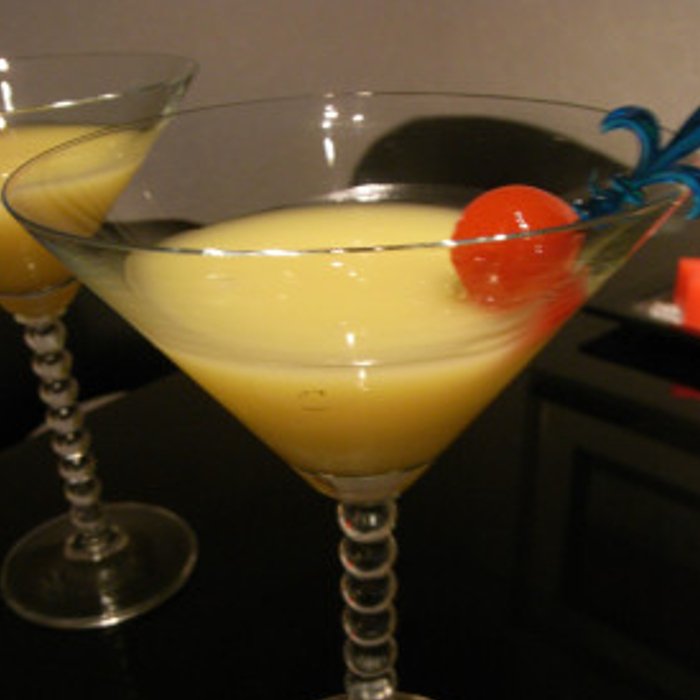
Casa Blanca
Il cocktail Casa Blanca è una deliziosa miscela di rum bianco, succo di lime fresco e sciroppo di agave, perfetto per rinfrescare il palato. La sua combinazione di sapori dolci e agrumati lo rende ideale per una serata estiva. Servito in un bicchiere elegante, è un vero e proprio invito a sognare le atmosfere esotiche.
Similar Flavor Profiles
Casa Blanca
Il cocktail Casa Blanca è una deliziosa miscela di rum bianco, succo di lime fresco e sciroppo di agave, perfetto per rinfrescare il palato. La sua combinazione di sapori dolci e agrumati lo rende ideale per una serata estiva. Servito in un bicchiere elegante, è un vero e proprio invito a sognare le atmosfere esotiche.
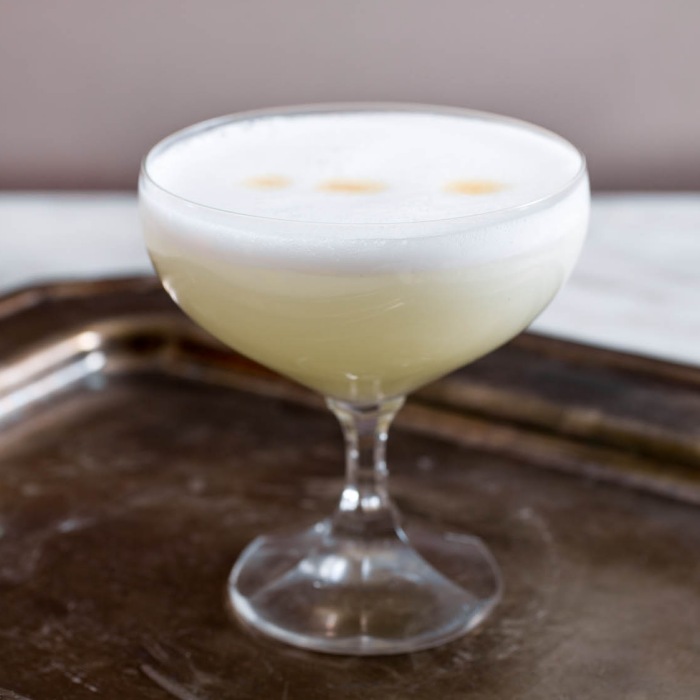
Pisco Sour
Il Pisco Sour è un cocktail classico originario del Perù, preparato con pisco, succo di limone fresco, zucchero e albume d'uovo. La sua consistenza cremosa e il sapore agrodolce lo rendono un drink rinfrescante e sofisticato, perfetto per ogni occasione. Spesso guarnito con una spruzzata di amaro o polvere di cannella, è un vero simbolo della mixologia sud
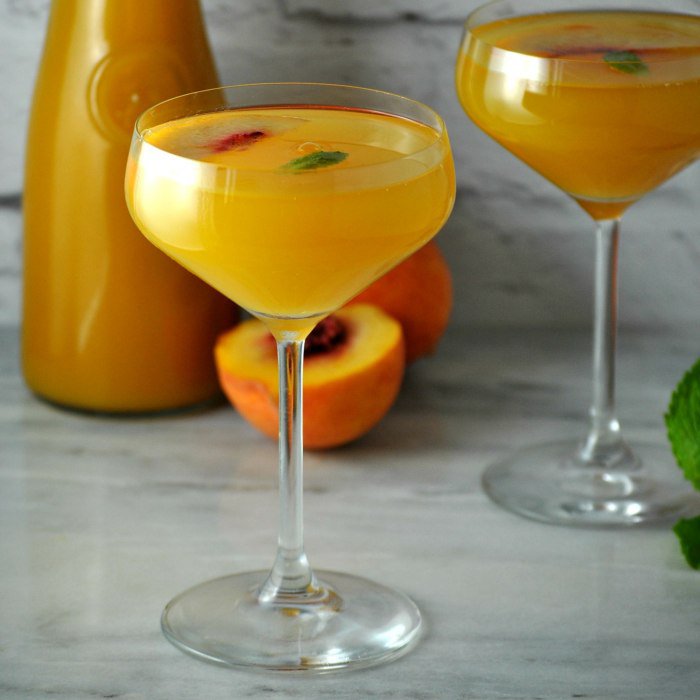
Valencia Cocktail
Il Valencia Cocktail è una deliziosa miscela di gin, succo d'arancia fresco e vermut dolce, perfetta per rinfrescare il palato. La sua vivace tonalità arancione e il sapore agrumato lo rendono ideale per un aperitivo estivo. Servito con una fetta d'arancia, questo cocktail evoca il sole e la gioia della vita mediterranea.
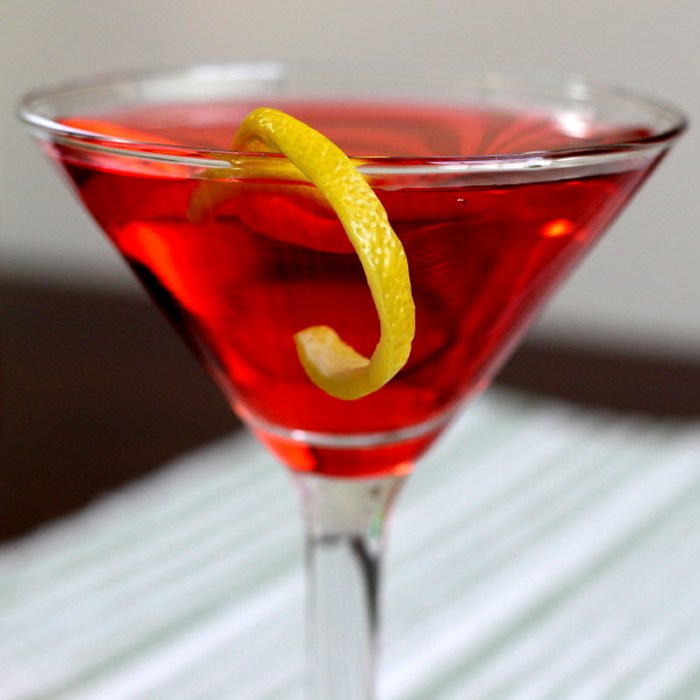
Quaker's Cocktail
Il Quaker's Cocktail è un delizioso drink che combina sapientemente whisky, vermouth dolce e un tocco di amaro, creando un equilibrio perfetto tra dolcezza e amarezza. Servito con una scorza di limone, questo cocktail è ideale per chi cerca un'esperienza gustativa raffinata e avvolgente. Perfetto per una serata elegante o un momento di relax.
Advertisement