Cocktail
Paloma
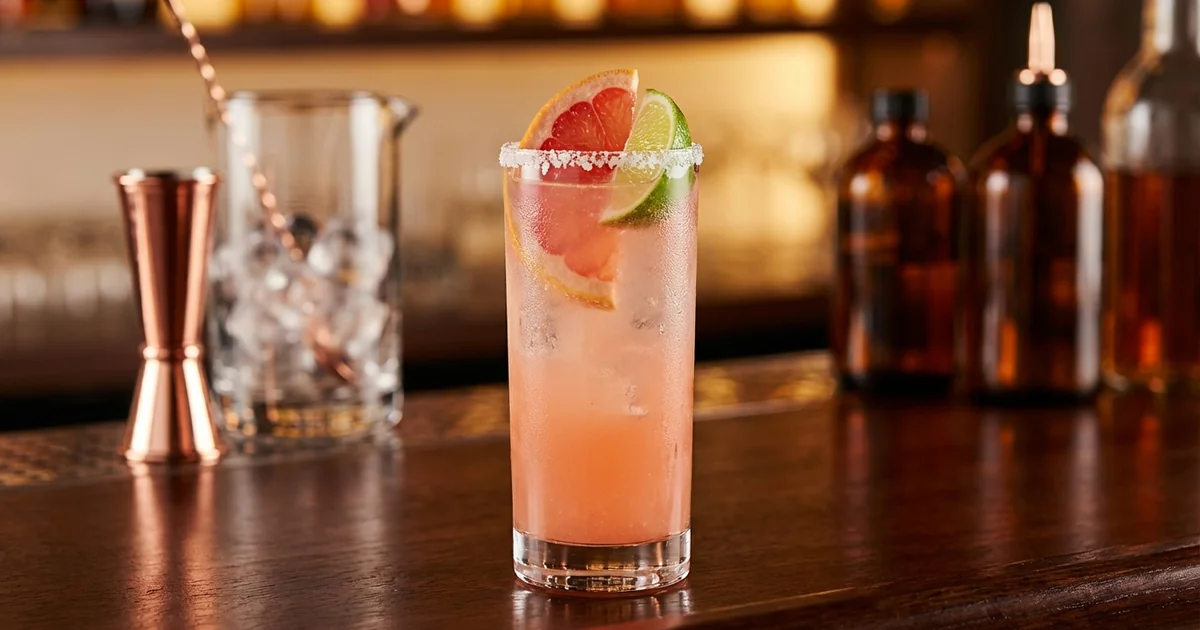
Die Paloma ist ein erfrischender mexikanischer Cocktail, der aus Tequila, Grapefruitsaft und Limonade oder Soda besteht. Oft wird er mit einer Limettenscheibe und Salzrand serviert, was ihm einen spritzigen und fruchtigen Geschmack verleiht. Perfekt für warme Tage, ist die Paloma eine beliebte Wahl für Liebhaber von Tequila.
- fruchtig
- erfrischend
- herb
- spritzig

- Prep Time
- 5 min
- Glass
- Collins glass
- Difficulty
- Easy
- ABV
- 11%
- Yields
- 1 serving
Der Paloma ist ein cocktail mit Tequila im Mittelpunkt, fertig in 5 Minuten. Das Ergebnis: ein fruchtig and erfrischend Genuss, der jede Minute wert ist. Regelmäßig unter den Top-Suchanfragen für "Sommer".
Key Takeaways
What you’ll learn
- The Paloma is Mexico's most popular tequila cocktail, surpassing the Margarita in local consumption.
- Authentic Palomas use grapefruit soda (Squirt or Jarritos Toronja) for proper effervescence; fresh grapefruit juice with club soda is the craft alternative.
- Blanco tequila is traditional, but reposado adds vanilla and oak complexity for a more sophisticated result.
- A salt or Tajin rim is essential for balancing the sweet-tart grapefruit flavour — not merely decorative.
Advertisement
Ingredients
- Serves
- 1 serving
- Glass
- Collins glass
- Prep
- 5 min
- 3 ozGrape Soda
- 1 1/2 ozTequila
Method
Preparation
- 01
Mischen und über Eis servieren.
Origin
History & Origins
When most people think of Mexican tequila cocktails, the Margarita comes to mind. But in Mexico itself, the Paloma has reigned supreme since the 1950s. "Paloma" means dove in Spanish, and while the drink's exact origin remains disputed, it likely emerged in Mexican cantinas where Squirt grapefruit soda — introduced in the late 1930s — became a natural companion for locally produced tequila. The combination was simple, thirst-quenching, and perfectly suited to Mexico's warm climate.
The Paloma gained international recognition slowly, held back by the Margarita's global marketing success and by the fact that Squirt and Jarritos (the traditional sodas) were not widely available outside North America. The craft cocktail movement of the 2010s changed this: bartenders began building fresh-juice versions using grapefruit juice, club soda, and agave nectar, making the recipe reproducible anywhere in the world. The IBA includes the Paloma among its official Contemporary Classics.
The Paloma gained international recognition slowly, held back by the Margarita's global marketing success and by the fact that Squirt and Jarritos (the traditional sodas) were not widely available outside North America.
Today the Paloma's rise mirrors the broader recognition of Mexican drinking culture beyond tequila-and-lime simplifications. Mezcal Palomas, spicy variations with jalapeño or Tajin, and frozen versions have proliferated on menus worldwide. The drink's accessibility — requiring fewer special ingredients than a Margarita and being more forgiving of proportion variation — has made it a favourite for home bartenders and professional programmes alike.
Advertisement
Bartender’s Insight
Pro Tips
Wählen Sie einen hochwertigen 100% Agave-Tequila—die Einfachheit des Getränks bedeutet, dass kein Element minderwertige Spirituosen verbergen kann
From Sofia
Verwenden Sie frischen Grapefruitsaft anstelle von vorbereiteten Mischungen wann immer möglich, oder ersetzen Sie Grapefruit Jarritos Limonade, wenn frischer Saft nicht verfügbar ist
Ausgleich der natürlichen Bitterkeit der Grapefruit mit präziser Limettensaft-Messung—dies ist entscheidend für den Erfolg des Getränks
Servieren Sie über großem Eis in einem Salzrand-Highballglas für maximale Erfrischung und angemessene Verdünnungstrajektorie.
At the Table
Perfect Pairings
Beyond the Classic
Variations
Würziger Paloma
Fügt in das Getränk eingelegte Jalapeño-Scheiben und einen Chilesalzrand für Wärme und Komplexität hinzu
Paloma Rosé
Verwendet rosa Grapefruitsaft und einen Hauch von Preiselbeere für Farb- und Fruchtgeschmacksvariation
Paloma Negra
Integriert Mezcal für Rauchigkeit und fügt ein dunkleres, komplexeres Zeichen zur Grundrezept hinzu.
Questions
Frequently Asked
- The Paloma has a flavor profile that is fruchtig, erfrischend, herb, spritzig. It is crafted to balance these characteristics into a harmonious, satisfying drink that appeals to a wide range of palates.
- The Paloma is ideal for Sommerpartys, Grillabende, Geburtstagsfeiern. Its flavor profile and presentation make it a versatile choice that works equally well as a social cocktail or a relaxed evening drink.
- Yes, there are several ways to adapt a Paloma. If you cannot source Grape Soda, look for a similar alternative that matches its flavor profile. Keep in mind that substitutions may alter the balance of the cocktail, so start with a smaller quantity and adjust to taste. The variations section above lists popular alternatives bartenders use.
- Some of the most popular Paloma variations include Würziger Paloma, Paloma Rosé, Paloma Negra. Each variation puts a unique twist on the original recipe while retaining the essential character of the classic cocktail.
- The Paloma is traditionally served in a Collins glass. Using the right glassware is important because it affects the aroma, temperature retention, and overall drinking experience. If you do not have a Collins glass on hand, a similar shaped glass will work.
- Yes, a mocktail version of the Paloma is possible. Replace the base spirit with a non-alcoholic spirit alternative (there are many quality options available) and keep all other components the same. The result will capture much of the original's flavor profile while being suitable for guests who prefer alcohol-free options.
Other Tequila Cocktails
Tequila Sour
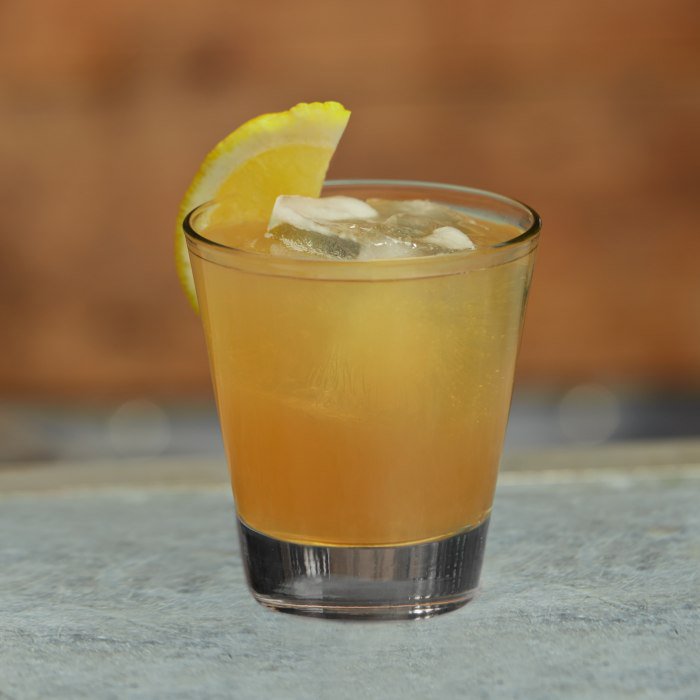
Der Tequila Sour ist ein erfrischender Cocktail, der die herben Noten von Tequila mit der spritzigen Säure von frischem Zitronensaft kombiniert. Oft verfeinert mit einem Hauch von Zuckersirup und einem Eiweiß für eine samtige Textur, bietet er ein ausgewogenes Geschmackserlebnis, das sowohl süß als auch sauer ist. Ideal für Tequila-Liebhaber, die eine neue, aufregende Variante genießen möchten
Whitecap Margarita
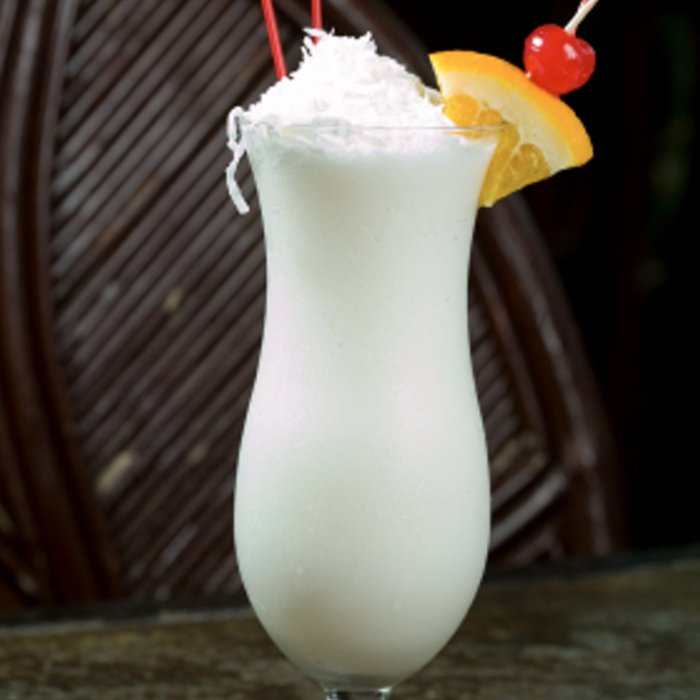
Der Whitecap Margarita ist ein erfrischender Cocktail, der die perfekte Balance zwischen Tequila, frischem Limettensaft und einem Hauch von Orangenlikör bietet. Mit seiner leichten, schaumigen Textur und einer Garnitur aus Salzrand ist er der ideale Begleiter für sonnige Tage und festliche Anlässe. Genießen Sie diesen klassischen Drink mit einem modernen Twist!
Apple Grande
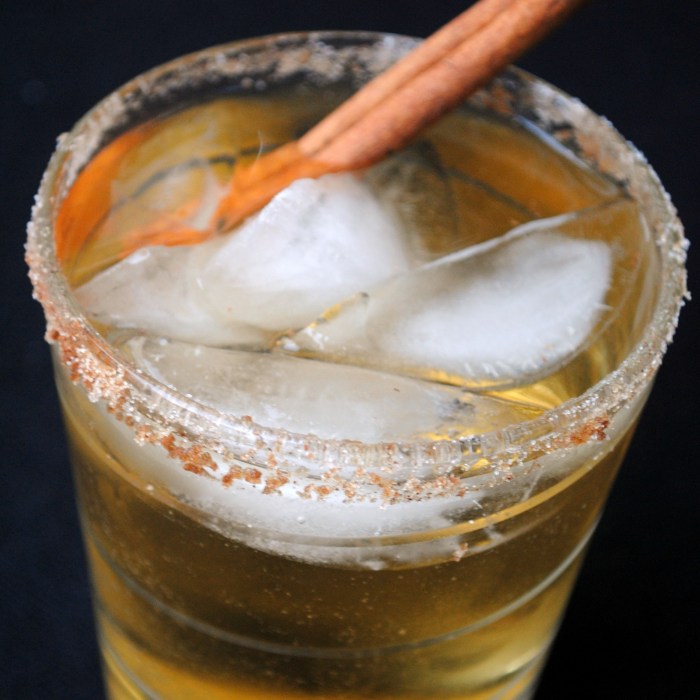
Der Apple Grande ist ein erfrischender Cocktail, der die süßen Aromen von frischen Äpfeln mit einem Hauch von Zimt und einem Spritzer Zitrone kombiniert. Serviert in einem eleganten Glas, ist er der perfekte Begleiter für gesellige Abende oder entspannte Stunden. Ein wahrer Genuss für alle Apfelliebhaber!
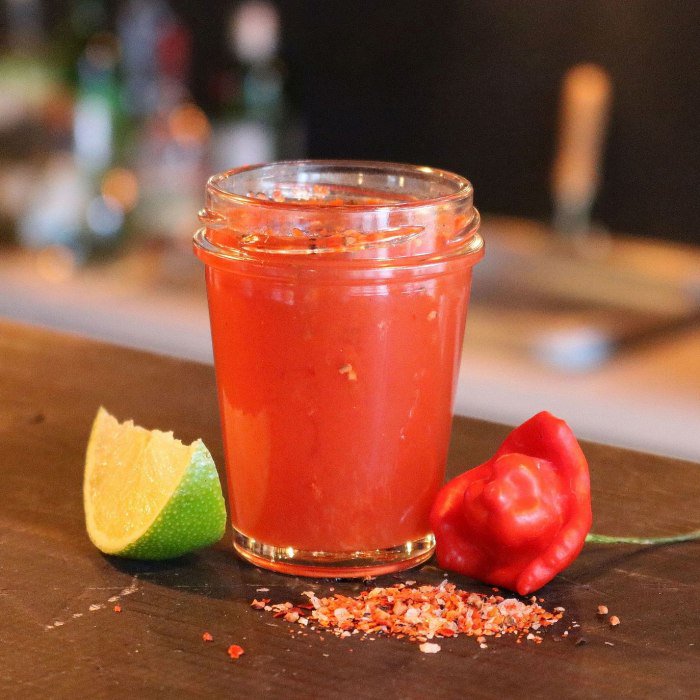
Vampiro
Der Vampiro ist ein erfrischender mexikanischer Cocktail, der Tequila und frischen Limettensaft mit einer würzigen Tomatensaftbasis kombiniert. Oft verfeinert mit einer Prise Chili und einem Salzkanten, bietet dieser Drink eine perfekte Balance zwischen süß, sauer und herzhaft. Ideal für eine gesellige Runde oder als aufregende Erfrischung an warmen Tagen.
Other Sommerpartys Cocktails
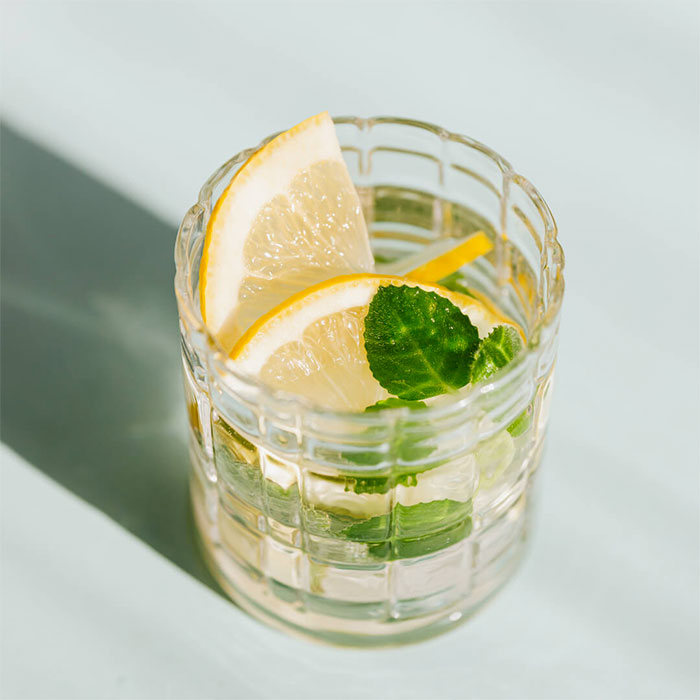
Vodka Tonic
Der Vodka Tonic ist ein erfrischender Cocktail, der aus hochwertigem Wodka und spritzigem Tonic Water besteht. Mit einem Spritzer Limette oder Zitrone verfeinert, bietet er eine perfekte Balance zwischen der sanften Schärfe des Wodkas und der prickelnden Frische des Tonic Waters. Ideal für warme Sommerabende oder gesellige Runden!
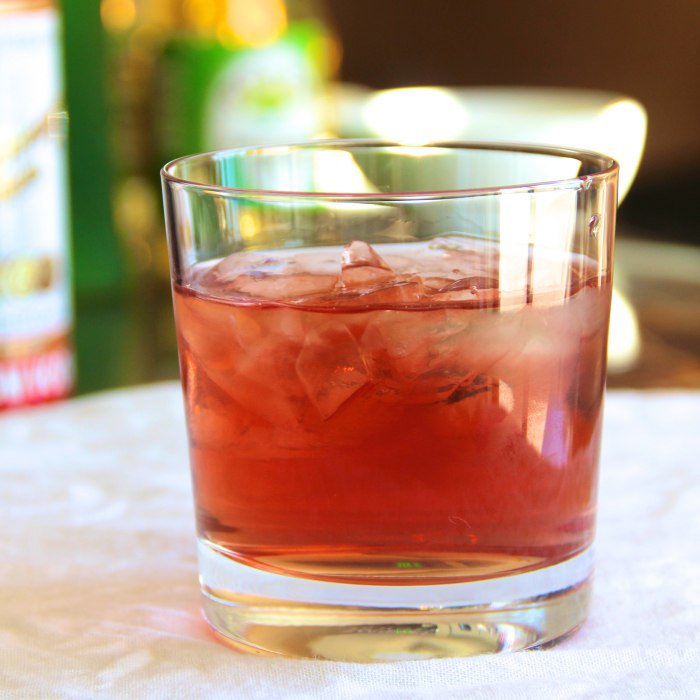
Kool-Aid Shot
Der Kool-Aid Shot ist ein fruchtiger und farbenfroher Cocktail, der mit verschiedenen Geschmacksrichtungen von Kool-Aid und Wodka zubereitet wird. Diese erfrischende Mischung sorgt für einen süßen und spritzigen Genuss, der perfekt für Partys und gesellige Runden ist. Seine lebendige Farbe und der süße Geschmack machen ihn zu einem beliebten Highlight an jeder Bar.
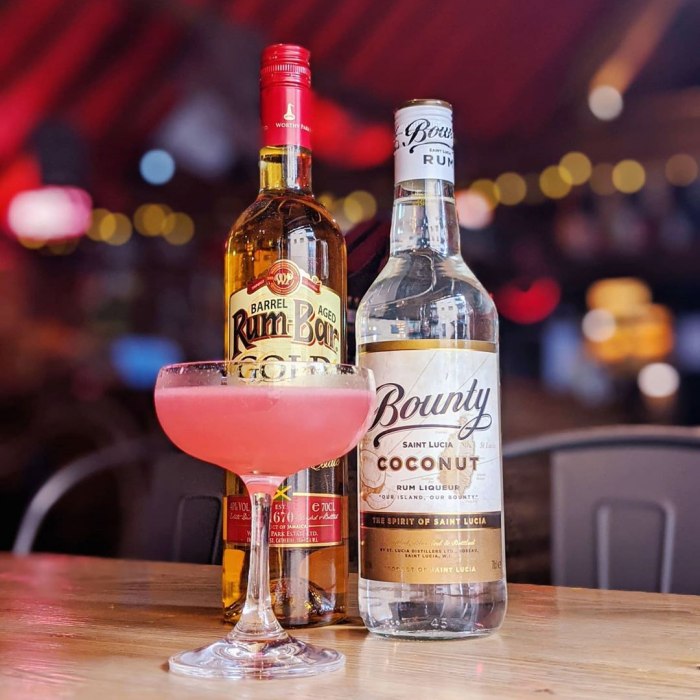
Bounty Hunter
Der "Bounty Hunter" ist ein exotischer Cocktail, der die Aromen tropischer Früchte mit einem Hauch von Rum vereint. Er begeistert mit einer erfrischenden Mischung aus Ananas, Kokosnuss und einem Spritzer Limette, perfekt für einen sonnigen Tag oder einen entspannten Abend. Ein echter Genuss für alle, die das Abenteuer lieben!
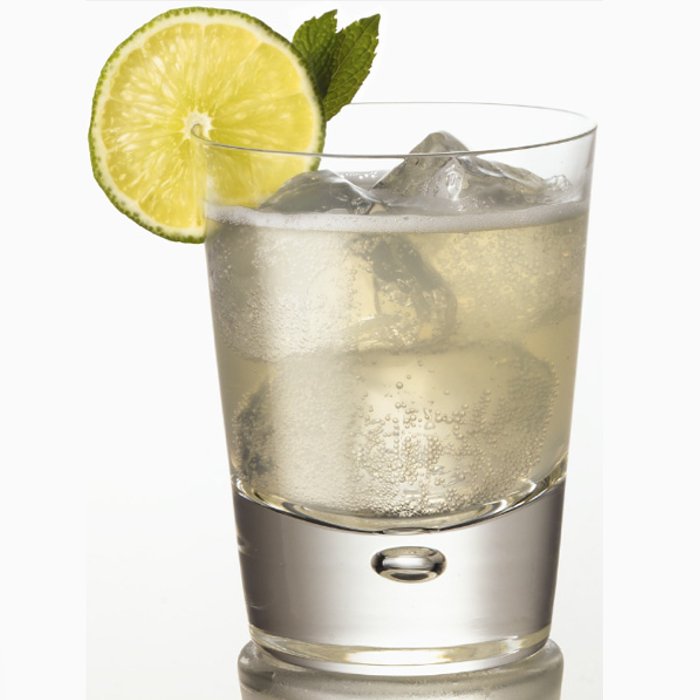
Rail Splitter
Der Rail Splitter ist ein erfrischender Cocktail, der mit einer harmonischen Mischung aus Bourbon, frischem Zitronensaft und einem Hauch von Honig zubereitet wird. Diese köstliche Kombination bietet eine perfekte Balance zwischen süßen und sauren Aromen, die den Gaumen verwöhnen. Ideal für gesellige Abende oder als Genuss nach einem langen Tag.
Similar Flavor Profiles
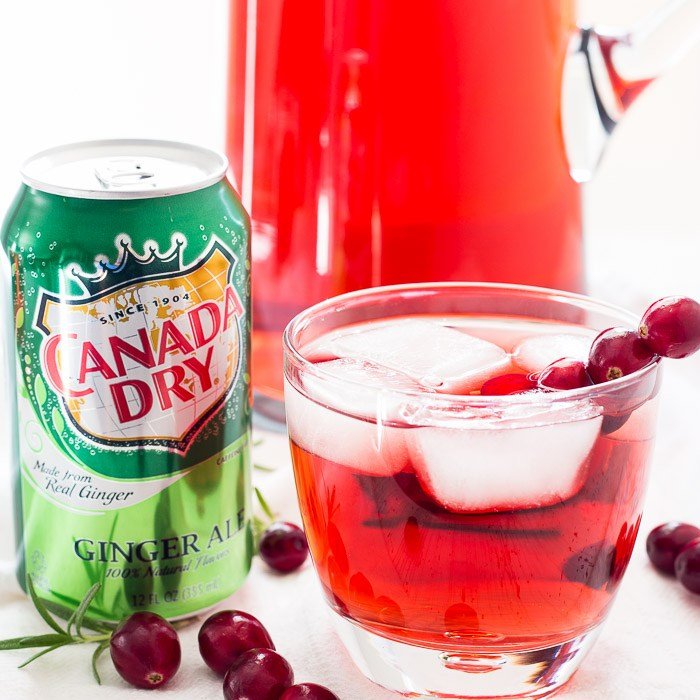
Absolutely Cranberry Smash
Der "Absolutely Cranberry Smash" ist ein erfrischender Cocktail, der die spritzige Süße von Cranberrysaft mit einer harmonischen Mischung aus Wodka und frischen Limetten vereint. Mit einem Hauch von Minze und einem sprudelnden Finish ist dieser Drink perfekt für gesellige Anlässe oder entspannte Abende. Genießen Sie die fruchtige Frische in jedem Schluck!
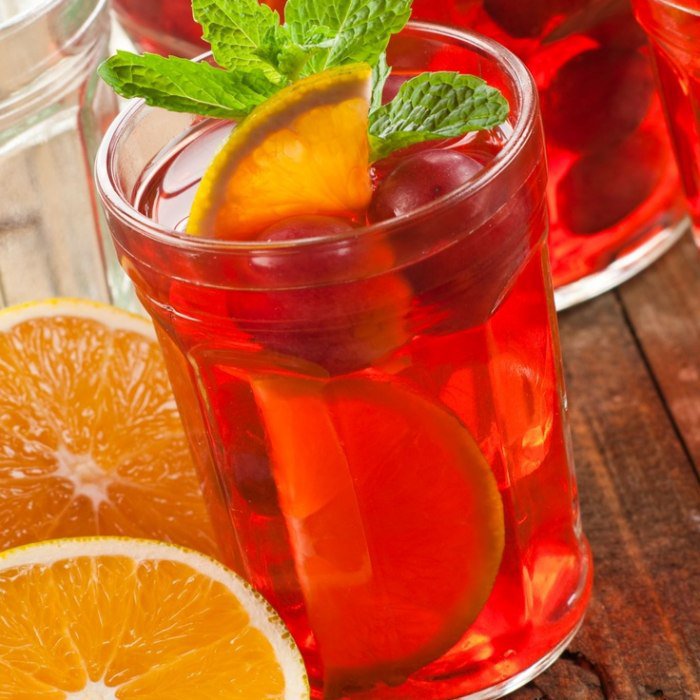
Victory Collins
Der Victory Collins ist ein erfrischender Cocktail, der klassischen Gin mit spritziger Zitronenlimonade und einem Hauch von frischer Zitrone kombiniert. Mit seiner lebhaften Note und dem belebenden Geschmack ist er der perfekte Begleiter für Feierlichkeiten und besondere Anlässe. Genießen Sie diesen köstlichen Drink, der den Sieg in jedem Schluck feiert!
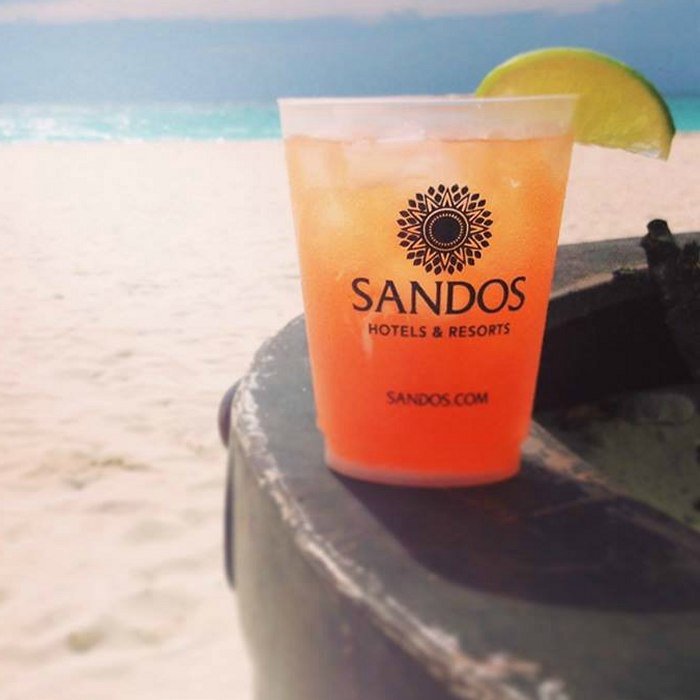
Addison Special
Der Addison Special ist ein erfrischender Cocktail, der fruchtige Aromen mit einem Hauch von Spritzigkeit vereint. Mit einer Mischung aus hochwertigen Spirituosen und frischen Zutaten bietet er ein einzigartiges Geschmackserlebnis, das perfekt für besondere Anlässe ist. Genießen Sie diesen köstlichen Drink und lassen Sie sich von seiner Vielfalt überraschen!
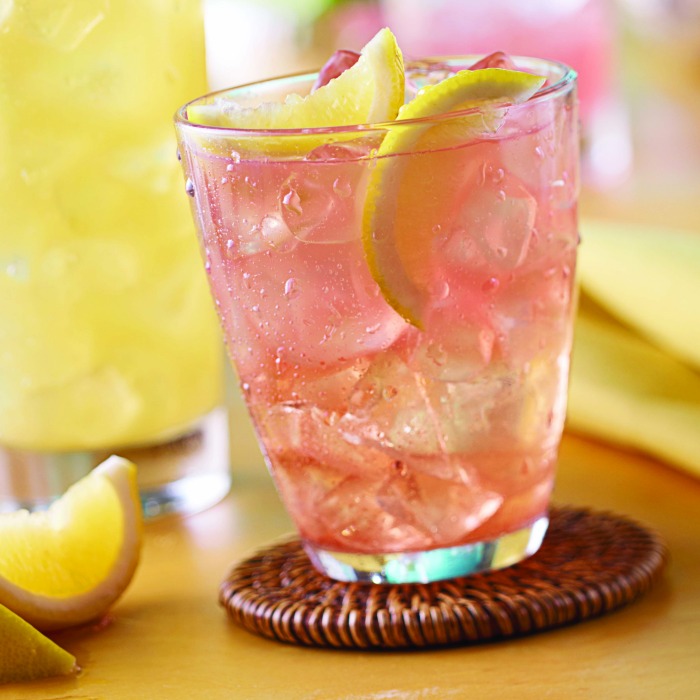
Pink Panty Pulldowns
Der Pink Panty Pulldowns ist ein erfrischender Cocktail, der mit einer lebhaften Mischung aus Wodka, Pfirsichschnaps, Cranberrysaft und Zitronenlimonade zubereitet wird. Seine leuchtend pinke Farbe und fruchtige Note machen ihn zum perfekten Getränk für Sommerpartys oder entspannte Abende mit Freunden. Genießen Sie diesen spritzigen Drink, der sowohl süß als auch erfrischend ist!
Advertisement