Ordinary Drink
Sazerac
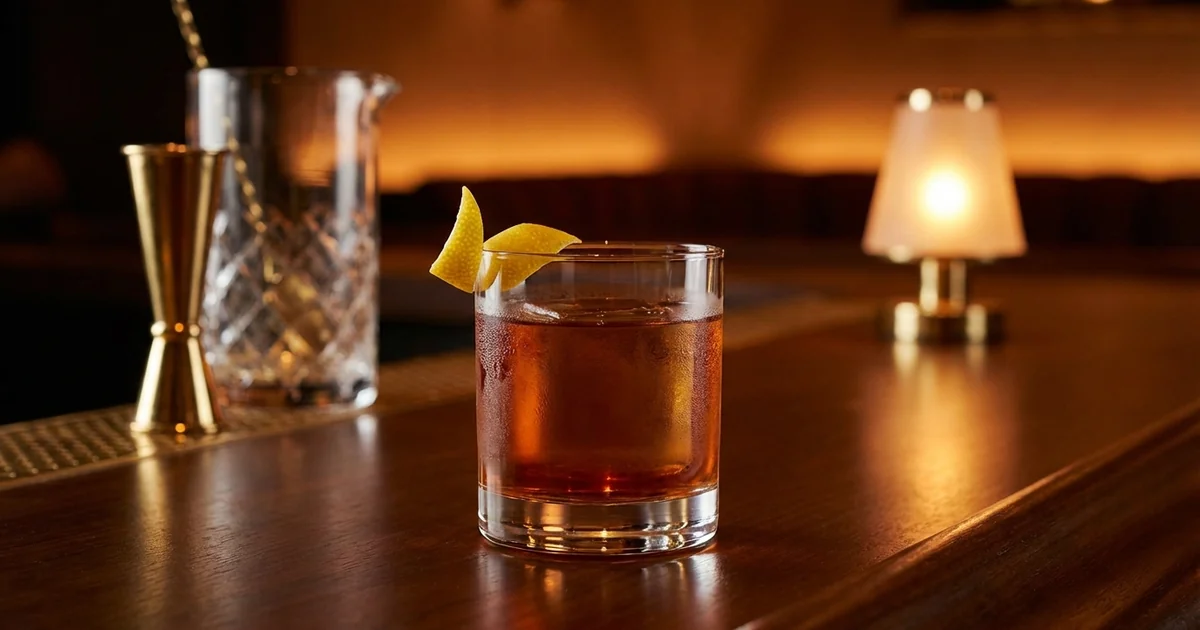
Der Sazerac ist ein klassischer Cocktail aus New Orleans, der aus Rye-Whiskey oder Cognac, Zucker, Peychaud's Bitter und einem Hauch von Absinth besteht. Er wird in einem gekühlten Glas serviert und oft mit einer Zitronenzeste garniert, was ihm ein unverwechselbares Aroma verleiht. Dieser elegante Drink ist bekannt für seine komplexen Aromen und seine reiche Geschichte.
- bitter
- süß
- würzig
- anisaromatisch
- Prep Time
- 5 min
- Glass
- Old-fashioned glass
- Difficulty
- Advanced
- ABV
- 35%
- Yields
- 1 serving
Der Sazerac ist ein ordinary drink auf Basis von Bourbon, bekannt für sein bitter and süß Profil — eines der meistgesuchten Rezepte für "Klassischer Cocktail". In nur 5 Minuten zubereitet und ideal für Cocktailpartys — perfekt für die Heimbar. Wer nach "Feier" sucht, ist hier genau richtig.
Key Takeaways
What you’ll learn
- The Sazerac is widely recognised as America's first cocktail, originating in 1830s New Orleans at Antoine Amédée Peychaud's pharmacy.
- The classic recipe requires rye whiskey, though the original used French Cognac — a legitimate and elegant alternative.
- Peychaud's bitters are absolutely non-negotiable; Angostura creates a fundamentally different cocktail.
- The absinthe rinse is a signature technique that coats the glass with aromatic anise essence without adding it to the mix.
- Traditionally served neat (without ice) in a chilled Old Fashioned glass after stirring over ice.
Advertisement
Ingredients
- Serves
- 1 serving
- Glass
- Old-fashioned glass
- Prep
- 5 min
- 1 tspRicard
- 1/2 tsp superfineSugar
- 2 dashesPeychaud bitters
- 1 tspWater
- 2 ozBourbon
- 1 twist ofLemon peel
Method
Preparation
- 01
Spülen Sie ein gekühltes Old-Fashioned-Glas mit dem Absinth aus, fügen Sie zerstoßenes Eis hinzu und stellen Sie es beiseite. Rühren Sie die restlichen Zutaten über Eis und stellen Sie sie ebenfalls beiseite. Entfernen Sie das Eis und überschüssigen Absinth aus dem vorbereiteten Glas und seihen Sie das Getränk in das Glas. Fügen Sie die Zitronenschale als Garnitur hinzu.
Origin
History & Origins
The Sazerac stands as a monument to American cocktail culture, with origins in 1838 New Orleans. Antoine Amédée Peychaud, a Creole apothecary, began serving a proprietary blend of bitters mixed with French Cognac at his pharmacy at 437 Royal Street in the French Quarter. He served these medicinal tonics in a double-ended egg cup called a "coquetier" — Americans' mispronunciation of which may have given us the word "cocktail" itself, though this etymology is debated.
The drink took its current name from the Sazerac Coffee House, which opened in 1850 and began serving Peychaud's creation using Sazerac de Forge et Fils Cognac. The 1870s brought a pivotal transformation: the phylloxera epidemic devastated French vineyards, making Cognac scarce and expensive. American rye whiskey became the substitute, and the spirit swap stuck. Meanwhile, the absinthe component entered the recipe in the mid-to-late 19th century, adding the distinctive anise character that defines the modern cocktail. When absinthe was banned in the United States in 1912, New Orleans entrepreneur J. Marion Legendre created Herbsaint as a legal substitute.
The drink took its current name from the Sazerac Coffee House, which opened in 1850 and began serving Peychaud's creation using Sazerac de Forge et Fils Cognac.
In 2008, the Louisiana State Legislature officially named the Sazerac the cocktail of New Orleans, and it appears on UNESCO's list of the city's intangible cultural heritage. The drink's ritualistic preparation — the deliberate absinthe rinse, the careful muddling of sugar with Peychaud's bitters, the neat service without ice — connects every Sazerac drinker to nearly two centuries of New Orleans history and cocktail tradition.
Advertisement
Bartender’s Insight
Pro Tips
Verwenden Sie Roggenbourbon als Hauptspirituose für authentischen New Orleans-Stil
From Arthur
Absinthe-Spülung ist essentiell – bedecken Sie das Glas und werfen Sie den Überschuss weg, um subtile Anisanoten zu erhalten
servieren Sie in einem Rocks-Glas mit Eis
verwenden Sie Peychaud's Bitters ausschließlich für historische Genauigkeit und korrektes Geschmacksprofil
garnieren Sie mit einer Zitronenschale
At the Table
Perfect Pairings
Beyond the Classic
Variations
Sazerac mit Cognac
Ersetzt Cognac durch Roggenbourbon in traditioneller alter Zubereitung
Modern Sazerac
aktualisiert das Rezept mit modernem Absinthe und zeitgenössischen Roggensorten
Sazerac Cocktail Variation
bezieht zusätzliche aromatische Bitters für Komplexität ein
Questions
Frequently Asked
- The Sazerac has a flavor profile that is bitter, süß, würzig, anisaromatisch. It is crafted to balance these characteristics into a harmonious, satisfying drink that appeals to a wide range of palates.
- The Sazerac is ideal for Cocktailpartys, Jubiläen, besondere Anlässe. Its flavor profile and presentation make it a versatile choice that works equally well as a social cocktail or a relaxed evening drink.
- Yes, there are several ways to adapt a Sazerac. If you cannot source Ricard, look for a similar alternative that matches its flavor profile. Keep in mind that substitutions may alter the balance of the cocktail, so start with a smaller quantity and adjust to taste. The variations section above lists popular alternatives bartenders use.
- Some of the most popular Sazerac variations include Sazerac mit Cognac, Modern Sazerac, Sazerac Cocktail Variation. Each variation puts a unique twist on the original recipe while retaining the essential character of the classic cocktail.
- The Sazerac is traditionally served in a Old-fashioned glass. Using the right glassware is important because it affects the aroma, temperature retention, and overall drinking experience. If you do not have a Old-fashioned glass on hand, a similar shaped glass will work.
- Yes, a mocktail version of the Sazerac is possible. Replace the base spirit with a non-alcoholic spirit alternative (there are many quality options available) and keep all other components the same. The result will capture much of the original's flavor profile while being suitable for guests who prefer alcohol-free options.
Other Bourbon Cocktails
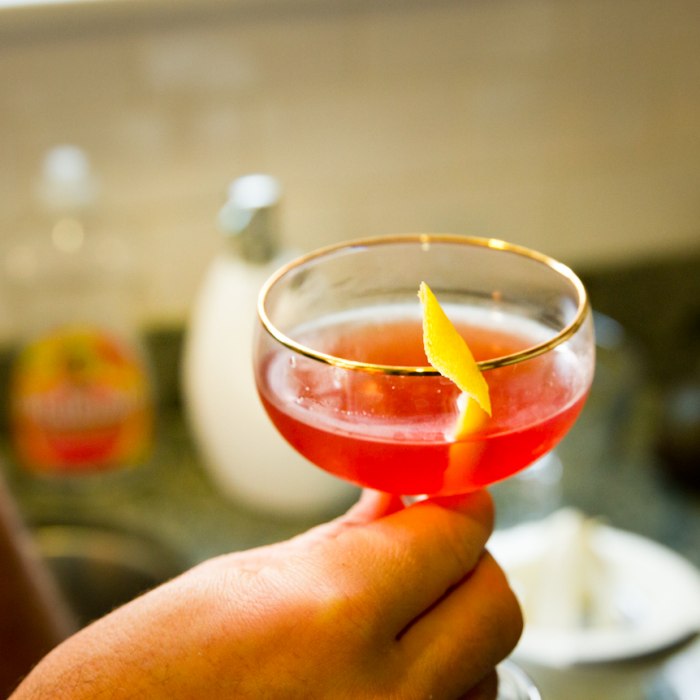
Allegheny
Der Allegheny ist ein raffinierter Cocktail, der die Aromen von Gin, Wermut und einem Hauch von Bitterkeit vereint. Mit seiner erfrischenden und komplexen Geschmacksnote ist er perfekt für einen geselligen Abend oder als eleganter Aperitif. Genießen Sie diesen Drink, der die Essenz der Allegheny-Region widerspiegelt.
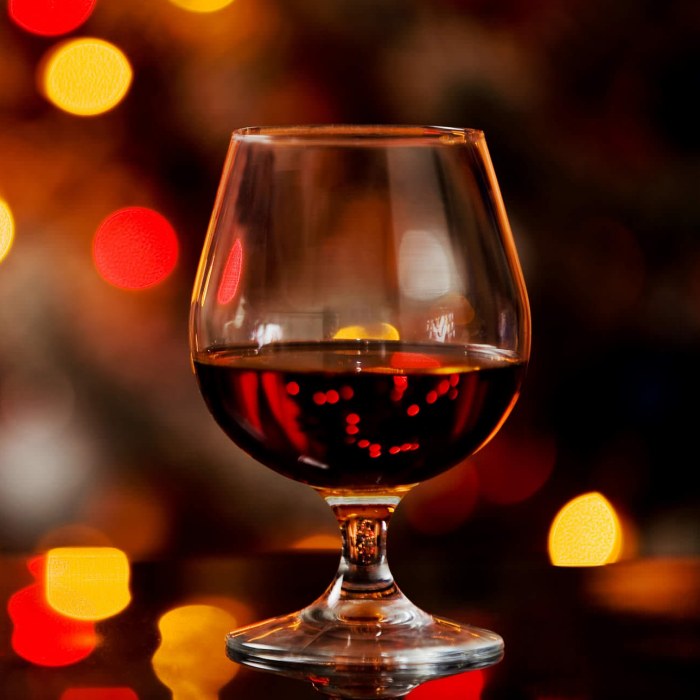
Kentucky B And B
Der Kentucky B And B ist ein raffinierter Cocktail, der Bourbon und Brandy harmonisch vereint. Mit seiner ausgewogenen Süße und den warmen Aromen ist er der perfekte Genuss für gemütliche Abende. Serviert in einem eleganten Glas, bietet er ein unverwechselbares Geschmackserlebnis.
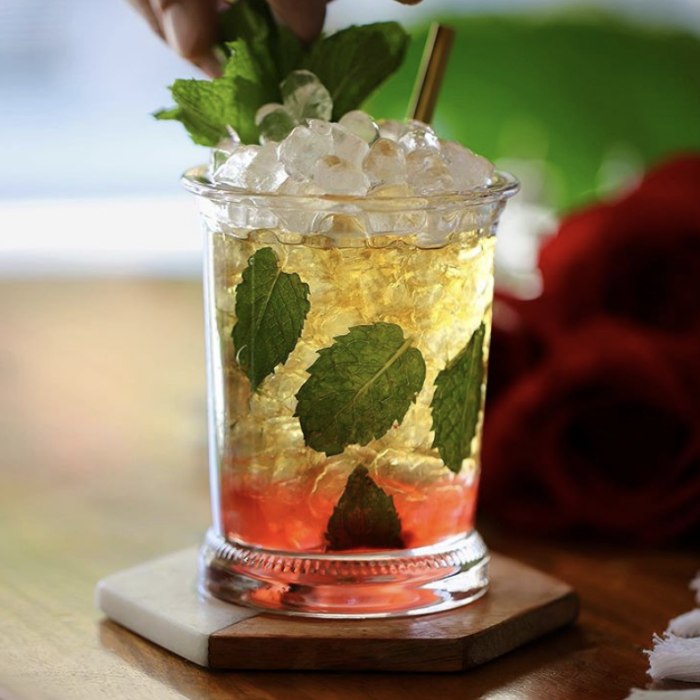
Raspberry Julep
Der Raspberry Julep ist ein erfrischender Cocktail, der die süßen Aromen von frischen Himbeeren mit der klassischen Minznote eines traditionellen Juleps kombiniert. Serviert auf Eis und oft mit einem Spritzer Limette, ist er der perfekte Genuss für warme Sommertage. Ein Hauch von Zucker rundet das Geschmackserlebnis ab und macht ihn unwiderstehlich.
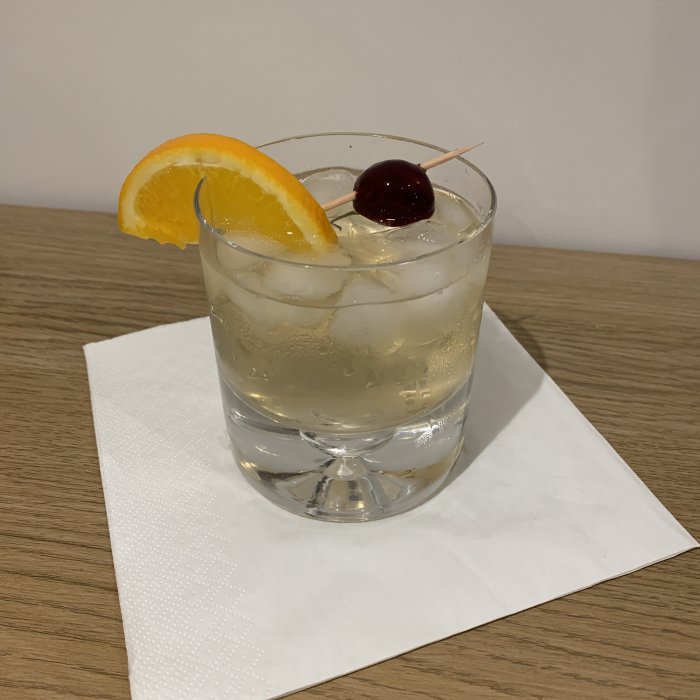
Classic Old-Fashioned
Der Classic Old-Fashioned ist ein zeitloser Cocktail, der aus Bourbon oder Rye-Whiskey, Zucker, Bitter und einer Orangenscheibe besteht. Mit seiner perfekten Balance aus Süße und Bitterkeit verkörpert er das klassische Getränk der Cocktailkultur und wird oft mit einem Stück Eis serviert. Ein wahrer Genuss für Liebhaber traditioneller Cocktails.
Other Cocktailpartys Cocktails
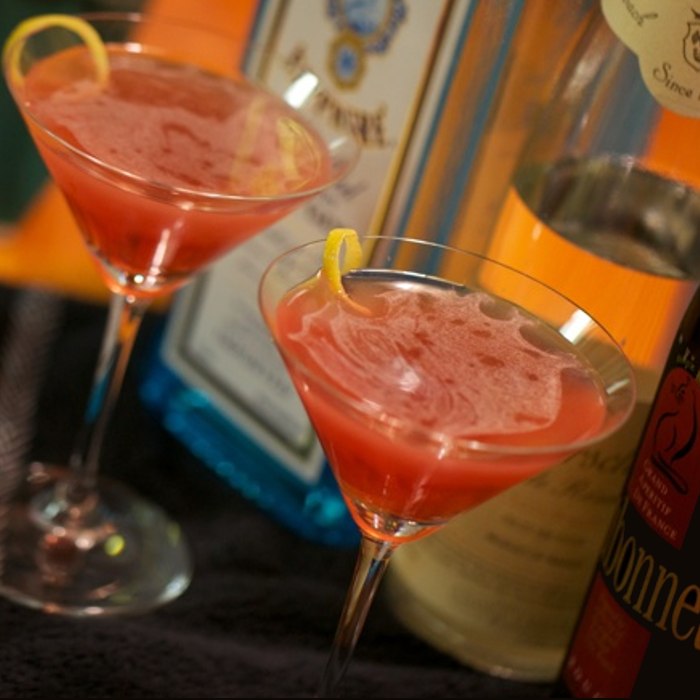
Blackthorn
Der Blackthorn ist ein klassischer Cocktail, der aus Gin, Süßem Wermut und einem Hauch von Bitterstoffen besteht. Sein ausgewogenes Geschmacksprofil kombiniert die herben Noten des Gins mit der Süße des Wermuts, während die Bitterkeit eine erfrischende Tiefe hinzufügt. Oft garniert mit einer Zitronenzeste, ist dieser Drink sowohl elegant als auch aromatisch.
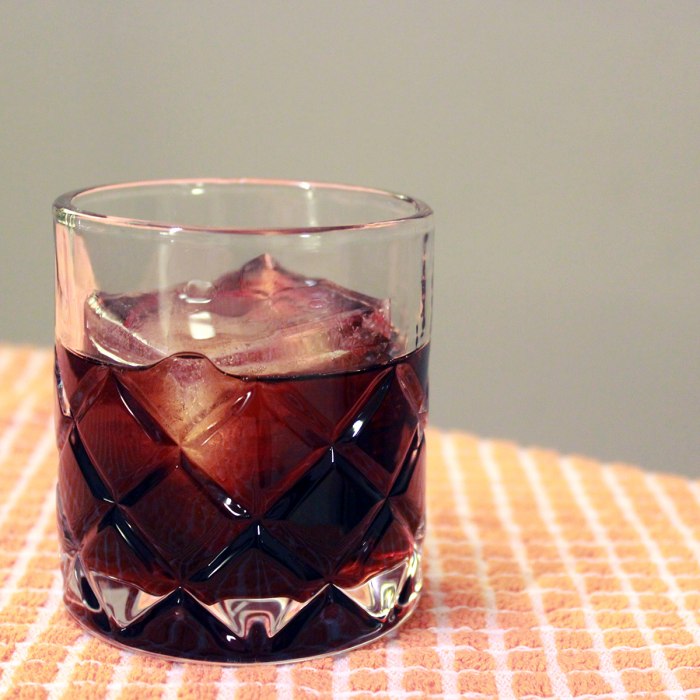
Black Russian
Der Black Russian ist ein klassischer Cocktail, der aus Wodka und Kaffeelikör besteht. Er wird in einem Lowball-Glas serviert und zeichnet sich durch seine dunkle Farbe und den intensiven Kaffeegeschmack aus. Ideal für Liebhaber von kräftigen, aromatischen Drinks.
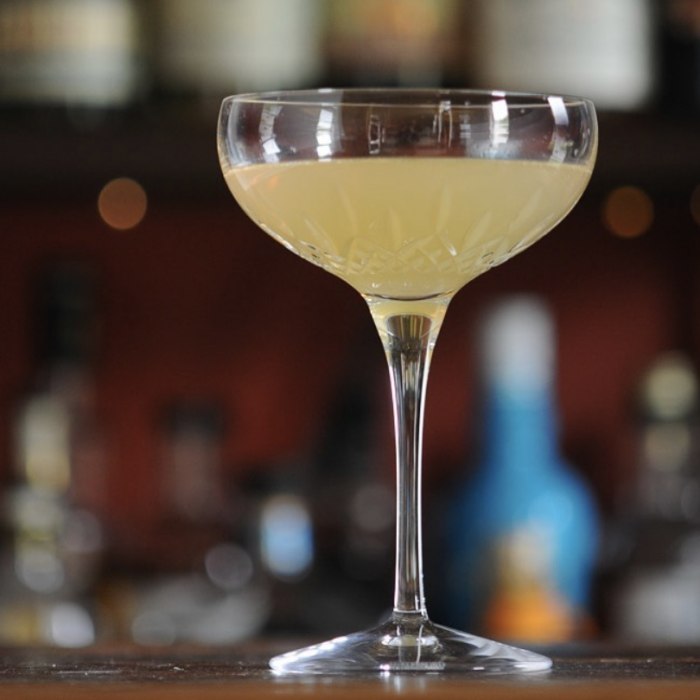
Death in the Afternoon
"Death in the Afternoon" ist ein erfrischender Cocktail, der aus einer Mischung von Champagner und Absinth besteht. Diese einzigartige Kombination kreiert einen komplexen Geschmack, der sowohl bitter als auch spritzig ist und perfekt für besondere Anlässe geeignet ist. Inspiriert von Ernest Hemingways berühmtem Rezept, verspricht dieser Drink ein unvergessliches Erlebnis.
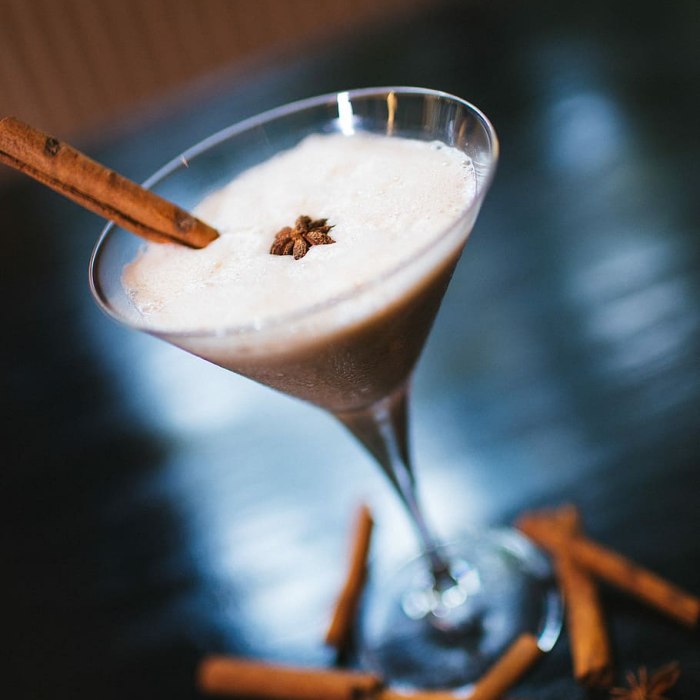
Alexander
Der Alexander ist ein klassischer Cocktail, der aus einer Mischung von Gin, Crème de Cacao und Sahne besteht. Diese cremige und süße Kombination wird oft mit Muskatnuss bestreut und ist bekannt für ihren luxuriösen Geschmack. Ideal als Dessert-Drink, verführt der Alexander mit seiner samtigen Textur und feinen Aromen.
Similar Flavor Profiles
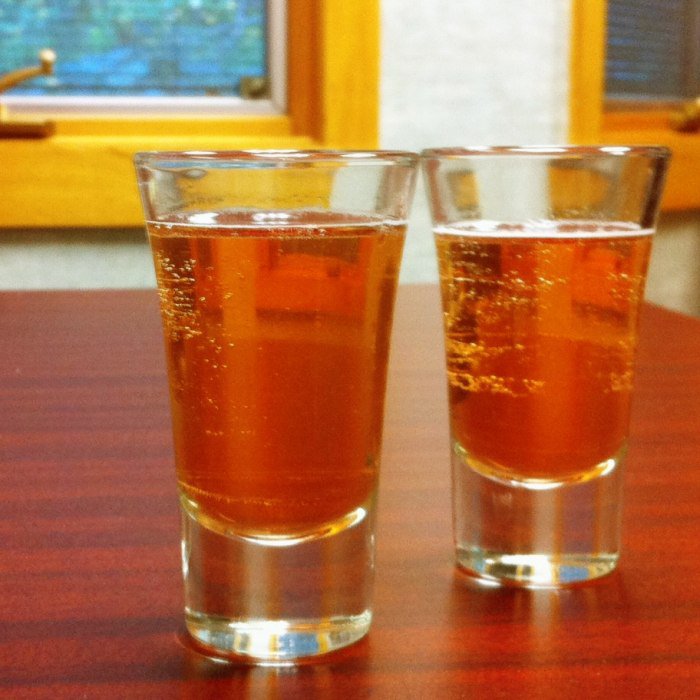
Damned if you do
Der "Damned if you do" ist ein verführerischer Cocktail, der mit einer harmonischen Mischung aus kräftigem Whiskey und fruchtigen Aromen begeistert. Abgerundet mit einem Hauch von Zitrus und einem spritzigen Finish, bietet er ein unvergessliches Geschmackserlebnis, das sowohl Liebhaber klassischer Cocktails als auch neugierige Genießer anspricht. Perfekt für einen geselligen Abend oder einen besonderen Anlass!
Classic Old-Fashioned
Der Classic Old-Fashioned ist ein zeitloser Cocktail, der aus Bourbon oder Rye-Whiskey, Zucker, Bitter und einer Orangenscheibe besteht. Mit seiner perfekten Balance aus Süße und Bitterkeit verkörpert er das klassische Getränk der Cocktailkultur und wird oft mit einem Stück Eis serviert. Ein wahrer Genuss für Liebhaber traditioneller Cocktails.
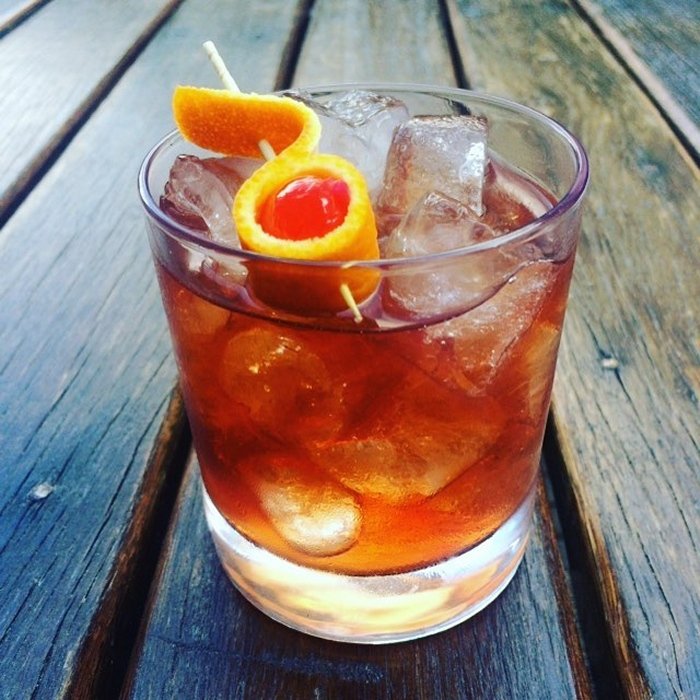
Old Fashioned
Der Old Fashioned ist ein klassischer Cocktail, der aus Bourbon oder Rye-Whiskey, Zucker, Bitter und einem Hauch von Zitrusfrüchten besteht. Er wird traditionell in einem Tumbler serviert und mit einer Orangenscheibe sowie einer Cocktailkirsche garniert. Dieser zeitlose Drink vereint die Aromen von Holz und Süße und ist ein Favorit unter Whiskey-Liebhabern.
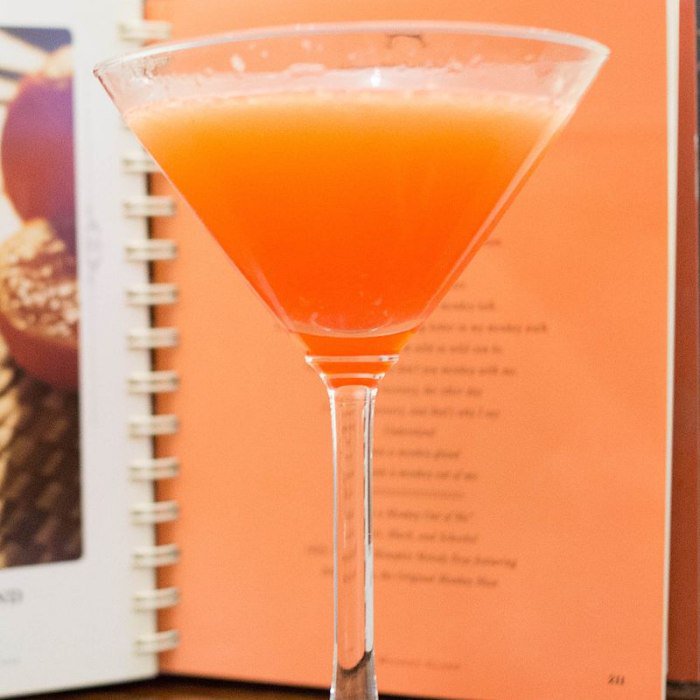
Monkey Gland
Der Monkey Gland ist ein klassischer Cocktail, der in den 1920er Jahren populär wurde. Er kombiniert Gin, Orangensaft, Grenadinesirup und einen Spritzer Absinth, was ihm eine fruchtige und leicht herbale Note verleiht. Dieser erfrischende Drink ist ideal für Genießer, die etwas Außergewöhnliches suchen.
Advertisement