HEROCOCKTAILS
Spirit Guides

8 Essential Scotch Cocktails Guide

James
James
Spirits & Whiskey Expert
7 min
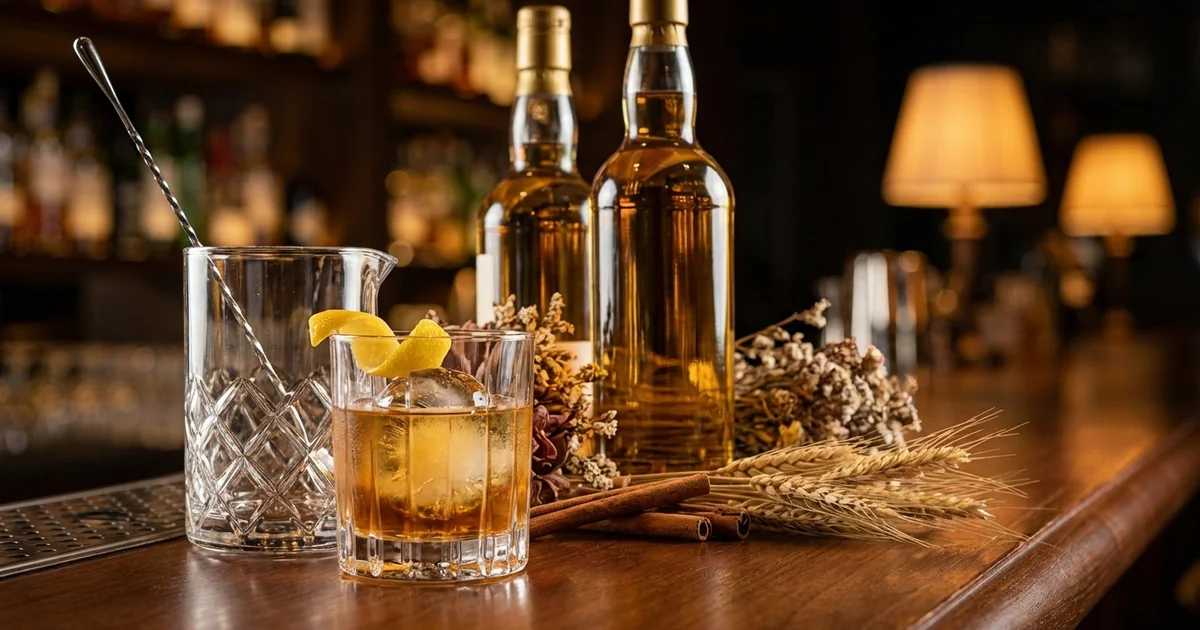
Collection of premium scotch spirits with crafted cocktail

Master scotch cocktails: Rob Roy, Penicillin, Blood and Sand & more. Learn which scotch styles work best in mixed drinks.

8 Essential Scotch Cocktails Guide

Scotch whisky often gets pigeonholed as a spirit meant only for neat sipping or on the rocks. While there's certainly nothing wrong with enjoying a fine single malt straight, this perception has left scotch woefully underutilized in the cocktail world. The truth is that scotch brings incredible depth, complexity, and character to mixed drinks—from timeless classics to innovative modern creations.

Key Takeaways

  • Blended scotch works best in most cocktails, saving expensive single malts for sipping
  • Peated scotch adds smoky complexity to modern cocktails like the Penicillin
  • Classic drinks like Rob Roy and Blood and Sand showcase scotch's versatility
  • A good blended scotch and a moderately peated option cover most cocktail needs

Whether you're drawn to the smooth, approachable nature of blended scotch or the bold, smoky punch of an Islay single malt, there's a scotch cocktail waiting to become your new favorite. This guide will walk you through the essential scotch cocktails every home bartender should know, help you understand which scotch styles work best in different drinks, and show you how to build a versatile scotch collection without breaking the bank.

Understanding Scotch Styles for Cocktails

Before diving into recipes, it's crucial to understand that not all scotch is created equal when it comes to cocktails. The two main distinctions you need to know are blended versus single malt, and peated versus unpeated.

Blended vs. Single Malt

Blended scotch combines malt whiskies from different distilleries with grain whisky, creating a consistent, approachable flavor profile. For cocktails, blended scotch is your workhorse. Brands like Famous Grouse, Monkey Shoulder, or Johnnie Walker Black Label offer excellent quality at reasonable prices and won't make you wince when you're adding sweet vermouth or lemon juice.

Single malt scotch comes from a single distillery and showcases that distillery's unique character. While single malts can absolutely shine in cocktails, they're typically more expensive and have such distinctive flavors that they can sometimes overwhelm or clash with other ingredients. Save your pricey single malts for sipping, or use them sparingly in simple cocktails where their character can truly shine.

Peated vs. Unpeated

Peated scotch gets its characteristic smoky flavor from barley that's been dried over peat fires. Whiskies from Islay (like Laphroaig or Ardbeg) are famous for their intense smokiness, while some Highland and Island malts offer gentler peat influence. In scotch cocktails, peated scotch acts almost like a seasoning—a little goes a long way. It works brilliantly in modern, ingredient-forward drinks.

Unpeated scotch showcases flavors like honey, vanilla, fruit, and spice without the smoke. These more delicate profiles work beautifully in classic scotch cocktails where you want the scotch to play well with others rather than dominate the drink.

8 Essential Scotch Cocktails

1. Rob Roy

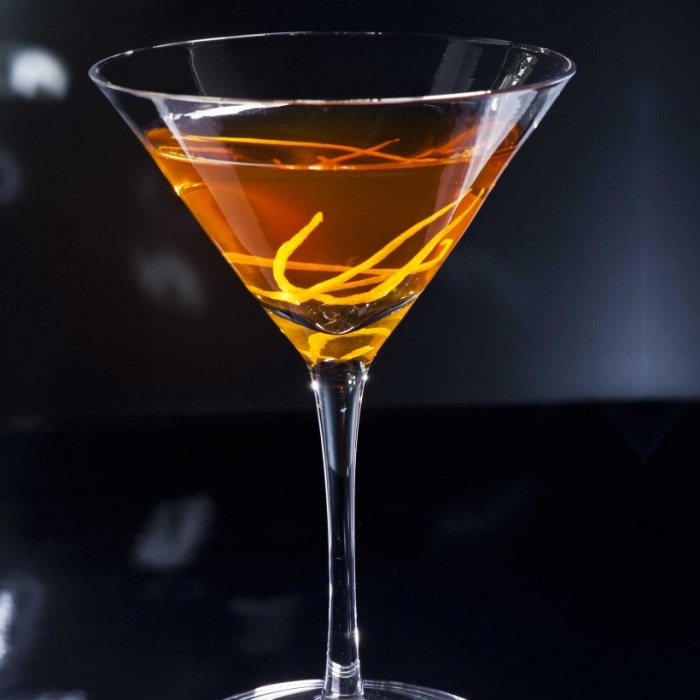
The scotch equivalent of a Manhattan, the Rob Roy is a true classic. Mix 2 oz blended scotch with 1 oz sweet vermouth and a dash of Angostura bitters. Stir with ice and strain into a chilled coupe. Garnish with a cherry. This sophisticated sipper lets quality blended scotch shine alongside the herbal complexity of vermouth.

2. Penicillin

This modern classic has become one of the most influential scotch cocktails of the 21st century. Combine 2 oz blended scotch, 0.75 oz fresh lemon juice, 0.75 oz honey-ginger syrup, and shake well with ice. Strain over fresh ice in a rocks glass and float a small amount (about 0.25 oz) of peated single malt on top. The smokiness from the float creates an aromatic experience that evolves as you drink. For a detailed recipe and technique guide, check out our complete Penicillin cocktail recipe guide.

3. Blood and Sand

Despite its ominous name, this 1920s classic is surprisingly approachable and beautifully balanced. Shake equal parts (0.75 oz each) of blended scotch, sweet vermouth, Cherry Heering, and fresh orange juice with ice. Strain into a chilled coupe. The result is fruity, slightly sweet, and wonderfully complex.

4. Rusty Nail

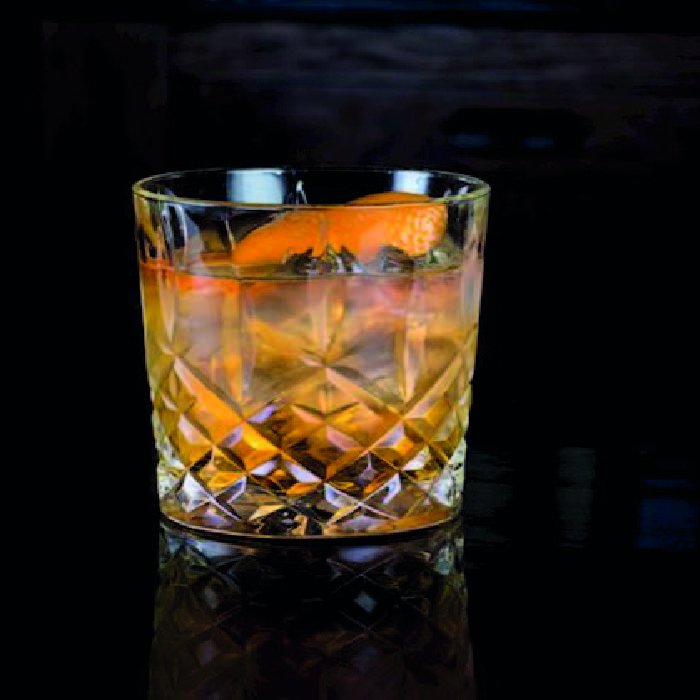
Simplicity at its finest. Combine 1.5 oz scotch with 0.75 oz Drambuie (a scotch-based honey and herb liqueur) in a rocks glass over ice. Stir gently. This after-dinner drink is rich, warming, and perfect for slow sipping. Some prefer equal parts for a sweeter version.

5. Godfather

Another simple two-ingredient scotch cocktail that's greater than the sum of its parts. Pour 1.5 oz scotch and 0.75 oz amaretto over ice in a rocks glass and stir. The nutty sweetness of amaretto complements scotch's malty character beautifully.

6. Bobby Burns

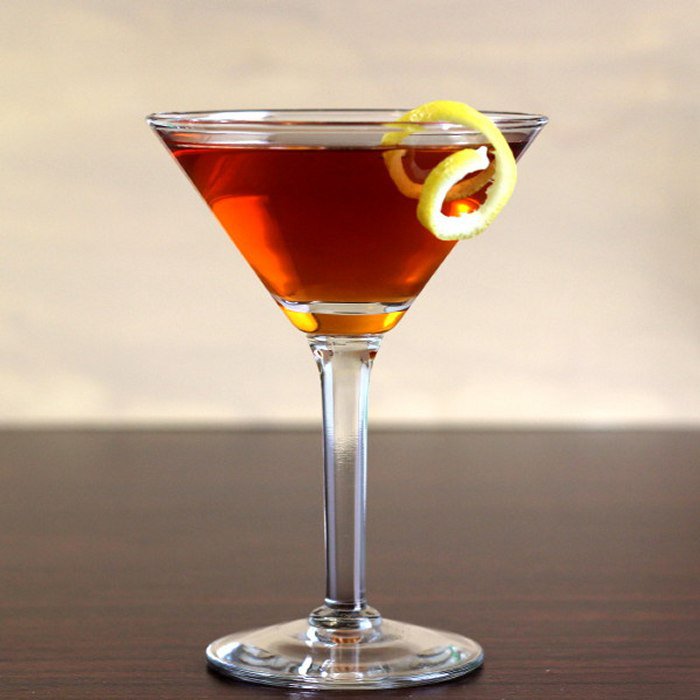
A sophisticated variation on the Rob Roy, the Bobby Burns adds a touch of Benedictine liqueur for extra complexity. Stir 2 oz blended scotch, 1 oz sweet vermouth, and 0.25 oz Benedictine with ice. Strain into a chilled coupe and garnish with a lemon twist. This scotch cocktail rewards slow sipping and contemplation.

7. Scotch Sour

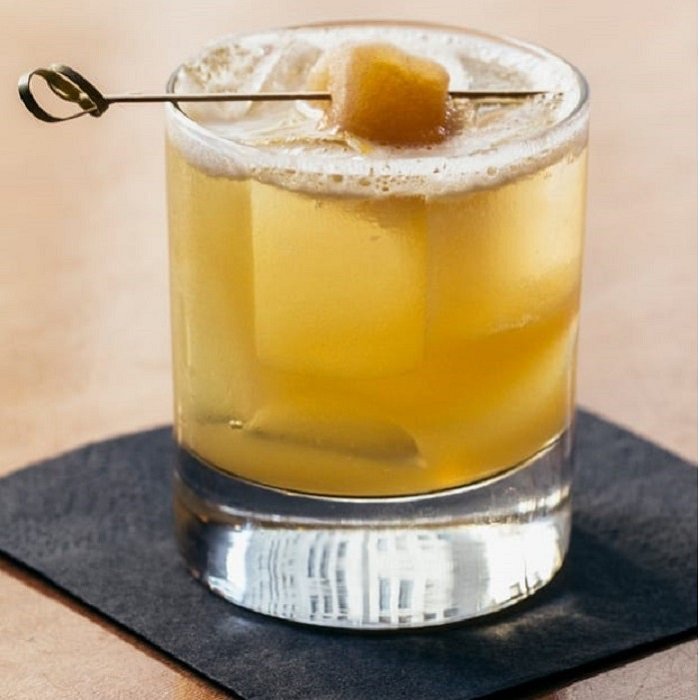
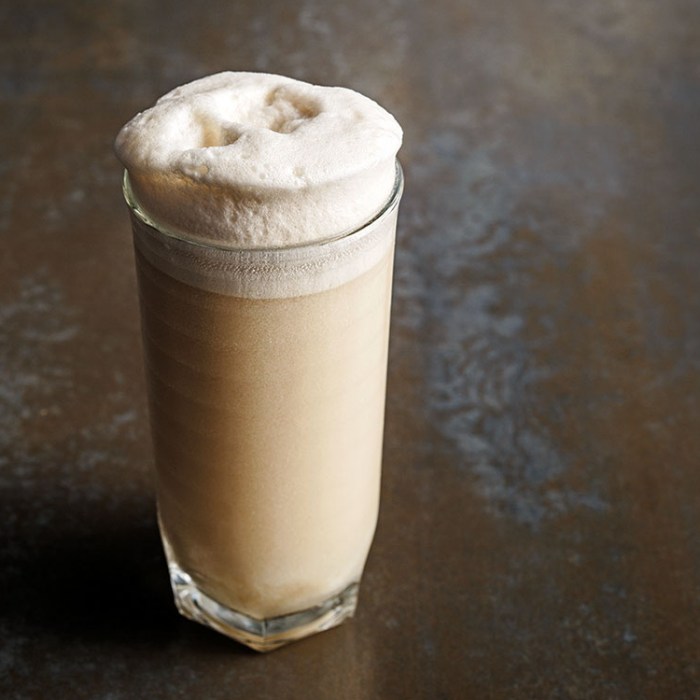
Like any good whisky sour, this drink balances spirit, citrus, and sweetness perfectly. Shake 2 oz scotch, 0.75 oz fresh lemon juice, 0.5 oz simple syrup, and one egg white (optional, for texture) vigorously with ice. Strain into a rocks glass over fresh ice. The egg white creates a beautiful foam and silky mouthfeel. Similar techniques apply to our classic whiskey sour recipe.

8. Scotch & Soda

Never underestimate the power of a well-made highball. Pour 2 oz scotch over ice in a highball glass and top with 4-6 oz of quality club soda. Add a lemon twist. This refreshing, low-alcohol scotch cocktail is perfect for warm weather and showcases the scotch's character without overwhelming it.

Matching Scotch Styles to Drinks

Understanding which type of scotch works best in different scotch cocktails will elevate your home bartending:

Use blended scotch for: Rob Roy, Blood and Sand, Scotch Sour, Bobby Burns, and Scotch & Soda. The balanced, approachable nature of blended scotch plays well with other ingredients without dominating.

Use moderately priced single malt for: Rusty Nail and Godfather, where the scotch is the star but still mixed with a liqueur. A $40-50 single malt works beautifully here.

Use peated scotch for: The Penicillin float, or try a heavily peated scotch in a Scotch & Soda for a smoky, refreshing highball. Peated scotch can also work in a Godfather if you enjoy bold, smoky flavors.

Avoid using heavily peated scotch in: Blood and Sand or other citrus-forward cocktails where the smoke can clash with bright, fruity flavors.

When to Use Expensive Scotch (Hint: Rarely in Cocktails)

Here's the truth many bartenders won't tell you: using your $150 single malt in a cocktail is almost always a waste of money. When you mix scotch with other ingredients—especially assertive ones like citrus juice, sweet vermouth, or liqueurs—you mask many of the subtle flavors that make expensive scotch special.

The sweet spot for cocktail scotch is the $25-45 range. At this price point, you're getting quality spirit with good flavor, but you're not spending premium dollars on nuances that will be lost in the mix. Save bottles like Lagavulin 16 or Highland Park 18 for neat pours where you can fully appreciate their complexity.

The one exception? Simple scotch cocktails like Scotch & Soda or a very lightly modified Old Fashioned, where the scotch remains the clear star and you want to showcase a particular bottle's character.

Building a Scotch Cocktail Collection

You don't need a dozen bottles to make great scotch cocktails. Here's a practical, budget-friendly approach:

Start with one quality blended scotch ($25-35): Monkey Shoulder, Johnnie Walker Black Label, or Famous Grouse. This will cover 75% of your scotch cocktail needs.

Add one moderately peated option ($35-50): Bowmore 12, Talisker 10, or Highland Park 12. These offer enough smoke to be interesting but won't overwhelm cocktails.

Optional third bottle: A heavily peated Islay like Laphroaig 10 or Ardbeg 10 ($45-60) for Penicillin floats and smoky highballs. A little goes a long way, so these bottles last.

For sipping: Invest in one bottle ($60+) of your favorite single malt to enjoy neat. This keeps your collection focused and functional.

With these three bottles (or even just the first two), you can make every scotch cocktail in this guide and experiment with countless variations. Learn more about building your complete home bar.

Frequently Asked Questions

Q: Can I substitute bourbon for scotch in these cocktails?

A: While bourbon will make a drinkable cocktail, it fundamentally changes the drink's character. Scotch has earthier, more complex flavors compared to bourbon's sweeter, vanilla-forward profile. A Rob Roy made with bourbon is essentially a Manhattan. That said, experimentation is encouraged—you might discover a new favorite. Explore our bourbon cocktails for beginners for bourbon-based alternatives.

Q: What's the best beginner-friendly scotch cocktail?

A: Start with a Scotch & Soda or Rusty Nail. Both are simple two-ingredient scotch drinks that introduce you to scotch's flavor without overwhelming complexity. The Penicillin is also surprisingly approachable despite its modern pedigree.

Q: Should I use ice in scotch cocktails?

A: Absolutely. Most scotch cocktails benefit from proper dilution and chilling. Stirred drinks (Rob Roy, Bobby Burns) need dilution to integrate flavors, while shaken drinks (Penicillin, Scotch Sour) need both dilution and aeration. The exception is neat pours, but that's not really a cocktail.

Q: How do I know if a scotch is peated?

A: Check the label or product description—peated scotch is almost always marketed as such. Words like "smoky," "peaty," or references to Islay region are good indicators. Most Islay malts (Laphroaig, Ardbeg, Lagavulin) are heavily peated, while most Speyside malts are unpeated. When in doubt, ask at your liquor store or check the distillery's website.

Q: Can I batch scotch cocktails for parties?

A: Yes! The Rob Roy, Bobby Burns, and even the Blood and Sand work well batched. Mix everything except ice in advance, refrigerate, and dilute with about 20% water to account for missing ice melt. For stirred drinks, this method actually produces more consistent results than individual preparation.

Q: What glassware do I need for scotch cocktails?

A: A rocks glass (old fashioned glass) and a coupe or Nick and Nora glass cover almost everything. Add a highball glass for the Scotch & Soda, and you're completely set. Don't overthink glassware—proper ice, good ingredients, and correct technique matter far more. See our essential bar tools guide for complete glassware recommendations.

Conclusion

Scotch deserves a prominent place in any home bar, not just as a sipping spirit but as a versatile cocktail ingredient. From the elegant simplicity of a Rob Roy to the innovative brilliance of a Penicillin, scotch cocktails offer depth, complexity, and endless opportunities for exploration.

Start with a good blended scotch, master a few classic scotch cocktail recipes, and don't be afraid to experiment. The best scotch cocktail is the one you enjoy making and drinking. With the foundation provided in this guide, you're well-equipped to explore the smoky, complex, endlessly rewarding world of scotch cocktails.

Remember: save the expensive bottles for neat pours, use quality mid-range scotch for cocktails, and most importantly, enjoy the journey. Slàinte mhath!

Tags:

scotch cocktailsscotch cocktails guidescotch whisky drinksRob Roy cocktailPenicillin cocktailbest scotch for cocktailsblended scotch cocktailspeated scotch drinks
James

About James

Spirits & Whiskey Expert at Hero Cocktails, passionate about crafting exceptional cocktails and sharing mixology expertise.