Ingredients & Modifiers
Tequila vs Mezcal: Complete Spirit Guide
Discover the key differences between tequila and mezcal. Production methods, flavor profiles, and cocktail pairings for both agave spirits.
Advertisement
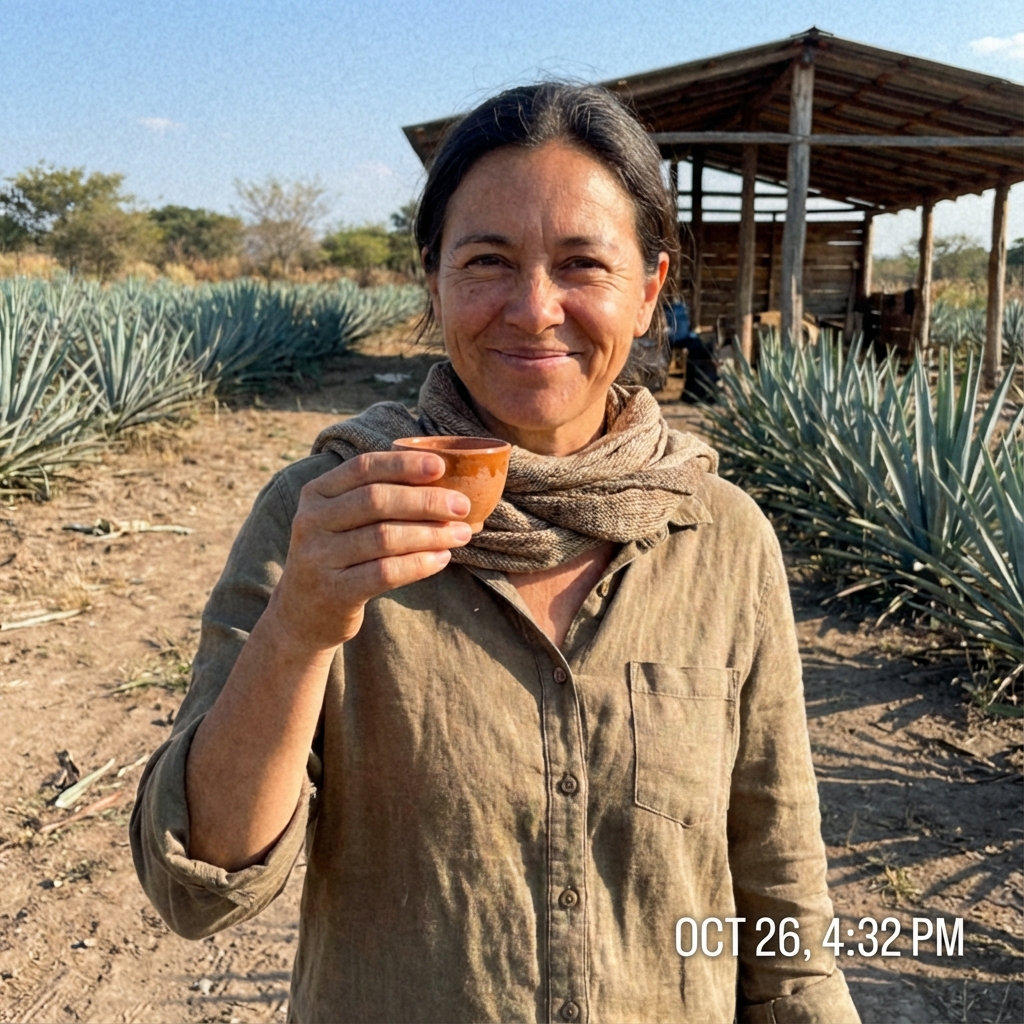
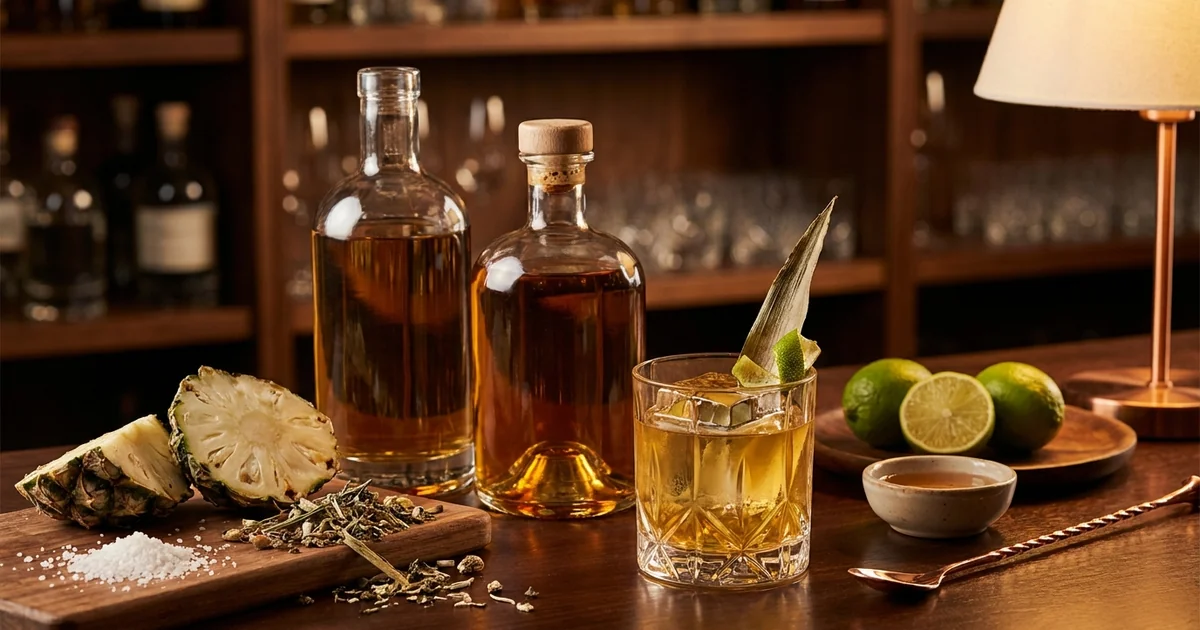
The agave spirits boom has transformed bar culture worldwide. What was once a shot slammed with salt and lime has evolved into a sophisticated category rivaling whiskey and rum in complexity. At the heart of this revolution stand two titans: tequila and mezcal. While both come from the agave plant and share Mexican heritage, these spirits offer distinctly different experiences for drinkers and bartenders alike.
Understanding the differences between tequila and mezcal isn't just academic knowledge—it's essential for crafting better cocktails, making smarter purchasing decisions, and appreciating one of the world's most fascinating spirit categories. Let's dive deep into what sets these agave spirits apart.
The Fundamental Difference: Geography and Agave
The most important distinction between tequila and mezcal comes down to geography and the type of agave used. Think of it this way: all tequila is technically mezcal, but not all mezcal is tequila.
Tequila must be produced in specific Mexican states—primarily Jalisco, but also limited areas in Guanajuato, Michoacán, Nayarit, and Tamaulipas. More importantly, tequila can only be made from one type of agave: Blue Weber agave (Agave tequilana). This standardization creates consistency across the category. The tequila vs mezcal distinction starts here: regulatory control defines tequila's identity.
Mezcal can be produced in nine designated Mexican states, with Oaxaca accounting for over 85% of production. The real difference when comparing tequila vs mezcal? Mezcal can be made from over 30 different agave varieties, including Espadín, Tobalá, Tepeztate, and Arroqueño. Each variety contributes unique flavors, making mezcal a far more diverse category. This agave diversity is central to the tequila vs mezcal comparison.
Production Methods: Where Flavor Begins
The production differences between tequila and mezcal profoundly impact their final flavor profiles. This is where the tequila vs mezcal flavor story really takes shape.
Cooking the Agave
Tequila production uses modern industrial ovens or autoclaves to steam-cook the agave piñas (hearts). This process takes 24-48 hours and produces clean, bright flavors without adding smoke or char.
Mezcal production follows ancient traditions, cooking agave piñas in earthen pit ovens lined with volcanic rocks and wood. The agave roasts for 3-5 days, absorbing distinctive smoky flavors from the wood fire below. This is why mezcal carries that characteristic smokiness that tequila lacks. The tequila vs mezcal production methods create their most recognizable difference.
Fermentation and Distillation
After cooking, both spirits follow similar paths—crushing the agave to extract sugars, fermenting the juice, and distilling the liquid. However, differences remain:
- Tequila is typically distilled in stainless steel or copper pot stills, often twice, producing a cleaner spirit
- Mezcal is traditionally distilled in small copper or clay pot stills, sometimes only once, preserving more earthy, rustic character
Tequila Categories: Understanding the Aging Spectrum
Tequila is classified by aging time in oak barrels, creating four main categories:
Blanco (Silver/Plata): Unaged or aged less than 2 months. Pure agave flavor, bright and crisp, perfect for Margaritas and Palomas. This is tequila in its most natural form.
Reposado: Aged 2-12 months in oak barrels. The wood adds vanilla, caramel, and subtle spice notes while maintaining agave brightness. Excellent for sipping or elevated cocktails.
Añejo: Aged 1-3 years. Rich amber color with pronounced oak influence, vanilla, and dried fruit notes. Sip neat or use in spirit-forward cocktails like Old Fashioneds.
Extra Añejo: Aged over 3 years. The luxury category with deep complexity, often compared to fine whiskey. These are sipping tequilas that showcase craftsmanship and patience.
Mezcal Categories: A Simpler Classification
Mezcal uses a similar but less elaborate aging system:
Joven (Young): Unaged or aged less than 2 months, sometimes blended with aged mezcal. Shows the purest expression of the agave variety and terroir.
Reposado: Aged 2-12 months. The smoke mellows slightly while picking up wood character and complexity.
Añejo: Aged over 12 months. Rare in mezcal production, these showcase how aging transforms the distinctive smoke and agave flavors.
Unlike tequila, most mezcal consumed is Joven, as producers and consumers value the unaged spirit's pure expression of agave and smoke.
Flavor Profiles: A Tale of Two Spirits
Tequila Flavor Profile: Clean, bright, and vegetal with notes of citrus, pepper, and sweet agave. Blancos taste grassy and fresh, while aged expressions develop vanilla, caramel, butterscotch, and baking spices. Overall, tequila offers clarity and precision.
Mezcal Flavor Profile: Earthy, smoky, and complex with mineral notes, citrus peel, herbs, and that distinctive campfire smoke. Depending on the agave variety, you might taste everything from tropical fruit to leather to roasted meat. Mezcal is wild, rustic, and beautifully unpredictable.
Best Cocktails for Each Spirit
Tequila Shines In:
Margarita: The classic combination of tequila, lime, and orange liqueur showcases tequila's bright, citrus-friendly character. Visit our Margarita Variations Guide for endless creative options using Blanco for traditional versions, or Reposado for richer takes.
Paloma: Tequila's vegetal notes pair beautifully with grapefruit soda in this refreshing highball that's actually Mexico's most popular tequila cocktail. Try our Paloma Recipe for the perfect preparation.
Tequila Sunrise: The fruity, easy-drinking approach highlights Blanco tequila's versatility with orange juice and grenadine.
Mezcal Excels In:
Mezcal Negroni: Swap gin for mezcal in this classic, and the smoke transforms the bitter Campari and sweet vermouth into something entirely new and addictive. Explore our Negroni Variations Guide to master this mezcal preparation.
Oaxaca Old Fashioned: A riff on the classic that splits the base between mezcal and tequila, showcasing both spirits with agave nectar and bitters. See our Old Fashioned Recipe for the perfect balance.
Naked and Famous: Equal parts mezcal, Aperol, yellow Chartreuse, and lime create a balanced, complex cocktail that shows mezcal's cocktail versatility beyond smoke bombs.
How to Choose for Your Home Bar
Start with Tequila if you:
- Prefer cleaner, more approachable flavors
- Want versatility for classic cocktails
- Enjoy citrus-forward drinks
- Are building a foundational spirits collection
Start with Mezcal if you:
- Love smoky, complex flavors
- Appreciate artisanal, small-batch production
- Want to explore diverse flavor profiles
- Already have tequila and want something different
For the well-rounded home bar, you'll want both: a quality Blanco tequila for Margaritas and mixed drinks, and a good Espadín mezcal for when you want smoke and complexity.
Recommended Approaches:
Entry-level: Espolòn Blanco (tequila), Del Maguey Vida (mezcal) Mid-tier: Siete Leguas Blanco (tequila), Banhez Espadín (mezcal) Premium: Fortaleza Blanco (tequila), Del Maguey Chichicapa (mezcal)
Frequently Asked Questions
Is mezcal just smoky tequila?
No. While smoke is mezcal's most recognizable characteristic, the differences run much deeper. Mezcal can use dozens of agave varieties versus tequila's single type, comes from different regions, and embraces artisanal production methods that create wildly diverse flavors beyond just smoke.
Why is mezcal more expensive than tequila?
Mezcal production is more labor-intensive and artisanal. Many agave varieties used in mezcal take 8-30 years to mature (versus 7-10 for Blue Weber), are wild-harvested, and produced in small batches using traditional methods. The earthen pit ovens, hand-mashing, and small-scale distillation all contribute to higher costs.
Can I substitute mezcal for tequila in cocktails?
You can, but the result will taste significantly different. Mezcal's smoke will dominate and transform the cocktail. Start by using a 50/50 split of tequila and mezcal to introduce smoke gradually, then adjust based on preference. Some cocktails benefit from the swap (Negroni, Old Fashioned), while others lose their character (classic Margarita).
Do tequila and mezcal give worse hangovers?
No. This myth likely stems from college-era experiences with bottom-shelf mixto tequila (which contains added sugars and other spirits). Quality 100% agave tequila and mezcal, consumed in moderation with water, produce no worse hangovers than any other spirit at the same proof.
What does "100% agave" mean and why does it matter?
"100% agave" means the spirit is made entirely from agave sugars with no added cane sugar or other fillers. "Mixto" tequila (which doesn't say "100% agave") can contain up to 49% non-agave sugars. Always choose 100% agave for better flavor and quality. All legal mezcal is 100% agave by definition.
The Bottom Line
Tequila and mezcal represent two sides of the agave spirit coin. Tequila offers consistency, clarity, and bright flavors perfect for classic cocktails and approachable sipping. Mezcal brings artisanal craftsmanship, distinctive smoke, and incredible diversity through different agave varieties and production methods.
Neither is "better" than the other—they serve different purposes and appeal to different palates. The best approach? Embrace both. Keep a quality Blanco tequila for Margaritas and fresh cocktails, and a good mezcal for when you want complexity, smoke, and something that sparks conversation.
As the agave spirits category continues to grow and evolve, we're seeing incredible innovation while maintaining respect for centuries-old traditions. Whether you reach for tequila or mezcal, you're participating in one of the most exciting developments in modern cocktail culture.
Salud!
Tags
Advertisement