Spirit Guide
Cognac Cocktails: Classic & Modern French Brandy Drinks

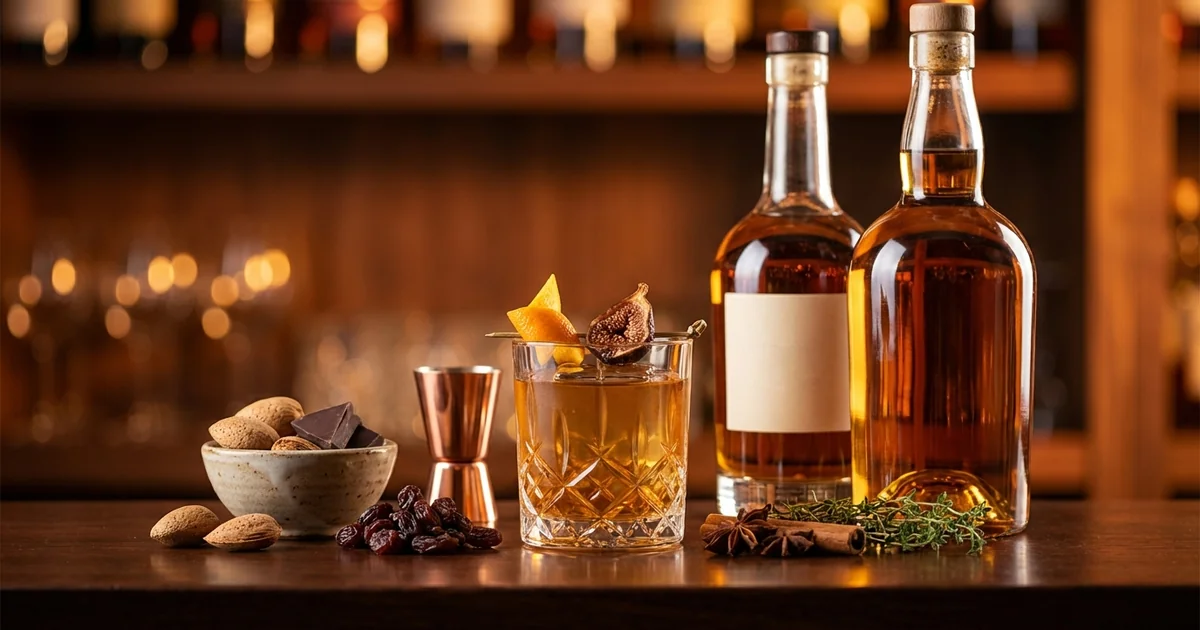
About Cognac
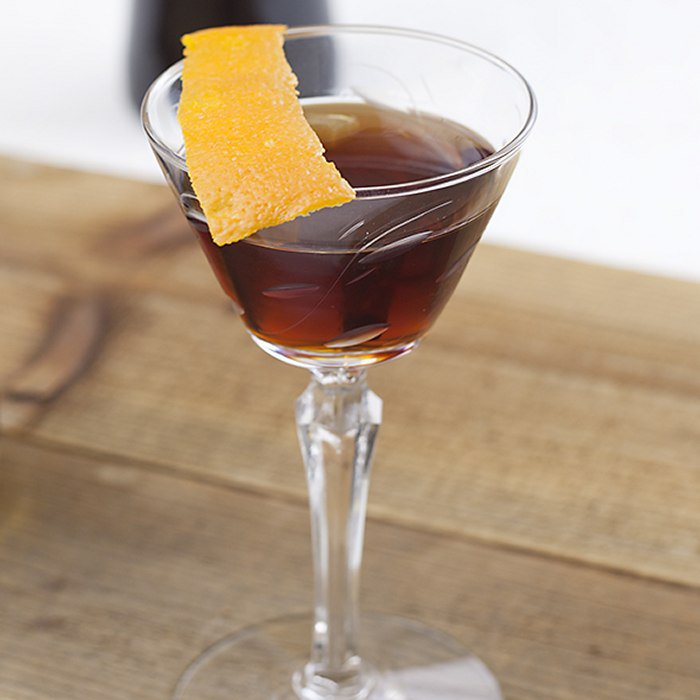
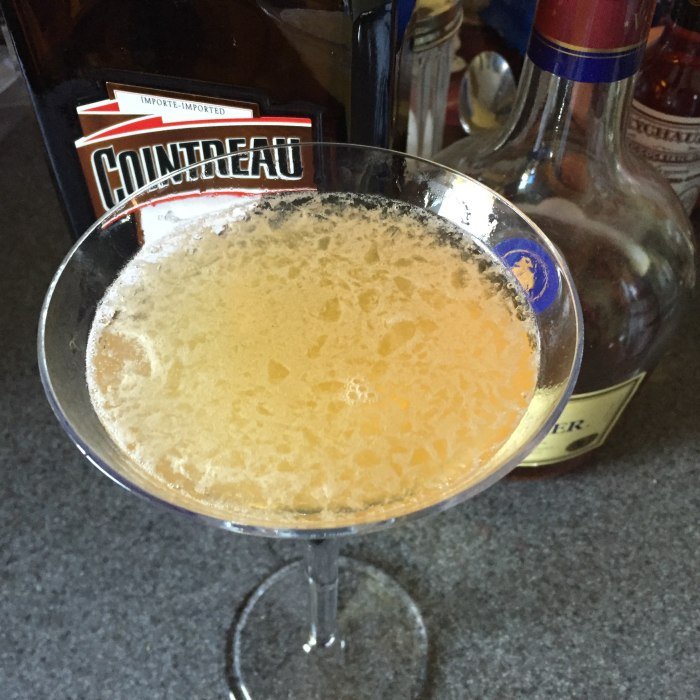
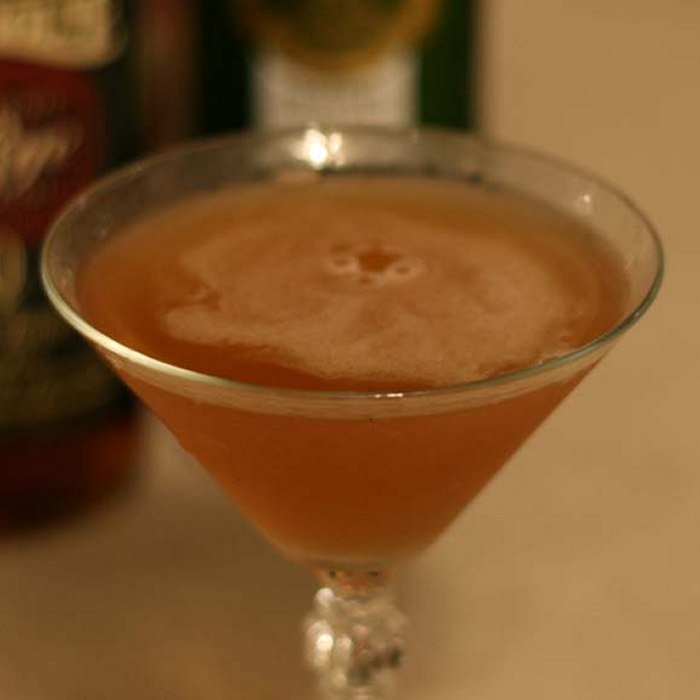
Cognac, the distinguished French brandy from the Charente region, brings unparalleled sophistication to cocktail culture. While often enjoyed neat in a snifter, this refined spirit shines brilliantly in mixed drinks, offering smooth, fruity complexity that elevates everything from pre-dinner aperitifs to after-dinner digestifs. The beauty of cognac cocktails lies in their balance — unlike more aggressive spirits, cognac's velvety texture and notes of dried fruit, vanilla, and oak create harmonious drinks that feel luxurious without overwhelming the palate. From the tart elegance of a Sidecar to the creamy indulgence of a Brandy Alexander, cognac-based cocktails represent some of the most refined drinks in mixology. The cognac Sazerac, rather than an adaptation, is actually closer to the original 1850s New Orleans recipe than the rye version most bartenders make today.
Flavor Notes
What Cognac tastes like
- Dried fruit and vine — apricot, raisin, and fig notes from the Ugni Blanc grape base and extended barrel aging
- Vanilla and honey — warm, rounded sweetness from Limousin or Tronçais oak contact, making cognac uniquely approachable
- Baking spice — cinnamon, nutmeg, and faint clove that add complexity without the grain-derived sharpness of whiskey
- Floral and citrus (younger cognacs) — fresh, vibrant notes in VS and young VSOP that make them ideal for citrus-driven cocktails
- Leather, tobacco, and dried flowers (aged cognac) — the hallmarks of extended barrel maturation in XO expressions
Buying Guide
What to look for
- Pierre Ferrand 1840 (VSOP) — specifically formulated for cocktail use by a leading independent producer; exceptional Sidecar and spirit-forward drinks
- Rémy Martin VSOP ($45) — consistent quality, widely available, and versatile across all classic cognac cocktail applications
- Hennessy VS ($35) — the reliable workhorse for citrus-heavy cocktails; approachable fruit profile that works in Sidecars and Between the Sheets
- Courvoisier VS ($30) — budget-friendly entry point that performs admirably in mixed applications where cognac plays a supporting role
- Hine H by Hine VSOP ($50) — a step up for spirit-forward drinks like the Vieux Carré; the additional complexity earns its higher price in simple preparations
History
The Story of Cognac
Cognac's story begins in the 16th-century Charente region of western France, where Dutch merchants found that the local wine — too thin and acidic for long ocean voyages — transported far better when distilled. The Dutch called this concentrated wine spirit "brandewijn" (burnt wine), the etymology of "brandy." The Charentais distillers quickly discovered that double distillation in copper pot stills, combined with aging in Limousin oak barrels, transformed the rough new spirit into something remarkably refined. By the late 17th century, what we now recognise as cognac had emerged.
The great cognac houses that define the category today — Hennessy, Courvoisier, Martell, Rémy Martin — were predominantly founded by Irish, English, and Scottish merchants in the 18th century, drawn to the region by its positioning near the Atlantic trade routes. Hennessy, founded in 1765 by Richard Hennessy, an Irish officer in the French army, exemplifies this cosmopolitan origin. These houses developed the blending expertise that remains central to cognac production: the master blender's ability to combine eau-de-vie from different crus, vintages, and ages into consistent, house-style expressions.
The cognac classification system — VS, VSOP, XO, and beyond — was formalised in the 19th century as a quality and marketing tool. VS (Very Special) cognac must age a minimum of two years; VSOP (Very Superior Old Pale) requires four years; XO (Extra Old) demands ten years under current regulations (raised from six years in 2018). The system provides a useful framework for cocktail use: VS and VSOP strike the optimal balance of quality and value for mixing, while XO expressions — developed over a decade or more — deserve the contemplative respect of a neat pour.
Key Takeaways
What you’ll learn
- VS and VSOP cognacs are ideal for cocktails — they balance quality with practicality, and save expensive XO expressions for neat appreciation
- Cognac's smooth, fruity profile elevates classic cocktails like the Sidecar, Vieux Carré, and cognac Sazerac in ways whiskey cannot replicate
- Understanding cognac classifications (VS, VSOP, XO) helps you select the right bottle for both sipping and mixing applications
- The Sidecar is the definitive cognac cocktail test: its balance of brandy, orange liqueur, and fresh lemon juice showcases everything cognac does well
- Cognac cocktails offer sophisticated alternatives to whiskey-based drinks, bringing French elegance and grape-derived complexity to the home bar