
Vintage Cocktail
Brandy Crusta
The Brandy Crusta is the direct ancestor of the Sidecar and — through it — the entire sour-with-sugar-rim family. Invented by New Orleans bartender Joseph Santini around 1850 and included in Thomas's 1862 guide: brandy, lemon juice, curaçao, and maraschino in a sugar-rimmed glass fitted with a complete spiral of lemon peel.
- citrus
- sweet-tart
- brandy-forward
- cherry
- orange
- spirit-forward

- Prep Time
- 8 min
- Glass
- cocktail glass
- Difficulty
- Intermediate
- ABV
- 26%
- Yields
- 1 serving
The Brandy Crusta is a vintage cocktail built on brandy, celebrated for its citrus and sweet-tart character — a consistently top-searched brandy crusta. Whether you're after a reliable aperitif option or simply want to master a classic, this 8-minute recipe is straightforward enough for home bars yet refined enough to impress. Perfect if you've been searching for the best crusta cocktail.
Key Takeaways
What you’ll learn
- Invented by Joseph Santini of New Orleans around 1850, published in Thomas's 1862 guide — the credited inventor is Santini, not Thomas; Wondrich restored the credit in "Imbibe!" (2007).
- First published recipe with a sugar rim — the technique that defines the Margarita, Cosmo, and hundreds of modern cocktails traces directly here.
- The lemon spiral "crusta" lining the glass interior is the drink's defining visual element and the source of the category name.
- Direct structural ancestor of the Sidecar (1920s): simplify the Crusta by dropping maraschino and the lemon spiral, and you have the Sidecar formula.
- Spirit + citrus + orange liqueur + maraschino + sugar rim established the "sour-with-modifiers" template that still organizes the cocktail menu today.
Advertisement
Ingredients
- Serves
- 1 serving
- Glass
- cocktail glass
- Prep
- 8 min
- 1 wineglass (1½ oz)Cognac or brandy
- 1 tspMaraschino liqueur
- 1 tspCuraçao
- 1/2 tspSimple syrup
- 2 dashes (approx. 1/4 oz)Lemon juice
- 2 dashesBoker's or Angostura bitters
- 1, prepared as spiral + rimLemon (for crusta spiral and rim)
- to coat rimFine sugar (for rim)
Method
Preparation
- 01
Prepare the glass: rub the rim of a cocktail glass with a piece of lemon, then dip in fine sugar to coat. Cut a complete spiral of lemon peel (the "crusta") long enough to line the inside of the glass and fit it so it rests within the rim like a collar. In a mixing glass with ice, combine: 1 wineglass (1½ oz) brandy or Cognac, 1 teaspoon of maraschino liqueur, 1 teaspoon of curaçao, 1/2 teaspoon of simple syrup, and 2 dashes of lemon juice (or the juice of a quarter lemon). Add 2 dashes of Boker's or Angostura bitters. Stir until well chilled and strain into the prepared glass. The lemon spiral should be visible inside the glass.
Origin
History & Origins
The Brandy Crusta is the most consequential drink in this collection. Two things invented here — the sugar rim and the sour-with-modifier structure — still organize how cocktail menus are built 175 years later.
Joseph Santini opened the Jewel of the South saloon in New Orleans around 1850. He was Sicilian-born, trained in the European tavern tradition, and brought with him a sensibility for visual presentation that was not yet common in American bars. The Crusta — the word means "crust" in both Italian and Spanish — referred to the sugar crust on the rim of the glass. The additional lemon spiral lining the interior added a second visual element: a pale yellow ribbon curving down the inside of the glass, visible through the spirit.
Jerry Thomas included the recipe in his 1862 guide but did not credit Santini. This was standard practice in 19th-century bartending guides — Thomas's book contains dozens of unattributed recipes. David Wondrich's 2007 "Imbibe!" was the first modern scholarship to trace the Crusta to Santini through New Orleans newspaper archives and property records that placed a bartender named Santini at the Jewel of the South in the appropriate period.
David Wondrich's 2007 "Imbibe!" was the first modern scholarship to trace the Crusta to Santini through New Orleans newspaper archives and property records that placed a bartender named Santini at the Jewel of the South in the appropriate period.
The Crusta's structural logic anticipates the Sidecar so precisely that it is impossible not to read the later drink as a simplification: drop the maraschino and the lemon spiral, adjust proportions to 20th-century balance, and the Sidecar emerges. The Margarita follows the same template one step further: swap Cognac for tequila, swap lemon for lime, maintain the orange liqueur and the sugar rim. The lineage is: Crusta → Sidecar → Margarita, spanning seventy-five years and three different base spirits.
The sugar rim itself, so natural now that bartenders rim glasses without thinking about its history, exists because Santini decided to dip a lemon-moistened glass in fine sugar in New Orleans around 1850. That specific gesture has been repeated at every cocktail bar on earth ever since.
Advertisement
Bartender’s Insight
Pro Tips
The lemon spiral is the defining presentation element. Cut it in a single unbroken spiral using a channel knife or a Y-peeler and careful rotation. It should line the inside of the glass from rim to bottom.
From Arthur
Moisten the rim with the lemon cut during spiral preparation — the freshly cut citrus surface is more adhesive than a dried lemon.
Fine castor sugar produces a more elegant rim than coarse sugar. Thomas specified "fine" sugar — coarse crystals look clumsy and are unpleasant to drink through.
Maraschino liqueur is Luxardo Maraschino — not maraschino cherry juice. The almond-cherry liqueur is a key flavour component. There is no substitute.
The drink is spirit-forward with restrained sweetness. Do not increase the simple syrup. If it tastes sharp, use a higher-proof Cognac (VSOP or XO) rather than adding sweetness.
At the Table
Perfect Pairings
Beyond the Classic
Variations
Whiskey Crusta
Thomas listed variants using rye whiskey in place of brandy. The spice of rye handles the citrus and maraschino differently, producing a drier, more assertive Crusta that anticipates the Whiskey Sour family.
Gin Crusta
Holland gin (Genever) works as a Crusta base. The malty sweetness of Genever integrates naturally with maraschino. A London Dry version produces a sharper, more botanical drink reminiscent of the early Martini.
Sidecar (1920 derivative)
The direct descendant of the Crusta: Cognac, Cointreau (or triple sec), fresh lemon juice, sugar rim. The maraschino is dropped, proportions are adjusted to modern balance, and the lemon spiral becomes optional. The Sidecar is the Crusta simplified for the 20th century.
Questions
Frequently Asked
- The Brandy Crusta has a flavor profile that is citrus, sweet-tart, brandy-forward, cherry. It is crafted to balance these characteristics into a harmonious, satisfying drink that appeals to a wide range of palates.
- The Brandy Crusta is ideal for aperitif, after dinner, historical, classic bar, elegant. Its flavor profile and presentation make it a versatile choice that works equally well as a social cocktail or a relaxed evening drink.
- Yes, there are several ways to adapt a Brandy Crusta. If you cannot source Cognac or brandy, look for a similar alternative that matches its flavor profile. Keep in mind that substitutions may alter the balance of the cocktail, so start with a smaller quantity and adjust to taste. The variations section above lists popular alternatives bartenders use.
- Some of the most popular Brandy Crusta variations include Whiskey Crusta, Gin Crusta, Sidecar (1920 derivative). Each variation puts a unique twist on the original recipe while retaining the essential character of the classic cocktail.
- The Brandy Crusta is traditionally served in a cocktail glass. Using the right glassware is important because it affects the aroma, temperature retention, and overall drinking experience. If you do not have a cocktail glass on hand, a similar shaped glass will work.
- Yes, a mocktail version of the Brandy Crusta is possible. Replace the base spirit with a non-alcoholic spirit alternative (there are many quality options available) and keep all other components the same. The result will capture much of the original's flavor profile while being suitable for guests who prefer alcohol-free options.
Other Brandy Cocktails
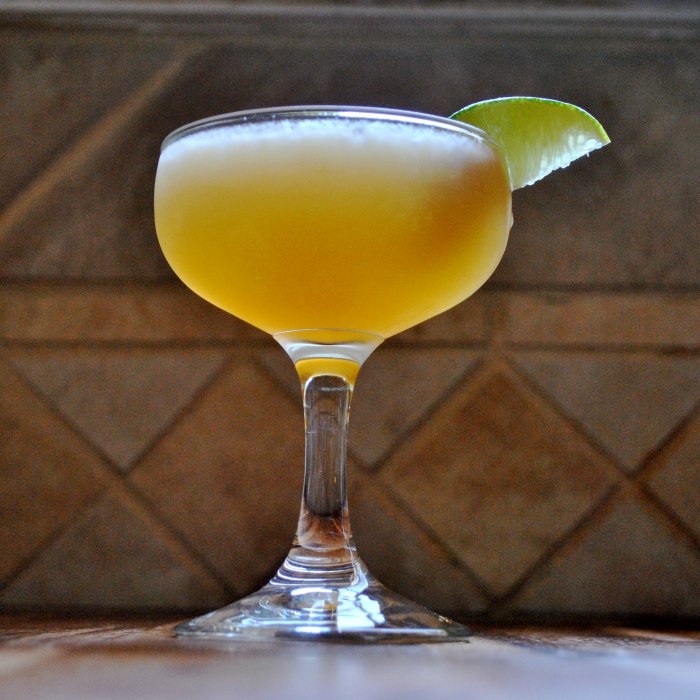
After Dinner Cocktail
The After Dinner Cocktail is a sophisticated blend designed to delight the palate after a meal. Typically featuring rich flavors from ingredients like coffee liqueur, whiskey, and a hint of bitters, this cocktail offers a warming and indulgent finish to any dining experience. Garnished with a twist of citrus or a coffee bean, it’s the perfect way to unwind and savor the evening.
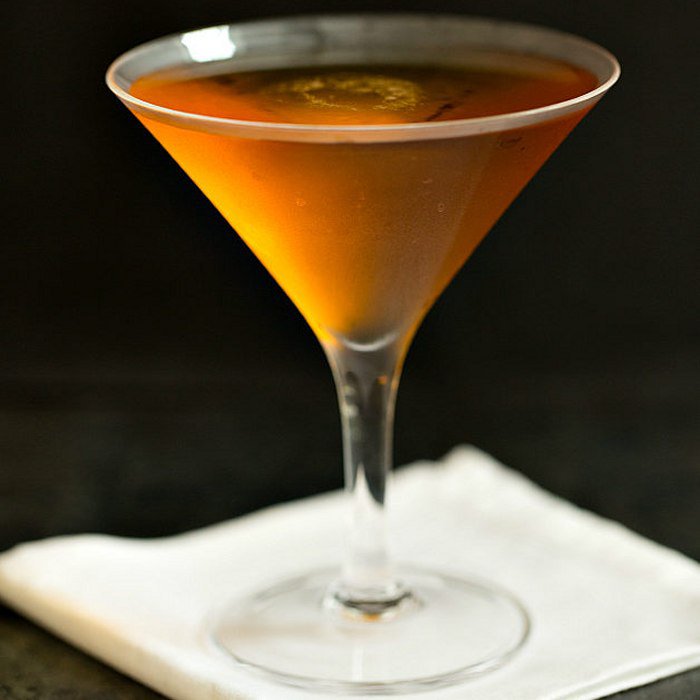
Stinger
The Stinger is a classic cocktail that combines the smoothness of brandy with the refreshing bite of white crème de menthe. Served chilled, this elegant drink offers a delightful balance of sweetness and herbal notes, making it a perfect after-dinner treat. Its distinctive flavor profile and appealing green hue make it a memorable choice for cocktail enthusiasts.
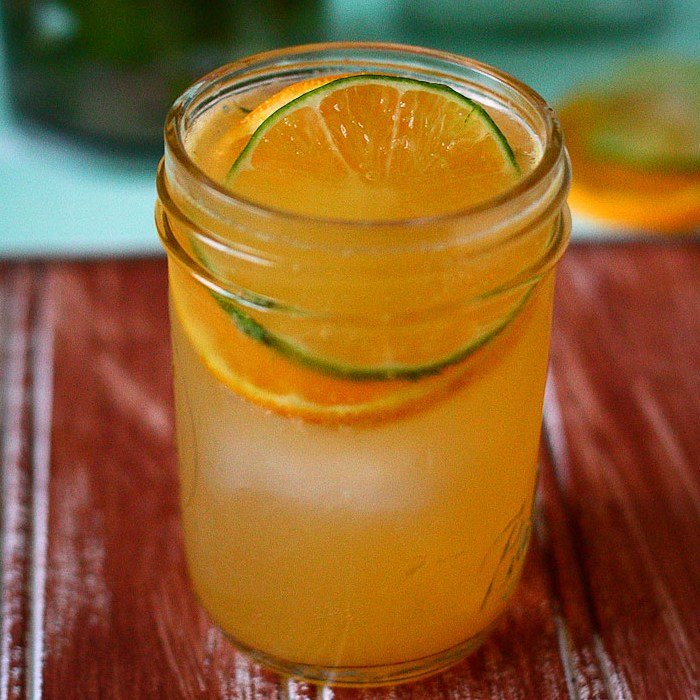
Stone Sour
The Stone Sour is a refreshing cocktail that blends the tangy flavors of fresh orange juice and sweet and sour mix with a smooth base of whiskey, typically bourbon or rye. Garnished with a cherry or orange slice, this drink offers a delightful balance of citrusy brightness and rich warmth, making it a perfect choice for any occasion. Its vibrant color and zesty taste make it a favorite among cocktail enthusiasts.
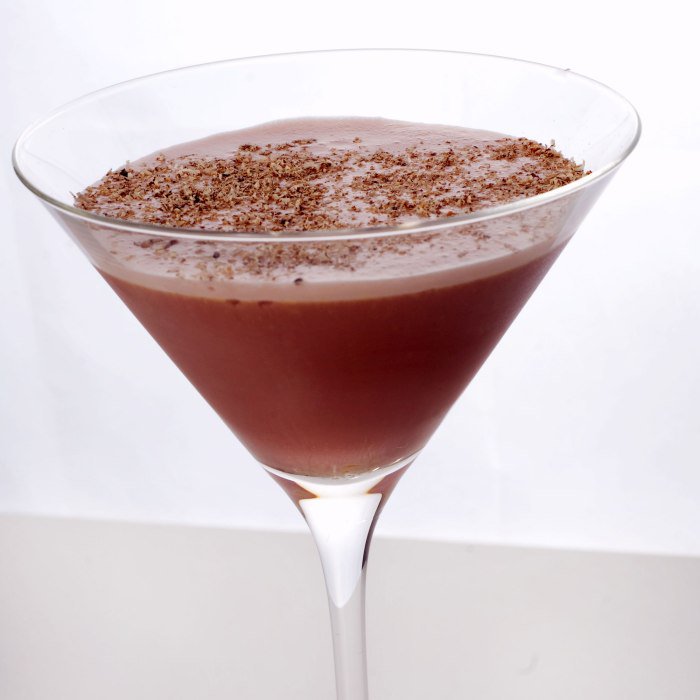
Porto flip
The Porto Flip is a rich and creamy cocktail that combines the deep flavors of ruby port wine with the smoothness of egg, sugar, and a hint of nutmeg. This indulgent drink is typically shaken and served chilled, offering a delightful balance of sweetness and warmth, making it a perfect choice for cozy evenings or festive gatherings.
Other aperitif Cocktails
Similar Flavor Profiles
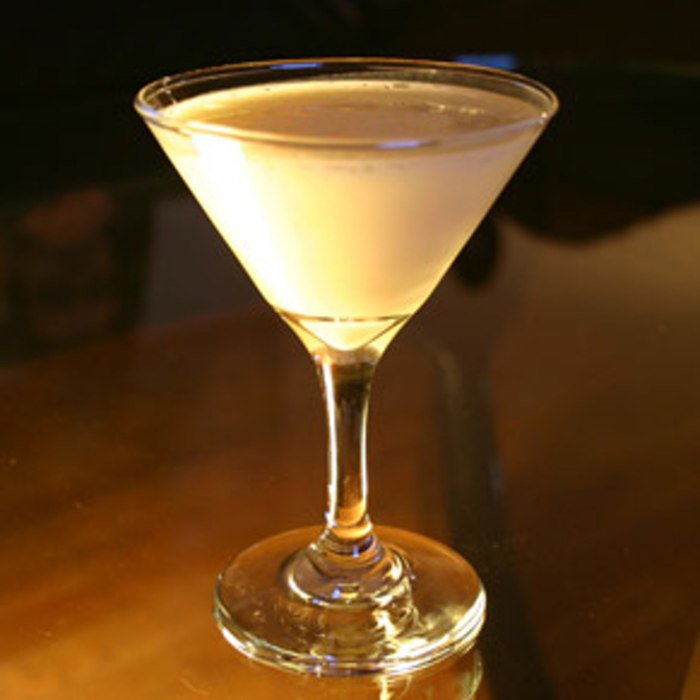
Golden dream
The Golden Dream is a vibrant and refreshing cocktail that combines the smooth flavors of orange juice, cream, and a touch of orange liqueur, typically Cointreau or Grand Marnier. This delightful drink is often served over ice, creating a creamy, citrusy experience that evokes the warmth of a sunny day. With its striking golden hue, it's a perfect choice for those looking to indulge in a sweet, tropical escape.

Fancy Gin Cocktail
Thomas's upgraded version of the plain Gin Cocktail: Holland gin stirred with sugar, bitters, and a dash of curaçao, strained into a small cocktail glass and garnished with a lemon twist. The qualifier "Fancy" in 1862 indicated curaçao was added to the base recipe — one of the earliest records of a cocktail differentiated by a single luxury modifier.
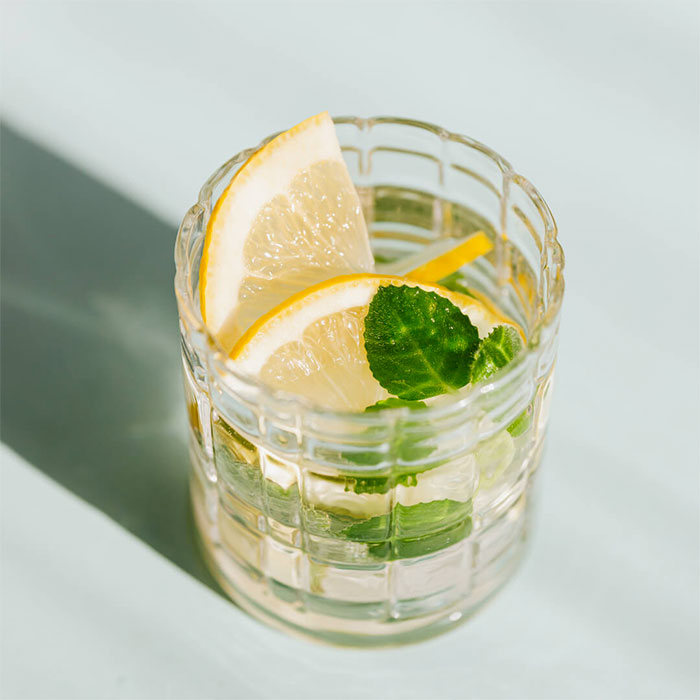
Vodka Tonic
The Vodka Tonic is a refreshing and simple cocktail that combines smooth vodka with crisp tonic water, creating a perfect balance of flavors. Often garnished with a wedge of lime or lemon, this drink is a popular choice for those seeking a light and invigorating beverage. Its clean taste and versatility make it a staple at bars and gatherings alike.
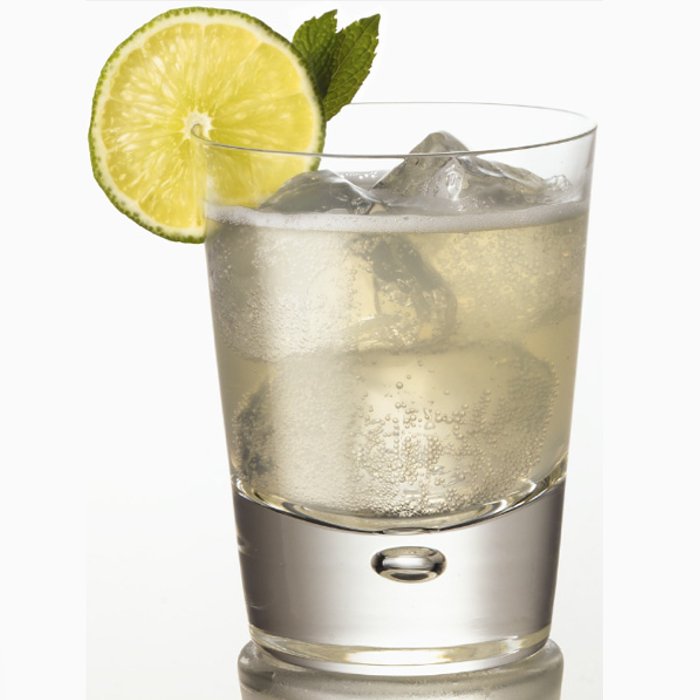
Rail Splitter
The Rail Splitter is a refreshing cocktail that combines the bold flavors of bourbon with the zesty notes of ginger beer and fresh lime juice. This invigorating drink is typically garnished with a lime wedge, making it a perfect choice for those seeking a spirited yet crisp beverage. Its harmonious blend of sweetness and spice captures the essence of classic American mixology.
Advertisement