Cocktail
Dirty Martini
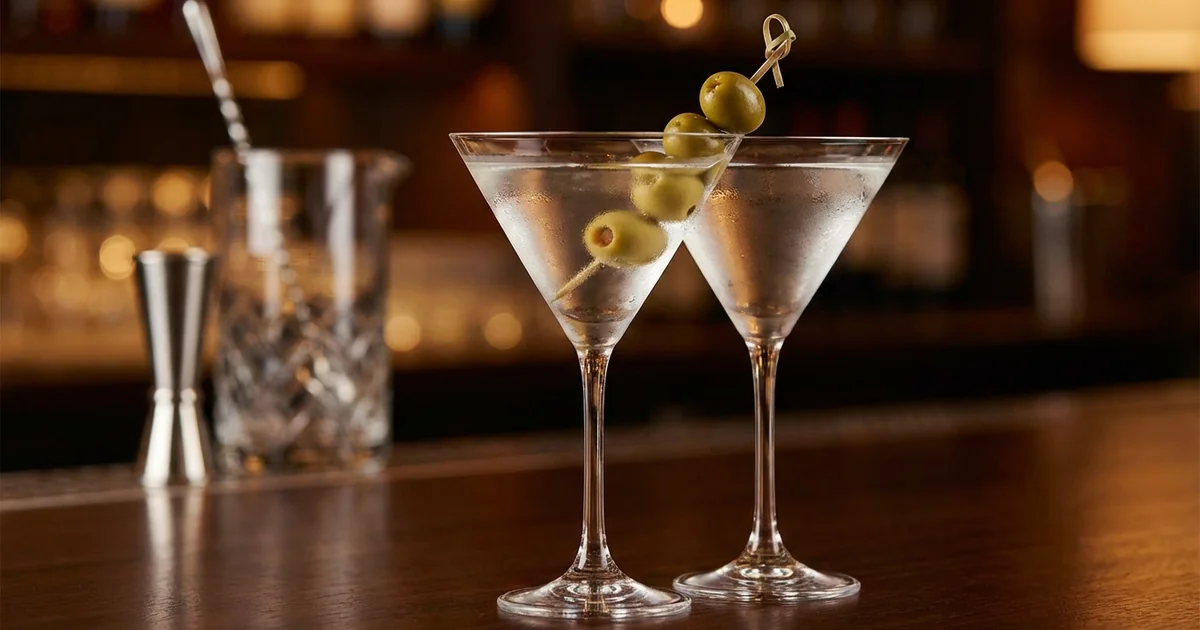
The Dirty Martini is a sophisticated cocktail that combines gin or vodka with dry vermouth and a splash of olive brine, giving it a savory twist. Typically garnished with olives, this classic drink offers a perfect balance of salty and herbal flavors, making it a favorite among cocktail enthusiasts. Its bold taste and elegant presentation make it a timeless choice for any occasion.
- salty
- briny
- herbal
- smooth

- Prep Time
- 5 min
- Glass
- Cocktail glass
- Difficulty
- Intermediate
- ABV
- 30%
- Yields
- 1 serving
Few cocktail recipes deliver salty and briny quite like the Dirty Martini. It leads with vodka and comes together in about 5 minutes. If you've searched for "cocktail hour", this is the recipe to bookmark.
Key Takeaways
What you’ll learn
- The Dirty Martini emerged in the 1930s–1940s as a savory variation of the classic martini, now one of the most requested martini styles globally.
- The classic recipe uses 0.5 oz olive brine, ranging from 0.25 oz (slightly dirty) to 1 oz (filthy) based on personal preference.
- Quality olive brine is crucial — use brine from high-quality olives such as Castelvetrano, not mass-produced varieties with excessive vinegar.
- Both gin and vodka work beautifully; gin adds botanical complexity while vodka provides a cleaner, more brine-forward canvas.
- Proper stirring technique and premium olives elevate this cocktail from ordinary to exceptional.
Advertisement
Ingredients
- Serves
- 1 serving
- Glass
- Cocktail glass
- Prep
- 5 min
- 70ml/2fl ozVodka
- 1 tbspDry Vermouth
- 2 tbspOlive Brine
- 1 wedgeLemon
- 1Olive
Method
Preparation
- 01
Pour the vodka, dry vermouth and olive brine into a cocktail shaker with a handful of ice and shake well.
- 02
Rub the rim of a martini glass with the wedge of lemon.
- 03
Strain the contents of the cocktail shaker into the glass and add the olive.
- 04
A dirty Martini contains a splash of olive brine or olive juice and is typically garnished with an olive.
Origin
History & Origins
The Dirty Martini's history is murky — appropriately enough for a drink defined by its cloudiness. The most widely accepted origin places its invention in the 1930s or 1940s, when a bartender (or possibly a customer) decided to add a splash of olive brine to their martini. Some accounts credit Franklin D. Roosevelt, who reportedly enjoyed dirty martinis in the White House. The drink remained relatively obscure until the 1990s and early 2000s, when it experienced a dramatic surge in popularity driven by its bold, unapologetic flavour profile.
The early 2000s saw the Dirty Martini become a symbol of sophisticated urban drinking, featured prominently in popular culture and ordered by Wall Street executives, fashion insiders, and cocktail enthusiasts seeking something more assertive than the classic. Unlike sweet or fruity cocktails, the Dirty Martini made no apologies for its intensity — it was deliberately savoury, deliberately strong, and deliberately polarising.
The early 2000s saw the Dirty Martini become a symbol of sophisticated urban drinking, featured prominently in popular culture and ordered by Wall Street executives, fashion insiders, and cocktail enthusiasts seeking something more assertive than the classic.
Today the dirty martini is one of the most requested martini variations in upscale bars worldwide. The key insight modern bartenders bring is that the quality of the brine matters as much as the spirit: artisanal olive producers like Castelvetrano and Cerignola yield brine with clean, pure olive flavour, while mass-produced olives packed in vinegar-forward brine create an unbalanced, harsh cocktail. Purpose-made cocktail brines from brands like Dirty Sue and Filthy Food have also emerged to meet demand from home bartenders and professionals alike.
Advertisement
Bartender’s Insight
Pro Tips
Taste your olive brine before using it — brine varies dramatically between brands in salinity, acidity, and flavour. If it tastes harsh on its own, it will taste worse in your cocktail.
From Elena
Stir, do not shake. Shaking introduces air bubbles, creates excessive dilution, and produces an undesirable frothy texture.
Stir for 30–40 seconds until the mixing glass is ice-cold to the touch, achieving about 15–20% dilution.
Pre-chill your martini glass in the freezer for at least 15 minutes — temperature is paramount for this spirit-forward drink.
Use Castelvetrano or Cerignola olives on the garnish pick; their mild, buttery character complements the brine rather than competing with it.
Adjust brine in 0.25 oz increments — the difference between "slightly dirty" (0.25 oz) and "filthy" (1 oz) is significant.
At the Table
Perfect Pairings
Beyond the Classic
Variations
Filthy Martini
1 oz or more olive brine creates an intensely savoury, almost brothy cocktail. Some bars offer 50/50 filthy versions with equal parts gin and brine. Not subtle — this is the extreme end of the dirty spectrum.
Dirty Gibson
Combine dirty martini technique with cocktail onion garnish: 2.5 oz gin or vodka, 0.5 oz dry vermouth, 0.5 oz olive brine, garnished with pickled cocktail onions. The onion adds a sweeter, more delicate savouriness.
Blue Cheese Dirty Martini
Use brine from blue cheese-stuffed olives and garnish with those olives. The pungent, creamy cheese amplifies umami character dramatically. Best with vodka, which lets the brine and cheese dominate.
Spicy Dirty Martini
2.5 oz vodka, 0.5 oz dry vermouth, 0.5 oz olive brine, 2–3 fresh jalapeño slices in the mixing glass. The capsaicin's heat complements the brine's salinity for a complex, exciting variation.
Questions
Frequently Asked
- The Dirty Martini has a flavor profile that is salty, briny, herbal, smooth. It is crafted to balance these characteristics into a harmonious, satisfying drink that appeals to a wide range of palates.
- The Dirty Martini is ideal for cocktail parties, formal dinners, happy hour gatherings. Its flavor profile and presentation make it a versatile choice that works equally well as a social cocktail or a relaxed evening drink.
- Yes, there are several ways to adapt a Dirty Martini. If you cannot source Vodka, look for a similar alternative that matches its flavor profile. Keep in mind that substitutions may alter the balance of the cocktail, so start with a smaller quantity and adjust to taste. The variations section above lists popular alternatives bartenders use.
- Some of the most popular Dirty Martini variations include Filthy Martini, Dirty Gibson, Blue Cheese Dirty Martini. Each variation puts a unique twist on the original recipe while retaining the essential character of the classic cocktail.
- The Dirty Martini is traditionally served in a Cocktail glass. Using the right glassware is important because it affects the aroma, temperature retention, and overall drinking experience. If you do not have a Cocktail glass on hand, a similar shaped glass will work.
- Yes, a mocktail version of the Dirty Martini is possible. Replace the base spirit with a non-alcoholic spirit alternative (there are many quality options available) and keep all other components the same. The result will capture much of the original's flavor profile while being suitable for guests who prefer alcohol-free options.
Other Vodka Cocktails
Vodka Tonic
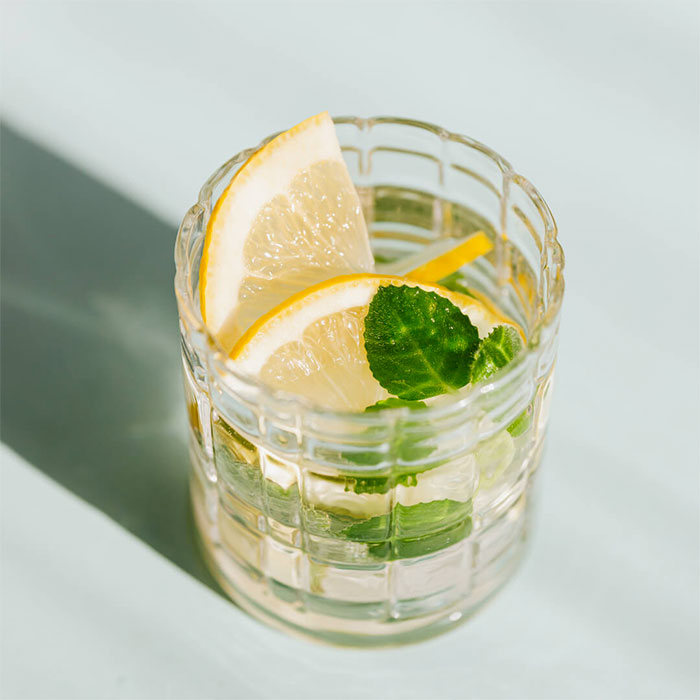
The Vodka Tonic is a refreshing and simple cocktail that combines smooth vodka with crisp tonic water, creating a perfect balance of flavors. Often garnished with a wedge of lime or lemon, this drink is a popular choice for those seeking a light and invigorating beverage. Its clean taste and versatility make it a staple at bars and gatherings alike.
Kool-Aid Shot
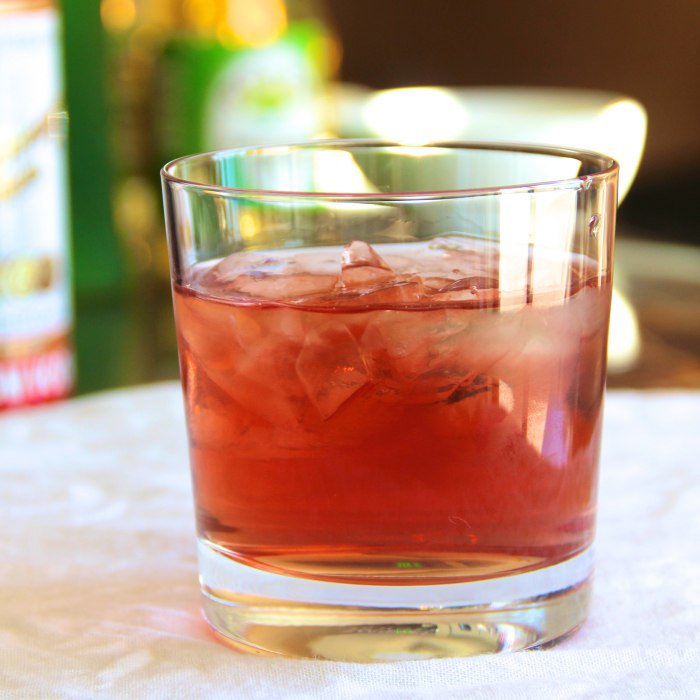
The Kool-Aid Shot is a vibrant and playful cocktail that captures the nostalgic flavors of the classic childhood drink. This fun, colorful shot combines fruity flavored Kool-Aid with a splash of vodka or another spirit, creating a sweet and refreshing burst of flavor that's perfect for parties and celebrations. Its eye-catching appearance and delicious taste make it a favorite among those looking to relive their youthful indulgences.
Black Russian
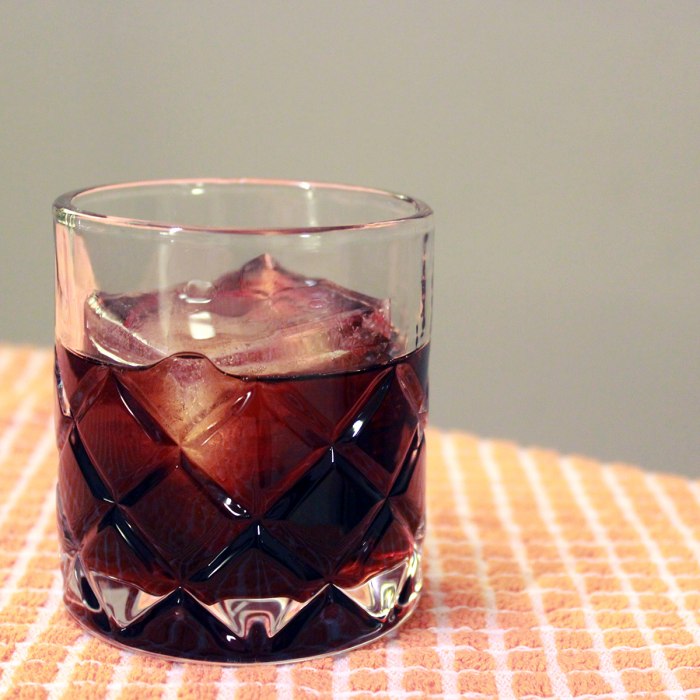
The Black Russian is a classic cocktail that combines the rich flavors of vodka and coffee liqueur, typically Kahlúa. Served over ice in a lowball glass, this drink offers a smooth, robust taste with a hint of sweetness, making it a favorite for coffee lovers. Its simple yet sophisticated profile makes it a timeless choice for any occasion.
Vodka Lemon
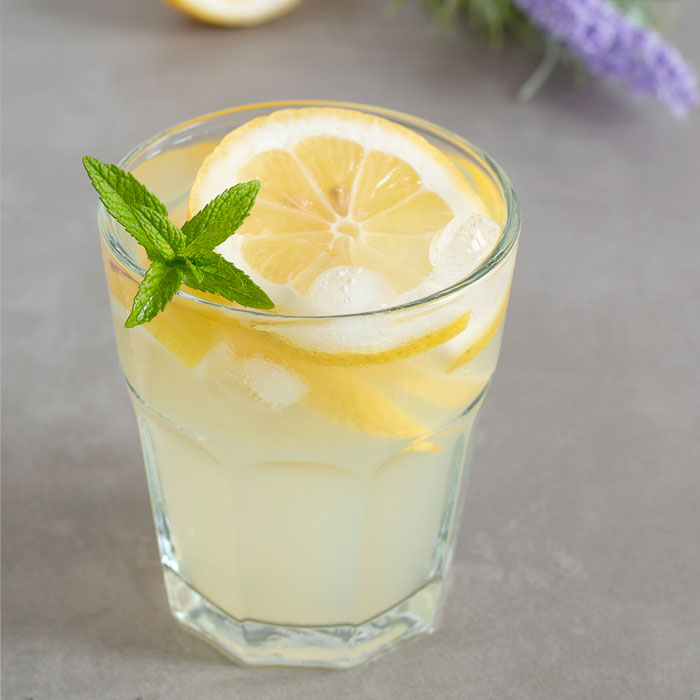
Vodka Lemon is a refreshing cocktail that combines smooth vodka with zesty lemon juice, creating a perfect balance of tartness and sweetness. Often served over ice, it can be garnished with a lemon slice or twist for an extra burst of citrus flavor. This simple yet invigorating drink is ideal for warm days or casual gatherings.
Other cocktail parties Cocktails
Blackthorn
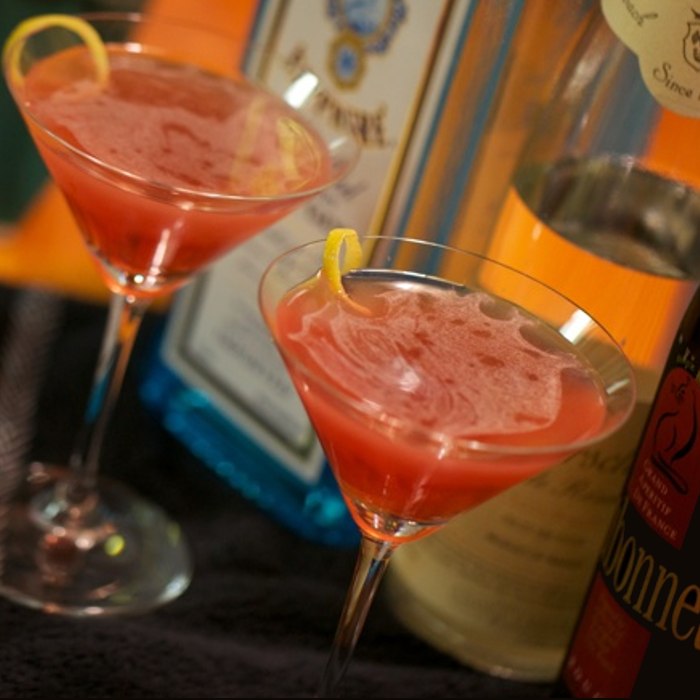
The Blackthorn is a classic cocktail that combines the rich flavors of gin and sweet vermouth, enhanced by a splash of orange bitters. Often garnished with a twist of lemon or an orange peel, this drink offers a balanced blend of herbal and citrus notes, making it a sophisticated choice for any occasion. Its deep, alluring color and smooth finish make it a timeless favorite among cocktail enthusiasts.
Rail Splitter
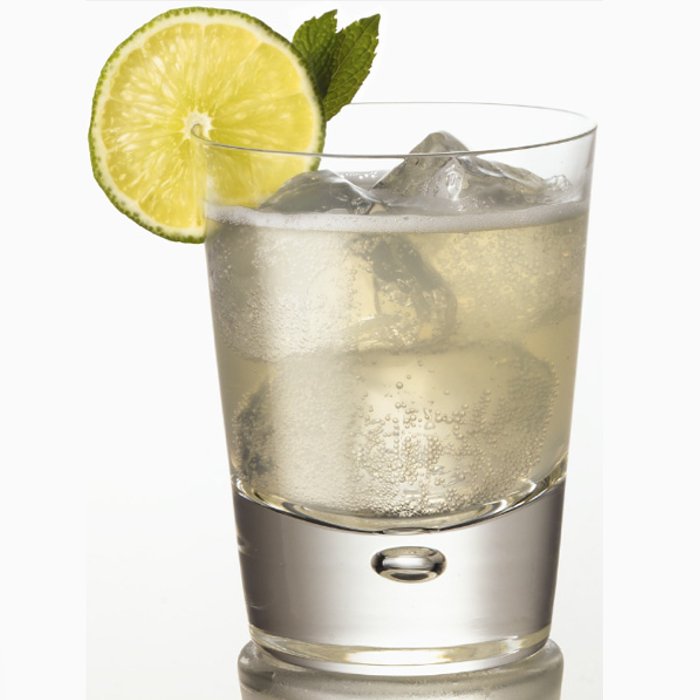
The Rail Splitter is a refreshing cocktail that combines the bold flavors of bourbon with the zesty notes of ginger beer and fresh lime juice. This invigorating drink is typically garnished with a lime wedge, making it a perfect choice for those seeking a spirited yet crisp beverage. Its harmonious blend of sweetness and spice captures the essence of classic American mixology.
Casa Blanca
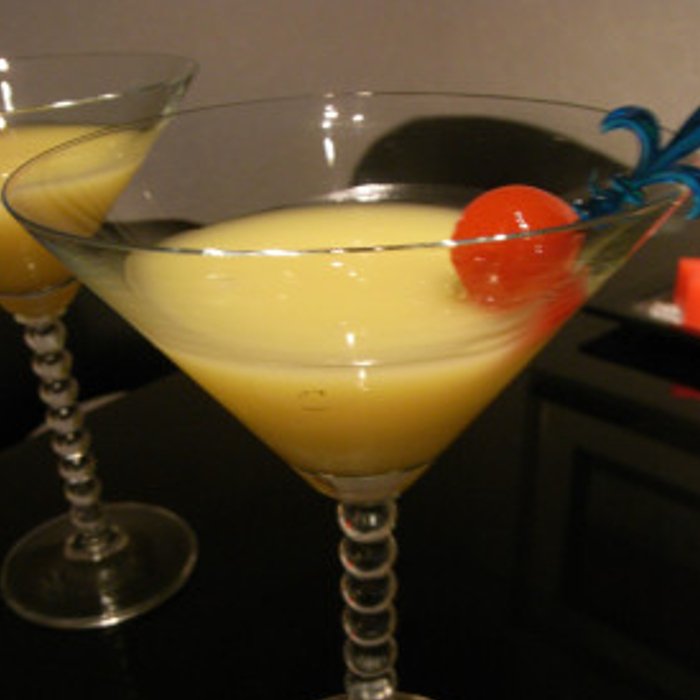
The Casa Blanca is a refreshing cocktail that combines the smoothness of white rum with the zesty brightness of fresh lime juice and the subtle sweetness of orange liqueur. Often garnished with a twist of citrus, this drink offers a delightful balance of flavors, making it a perfect choice for warm evenings or beachside lounging. Its elegant presentation and vibrant taste evoke the charm of its namesake, transporting you to a sun-soaked paradise with every sip.
Vesuvio
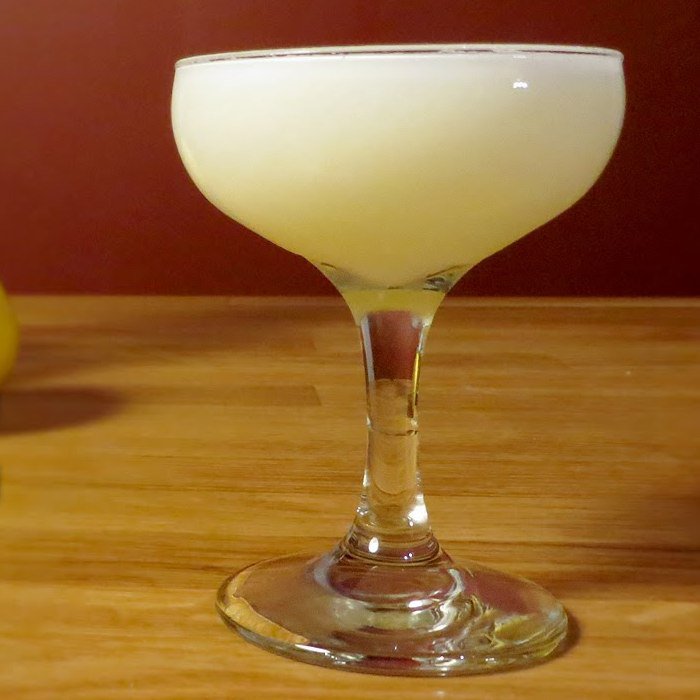
The Vesuvio is a vibrant cocktail that captures the fiery spirit of its namesake volcano. Combining the bold flavors of gin, sweet vermouth, and fresh citrus, it offers a refreshing yet complex taste experience, often garnished with a twist of lemon or an olive. Perfect for those seeking a drink that ignites the senses, the Vesuvio is a delightful choice for any occasion.
Similar Flavor Profiles
Casa Blanca
The Casa Blanca is a refreshing cocktail that combines the smoothness of white rum with the zesty brightness of fresh lime juice and the subtle sweetness of orange liqueur. Often garnished with a twist of citrus, this drink offers a delightful balance of flavors, making it a perfect choice for warm evenings or beachside lounging. Its elegant presentation and vibrant taste evoke the charm of its namesake, transporting you to a sun-soaked paradise with every sip.

Kentucky B And B
The Kentucky B and B is a delightful cocktail that blends the rich flavors of bourbon with the herbal notes of Benedictine liqueur. Served over ice with a twist of lemon, this drink offers a smooth and warming experience, perfect for sipping on a cozy evening. Its harmonious balance of sweetness and depth makes it a sophisticated choice for bourbon lovers.
Whitecap Margarita
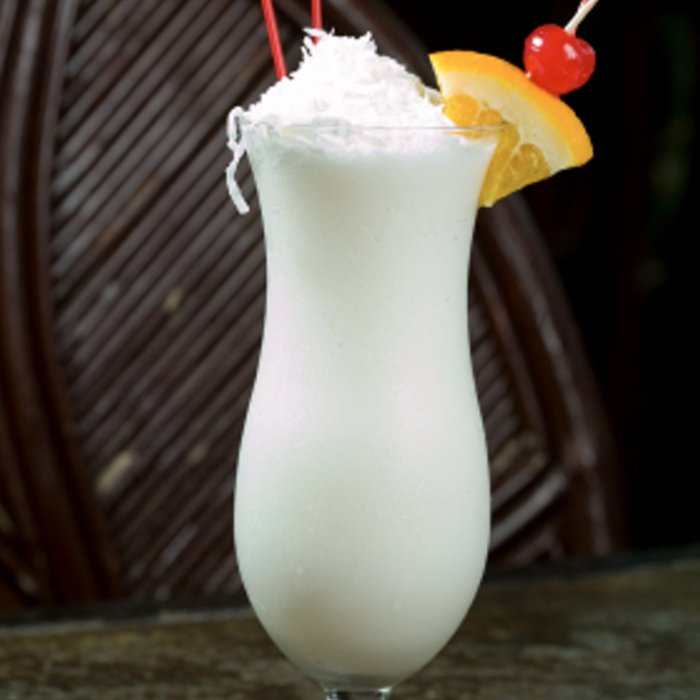
The Whitecap Margarita is a refreshing twist on the classic cocktail, blending smooth tequila with zesty lime juice and a splash of orange liqueur. Topped with a frothy layer of whipped egg whites, it delivers a creamy texture and a delightful presentation, making it perfect for any occasion. Garnished with a salt rim and a lime wedge, this drink captures the essence of sun-soaked beaches and vibrant summer nights.
Bobby Burns Cocktail
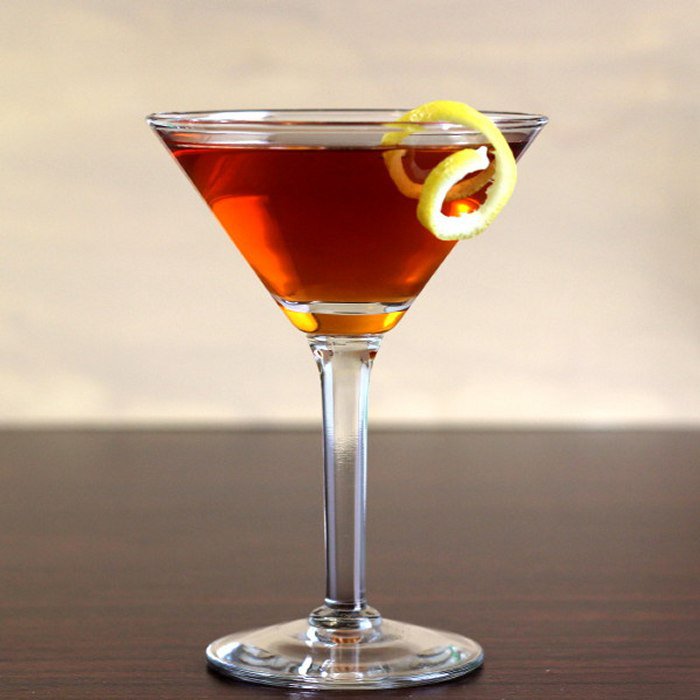
The Bobby Burns Cocktail is a classic whiskey-based drink that combines Scotch whisky, sweet vermouth, and a dash of orange bitters, creating a rich and aromatic flavor profile. Often garnished with a lemon twist, this cocktail pays homage to the Scottish poet Robert Burns and offers a sophisticated balance of sweetness and warmth, making it a perfect choice for whiskey lovers.
Advertisement