Cocktail
Martini
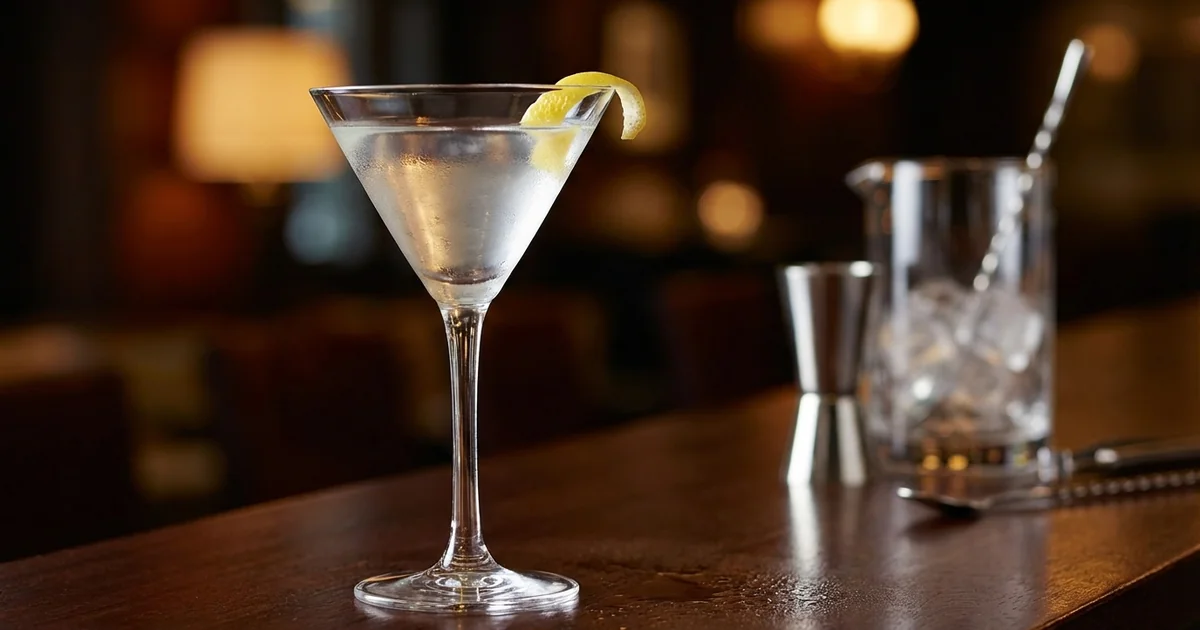
The Martini is a classic cocktail known for its elegant simplicity, typically made with gin and dry vermouth, and garnished with an olive or a lemon twist. Its crisp, refreshing flavor and sophisticated presentation have made it a timeless favorite among cocktail enthusiasts. Served in a distinctive chilled glass, the Martini embodies a sense of style and refinement, often associated with the glamour of the cocktail culture.
- dry
- crisp
- botanical
- savory

- Prep Time
- 3 min
- Glass
- Cocktail glass
- Difficulty
- Intermediate
- ABV
- 31%
- Yields
- 1 serving
The Martini is a cocktail built on gin, celebrated for its dry and crisp character — a consistently top-searched cocktail hour. Whether you're after a reliable cocktail parties option or simply want to master a classic, this 3-minute recipe is straightforward enough for home bars yet refined enough to impress. Perfect if you've been searching for the best formal event.
Key Takeaways
What you’ll learn
- The classic martini ratio is 2.5:0.5 gin to dry vermouth (5:1), though the spectrum ranges from wet (2:1) to bone-dry — personal preference is the only rule.
- Stirring is the traditional method, producing a silky, crystal-clear cocktail; shaking makes it colder and cloudier but "bruises" the gin.
- Vermouth quality and freshness are as important as the gin — store it refrigerated and replace it every 3–4 weeks after opening.
- The garnish — lemon twist or olive — fundamentally changes the cocktail's aromatics and should be chosen deliberately, not randomly.
- Always pre-chill the glass for at least 15 minutes; a warm glass is the fastest way to ruin an otherwise perfect martini.
Advertisement
Ingredients
- Serves
- 1 serving
- Glass
- Cocktail glass
- Prep
- 3 min
- 1 2/3 ozGin
- 1/3 ozDry Vermouth
- 1Olive
Method
Preparation
- 01
Straight: Pour all ingredients into mixing glass with ice cubes. Stir well. Strain in chilled martini cocktail glass. Squeeze oil from lemon peel onto the drink, or garnish with olive.
Origin
History & Origins
The Martini stands alone at the apex of cocktail culture — a drink so refined, so perfectly balanced, that it has become synonymous with sophistication itself. No cocktail inspires more passionate discussion: from the gin versus vodka debate to the proper vermouth ratio, from stirred versus shaken to olive versus twist, every element of this deceptively simple cocktail has been analyzed, argued, and perfected over more than a century of mixing.
The Martini's origins are disputed. Multiple cities claim the invention — San Francisco's Occidental Hotel, the town of Martinez, California, and New York's Knickerbocker Hotel among them — but what is clear is that the drink emerged in the late 19th century from the Martinez cocktail, a sweeter precursor made with Old Tom gin, sweet vermouth, and maraschino liqueur. As London Dry gin became dominant and tastes moved toward drier expressions, the modern Martini evolved: dry vermouth replaced sweet, and the ratio tilted increasingly spirit-forward through the 20th century.
Multiple cities claim the invention — San Francisco's Occidental Hotel, the town of Martinez, California, and New York's Knickerbocker Hotel among them — but what is clear is that the drink emerged in the late 19th century from the Martinez cocktail, a sweeter precursor made with Old Tom gin, sweet vermouth, and maraschino liqueur.
The vodka martini gained prominence in the 1950s and 60s when vodka entered the American market, famously championed by Ian Fleming's James Bond. His "shaken, not stirred" prescription started one of cocktail culture's most enduring debates, though the gin-and-stir traditionalists have always maintained their ground. Today the Martini is a benchmark by which bartenders and bars are judged — a drink whose two-ingredient simplicity is deceptive, concealing depths that reveal themselves differently depending on the gin, vermouth, ratio, technique, and garnish chosen.
Advertisement
Bartender’s Insight
Pro Tips
Stir for a full 30 seconds with a bar spoon in smooth, fluid motions. This chills the drink while adding approximately 20–25% dilution — under-stirring leaves it hot and unbalanced.
From Elena
Use large, clear ice cubes in your mixing glass. Small or cloudy ice melts too quickly, over-diluting before you've properly chilled the cocktail.
Refrigerate your dry vermouth and replace it every 3–4 weeks after opening. Oxidized vermouth tastes flat and vinegary and is the most common cause of a disappointing martini at home.
Express the lemon twist properly: hold the peel skin-side down over the drink and snap it sharply to spray a fine mist of citrus oils. Rub the rim, then either drop it in or discard based on preference.
Try a wet martini (2:1 gin to vermouth) before committing to an ultra-dry style — the vermouth's herbal complexity at higher proportions is what makes the martini interesting rather than just cold gin.
At the Table
Perfect Pairings
Beyond the Classic
Variations
Dirty Martini
Add 0.5 oz of olive brine to the standard recipe. (2.5 oz gin, 0.5 oz dry vermouth, 0.5 oz olive brine, olive garnish.) The brine adds saltiness and umami, creating a cocktail that tastes almost savory. Go easy — too much brine creates an unbalanced, overly salty drink.
Perfect Martini
Replace the dry vermouth with equal parts dry and sweet vermouth. (2.5 oz gin, 0.25 oz dry vermouth, 0.25 oz sweet vermouth, lemon twist.) "Perfect" is a technical term meaning equal parts sweet and dry. The sweet vermouth adds vanilla and spice notes, creating a rounder martini.
Gibson
Identical to a classic Martini but garnished with cocktail onions instead of olives or lemon. The pickled onions add a different savory dimension — subtle sweetness alongside the brine that transforms the aromatic experience with every sip.
Vesper
James Bond's signature cocktail from Casino Royale: 3 oz gin, 1 oz vodka, 0.5 oz Lillet Blanc, lemon twist. Stronger and more complex than a standard Martini, with the Lillet adding citrus and honey notes. Shaken per Bond's instruction.
Watch
See it in action
Questions
Frequently Asked
- The Martini has a flavor profile that is dry, crisp, botanical, savory. It is crafted to balance these characteristics into a harmonious, satisfying drink that appeals to a wide range of palates.
- The Martini is ideal for cocktail parties, formal dinners, celebrations. Its flavor profile and presentation make it a versatile choice that works equally well as a social cocktail or a relaxed evening drink.
- Yes, there are several ways to adapt a Martini. If you cannot source Gin, look for a similar alternative that matches its flavor profile. Keep in mind that substitutions may alter the balance of the cocktail, so start with a smaller quantity and adjust to taste. The variations section above lists popular alternatives bartenders use.
- Some of the most popular Martini variations include Dirty Martini, Perfect Martini, Gibson. Each variation puts a unique twist on the original recipe while retaining the essential character of the classic cocktail.
- The Martini is traditionally served in a Cocktail glass. Using the right glassware is important because it affects the aroma, temperature retention, and overall drinking experience. If you do not have a Cocktail glass on hand, a similar shaped glass will work.
- Yes, a mocktail version of the Martini is possible. Replace the base spirit with a non-alcoholic spirit alternative (there are many quality options available) and keep all other components the same. The result will capture much of the original's flavor profile while being suitable for guests who prefer alcohol-free options.
Other Gin Cocktails
Blackthorn
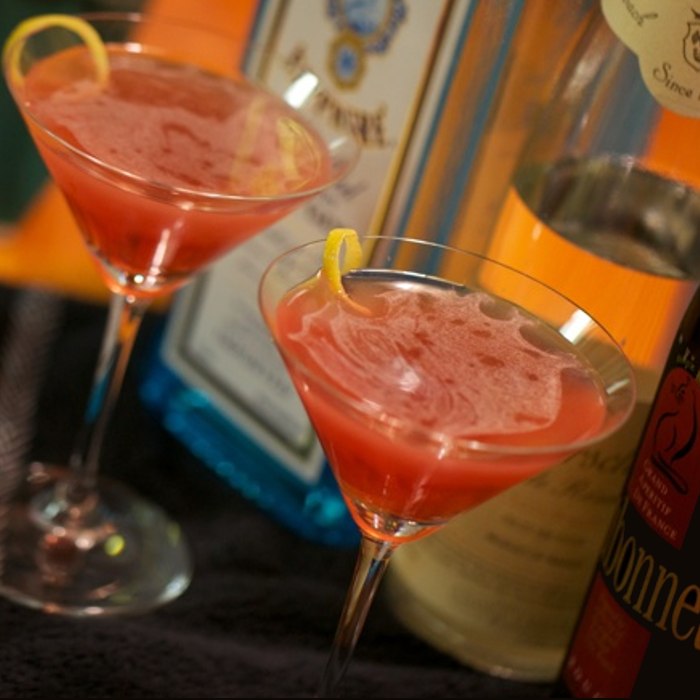
The Blackthorn is a classic cocktail that combines the rich flavors of gin and sweet vermouth, enhanced by a splash of orange bitters. Often garnished with a twist of lemon or an orange peel, this drink offers a balanced blend of herbal and citrus notes, making it a sophisticated choice for any occasion. Its deep, alluring color and smooth finish make it a timeless favorite among cocktail enthusiasts.
Rail Splitter
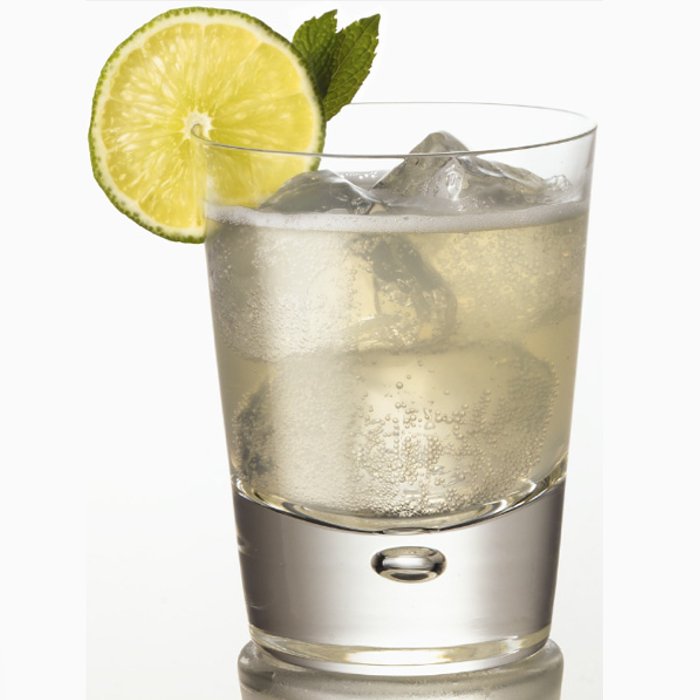
The Rail Splitter is a refreshing cocktail that combines the bold flavors of bourbon with the zesty notes of ginger beer and fresh lime juice. This invigorating drink is typically garnished with a lime wedge, making it a perfect choice for those seeking a spirited yet crisp beverage. Its harmonious blend of sweetness and spice captures the essence of classic American mixology.
The Philosopher
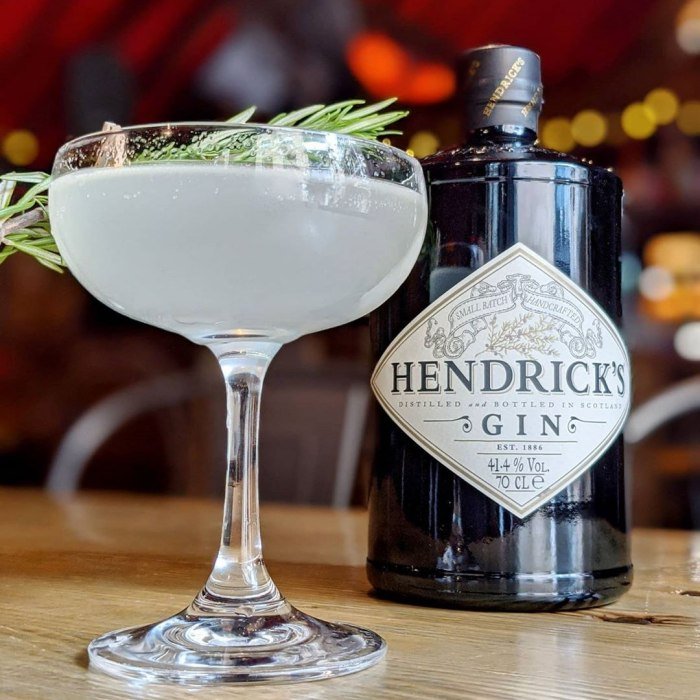
The Philosopher is a thought-provoking cocktail that blends the complexities of life in a glass, featuring a harmonious mix of gin, elderflower liqueur, fresh lemon juice, and a hint of herbal bitters. Garnished with a sprig of rosemary, this refreshing drink invites contemplation and conversation, making it the perfect companion for deep discussions or a quiet evening of introspection. Sip slowly and ponder the mysteries of existence with each delightful taste.
Ace
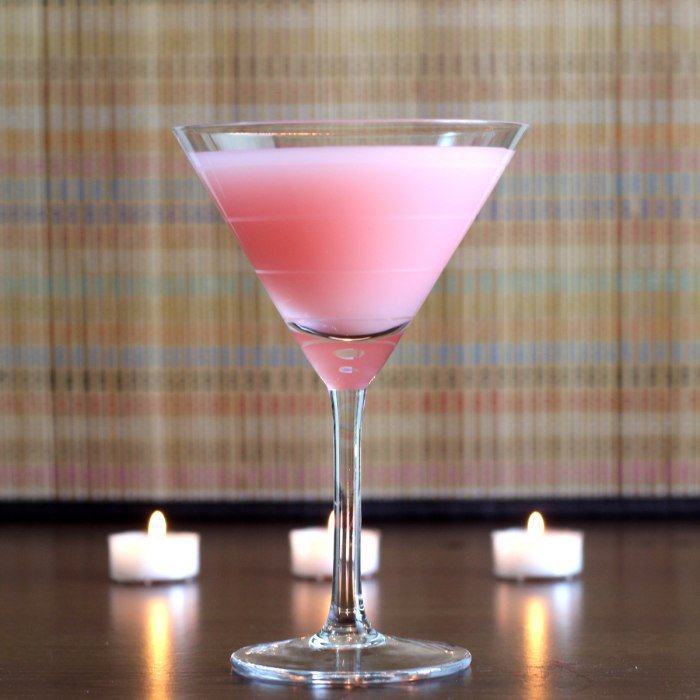
The Ace cocktail is a refreshing blend of gin, elderflower liqueur, and fresh lemon juice, creating a vibrant and zesty flavor profile. Garnished with a sprig of mint and a twist of lemon peel, it offers a delightful balance of sweetness and tartness, making it the perfect drink for any occasion. Enjoy it chilled to elevate your spirits!
Other cocktail parties Cocktails
Blackthorn
The Blackthorn is a classic cocktail that combines the rich flavors of gin and sweet vermouth, enhanced by a splash of orange bitters. Often garnished with a twist of lemon or an orange peel, this drink offers a balanced blend of herbal and citrus notes, making it a sophisticated choice for any occasion. Its deep, alluring color and smooth finish make it a timeless favorite among cocktail enthusiasts.
Rail Splitter
The Rail Splitter is a refreshing cocktail that combines the bold flavors of bourbon with the zesty notes of ginger beer and fresh lime juice. This invigorating drink is typically garnished with a lime wedge, making it a perfect choice for those seeking a spirited yet crisp beverage. Its harmonious blend of sweetness and spice captures the essence of classic American mixology.
Casa Blanca
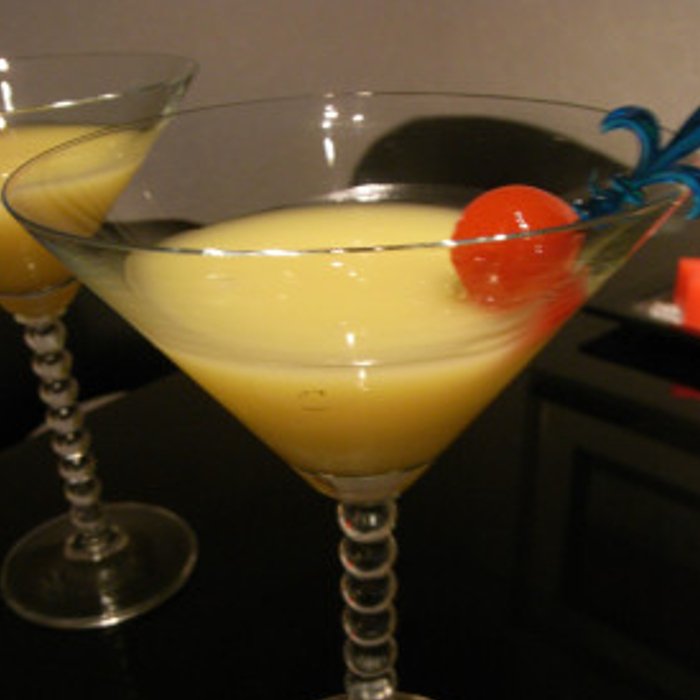
The Casa Blanca is a refreshing cocktail that combines the smoothness of white rum with the zesty brightness of fresh lime juice and the subtle sweetness of orange liqueur. Often garnished with a twist of citrus, this drink offers a delightful balance of flavors, making it a perfect choice for warm evenings or beachside lounging. Its elegant presentation and vibrant taste evoke the charm of its namesake, transporting you to a sun-soaked paradise with every sip.
Vesuvio
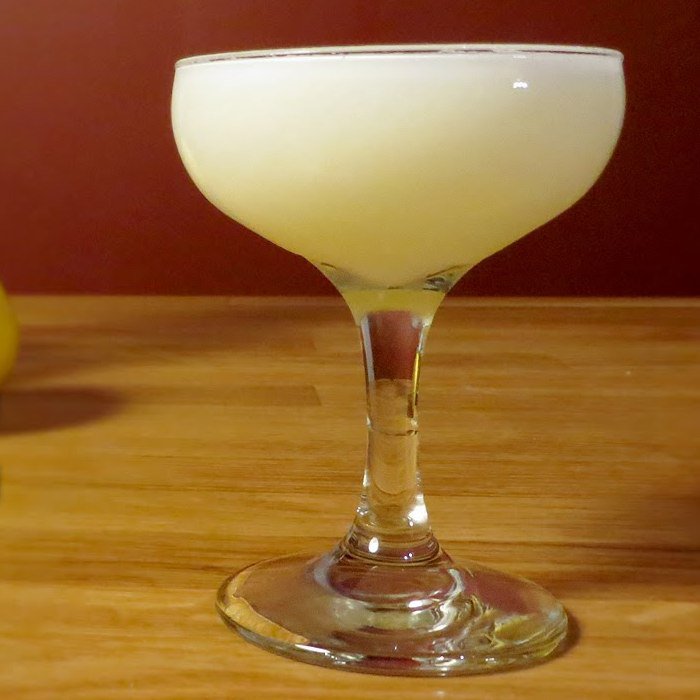
The Vesuvio is a vibrant cocktail that captures the fiery spirit of its namesake volcano. Combining the bold flavors of gin, sweet vermouth, and fresh citrus, it offers a refreshing yet complex taste experience, often garnished with a twist of lemon or an olive. Perfect for those seeking a drink that ignites the senses, the Vesuvio is a delightful choice for any occasion.
Similar Flavor Profiles
Gin and Soda
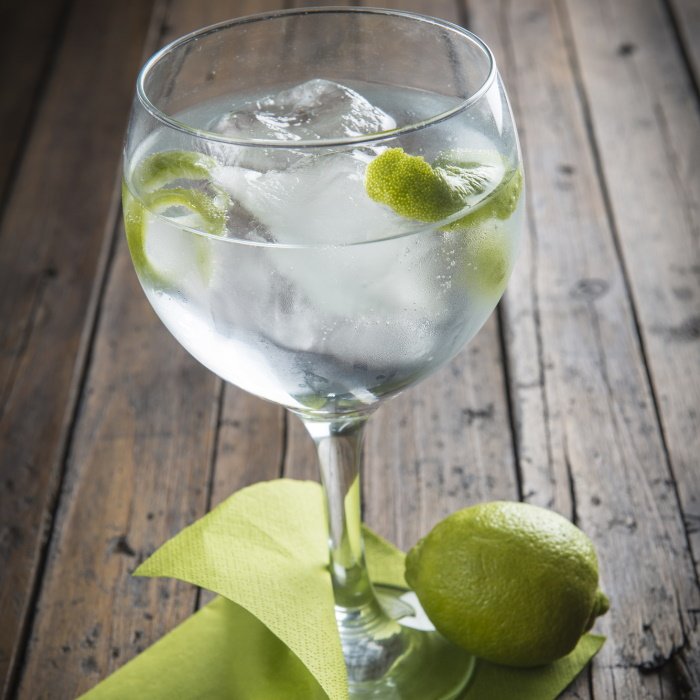
The Gin and Soda is a refreshing and simple cocktail that combines the crisp flavors of gin with the effervescence of soda water. Served over ice and often garnished with a slice of lime or lemon, this drink is perfect for those who enjoy a light, invigorating beverage that highlights the botanical notes of the gin. Its versatility makes it a popular choice for any occasion, from casual gatherings to elegant soirées.
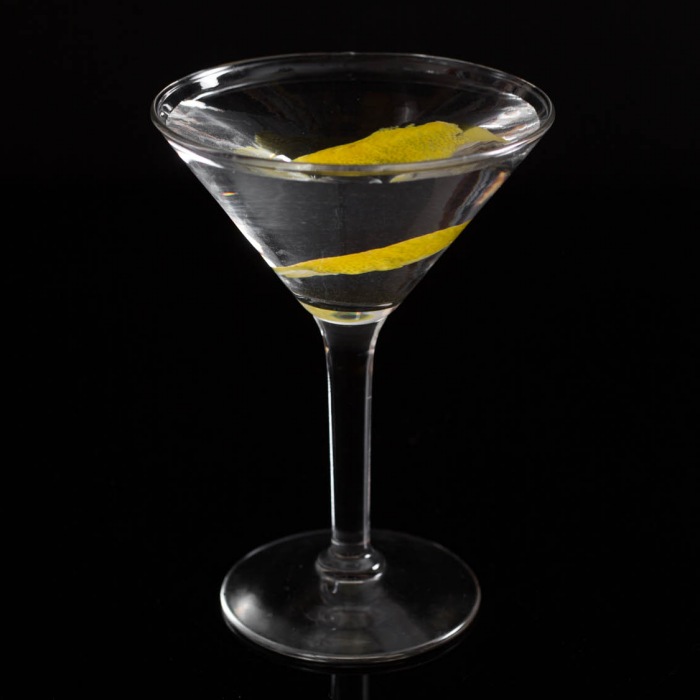
Vodka Martini
The Vodka Martini is a classic cocktail that combines the smoothness of premium vodka with a hint of dry vermouth, typically garnished with an olive or a twist of lemon. Served chilled in a sleek martini glass, this sophisticated drink is known for its crisp and refreshing flavor, making it a timeless choice for cocktail enthusiasts. Whether shaken or stirred, the Vodka Martini embodies elegance and simplicity in every sip.
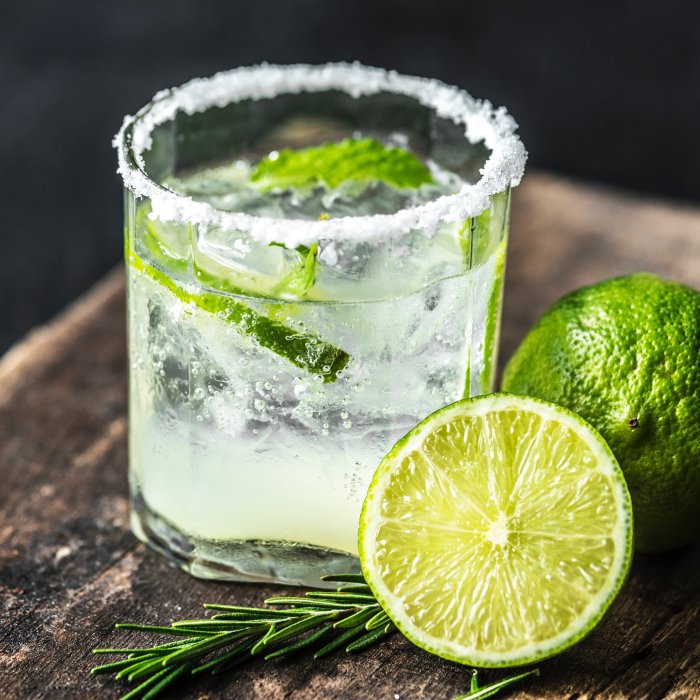
Gin And Tonic
The Gin and Tonic is a classic cocktail that combines the crisp, botanical flavors of gin with the refreshing effervescence of tonic water, typically garnished with a slice of lime or lemon. Its invigorating taste and simple preparation make it a popular choice for warm evenings and social gatherings. This timeless drink perfectly balances the herbal notes of gin with the slight bitterness of tonic, creating a refreshing and sophisticated beverage.
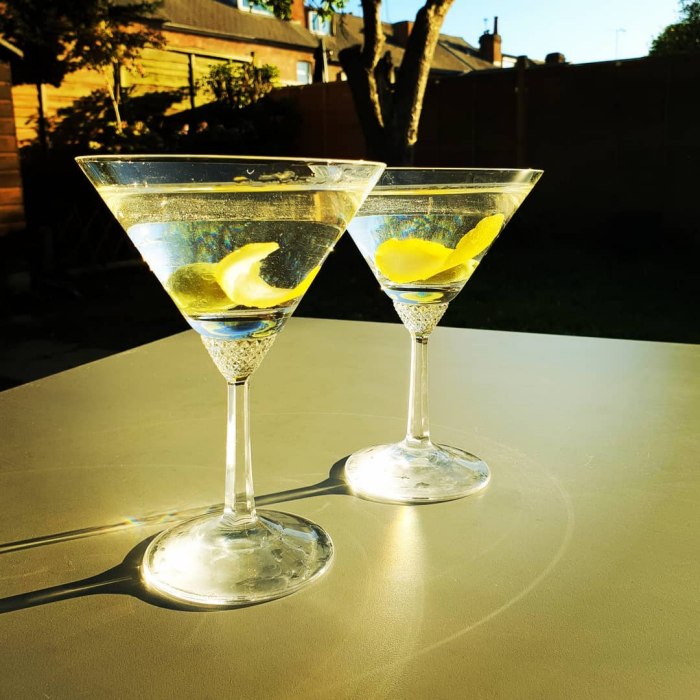
Dry Martini
The Dry Martini is a classic cocktail known for its crisp and sophisticated flavor. Traditionally made with gin and dry vermouth, it is garnished with an olive or a lemon twist, offering a refreshing balance of herbal and botanical notes. This iconic drink embodies elegance and is often associated with refined social settings.
Advertisement