Spirit Guide
Rum Cocktails: Essential Recipes & Spirit Guide
About Rum
Rum cocktails represent one of the most diverse and exciting categories in mixology. From the elegant simplicity of a perfectly balanced Daiquiri to the tropical complexity of a Mai Tai, rum's versatility creates an unparalleled range of drinking experiences. Unlike spirits with more rigid flavor profiles, rum spans an incredible spectrum — a light Puerto Rican rum shares little in common with a heavy Jamaican pot still rum or a rich Demerara from Guyana. This diversity means that understanding rum styles isn't just helpful background knowledge; it's the key to unlocking the full potential of every recipe. The cocktails in this collection cover white rum's refreshing citrus-driven drinks, aged rum's complex tiki creations, and dark rum's warming winter expressions.
Flavor Notes
What Rum tastes like
- Molasses sweetness — the defining note of most rums: brown sugar, caramel, and tropical fruit derived from sugarcane byproducts
- Funky ester character (Jamaican style) — overripe banana, tropical fruit, and pungent depth from long fermentation and pot-still distillation
- Oak and vanilla (aged rums) — barrel aging contributes toffee, dried fruit, and warm spice that round out the spirit's sweetness
- Grassy terroir (rhum agricole) — fresh sugarcane juice distillation creates vegetal, mineral complexity completely different from molasses-based rum
- Rich molasses depth (dark rum) — concentrated coffee, chocolate, and dark fruit notes that hold their own against bold mixers
Buying Guide
What to look for
- Quality white rum (e.g. Flor de Caña 4 Year, Banks 5 Island, Plantation 3 Stars) — the essential base for Daiquiris, Mojitos, and Piña Coladas
- Aged Jamaican rum (e.g. Appleton Estate 8 Year, Smith & Cross) — funky pot-still character essential for authentic Mai Tais and tiki cocktails
- Dark rum (e.g. Gosling's Black Seal, Myers's Original Dark) — rich molasses and oak for Dark n' Stormy, Hot Buttered Rum, and winter drinks
- Overproof rum (e.g. Wray & Nephew, Lemon Hart 151) — small amounts add powerful backbone to tiki punches; handle with respect
- Premium aged rum (e.g. El Dorado 12 Year, Diplomatico Reserva Exclusiva) — sipping quality that also elevates spirit-forward rum cocktails
History
The Story of Rum
Rum's origin is inseparable from the brutal history of the Atlantic sugar trade. The spirit emerged in the 17th-century Caribbean when plantation workers discovered that molasses — a viscous byproduct of sugar refining — could be fermented and distilled into a potent drink. Barbados is generally credited with the first recorded rum production around 1620, though similar spirits were likely being made simultaneously across the sugar-growing islands. The earliest colonial accounts describe the drink as "kill-devil," a name that speaks to both its potency and its dubious quality.
By the mid-1600s, rum had become central to the triangular trade routes connecting Britain, West Africa, and the Americas. It was traded for enslaved people in Africa, produced in the Caribbean through enslaved labour, and shipped to New England where distilleries refined it further. Rum became the economic engine of New England's prosperity and one of the most politically charged commodities of the colonial era — Britain's Molasses Act of 1733, restricting colonial trade with French Caribbean islands, is widely considered a contributing factor to American revolutionary sentiment.
The 20th century transformed rum's global image from naval ration and working-class drink to the spirit of escapism and leisure. Don the Beachcomber's Hollywood tiki bar (1934) and Trader Vic's empire introduced complex, layered rum drinks to middle-class America at exactly the moment when tropical escapism offered relief from Depression-era anxieties. The tiki movement's legacy persists today in the renewed appreciation for Jamaican pot still rums, overproof expressions, and the meticulous blending philosophy that produces authentic Mai Tais and Zombies.
Key Takeaways
What you’ll learn
- Rum's diverse styles from white to aged create endless cocktail possibilities across radically different flavor profiles
- A well-curated three-bottle rum collection (quality white, aged Jamaican, dark) covers 90% of classic cocktail recipes
- Understanding Caribbean rum origins — Cuban, Jamaican, British-style, and rhum agricole — is key to authentic flavor in regional recipes
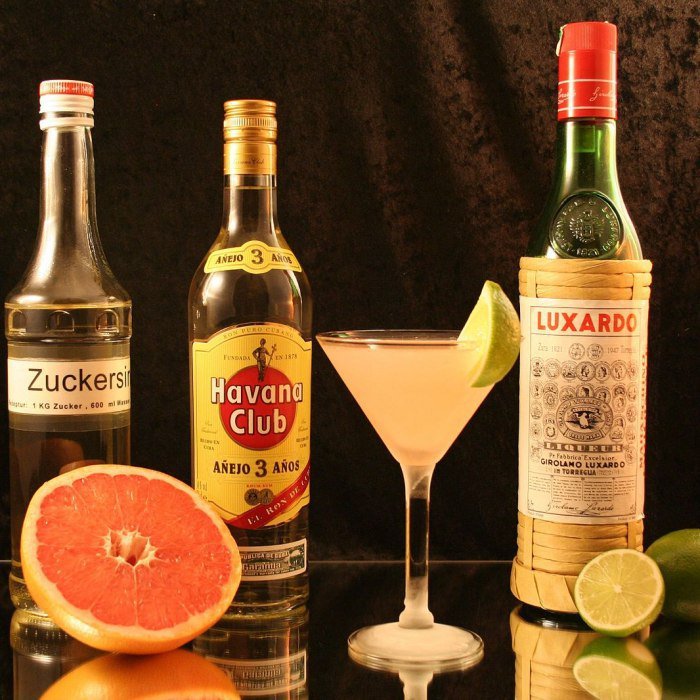
- The Daiquiri is the best test of rum quality: just three ingredients, nowhere to hide, and the rum must shine
- Jamaican rum's distinctive funk from high ester content is non-negotiable for authentic tiki cocktails like the Mai Tai