Ordinary Drink
Daiquiri
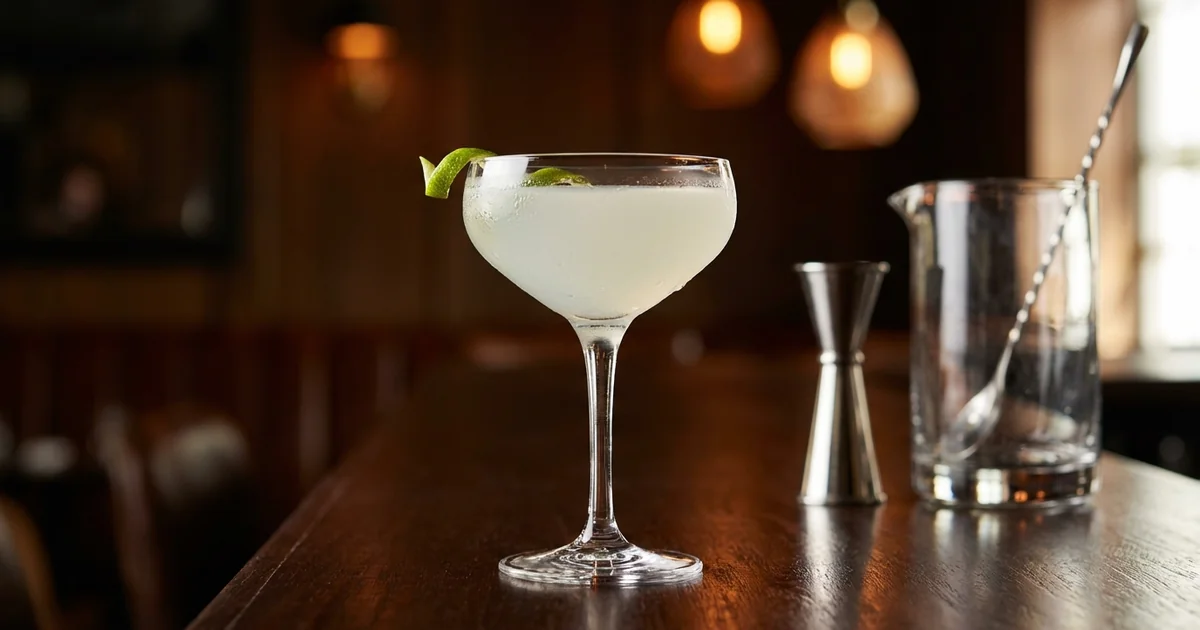
El Daiquiri es un cóctel clásico que combina ron, jugo de limón fresco y azúcar, creando una mezcla refrescante y equilibrada. Originario de Cuba, se sirve tradicionalmente en una copa de cóctel y es conocido por su sabor cítrico y su versatilidad, pudiendo adaptarse a diferentes frutas y variaciones. Perfecto para disfrutar en un día caluroso, el Daiquiri es un favorito en muchas playas y bares alrededor del mundo.
- ácido
- dulce
- afrutado
- refrescante
- Prep Time
- 5 min
- Glass
- Cocktail glass
- Difficulty
- Easy
- ABV
- 16%
- Yields
- 1 serving
El Daiquiri es un ordinary drink con rum como protagonista, listo en 5 minutos. El resultado es un sabor ácido and dulce que merece cada minuto. Constantemente entre las búsquedas más populares de "playa".
Key Takeaways
What you’ll learn
- The authentic classic daiquiri uses only three ingredients: white rum, fresh lime juice, and simple syrup in a 2:1:0.75 ratio that has been perfected over a century.
- Vigorous shaking for 15–20 seconds is non-negotiable — proper dilution (approximately 25% water) is what makes the drink balanced rather than harsh.
- Fresh lime juice is essential; bottled juice lacks the aromatic oils and bright acidity that define the cocktail.
- The original daiquiri was created around 1898–1900 by American mining engineer Jennings Cox near Santiago de Cuba, and later perfected at El Floridita in Havana.
- The classic daiquiri bears almost no resemblance to frozen, sugary versions — it is a sophisticated, spirit-forward cocktail served up in a chilled coupe.
Advertisement
Ingredients
- Serves
- 1 serving
- Glass
- Cocktail glass
- Prep
- 5 min
- 1 1/2 ozLight rum
- Juice of 1/2Lime
- 1 tspPowdered sugar
Method
Preparation
- 01
Vierte todos los ingredientes en una coctelera con cubos de hielo. Agita bien. Cuela en una copa de cóctel fría.
Origin
History & Origins
Few cocktails embody the elegance of simplicity quite like the classic daiquiri. Born in the copper mines of Cuba at the turn of the 20th century and perfected in the legendary bars of Havana, this three-ingredient masterpiece captured the hearts of icons like Ernest Hemingway and John F. Kennedy.
The daiquiri was likely invented around 1898–1900 by Jennings Cox, an American mining engineer working near Santiago de Cuba in a village called Daiquirí. The story goes that Cox ran out of gin while entertaining American guests and substituted the local rum, adding lime and sugar to make it more palatable. The drink remained a regional specialty until it made its way to Havana, where it was refined and popularized at El Floridita bar — "the cradle of the daiquiri." The bar's legendary bartender, Constantino Ribalaigua Vert, is credited with perfecting the recipe and creating numerous variations.
The drink remained a regional specialty until it made its way to Havana, where it was refined and popularized at El Floridita bar — "the cradle of the daiquiri." The bar's legendary bartender, Constantino Ribalaigua Vert, is credited with perfecting the recipe and creating numerous variations.
Ernest Hemingway famously made El Floridita his second home during his years in Cuba (1939–1960). His preferred variation — the Hemingway Daiquiri or "Papa Doble" — doubled the rum, eliminated the sugar, and added grapefruit juice and maraschino liqueur. A plaque at his favorite corner of the bar reads: "My mojito in La Bodeguita, my daiquiri in El Floridita." The daiquiri became enormously popular in the United States during the 1940s–50s, served at sophisticated cocktail lounges and enjoyed by presidents. The craft cocktail renaissance of the early 2000s restored the classic to prominence, and today any respectable cocktail bar proudly serves an authentic daiquiri as a benchmark of fundamental skills.
Advertisement
Bartender’s Insight
Pro Tips
Use ron blanco para la claridad clásica
From Kai
El jugo de lima fresco es innegociable
El jarabe simple debe ser en proporción 1:1
Servir en copa helada
At the Table
Perfect Pairings
Beyond the Classic
Variations
Daiquiri Congelado
Mezclado con hielo para una textura cremosa y granizada
Daiquiri de Fresa
Agrega fresas frescas para una variación afrutada y refrescante
Daiquiri de Hemingway
Incluye jugo de toronja y licor de marrasquino, más complejo que el clásico
Watch
See it in action
Questions
Frequently Asked
- The Daiquiri has a flavor profile that is ácido, dulce, afrutado, refrescante. It is crafted to balance these characteristics into a harmonious, satisfying drink that appeals to a wide range of palates.
- The Daiquiri is ideal for fiestas de verano, celebraciones familiares, cenas elegantes. Its flavor profile and presentation make it a versatile choice that works equally well as a social cocktail or a relaxed evening drink.
- Yes, there are several ways to adapt a Daiquiri. If you cannot source Light rum, look for a similar alternative that matches its flavor profile. Keep in mind that substitutions may alter the balance of the cocktail, so start with a smaller quantity and adjust to taste. The variations section above lists popular alternatives bartenders use.
- Some of the most popular Daiquiri variations include Daiquiri Congelado, Daiquiri de Fresa, Daiquiri de Hemingway. Each variation puts a unique twist on the original recipe while retaining the essential character of the classic cocktail.
- The Daiquiri is traditionally served in a Cocktail glass. Using the right glassware is important because it affects the aroma, temperature retention, and overall drinking experience. If you do not have a Cocktail glass on hand, a similar shaped glass will work.
- Yes, a mocktail version of the Daiquiri is possible. Replace the base spirit with a non-alcoholic spirit alternative (there are many quality options available) and keep all other components the same. The result will capture much of the original's flavor profile while being suitable for guests who prefer alcohol-free options.
Other Rum Cocktails
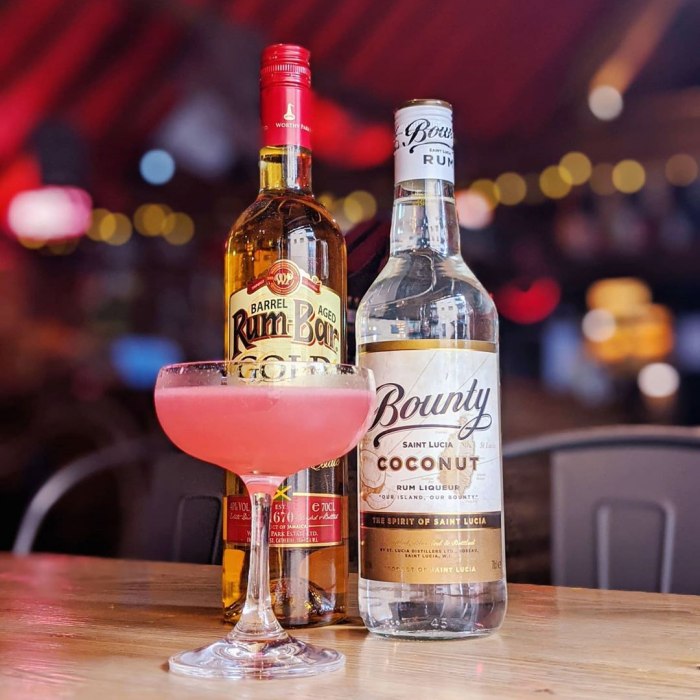
Bounty Hunter
El "Bounty Hunter" es un cóctel exótico que combina ron oscuro, jugo de piña y un toque de jarabe de coco, evocando sabores tropicales que transportan a una isla paradisíaca. Decorado con una rodaja de piña y una cereza, este trago es perfecto para aquellos que buscan una aventura refrescante en cada sorbo. Ideal para disfrutar en una tarde soleada o en una fiesta temática.
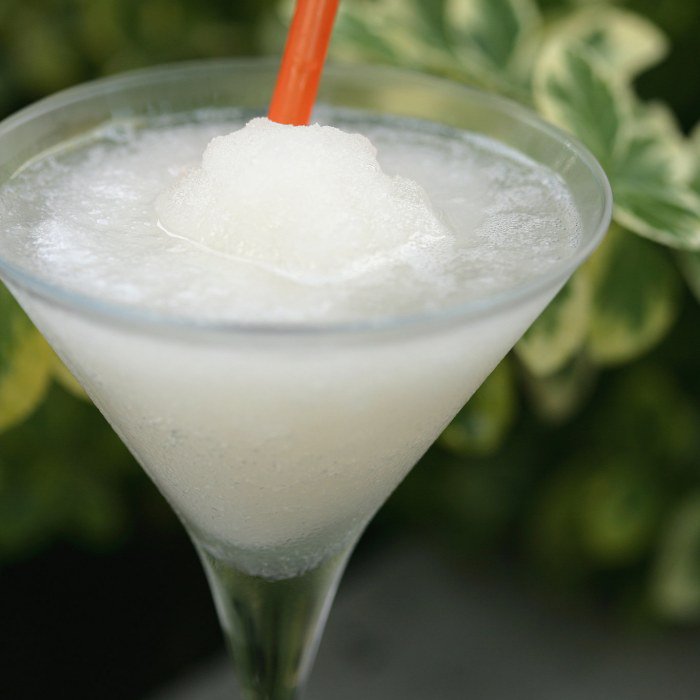
Frozen Daiquiri
El Daiquiri Helado es un cóctel refrescante y delicioso que combina ron, jugo de limón fresco y azúcar, todo mezclado con hielo triturado hasta obtener una textura suave y congelada. Perfecto para disfrutar en un día caluroso, este trago tropical ofrece un equilibrio perfecto entre acidez y dulzura. Su presentación vibrante y su sabor irresistible lo convierten en una opción ideal para cualquier ocasión festiva.
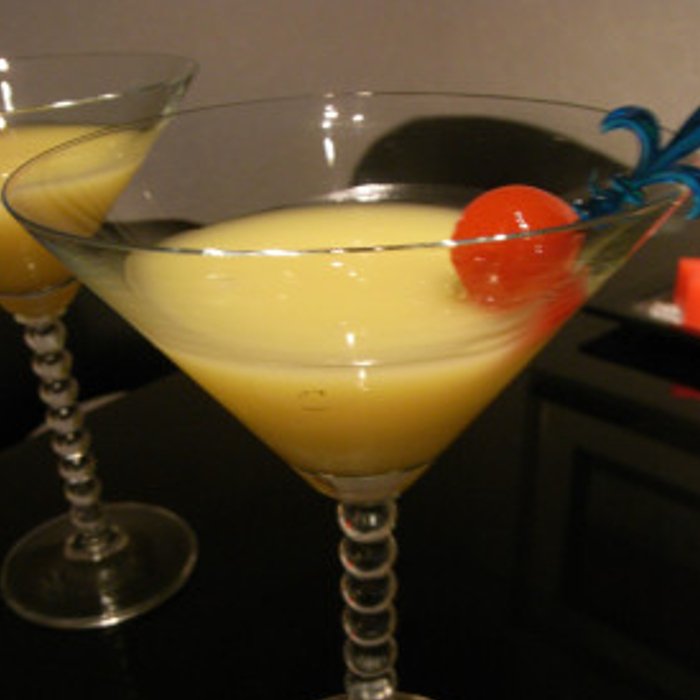
Casa Blanca
El Casa Blanca es un cóctel refrescante y elegante que combina la suavidad del ron blanco con el sabor cítrico del jugo de limón y un toque de licor de naranja. Servido en una copa de cóctel, este trago es perfecto para disfrutar en una tarde soleada. Su equilibrio de sabores lo convierte en una opción ideal para los amantes de las bebidas sofisticadas.
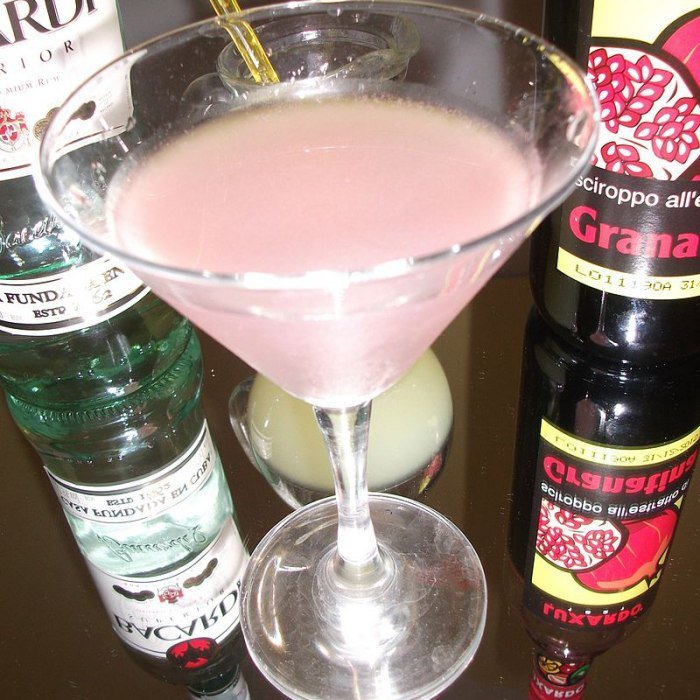
Bacardi Cocktail
El Bacardi Cocktail es una bebida refrescante y vibrante que combina ron Bacardi, jugo de limón y jarabe de granadina. Su color rojo brillante y su sabor equilibrado lo convierten en una opción perfecta para disfrutar en cualquier ocasión. Este cóctel clásico evoca el espíritu caribeño y es ideal para los amantes de los sabores tropicales.
Other fiestas de verano Cocktails
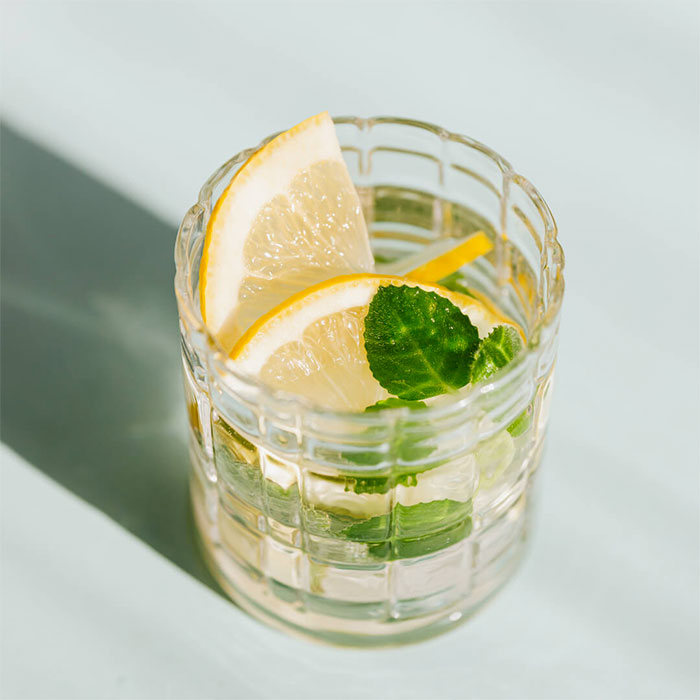
Vodka Tonic
El Vodka Tonic es un cóctel refrescante y sencillo que combina vodka de alta calidad con agua tónica, creando una bebida equilibrada y burbujeante. Se sirve generalmente en un vaso alto, adornado con una rodaja de limón o lima, lo que realza su sabor y aroma. Ideal para cualquier ocasión, es una opción popular entre los amantes de los cócteles.
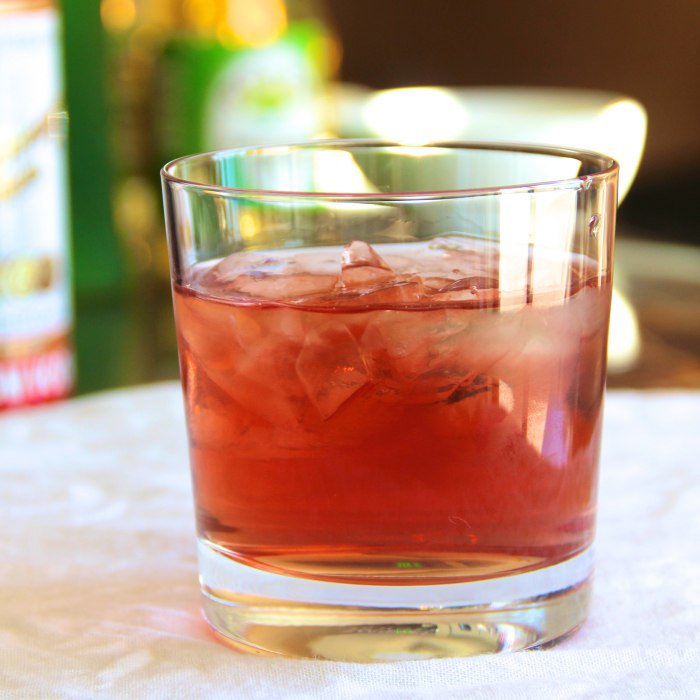
Kool-Aid Shot
El 'Kool-Aid Shot' es un cóctel vibrante y divertido que combina el sabor afrutado de Kool-Aid con un toque de licor, creando una explosión de color y sabor en cada sorbo. Perfecto para fiestas y reuniones, este trago es fácil de preparar y seguro que alegrará el ambiente. ¡Disfrútalo frío y comparte la diversión!
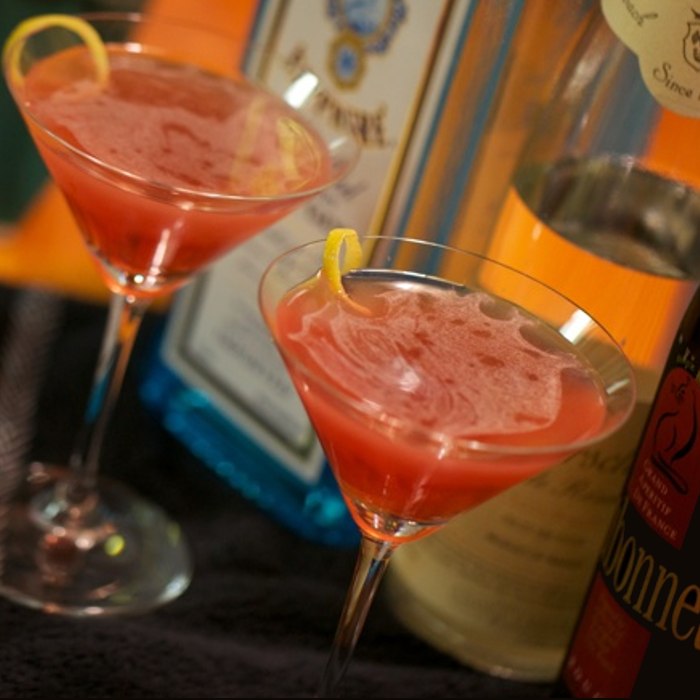
Blackthorn
El Blackthorn es un cóctel clásico que combina la suavidad del gin con el sabor profundo del vermut dulce y un toque de amargo de angostura. Su color oscuro y seductor, junto con su perfil de sabor equilibrado, lo convierten en una opción perfecta para quienes buscan una bebida elegante y sofisticada. Ideal para disfrutar en una noche especial o como aperitivo antes de una cena.
Bounty Hunter
El "Bounty Hunter" es un cóctel exótico que combina ron oscuro, jugo de piña y un toque de jarabe de coco, evocando sabores tropicales que transportan a una isla paradisíaca. Decorado con una rodaja de piña y una cereza, este trago es perfecto para aquellos que buscan una aventura refrescante en cada sorbo. Ideal para disfrutar en una tarde soleada o en una fiesta temática.
Similar Flavor Profiles
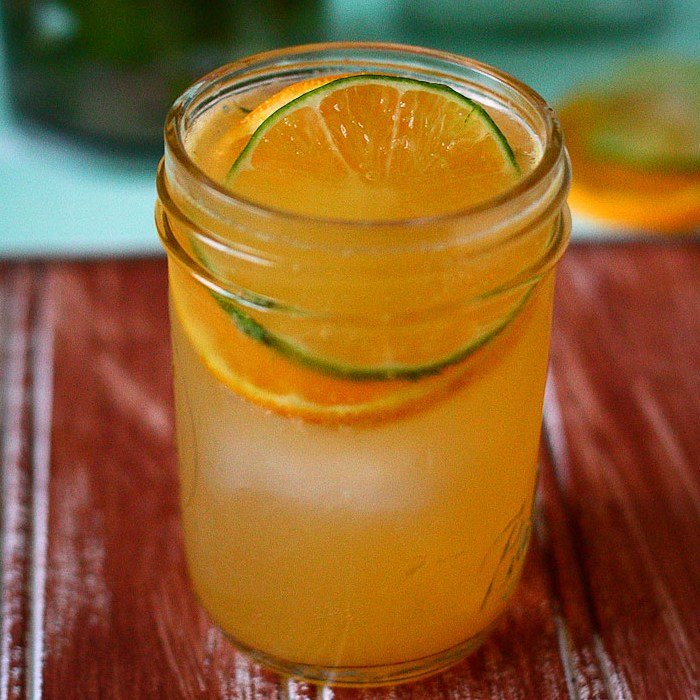
Stone Sour
El Stone Sour es un cóctel refrescante y equilibrado que combina whisky, jugo de naranja y un toque de jarabe de granadina. Su sabor cítrico y ligeramente dulce lo convierte en una opción perfecta para quienes buscan una bebida con carácter y frescura. Ideal para disfrutar en cualquier ocasión, este trago es un clásico que nunca pasa de moda.
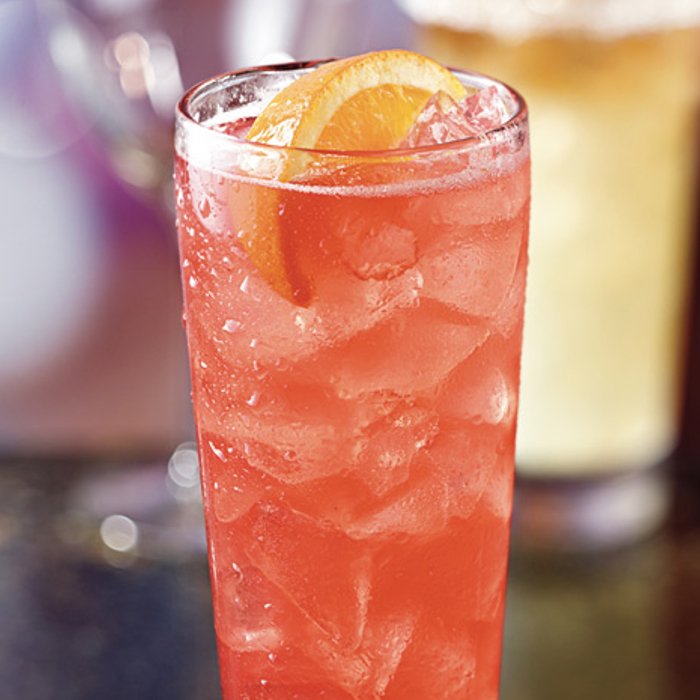
Ruby Tuesday
El Ruby Tuesday es un cóctel vibrante y refrescante que combina la suavidad del vodka con el sabor afrutado del licor de granadina y el jugo de limón fresco. Su color rojo intenso lo convierte en una bebida atractiva, perfecta para disfrutar en cualquier ocasión. Ideal para aquellos que buscan un trago ligero y delicioso.
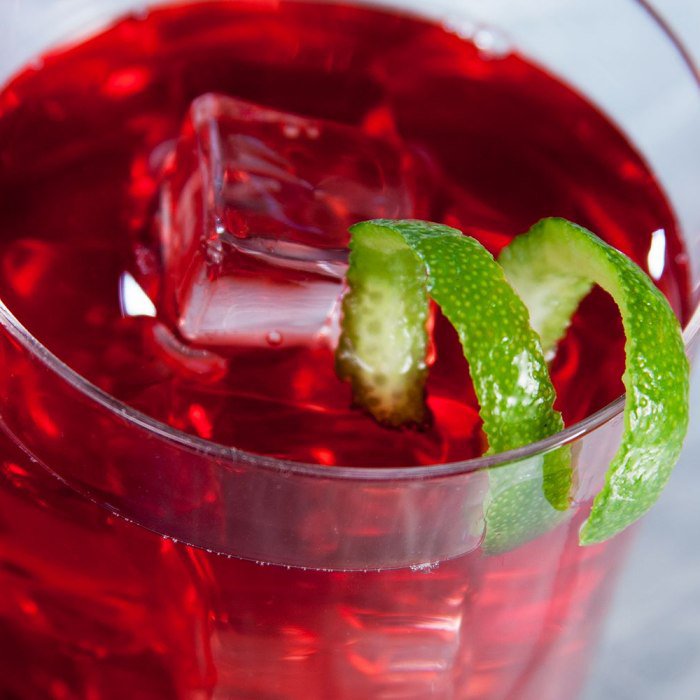
Kool-Aid Slammer
El Kool-Aid Slammer es un cóctel vibrante y refrescante que combina el sabor dulce y afrutado de Kool-Aid con un toque de alcohol. Perfecto para fiestas, este trago colorido es fácil de preparar y promete llevar la diversión al siguiente nivel. ¡Disfrútalo bien frío y listo para compartir con amigos!
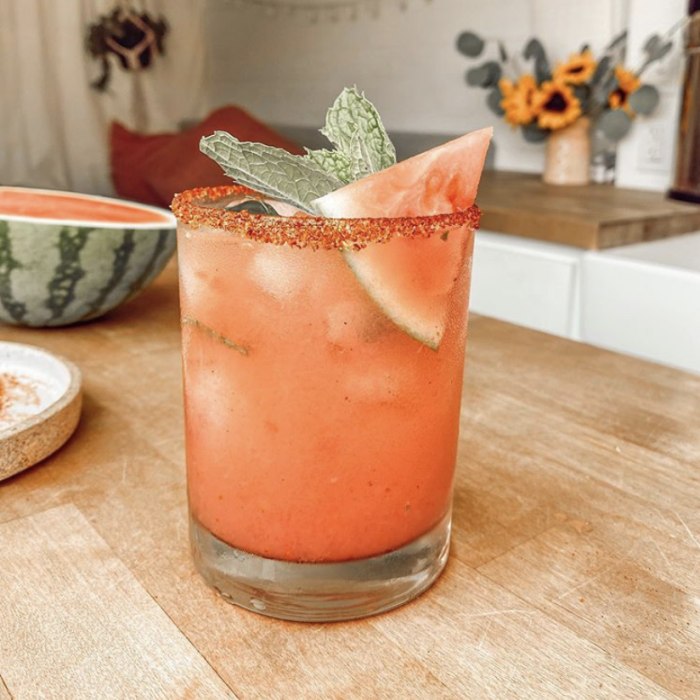
Smashed Watermelon Margarita
El Smashed Watermelon Margarita es una refrescante y vibrante bebida que combina la dulzura jugosa de la sandía fresca con el sabor cítrico del tequila y el jugo de lima. Servido en un vaso escarchado con sal, este cóctel es perfecto para disfrutar en un día soleado, ofreciendo un equilibrio ideal entre frescura y un toque de diversión. ¡Un brindis por el verano!
Advertisement