Ordinary Drink
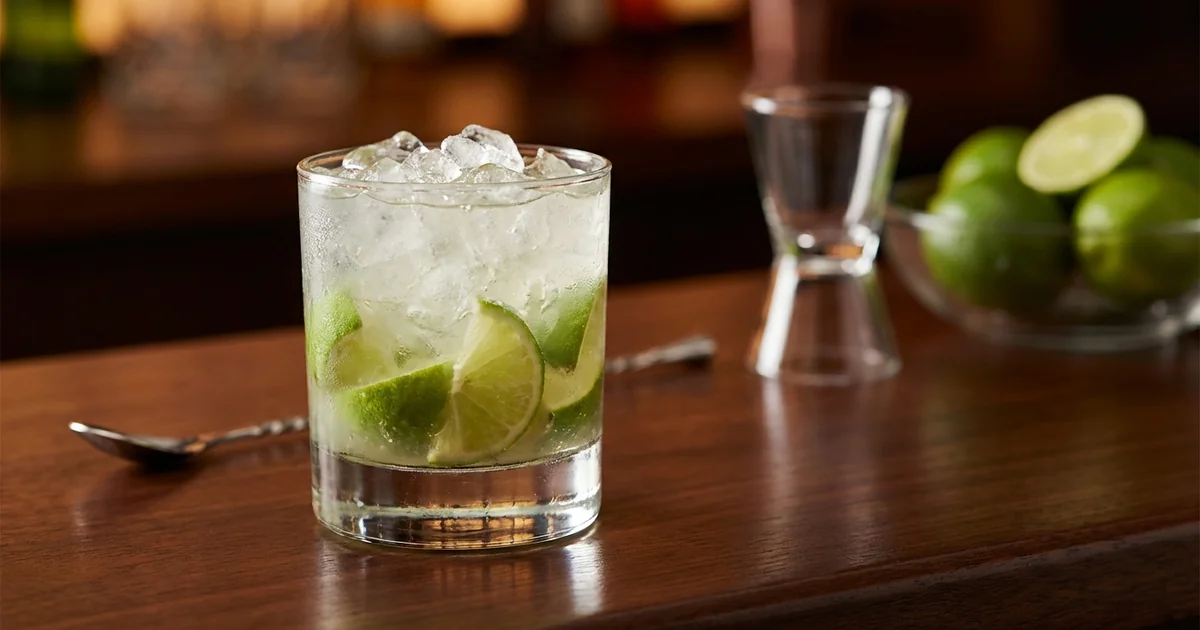
Caipirinha
La Caipirinha est un cocktail brésilien rafraîchissant, préparé à base de cachaça, de sucre et de citron vert. Son mélange sucré et acidulé en fait une boisson idéale pour les journées ensoleillées. Servie sur glace, elle incarne l'esprit festif et convivial du Brésil.
- sucré
- acidulé
- fruité
- rafraîchissant

- Prep Time
- 3 min
- Glass
- Old-fashioned glass
- Difficulty
- Easy
- ABV
- 18%
- Yields
- 1 serving
Le Caipirinha est un ordinary drink à base de cachaca, reconnu pour ses notes sucré and acidulé — parmi les "été" les plus recherchés. Prêt en seulement 3 minutes, idéal pour fêtes d'été et simple à réaliser chez soi. Si vous cherchez "fête", cette recette est pour vous.
Key Takeaways
What you’ll learn
- Authentic caipirinhas require cachaça — Brazil's sugarcane spirit — not rum. The grassy, agricultural character of cachaça is what makes the drink distinctly Brazilian.
- Muddle lime wedges aggressively with granulated sugar directly in the glass for 30–45 seconds; the sugar crystals act as an abrasive to extract essential oils from the peel.
- Remove the white core from lime wedges before muddling — it is intensely bitter and will make the drink harsh if left in.
- The caipirinha was officially recognized as Brazil's national cocktail in 2003, though its roots trace back to a 19th-century folk remedy in São Paulo state.
- Fresh limes are non-negotiable; bottled juice lacks the aromatic peel oils that define the authentic muddled caipirinha.
Advertisement
Ingredients
- Serves
- 1 serving
- Glass
- Old-fashioned glass
- Prep
- 3 min
- 2 tspSugar
- 1Lime
- 2 1/2 ozCachaca
Method
Preparation
- 01
Placez le citron vert et le sucre dans un verre old fashioned et écrasez-les (mélangez les deux ingrédients à l'aide d'un pilon ou d'une cuillère en bois). Remplissez le verre de glace et ajoutez la Cachaça.
Origin
History & Origins
The caipirinha is Brazil's soul in a glass — vibrant, bold, and unapologetically rustic. As the country's national cocktail, this deceptively simple drink captures the spirit of Rio's beaches, carnival celebrations, and centuries of sugarcane heritage. The caipirinha's exact origin is debated, but the most credible story traces it to São Paulo state in the 1800s, where an early version served as a folk remedy: lime, garlic, honey, and cachaça were combined to treat the Spanish flu. Over time the garlic and honey fell away, granulated sugar took their place, and the modern caipirinha emerged.
"Caipirinha" means "little countryside girl" or "little peasant" in Portuguese, reflecting the drink's rural, working-class origins. By the 1960s–70s it had gained popularity in Rio de Janeiro's beach bars and restaurants; by the 1980s–90s international recognition grew as cachaça exports increased. In 2003 the Brazilian government officially recognized the caipirinha as the national cocktail, cementing its cultural status.
By the 1960s–70s it had gained popularity in Rio de Janeiro's beach bars and restaurants; by the 1980s–90s international recognition grew as cachaça exports increased.
The caipirinha embodies Brazilian values: unpretentious, vibrant, communal, and celebratory. It is inseparable from carnival culture — street vendors serve thousands during festival season — and from the Brazilian table, where its acidity cuts through the rich fats of churrasco and feijoada. The drink's three-ingredient simplicity means every element must be right: quality cachaça, fresh ripe limes, and the willingness to muddle with real force.
Advertisement
Bartender’s Insight
Pro Tips
Utiliser la cachaca, pas le rhum
From Sofia
Broyer délicatement le citron pour éviter l'amertume
Utiliser une cachaca fraîche et de qualité
Servir sur glaçons pilés pour une dilution appropriée
At the Table
Perfect Pairings
Beyond the Classic
Variations
Caipirosca
Remplace la vodka par la cachaca
Caipirinha Morango
Ajoute des fraises fraîches pour la douceur fruitée
Tropical Caipirinha
Ajoute la passion fruit ou l'ananas pour les notes tropicales
Watch
See it in action
Questions
Frequently Asked
- The Caipirinha has a flavor profile that is sucré, acidulé, fruité, rafraîchissant. It is crafted to balance these characteristics into a harmonious, satisfying drink that appeals to a wide range of palates.
- The Caipirinha is ideal for fêtes d'été, soirées entre amis, célébrations spéciales. Its flavor profile and presentation make it a versatile choice that works equally well as a social cocktail or a relaxed evening drink.
- Yes, there are several ways to adapt a Caipirinha. If you cannot source Lime, look for a similar alternative that matches its flavor profile. Keep in mind that substitutions may alter the balance of the cocktail, so start with a smaller quantity and adjust to taste. The variations section above lists popular alternatives bartenders use.
- Some of the most popular Caipirinha variations include Caipirosca, Caipirinha Morango, Tropical Caipirinha. Each variation puts a unique twist on the original recipe while retaining the essential character of the classic cocktail.
- The Caipirinha is traditionally served in a Old-fashioned glass. Using the right glassware is important because it affects the aroma, temperature retention, and overall drinking experience. If you do not have a Old-fashioned glass on hand, a similar shaped glass will work.
- Yes, a mocktail version of the Caipirinha is possible. Replace the base spirit with a non-alcoholic spirit alternative (there are many quality options available) and keep all other components the same. The result will capture much of the original's flavor profile while being suitable for guests who prefer alcohol-free options.
Other Cachaca Cocktails
Girl From Ipanema
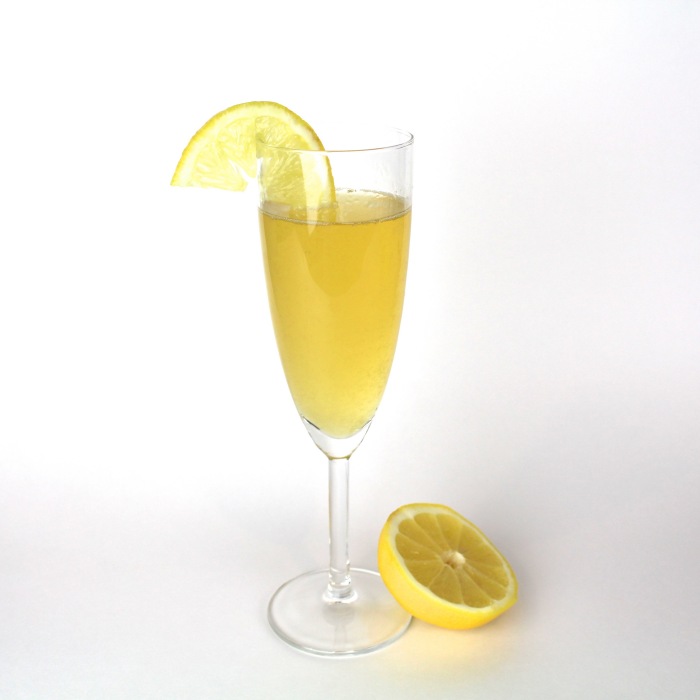
Le cocktail "Girl From Ipanema" est une délicieuse boisson tropicale qui évoque les plages ensoleillées de Rio de Janeiro. Mélangeant la douceur de la noix de coco et l'acidité du citron vert, il offre une expérience rafraîchissante et exotique, parfaite pour se détendre sous le soleil. Cette boisson est un hommage à la célèbre chanson brésilienne qui célèbre la beauté et la grâce.
Elderflower Caipirinha
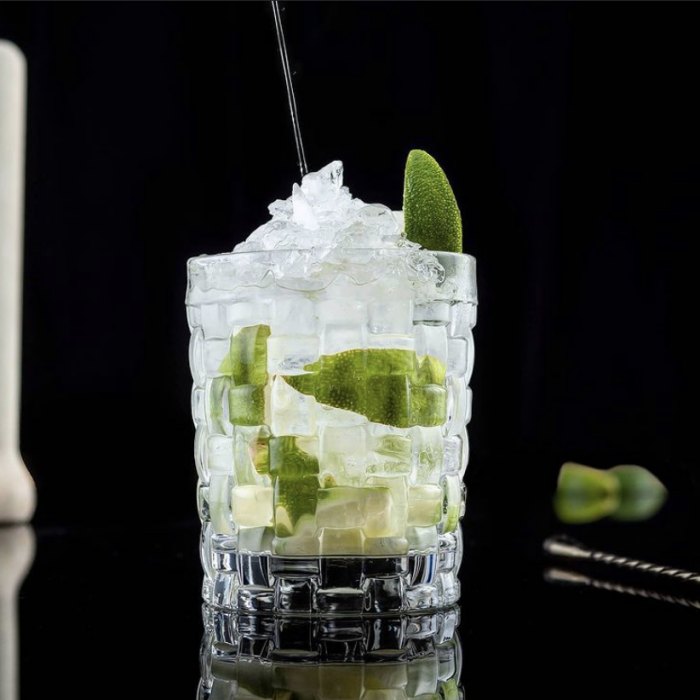
L'Elderflower Caipirinha est un cocktail rafraîchissant qui marie la douceur florale de la fleur de sureau avec la chaleur du cachaça brésilien. Cette boisson délicate est agrémentée de citron vert et de sucre, offrant un équilibre parfait entre acidité et douceur. Idéale pour les chaudes journées d'été, elle transporte vos sens vers des contrées ensoleillées.
Dark Caipirinha
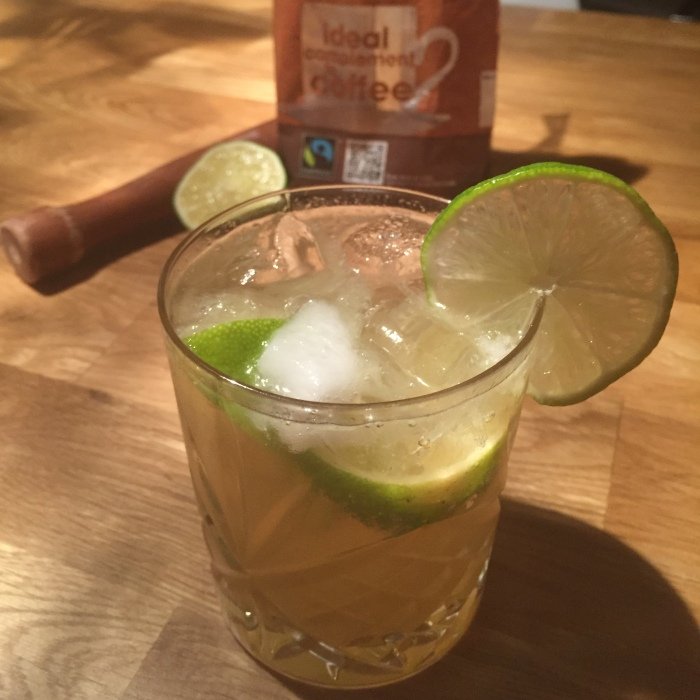
La Dark Caipirinha est une variante audacieuse du classique brésilien, alliant la douceur du cachaça à la profondeur des saveurs de la cachaça noire. Ce cocktail rafraîchissant marie le citron vert frais et le sucre, offrant une expérience à la fois fruitée et légèrement épicée. Parfait pour ceux qui recherchent une touche originale dans leur verre.
Other fêtes d'été Cocktails
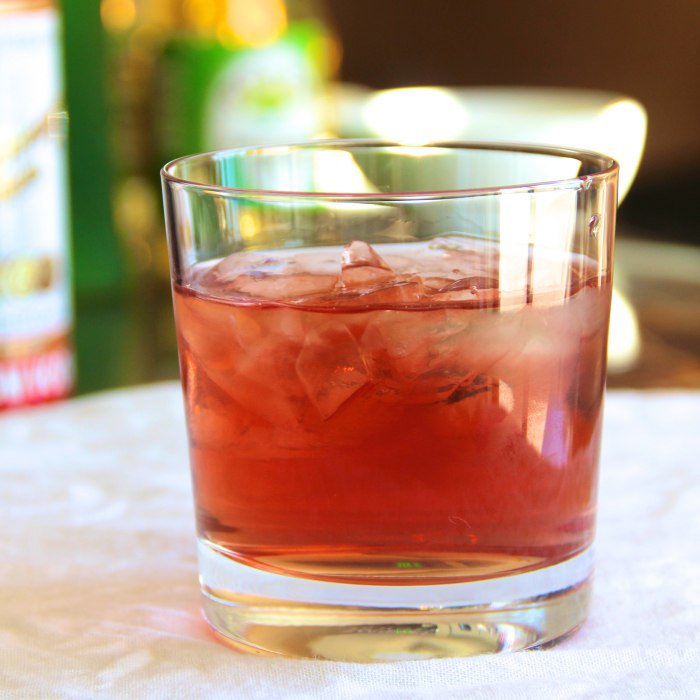
Kool-Aid Shot
Le "Kool-Aid Shot" est un cocktail vibrant et fruité qui évoque les souvenirs d'enfance avec sa couleur vive et son goût sucré. Mélangeant des liqueurs aux saveurs de fruits et une touche de Kool-Aid, ce shot rafraîchissant est parfait pour les fêtes et les soirées entre amis. Sa simplicité et son côté ludique en font un choix populaire pour ceux qui cherchent à s'amuser.
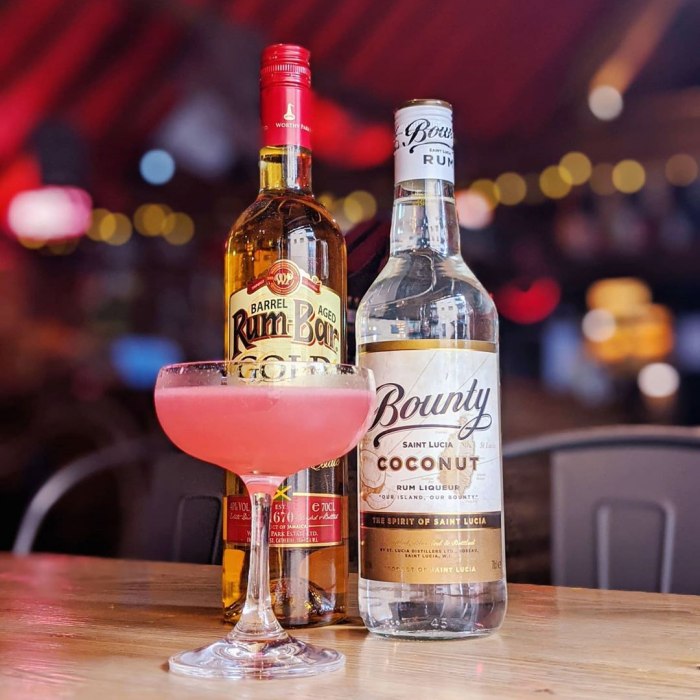
Bounty Hunter
Le cocktail "Bounty Hunter" est une délicieuse combinaison de saveurs exotiques qui évoque des paysages tropicaux. Mélangeant des notes de rhum, de noix de coco et d'agrumes, il offre une expérience rafraîchissante et envoûtante, parfaite pour les amateurs de cocktails d'été. Sa présentation colorée et son goût unique en font un véritable trésor à découvrir.
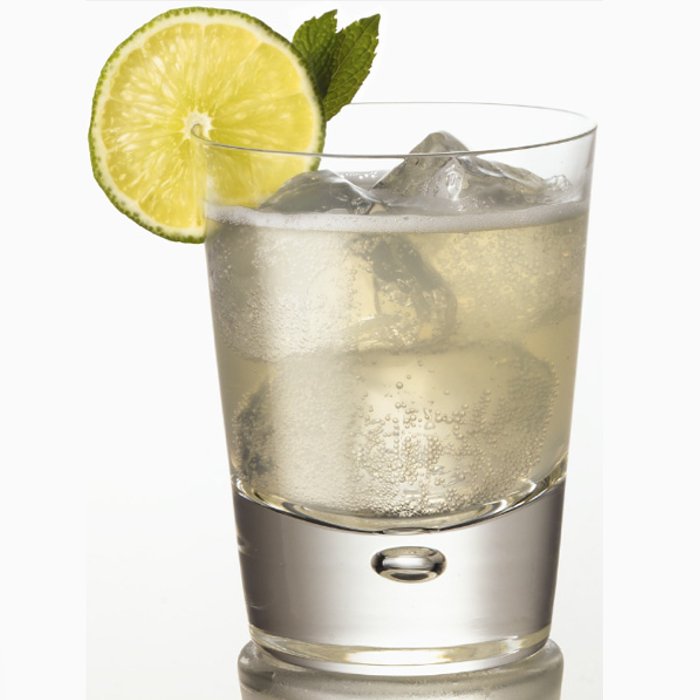
Rail Splitter
Le Rail Splitter est un cocktail audacieux qui marie habilement le bourbon, le jus de citron frais et un soupçon de sirop d'érable. Servi sur glace, il offre une expérience à la fois douce et réconfortante, évoquant les saveurs rustiques du terroir américain. Parfait pour les amateurs de cocktails classiques revisités, il saura séduire vos papilles.
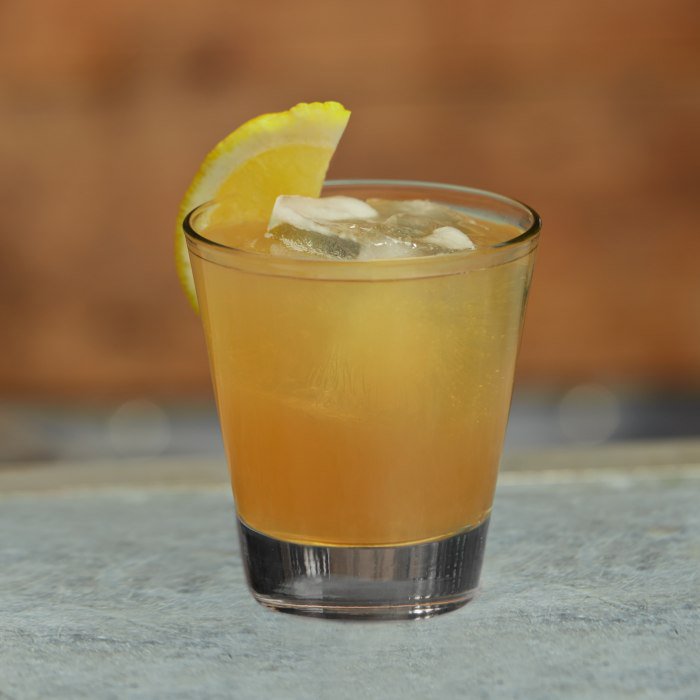
Tequila Sour
Le Tequila Sour est un cocktail rafraîchissant qui allie la douceur de la tequila à l'acidité du jus de citron frais. Équilibré avec un peu de sirop simple et souvent agrémenté d'un blanc d'œuf pour une texture veloutée, il offre une expérience gustative à la fois vive et onctueuse. Parfait pour les amateurs de cocktails qui recherchent une touche mexicaine dans leur verre.
Similar Flavor Profiles
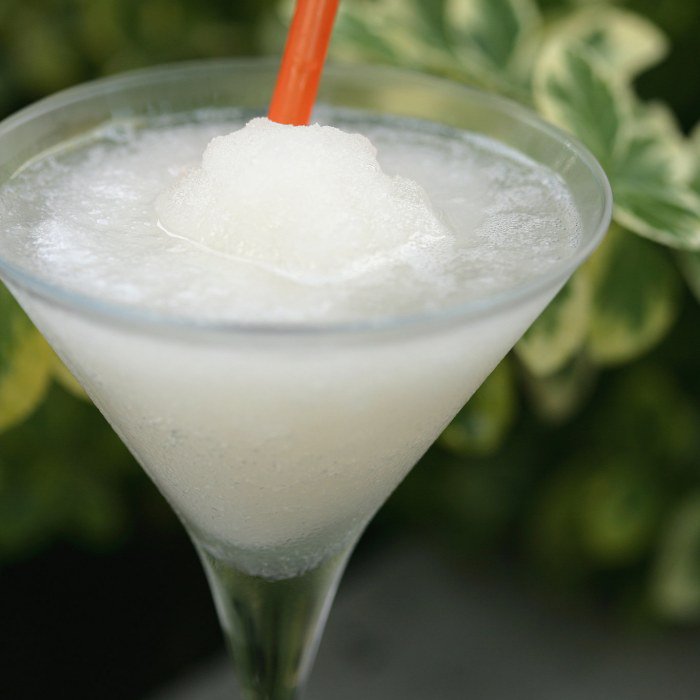
Frozen Daiquiri
Le Frozen Daiquiri est un cocktail rafraîchissant et glacé, parfait pour les journées ensoleillées. Il se compose de rhum, de jus de citron vert frais et de sucre, le tout mélangé avec de la glace pilée pour une texture onctueuse. Servi dans un verre à cocktail, il offre une explosion de saveurs fruitées et acidulées.
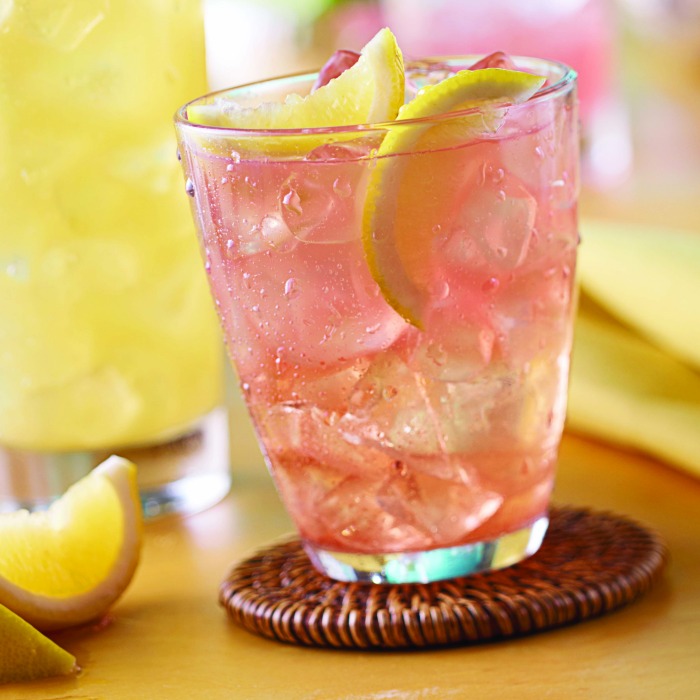
Pink Panty Pulldowns
Le Pink Panty Pulldowns est un cocktail rafraîchissant et fruité qui allie la douceur de la vodka à des notes de pamplemousse et de limonade. Sa couleur rose séduisante et son goût léger en font une boisson idéale pour les soirées d'été. Parfait pour ceux qui recherchent une expérience gustative à la fois délicieuse et amusante.
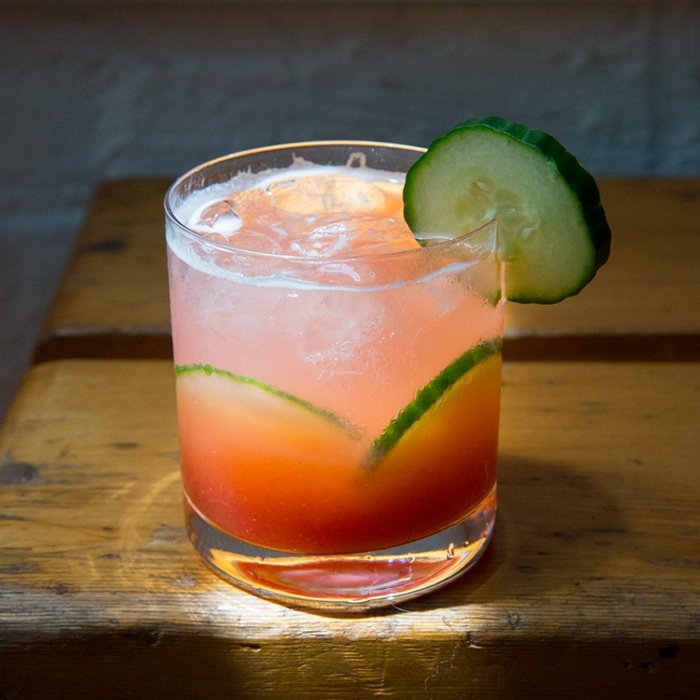
Rum Screwdriver
Le Rum Screwdriver est un cocktail rafraîchissant qui allie la douceur du rhum à l'acidité du jus d'orange. Servi sur glace, il offre une expérience fruitée et vivifiante, parfaite pour les journées ensoleillées. Ce mélange simple et délicieux saura séduire les amateurs de cocktails tropicaux.
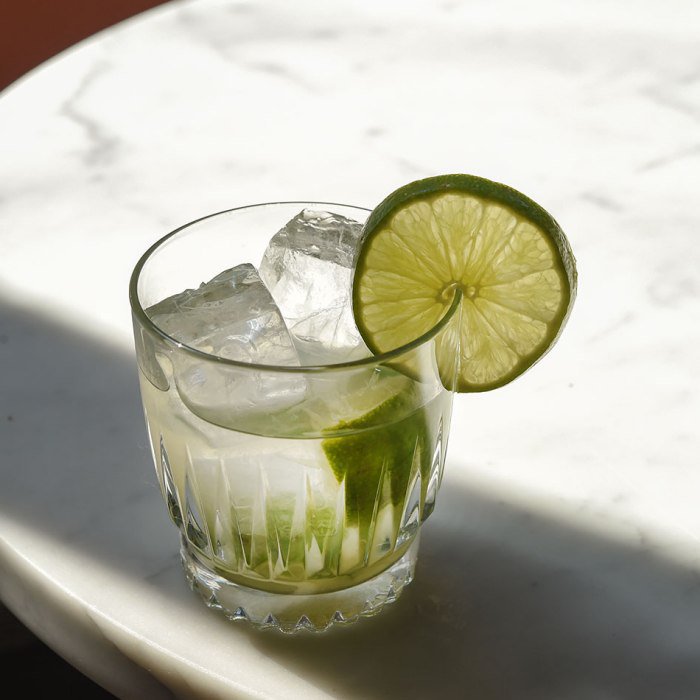
Caipirissima
La Caipirissima est un cocktail rafraîchissant originaire du Brésil, qui combine le rhum blanc avec du citron vert frais et du sucre. Cette variante de la célèbre Caipirinha offre une douceur subtile et une explosion de saveurs citronnées, parfaite pour les chaudes journées d'été. Servie sur glace, elle est à la fois simple et délicieuse.
Advertisement