Ordinary Drink
Gin And Tonic
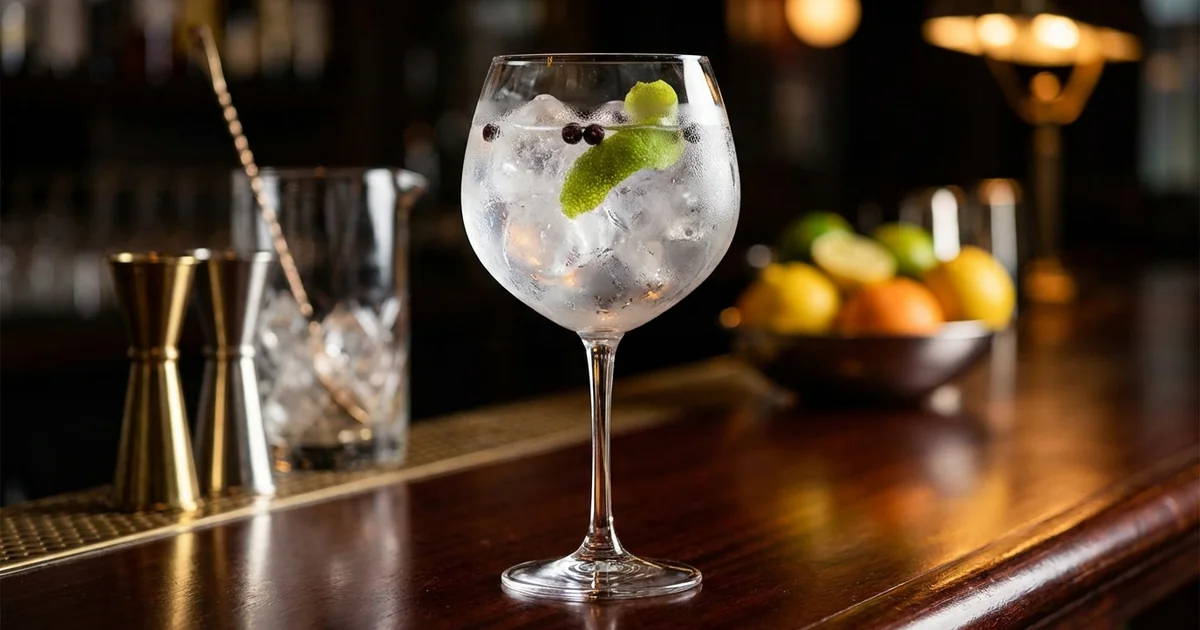
Le Gin Tonic est un cocktail rafraîchissant et pétillant, composé de gin et d'eau tonique, souvent agrémenté d'une tranche de citron vert ou d'un zeste de concombre. Sa légèreté et son goût herbacé en font une boisson idéale pour les chaudes journées d'été. Simple à préparer, il est devenu un classique des bars du monde entier.
- amer
- frais
- citronné
- botanique
- Prep Time
- 3 min
- Glass
- Highball glass
- Difficulty
- Easy
- ABV
- 11%
- Yields
- 1 serving
Le Gin And Tonic est un ordinary drink dominé par le gin, à préparer en 3 minutes. Le résultat : des saveurs amer and frais qui valent chaque instant de préparation. Régulièrement en tête des recherches pour "apéritif".
Key Takeaways
What you’ll learn
- The ideal gin-to-tonic ratio is 1:3, but adjust based on gin strength and personal preference.
- Premium tonic water makes a massive difference — invest in Fever-Tree or Q Tonic, which comprise half the drink.
- Match garnishes to your gin's botanical profile for enhanced flavour complexity rather than simply defaulting to lime.
- Spanish-style Gin Tonicas served in copa de balon glasses with elaborate botanical garnishes elevate the experience to cocktail-bar level.
Advertisement
Ingredients
- Serves
- 1 serving
- Glass
- Highball glass
- Prep
- 3 min
- 2 ozGin
- 5 ozTonic water
- 1Lime
Method
Preparation
- 01
Versez le gin et l'eau tonique dans un verre highball presque rempli de glaçons. Remuez bien. Garnissez avec un quartier de lime.
Origin
History & Origins
The gin and tonic's origins are remarkably practical: quinine, extracted from cinchona bark, was the only effective treatment for malaria ravaging British soldiers and colonists in 19th-century India. Quinine water tasted horrifically bitter, so soldiers began mixing it with gin, sugar, and lime to make it palatable — inadvertently creating one of the world's most enduring cocktails. The original "tonic water" contained significantly more quinine than modern versions, enough for genuine antimalarial effects. Schweppes commercialised tonic water in the 1870s, making it widely available, and the G&T became the quintessential British drink of the colonial era.
For much of the 20th century, the gin and tonic was synonymous with no-frills British drinking culture: a measure of gin, a measure of tonic, ice, and a wedge of lime, served without ceremony. This began to change in the 2000s when Spain's gin culture underwent a revolution. Spanish bartenders started serving what they called "Gin Tonicas" — elaborate preparations in large copa de balon glasses (oversized balloon wine glasses) with premium gins, carefully selected tonics, and multiple botanical garnishes matching the gin's flavour profile. The movement spread across Europe and transformed what had been a simple highball into a serious craft drink.
Spanish bartenders started serving what they called "Gin Tonicas" — elaborate preparations in large copa de balon glasses (oversized balloon wine glasses) with premium gins, carefully selected tonics, and multiple botanical garnishes matching the gin's flavour profile.
The craft gin explosion of the 2010s further elevated the G&T. Hundreds of new gin distilleries launched globally, each with unique botanical recipes demanding thoughtful tonic and garnish pairings. Today the gin and tonic is simultaneously the world's simplest drink and one of its most nuanced — a canvas on which gin makers, tonic producers, and bartenders express their creativity.
Advertisement
Bartender’s Insight
Pro Tips
Utilisez une ginebra de qualité assortie à la marque de tonique
From Elena
servez dans un verre ballon approprié
utilisez de gros glaçons pour minimiser la dilution
ajoutez des botaniques fraîches comme le concombre ou le genévrier
versez la tonique doucement pour préserver la carbonatation
At the Table
Perfect Pairings
Beyond the Classic
Variations
G&T du Botaniste
Ginebra artisanale avec botaniques complémentaires soulignés
Gin & Tonique Aromatisé
variations de ginebra aromatisée pour des twists créatifs
G&T Premium
ginebra vieillie premium pour la profondeur
Questions
Frequently Asked
- The Gin And Tonic has a flavor profile that is amer, frais, citronné, botanique. It is crafted to balance these characteristics into a harmonious, satisfying drink that appeals to a wide range of palates.
- The Gin And Tonic is ideal for soirées d'été, barbecues, fêtes entre amis. Its flavor profile and presentation make it a versatile choice that works equally well as a social cocktail or a relaxed evening drink.
- Yes, there are several ways to adapt a Gin And Tonic. If you cannot source Gin, look for a similar alternative that matches its flavor profile. Keep in mind that substitutions may alter the balance of the cocktail, so start with a smaller quantity and adjust to taste. The variations section above lists popular alternatives bartenders use.
- Some of the most popular Gin And Tonic variations include G&T du Botaniste, Gin & Tonique Aromatisé, G&T Premium. Each variation puts a unique twist on the original recipe while retaining the essential character of the classic cocktail.
- The Gin And Tonic is traditionally served in a Highball glass. Using the right glassware is important because it affects the aroma, temperature retention, and overall drinking experience. If you do not have a Highball glass on hand, a similar shaped glass will work.
- Yes, a mocktail version of the Gin And Tonic is possible. Replace the base spirit with a non-alcoholic spirit alternative (there are many quality options available) and keep all other components the same. The result will capture much of the original's flavor profile while being suitable for guests who prefer alcohol-free options.
Other Gin Cocktails
Blackthorn
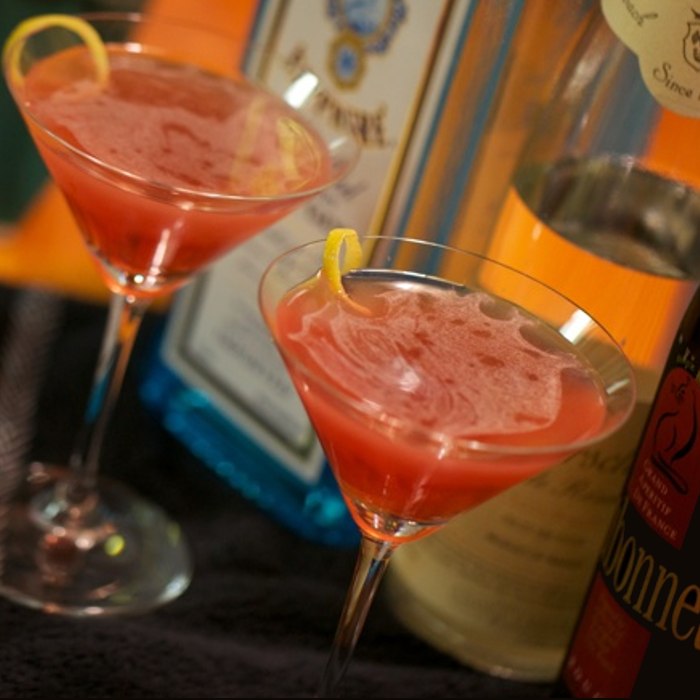
Le Blackthorn est un cocktail élégant et raffiné, alliant la richesse de la gin à la douceur de la liqueur de prunelles. Servi sur glace, il est souvent agrémenté d'un zeste de citron pour une touche d'acidité qui équilibre parfaitement les saveurs. Ce mélange savoureux évoque des notes fruitées et épicées, parfait pour les amateurs de cocktails classiques.
Rail Splitter
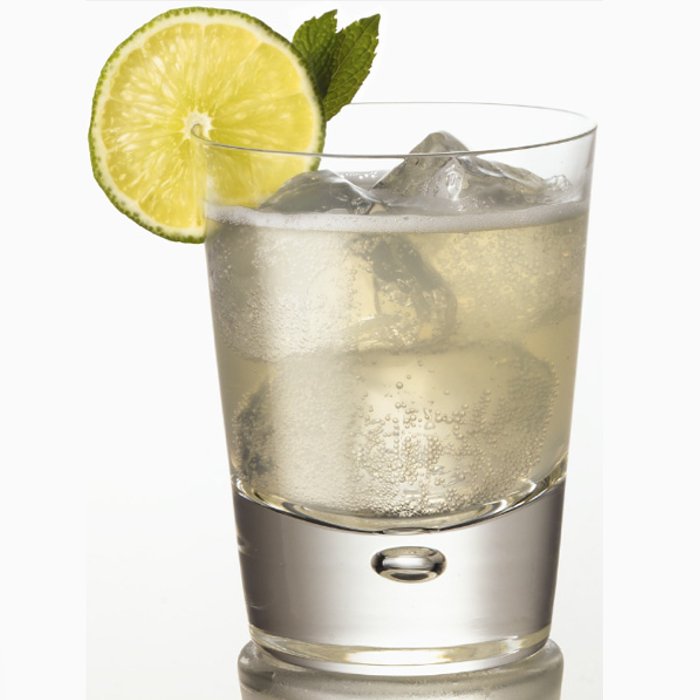
Le Rail Splitter est un cocktail audacieux qui marie habilement le bourbon, le jus de citron frais et un soupçon de sirop d'érable. Servi sur glace, il offre une expérience à la fois douce et réconfortante, évoquant les saveurs rustiques du terroir américain. Parfait pour les amateurs de cocktails classiques revisités, il saura séduire vos papilles.
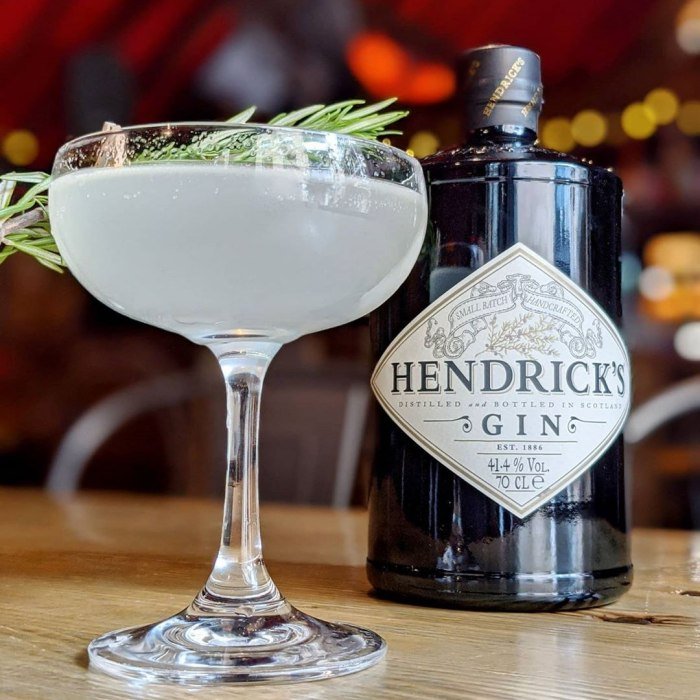
The Philosopher
Le cocktail 'The Philosopher' est une création raffinée qui marie des saveurs complexes et des ingrédients inattendus. Avec une base de gin infusé aux herbes, agrémentée de tonic artisanal et d'une touche d'agrumes, il invite à la réflexion et à la contemplation. Ce breuvage élégant est parfait pour ceux qui aiment savourer chaque gorgée tout en discutant des grandes questions de la vie.
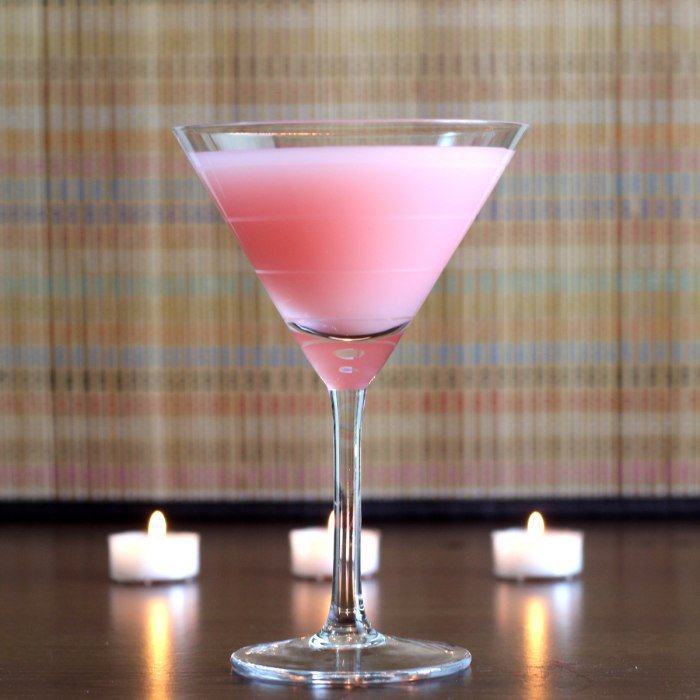
Ace
Le cocktail "Ace" est une délicieuse combinaison de saveurs rafraîchissantes, mêlant du gin artisanal, du tonic premium et une touche de citron vert. Servi avec des glaçons et une garniture de concombre, il offre une expérience à la fois élégante et désaltérante, parfaite pour les soirées estivales. Son équilibre subtil en fait un choix idéal pour les amateurs de cocktails sophistiqués.
Other soirées d'été Cocktails
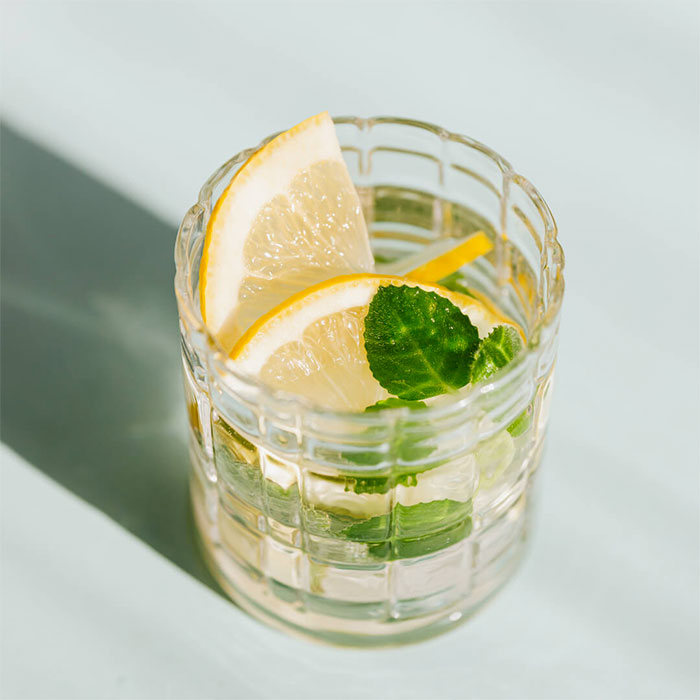
Vodka Tonic
Le Vodka Tonic est un cocktail rafraîchissant et simple, composé de vodka de qualité mélangée avec de l'eau tonique pétillante. Servi généralement avec une tranche de citron ou de lime, il est parfait pour ceux qui recherchent une boisson légère et désaltérante. Idéal pour toute occasion, ce classique des bars séduit par sa simplicité et son goût équilibré.
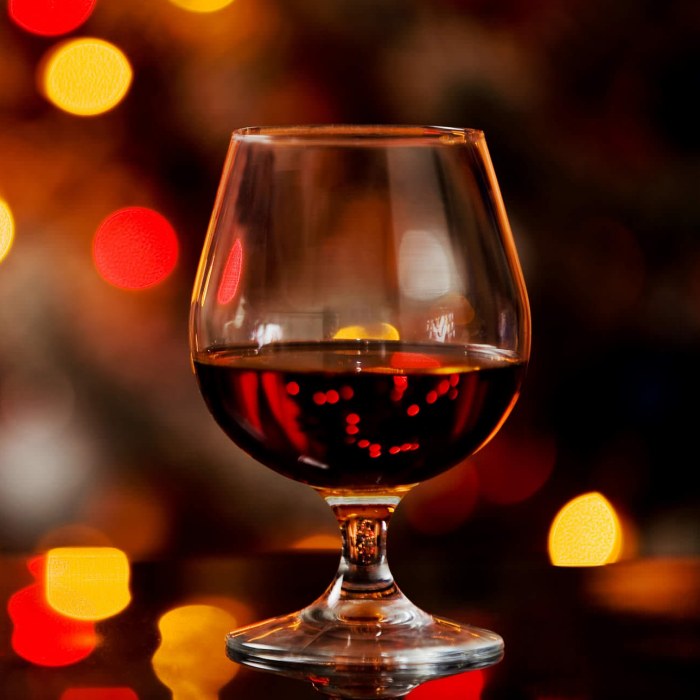
Kentucky B And B
Le Kentucky B And B est un cocktail raffiné qui marie le bourbon américain avec une liqueur de Bénédictine, créant une harmonie parfaite entre douceur et profondeur. Servi sur glace ou sec, il offre une expérience gustative riche et chaleureuse, idéale pour les amateurs de spiritueux. Ce mélange emblématique évoque l'âme du Kentucky tout en ajoutant une touche d'élégance.
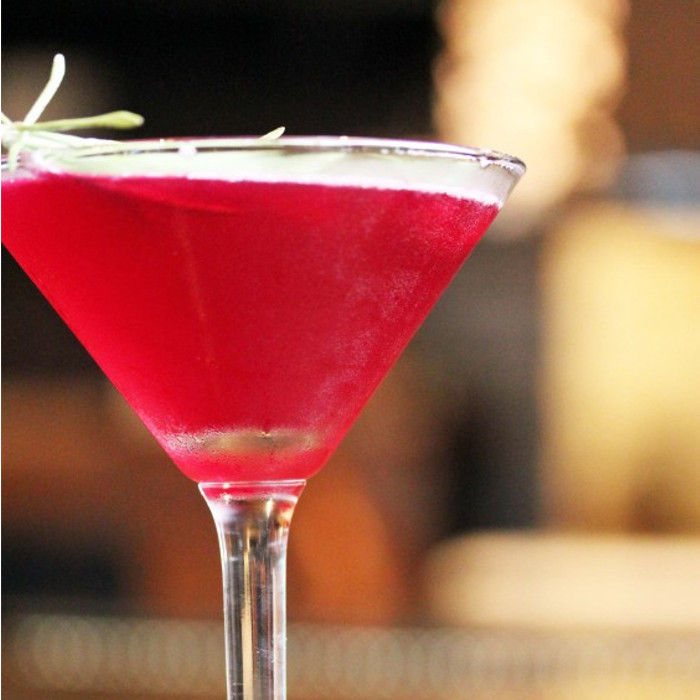
Jitterbug
Le Jitterbug est un cocktail pétillant et rafraîchissant, alliant des saveurs de gin, de liqueur de fleur de sureau et de jus de citron frais. Sa touche d'eau gazeuse lui confère une légèreté parfaite, idéale pour une soirée entre amis. Ce mélange harmonieux séduira les amateurs de cocktails fruités et floraux.
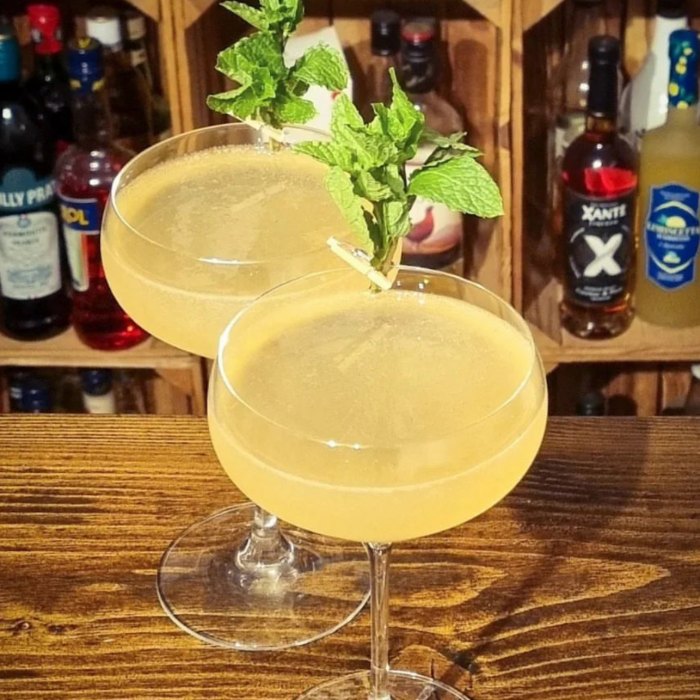
Old Cuban
L'Old Cuban est un cocktail élégant qui allie le goût raffiné du rhum aged, la fraîcheur de la menthe, et l'effervescence du champagne. Servi avec un mélange de sucre, de citron vert et de bitters, ce cocktail offre une expérience à la fois pétillante et sophistiquée, parfaite pour toute occasion. Sa présentation luxueuse en fait un choix idéal pour les amateurs de cocktails classiques revisités.
Similar Flavor Profiles
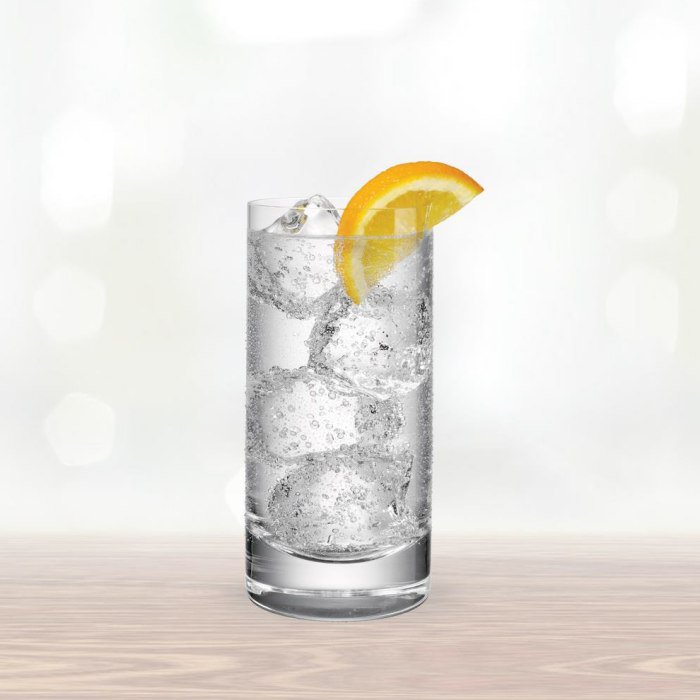
Vodka And Tonic
Le Vodka Tonic est un cocktail rafraîchissant et simple, composé de vodka de qualité mélangée à de l'eau tonique pétillante. Servi sur glace avec une rondelle de citron ou de lime, il offre un équilibre parfait entre la douceur de la vodka et l'amertume de l'eau tonique. C'est une boisson idéale pour se désaltérer lors des chaudes journées d'été.
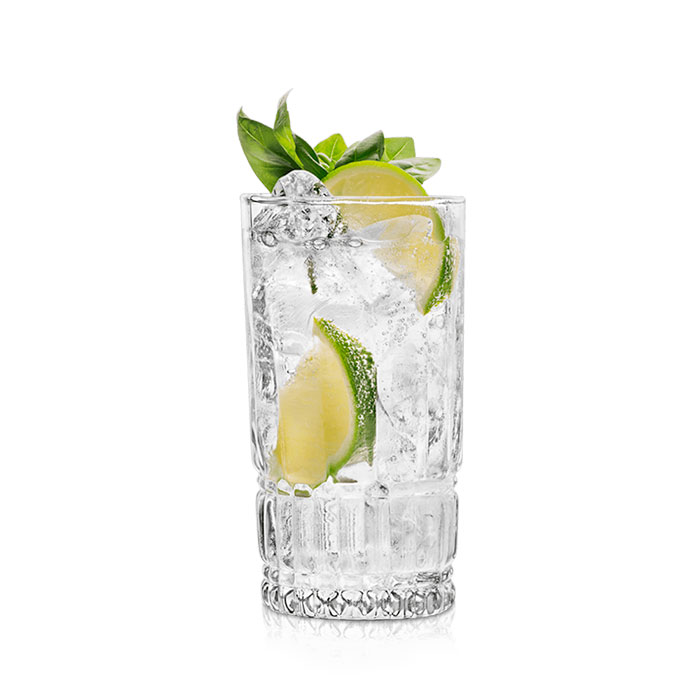
Gin Tonic
Le Gin Tonic est un cocktail rafraîchissant et pétillant, composé de gin et d'eau tonique, généralement agrémenté d'une tranche de citron ou de concombre. Sa combinaison d'arômes botaniques et de la douceur amère de l'eau tonique en fait une boisson idéale pour les apéritifs estivaux. Parfait pour ceux qui recherchent une expérience à la fois simple et élégante.
Vodka Tonic
Le Vodka Tonic est un cocktail rafraîchissant et simple, composé de vodka de qualité mélangée avec de l'eau tonique pétillante. Servi généralement avec une tranche de citron ou de lime, il est parfait pour ceux qui recherchent une boisson légère et désaltérante. Idéal pour toute occasion, ce classique des bars séduit par sa simplicité et son goût équilibré.
Vodka Lemon
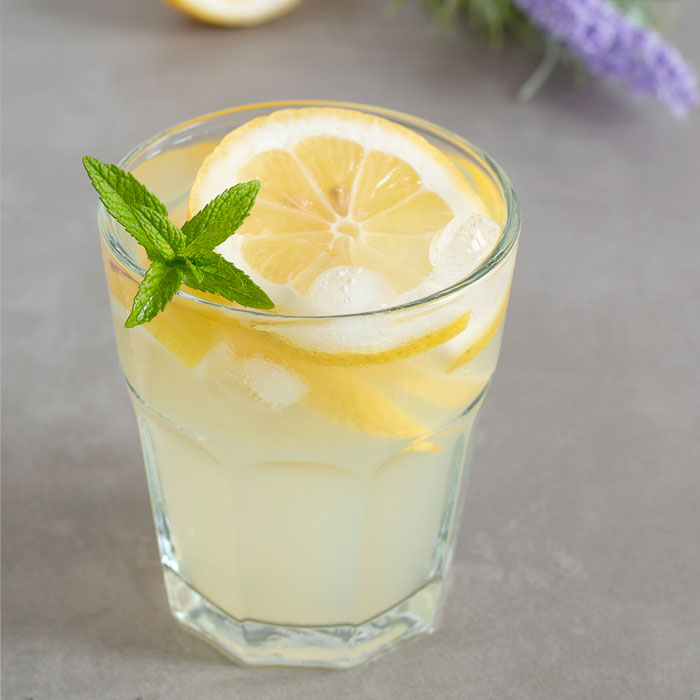
Le cocktail Vodka Lemon est une boisson rafraîchissante qui allie la douceur de la vodka à l'acidité du citron. Servi sur glace, il est souvent agrémenté d'une tranche de citron pour une touche d'élégance. Parfait pour les chaudes journées d'été, il offre une expérience pétillante et désaltérante.
Advertisement