Cocktail
Mojito
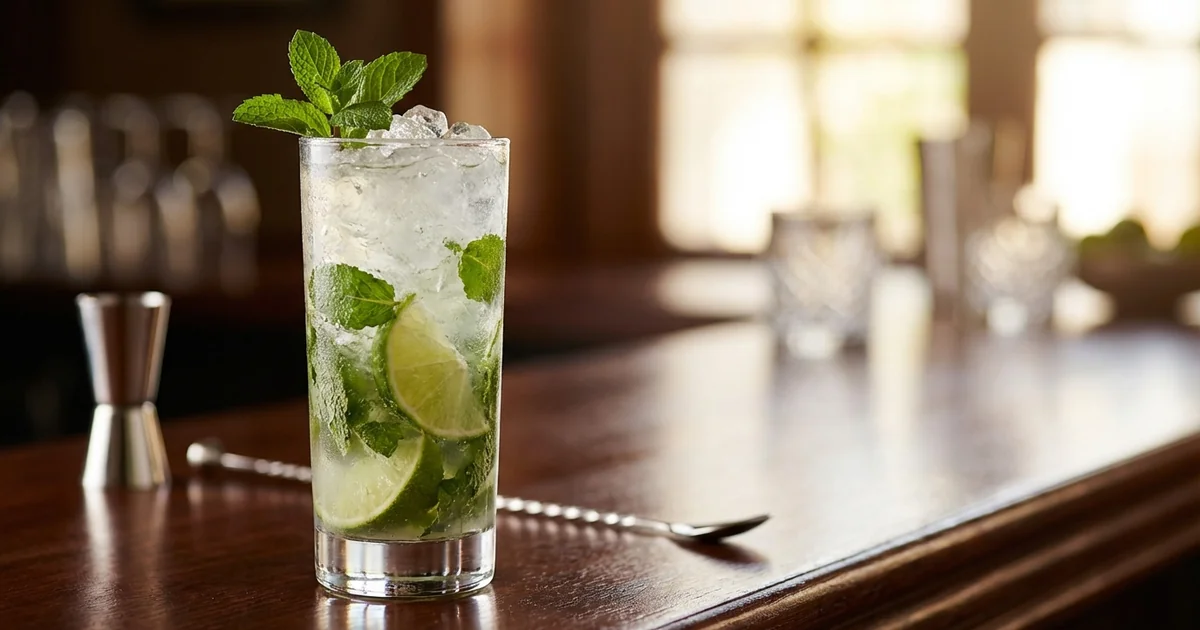
Le Mojito est un cocktail rafraîchissant d'origine cubaine, préparé à base de rhum blanc, de menthe fraîche, de sucre, de citron vert et d'eau gazeuse. Sa combinaison d'ingrédients crée une boisson légère et pétillante, idéale pour se désaltérer lors des journées ensoleillées. Ce classique est apprécié pour son équilibre parfait entre douceur et acidité.
- mentholé
- acidulé
- sucré
- frais
- Prep Time
- 3 min
- Glass
- Highball glass
- Difficulty
- Easy
- ABV
- 11%
- Yields
- 1 serving
Le Mojito est un cocktail dominé par le rum, à préparer en 3 minutes. Le résultat : des saveurs mentholé and acidulé qui valent chaque instant de préparation. Régulièrement en tête des recherches pour "été".
Key Takeaways
What you’ll learn
- Gently muddle mint leaves — only 3–4 presses — to release aromatic oils without breaking cell walls and releasing bitter chlorophyll.
- Use white rum, fresh lime juice, and real cane sugar or simple syrup for authentic Cuban flavor.
- Build directly in the glass for proper dilution and layered presentation; add soda water last and stir only once.
- Quality ingredients make the difference — fresh lime juice and fresh mint are non-negotiable for a proper mojito.
- Master the classic before experimenting with fruity variations like strawberry, pineapple, or coconut.
Advertisement
Ingredients
- Serves
- 1 serving
- Glass
- Highball glass
- Prep
- 3 min
- 2-3 ozLight rum
- Juice of 1Lime
- 2 tspSugar
- 2-4Mint
- Soda water
Method
Preparation
- 01
Écrasez les feuilles de menthe avec du sucre et du jus de citron vert. Ajoutez un peu d'eau gazeuse et remplissez le verre de glace concassée. Versez le rhum et complétez avec de l'eau gazeuse. Garnissez et servez avec une paille.
Origin
History & Origins
The mojito is more than just a cocktail — it is a liquid postcard from 1950s Havana. This Cuban classic, beloved by Ernest Hemingway and beachgoers worldwide, perfectly balances fresh mint, tangy lime, and smooth white rum with just the right amount of fizz. Its roots stretch back centuries into Cuban drinking culture, with some historians tracing a proto-mojito to a medicinal drink called "El Draque," named after English privateer Sir Francis Drake, who reportedly mixed aguardiente with mint, lime, and sugar during his 16th-century Caribbean voyages.
The modern mojito as we know it crystallized in 1930s Havana, where it became the signature drink of La Bodeguita del Medio, a small bar on a narrow Havana street that opened in 1942. Ernest Hemingway, who lived in Cuba for much of the 1940s and 1950s, became the mojito's most famous ambassador. According to bar legend, he scrawled on the wall of La Bodeguita: "My mojito in La Bodeguita, my daiquiri in El Floridita" — though historians debate whether he wrote those exact words. What is certain is that Hemingway preferred his mojitos with minimal sugar and extra rum, a variation that some call the "Papa Doble" approach.
According to bar legend, he scrawled on the wall of La Bodeguita: "My mojito in La Bodeguita, my daiquiri in El Floridita" — though historians debate whether he wrote those exact words.
For much of the 20th century, the mojito remained largely a Cuban and Caribbean drink. Its global spread accelerated dramatically in the 1990s and 2000s, helped in part by tourism to Cuba and the growing craft cocktail movement that valued fresh ingredients and classic technique. Today it ranks among the world's most ordered cocktails, a testament to how a handful of simple ingredients — white rum, lime, mint, sugar, and soda — can create something universally refreshing and endlessly satisfying.
Advertisement
Bartender’s Insight
Pro Tips
Écrasez délicatement la menthe pour libérer les huiles sans meurtrir les feuilles
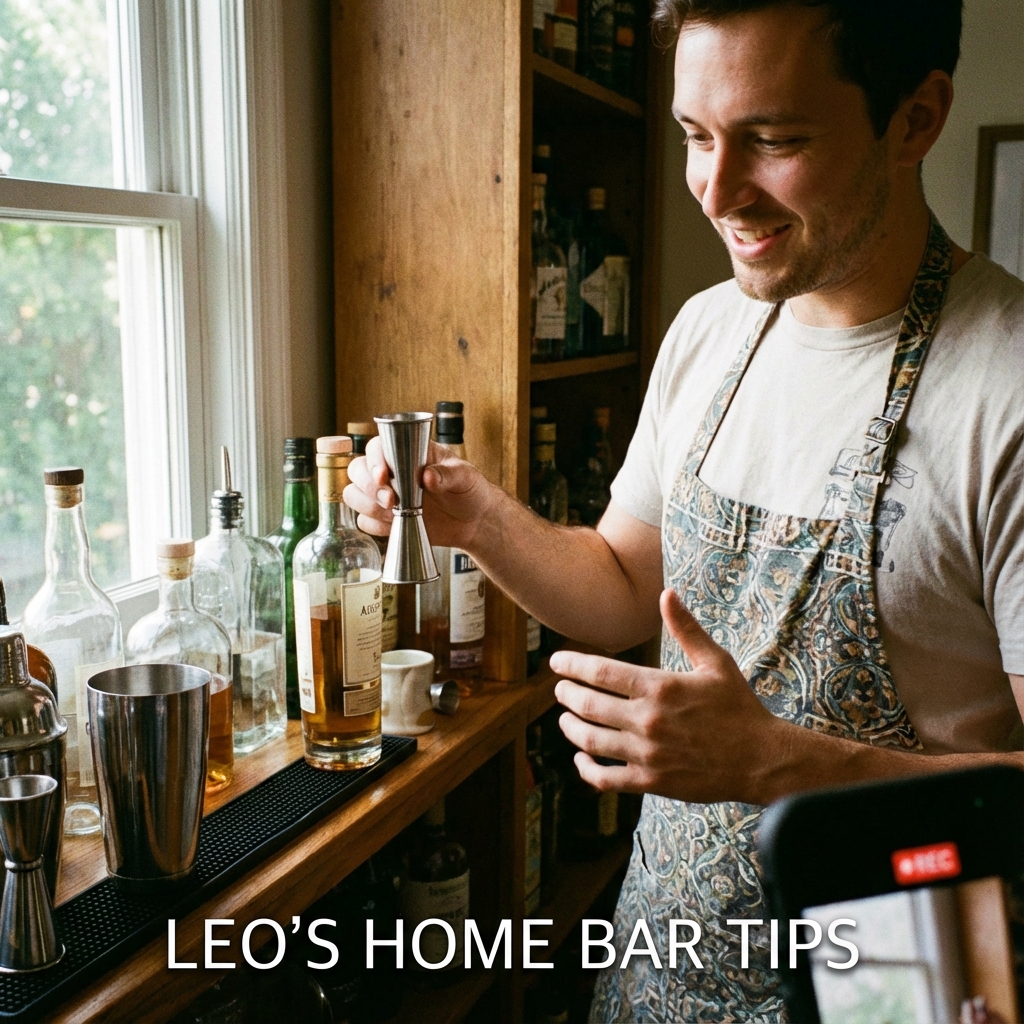
From Leo
Utilisez du rhum blanc pour le meilleur goût
Le jus de citron vert frais est essentiel
Complétez avec de la soude, ne servez jamais secoué
At the Table
Perfect Pairings
Beyond the Classic
Variations
Virgin Mojito
Version sans alcool parfaite pour tous les âges
Strawberry Mojito
Ajoute des fraises fraîches pour les notes fruitées
Pineapple Mojito
Incorpore le jus d'ananas pour la douceur tropicale
Watch
See it in action
Questions
Frequently Asked
- The Mojito has a flavor profile that is mentholé, acidulé, sucré, frais. It is crafted to balance these characteristics into a harmonious, satisfying drink that appeals to a wide range of palates.
- The Mojito is ideal for fêtes d'été, barbecues, anniversaires. Its flavor profile and presentation make it a versatile choice that works equally well as a social cocktail or a relaxed evening drink.
- Yes, there are several ways to adapt a Mojito. If you cannot source Light rum, look for a similar alternative that matches its flavor profile. Keep in mind that substitutions may alter the balance of the cocktail, so start with a smaller quantity and adjust to taste. The variations section above lists popular alternatives bartenders use.
- Some of the most popular Mojito variations include Virgin Mojito, Strawberry Mojito, Pineapple Mojito. Each variation puts a unique twist on the original recipe while retaining the essential character of the classic cocktail.
- The Mojito is traditionally served in a Highball glass. Using the right glassware is important because it affects the aroma, temperature retention, and overall drinking experience. If you do not have a Highball glass on hand, a similar shaped glass will work.
- Yes, a mocktail version of the Mojito is possible. Replace the base spirit with a non-alcoholic spirit alternative (there are many quality options available) and keep all other components the same. The result will capture much of the original's flavor profile while being suitable for guests who prefer alcohol-free options.
Other Rum Cocktails
Bounty Hunter
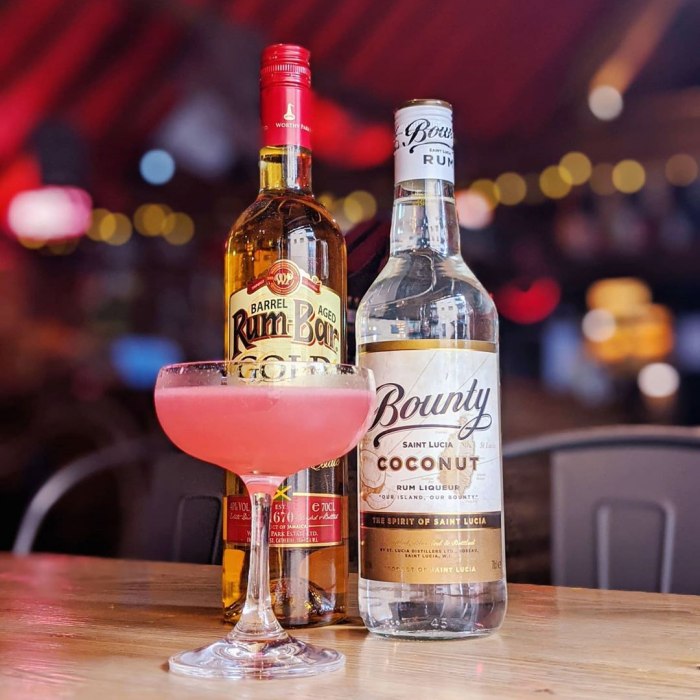
Le cocktail "Bounty Hunter" est une délicieuse combinaison de saveurs exotiques qui évoque des paysages tropicaux. Mélangeant des notes de rhum, de noix de coco et d'agrumes, il offre une expérience rafraîchissante et envoûtante, parfaite pour les amateurs de cocktails d'été. Sa présentation colorée et son goût unique en font un véritable trésor à découvrir.
Frozen Daiquiri
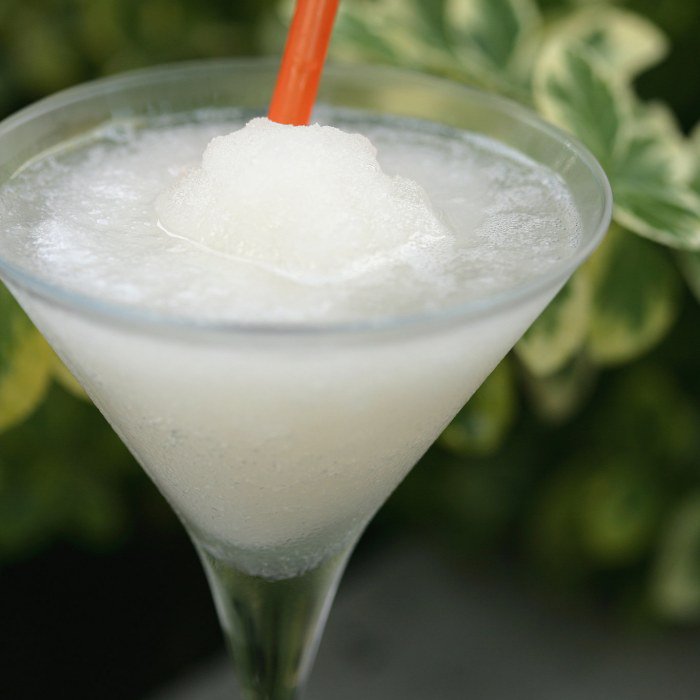
Le Frozen Daiquiri est un cocktail rafraîchissant et glacé, parfait pour les journées ensoleillées. Il se compose de rhum, de jus de citron vert frais et de sucre, le tout mélangé avec de la glace pilée pour une texture onctueuse. Servi dans un verre à cocktail, il offre une explosion de saveurs fruitées et acidulées.
Casa Blanca
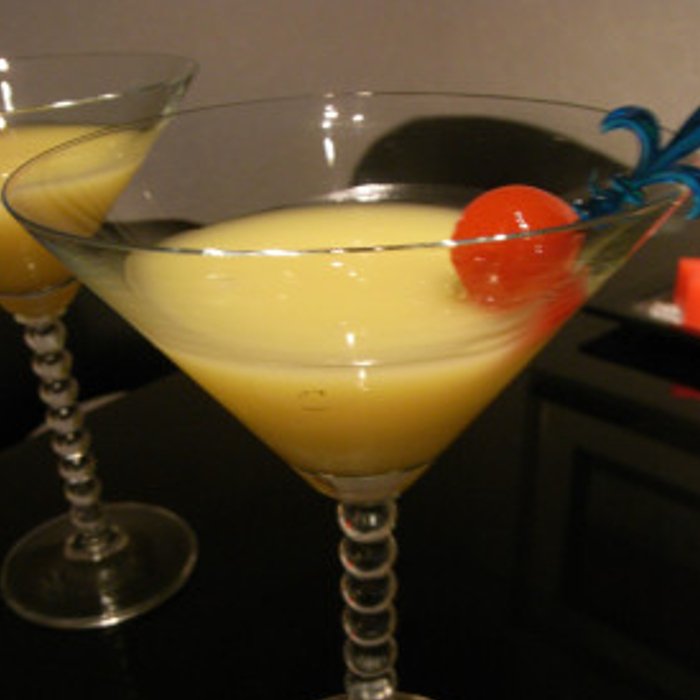
Le cocktail Casa Blanca est une délicieuse combinaison de rhum blanc, de liqueur de marasquin et de jus de citron frais, offrant un équilibre parfait entre douceur et acidité. Servi sur glace, il évoque des saveurs exotiques et rafraîchissantes, idéal pour les soirées d'été. Sa présentation élégante en fait un choix sophistiqué pour les amateurs de cocktails.
Bacardi Cocktail
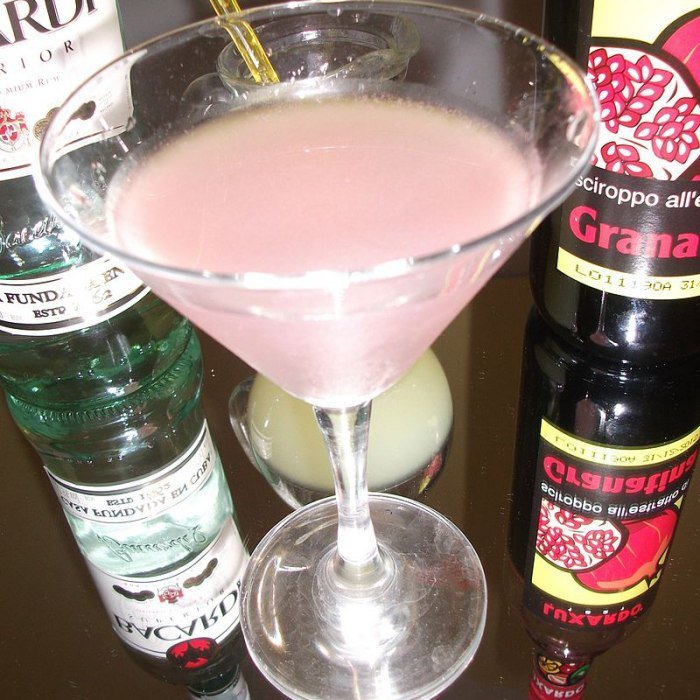
Le Bacardi Cocktail est un mélange rafraîchissant et fruité, composé de rhum Bacardi, de jus de citron frais et de grenadine. Ce cocktail emblématique, souvent servi sur glace, évoque des saveurs tropicales et une ambiance estivale. Parfait pour les amateurs de rhum, il séduit par sa simplicité et son goût délicat.
Other fêtes d'été Cocktails
Kool-Aid Shot
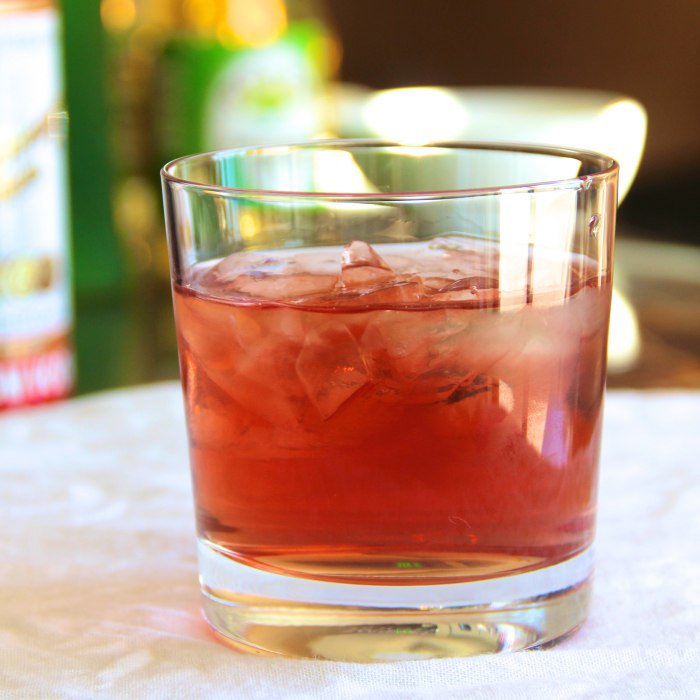
Le "Kool-Aid Shot" est un cocktail vibrant et fruité qui évoque les souvenirs d'enfance avec sa couleur vive et son goût sucré. Mélangeant des liqueurs aux saveurs de fruits et une touche de Kool-Aid, ce shot rafraîchissant est parfait pour les fêtes et les soirées entre amis. Sa simplicité et son côté ludique en font un choix populaire pour ceux qui cherchent à s'amuser.
Bounty Hunter
Le cocktail "Bounty Hunter" est une délicieuse combinaison de saveurs exotiques qui évoque des paysages tropicaux. Mélangeant des notes de rhum, de noix de coco et d'agrumes, il offre une expérience rafraîchissante et envoûtante, parfaite pour les amateurs de cocktails d'été. Sa présentation colorée et son goût unique en font un véritable trésor à découvrir.
Rail Splitter
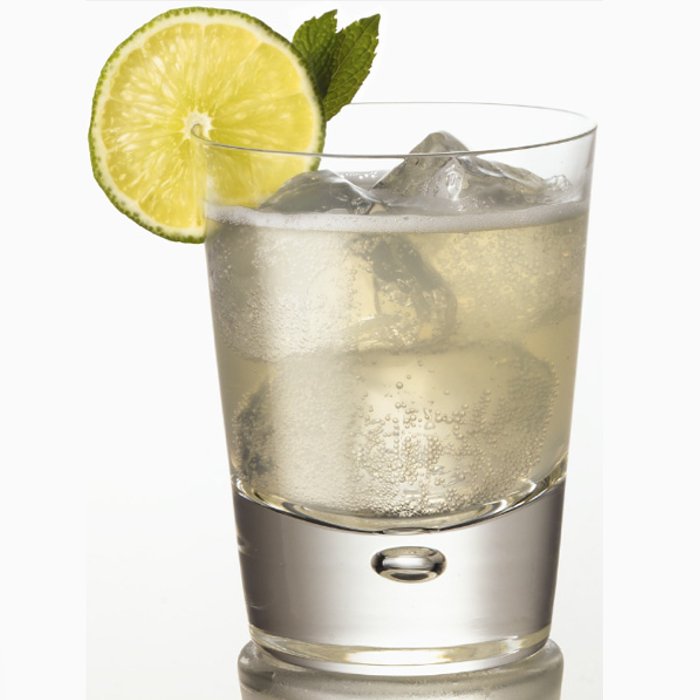
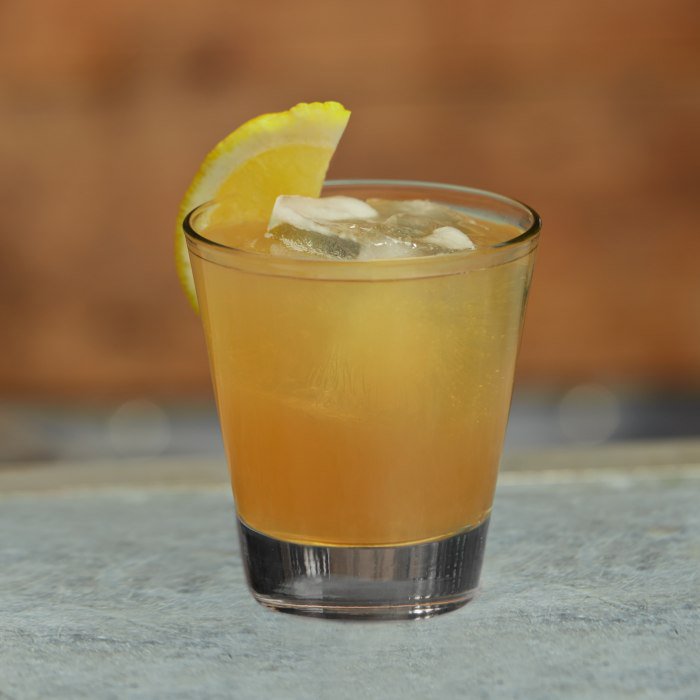
Le Rail Splitter est un cocktail audacieux qui marie habilement le bourbon, le jus de citron frais et un soupçon de sirop d'érable. Servi sur glace, il offre une expérience à la fois douce et réconfortante, évoquant les saveurs rustiques du terroir américain. Parfait pour les amateurs de cocktails classiques revisités, il saura séduire vos papilles.
Tequila Sour
Le Tequila Sour est un cocktail rafraîchissant qui allie la douceur de la tequila à l'acidité du jus de citron frais. Équilibré avec un peu de sirop simple et souvent agrémenté d'un blanc d'œuf pour une texture veloutée, il offre une expérience gustative à la fois vive et onctueuse. Parfait pour les amateurs de cocktails qui recherchent une touche mexicaine dans leur verre.
Similar Flavor Profiles
Moranguito
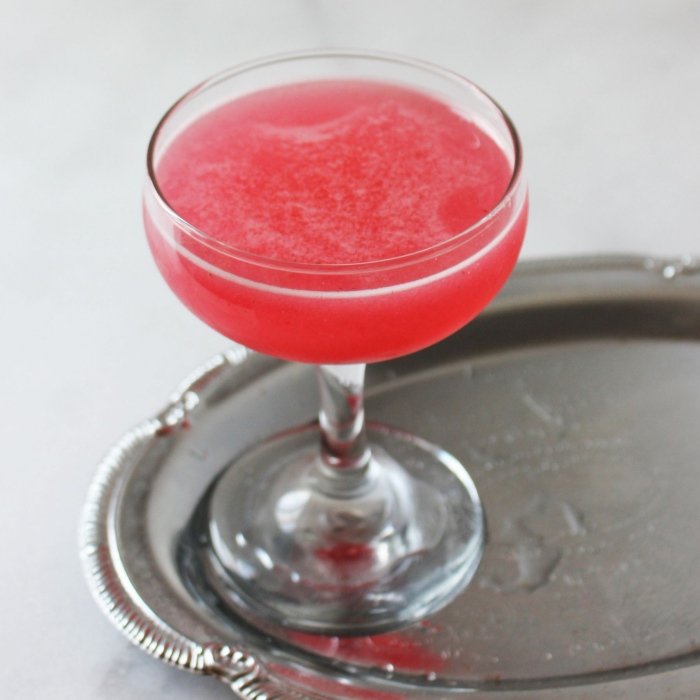
Le Moranguito est un cocktail rafraîchissant qui marie des saveurs fruitées et sucrées, mettant en vedette des fraises juteuses et un soupçon de menthe. Servi sur glace, il offre une expérience estivale parfaite, idéale pour les chaudes journées ensoleillées. Avec une touche de citron vert et un peu de soda, ce cocktail est un véritable délice pour les amateurs de boissons fruitées.
Mango Mojito
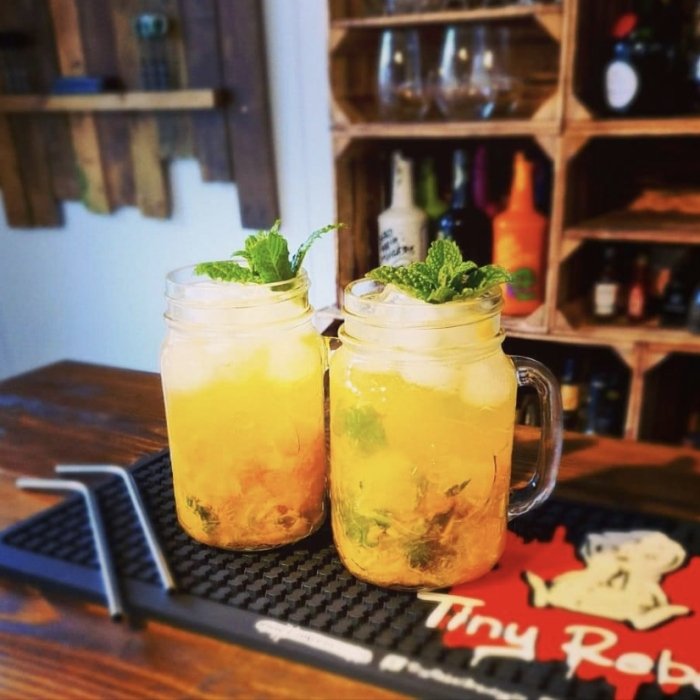
Le Mango Mojito est un cocktail rafraîchissant qui allie la douceur de la mangue à la fraîcheur de la menthe. Préparé avec du rhum blanc, du jus de citron vert, de l'eau gazeuse et des morceaux de mangue, il offre une explosion de saveurs tropicales. Parfait pour les chaudes journées d'été, ce cocktail séduira tous les amateurs de boissons fruitées.
Popped cherry
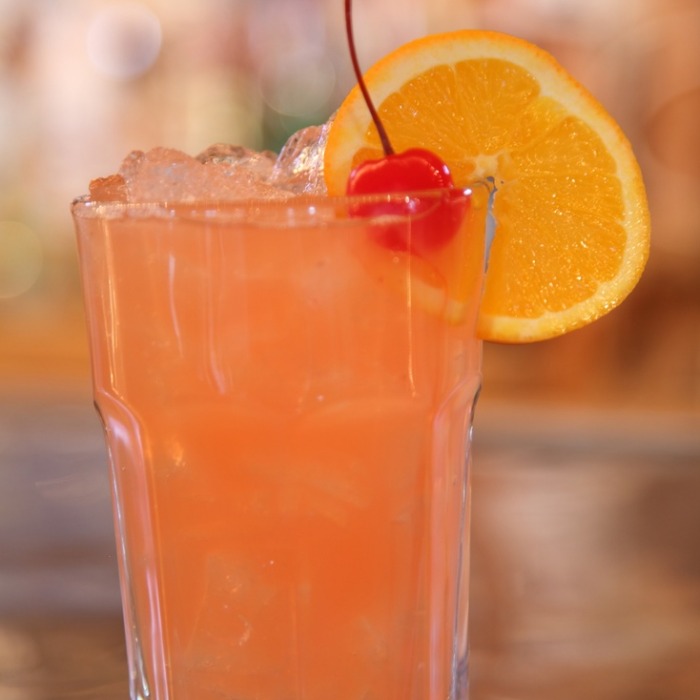
Le cocktail "Popped Cherry" est une délicieuse fusion de cerises juteuses et de vodka, agrémentée d'un soupçon de citron frais. Sa couleur vibrante et son goût sucré en font une boisson rafraîchissante, parfaite pour les soirées d'été. Savourez chaque gorgée et laissez-vous emporter par cette expérience fruitée et pétillante.
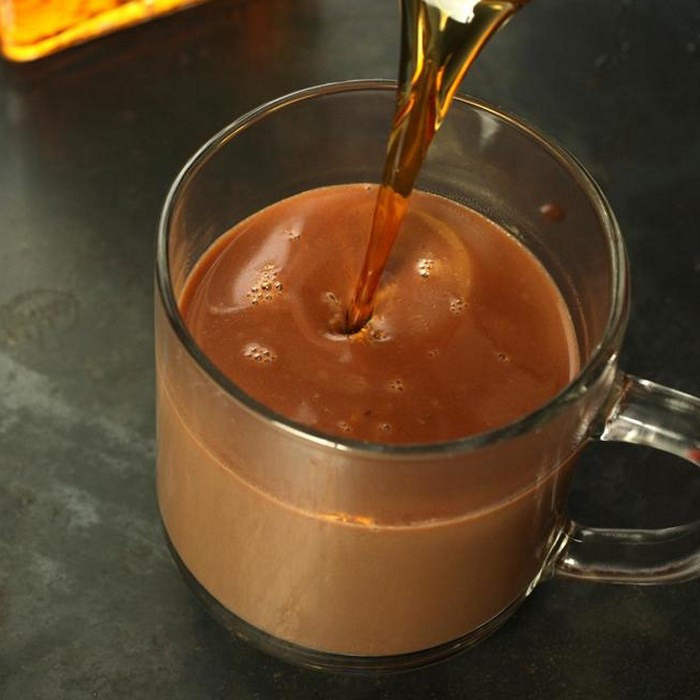
A.D.M. (After Dinner Mint)
Le cocktail A.D.M. (After Dinner Mint) est une délicieuse fusion de saveurs mentholées et chocolatées, parfaite pour conclure un repas. Sa base de crème de menthe et de liqueur de chocolat offre une expérience rafraîchissante et onctueuse, idéale pour les amateurs de douceurs après le dîner. Cette boisson élégante saura séduire vos invités avec son goût unique et sa présentation soignée.
Advertisement