Ordinary Drink
Pina Colada
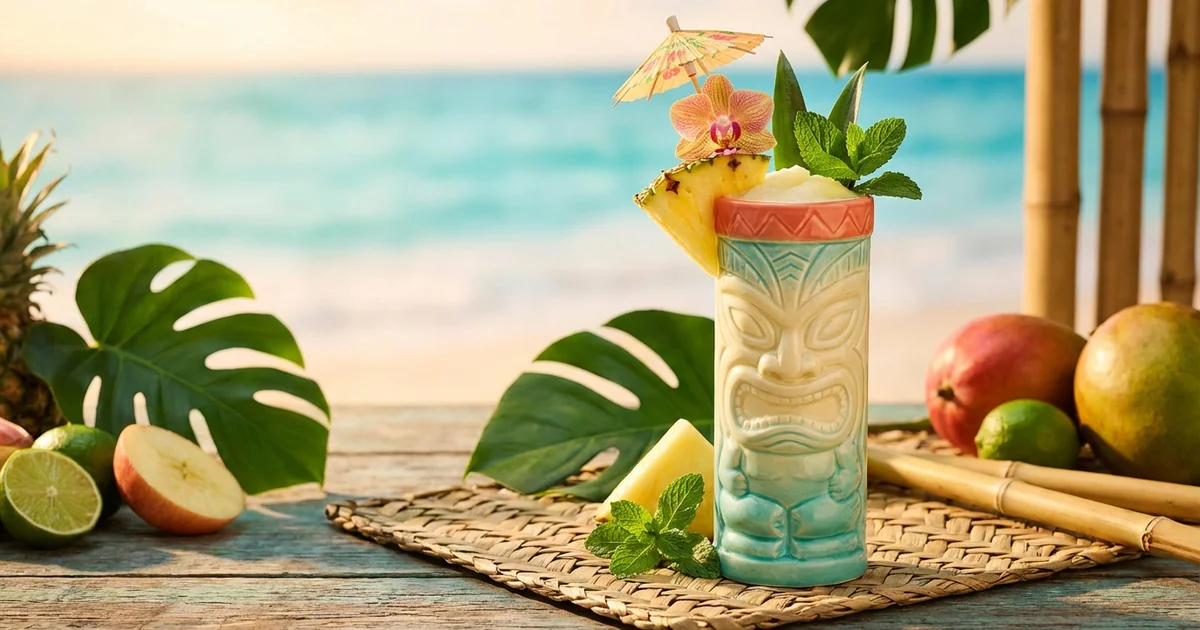
Die Piña Colada ist ein erfrischender Cocktail, der aus einer köstlichen Mischung von Rum, Kokosnusscreme und Ananassaft besteht. Serviert mit Eis und oft garniert mit einer Ananasscheibe oder einer Kirsche, verspricht sie ein tropisches Geschmackserlebnis, das sofort Urlaubsstimmung verbreitet. Ideal für sonnige Tage oder entspannte Abende am Strand!
- süß
- cremig
- fruchtig
- tropisch
- Prep Time
- 5 min
- Glass
- Collins glass
- Difficulty
- Easy
- ABV
- 9%
- Yields
- 1 serving
Der Pina Colada ist ein ordinary drink mit Rum im Mittelpunkt, fertig in 5 Minuten. Das Ergebnis: ein süß and cremig Genuss, der jede Minute wert ist. Regelmäßig unter den Top-Suchanfragen für "Urlaub".
Key Takeaways
What you’ll learn
- Use Coco Lopez cream of coconut — not coconut milk — for the authentic richness and texture the recipe demands.
- Blend with crushed ice for the classic frozen version, or shake vigorously for the traditional shaken style that predates the blender era.
- White rum is essential; aged or spiced rum overpowers the tropical pineapple and coconut flavours.
- Fresh pineapple juice makes a dramatic difference over canned or bottled versions — bright, vibrant, and worth the extra effort for special occasions.
Advertisement
Ingredients
- Serves
- 1 serving
- Glass
- Collins glass
- Prep
- 5 min
- 3 ozLight rum
- 3 tblspCoconut milk
- 3 tblspPineapple
Method
Preparation
- 01
Mischen Sie mit zerstoßenem Eis im Mixer, bis es glatt ist. In ein gekühltes Glas gießen, garnieren und servieren.
Origin
History & Origins
The piña colada's exact origin is disputed between two Puerto Rican bartenders. The Caribe Hilton Hotel credits bartender Ramón "Monchito" Marrero with creating the drink in 1954 after three months of experimentation. Restaurant Barrachina in Old San Juan counters that their bartender Ramón Portas Mingot invented it in 1963 — they even have a commemorative plaque. What is agreed upon is that the invention of Coco Lopez cream of coconut in 1954 by Don Ramón López-Irizarry was the catalyst: before this standardised, sweetened coconut cream, making consistent piña coladas required cracking fresh coconuts and extracting cream by hand.
The piña colada's name translates literally to "strained pineapple" in Spanish, likely referring to the process of straining fresh pineapple juice. Puerto Rico declared it the island's official national drink in 1978, the same year Rupert Holmes's "Escape (The Piña Colada Song)" was climbing the charts — a pop culture moment that cemented the drink's global recognition. The IBA lists it as a Contemporary Classic.
Puerto Rico declared it the island's official national drink in 1978, the same year Rupert Holmes's "Escape (The Piña Colada Song)" was climbing the charts — a pop culture moment that cemented the drink's global recognition.
The 1980s and 1990s saw the piña colada become synonymous with beach vacations and tropical escapism, often badly executed with cheap rum and artificial mixes that bore little resemblance to the fresh original. The craft cocktail movement has restored respect for the recipe: the three-ingredient formula — white rum, pineapple juice, and cream of coconut in proper proportions — requires no augmentation when each component is of quality.
Advertisement
Bartender’s Insight
Pro Tips
Verwenden Sie frischen Ananassaft, wenn möglich
From Kai
Kokosnusscreme ist essentiell, nicht Kokosmilch
In einem gekühlten Glas servieren
Mit frischem Ananas und Kirsche garnieren
At the Table
Perfect Pairings
Beyond the Classic
Variations
Gefrorene Piña Colada
Mit Eis gemixt für cremige, slushy Konsistenz
Jungfrau Piña Colada
Alkoholfreie Version für alle Gäste
Erdbeer-Piña Colada
Fügt frische Erdbeeren für Beerennoten hinzu
Questions
Frequently Asked
- The Pina Colada has a flavor profile that is süß, cremig, fruchtig, tropisch. It is crafted to balance these characteristics into a harmonious, satisfying drink that appeals to a wide range of palates.
- The Pina Colada is ideal for Sommerpartys, Strandurlaube, Grillabende. Its flavor profile and presentation make it a versatile choice that works equally well as a social cocktail or a relaxed evening drink.
- Yes, there are several ways to adapt a Pina Colada. If you cannot source Light rum, look for a similar alternative that matches its flavor profile. Keep in mind that substitutions may alter the balance of the cocktail, so start with a smaller quantity and adjust to taste. The variations section above lists popular alternatives bartenders use.
- Some of the most popular Pina Colada variations include Gefrorene Piña Colada, Jungfrau Piña Colada, Erdbeer-Piña Colada. Each variation puts a unique twist on the original recipe while retaining the essential character of the classic cocktail.
- The Pina Colada is traditionally served in a Collins glass. Using the right glassware is important because it affects the aroma, temperature retention, and overall drinking experience. If you do not have a Collins glass on hand, a similar shaped glass will work.
- Yes, a mocktail version of the Pina Colada is possible. Replace the base spirit with a non-alcoholic spirit alternative (there are many quality options available) and keep all other components the same. The result will capture much of the original's flavor profile while being suitable for guests who prefer alcohol-free options.
Other Rum Cocktails
Bounty Hunter
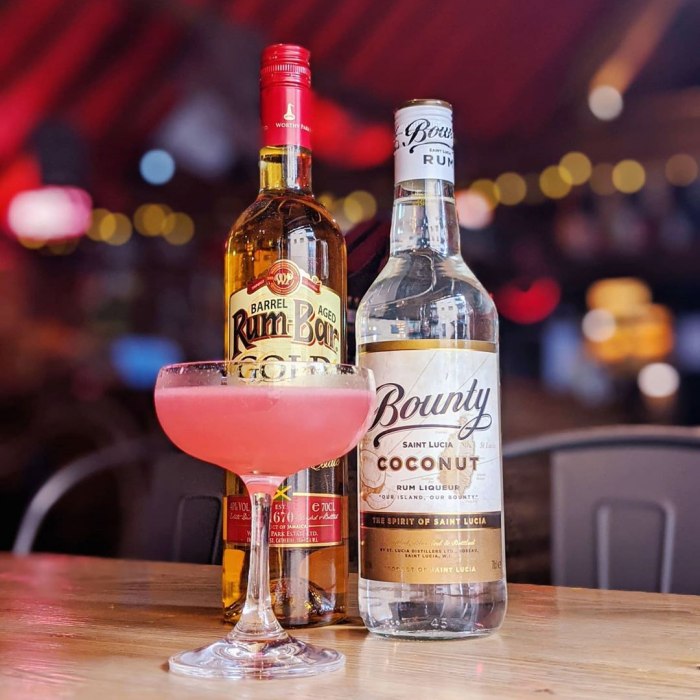
Der "Bounty Hunter" ist ein exotischer Cocktail, der die Aromen tropischer Früchte mit einem Hauch von Rum vereint. Er begeistert mit einer erfrischenden Mischung aus Ananas, Kokosnuss und einem Spritzer Limette, perfekt für einen sonnigen Tag oder einen entspannten Abend. Ein echter Genuss für alle, die das Abenteuer lieben!
Frozen Daiquiri
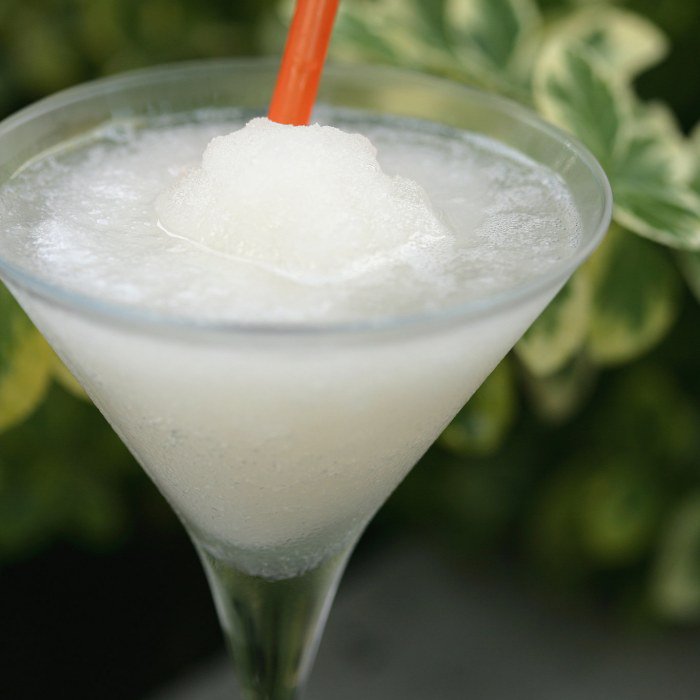
Der Frozen Daiquiri ist ein erfrischender Cocktail, der aus gefrorenen Früchten, Rum, Limettensaft und Zucker besteht. Diese köstliche Mischung wird in einem Mixer zubereitet, bis sie eine slushige Konsistenz erreicht, und ist perfekt für warme Tage oder als fruchtiger Genuss. Mit seinem süßen und sauren Geschmack ist der Frozen Daiquiri ein beliebter Klassiker in vielen Bars und Strandresorts.
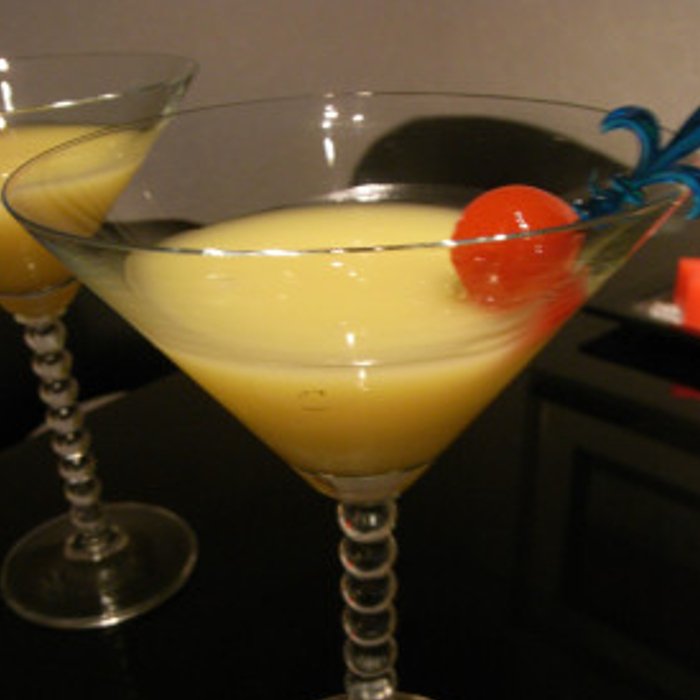
Casa Blanca
Der Casa Blanca ist ein erfrischender Cocktail, der mit einer harmonischen Mischung aus weißem Rum, Triple Sec, Limettensaft und einem Hauch von Grenadinesirup zubereitet wird. Sein fruchtiger Geschmack und die leichte Süße machen ihn zu einem perfekten Begleiter für warme Sommerabende. Genießen Sie diesen eleganten Drink in einem stilvollen Glas, garniert mit einer Limettenscheibe oder einer Kirsche.
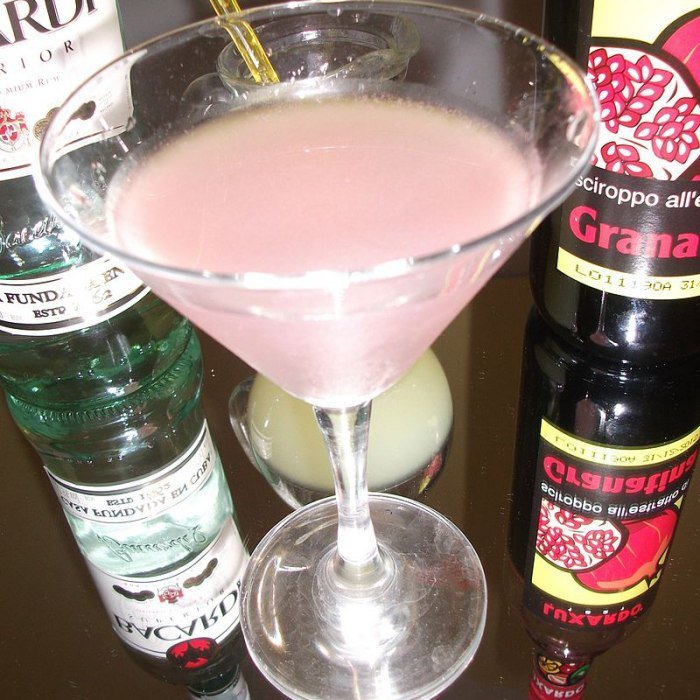
Bacardi Cocktail
Der Bacardi Cocktail ist ein erfrischender und fruchtiger Drink, der aus Bacardi Rum, Limettensaft und Grenadinesirup besteht. Diese Kombination verleiht ihm eine lebendige rote Farbe und einen ausgewogenen Geschmack, der perfekt für heiße Sommertage ist. Genießen Sie diesen klassischen Cocktail als Highlight jeder Feier!
Other Sommerpartys Cocktails
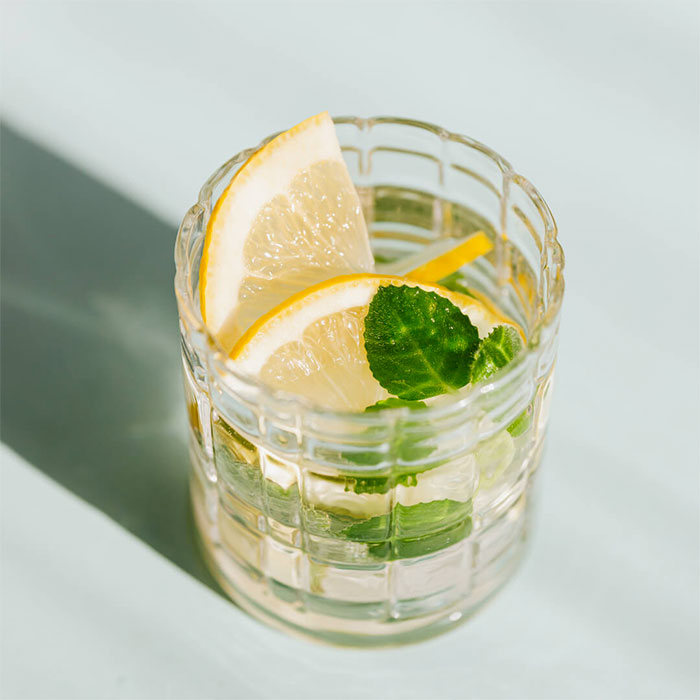
Vodka Tonic
Der Vodka Tonic ist ein erfrischender Cocktail, der aus hochwertigem Wodka und spritzigem Tonic Water besteht. Mit einem Spritzer Limette oder Zitrone verfeinert, bietet er eine perfekte Balance zwischen der sanften Schärfe des Wodkas und der prickelnden Frische des Tonic Waters. Ideal für warme Sommerabende oder gesellige Runden!
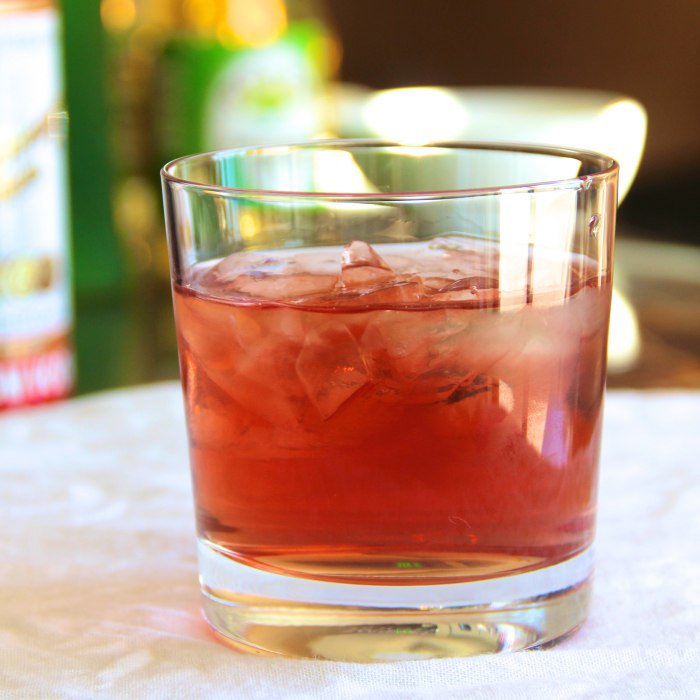
Kool-Aid Shot
Der Kool-Aid Shot ist ein fruchtiger und farbenfroher Cocktail, der mit verschiedenen Geschmacksrichtungen von Kool-Aid und Wodka zubereitet wird. Diese erfrischende Mischung sorgt für einen süßen und spritzigen Genuss, der perfekt für Partys und gesellige Runden ist. Seine lebendige Farbe und der süße Geschmack machen ihn zu einem beliebten Highlight an jeder Bar.
Bounty Hunter
Der "Bounty Hunter" ist ein exotischer Cocktail, der die Aromen tropischer Früchte mit einem Hauch von Rum vereint. Er begeistert mit einer erfrischenden Mischung aus Ananas, Kokosnuss und einem Spritzer Limette, perfekt für einen sonnigen Tag oder einen entspannten Abend. Ein echter Genuss für alle, die das Abenteuer lieben!
Rail Splitter
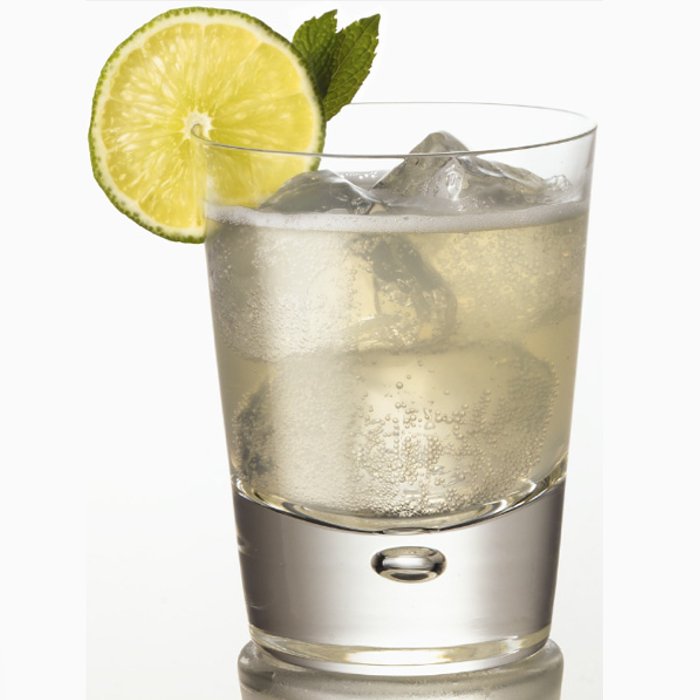
Der Rail Splitter ist ein erfrischender Cocktail, der mit einer harmonischen Mischung aus Bourbon, frischem Zitronensaft und einem Hauch von Honig zubereitet wird. Diese köstliche Kombination bietet eine perfekte Balance zwischen süßen und sauren Aromen, die den Gaumen verwöhnen. Ideal für gesellige Abende oder als Genuss nach einem langen Tag.
Similar Flavor Profiles
Miami Vice
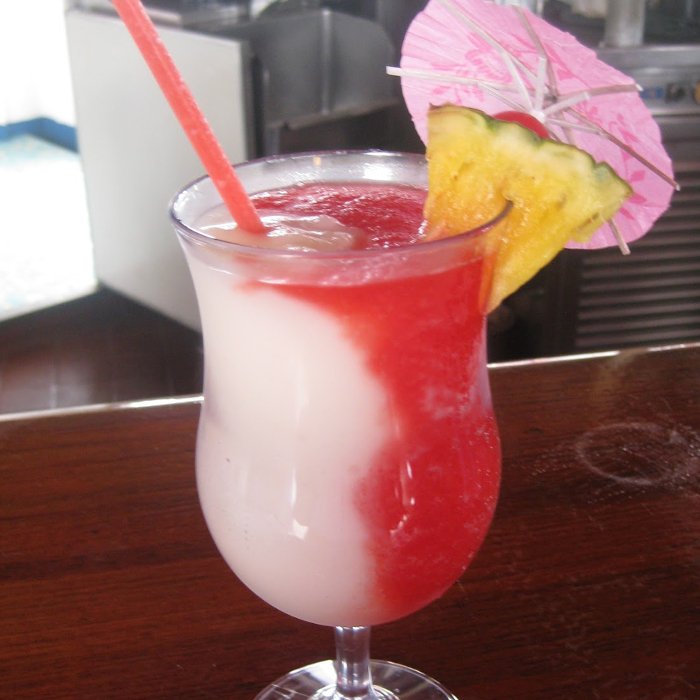
Der Miami Vice ist ein erfrischender Cocktail, der die Aromen von Piña Colada und Strawberry Daiquiri vereint. Mit seiner lebendigen pinken und weißen Schichtung ist er nicht nur ein Genuss für den Gaumen, sondern auch ein echter Blickfang. Perfekt für sonnige Tage am Strand oder eine tropische Sommerparty!
French Martini
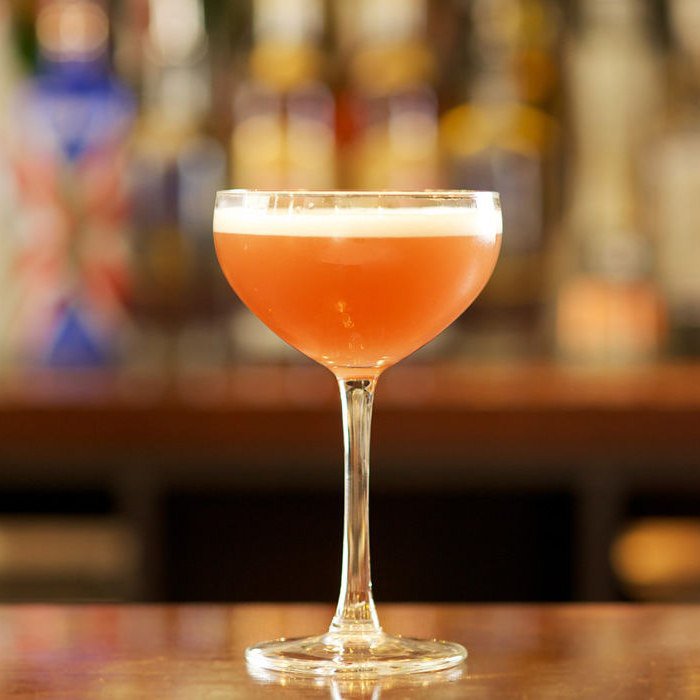
Der French Martini ist ein eleganter Cocktail, der aus Wodka, Himbeerpüree und frischem Ananassaft besteht. Seine süße und fruchtige Note macht ihn zu einem beliebten Getränk für besondere Anlässe. Mit seinem ansprechenden Rosa und dem frischen Geschmack ist er ein Genuss für alle Sinne.
A Gilligan's Island
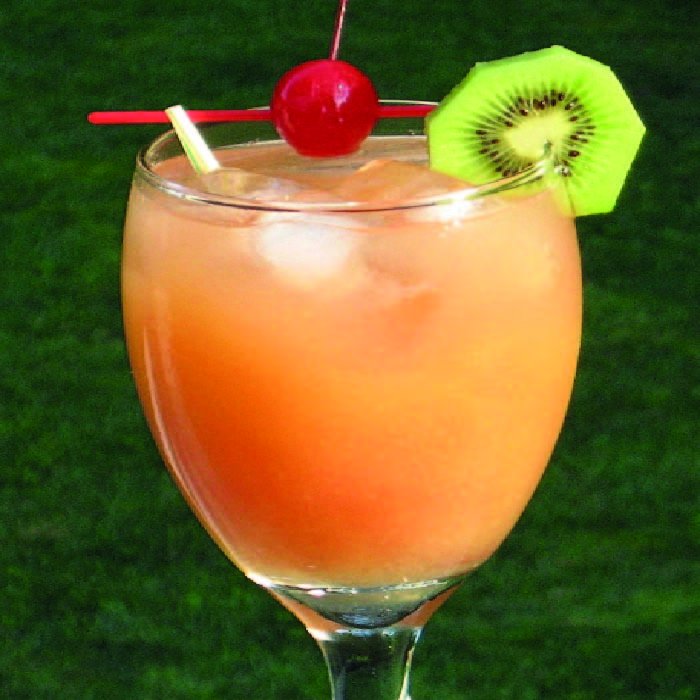
Der Cocktail "A Gilligan's Island" ist eine erfrischende Mischung aus Rum, Ananassaft und Kokoscreme, die die tropische Atmosphäre der beliebten TV-Serie einfängt. Mit seiner süßen und cremigen Textur ist er der perfekte Drink für einen entspannten Abend am Strand oder eine Sommerparty. Genießen Sie diesen exotischen Cocktail und lassen Sie sich von den Erinnerungen an die Abenteuer auf der Insel verzaubern!
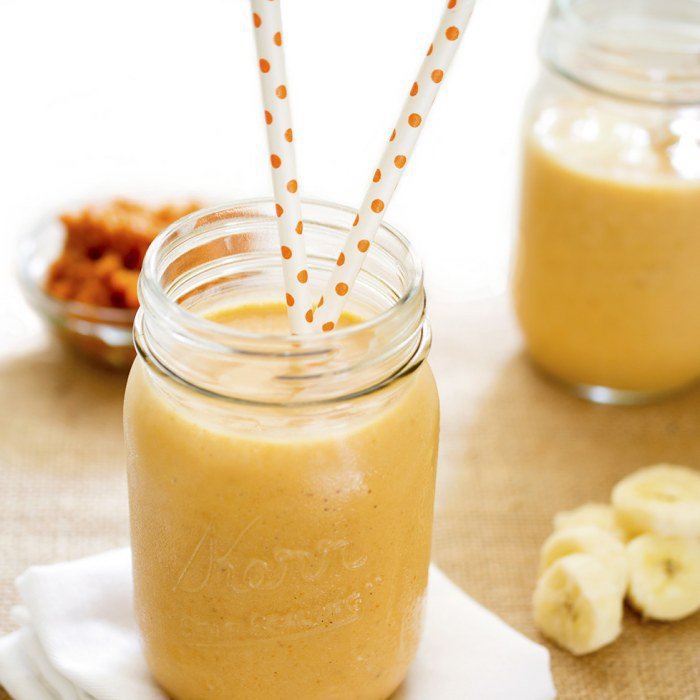
Sweet Bananas
Der Cocktail "Sweet Bananas" ist eine fruchtige und erfrischende Mischung, die den Geschmack reifer Bananen mit einer harmonischen Kombination aus Rum und frischen Zitrusnoten vereint. Serviert in einem stilvollen Glas, ist dieser Drink perfekt für sommerliche Abende oder entspannte Partys. Ein wahrer Genuss für alle Liebhaber tropischer Cocktails!
Advertisement