Spirit Guide
Bourbon Cocktails: Recipes & Beginner's Spirit Guide

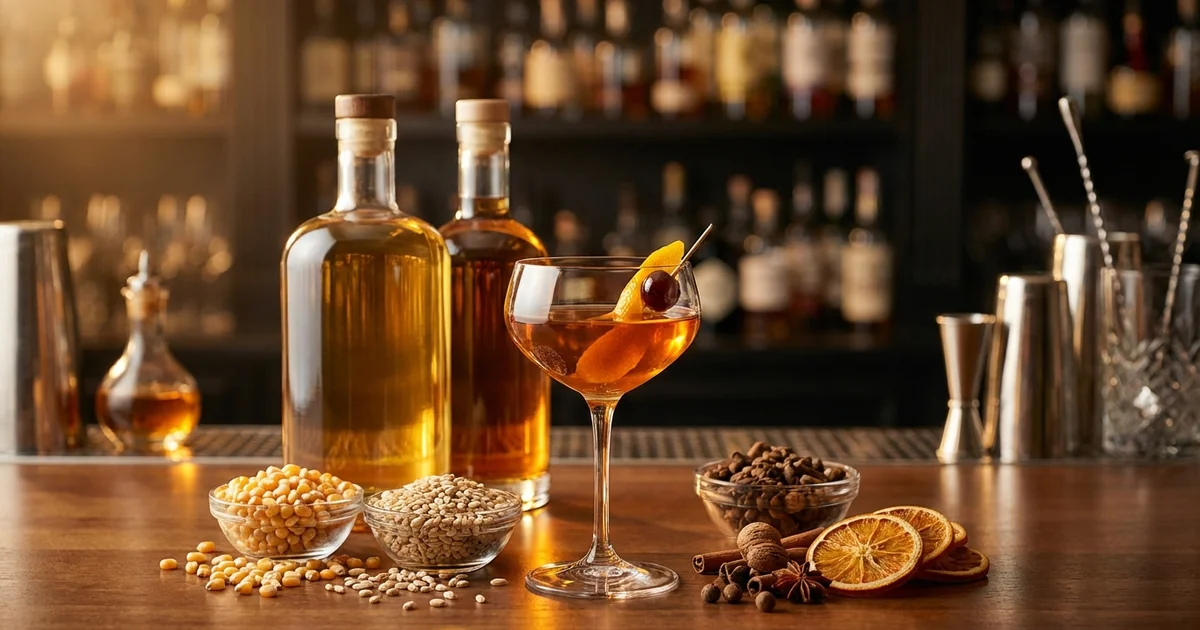
About Bourbon
If you've been curious about bourbon but intimidated by whiskey culture, you've found the right starting point. Bourbon cocktails offer one of the most beginner-friendly entry points into the world of spirits — unlike some whiskeys that can taste harsh or overly complex to new drinkers, bourbon's naturally sweet character makes it exceptionally mixable and approachable. This is America's native spirit: legally defined, regionally rooted, and endlessly rewarding to explore. Whether you're hosting your first cocktail party or simply want to expand beyond vodka and rum, bourbon opens up a world of classic American drinks. The cocktails in this collection range from the iconic Old Fashioned — perhaps the oldest named cocktail style in existence — to modern crowd-pleasers that show how naturally bourbon integrates with citrus, spice, and bitter ingredients.
Flavor Notes
What Bourbon tastes like
- Caramel and vanilla — the signature sweet notes from corn-forward mash bills and charred new oak barrel aging
- Toffee and brown sugar — the warm, baking-spice sweetness that makes bourbon so approachable for new whiskey drinkers
- Rye spice — cinnamon, black pepper, and nutmeg from the rye grain component of the mash, adding complexity to the sweetness
- Cherry and dried fruit — subtle fruit notes that emerge from longer barrel aging and contribute to bourbon's cocktail compatibility
- Toasted oak — warm wood character that provides structure and depth without the harsh tannins of over-aged whiskey
Buying Guide
What to look for
- Buffalo Trace ($25) — the essential starter bourbon; balanced vanilla and caramel, works beautifully in everything from Old Fashioneds to Mules
- Evan Williams Bottled-in-Bond ($20) — high-proof, exceptional value, especially good for spirit-forward cocktails where proof matters
- Four Roses Small Batch ($30) — smoother and slightly fruity; ideal when you want a polished bourbon that sips well and mixes better
- Wild Turkey 101 ($23) — bold, spicy, high-proof; holds up beautifully in citrus drinks and against assertive bitters
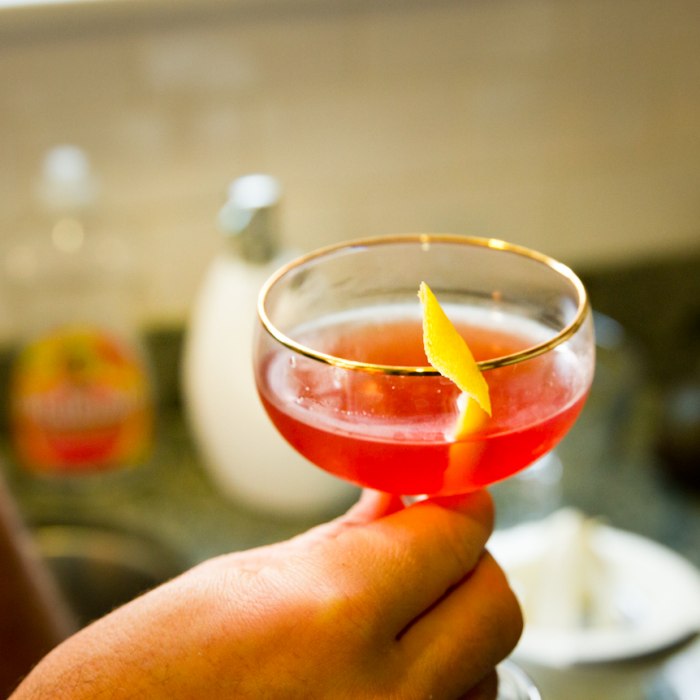
- Elijah Craig Small Batch ($28) — richer oak influence, excellent choice for stirred cocktails like the Boulevardier
History
The Story of Bourbon
Bourbon's roots stretch to the late 18th-century American frontier, when Scots-Irish settlers brought their distilling traditions to the limestone-filtered water of Kentucky. The spirit that emerged was distinct from European whiskeys: a grain mash dominated by corn (which grew abundantly in the Ohio River valley), aged in newly charred oak barrels that the frontier economy produced as a byproduct of barrel-making. The charred interior caramelises the wood sugars, creating the characteristic vanilla, caramel, and toffee notes that define bourbon's sweet profile.
The name "bourbon" almost certainly derives from Bourbon County, Kentucky — though whether this refers to the county itself or to Bourbon Street in New Orleans (a major shipping destination for frontier spirits) remains debated by historians. What is clear is that by the 1820s, Kentucky was shipping its distinctive corn whiskey downstream to New Orleans and beyond, where it was gaining a reputation as something genuinely different from rye or Irish whiskey. The Bottled-in-Bond Act of 1897, mandating specific production standards, was the first consumer protection law in American history — a testament to bourbon's cultural and commercial significance.
Prohibition (1920-1933) devastated the bourbon industry but paradoxically secured the reputations of a handful of distilleries granted licences to produce "medicinal whiskey." The post-Prohibition recovery was slow, with bourbon losing market share to Scotch and, later, to the vodka boom. The category's modern renaissance began in the 1990s as single barrel and small batch expressions attracted a new generation of consumers. Today, the Buffalo Trace Antique Collection, Pappy Van Winkle, and the "bourbon boom" have made Kentucky distilleries global destinations.
Key Takeaways
What you’ll learn
- Bourbon's sweet, approachable flavor profile makes it ideal for cocktail beginners — the corn-forward sweetness plays well with citrus, ginger, and bitters
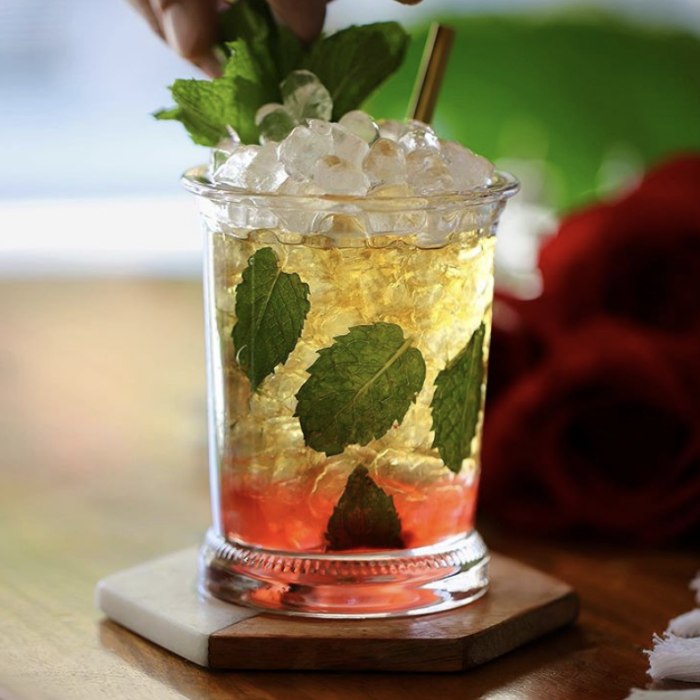
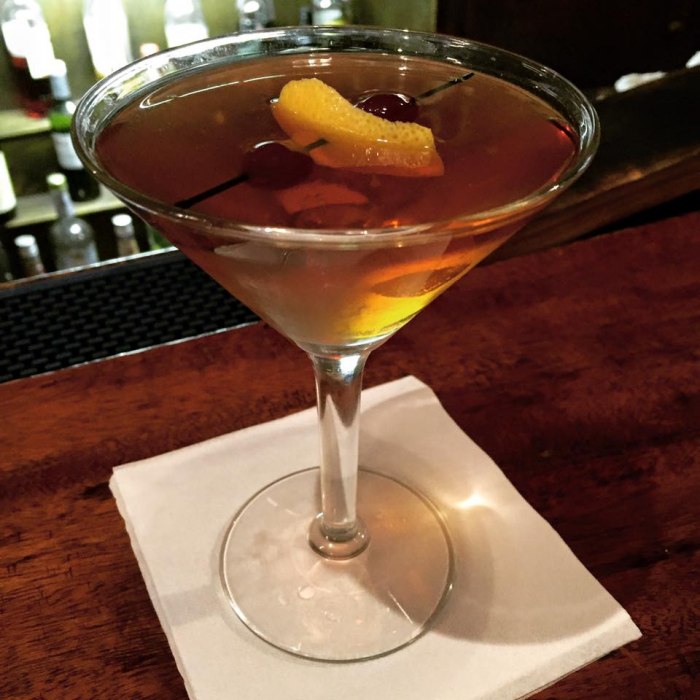
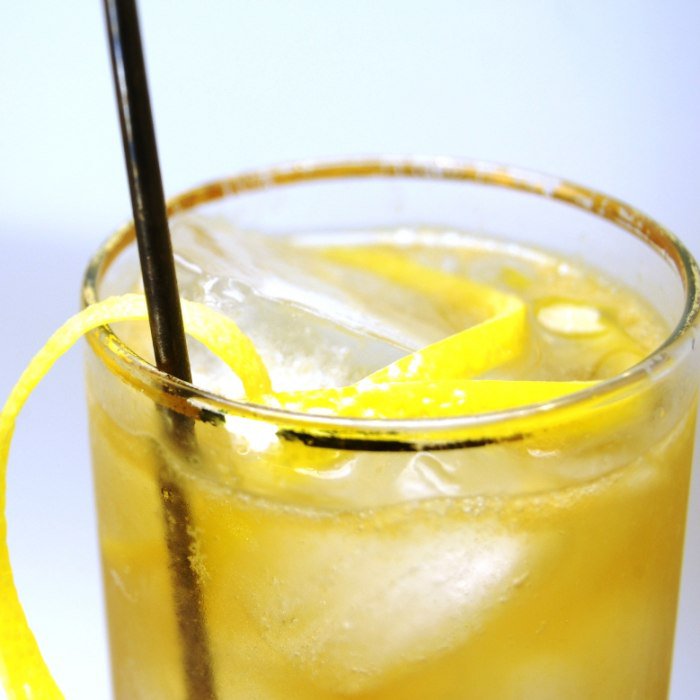
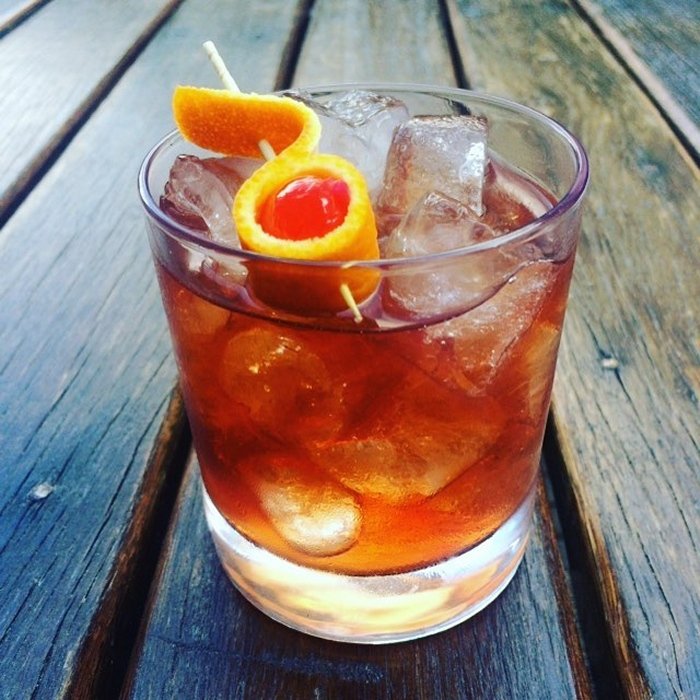
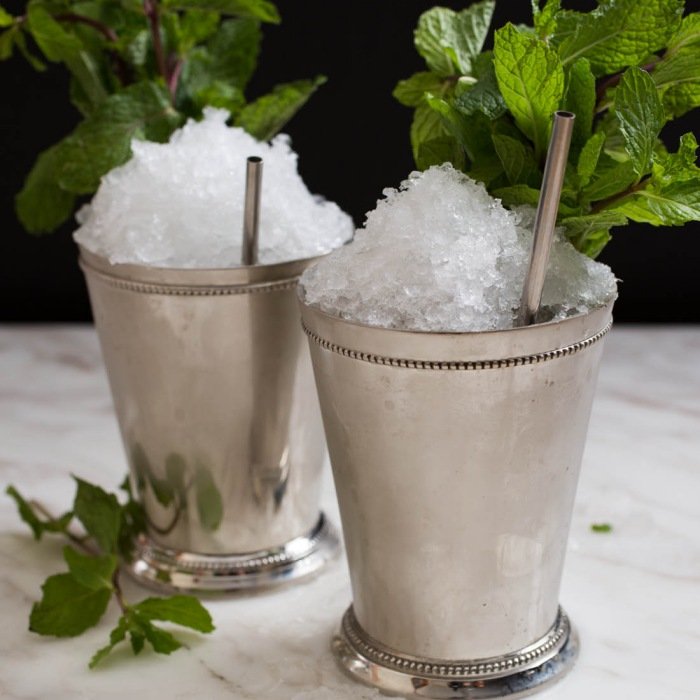
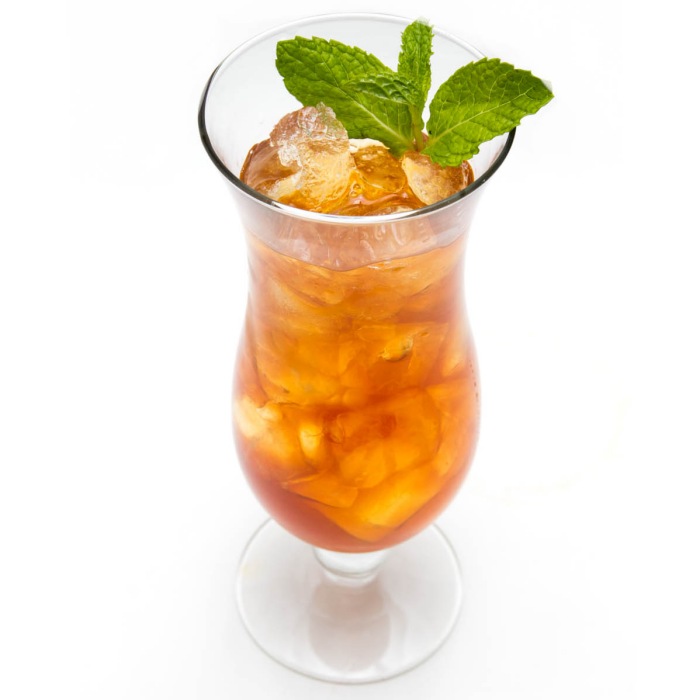
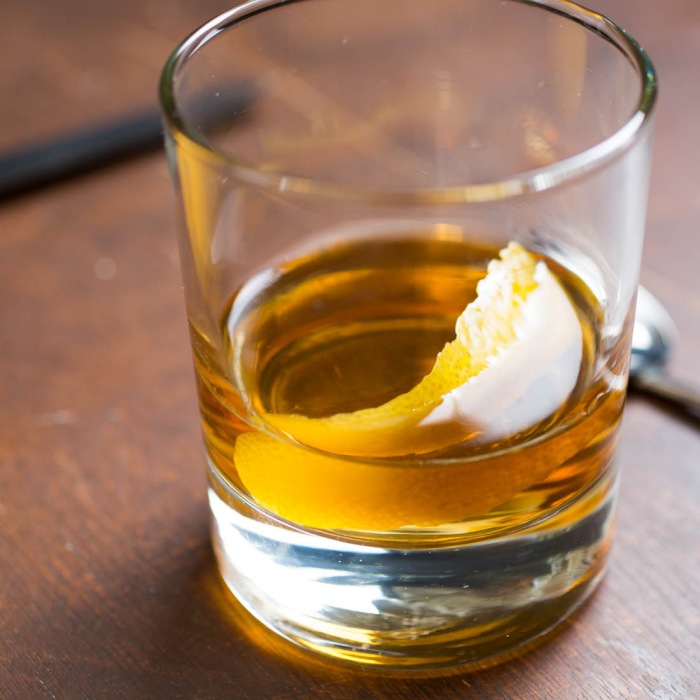
- Five classic bourbon cocktails — Old Fashioned, Whiskey Sour, Mint Julep, Kentucky Mule, Boulevardier — cover every fundamental mixology technique
- Quality bourbon cocktails don't require expensive bottles; many excellent options exist under $30 for mixing
- Proper ice and dilution technique significantly impact your bourbon drinks — large cubes for stirred cocktails, standard for shaken, crushed for Juleps
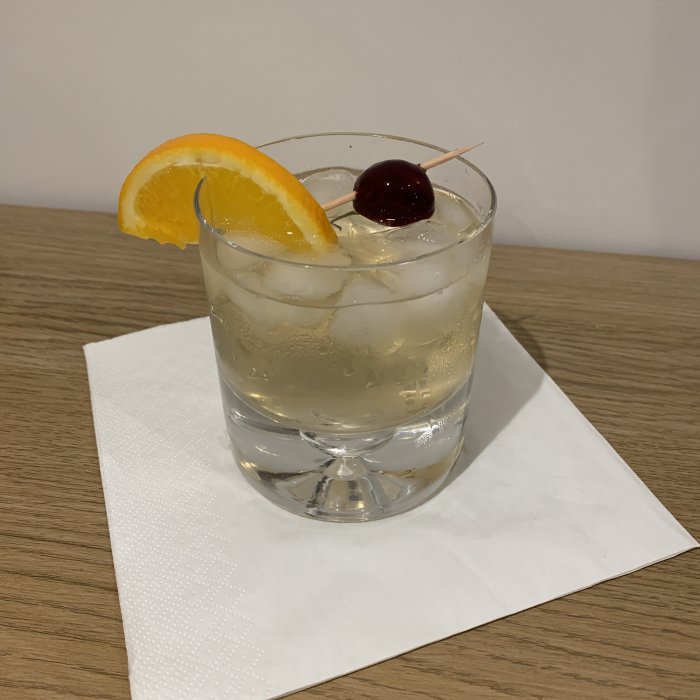
- Starting with citrus-forward cocktails like the Whiskey Sour helps develop your palate before moving to spirit-forward builds like the Old Fashioned