Cocktail
Paloma
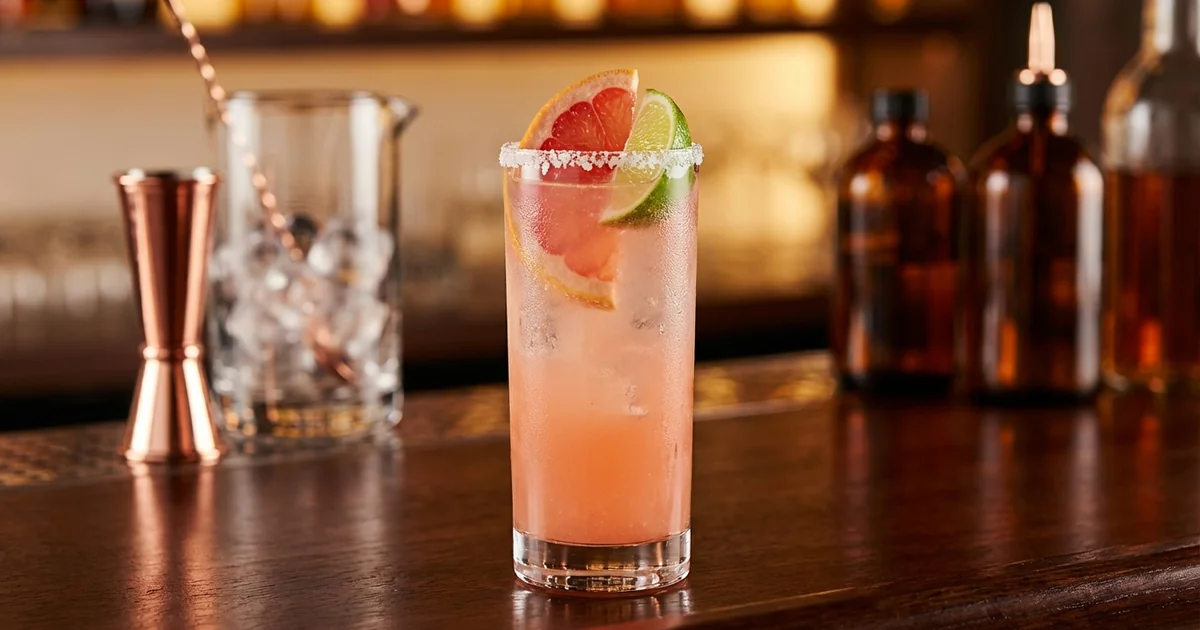
The Paloma is a refreshing Mexican cocktail that combines tequila with grapefruit soda, creating a perfect balance of sweetness and tartness. Typically served over ice in a salt-rimmed glass, it often features fresh lime juice for an extra citrusy kick. This vibrant drink is a popular choice for warm weather, embodying the spirit of summer with every sip.
- refreshing
- tangy
- citrusy
- slightly bitter

- Prep Time
- 5 min
- Glass
- Collins glass
- Difficulty
- Easy
- ABV
- 11%
- Yields
- 1 serving
At its core, the Paloma is a tequila-forward cocktail that takes about 5 minutes to make. The result is refreshing and tangy — worth every second. Consistently one of the most popular sunny day searches, and for good reason.
Key Takeaways
What you’ll learn
- The Paloma is Mexico's most popular tequila cocktail, surpassing the Margarita in local consumption.
- Authentic Palomas use grapefruit soda (Squirt or Jarritos Toronja) for proper effervescence; fresh grapefruit juice with club soda is the craft alternative.
- Blanco tequila is traditional, but reposado adds vanilla and oak complexity for a more sophisticated result.
- A salt or Tajin rim is essential for balancing the sweet-tart grapefruit flavour — not merely decorative.
Advertisement
Ingredients
- Serves
- 1 serving
- Glass
- Collins glass
- Prep
- 5 min
- 3 ozGrape Soda
- 1 1/2 ozTequila
Method
Preparation
- 01
Stir together and serve over ice.
Origin
History & Origins
When most people think of Mexican tequila cocktails, the Margarita comes to mind. But in Mexico itself, the Paloma has reigned supreme since the 1950s. "Paloma" means dove in Spanish, and while the drink's exact origin remains disputed, it likely emerged in Mexican cantinas where Squirt grapefruit soda — introduced in the late 1930s — became a natural companion for locally produced tequila. The combination was simple, thirst-quenching, and perfectly suited to Mexico's warm climate.
The Paloma gained international recognition slowly, held back by the Margarita's global marketing success and by the fact that Squirt and Jarritos (the traditional sodas) were not widely available outside North America. The craft cocktail movement of the 2010s changed this: bartenders began building fresh-juice versions using grapefruit juice, club soda, and agave nectar, making the recipe reproducible anywhere in the world. The IBA includes the Paloma among its official Contemporary Classics.
The Paloma gained international recognition slowly, held back by the Margarita's global marketing success and by the fact that Squirt and Jarritos (the traditional sodas) were not widely available outside North America.
Today the Paloma's rise mirrors the broader recognition of Mexican drinking culture beyond tequila-and-lime simplifications. Mezcal Palomas, spicy variations with jalapeño or Tajin, and frozen versions have proliferated on menus worldwide. The drink's accessibility — requiring fewer special ingredients than a Margarita and being more forgiving of proportion variation — has made it a favourite for home bartenders and professional programmes alike.
Advertisement
Bartender’s Insight
Pro Tips
For the traditional version, use Squirt or Jarritos Toronja grapefruit soda. For a craft version, combine 2 oz fresh grapefruit juice, 0.5 oz agave nectar, and 2 oz club soda.
From Sofia
Tajin (chili-lime-salt seasoning) on the rim is the modern favourite — its spicy-salty-tangy character is addictive and perfectly complements grapefruit.
Use 100% agave tequila blanco — "mixto" tequilas with added sugars create rough, unpleasant flavours that a light mixer like grapefruit soda cannot hide.
Build directly in the highball glass over ice; never shake a Paloma made with soda, as carbonation will be lost.
For a half-rim application, apply Tajin to only one side of the glass so drinkers can control the spice experience sip by sip.
At the Table
Perfect Pairings
Beyond the Classic
Variations
Mezcal Paloma
Substitute mezcal espadín for tequila blanco. The distinctive smokiness pairs surprisingly well with grapefruit's tartness, adding complexity and depth without overwhelming the citrus.
Spicy Paloma
Muddle 2–3 fresh jalapeño slices in the glass before building, or use jalapeño-infused tequila (soak sliced jalapeños in tequila for 24–48 hours). The capsaicin's heat amplifies the grapefruit's tartness.
Pink Paloma
Add 0.5 oz Aperol or Campari for a beautiful pink-orange hue and subtle bitter complexity that enhances the grapefruit flavour. Reduce grapefruit soda slightly to maintain balance.
Frozen Paloma
Blend 2 oz tequila, 3 oz fresh grapefruit juice, 1 oz lime juice, 0.75 oz agave nectar, and 2 cups ice until smooth. Serve in a Tajin-rimmed glass. The ultimate hot-weather variation.
Questions
Frequently Asked
- The Paloma has a flavor profile that is refreshing, tangy, citrusy, slightly bitter. It is crafted to balance these characteristics into a harmonious, satisfying drink that appeals to a wide range of palates.
- The Paloma is ideal for beach outings, casual get-togethers, taco nights. Its flavor profile and presentation make it a versatile choice that works equally well as a social cocktail or a relaxed evening drink.
- Yes, there are several ways to adapt a Paloma. If you cannot source Grape Soda, look for a similar alternative that matches its flavor profile. Keep in mind that substitutions may alter the balance of the cocktail, so start with a smaller quantity and adjust to taste. The variations section above lists popular alternatives bartenders use.
- Some of the most popular Paloma variations include Mezcal Paloma, Spicy Paloma, Pink Paloma. Each variation puts a unique twist on the original recipe while retaining the essential character of the classic cocktail.
- The Paloma is traditionally served in a Collins glass. Using the right glassware is important because it affects the aroma, temperature retention, and overall drinking experience. If you do not have a Collins glass on hand, a similar shaped glass will work.
- Yes, a mocktail version of the Paloma is possible. Replace the base spirit with a non-alcoholic spirit alternative (there are many quality options available) and keep all other components the same. The result will capture much of the original's flavor profile while being suitable for guests who prefer alcohol-free options.
Other Tequila Cocktails
Tequila Sour
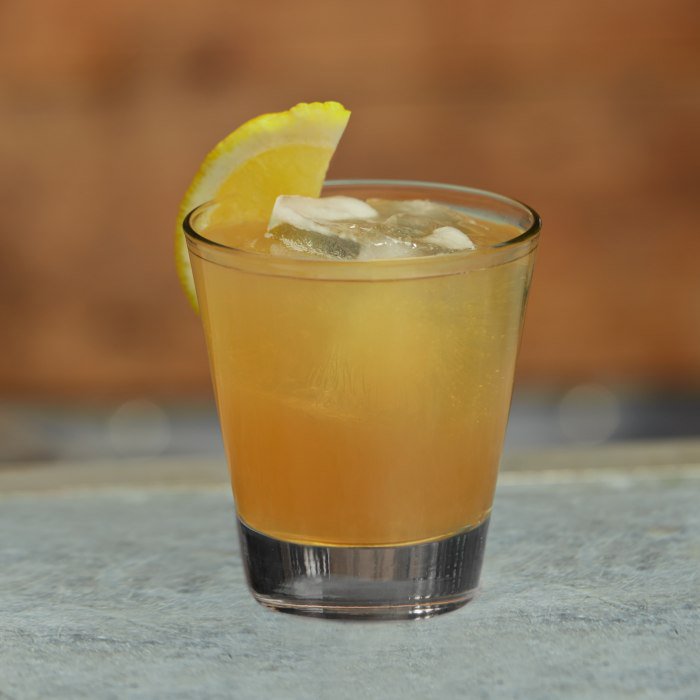
The Tequila Sour is a refreshing cocktail that combines the vibrant flavors of tequila with the tartness of fresh lemon juice and a touch of simple syrup for sweetness. Often garnished with a slice of lemon or a cherry, this drink offers a delightful balance of citrus and spirit, making it a perfect choice for warm evenings or festive gatherings. Its smooth texture and zesty profile make it a beloved twist on the classic sour cocktail family.
Whitecap Margarita
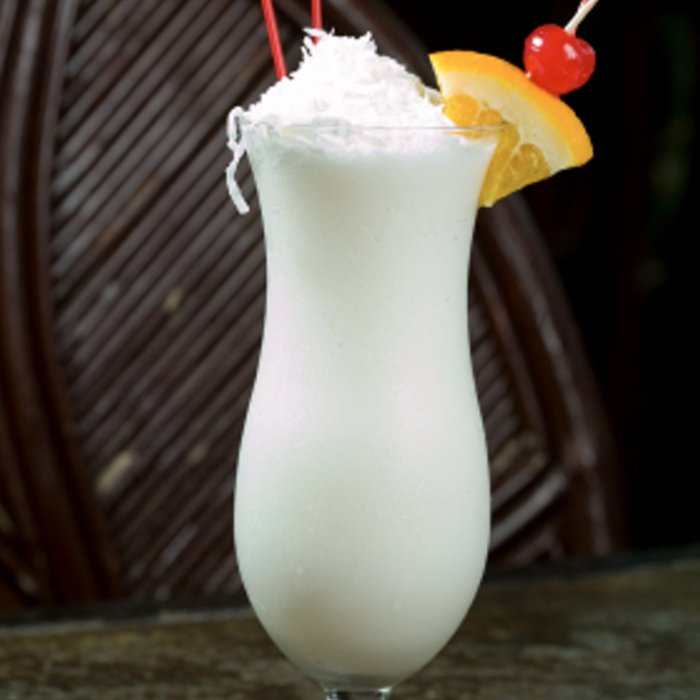
The Whitecap Margarita is a refreshing twist on the classic cocktail, blending smooth tequila with zesty lime juice and a splash of orange liqueur. Topped with a frothy layer of whipped egg whites, it delivers a creamy texture and a delightful presentation, making it perfect for any occasion. Garnished with a salt rim and a lime wedge, this drink captures the essence of sun-soaked beaches and vibrant summer nights.
Apple Grande
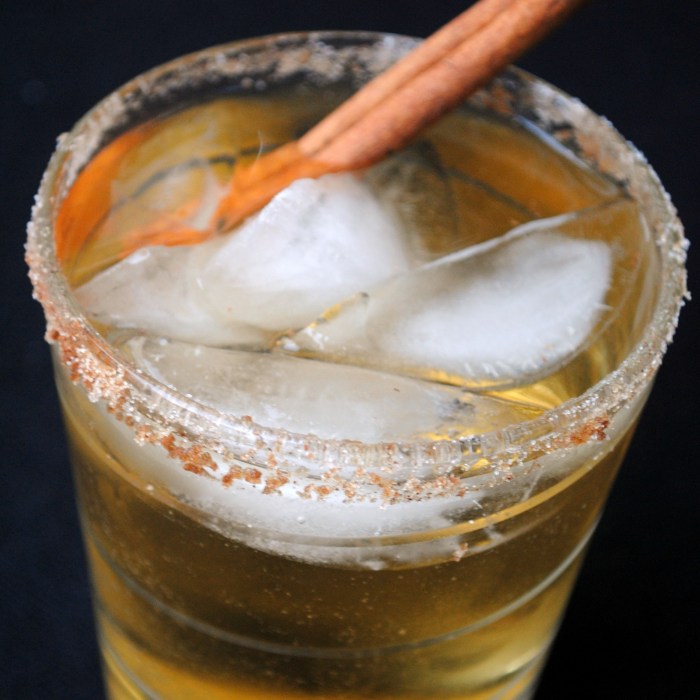
The Apple Grande is a refreshing cocktail that combines crisp apple juice with a splash of sparkling wine, creating a delightful effervescence. Enhanced with a hint of cinnamon and a twist of lime, this drink offers a perfect balance of sweetness and tartness, making it an ideal choice for any festive occasion. Served over ice and garnished with a fresh apple slice, it's a vibrant toast to autumn flavors.
Vampiro
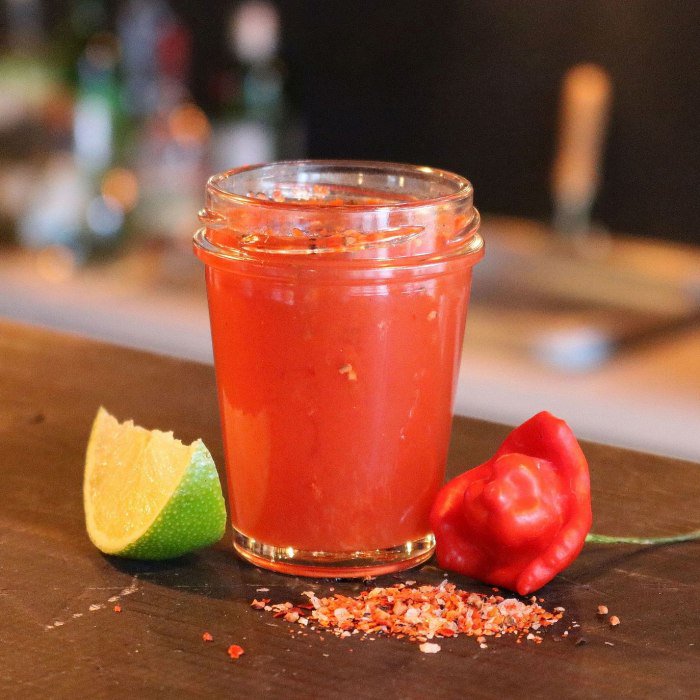
The Vampiro is a vibrant Mexican cocktail that combines the bold flavors of tequila and fresh tomato juice, enhanced with a splash of citrus and a hint of spice. Often garnished with a rim of salt and chili powder, this refreshing drink offers a perfect balance of savory and tangy notes, making it a delightful choice for those seeking a unique twist on traditional cocktails. Its name, meaning "vampire" in Spanish, reflects its striking red color and lively character.
Other beach outings Cocktails
Vodka Tonic
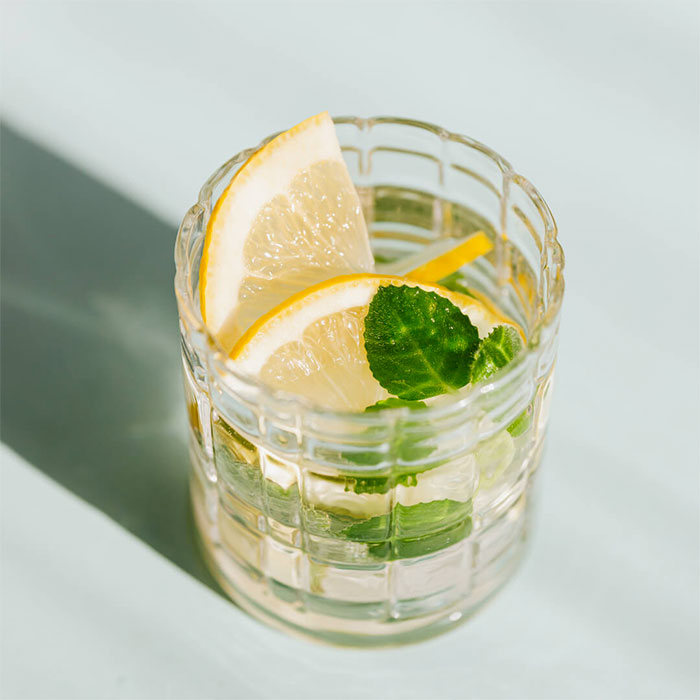
The Vodka Tonic is a refreshing and simple cocktail that combines smooth vodka with crisp tonic water, creating a perfect balance of flavors. Often garnished with a wedge of lime or lemon, this drink is a popular choice for those seeking a light and invigorating beverage. Its clean taste and versatility make it a staple at bars and gatherings alike.
Moranguito
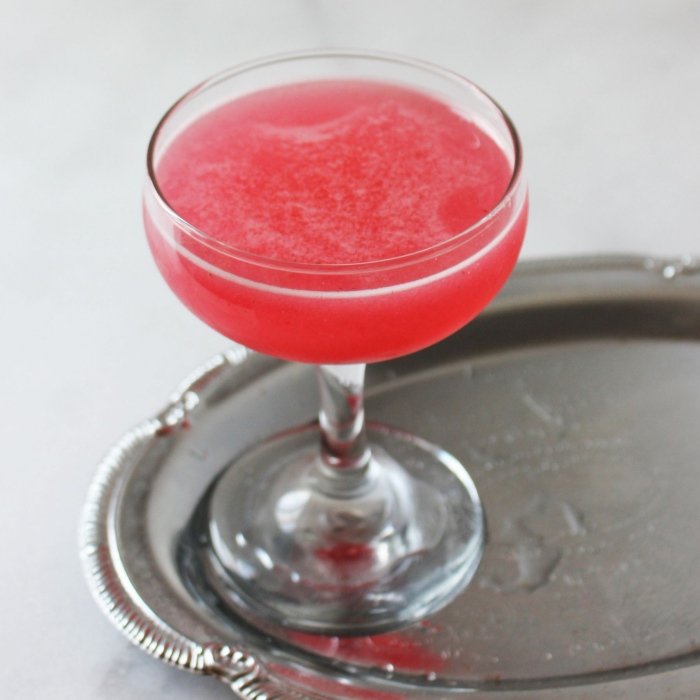
The Moranguito is a refreshing cocktail that combines the vibrant flavors of fresh strawberries and zesty lime with a splash of rum or vodka, creating a delightful balance of sweetness and tartness. Served over ice and often garnished with mint leaves, this drink is perfect for warm days and lively gatherings, inviting you to savor every sip. Its bright red hue and fruity aroma make it as visually appealing as it is delicious.
Frozen Daiquiri
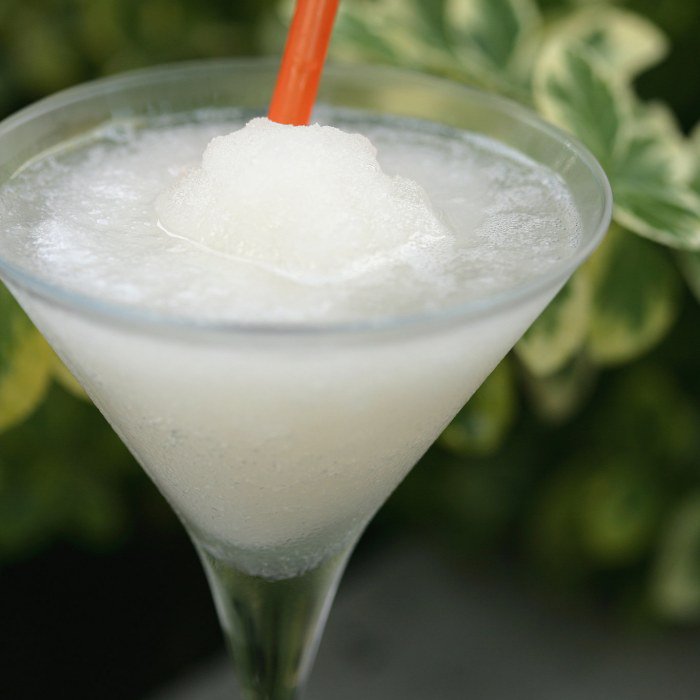
The Frozen Daiquiri is a refreshing and vibrant cocktail that blends rum, fresh lime juice, and simple syrup with crushed ice, creating a slushy texture perfect for warm weather. Often garnished with a lime wheel or cherry, this tropical drink offers a delightful balance of sweetness and tartness, making it a popular choice for beachside sipping or summer gatherings. Enjoy its icy allure as you unwind and savor the flavors of the tropics!
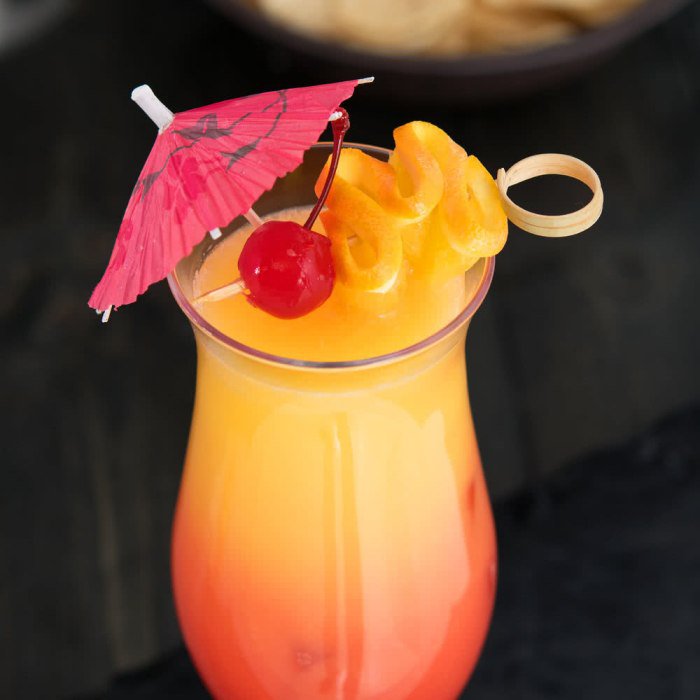
Orange Push-up
The Orange Push-up is a refreshing and nostalgic cocktail that captures the essence of a classic frozen treat. This vibrant drink blends citrusy orange flavors with a creamy texture, reminiscent of the beloved ice cream popsicle. Perfect for warm days, it offers a delightful balance of sweetness and tang, making it a fun and flavorful choice for any gathering.
Similar Flavor Profiles
Vodka Tonic
The Vodka Tonic is a refreshing and simple cocktail that combines smooth vodka with crisp tonic water, creating a perfect balance of flavors. Often garnished with a wedge of lime or lemon, this drink is a popular choice for those seeking a light and invigorating beverage. Its clean taste and versatility make it a staple at bars and gatherings alike.
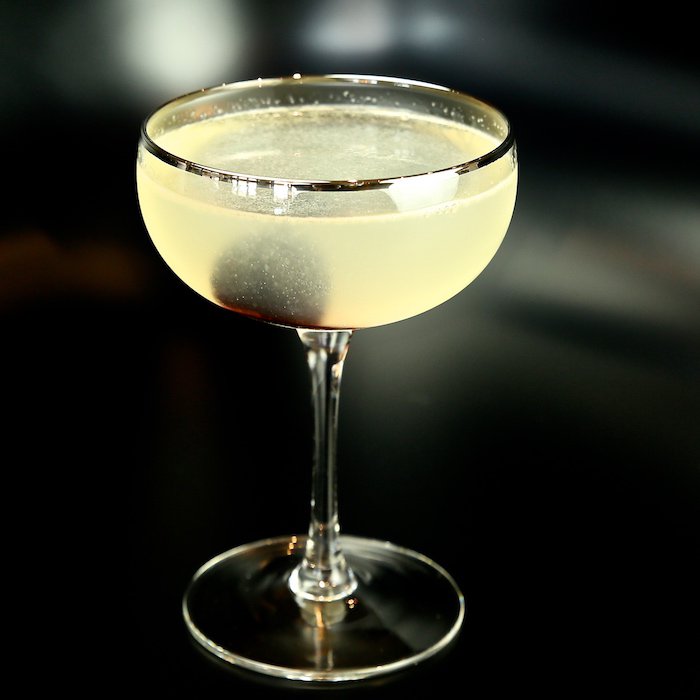
Corpse Reviver
The Corpse Reviver is a classic cocktail known for its refreshing blend of spirits designed to invigorate and restore. Typically made with equal parts gin, Cointreau, Lillet Blanc, and freshly squeezed lemon juice, it is often served in a chilled glass with a twist of lemon peel. This revitalizing drink is perfect for brunch or as a remedy for a long night out.
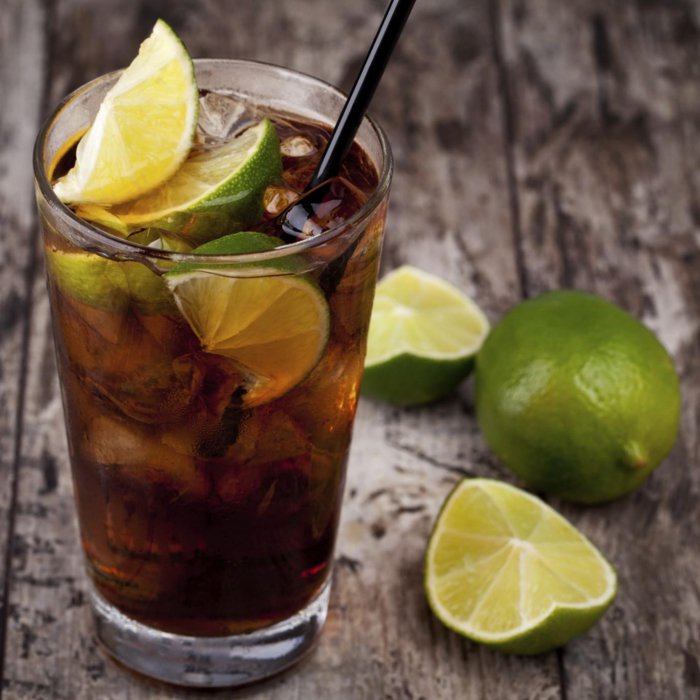
Cuba Libra
The Cuba Libre is a refreshing cocktail that combines the crispness of rum with the sweetness of cola and a zesty twist of fresh lime juice. Originating in Cuba, this classic drink embodies a vibrant spirit, making it a popular choice for those seeking a simple yet invigorating beverage. Served over ice, it's the perfect blend of flavors that captures the essence of tropical relaxation.
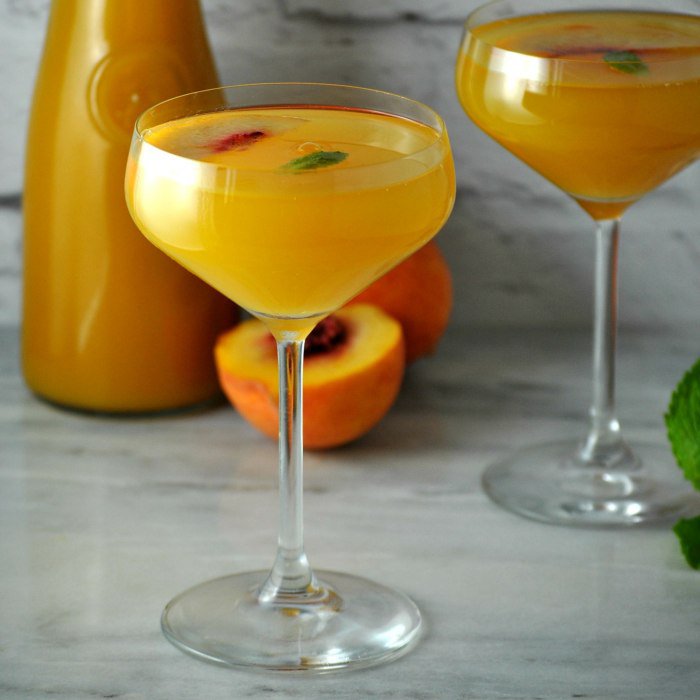
Valencia Cocktail
The Valencia Cocktail is a vibrant and refreshing drink that combines the zesty flavors of fresh orange juice with gin and a hint of sweet vermouth. Garnished with a twist of orange peel, this cocktail captures the essence of sunny Valencia, making it a perfect choice for warm evenings or festive gatherings. Its balanced sweetness and citrusy brightness create a delightful sipping experience.
Advertisement