Ordinary Drink
Sazerac
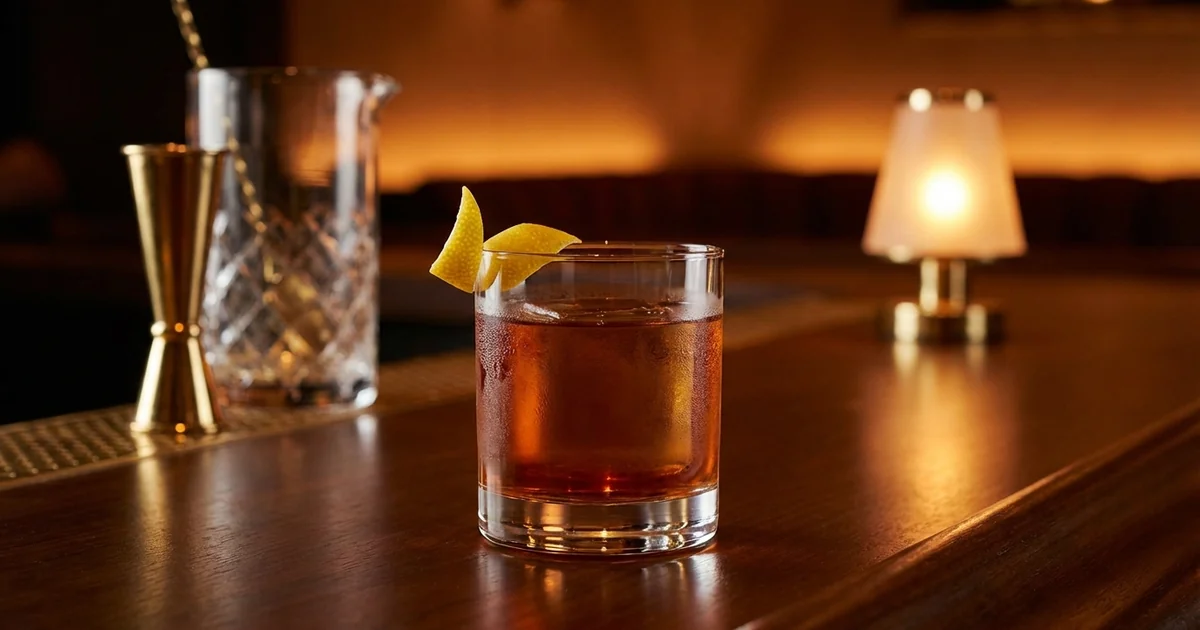
The Sazerac is a classic New Orleans cocktail that combines rye whiskey or cognac with a sugar cube, Peychaud's bitters, and a hint of absinthe for a distinctive herbal aroma. Served in a chilled glass, it is garnished with a twist of lemon peel, offering a perfect balance of sweetness and bitterness that reflects the rich history of this iconic drink.
- bittersweet
- herbal
- anise
- aromatic

- Prep Time
- 5 min
- Glass
- Old-fashioned glass
- Difficulty
- Advanced
- ABV
- 35%
- Yields
- 1 serving
The Sazerac is a ordinary drink built on bourbon, celebrated for its bittersweet and herbal character — a consistently top-searched cocktail hour. Whether you're after a reliable cocktail parties option or simply want to master a classic, this 5-minute recipe is straightforward enough for home bars yet refined enough to impress. Perfect if you've been searching for the best special occasions.
Key Takeaways
What you’ll learn
- The Sazerac is widely recognised as America's first cocktail, originating in 1830s New Orleans at Antoine Amédée Peychaud's pharmacy.
- The classic recipe requires rye whiskey, though the original used French Cognac — a legitimate and elegant alternative.
- Peychaud's bitters are absolutely non-negotiable; Angostura creates a fundamentally different cocktail.
- The absinthe rinse is a signature technique that coats the glass with aromatic anise essence without adding it to the mix.
- Traditionally served neat (without ice) in a chilled Old Fashioned glass after stirring over ice.
Advertisement
Ingredients
- Serves
- 1 serving
- Glass
- Old-fashioned glass
- Prep
- 5 min
- 1 tspRicard
- 1/2 tsp superfineSugar
- 2 dashesPeychaud bitters
- 1 tspWater
- 2 ozBourbon
- 1 twist ofLemon peel
Method
Preparation
- 01
Rinse a chilled old-fashioned glass with the absinthe, add crushed ice, and set it aside. Stir the remaining ingredients over ice and set it aside. Discard the ice and any excess absinthe from the prepared glass, and strain the drink into the glass. Add the lemon peel for garnish.
Origin
History & Origins
The Sazerac stands as a monument to American cocktail culture, with origins in 1838 New Orleans. Antoine Amédée Peychaud, a Creole apothecary, began serving a proprietary blend of bitters mixed with French Cognac at his pharmacy at 437 Royal Street in the French Quarter. He served these medicinal tonics in a double-ended egg cup called a "coquetier" — Americans' mispronunciation of which may have given us the word "cocktail" itself, though this etymology is debated.
The drink took its current name from the Sazerac Coffee House, which opened in 1850 and began serving Peychaud's creation using Sazerac de Forge et Fils Cognac. The 1870s brought a pivotal transformation: the phylloxera epidemic devastated French vineyards, making Cognac scarce and expensive. American rye whiskey became the substitute, and the spirit swap stuck. Meanwhile, the absinthe component entered the recipe in the mid-to-late 19th century, adding the distinctive anise character that defines the modern cocktail. When absinthe was banned in the United States in 1912, New Orleans entrepreneur J. Marion Legendre created Herbsaint as a legal substitute.
The drink took its current name from the Sazerac Coffee House, which opened in 1850 and began serving Peychaud's creation using Sazerac de Forge et Fils Cognac.
In 2008, the Louisiana State Legislature officially named the Sazerac the cocktail of New Orleans, and it appears on UNESCO's list of the city's intangible cultural heritage. The drink's ritualistic preparation — the deliberate absinthe rinse, the careful muddling of sugar with Peychaud's bitters, the neat service without ice — connects every Sazerac drinker to nearly two centuries of New Orleans history and cocktail tradition.
Advertisement
Bartender’s Insight
Pro Tips
Chill the Old Fashioned glass with ice water while you build the cocktail in a separate mixing glass.
From Arthur
Add absinthe to the chilled glass and swirl to coat the entire interior surface, then discard the excess — you want only the aromatic oils clinging to the glass.
Muddle the sugar cube with Peychaud's bitters and a splash of water until fully dissolved before adding rye and ice for stirring.
Stir for 30–40 seconds until the mixing glass is very cold; the Sazerac is served without ice, so proper chilling through stirring is essential.
Express lemon peel over the finished drink to release citrus oils onto the surface, then traditionally discard the peel rather than dropping it in.
At the Table
Perfect Pairings
Beyond the Classic
Variations
Cognac Sazerac (Sazerac Royale)
Use 2 oz VSOP Cognac instead of rye whiskey to honour the original 1830s recipe. Pierre Ferrand 1840 or Rémy Martin VSOP are ideal. Softer, more elegant, and decidedly French in character.
Improved Sazerac
Add 1 bar spoon of maraschino liqueur to the mixing glass before stirring. This 19th-century "improved cocktail" template adds subtle cherry-almond notes that complement the Peychaud's beautifully.
Split-Base Sazerac
1 oz rye whiskey and 1 oz Cognac bridges old and new traditions. The combination captures both the spicy American character and the elegant French heritage of the cocktail's history.
Tequila Sazerac
2 oz reposado tequila in place of rye, with Peychaud's and absinthe rinse unchanged. The aged tequila's oak and vanilla notes work surprisingly well with the anise and floral bitters combination.
Questions
Frequently Asked
- The Sazerac has a flavor profile that is bittersweet, herbal, anise, aromatic. It is crafted to balance these characteristics into a harmonious, satisfying drink that appeals to a wide range of palates.
- The Sazerac is ideal for cocktail parties, special celebrations, after-dinner gatherings. Its flavor profile and presentation make it a versatile choice that works equally well as a social cocktail or a relaxed evening drink.
- Yes, there are several ways to adapt a Sazerac. If you cannot source Ricard, look for a similar alternative that matches its flavor profile. Keep in mind that substitutions may alter the balance of the cocktail, so start with a smaller quantity and adjust to taste. The variations section above lists popular alternatives bartenders use.
- Some of the most popular Sazerac variations include Cognac Sazerac (Sazerac Royale), Improved Sazerac, Split-Base Sazerac. Each variation puts a unique twist on the original recipe while retaining the essential character of the classic cocktail.
- The Sazerac is traditionally served in a Old-fashioned glass. Using the right glassware is important because it affects the aroma, temperature retention, and overall drinking experience. If you do not have a Old-fashioned glass on hand, a similar shaped glass will work.
- Yes, a mocktail version of the Sazerac is possible. Replace the base spirit with a non-alcoholic spirit alternative (there are many quality options available) and keep all other components the same. The result will capture much of the original's flavor profile while being suitable for guests who prefer alcohol-free options.
Other Bourbon Cocktails
Allegheny
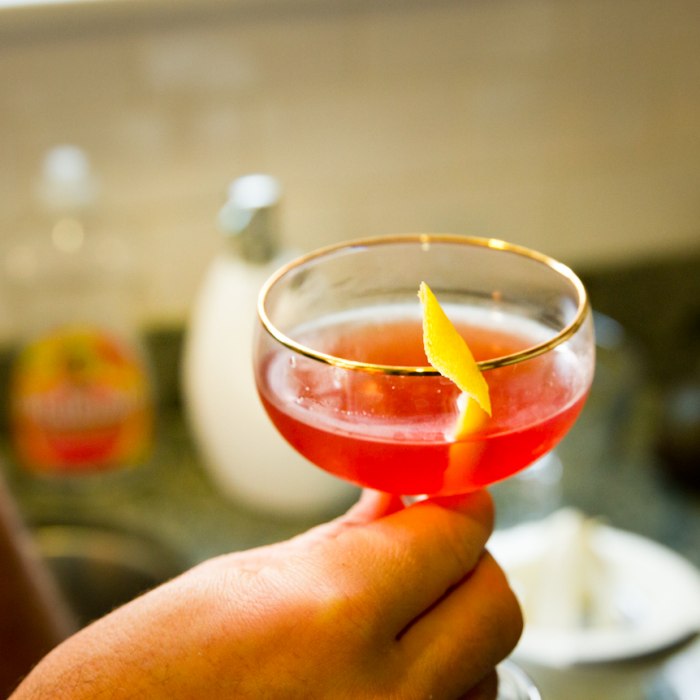
The Allegheny is a refreshing cocktail that beautifully balances the earthy notes of rye whiskey with the herbal complexity of sweet vermouth and a hint of orange bitters. Garnished with a twist of orange peel, it offers a sophisticated blend of flavors that evoke the spirit of the Allegheny River region. Perfect for sipping on a cozy evening, this drink showcases a harmonious interplay of warmth and zest.
Kentucky B And B
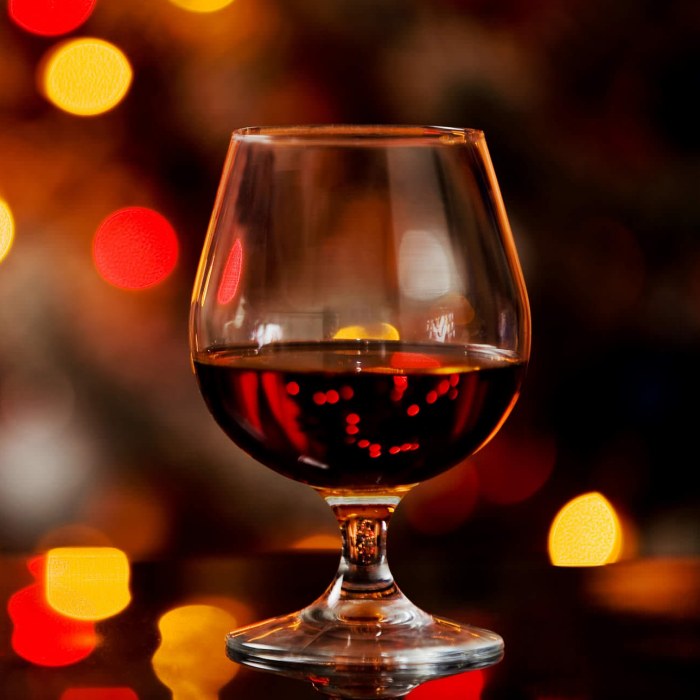
The Kentucky B and B is a delightful cocktail that blends the rich flavors of bourbon with the herbal notes of Benedictine liqueur. Served over ice with a twist of lemon, this drink offers a smooth and warming experience, perfect for sipping on a cozy evening. Its harmonious balance of sweetness and depth makes it a sophisticated choice for bourbon lovers.
Raspberry Julep
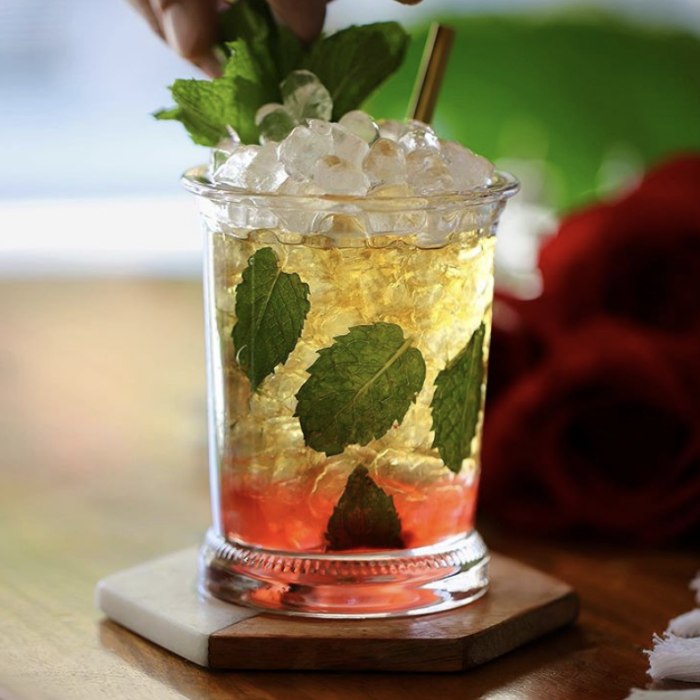
The Raspberry Julep is a refreshing twist on the classic mint julep, combining muddled fresh raspberries with fragrant mint leaves and a splash of simple syrup. Served over crushed ice and topped with bourbon, this vibrant cocktail offers a delightful balance of sweetness and herbal notes, making it the perfect drink for warm summer evenings. Garnished with a sprig of mint and a few whole raspberries, it’s as visually appealing as it is delicious.
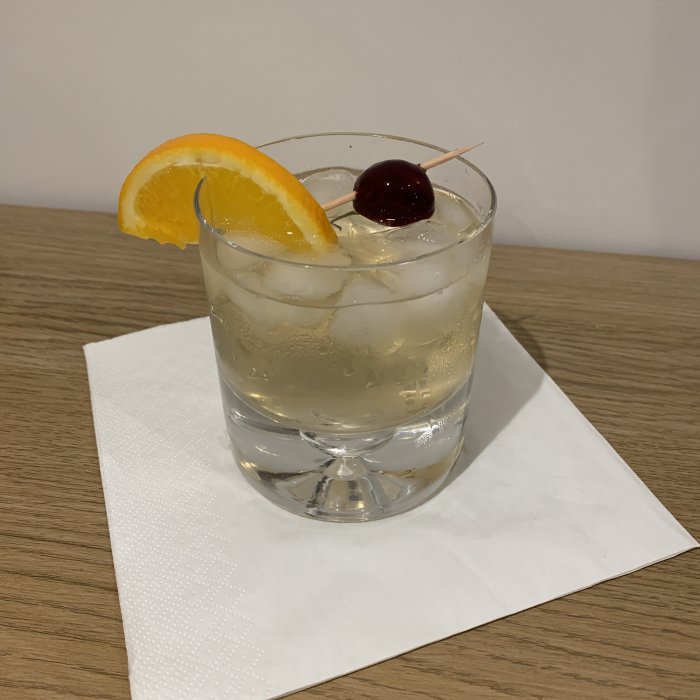
Classic Old-Fashioned
The Classic Old-Fashioned is a timeless cocktail that embodies sophistication with its simple yet rich flavors. Made with a blend of bourbon or rye whiskey, sugar, Angostura bitters, and a twist of citrus, it is served over ice and garnished with an orange slice or cherry, creating a perfect balance of sweetness and warmth. This drink is a favorite for those who appreciate the art of mixology and the elegance of traditional cocktails.
Other cocktail parties Cocktails
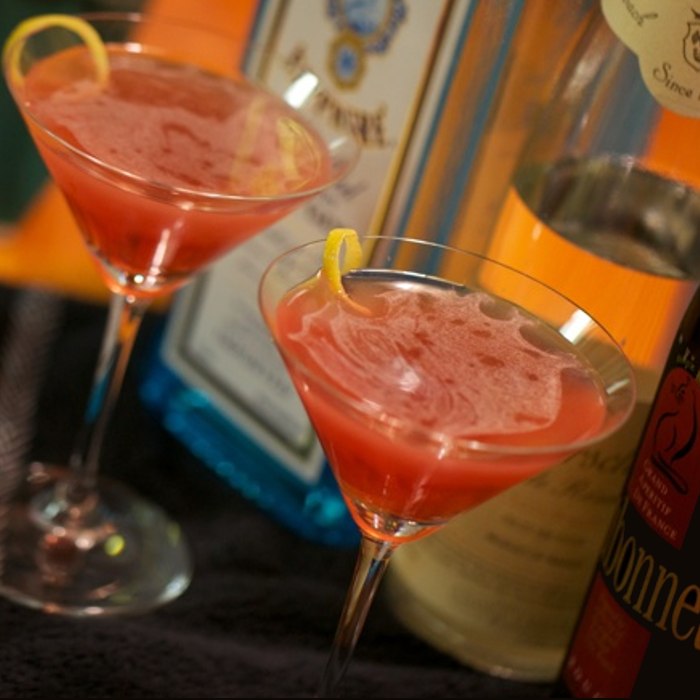
Blackthorn
The Blackthorn is a classic cocktail that combines the rich flavors of gin and sweet vermouth, enhanced by a splash of orange bitters. Often garnished with a twist of lemon or an orange peel, this drink offers a balanced blend of herbal and citrus notes, making it a sophisticated choice for any occasion. Its deep, alluring color and smooth finish make it a timeless favorite among cocktail enthusiasts.
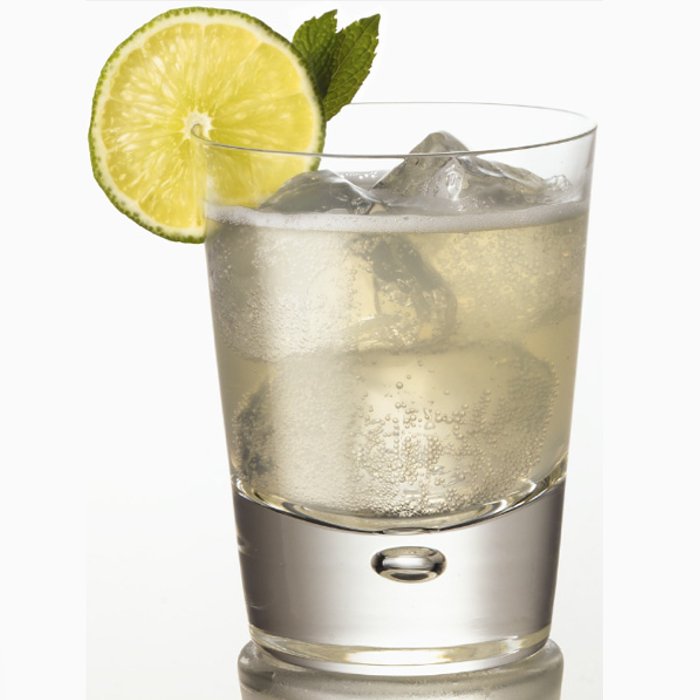
Rail Splitter
The Rail Splitter is a refreshing cocktail that combines the bold flavors of bourbon with the zesty notes of ginger beer and fresh lime juice. This invigorating drink is typically garnished with a lime wedge, making it a perfect choice for those seeking a spirited yet crisp beverage. Its harmonious blend of sweetness and spice captures the essence of classic American mixology.
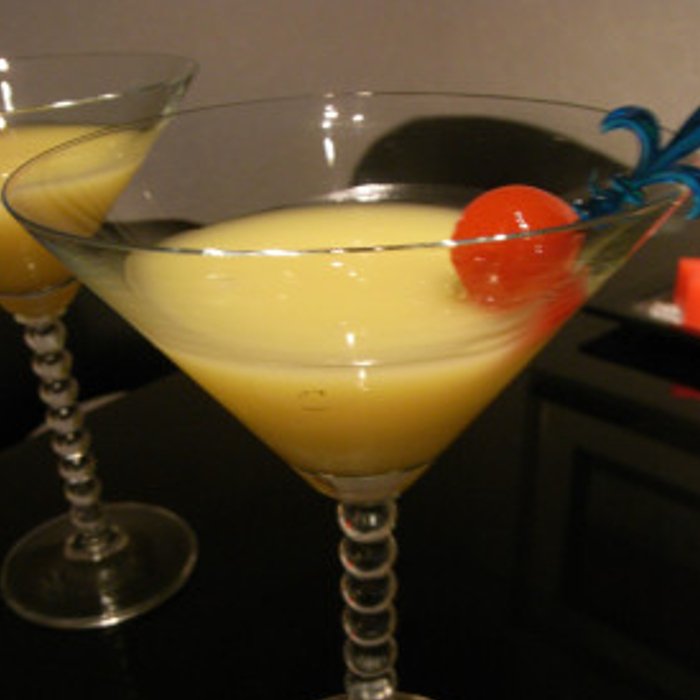
Casa Blanca
The Casa Blanca is a refreshing cocktail that combines the smoothness of white rum with the zesty brightness of fresh lime juice and the subtle sweetness of orange liqueur. Often garnished with a twist of citrus, this drink offers a delightful balance of flavors, making it a perfect choice for warm evenings or beachside lounging. Its elegant presentation and vibrant taste evoke the charm of its namesake, transporting you to a sun-soaked paradise with every sip.
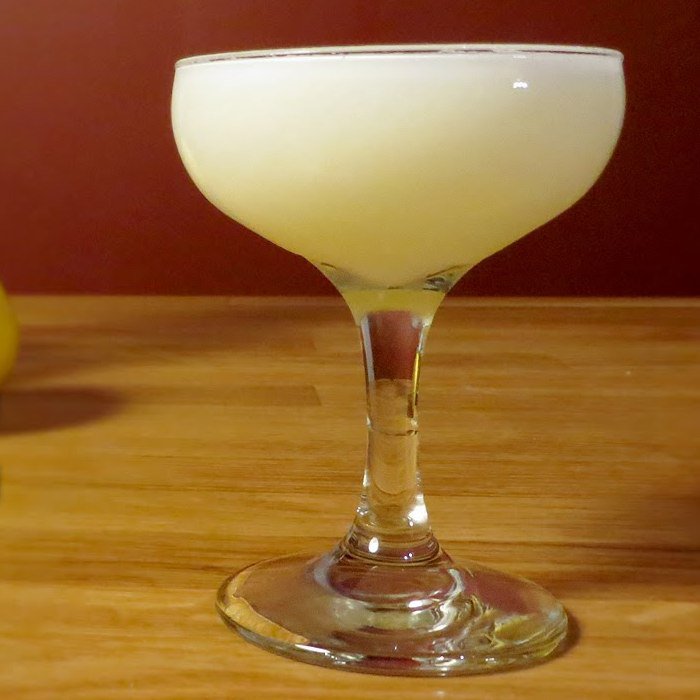
Vesuvio
The Vesuvio is a vibrant cocktail that captures the fiery spirit of its namesake volcano. Combining the bold flavors of gin, sweet vermouth, and fresh citrus, it offers a refreshing yet complex taste experience, often garnished with a twist of lemon or an olive. Perfect for those seeking a drink that ignites the senses, the Vesuvio is a delightful choice for any occasion.
Similar Flavor Profiles
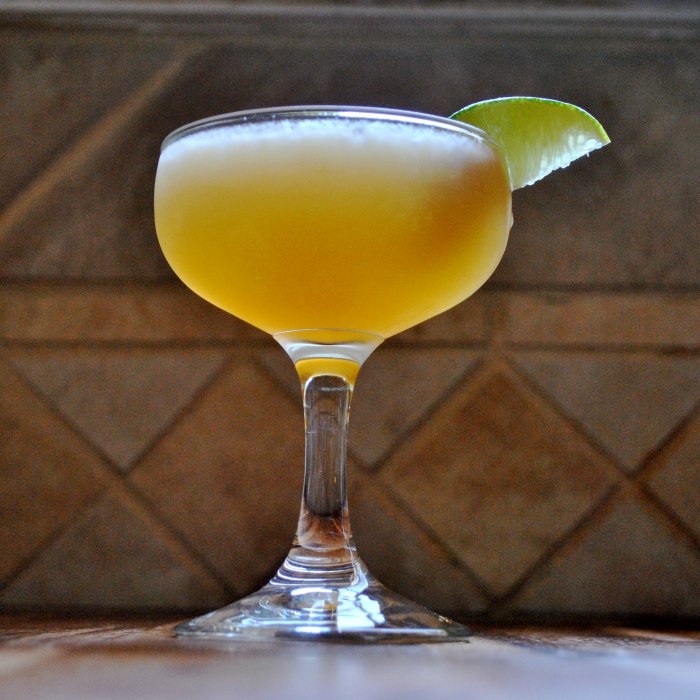
After Dinner Cocktail
The After Dinner Cocktail is a sophisticated blend designed to delight the palate after a meal. Typically featuring rich flavors from ingredients like coffee liqueur, whiskey, and a hint of bitters, this cocktail offers a warming and indulgent finish to any dining experience. Garnished with a twist of citrus or a coffee bean, it’s the perfect way to unwind and savor the evening.
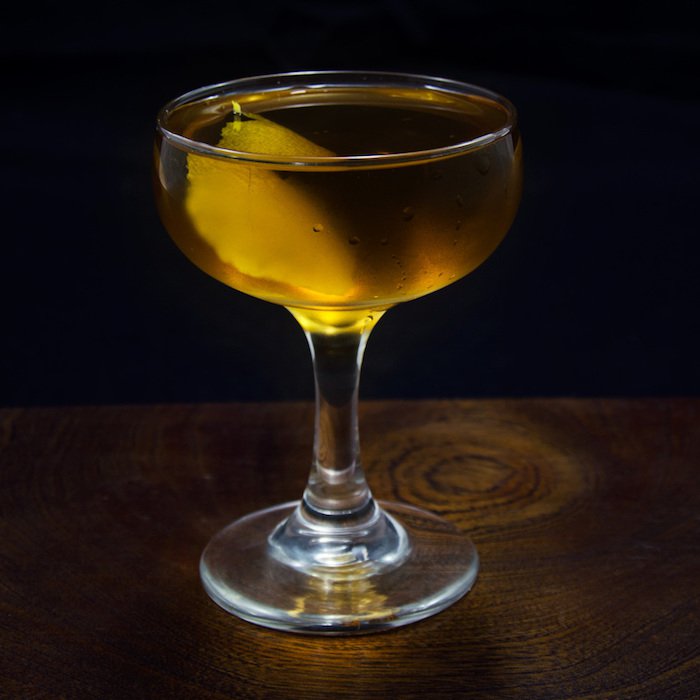
Bijou
The Bijou is a classic cocktail that beautifully balances the herbal notes of gin with the rich sweetness of green Chartreuse and the bittersweet depth of sweet vermouth. Its name, meaning "jewel" in French, reflects the vibrant green hue of the drink, often garnished with a twist of lemon or an orange peel to enhance its aromatic profile. This elegant concoction offers a sophisticated taste experience that has captivated cocktail enthusiasts since the late 19th century.
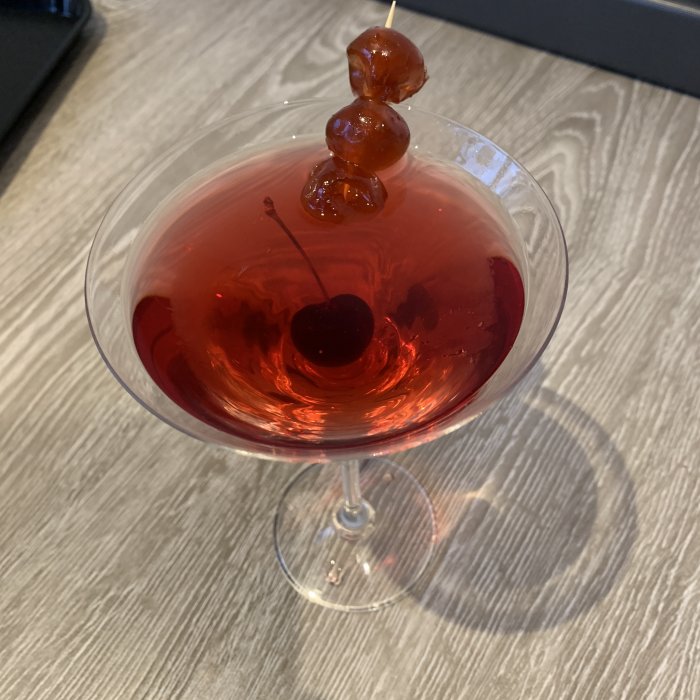
Affinity
The Affinity cocktail is a sophisticated blend that harmoniously combines equal parts of sweet vermouth, dry vermouth, and blended Scotch whisky, resulting in a smooth and complex drink. Often garnished with a twist of lemon or an orange peel, it offers a delightful balance of herbal and citrus notes, making it a perfect choice for those who appreciate nuanced flavors in their cocktails.
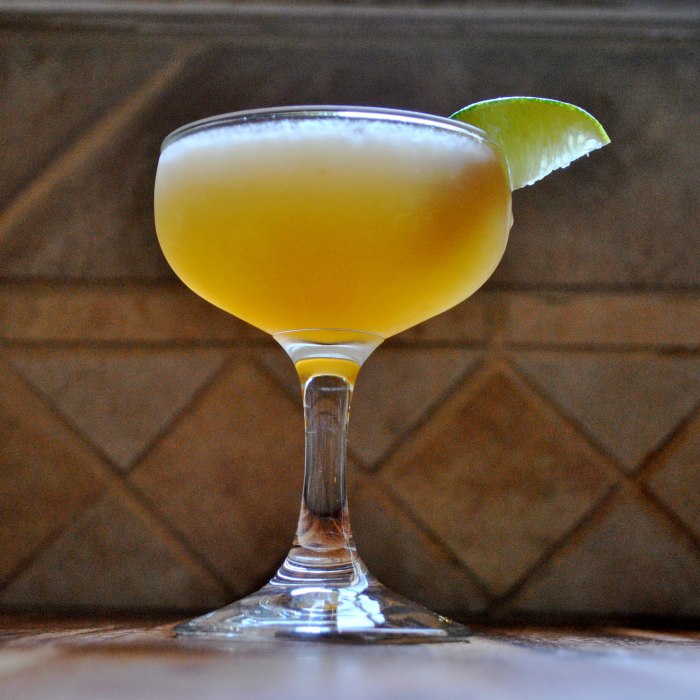
After Supper Cocktail
The After Supper Cocktail is a sophisticated blend designed to stimulate the palate following a meal. Typically featuring a harmonious mix of herbal liqueurs, bitters, and a touch of citrus, this drink offers a refreshing and aromatic finish that enhances digestion. Its elegant presentation and complex flavors make it a delightful choice for a post-dinner indulgence.
Advertisement